


_1745918362135.webp)

What Quality Standards Should Liposomal Vitamin C Powder Bulk Meet?
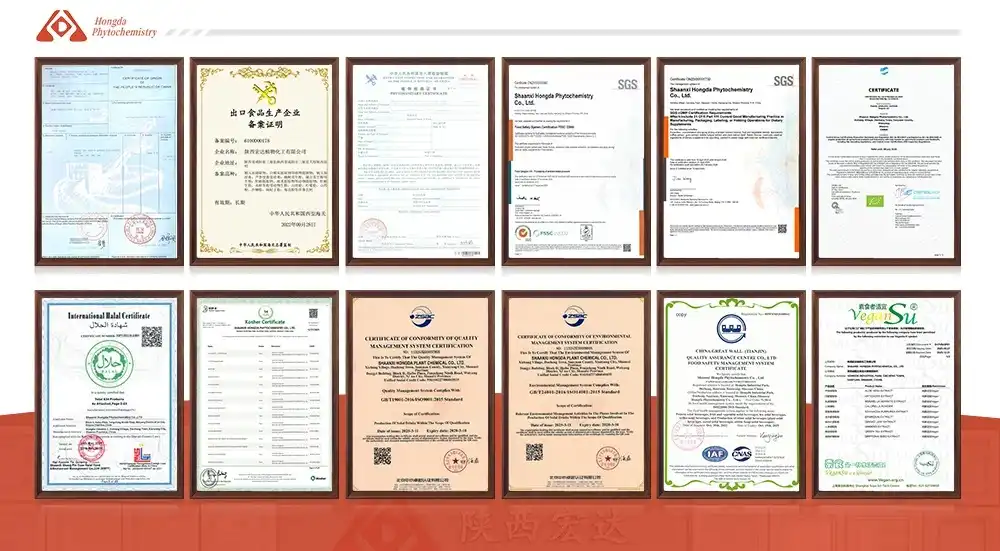
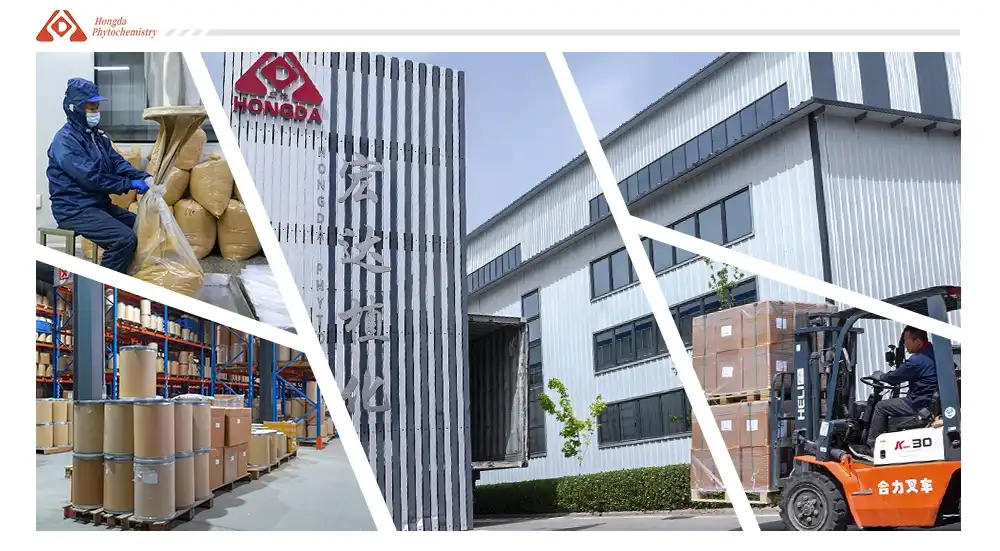
If you want to make vitamins or sell them, you can't just pick any liposomal vitamin C powder bulk. Hongda Phytochemistry (also called Shaanxi Hongda Phytochemistry Co., Ltd.) has been in the business of making high-quality liposomal drugs in bulk for more than twenty years. It is safe to buy liposomal vitamin C powder from Hongda, which ships it to stores in North America, Europe, and other places. Their factory covers 20,000 m² and is clean enough for 100,000 people to work there. They also have a number of foreign certificates, such as cGMP, FSSC22000, ISO22000, and HALAL/KOSHER.
Why Bioavailability Is the First Quality Benchmark?
The Science Behind Liposomal Encapsulation
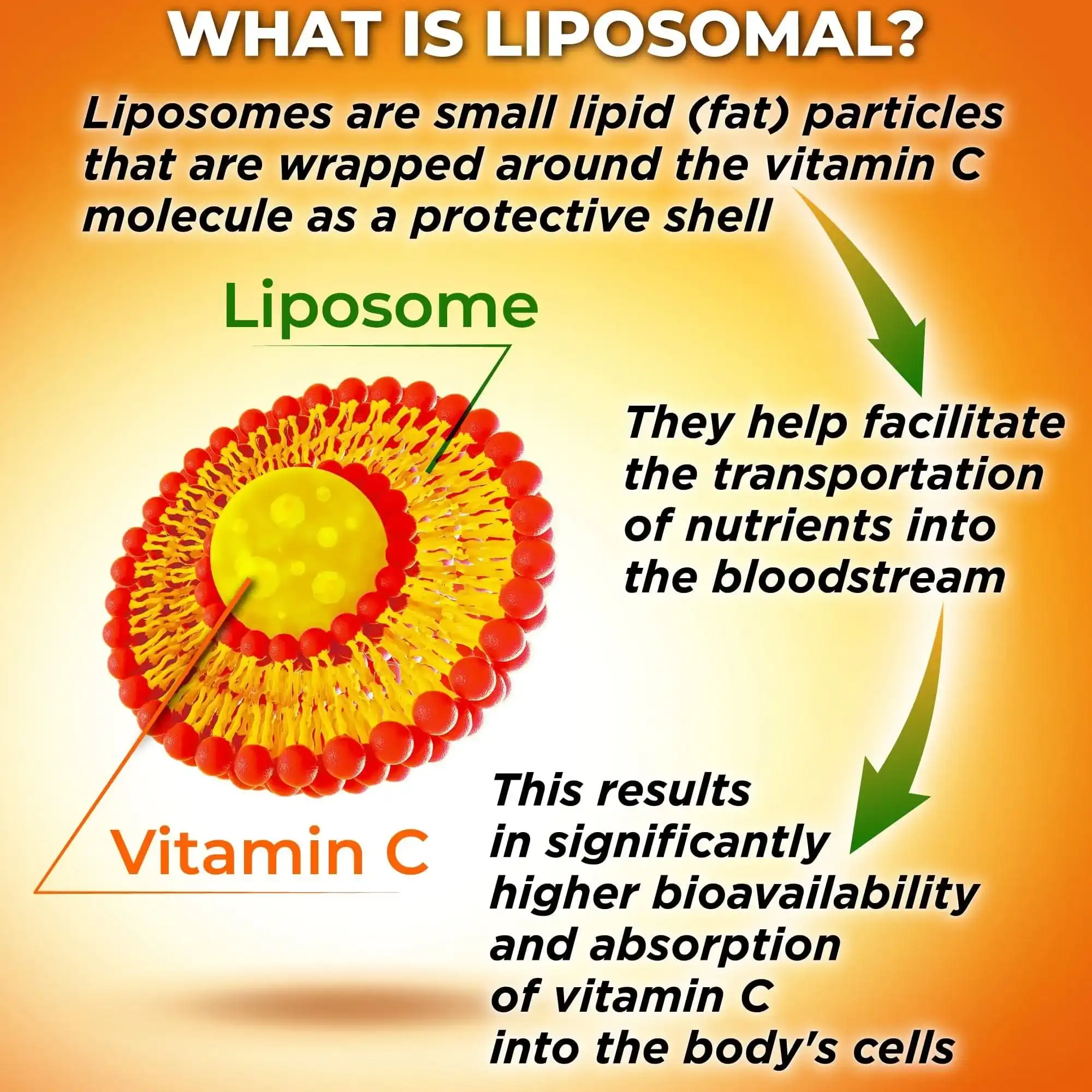
Ascorbic acid has a well-known absorption limit, which means that the gut can't take in any more after a certain point.[1][2] Liposomal technology solves this problem by enclosing vitamin C molecules in a phospholipid film. This creates a tiny fat bubble that moves through the gut wall like dietary fat does, skipping the saturation barrier. This leads to much higher intracellular release than with traditional forms.[3][4] One of the most important numbers on a spec sheet for people looking at Liposomal Vitamin C Powder Bulk is the encapsulation efficiency of that batch. Reliable makers check this with HPLC, dynamic light scattering (DLS), and FTIR analysis on every production run.[3][4]
Particle Size Distribution and Vesicle Integrity
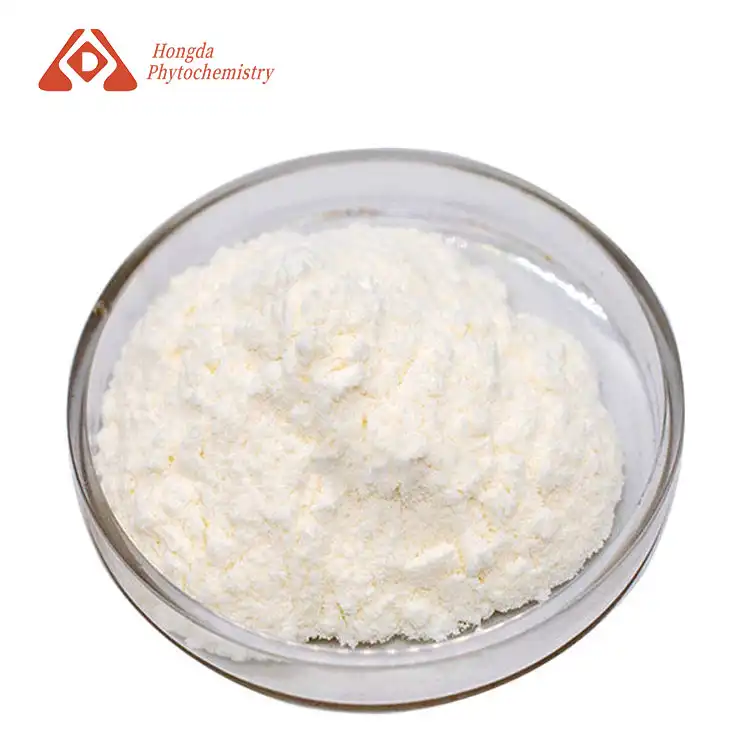
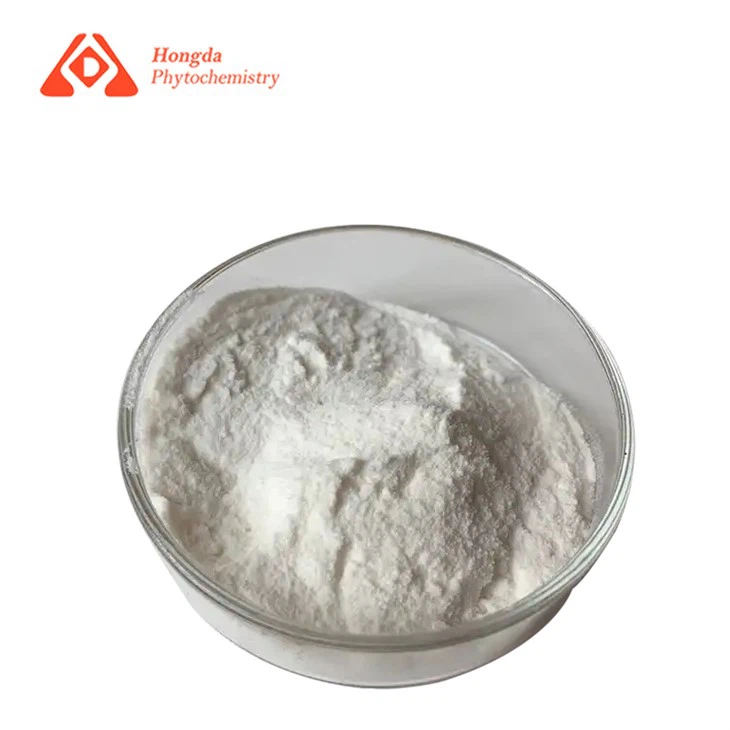
Particle size is not just a matter of taste; it directly affects how well the liposome makes it through digestion and to its target tissues. A fixed nanoscale particle size is seen as best by the industry as a whole. Using freeze-drying or spray-drying to turn liquid liposomal solutions into shelf-stable powder adds another challenge: the process must keep the integrity of the vesicles during the drying process. If manufacturers use the right lyophilization technology, they can get as much as 70–80% vitamin C in the finished powder while keeping the phospholipid shell whole. This gives formulators a high-potency ingredient that dissolves easily in water and works well in functional drinks, capsules, and sachets.
Choosing the Right Phospholipid Carrier
As important as the vitamin C itself is the quality of the phospholipid that carries it. For high-end uses, sunflower lecithin or soy lecithin that is not genetically modified and has a lot of phosphatidylcholine (PC) is the best pick. For stable, well-formed liposomes, the PC level should be higher than 20–30% of all phospholipids.[4][5] When looking at a supplier's detailed information for liposomal vitamin C powder in bulk, make sure you ask for both the vitamin C test and the phospholipid profile. Together, these two pieces of information give you a full picture of how well the product can deliver nutrients.
Key Certifications That Signal Genuine Quality
|
Certification
|
What It Covers
|
Why It Matters for Buyers
|
|---|---|---|
|
cGMP
|
Current Good Manufacturing Practices
|
Ensures consistent process control, batch records, and traceability
|
|
FSSC22000
|
Food Safety System Certification
|
Internationally recognized food safety management standard
|
|
ISO22000 / ISO9001
|
Quality & food safety management systems
|
Systematic quality assurance across all production stages
|
|
HALAL & KOSHER
|
Dietary compliance
|
Opens access to Middle Eastern, Jewish, and broader clean-label markets
|
|
USDA Organic (NOP) / EU Organic
|
Organic raw material sourcing
|
Required for brands targeting premium organic positioning
|
|
FDA / BRC
|
US and UK market compliance
|
Critical for export to regulated markets
|
In 2010, Shaanxi Hongda Phytochemistry Co., Ltd. was named a national high-tech business. Since then, the company has kept adding more certifications to its list. The 2025 additions—cGMP, FSSC22000, ISO22000, ISO9001, and both US NOP and EU Organic certifications—are very important because they directly address the paperwork needs of US goods that are controlled by the FDA and European products that are regulated by the EFSA. This certification stack makes auditing easier and speeds up the product registration process a lot for procurement managers who need to buy a lot of liposomal vitamin C powder in bulk.
Third-Party Laboratory Validation
Certifications set the rules, and testing by a third-party lab proves the goods (Liposomal Vitamin C Powder Bulk). The in-house lab at Hongda Phytochemistry meets SGS standards and has high-performance liquid chromatographs, gas chromatographs, atomic absorption spectrophotometers, and automated titrators. It is staffed by more than 20 professor-level scientists from universities and national research institutions. Before it leaves the country, every package is checked for chemical residues, heavy metals, wetness, and bacterial contamination, as well as the amount of active ingredients. This gives foreign sellers the proof they need for regulatory submissions.
Traceability from Farm to Powder
You can trust the product that you can track down. Hongda has three special growing bases: a high-mountain green tea base, a Sophora japonica base, and a Chinese medicinal material base. The planting and harvesting are overseen by professional agronomists. Retailers in the US and Europe want this farm-to-powder transparency more and more. It makes a big difference between bulk liposomal ingredients that are compliant and ascorbic acid goods that don't have any origin paperwork.
Stability and Shelf-Life Testing
The shapes of liposomes are affected by light, heat, and moisture. A good liposomal vitamin C powder bulk should come with stable data that proves the encapsulating works and the vitamin C levels stay the same over the stated shelf life when stored in the suggested way (cool, dry, and out of direct light). As a minimum, ask every potential liposomal vitamin C powder provider for stability reports at fast conditions (40°C / 75% RH). This information is what makes the difference between a product that works on the shelf and one that breaks down before the customer even opens the bottle.
Looking for a reliable Liposomal Vitamin C Powder Bulk supplier with complete certification, stability data, and global export experience? Hongda's technical team can provide samples, Certificates of Analysis (CoA), stability reports, regulatory documentation, and customized OEM/ODM support for your formulation project. To discuss specifications, pricing, or sample requests, contact us directly at duke@hongdaherb.com.
Raw Material Purity and Ingredient Specifications
Vitamin C Source and Assay Standards
The vitamin C core used in Liposomal Vitamin C Powder Bulk should be L-ascorbic acid of fermentation origin, with a purity of ≥98% by HPLC as a baseline for pharmaceutical applications. Some advanced producers use 99% USP/EP-grade ascorbic acid, which allows the finished liposomal powder to carry USP or EP monograph compliance claims.[1][6] Buyers sourcing for regulated markets should specify the pharmacopeial standard in their purchase order and verify it against the supplier's Certificate of Analysis on receipt.
Heavy Metal and Pesticide Limits
|
Test Parameter
|
Acceptable Limit
|
Test Method
|
|---|---|---|
|
Lead (Pb)
|
≤ 1 mg/kg
|
ICP-MS / AAS
|
|
Arsenic (As)
|
≤ 1 mg/kg
|
ICP-MS
|
|
Mercury (Hg)
|
≤ 0.1 mg/kg
|
CV-AAS
|
|
Cadmium (Cd)
|
≤ 0.3 mg/kg
|
ICP-MS
|
|
Total pesticide residues
|
Within EU MRL / USP <561>
|
GC-MS
|
|
Total plate count
|
≤ 1,000 CFU/g
|
USP <2021>
|
|
Yeast & Mold
|
≤ 100 CFU/g
|
USP <2021>
|
These limits align with EU Regulation 2023/915 and USP Chapter 2232. Hongda's testing infrastructure — including atomic absorption spectrophotometers and gas chromatographs — covers every parameter in this table, and CoA documentation can be provided in the format required by US, EU, or Asia-Pacific customs and food safety authorities.
Shaanxi hongda phytochemistry's COA:
|
Item
|
Specification
|
Test result
|
Test Method
|
|
Vitamin C
|
50%-55%
|
53.38%
|
HPLC
|
|
Appearance
|
White to pink powder
|
Complies
|
Visual
|
|
Odor and Taste
|
Characteristic
|
Complies
|
Sensory
|
|
Loss on Drying
|
≤5%
|
1.60%
|
Ch.P2020
|
|
Residue Solvents
|
Ethanol ≤ 5000ppm
|
Complies
|
GC-HS
|
|
Heavy metal
|
Lead (Pb) ≤1ppm
|
Complies
|
ICP-MS
|
|
Arsenic (As) ≤1ppm
|
Complies
|
ICP-MS
|
|
|
Cadmium(Cd) ≤0.3ppm
|
Complies
|
ICP-MS
|
|
|
Mercury(Hg) ≤0.1ppm
|
Complies
|
ICP-MS
|
|
|
Total Plate Count
|
≤1000cfu/g
|
Complies
|
USP-NF 2022
|
|
Yeast&Mould
|
≤100cfu/g
|
Complies
|
USP-NF 2022
|
|
E.coli
|
Negative
|
Negative
|
USP-NF 2022
|
|
Salmonella/25g
|
Negative
|
Negative
|
USP-NF 2022
|
|
Staphylococcus Aureus
|
Negative
|
Negative
|
USP-NF 2022
|
|
Storage
|
Preserve in a well-closed, light-resistant, and protect from moisture.
|
||
|
Packing
|
20kg/drum.
|
||
|
Shelf life
|
2 years.
|
||
Moisture Content and Flow Properties
Powder handling in a manufacturing facility depends on consistent moisture content, flow characteristics, and liposomal ingredients bulk. Liposomal Vitamin C Powder Bulk should have a moisture content not exceeding 5% to prevent caking and microbial growth during storage and transit. Bulk density and particle size distribution data should also be available on request, as these parameters affect capsule fill weights, tablet compressibility, and sachet dosing accuracy. Hongda's standard packaging — 12 kg per drum, 27 drums per pallet — is designed to maintain these physical properties through international shipping.
Manufacturing Capacity and Supply Reliability
Production Scale and Lead Times
For supplement brands that have found a quality ingredient, supply continuity is the next concern. Hongda's factory carries a production capacity of 3,000 metric tons per year across more than 10 modern production lines and maintains approximately 15 tons of liposomal vitamin C powder bulk in ready stock across a 3,000 m² warehouse organized into six dedicated storage zones. This inventory depth means that even large orders can be fulfilled promptly without quality compromises driven by production pressure — a practical advantage during peak demand seasons.
R&D-Driven Product Development
Staying ahead in the liposomal ingredients bulk market requires continuous formulation innovation. Hongda's two dedicated R&D institutions employ more than 20 researchers who collaborate with university faculties on new delivery formats, improved encapsulation processes, and emerging bioactive combinations. This pipeline capacity means that as a long-term supply partner, Hongda can co-develop customized specifications—adjusted particle size, modified phospholipid ratios, or co-encapsulated actives—that give brand customers a proprietary product edge rather than a commodity ingredient.
Logistics, Packaging, and Export Documentation
A reliable liposomal vitamin C powder supplier should be as strong in logistics as it is in chemistry. Hongda provides complete export documentation, including CoA, MSDS, country of origin certificates, and phytosanitary certificates, as standard. For US and EU customers, documentation packages can be tailored to FDA import requirements or EFSA novel food dossier formats. The 12 kg/drum packaging specification balances shipment efficiency with product protection, and Hongda's experience exporting to 30+ countries ensures that temperature-sensitive liposomal products arrive in specification regardless of transit route.
Conclusion
Liposomal vitamin c supplier/liposomal vitamin c powder manufacturer
Liposomal vitamin c wholesale quality is a multi-layered commitment—encompassing encapsulation science, raw material purity, certification compliance, and supply reliability. Hongda Phytochemistry (Shaanxi Hongda Phytochemistry Co., Ltd.) has built each of these layers systematically over more than two decades, earning a certification portfolio and manufacturing infrastructure that meets the highest international benchmarks. For buyers who need a dependable liposomal vitamin c powder supplier with the documentation, capacity, and technical depth to support global product launches, Hongda represents a clear and proven choice.
FAQ
1. What is the typical vitamin C content in Hongda's Liposomal Vitamin C Powder Bulk? +
2. Which certifications does Shaanxi Hongda hold for its liposomal ingredients bulk products? +
3. What is the minimum order quantity for Liposomal Vitamin C Powder Bulk? +
4. How is the phospholipid carrier quality verified? +
Get Premium Liposomal Vitamin C Powder Bulk for Your Brand | HONGDA
Sourcing starts with a conversation. Whether you're scaling an existing formulation or building a new premium supplement line including Liposomal Vitamin C Powder Bulk, the Hongda team brings the technical expertise, certified manufacturing infrastructure, and supply depth to make your project move forward with confidence. With over 24 years of experience, a 3,000-ton annual capacity, and a complete suite of international certifications, Shaanxi Hongda Phytochemistry Co., Ltd. is ready to be your long-term partner. Send your inquiry or sample request today. duke@hongdaherb.com
References
1. Padayatty, S. J., Sun, A. Y., Chen, Q., Espey, M. G., Drisko, J., & Levine, M. (2010). Vitamin C: Intravenous use by complementary and alternative medicine practitioners and expected outcomes. PLOS ONE, 5(7), e11414.
2. Vissers, M. C. M., & Das, A. B. (2018). Potential mechanisms of action for vitamin C in cancer: Reviewing the evidence. Frontiers in Physiology, 9, 809.
3. Davis, J. L., Paris, H. L., Beals, J. W., Binns, S. E., Giordano, G. R., Scalzo, R. L., & Bell, C. (2016). Liposomal-encapsulated ascorbic acid: Influence on vitamin C bioavailability and capacity to protect against ischemia–reperfusion injury. Nutrition and Metabolic Insights, 9, 25–30.
4. Gopi, S., & Balakrishnan, P. (2021). Evaluation and clinical comparison studies on liposomal and non-liposomal ascorbic acid (vitamin C) and their enhanced bioavailability. Journal of Liposome Research, 31(4), 356–364.
5. Bhagavan, H. N., & Chopra, R. K. (2006). Plasma coenzyme Q10 response to oral ingestion of coenzyme Q10 formulations. Mitochondrion, 7(Suppl), S78–S88.
6. European Food Safety Authority (EFSA). (2013). Scientific opinion on the tolerable upper intake level of vitamin C. EFSA Journal, 11(11), 3418.
_1751535186455.webp)