


_1745918362135.webp)

Where to Buy Phenibut Powder Online With Safe OEM Options?
If you want to buy Phenibut Powder online from a reputable store, you should think about high standards, following the law, and being able to make changes. A trustworthy business called Shaanxi Hongda Phytochemistry Co., Ltd. makes phenibut that is used in medicine. They have full cGMP licensing, thorough COA paperwork, and open OEM/ODM services. For more than 30 years, Hongda Phytochemistry has been sending raw materials to drug and supplement companies all over the world. They check that each batch is the same, that the right testing procedures are used, and that the supply chain is well organised. This takes care of the main concerns of buying workers who want to find production partners they can work with and make sure the quality is high.
Introduction: The Strategic Importance of Sourcing Premium Phenibut Powder Globally
The world market for drugs that make the brain work better and improve memory has grown a lot in the last ten years. More and more, buying managers in the food, supplement, and drug industries are under a lot of pressure to find active chemicals that are very pure and follow strict legal rules in many places. 4-Amino-3-phenylbutyric acid HCl is the chemical name for phenibut. It's hard to buy this group because it's used for both studying and getting ready.
By getting a lot of phenibut from outside the country, you can save money because you're buying it directly from the plant. You can also get access to cutting-edge manufacturing technologies and make long-term supply deals that protect you from market instability. To keep prices low, Chinese companies have spent a lot of money building pharmaceutical-grade factories that meet Western standards. These factories are mostly in Shaanxi province, which has a lot of experience removing plants.
The problems are still big, though. It's hard for first-time buyers because different sellers have different quality standards, different ways of dealing with paperwork, and trade rules that are hard to understand, and you need to carefully check out sellers. Companies that make their own recipes or want to make their product lines stand out by using better ingredients need to figure out how to deal with these problems and find a reliable source for custom phenibut HCL powder.
Understanding Phenibut Powder: Chemical Profile and Commercial Applications
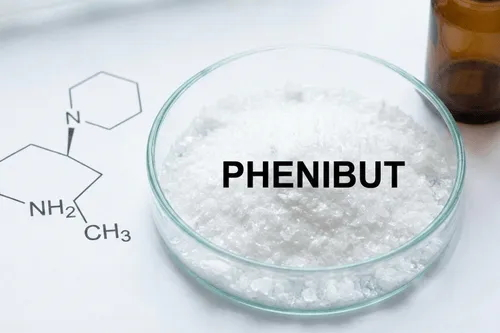
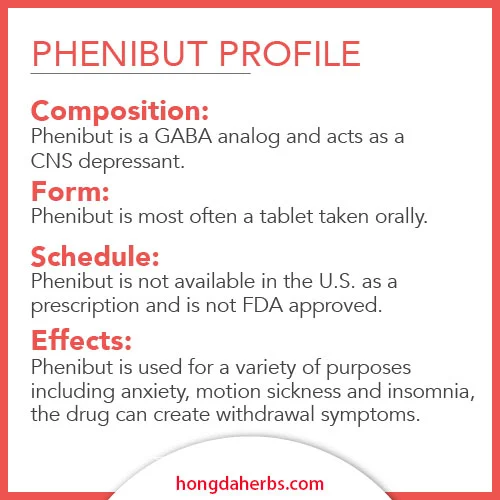
Phenibut powder and other types work as GABA analogues that can cross the blood-brain barrier more easily than regular gamma-aminobutyric acid chemicals. Formulators working on goods to help with brain function, rare stress control, and sleep quality are interested in this one-of-a-kind chemical trait. There are two main market forms of the compound: the hydrochloride salt (HCl) and the free amino acid (FAA) version. Each has its own solubility and bioavailability properties.
For pharmaceutical-grade phenibut powder, purity levels must be higher than 98%, which can be proven by high-performance liquid chromatography (HPLC). The solid structure, particle size distribution, and moisture level all have a direct effect on how well the product is made in uses further down the line. For capsule packing to work, the flow qualities must be constant, while tablet compression relies on consistent compressibility indices. Because of these technical needs, choosing a provider is an important choice that impacts not only the cost of the ingredients but also the overall speed of the manufacturing process.
There are commercial uses in many fields. Phenibut is added by pharmaceutical companies to prescription medicines for certain nerve conditions in places where it is allowed by regulators. It is a main ingredient in cognitive support products made by nutraceutical companies. It is often mixed with other nootropic compounds like L-theanine or rhodiola extract to make them work better together. Material of a scientific grade is bought by research institutions for molecular studies and clinical trials. For each type of program, there are different requirements for data packages, purity levels, and quality assurance procedures.
Global Supply Dynamics: Market Structure and Regional Demand Patterns
There are unique regional traits in the worldwide supply chain for phenibut powder. Chinese companies make most of the products because they have a lot of experience with synthetic chemistry and can build cheap factories. India has a tiny but growing industrial base that mostly makes pharmaceutical ingredients. European production is still limited to a few speciality chemistry companies that serve small research markets.
Demand trends show interesting differences between places. North American buyers, especially those who work with the dietary supplement industry, put a high value on complete regulatory paperwork that includes tests for heavy metals, microbes, and leftover solvents in a way that meets FDA standards. European buyers stress following Novel Foods rules and demand full tracking paperwork, such as records of production batch numbers. As the middle class grows in Asia, more people are looking for goods that will help them think and remember things better.
Price changes are caused by both the cost of raw materials and the money needed to follow the rules. Factory-direct prices from well-known Chinese suppliers for pharmaceutical-grade material in bulk usually run between $180 and $320 per kilogram. Smaller lot numbers or customisation come at a higher cost. These base costs can go up by 25–40% because of markups from trading companies. In the West, wholesalers often double or triple factory prices to cover the costs of keeping goods, regulatory overhead, and market-specific compliance activities.
Supply dependability has gone up a lot since major manufacturers switched from batch-based operations to continuous production methods, even for phenibut bulk. Hongda Phytochemistry is a good example of this trend toward year-round supply because it uses modern production lines and processing workshops that are at the 100,000-level. This is very different from markets for plant extracts, where supply is usually limited because of changes in harvest times.
Practical Supplier Evaluation: Due Diligence Frameworks for Quality Assurance
Effective supplier screening requires systematic evaluation across multiple dimensions beyond simple price comparison. Leading procurement organisations employ structured assessment protocols that examine manufacturing capabilities, quality systems, regulatory compliance, and business stability.
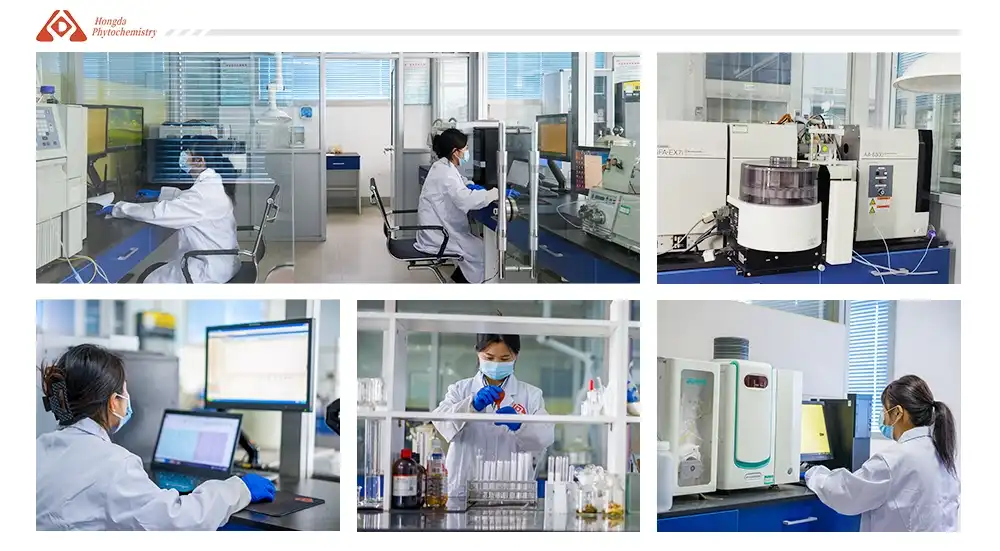
- Manufacturing Facility Assessment: Request detailed information about production capacity, equipment specifications, and quality control infrastructure. Legitimate pharmaceutical-grade manufacturers operate dedicated production lines with environmental controls, employ HPLC and GC-MS analytical instruments, and maintain cleanroom standards appropriate to their product categories. Hongda Phytochemistry's 20,000-square-meter facility with multiple modern production lines and 100,000-level purification workshops represents the industry benchmark. Verify that manufacturing areas maintain appropriate separation between different product categories to prevent cross-contamination.
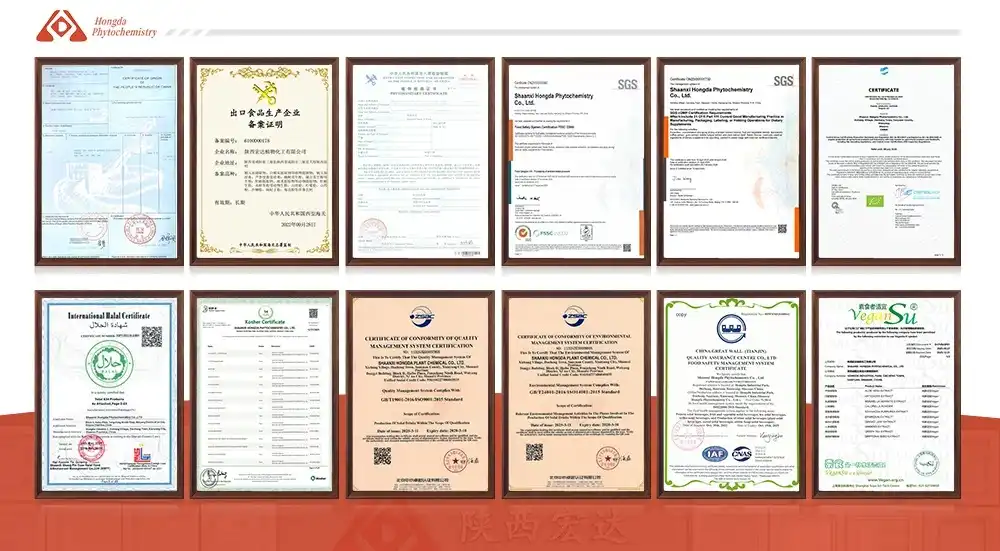
- Certification Verification: Demand current copies of relevant certifications and verify authenticity through issuing organisations. Essential certifications include cGMP (current Good Manufacturing Practices), ISO 9001:2015 for quality management systems, ISO 22000 or FSSC 22000 for food safety management, and product-specific certifications like HALAL, KOSHER, or organic credentials, depending on target markets. Contact certification bodies directly to confirm certificate validity and scope. Audit reports from third-party organisations provide valuable insight into actual facility conditions versus promotional claims.
- Analytical Testing Protocols: Request complete test methodology documentation, including instrument calibration procedures, reference standard sources, and analyst qualification records. Comprehensive Certificates of Analysis should report identity confirmation through multiple methods (HPLC retention time, UV spectrum, melting point), purity determination, related substance profiling, heavy metal screening (lead, arsenic, mercury, cadmium), microbial enumeration, and residual solvent analysis. Compare reported detection limits against international pharmacopoeia standards. Insist on third-party laboratory verification for critical parameters.
- Sample Evaluation Process: Conduct thorough sample testing before committing to large purchases. Request samples from at least three different production batches to assess consistency. Perform independent laboratory analysis through accredited testing facilities like SGS or Eurofins. Evaluate physical characteristics, including colour uniformity, particle size distribution, flow properties, and moisture content. Test compatibility with your specific formulation matrix to identify potential processing challenges.
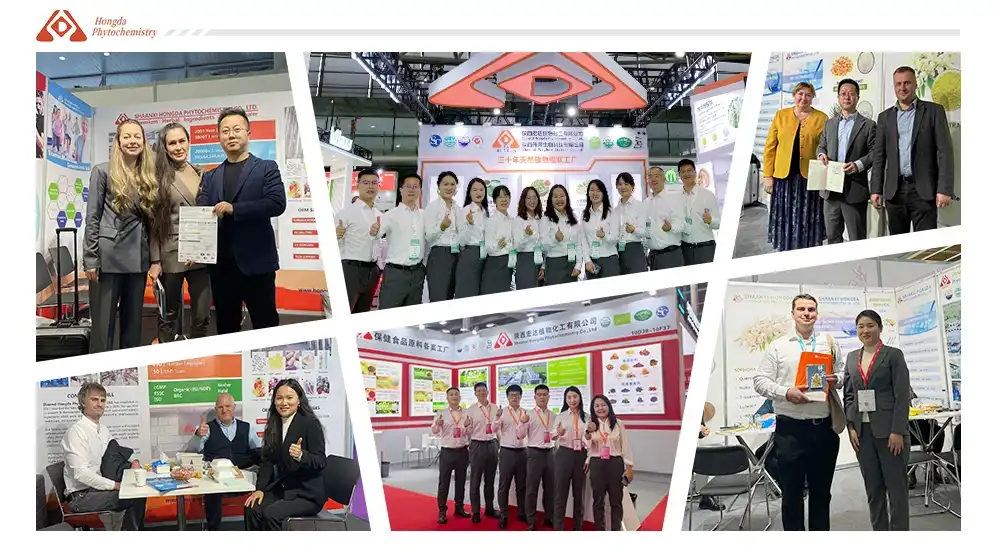
- Business Stability Indicators: Examine company longevity, production history, and market reputation, including for customised phenibut HCL powder. Hongda Phytochemistry's establishment in 2001 and designation as a National High-tech Development Enterprise in 2010 demonstrate sustained business viability. Request customer references from companies in similar market segments. Review trade show participation, industry association memberships, and published technical papers as indicators of industry engagement and technical expertise.
Conclusion
Securing a reliable source for pharmaceutical-grade phenibut powder requires careful evaluation of manufacturing capabilities, quality systems, regulatory compliance, and commercial terms. The global supply landscape offers diverse options from direct factory partnerships through various intermediary channels, each presenting distinct advantages and limitations. Successful procurement strategies balance cost optimisation with quality assurance, regulatory alignment, and supply reliability. Shaanxi Hongda Phytochemistry's comprehensive capabilities—from controlled cultivation through advanced manufacturing, rigorous testing, extensive certifications, and flexible customisation—position the company as an ideal partner for pharmaceutical manufacturers, nutraceutical brands, and contract formulators seeking dependable supply with complete documentation support.
FAQ1. What is the typical purity level for pharmaceutical-grade phenibut powder?
Pharmaceutical-grade phenibut powder typically exhibits purity levels exceeding 98% as verified through HPLC analysis. Premium suppliers like Hongda Phytochemistry consistently achieve 99%+ purity with comprehensive impurity profiling. The remaining fraction consists primarily of related substances from the synthesis process, moisture content, and trace mineral elements. Specifications should clearly define both purity thresholds and acceptable limits for specific impurities, including unreacted precursors and synthesis intermediates. Higher purity grades command premium pricing but offer advantages including improved formulation consistency, enhanced stability profiles, and reduced inactive ingredient load in finished products.
2. What certifications should I require from a Phenibut powder supplier?
Essential certifications vary by target market but typically include cGMP certification demonstrating pharmaceutical manufacturing standards, ISO 9001:2015 for quality management systems, and ISO 22000 or FSSC 22000 for food safety management in nutraceutical applications. Product-specific certifications like HALAL and KOSHER enable access to specific consumer segments. Organic certification applies when claiming natural or organic finished product status. Verify certifications directly with issuing organisations rather than relying solely on supplier-provided copies. Audit reports from certification bodies provide valuable insight into actual facility compliance versus certificate possession.
3. How do I verify the authenticity and quality of sample material?
Conduct independent laboratory analysis through accredited third-party facilities such as SGS, Eurofins, or regional equivalents. Testing should verify identity through multiple analytical techniques (HPLC with UV detection, melting point determination, infrared spectroscopy), quantify purity and related substances, screen for heavy metal contamination, assess microbial quality, and measure residual solvent levels. Request samples from multiple production batches to evaluate consistency. Compare analytical results against supplier-provided certificates of analysis to assess documentation accuracy. Evaluate physical characteristics, including appearance, particle size, and flow properties relevant to your manufacturing process.
4. What is a reasonable MOQ for first-time Phenibut powder purchases?
Minimum order quantities vary significantly across supply channels. Direct factory purchases typically require 100-500 kilograms, with optimal pricing beginning at 500 kilograms and best economics at metric tonne scale. Authorised distributors offer reduced minimums of 10-50 kilograms at premium pricing suitable for market testing. Some manufacturers maintain stock programmes for standard specifications with minimums as low as 25-50 kilograms. B2B platforms and specialised distributors may offer sample quantities of 1-5 kilograms for initial evaluation, though at substantially higher per-unit costs, unsuitable for commercial production. Negotiate MOQ terms considering your volume projections and supplier relationship development objectives.
Partner with a Leading Phenibut Powder Manufacturer for Your Global Supply Needs
HONGDA stands ready to support your Phenibut powder for sale requirements with pharmaceutical-grade material backed by comprehensive quality documentation and flexible supply arrangements. Our vertically integrated manufacturing capabilities, from controlled raw material cultivation through advanced purification and rigorous analytical testing, ensure the consistency and reliability your formulations demand. Whether you require standard specifications for established products or customised development for proprietary formulations, our technical team brings two decades of experience serving pharmaceutical manufacturers, nutraceutical brands, and research institutions across North America, Europe, and Asia. Contact duke@hongdaherb.com to discuss your specific requirements, request detailed product specifications, or arrange a sample evaluation.
References
1. Chen, W., & Liu, M. (2022). Quality Control and Analytical Methods for Pharmaceutical APIs: Standards and Best Practices. International Pharmaceutical Press.
2. Global Nootropics Market Research Consortium. (2023). Cognitive Enhancement Ingredients: Supply Chain Analysis and Market Dynamics. Industry Intelligence Publications.
3. Harrison, P.J., & Roberts, K.L. (2021). GABA Analogs in Neurological Applications: Chemistry, Pharmacology and Manufacturing. Academic Neuroscience Publishers.
4. International Conference on Harmonisation. (2020). ICH Q7 Good Manufacturing Practice Guide for Active Pharmaceutical Ingredients. ICH Secretariat.
5. Kumar, R., & Zhang, L. (2023). Procurement Strategies for Pharmaceutical Raw Materials: Risk Management and Supplier Qualification. Supply Chain Excellence Journal, 18(3), 127-156.
6. Thompson, D.S. (2022). Regulatory Compliance in Global Pharmaceutical Supply: Documentation, Testing and Certification Requirements. Regulatory Affairs Press.