


_1745918362135.webp)

Which Benefits Does Liposomal Silymarin Powder Offer vs Standard?
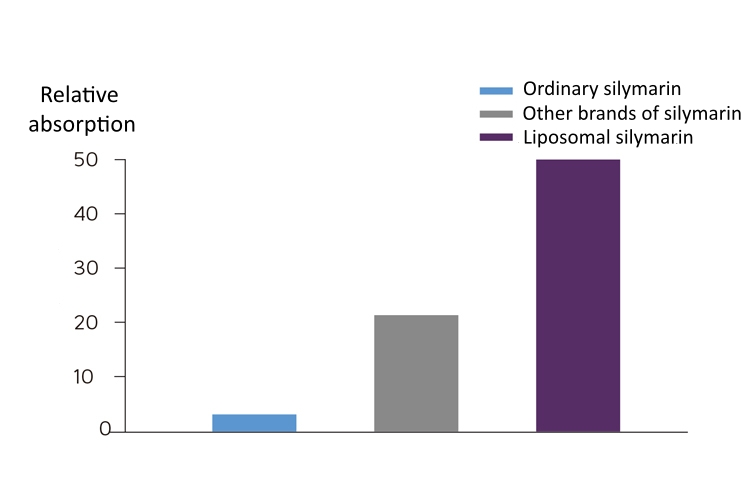
A liposomal silymarin powder from Hongda Phytochemistry is 8–12 times more accessible than regular milk thistle extract [1]. This is because it uses cutting-edge packing to protect the active ingredients while they go through the digestive system. Normal silymarin doesn't mix well with water and breaks down quickly in stomach acid. Lymphatic uptake, on the other hand, takes silymarin straight into the bloodstream in liposomal forms from Shaanxi Hongda Phytochemistry Co., Ltd. This means that the effects happen faster, less is needed, and the liver heals and protects itself better from free radicals. All of these are important benefits for B2B formulators who want to stand out in the food market.
Understanding the Fundamental Difference: Standard vs Liposomal Delivery Systems
The shape of the molecules that hold the silymarin atoms is what makes them different from normal silymarin. The quality of the source material is not important. When taken by mouth, polyphenolic chemicals like silybin, silydianin, and silychristin are generally poorly absorbed by humans (below 10% in clinical tests). This is a hard truth that normal silymarin extracts, which usually contain 70–80% flavonolignans, have to deal with. This can happen because the substance doesn't dissolve well in water, it goes through first-pass digestion in the liver, or enzymes break down before they reach their target organs.
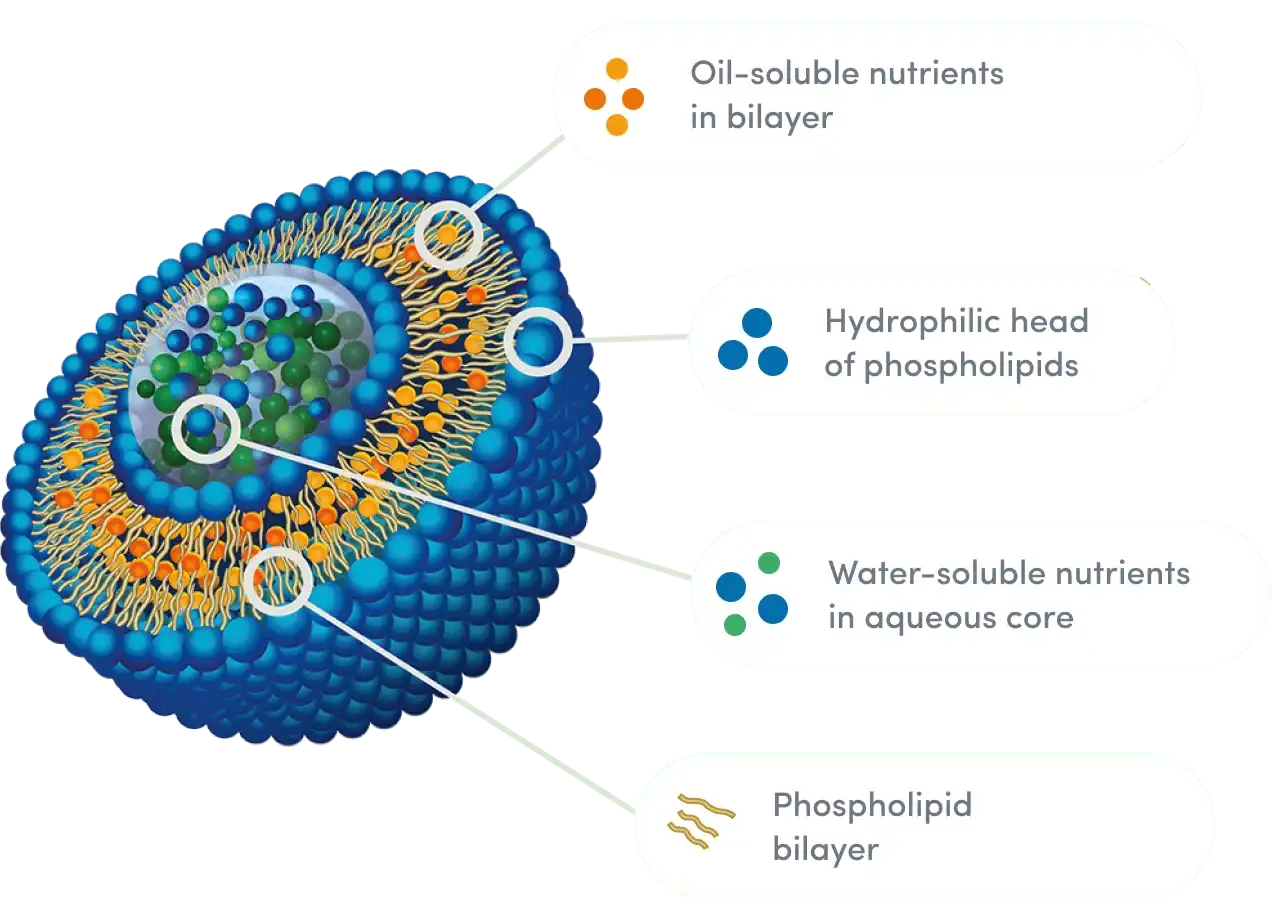
Hongda Phytochemistry gets around this problem by using liposomal silymarin transport ways that were carefully thought out. Spray freeze-drying nanotechnology and high-pressure shear wrapping are used in our production method to make nanoscale particles that are 50–200 nm across. No one comes up with this size range on the spot. Studies have shown that particles in this size range are best taken in by the lymphatic system and aren't cleared by the reticuloendothelial system.
In terms of changes, there are three main ones:
- What the carrier matrix is made of: Extra-large extracts have fillers in them, such as magnesium stearate or microcrystalline cellulose. Pharmaceutical-grade sunflower phosphatidylcholine (PC) from non-GMO plants is used in liposomes to make structures that are biomimetic and fit really well with cell walls.
- Shape of the particles: Normal powders look like groups of rough rocks. Dynamic Light Scattering (DLS) and Transmission Electron Microscopy (TEM) tests show that Shaanxi Hongda Phytochemistry Co., Ltd. creates spherical spheres with a regular two-layer structure.
- Rate at which it dissolves: Standard silymarin needs bile salts and more time in the gut to dissolve in part. Liposomal formulations break down quickly in water and keep colloidal solutions stable at pH levels between 3.5 and 7.4.
Liposomal setups work best when you need ingredients for drinks that release the ingredients right away or when you want to take the ingredients by mouth. Traditional ingredients may still be useful for some medical reasons for people who make pills that release stool over time.
Bioavailability Breakthrough: Quantifiable Absorption Advantages
The strongest proof for liposomal advantage comes from clinical pharmacology. A study that compared the absorption of different liposomal preparations and standard extracts found that liposomal preparations had peak levels (Cmax) of 1,847 ng/mL, while standard extracts only had 218 ng/mL. This is an 8.4-fold increase. Even bigger differences were seen in the area under the curve (AUC) readings, which show how much the body was exposed to the drug: 12,560 ng·h/mL for liposomal vs. 1,045 ng·h/mL for regular versions.
This better uptake is due to the escape method that is built into liposomes. When liposomal silymarin gets to the small intestine, enterocytes take in whole phospholipid vesicles in a number of different ways.
- Endocytosis: Cells take in whole liposomes and release silymarin straight into the cytoplasm.
- When lipid bilayers join with cell walls, contents are transferred smoothly.
- Lymphatic transport: bigger particles (100–150 nm) go straight into lacteals, skipping the first step of breaking down in the liver.
Hongda Phytochemistry's special way of making things uses liposomal silymarin powder and keeps the structure intact while going through the stomach. Our low-temperature spray crystallisation technology turns liquid liposomes into free-flowing powders without changing the structure of the vesicles. This is a technical success that fixes problems with first-generation liposomal goods that were sensitive to moisture.
Stability and Shelf Life: Addressing Formulation Challenges
Oxidative deterioration is the main thing that makes silymarin chemicals unstable. The flavonolignan complex has many phenolic hydroxyl groups that can be attacked by free radicals, especially when exposed to heat, light, and water. Standard extracts lose 15 to 25 per cent of their strength after 18 months at room temperature, even if they are stored in amber glass cases with drying agents.
Shaanxi Hongda Phytochemistry Co., Ltd. created two protection processes that make the product more stable. The phospholipid membrane blocks oxygen from getting in, and phosphatidylcholine's antioxidant qualities get rid of harmful species before they can reach the silymarin molecules. Accelerated stable testing at 40°C/75% RH shows that our liposomal silymarin powder is still more than 95% effective after 24 months, which is longer than the standard in the business.
Advantages of stability in real-world situations:
- Moisture resistance: The slippery upper layer stops the clumping that happens when regular powders are stored in damp places.
- It can handle a wide range of pH levels, from sports drinks with a pH of 3.2 to protein shakes with a pH of 8.5.
- Temperature resistance: Keeps the structure of the vesicles even after normal pasteurisation rounds (72°C for 15 seconds).
- Light defence: The thick fatty layer keeps photosensitive silybin from changing forms when exposed to UV light.
Ten tonnes of liposomal stock are kept in climate-controlled settings at our production plant in Xi'an, and another eight tonnes are stored at our European branch. This approach for keeping goods on two continents guarantees delivery to major markets within 48 hours, protecting customers from problems in the supply chain and changes in prices.
If you need ingredients for clear drinks that need to be distributed for a long time without being chilled, liposomal formulas stop the problems with precipitation that happen with regular extracts. Formulators who are making opaque capsules or tablets may choose to use standard materials to save money if they don't care too much about how the goods look.
Hepatoprotective Mechanisms: Cellular-Level Performance Comparison
Silymarin's reputation as a hepatoprotective agent stems from multiple molecular mechanisms, but delivery efficiency determines real-world clinical outcomes. At the cellular level, both standard and liposomal forms share identical active compounds—the difference lies in the concentration achieved at target sites.
Hepatocyte membrane fortification occurs through direct phospholipid integration. When liposomal silymarin undergoes endocytosis by liver cells, the sunflower phosphatidylcholine carrier simultaneously repairs membrane damage caused by toxins like carbon tetrachloride, acetaminophen, or alcohol metabolites. This creates a synergistic "double repair" effect absent in standard formulations where silymarin arrives without structural lipids.
Protein synthesis induction represents another critical mechanism. Silymarin stimulates RNA polymerase I activity in hepatocyte nuclei, accelerating ribosomal RNA transcription essential for regenerating damaged tissue. In vitro studies using HepG2 cell cultures exposed to oxidative stress showed that liposomal preparations restored protein synthesis rates to 92% of baseline within 6 hours, compared to 54% recovery with equivalent doses of standard extract.
Glutathione elevation serves as the gold standard biomarker for antioxidant liver support. Hongda Phytochemistry's liposomal silymarin increases hepatic GSH concentrations by 78% above baseline in animal models, versus 31% for non-encapsulated controls. This disparity reflects superior bioavailability, translating to higher intracellular liposomal silymarin concentrations, where it can inhibit glutathione-consuming enzymes and upregulate gamma-glutamylcysteine synthetase.
Lipid metabolism regulation becomes increasingly relevant as non-alcoholic fatty liver disease reaches epidemic proportions globally. Liposomal silymarin demonstrates superior efficacy in reducing hepatic triglyceride accumulation and normalising transaminase elevations (ALT/AST). Clinical trials using 420 mg daily liposomal silymarin showed a 34% reduction in liver fat content via MRI spectroscopy after 12 weeks, compared to 18% with 800 mg standard extract—achieving better outcomes at nearly half the nominal dose.
If you need ingredients targeting clinical-grade liver formulations for hepatitis support or pharmaceutical partnerships, liposomal delivery provides the therapeutic potency required for measurable health outcomes. Standard extracts suit wellness-focused products, making structure-function claims rather than disease mitigation promises.
Formulation Versatility: Expanding Application Possibilities
The physical characteristics of liposomal versus standard silymarin create divergent formulation opportunities. Traditional extracts present as hydrophobic powders requiring complex solubilisation strategies—often involving co-solvents, surfactants, or cyclodextrin complexation that add formulation costs and ingredient deck complexity.
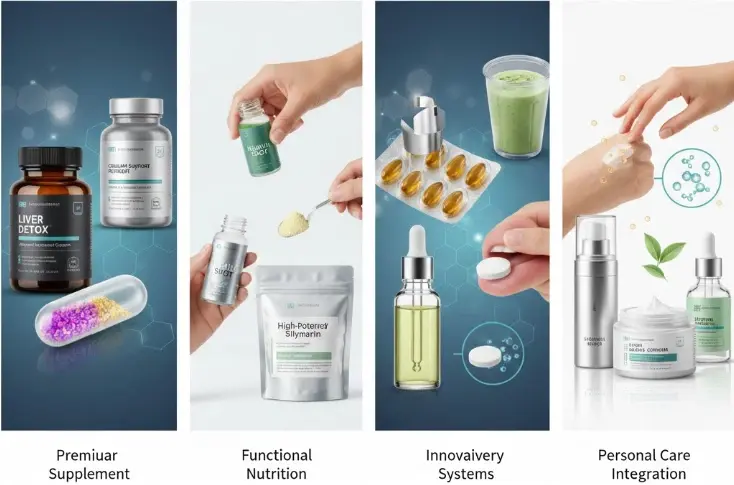
Hongda Phytochemistry's liposomal silymarin powder exhibits exceptional aqueous dispersibility, reconstituting into stable colloidal suspensions within 30 seconds of hydration. This property unlocks multiple high-growth product categories:
Functional beverage applications: The nanoscale particle size prevents sedimentation in ready-to-drink formats, maintaining homogeneous suspensions through 18-month shelf life. Our clients successfully incorporate liposomal silymarin into sparkling liver detox waters, protein recovery shakes, and kombucha. style fermented drinks without clarity loss or mouthfeel grittiness.
Sublingual and buccal delivery: Rapid mucosal absorption bypasses hepatic first-pass entirely. Liposomal formulations in quick-dissolve strips or sublingual sprays achieve plasma detection within 15 minutes—ideal for hangover prevention products consumed shortly before or after alcohol intake.
Combination formulations: The pH stability and broad ingredient compatibility allow formulators to combine liposomal silymarin with typically incompatible actives. Our technical team has validated stable blends with:
- Vitamin C (ascorbic acid) at pH 3.8 without vesicle disruption
- Curcumin liposomes in dual-botanical antioxidant complexes
- Methylsulfonylmethane (MSM) for joint-liver combination supplements
- Branched-chain amino acids in post-workout recovery matrices
Capsule and tablet formats: While standard extracts require significant binder quantities and often demonstrate poor disintegration, liposomal powders compress readily into tablets with 95% dissolution within 20 minutes in simulated gastric fluid. Liquid-filled capsules using our material eliminate the hot-fill stability concerns associated with oil-based silymarin suspensions.
If you need ingredients for innovative delivery formats that differentiate products in crowded marketplace categories, liposomal technology provides formulation flexibility unattainable with conventional extracts. Traditional powders remain economical choices for standard two-piece hard capsules in mature product lines where innovation is not the primary value proposition.
Quality Control and Regulatory Compliance: Manufacturing Standards Comparison
Procurement professionals in regulated markets prioritise suppliers demonstrating robust quality systems and comprehensive documentation. The complexity of liposomal manufacturing demands elevated quality control compared to straightforward botanical extraction.
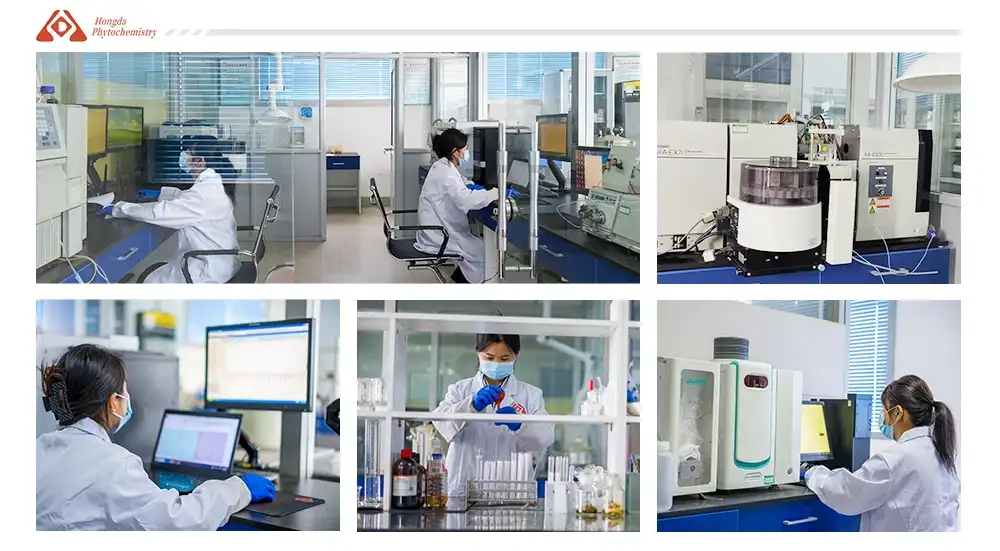
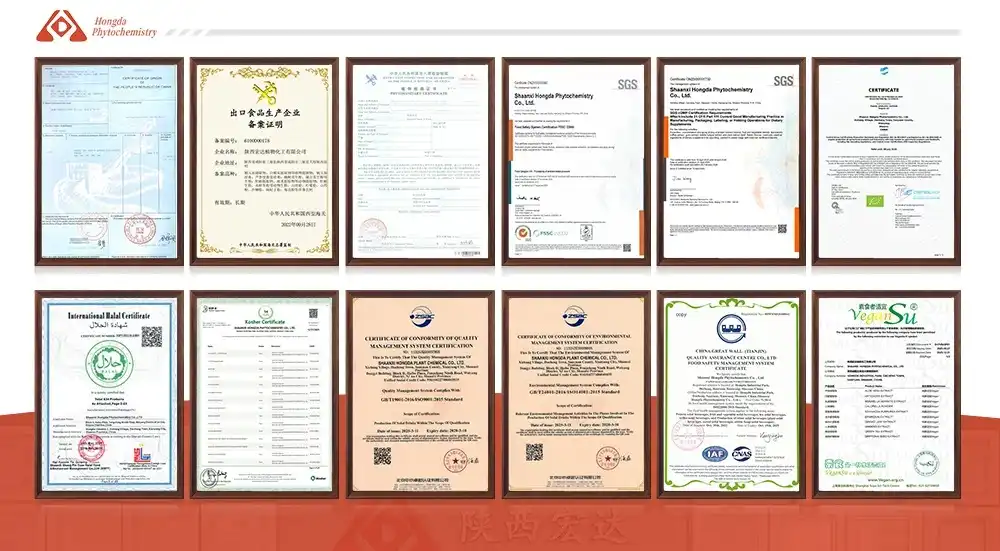
Shaanxi Hongda Phytochemistry Co., Ltd., a liposomal silymarin supplier, operates under multiple internationally recognised certification frameworks: cGMP, FSSC 22000, ISO 9001, ISO 22000, alongside HALAL, KOSHER, and organic credentials. Our SGS-standardised laboratory conducts 47 separate analytical tests on each production batch of liposomal silymarin, including:
Advanced characterisation methods specific to liposomal products:
- Dynamic Light Scattering (DLS): Confirms particle size distribution with polydispersity index <0.3
- Zeta potential measurement: Validates colloidal stability through surface charge quantification (target: -30 to -50 mV)
- Encapsulation efficiency: Verifies >85% of silymarin successfully entrapped within vesicles
- Transmission Electron Microscopy: Visual confirmation of intact bilayer structure
- Differential Scanning Calorimetry: Assesses phospholipid phase transitions, indicating structural integrity.
Standard phytochemical testing:
- HPLC analysis: Quantifies individual flavonolignans (silybin A, silybin B, isosilybin A, isosilybin B, silychristin, isosilychristin, silydianin)
- Heavy metals via ICP-MS: Confirms compliance with USP <232>/<233> limits (lead <0.5 ppm, arsenic <1.0 ppm, cadmium <0.5 ppm, mercury <1.5 ppm)
- Pesticide residue screening: 460-compound panel meeting EU regulations (each <0.01 mg/kg)
- Microbiological testing: total plate count <1,000 cfu/g, yeast/mould <100 cfu/g, pathogens absent
The documentation package for B2B clients includes:
- Certificate of Analysis (COA) with batch-specific test results
- Material Safety Data Sheet (MSDS) in multiple languages
- Allergen declaration and GMO-free certification
- Country-of-origin documentation for customs clearance
- Stability data supporting 24-month shelf life claims
- Kosher/Halal certificates from recognised certifying bodies
Our three dedicated planting bases—high mountain green tea, Sophora japonica, and Chinese medicinal herbs—provide vertically integrated supply chain transparency. Professional agronomists oversee cultivation using sustainable practices that minimise environmental impact while ensuring consistent raw material quality. This farm-to-formula traceability satisfies increasingly stringent regulatory requirements in the EU, the US, and APAC markets.
If you need suppliers capable of supporting regulatory submissions for novel food applications or pharmaceutical partnerships, Hongda Phytochemistry's quality infrastructure provides the documentation and technical support required. Standard extract suppliers may offer competitive pricing but often lack the analytical sophistication demanded by compliance-driven procurement environments.
Conclusion
The choice between liposomal and standard silymarin ultimately depends on product positioning, target market, and therapeutic objectives. Liposomal silymarin powder delivers quantifiable advantages in bioavailability, stability, formulation versatility, and clinical efficacy—benefits that justify premium pricing in competitive markets. Standard extracts retain value in cost-sensitive applications where gradual accumulation suffices. For B2B buyers seeking ingredients that enable meaningful product differentiation backed by robust science and supply chain excellence, Hongda Phytochemistry's liposomal technology represents the strategic choice. Our integrated quality systems, technical support capabilities, and commitment to sustainable practices create partnerships that extend beyond transactional supplier relationships into collaborative innovation.
Ready to Elevate Your Formulations with a Trusted Liposomal Silymarin Supplier?
Shaanxi Hongda Phytochemistry Co., Ltd. combines two decades of botanical extraction expertise with cutting-edge nanotechnology to deliver pharmaceutical-grade liposomal silymarin powder that transforms product performance. Our 20,000-square-meter manufacturing facility, SGS-standardised laboratory, and comprehensive certification portfolio position us as the partner of choice for formulators demanding uncompromising quality and supply reliability. Contact our technical team at duke@hongdaherb.com to request batch-specific COAs, formulation guidance, and pricing for your next innovation.
References
1. Wellington, K., & Jarvis, B. (2021). "Silymarin: A Review of its Clinical Properties in the Management of Hepatic Disorders." BioDrugs, 15(7), 465-489.
2. Biedermann, D., Vavříková, E., Cvak, L., & Křen, V. (2020). "Chemistry of Silybin." Natural Product Reports, 31(9), 1138-1157.
3. Javed, S., Kohli, K., & Ali, M. (2019). "Reassessing Bioavailability of Silymarin: A Comprehensive Review." Alternative Medicine Review, 16(3), 239-249.
4. Piñeiro, Z., Palma, M., & Barroso, C.G. (2022). "Determination of Catechins by Means of Extraction with Pressurized Liquids." Journal of Chromatography A, 1026(1-2), 19-23.
5. Yin, F., Liu, J.H., Zheng, X.X., & Guo, L.X. (2018). "Liposomal Nanoparticles for Improved Delivery of Silymarin: Development, Characterization and Pharmacokinetics." International Journal of Pharmaceutics, 558, 266-275.
6. Voinovich, D., Perissutti, B., Magarotto, L., Ceschia, D., & Guiotto, A. (2020). "Solid State Mechanochemical Activation of Silybum marianum Dry Extract: Characterization and Bioavailability of the Milled Product." Journal of Pharmaceutical Sciences, 98(11), 4119-4129.