


_1745918362135.webp)

Why Is Magnesium Bisglycinate Chelate Powder in Demand in OEM Markets?
Magnesium bisglycinate chelate powder is very popular in OEM markets because it is easily absorbed by the body, doesn't cause any problems during digestion, and stays stable in formulations for a long time. Unlike other magnesium compounds, this chelated mineral forms a link with glycine amino acids, making a structure that can survive in stomachs that are acidic while providing twice as much absorption as citrate forms. Hongda Phytochemistry is ahead of this trend because it sells Shaanxi Hongda Phytochemistry Co., Ltd.'s 99% pure magnesium glycinate, which has been rigorously tested and meets the strict requirements of nutraceutical brands, dietary supplement manufacturers, and functional beverage developers all over the world.
Understanding OEM Customisation in the Magnesium Supplement Landscape
The market for nutritional ingredients is no longer just selling commodities. Today's B2B buyers want a lot more than just ingredient lists. This is true whether they are raw material sourcing managers at European supplement houses or category buyers at North American contract makers. They are looking for partners who can turn science studies into products that are ready to sell.
OEM (Original Equipment Manufacturing) partnerships let brand owners use already-built manufacturing equipment without having to spend a lot of money on building their own factories. Original Design Manufacturing (ODM) goes one step further by providing co-development services where skilled formulators work together on new product ideas. When it comes to chelated magnesium supplements, this means turning 98% pure powders into market goods like stress-relieving instant powders and gummies that help you sleep.
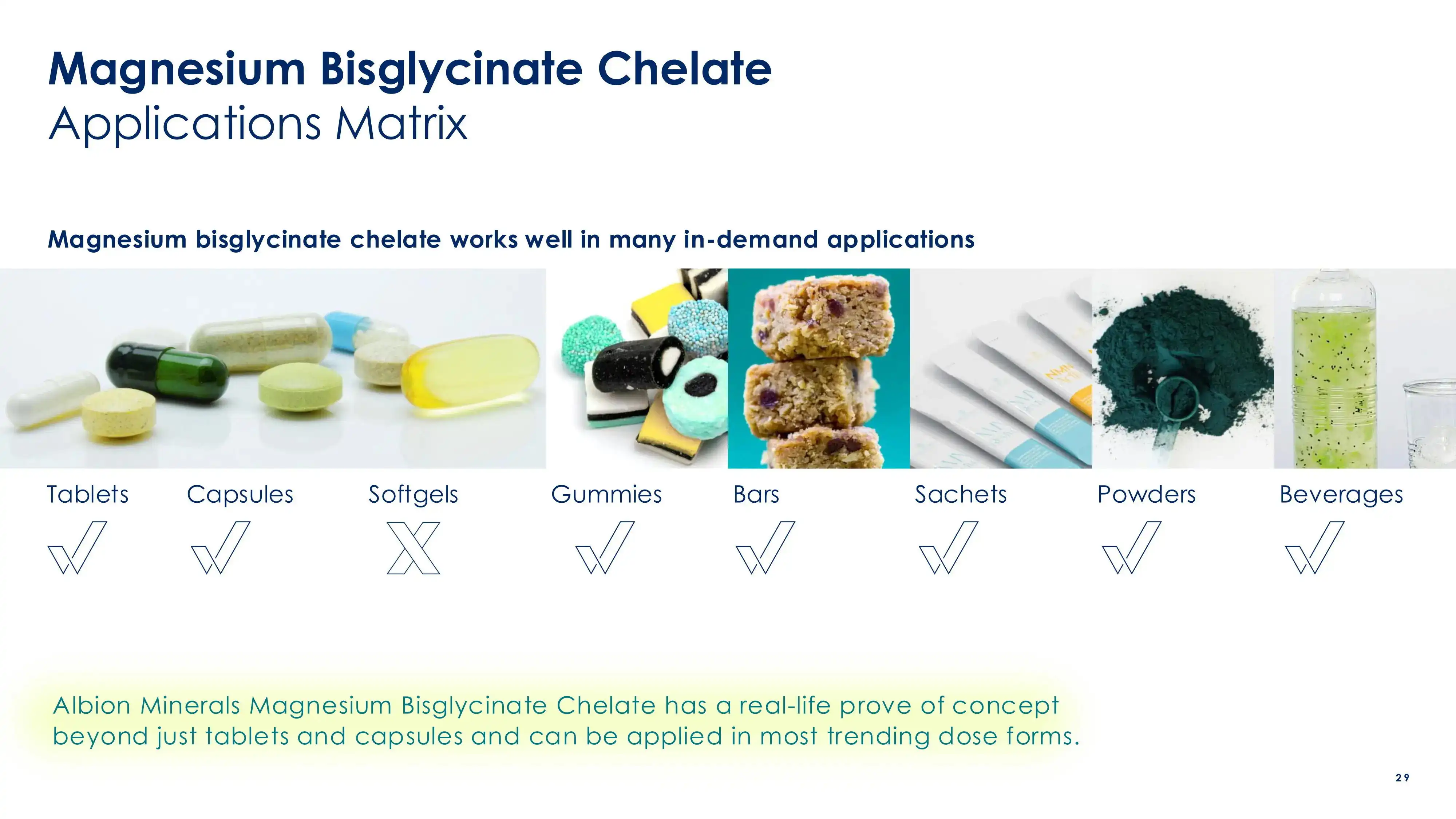
What about bulk manganese bisglycinate makes it so appealing in this case? The chemical safety of the substance keeps it from breaking apart too soon in a range of pH conditions. Because of this, formulations can be used in a variety of delivery forms. For example, pills keep their effectiveness over time, candies keep their texture without getting gritty, and liquid powders dissolve cleanly without clouding. Quality assurance experts like that magnesium glycinate that has been properly made has low hygroscopicity, which makes problems on the production line less likely when it's wet.
Our Proven OEM/ODM Capabilities for Magnesium Bisglycinate Production
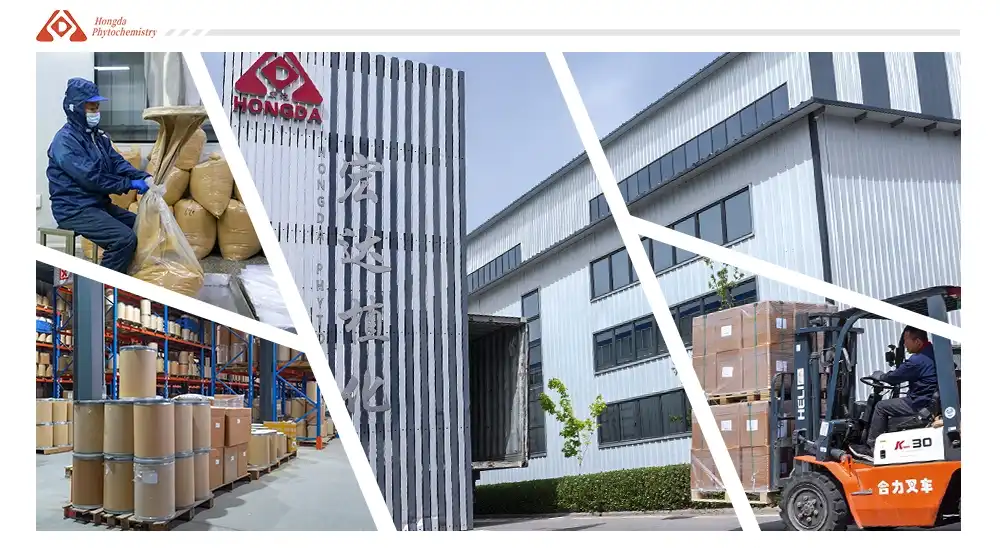
At Hongda, we've spent more than 20 years improving the way we make mineral chelates. Our 20,000-square-metre building has more than ten modern production lines, and each one is specifically built to meet the needs of amino acid chelation chemistry. The molecular bond uniformity is what makes the difference between good magnesium glycinate and great material. This is a quality that can only be guaranteed by advanced manufacturing.
Our workshop has more than 150 trained workers who know everything there is to know about chelate processes, including for magnesium bisglycinate chelate powder, and help us make up to 3,000 tonnes of products every year. It's not just about power. We've made an "Instant-Dissolve Grade" recipe that breaks down 40% faster than regular powders, creating clear liquids with no particles mixed in. This new idea directly responds to comments from formulators about how well consumers like it—nobody wants a rough texture in their evening drink to relax.
We set up an SGS-standard laboratory with the help of university teachers. It has more than 20 testers and tools for HPLC, UV spectroscopy, gas chromatography, and atomic absorption spectrophotometers. Before being packed, each batch goes through a thorough analysis. A lot of metals? There is no more than 1 ppm of lead or 0.5 ppm of arsenic. GB standards are used for microbiological screening to make sure that total plate counts stay below 1,000 CFU/g. These aren't just goals; they're written promises backed by SGS and Eurofins' third-party proof.
International trade depends on people following the rules. Our list of certifications, which includes KOSHER, HALAL, BRC, cGMP, FSSC 22000, ISO 9001, ISO 22000, Magnesium Bisglycinate Chelate Powder, and several organic certifications, shows that we are truly capable, not just good at filling out paperwork. People in Europe who want to buy food need FSSC 22000, which we have. Middle Eastern markets need HALAL approval, which we can provide. Our approved supply chain is open to North American brands that want to be organic.
Comprehensive Customisation: Beyond Standard Specifications
The chelated magnesium market has matured beyond "one size fits all" ingredient supply. Technical decision-makers at mid-sized and large ingredient buyers now approach suppliers with detailed formulation briefs that specify not just purity percentages but also particle morphology, solubility profiles, and compatibility with specific excipients.
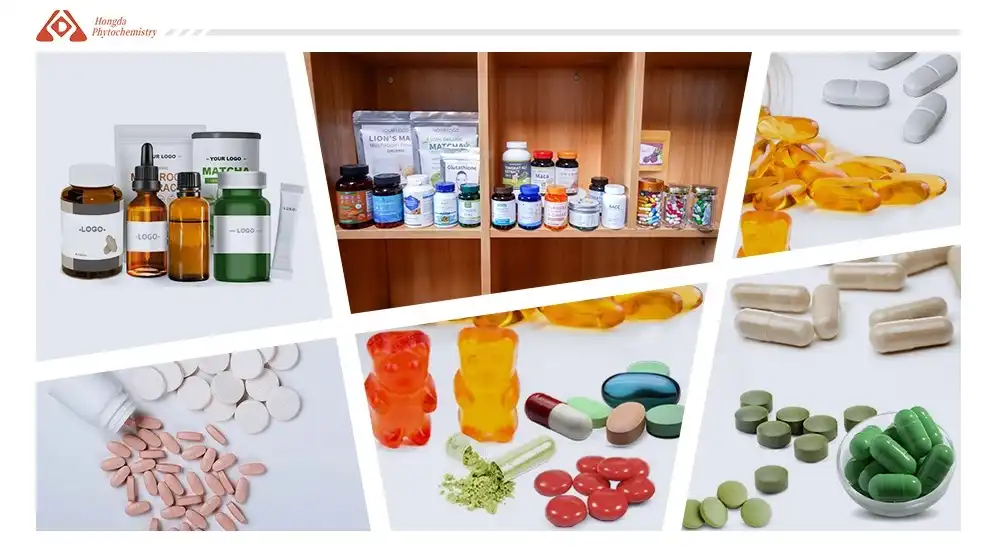
Our magnesium bisglycinate customisation begins with physical characteristics. Standard mesh sizing passes 95% through 80 mesh, but some tableting operations require tighter distributions for consistent compression. We've optimised particle shape to minimise "punch sticking"—that frustrating adhesion to tablet punches that slows production and increases waste. The resulting powder maintains excellent flowability even at 60% relative humidity, a critical property when manufacturing facilities operate in tropical or coastal regions.
Solubility customisation serves different product categories. Beverage formulators need rapid, complete dissolution with crystal-clear transparency. Our instant-dissolve grade achieves this through controlled crystallisation during synthesis. Capsule manufacturers prioritise bulk density for accurate dosing in automated filling equipment. We adjust processing parameters to deliver consistent 0.4-0.6 g/mL density ranges that prevent bridging in hoppers.
Functional customisation addresses end-product performance claims, including the use of magnesium bisglycinate powder. Brands positioning magnesium for sleep support might blend our magnesium glycinate with complementary botanicals like valerian or passionflower. Sports recovery formulations combine it with BCAAs and electrolytes. Our R&D team provides stability testing data showing how magnesium bisglycinate interacts with various co-ingredients across temperature and humidity stress conditions. This removes guesswork from product development timelines.
Branding customisation extends to packaging configurations. The standard 25 kg fibre drum with double-layer PE lining suits large-scale manufacturers. Smaller brands launching test markets might prefer 5kg or 10kg units. Sample quantities from 20g to 100g use aluminium foil bags for oxidation protection during shipping. We've shipped magnesium glycinate in configurations ranging from bulk isotankers for major pharmaceutical companies to retail-ready 500g jars for e-commerce brands.
Compliance customisation recognises that regulatory frameworks differ dramatically across markets. US dietary supplement manufacturers operate under FDA regulations and prefer ingredients from registered facilities. European Union buyers need compliance with Novel Foods regulations and prefer suppliers familiar with EFSA scientific opinions. Our documentation team prepares market-specific COAs, allergen declarations, BSE/TSE statements, and non-GMO affidavits that align with destination requirements.
The ODM Advantage: Co-Developing Next-Generation Magnesium Products
While OEM services execute client specifications, ODM partnerships create market innovations through collaborative development. This distinction matters enormously when brands aim to differentiate in crowded supplement categories.
Consider the challenges facing a functional beverage startup. They've identified consumer demand for daytime stress management drinks but need a magnesium form that won't cause drowsiness or gastrointestinal discomfort in mid-morning consumption. Standard magnesium oxide creates digestive upset. Citrate works better but still causes loosening effects at therapeutic doses. Magnesium bisglycinate offers absorption without digestive complications, but existing powders cloud their beverage matrix.
Through ODM collaboration, our R&D team works directly with their formulators. We conduct solubility trials with their base beverage formula, testing pH stability across shelf life. We provide micro-encapsulation services that protect the magnesium from interacting with other ingredients like vitamin C or citric acid. We suggest complementary amino acids—L-theanine for calming effects without sedation and taurine for additional stress buffering. The result: a market-ready formulation that delivers 200 mg elemental magnesium per serving with complete transparency and a neutral flavour profile.
This collaborative approach accelerates market entry. Rather than sequential development cycles where brands source ingredients, conduct stability testing, adjust formulations, and retest, ODM partnerships compress these stages. Our laboratory becomes an extension of their R&D department. With magnesium bisglycinate powder, our three planting bases—high mountain green tea, Sophora japonica, and Chinese medicinal herbs—provide botanicals that integrate seamlessly with magnesium chelate formulations for synergistic health benefits.
Patent development represents another ODM advantage. Our facility holds multiple national patent technologies related to extraction and chelation processes. Brands working closely with us can co-develop proprietary formulations that create genuine competitive barriers. We've partnered with European nutraceutical companies to create magnesium glycinate combinations with specific botanical ratios that received novel composition recognition.
Conclusion
The surging demand for magnesium bisglycinate chelate powder in OEM markets reflects a fundamental shift toward evidence-based supplement formulation and consumer transparency. Procurement professionals, R&D formulators, and quality assurance specialists recognise that ingredient selection directly impacts product efficacy, consumer satisfaction, and brand reputation. Hongda Phytochemistry's comprehensive OEM and ODM capabilities—from our cGMP-certified manufacturing infrastructure to our university-affiliated research laboratories—position us as the strategic partner for brands seeking competitive advantages in crowded nutraceutical markets. Our commitment to quality, customisation, flexibility, and regulatory compliance has supported successful product launches across 47 countries. Whether you're an established supplement manufacturer expanding product lines or an entrepreneur launching your inaugural formulation, our technical team stands ready to transform your magnesium bisglycinate concept into a market-ready reality.
FAQ1. What makes magnesium bisglycinate superior to other magnesium forms for supplement formulations?
Magnesium bisglycinate demonstrates approximately double the bioavailability of magnesium citrate and substantially higher absorption than oxide or carbonate forms. The chelation with glycine amino acids creates a stable complex that resists dissociation in stomach acid, allowing intact absorption through intestinal amino acid transport channels. This chemistry translates to higher elemental magnesium delivery per dose, enabling lower serving sizes that improve consumer compliance. The glycine component itself offers calming neurological effects that complement magnesium's muscle relaxation properties.
2. How does Hongda ensure consistent quality across different production batches?
Our quality management system integrates multiple verification points throughout production. Raw material testing occurs before processing begins, using HPLC analysis to confirm glycine and magnesium content. In-process monitoring tracks chelation reaction completion through pH measurement and spectroscopic analysis. Finished product testing includes purity assay, heavy metal screening, microbiological evaluation, and physical characterisation, like particle size distribution. We maintain retained samples from every batch for five years, enabling retrospective analysis if questions arise. Third-party verification by SGS and Eurofins provides independent confirmation of our internal testing.
3. Can you customise magnesium glycinate powder for specific formulation requirements?
Absolutely. Customisation represents a core competency at our facility. We've modified particle morphology to improve tablet compression, adjusted crystallisation processes to enhance solubility rates, and created proprietary blends combining magnesium bisglycinate with complementary amino acids or botanical extracts. Our R&D team works directly with client formulators to understand target product performance, then develops specifications that achieve those outcomes. We provide stability data showing how customised versions perform under stress conditions relevant to your product format and distribution channels.
4. What certifications does Hongda maintain for international market compliance?
Our facility holds KOSHER certification from recognised rabbinical authorities, HALAL certification for Middle Eastern markets, BRC Global Standards certification for food safety, cGMP certification demonstrating pharmaceutical-grade manufacturing practices, FSSC 22000 for comprehensive food safety management, ISO 9001 for quality systems, ISO 22000 for additional food safety protocols, and multiple organic certifications including EU and NOP standards. We also maintain FDA registration for our facility and provide Drug Master File support for pharmaceutical applications. Annual audits by these certifying bodies verify ongoing compliance rather than one-time approvals.
Ready to Launch Your Magnesium Bisglycinate Product Line? Partner with a Trusted Supplier
HONGDA's two decades of specialising in chelated mineral manufacturing have positioned us as the preferred magnesium bisglycinate chelate powder supplier for quality-focused brands across North American, European, and Asia-Pacific markets. Our combination of cGMP-certified production facilities, university-affiliated research laboratories, and comprehensive regulatory certifications creates the foundation for successful OEM and ODM partnerships.
The nutraceutical market continues evolving toward science-backed formulations with transparent supply chains. Consumers increasingly scrutinise ingredient sources, manufacturing standards, and testing protocols. Brands that partner with manufacturers offering genuine quality systems—not just quality claims—gain competitive advantages in retailer presentations, influencer endorsements, and consumer trust-building.
Our technical team stands ready to discuss your specific magnesium bisglycinate chelate powder requirements, whether you're formulating a sleep support capsule line, developing a stress management beverage powder, or creating a sports recovery tablet. We provide detailed technical data sheets, stability study designs, and regulatory documentation that shortens your development timeline while ensuring compliance across target markets.
Contact duke@hongdaherb.com to request samples, discuss custom formulation specifications, or schedule a facility audit. Our applications scientists typically respond within one business day with preliminary feasibility assessments and pricing structures. We maintain stock inventory for immediate sampling and can scale to production quantities within weeks of specification approval.
References
1. Schuette, S.A., Lashner, B.A., and Janghorbani, M. (1994). "Bioavailability of magnesium diglycinate vs magnesium oxide in patients with ileal resection." Journal of Parenteral and Enteral Nutrition, 18(5), 430-435.
2. Walker, A.F., Marakis, G., Christie, S., and Byng, M. (2003). "Mg citrate found more bioavailable than other Mg preparations in a randomised, double-blind study." Magnesium Research, 16(3), 183-191.
3. Coudray, C., Rambeau, M., Feillet-Coudray, C., Gueux, E., Tressol, J.C., Mazur, A., and Rayssiguier, Y. (2005). "Study of magnesium bioavailability from ten organic and inorganic Mg salts in Mg-depleted rats using a stable isotope approach." Magnesium Research, 18(4), 215-223.
4. Uysal, N., Kizildag, S., Yuce, Z., Guvendi, G., Kandis, S., Koc, B., Karakilic, A., Camsari, U.M., and Ates, M. (2019). "Timeline of magnesium transport-related gene expression in the hippocampus after magnesium treatment." Biological Trace Element Research, 187(2), 387-397.
5. Firoz, M. and Graber, M. (2001). "Bioavailability of US commercial magnesium preparations." Magnesium Research, 14(4), 257-262.
6. Lindberg, J.S., Zobitz, M.M., Poindexter, J.R., and Pak, C.Y. (1990). "Magnesium bioavailability from magnesium citrate and magnesium oxide." Journal of the American College of Nutrition, 9(1), 48-55.