


_1745918362135.webp)

What Is the Recommended Dosage of Ferrous Bisglycinate Powder?
Depending on individual needs and formulation specifications, ferrous bisglycinate powder should be taken at 25 to 75 mg of elemental iron per day for maintenance in healthy adults and 100 to 200 mg per day for iron deficiency. Shaanxi Hongda Phytochemistry Co., Ltd., a leading ferrous bisglycinate supplier with pharmaceutical-grade quality standards, knows that precise dosing maximizes therapeutic outcomes and supports product development in nutraceuticals, functional beverages, and dietary supplements. This chelated iron form's bioavailability allows formulators to achieve effectiveness with lower active ingredient loading, lowering cost per dosage and enhancing consumer compliance.
Understanding Ferrous Bisglycinate Powder
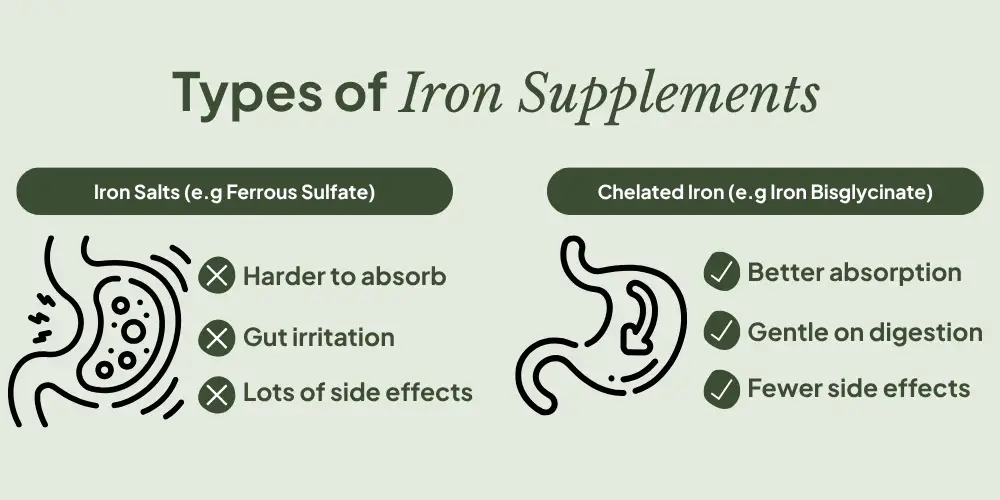
Bulk ferrous bisglycinate solves the problems of standard inorganic iron salts. The amino acid chelate consists of a stable, electrically neutral heterocyclic ring structure with one ferrous iron (Fe²⁺) molecule bonded to two glycine molecules via covalent bonds. Unlike ferrous sulfate and fumarate, which disintegrate fast in stomach acid and irritate the mucosa, the chelated structure remains stable during digestion. Due to its molecular integrity, peptide transport channels like PEPT1 in the small intestine can absorb iron without competition from dietary phytates, tannins, and phosphates.
Chemical Characteristics and Quality Standards
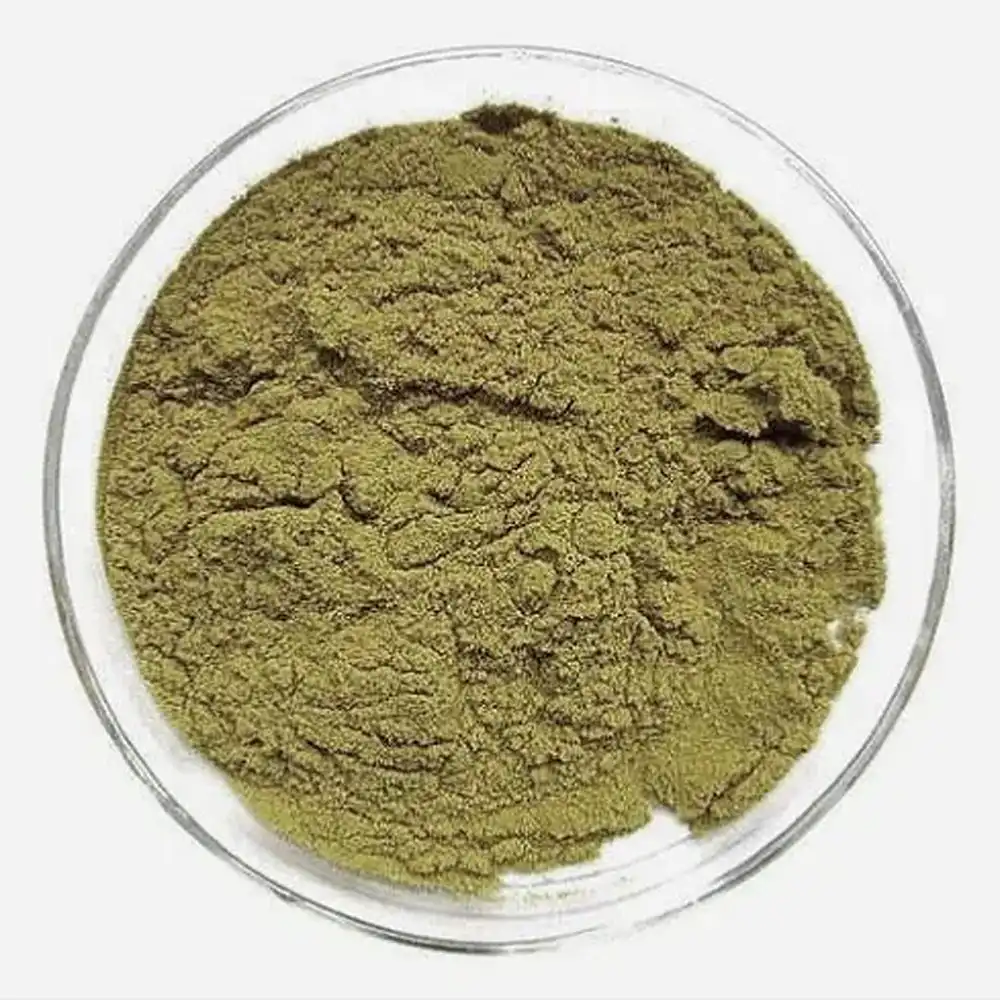
Hongda Phytochemistry's Ferrous Bisglycinate Powder is a spray-dried greenish-brown to brown powder with regulated hygroscopicity and good water solubility. C₄H₈FeN₂O₄ often yields a 20% to 24% iron test, normalized at 20% for consistency. Large-scale manufacturing processes where batch-to-batch fluctuation can interrupt production schedules and regulatory compliance, require this uniformity. Our product meets FCC, USP, and JECFA standards, with comprehensive testing to ensure heavy metal concentration is under international limits for pediatric and prenatal use.
Bioavailability Advantage in Formulation
This chelate structure's electrical neutrality avoids nutrient interactions during storage and digestion. Free iron ions catalyze lipid peroxidation and degrade sensitive substances like vitamin C and omega-3 fatty acids in complex matrices like protein powders, prenatal multivitamins, and fortified drinks. Ferrous bisglycinate powder chelation prevents these reactions, extending product stability. Clinical absorption tests show bioavailability two to four times greater than ferrous sulfate, allowing manufacturers to construct lower-dose units with therapeutic effectiveness. This lowers raw material costs per final product unit and improves customer acceptance, especially in pill size and gastrointestinal comfort-sensitive sectors.
Recommended Dosage of Ferrous Bisglycinate Powder
Therapeutic vs. Maintenance Dosing Protocols
An accurate dosage approach must distinguish between curative therapy for confirmed iron deficiency and preventative maintenance for at-risk groups. Therapeutic regimens usually recommend 100–200 mg of elemental iron daily in two doses to maximize absorption and minimize stomach pain. Ferrous bisglycinate powder with a 20% iron assay yields 20 mg of elemental iron per 100 mg of powder; hence, a 200 mg procedure requires 1,000 mg of raw material. This estimate is crucial for procurement managers negotiating bulk orders and quality assurance teams verifying label claims. Menstruating women and endurance athletes with adequate iron reserves should take 25–50 mg elemental iron daily. Chelated iron's improved absorption profile helps maintain healthy ferritin levels at lower dosages, lowering the danger of iron overload from excessive supplementation.
Population-Specific Considerations
Dosing accuracy affects maternal and fetal health in pregnant mothers. Iron needs rise significantly during pregnancy to sustain blood volume and placental development. Standard pregnancy guidelines are 27 to 30 mg elemental iron daily, increasing to therapeutic dosages if blood tests show insufficiency. Ferrous bisglycinate powder's benign gastrointestinal profile reduces pregnancy-induced and iron-induced sickness, enhancing adherence rates over traditional salts. Pediatric versions must be dosed correctly: Babies 7–12 months need 11 mg daily, children 1–3 years need 7 mg, and so on until puberty. Hongda Phytochemistry OEM services help these specific demographics produce unique formulations by advising on excipient selection, taste masking, and delivery format optimization.
Formulation Integration and Stability
Ferrous bisglycinate powder must be understood in different processing circumstances to be used in various product forms. In liquid supplements and syrups, the powder dissolves cleanly without precipitation at pH 2–10, preserving suspension stability throughout shelf life. This flexibility lets formulators make clear functional drinks and immune-support injections without iron discoloration or metallic off-flavors. In dairy products and infant formulae, the chelated structure reduces milk fat catalytic oxidation, retaining sensory quality and nutritional value. The powder's compressibility and flowability enable high-speed tablet and capsule manufacture with few equipment changes. Procurement experts should ask suppliers for particle size distribution, bulk density, and solubility factors when building unique goods. Hongda Phytochemistry provides detailed COAs and technical data sheets for formulation improvement and regulatory filings.
Comparing Ferrous Bisglycinate Powder Dosage with Other Iron SupplementsAbsorption Efficiency and Dose Equivalency
The bioavailability of chelated and inorganic iron greatly affects dosage techniques. Ferrous Bisglycinate Powder has 43% greater absorption than ferrous gluconate and double the bioavailability of ferrous sulfate under typical dietary settings, according to clinical pharmacokinetic research. This implies a 50 mg elemental iron dosage of ferrous bisglycinate powder can provide equal systemic iron exposure to 100 mg of ferrous sulfate, allowing manufacturers to create lower-dose products with comparable therapeutic effects. This dosage reduction makes finished product sizes smaller, simpler to swallow, easier to package, and cheaper to ship while retaining efficacy claims. Even though ferrous bisglycinate powder costs more per kilogram, procurement teams frequently find it offers better value per absorbed unit of iron.
Tolerability Profiles and Consumer Compliance
Iron supplementation compliance is most often affected by gastrointestinal issues. Ferrous sulfate and fumarate cause nausea, constipation, stomach cramps, and bloating, resulting in clinical trial dropout rates of 40%. Free iron ions irritate the gastric mucosa and alter intestinal flora. Ferrous bisglycinate powder's protective chelate structure provides iron straight to absorptive sites without stomach-reactive ions, eliminating these concerns. The tolerability benefit is especially useful in clean-label, consumer-friendly product markets. To distinguish and decrease customer churn, formulators targeting prenatal, pediatric, and geriatric segments—where compliance is most difficult—use chelated iron. Promoting your iron source's gentleness and efficacy in competitive international markets generates confidence and supports premium pricing.
Safe Usage of Ferrous Bisglycinate Powder
Understanding the Safety Profile
Wholesale ferrous bisglycinate has better tolerance than typical iron salts; however, responsible product development includes knowing potential adverse responses and dosage. In sensitive people, especially after first supplementation, modest digestive reactions such as occasional nausea or stool color changes (darkening is typical and safe) may occur when eaten within suggested levels. These temporary effects usually resolve as the body adapts and are far less common than with ferrous sulfate. Clear labeling and user education are crucial since exceeding prescribed dosages might cause additional pain. Hongda Phytochemistry, a quality-focused ferrous bisglycinate powder manufacturer, underlines that product label dosage tips decrease consumer complaints and boost brand reputation.
Regulatory Compliance and Quality Assurance
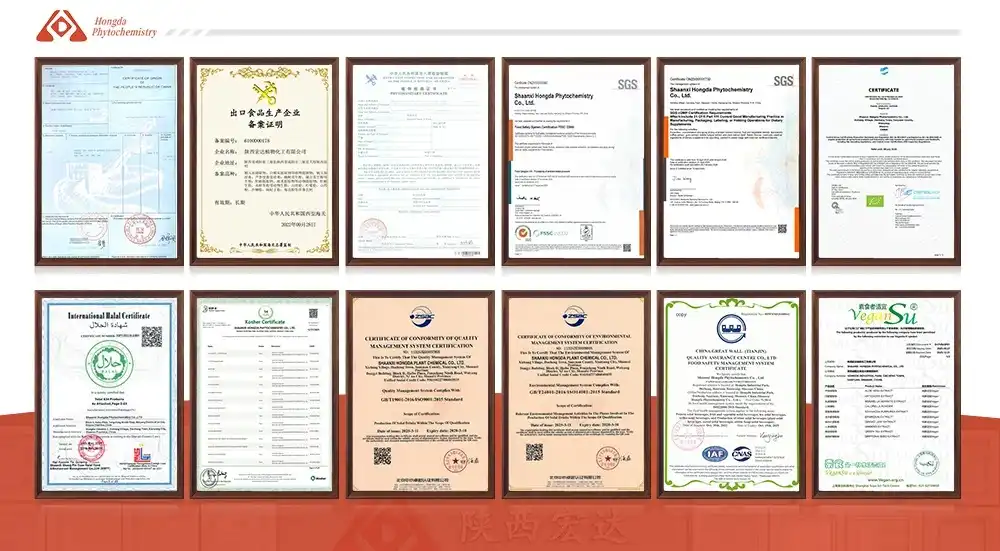
Testing techniques, paperwork, and traceability must be thorough to meet varied foreign regulatory standards. The US market requires dietary supplement manufacturers, including any ferrous bisglycinate manufacturer, to follow FDA cGMP and label safety guidelines. EU markets have strict purity criteria under EFSA (European Food Safety Authority), while HALAL and KOSHER certifications provide access to specific consumer sectors. Hongda Phytochemistry's manufacturing facility is cGMP, FSSC 22000, ISO 9001, and ISO 22000 certified, indicating our process control, contamination prevention, and quality management. Each production batch is validated by HPLC, GC, atomic absorption spectrophotometry, and microbiological testing at our SGS-standard laboratory. We assist with worldwide regulatory filings and audits with complete COAs, MSDSs, allergy declarations, and stability studies.
Best Practices for Product Developers
Product development should address safety from idea to commercialization. Complete risk assessments can reveal drug interactions (antibiotics, thyroid hormones, proton pump inhibitors) or pre-existing diseases (hemochromatosis, chronic liver disease). Consumers can maximize outcomes by following label advice to eat on an empty stomach for optimum absorption or with meals if digestive sensitivity arises. Warnings about keeping items out of reach of children reduce accidental overdose risks, especially for chewable or gummy drugs. Working with skilled raw material suppliers like Hongda Phytochemistry speeds time-to-market while ensuring safety by providing regulatory information, formulation troubleshooting, and technical assistance.
Procurement Considerations for Ferrous Bisglycinate PowderSupplier Selection and Quality Verification
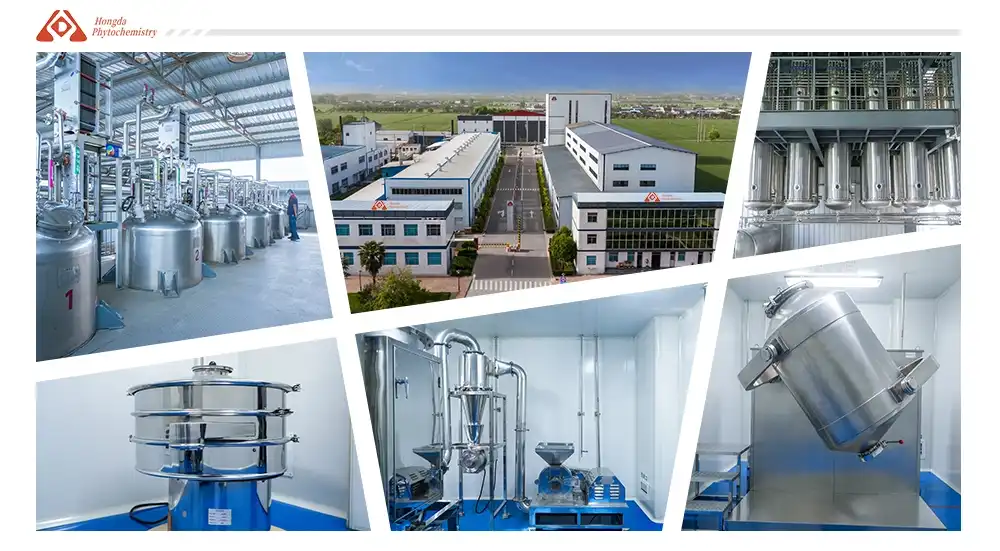
Choosing the correct raw material partner affects product quality, supply chain reliability, and long-term profitability. Procurement experts should favor a ferrous bisglycinate powder manufacturer with verified production capabilities, extensive certification portfolios, and strong quality processes. Site audits or third-party inspection reports ensure manufacturing facilities are clean, use approved procedures, and control contamination. The 20,000-square-meter Hongda Phytochemistry plant has over ten advanced manufacturing lines and 100,000-grade purification workshops supported by national patent technologies. We produce over 3,000 tons annually, guaranteeing we can meet regular orders and seasonal demand spikes without compromising quality or delivery timelines.
Technical Support and Customization Services
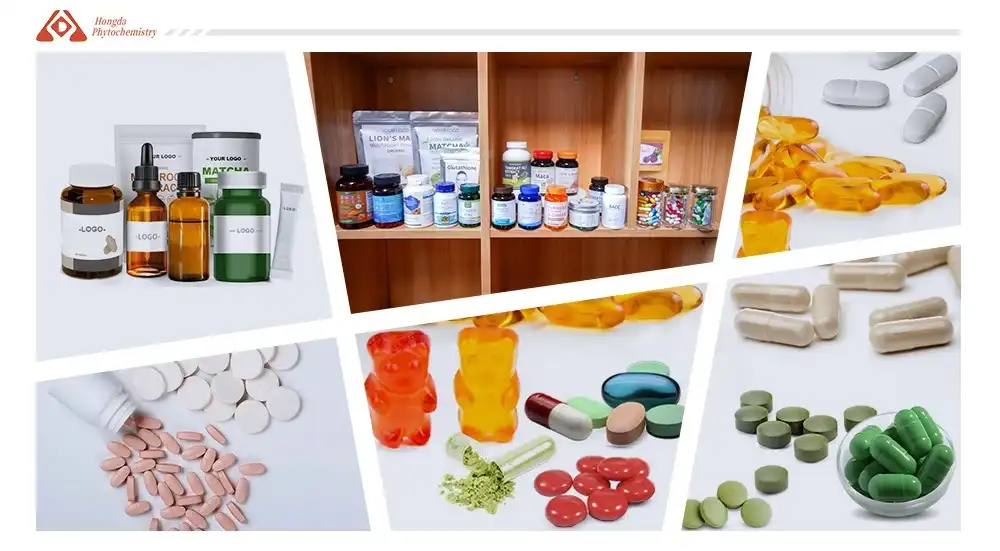
Leading manufacturers provide value-added services that speed product development and enhance formulation performance beyond material supply. OEM and ODM capabilities allow procurement teams to outsource final product manufacture, saving money on equipment and facilities and gaining specialized experience. Hongda Phytochemistry's R&D team—more than 20 professor-level experts from universities and research institutions—works with customers on bespoke formulation, particle size optimization, premixed powder creation, and encapsulating technology. We provide pills, capsules, sachets, and ready-to-drink liquids to meet your target market and regulatory needs. Before placing manufacturing orders, quality assurance teams can test samples to reduce risk and ensure compatibility with existing formulas. Collaboration changes supplier relationships from transactional purchasing to strategic partnerships, creating innovation and competitive differentiation.
Logistics, Pricing, and Order Management
Effective purchase planning balances cost, supply chain resilience, and quality. Depending on personalization and production schedule, minimum order quantities (MOQs) from a ferrous bisglycinate manufacturer range from 25 kg to 500 kg, with volume savings for repeat clients. Production scheduling, quality testing, and international shipment logistics take 15–30 days for normal requirements and 30–45 days for unique formulas. Provide full technical specifications—including iron assay needs, particle size preferences, and container format—when seeking estimates to ensure correct pricing and prevent costly changes. Our logistics network handles urgent air freight and cost-effective ocean freight across North America, Europe, Asia, and emerging markets, handling customs processes and regulatory documents. Hongda Phytochemistry's 3,000-square-meter warehouse has six specialized storage zones with high inventory levels for fast order fulfillment and flexible shipment timing around your production schedules.
Conclusion
The iron glycinate powder dose must be determined using clinical data, formulation science, and market positioning strategy. This innovative iron source's chelated structure improves bioavailability and tolerance, allowing producers to create distinct solutions that meet customer demands better than standard iron salts. Understanding exact dose requirements helps product creators improve efficacy and safety when creating iron deficiency treatments, maintenance supplements for at-risk groups, or functional meals for wellness-conscious customers. Strategic procurement agreements with recognized manufacturers like Hongda Phytochemistry speed time-to-market and establish a worldwide nutraceutical sector competitive advantage by providing pharmaceutical-grade products, technical experience, and regulatory assistance.
FAQ1. Can ferrous bisglycinate be taken with other supplements?
Ferrous Bisglycinate Powder has fewer nutritional interactions than inorganic iron, although timing matters. When taken together, calcium supplements, antacids, and dairy items moderately impair iron absorption, so space them by two hours. Vitamin C boosts absorption, making ascorbic acid co-formulation advantageous.
2. How long does it take to see results from ferrous bisglycinate supplementation?
After two to four weeks of continuous supplementation, most people report increased energy and less weariness. Complete iron storage regeneration takes eight to twelve weeks. Lab testing of ferritin and hemoglobin levels confirms therapy success and advises dose modifications.
3. Is ferrous bisglycinate suitable for vegetarian and vegan formulations?
When made using plant-derived glycine and no animal excipients, ferrous bisglycinate powder is vegetarian and vegan. Hongda Phytochemistry is VEGAN-certified, assuring our plant-based products for these emerging consumer sectors fulfill high ethical and quality criteria.
Partner with Hongda Phytochemistry for Premium Ferrous Bisglycinate Powder
Shaanxi Hongda Phytochemistry Co., Ltd. offers pharmaceutical-grade Ferrous Bisglycinate Powder with quality certifications and technological experience for product development. Our sophisticated manufacturing facilities, staffed by over 150 qualified experts and backed by university-affiliated R&D laboratories, satisfy your most demanding standards with consistent quality and reliable supply capacity. For regular bulk material or special formulation services like OEM and private labeling, our team delivers individualized assistance to enhance product performance and hasten market launch. Request samples, technical specifications, and full prices from our procurement professionals at duke@hongdaherb.com now. Discover how collaborating with a trusted Ferrous Bisglycinate Powder manufacturer devoted to innovation, compliance, and customer success can boost your brand and sustain growth in competitive worldwide markets.
References
1. Piskin E, Cianciosi D, Gulec S, Tomas M, Capanoglu E. Iron Absorption: Factors, Limitations, and Improvement Methods. ACS Omega. 2022;7(24):20441-20456.
2. Tolkien Z, Stecher L, Mander AP, Pereira DI, Powell JJ. Ferrous sulfate supplementation causes significant gastrointestinal side-effects in adults: a systematic review and meta-analysis. PLoS One. 2015;10(2):e0117383.
3. Cancelo-Hidalgo MJ, Castelo-Branco C, Palacios S, et al. Tolerability of different oral iron supplements: a systematic review. Current Medical Research and Opinion. 2013;29(4):291-303.
4. Institute of Medicine (US) Panel on Micronutrients. Dietary Reference Intakes for Vitamin A, Vitamin K, Arsenic, Boron, Chromium, Copper, Iodine, Iron, Manganese, Molybdenum, Nickel, Silicon, Vanadium, and Zinc. Washington DC: National Academies Press; 2001.
5. Scholl TO. Iron status during pregnancy: setting the stage for mother and infant. American Journal of Clinical Nutrition. 2005;81(5):1218S-1222S.
6. Ashmead HD. The Absorption and Metabolism of Iron Amino Acid Chelate. Archivos Latinoamericanos de Nutrición. 2001;51(1 Suppl 1):13-21.
_1751529633740.webp)