


_1745918362135.webp)

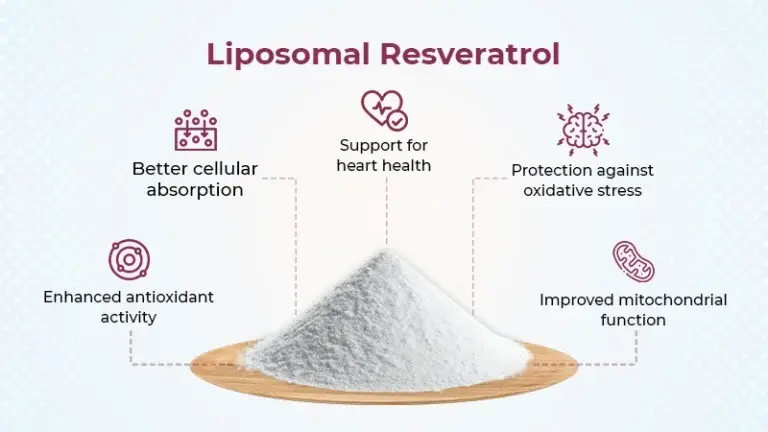
For years, scientists have investigated resveratrol for its effect on cellular aging, but the ingredient’s real-world impact has always been hampered by one fundamental problem: the body scarcely absorbs it in ordinary form. And that’s just what liposomal resveratrol powder is meant to do. Hongda Phytochemistry, formerly known as Shaanxi Hongda Phytochemistry Co., Ltd., has developed its version around a phospholipid encapsulation process that is specifically designed to get additional usable trans-resveratrol into circulation. The problem is that the systemic bioavailability of traditional resveratrol products is less than 1 percent, which means most of what you eat in typical capsules never reaches the cells it is supposed to help. This makes the delivery technique just as crucial as the raw substance itself. Hongda’s liposomal resveratrol powder uses a high-pressure shear-compression encapsulation technology to encapsulate high-purity trans-resveratrol in a nanoscale phospholipid bilayer, offering formulators an ingredient that is designed to have a demonstrable biological effect, not just a headline ingredient list. We’ll explore why the bioavailability of resveratrol has been a barrier for so long, the biology underlying cellular aging, how Hongda’s technology solves both, and what to consider before buying this chemical in bulk.[1][2][4]
Can Liposomal Resveratrol Powder Support Healthy Cellular Aging?
The Bioavailability Problem That Limited Resveratrol for Decades
Resveratrol has been on the radar of scientists for decades, but traditional forms of the supplement have had trouble reaching systemic bioavailability of less than 1 percent due to the substance being rapidly broken down in the liver and not being easily soluble in water. This means that even well-designed trials utilizing traditional resveratrol typically had to use extremely large dosages only to be able to detect a meaningful effect, which is neither practicable nor cost-effective for a commercial supplement product. This gap was filled by liposomal resveratrol powder, which gives formulators an ingredient that may provide significant levels of trans-resveratrol without needing unreasonably huge dosages in the final product.
How Does Liposomal Encapsulation Change the Equation?
Hongda’s liposomal resveratrol powder encapsulates trans-resveratrol in a natural phospholipid bilayer that protects the molecule from breakdown in stomach acids and fast metabolism in the liver, which restricts the performance of traditional resveratrol formulations in regular capsules and tablets. This encapsulation enables the substance to enter circulation via the lymphatic system rather than being broken down before it reaches target tissues. This is a major improvement in how much active resveratrol actually becomes accessible to cells throughout the body over the course of a day. For formulators, this transformation takes resveratrol from an intriguing but impracticable ingredient to one that can support a really legitimate cellular aging claim, supported by an absorption mechanism, not ambition alone.
What "Cellular Aging" Actually Means and Why It Matters?
Cellular aging is the steady buildup of damage and malfunction in cells over time. It is caused by factors such as oxidative stress, lower efficiency of mitochondria, and decreased activity of cellular repair pathways throughout the body. In terms of supporting healthy cellular aging, it’s about providing the body’s already existing repair and defense mechanisms with better tools to operate with, not trying to reverse something that is inherently biological and continuous. Liposomal resveratrol powder is put in this context precisely because trans-resveratrol interacts with a number of these pathways, and the liposomal delivery form ensures that enough of the compound actually gets to the cellular environment where this activity is happening on a day-to-day basis.[1][3]
The Mechanisms Behind Resveratrol's Cellular Aging Support
Sirtuin Activation and Cellular Repair Pathways
In a variety of scientific fields, resveratrol has been examined for its interaction with sirtuins, a family of proteins that regulate cellular stress responses, metabolic activity, and repair processes that are relevant to longevity research. While this field of study is still emerging, the curiosity about resveratrol’s significance in this area is one of the key reasons it remains a standard ingredient in formulations offered throughout the globe that concentrate on cellular health and longevity. Liposomal resveratrol powder advances this line of formulation by ensuring that a greater proportion of the active compound reaches the cellular environment where these interactions can occur, addressing the practical delivery gap that has limited earlier resveratrol-based products from realizing this potential in finished commercial supplements.
Antioxidant Defense Against Oxidative Stress
Reactive molecules formed by regular metabolism build up over time faster than the body's natural antioxidant defenses can cope, and this contributes to many of the alterations associated with aging cells throughout the body. Resveratrol is a powerful antioxidant that may assist in scavenging these reactive compounds before they can cause harm to cellular components such as DNA, proteins, and lipid membranes. For buyers working with a resveratrol powder manufacturer, liposomal resveratrol powder is designed to deliver this antioxidant support in a more effective manner than standard resveratrol. Because a compound with less than 1 percent bioavailability in its natural form cannot meaningfully contribute to antioxidant defense, regardless of how much is technically present in a finished formula.[2][3]
Why Does Trans-Resveratrol Purity Determine Effectiveness?
Resveratrol exists in nature as both the cis and trans isomers, but most studies on cellular aging have used just the trans isomer, and many less expensive sources of the compound mix the two isomers to save on manufacturing expenses. Hongda’s liposomal resveratrol powder is certified by HPLC testing to include a high level of trans-resveratrol and not a diluted combination of isomers. The purity of the isomer has a direct impact on the biological activity and overall performance of the product. When sourcing from a real resveratrol powder producer, always validate this isomer breakdown; it is one of the most neglected quality variables in resveratrol sourcing selections today vs. a repackager.[1][2]
|
Biological Pathway
|
Resveratrol's Role
|
|---|---|
|
Sirtuin signaling
|
Interacts with proteins linked to cellular stress response and repair activity
|
|
Antioxidant defense
|
Neutralizes reactive oxygen species generated during normal metabolism
|
|
Lymphatic transport (liposomal form)
|
Bypasses first-pass liver metabolism for improved systemic delivery
|
|
Isomer specificity
|
Trans form is the isomer studied for cellular aging support; cis form is largely inactive
|
Inside Hongda's Liposomal Resveratrol Powder Technology
High-Pressure Shear-Compression Embedding Explained
Hongda’s liposomal resveratrol powder is manufactured using a high-pressure shear-compression embedding process, which forces high-purity trans-resveratrol into a natural phospholipid bilayer under tightly controlled conditions. Rather than simply mixing the two materials as some competitors do, this process ensures a more precise and effective encapsulation. This provides constant nanoscale liposome particles, as opposed to the unpredictable outcomes characteristic of simple mixing techniques. This is of great importance to the purchasers who want consistent results from batch to batch in a completed formulation across time and many manufacturing cycles. It is this accuracy in the embedding process that differentiates a true liposomal resveratrol powder from those goods that loosely use the name without the manufacturing rigor to back up the claim.
Particle Size, Encapsulation Efficiency, and Verification
Hongda’s liposomal resveratrol powder is created with particle size adjusted in the range of 80 to 120 nanometers and encapsulation effectiveness higher than 85 percent, which is verified by the certificate of analysis paperwork included with each batch supplied to a client. Since encapsulation claims are relatively easy to make and actually difficult to verify without proper testing equipment, Hongda also supplies particle size distribution data in addition to standard purity and heavy metal testing, giving buyers a reliable way to confirm that the product they are buying is truly a nano-encapsulated liposome, not an unencapsulated powder that is loosely sold under the same descriptive name and specification sheet.
Comparing Absorption to Standard Resveratrol Powder
Almost all of the difference in effectiveness between liposomal and conventional resveratrol is because of how each form is processed in digestion and first metabolism. Therefore, normal resveratrol is metabolized by the liver before it enters the general circulation of the body. Hongda has developed a liposomal formulation that avoids most of this degradation by passing into circulation via the lymphatic system rather than the normal digestive route. Increasingly, formulators interested in developing significant cellular aging or longevity solutions are turning to resveratrol bulk powder suppliers offering a true liposomal alternative for this process, rather than settling for traditional resveratrol powder, bought on price alone and without regard to absorption.
Custom Formulation and Compound Coating Options
The R&D team at Hongda also supports custom formulation requests for liposomal resveratrol powder, including adjusted particle size targets, concentration levels, and compound coating pairing resveratrol with complementary actives such as NMN or liposomal berberine within the same encapsulation process used for standard batches. This versatility is especially helpful to marketers constructing multi-ingredient longevity stacks that desire a single confirmed delivery mechanism rather than combining independently encapsulated powders together post-factum, one at a time. For a unique project or merely to receive current specs for your team, contact duke@hongdaherb.com, and Hongda’s technical experts will guide you through formulation alternatives that fit your goal product and timetable.
|
Test Parameter
|
Verification Method
|
|---|---|
|
Trans-resveratrol content
|
HPLC assay against reference standard
|
|
Particle size distribution
|
Laser particle size analysis
|
|
Encapsulation efficiency
|
Batch-specific certificate of analysis
|
|
Heavy metals
|
Atomic absorption spectrophotometry
|
|
Microbial safety
|
Testing compliant with GMP standards
|
Where does Liposomal Resveratrol Powder fit in Product Development?
Skin Health and Nutricosmetic Formulations
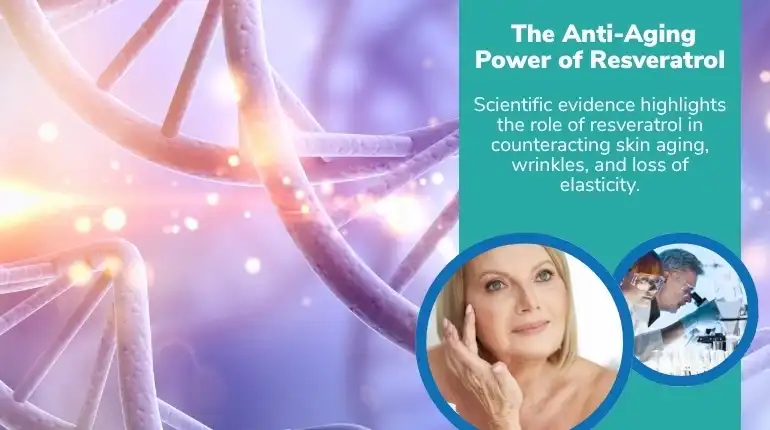
Resveratrol's antioxidant properties have made it a popular ingredient in skin-focused formulations, where it helps address oxidative stress driven by both internal cellular processes and external factors like UV exposure. Liposomal resveratrol powder is particularly well suited to nutricosmetic applications, since the nanoscale particle size allows the ingredient to reach skin cells more effectively than standard resveratrol, supporting the cellular processes involved in maintaining skin structure and resilience over time. Brands developing beauty-from-within beverages, powders, or capsules increasingly favor this ingredient form specifically because it can be verified through particle size and encapsulation data rather than relying on general antioxidant marketing language alone.[1][3][4]
Cardiovascular and Longevity Supplement Lines
Resveratrol has a long-standing association with cardiovascular wellness research, and its role in supporting healthy oxidative balance makes it a natural fit for longevity-focused supplement lines targeting broader cellular health across multiple body systems and organs. Liposomal resveratrol powder gives formulators building products in this category a more bioavailable option than standard resveratrol, allowing for more defensible dosing strategies backed by real absorption data rather than assumptions carried over from older, poorly absorbed formulations sold decades ago. This is especially relevant for brands competing in an increasingly crowded longevity supplement market where ingredient sourcing transparency has become a genuine and growing point of differentiation.
Combining Resveratrol With Other Cellular Health Actives
Many formulators pair liposomal resveratrol powder with complementary cellular health ingredients such as NMN, liposomal CoQ10, or liposomal berberine to build a more comprehensive longevity-focused product for their target audience. Because Hongda operates as a China resveratrol powder factory with an encapsulation platform that already supports multiple liposomal actives within the same facility, sourcing several compatible ingredients from a single manufacturing partner simplifies quality control considerably compared with coordinating across multiple smaller suppliers with inconsistent documentation standards and varying testing practices. This kind of consolidated sourcing has become increasingly common as multi-ingredient longevity formulas grow more sophisticated and consumer expectations around ingredient verification continue to rise steadily.
Sourcing Liposomal Resveratrol Powder for Your Brand
Documentation to Request from a Resveratrol Powder Supplier
Before committing to a bulk order, buyers should request particle size distribution data, encapsulation efficiency figures, and HPLC-verified trans-resveratrol content specific to the exact batch they intend to purchase, rather than relying on general product literature alone to make an informed purchasing decision at this stage. This documentation confirms that a resveratrol powder supplier is providing a genuinely liposomal, high-purity trans-resveratrol product rather than a diluted isomer mixture marketed under similar-sounding language and vague claims. Reputable manufacturers, including Hongda, treat this level of documentation as standard practice for serious bulk buyers evaluating a new ingredient source for the very first time.
Comparing a China Resveratrol Powder Factory Against Alternatives
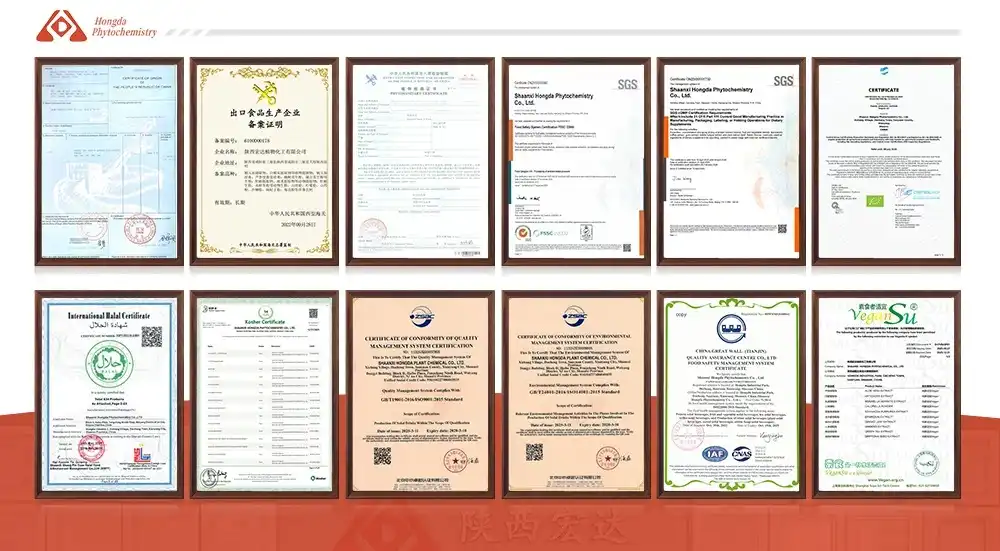
Buyers weighing a China resveratrol powder factory against manufacturers in other regions should compare production scale, certification breadth, and testing depth alongside price, since these factors tend to matter far more over a multi-year supply relationship than a small difference in per-kilogram cost early in the negotiation process itself, before anything is signed. Hongda's combination of established production infrastructure, broad international certification, and in-house testing capability gives it a strong competitive position for brands that value consistent batch-to-batch performance over the lowest available quote from an unaudited factory they have never visited or inspected in person before committing to it.
Choosing a Resveratrol Powder Manufacturer for Long-Term Growth
Brands planning for sustained growth need a supplier capable of maintaining consistent quality across repeated production cycles rather than relying on a single opportunistic bulk purchase made once and never repeated. A resveratrol powder manufacturer with sufficient factory capacity, standing inventory, and dedicated R&D support is better positioned to scale alongside a growing brand than a smaller operation already working near full capacity with its existing customer base. Buyers should ask directly about production headroom, typical lead times for reorders, and export experience before finalizing a long-term sourcing relationship for this ingredient category and committing real resources and budget to it.
|
Year
|
Company Milestone
|
|---|---|
|
2001
|
Shaanxi Hongda Phytochemistry Co., Ltd. was founded
|
|
2010
|
Awarded National High-tech Enterprise designation
|
|
2001–2027
|
HALAL, KOSHER, BRC, FDA registration, and organic certification obtained
|
|
2026
|
cGMP, FSSC22000, ISO22000, ISO9001, and EU/NOP organic certification added
|
Conclusion
Liposomal resveratrol powder addresses the bioavailability gap that has limited resveratrol's practical use in cellular aging formulations for decades, and Hongda Phytochemistry, a trusted resveratrol powder supplier, backs its version with verified particle size, encapsulation, and purity documentation. Brands building longevity, skin health, or cardiovascular formulations should evaluate this ingredient closely before finalizing their next sourcing decision. Reach out today to request samples and specifications for your upcoming product.
FAQ
1. Why does standard resveratrol perform poorly in supplements?
It has under 1% systemic bioavailability due to rapid liver breakdown and poor water solubility.
2. How does liposomal encapsulation improve resveratrol's effectiveness?
It protects the compound through digestion and allows entry into circulation via the lymphatic system, significantly improving bioavailability.
3. What particle size does Hongda's liposomal resveratrol powder achieve?
Particle sizes are controlled within approximately 80 to 120 nanometers, with encapsulation efficiency above 85 percent.
4. Why does trans-resveratrol purity matter?
Only the trans isomer has been the focus of most cellular aging research; diluted cis/trans blends reduce biological activity.
Formulate With HONGDA's Liposomal Resveratrol Powder
If your brand is developing a cellular aging, longevity, or skin health formulation, HONGDA's liposomal resveratrol powder delivers the verified bioavailability advantage your product needs to stand out. Shaanxi Hongda Phytochemistry Co., Ltd. backs every batch with particle size, encapsulation, and purity documentation, giving your development team the data required to formulate with confidence. Contact our technical staff at duke@hongdaherb.com to request samples, review specifications, or discuss your next bulk order.
References
1. National Center for Complementary and Integrative Health. Overview of resveratrol research and clinical evidence.
2. Journal of Clinical Biochemistry and Nutrition. Studies on resveratrol bioavailability and metabolism.
3. Free Radical Biology and Medicine. Research on oxidative stress and antioxidant defense mechanisms in cellular aging.
4. International Journal of Pharmaceutics. Research on liposomal encapsulation and nanoparticle delivery systems.