


_1745918362135.webp)

When buyers are considering a new raw material, they seldom accept a supplier’s purity claim at face value, and for good reason—a figure on a datasheet doesn’t mean much without proof behind it. This is particularly true for the alpha-gpc powder, a choline ingredient extensively utilized in nootropic, sports, and healthy-aging products, where even slight gaps in purity may impact both efficacy and regulatory approval.[2][3][4][6] Shaanxi Hongda Phytochemistry Co., Ltd. has developed, over 20 years, a lab infrastructure and documentation process that enables purity that can be verified, not just asserted. Hongda Phytochemistry does this openly, providing formulators and importers with the testing data they need to verify quality before a cargo leaves the warehouse. This article covers in detail how purity is tested, what documents purchasers should be looking for, and how to assess an alpha-gpc powder source using true verification criteria and not marketing speak.


Understanding What "Purity" Actually Means for Alpha-GPC Powder?
Defining Assay Percentage and Why It Matters
When a provider gives an assay value for alpha-gpc powder, that number indicates the proportion of the active choline ingredient present compared to any leftover moisture, processing byproducts, or irrelevant material in the sample. For example, a batch reported as 98% assay still includes around two percent of extraneous material. Part of determining if a product is really high quality is knowing where that remainder is coming from. Consumers who only look at the headline percentage, without inquiring how it was assessed or by what testing procedure, might find themselves comparing statistics that were obtained by inconsistent lab methods. Hongda delivers test findings utilizing HPLC technology, a common analytical approach that provides formulators a consistent, comparative foundation for analyzing alpha-gpc powder across diverse supply possibilities.[1]
Common Impurities and Contaminants to Screen For
Verification of purity is not just a single test figure but usually also involves screening against a specific list of possible impurities that may impact safety or performance. With alpha-gpc powder, this often includes heavy metals like lead and arsenic, residual solvents left over from extraction or purification procedures, and microbiological contamination that may arise during handling or storage. Pesticide residue testing is also important when raw materials are purchased from agricultural operations higher up the supply chain. If a vendor simply tests for assay and doesn’t do these secondary screenings, then they are not giving an accurate picture of quality. That’s why customers should ask for the whole contamination testing panel, instead of believing that a high assay % covers every safety aspect on its own.[1][5]
How does purity connect to Product Safety and Efficacy?
Purity is not only an abstract quality measure—it has a clear practical link to the performance of a final product and its safety for end users. Lower-purity alpha-GPC powder may have greater amounts of residual impurities, which might impact shelf stability, change the flavor or look of a final capsule, or, in rare situations, introduce chemicals that could activate undesired sensitivities. Inconsistent purity across batches on the effectiveness side makes it impossible for a brand to guarantee a steady dosage from bottle to bottle, which diminishes customer confidence over time. A supplier with strong, well-documented purity requirements provides formulators with a reliable base on which to develop consistent, safe final goods.[1][2][3]
Reading a Certificate of Analysis Correctly
The key document that purchasers use to ensure that a certain batch of alpha-gpc powder fits its claimed standard is a certificate of analysis, but only if it is read carefully rather than skimmed. Each certificate must identify the precise test techniques utilized, the specification range for all parameters, and the actual result achieved for that specific batch, with a batch or lot number to identify the document with the physical cargo received. Buyers should examine the range of the specification stated against accepted pharmacopeia standards to make sure that the figures are meaningful and not arbitrarily selected by the supplier. Hongda provides a lot-specific certificate of analysis with each shipment, offering clients a document they can independently verify against their own incoming quality control tests.
|
Item
|
Specification
|
Test result
|
|
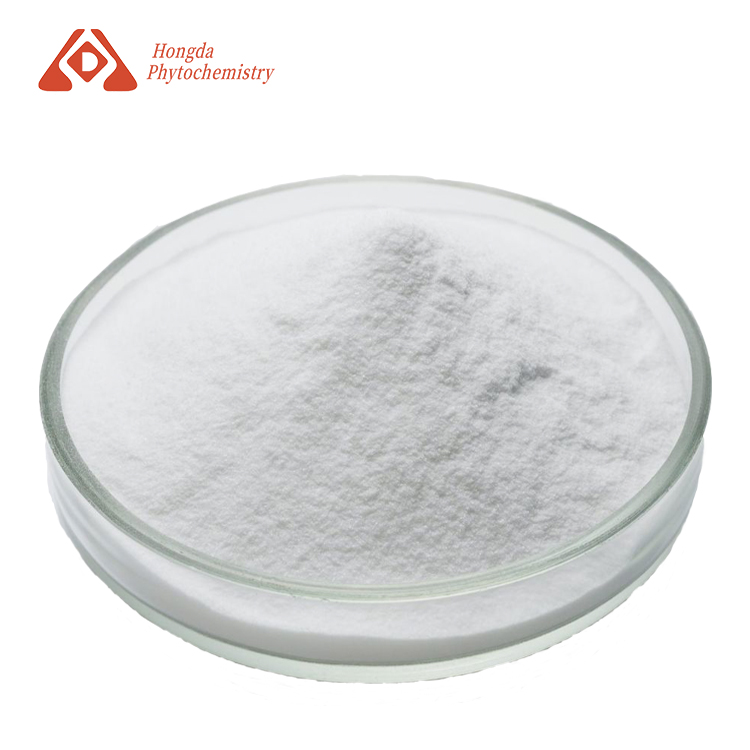
Factory Supply Alpha-GPC 99% Alpha-GPC Powder Alpha GPC with High Quality
|
||
|
Appearance
|
White Powder
|
Conforms
|
|
Odor
|
Characteristic
|
Conforms
|
|
Taste
|
Characteristic
|
Conforms
|
|
Purity
|
99%
|
Conforms
|
|
Loss on Drying
|
≤5.0%
|
Conforms
|
|
Ash
|
≤5.0%
|
Conforms
|
|
Particle size
|
95% pass 80 mesh
|
Conforms
|
|
Allergens
|
None
|
Conforms
|
|
Chemical Control
|
||
|
Heavy metals
|
NMT 10ppm
|
Conforms
|
|
Arsenic
|
NMT 2ppm
|
Conforms
|
|
Lead
|
NMT 2ppm
|
Conforms
|
|
Cadmium
|
NMT 2ppm
|
Conforms
|
|
Mercury
|
NMT 2ppm
|
Conforms
|
|
Microbiological Control
|
||
|
Total Plate Count
|
10,000cfu/g Max
|
Conforms
|
|
Yeast & Mold
|
1,000cfu/g Max
|
Conforms
|
|
E.Coli
|
Negative
|
Negative
|
|
Salmonella
|
Negative
|
Negative
|
Laboratory Methods Used to Confirm Alpha-GPC Purity
HPLC Testing for Assay and Identity Confirmation
The major analytical technique used to validate the identification and concentration of alpha gpc 99 powder in a sample is high-performance liquid chromatography, or HPLC. It provides a definitive, reproducible test number rather than a guesstimate because it isolates the constituent substances in the combination and compares them to an established reference standard. This is important because eye examination or simple solubility tests cannot be relied upon to discriminate a genuine, high-purity sample from one that has been diluted or mixed with lower-cost fillers. For an alpha-gpc supplier, consistent HPLC testing is essential for demonstrating product purity and batch-to-batch quality. Hongda uses HPLC to laboratory test every manufacturing batch, employing equipment maintained and calibrated for this kind of pharmaceutical-grade analysis.
Heavy Metal and Residual Solvent Screening
Quality testing needs to establish what a product is; beyond that, it also has to confirm what it should not include, and screening for heavy metals or residual solvents meets precisely that criterion. Residual solvents that may remain from previous processing steps are detected by gas chromatography, and trace heavy metals at extremely low concentrations are often detected by atomic absorption spectrophotometry. These tests are not a luxury for alpha-gpc powder for human consumption but a minimum requirement for every batch entering the supplement supply chain. Instead of depending on external laboratories for each batch, these tests are carried out utilizing specific equipment created by Hongda's laboratory together with university scholars under SGS standards.
Microbial and Pesticide Residue Testing
This is why total plate count, yeast, mold, and particular pathogens are typical tests to validate alpha-gPC powder quality. Microbial contamination may occur at several stages of manufacturing, from raw material handling to final packing. Pesticide residue testing is also applicable for substances that have any agricultural sourcing component in their supply chain, since residues may carry through extraction and purification if not carefully screened and managed for. Laboratories certify a batch has fulfilled microbiological safety standards before releasing it for transportation by incubation-based testing techniques. “Assay percentage is one thing, but not testing these tests leaves a big hole in the overall safety picture of a finished ingredient.
Why Does Third-Party Verification Add an Extra Layer of Trust?
Testing in-house is a vital first step, but third-party verification provides independent credibility that buyers, particularly those sourcing overseas, typically want before they buy. An independent lab has no financial interest in the outcome of a purity test, removing any potential conflict of interest from the findings a buyer ultimately depends on. Hongda supports this process by giving samples for independent testing upon request and maintaining certifications, including cGMP and ISO9001, that are themselves subject to external audit. The highest potential trust in the alpha-gpc powder they are buying at scale is built by buyers who combine a supplier’s in-house certificate of analysis with their own periodic third-party verification.
|
Test Method
|
Primary Purpose
|
|---|---|
|
HPLC
|
Assay and identity confirmation
|
|
Atomic Absorption Spectrophotometry
|
Heavy metal detection
|
|
Gas Chromatography
|
Residual solvent screening
|
|
Microbial Incubation Testing
|
Pathogen and contamination limits
|

What to Look for When Evaluating an Alpha-GPC Supplier?
Transparency in Documentation and Testing Records
A reliable alpha GPC bulk provider will be happy to provide extensive testing documents and not just a generic marketing brochure when a customer asks for specs. This includes comprehensive certificates of analysis, safety data sheets, and access to underlying test records from specified labs on request. Suppliers who are reluctant or evasive in providing this paperwork are typically signaling that their own internal quality processes may not be as stringent as they profess. Hongda’s strategy is to make full lot-specific documentation standard on every order, treating openness as a baseline requirement, not a premium service for bigger customers.
Manufacturing Certifications That Support Verified Quality
Certifications are an external layer of validation that verifies a supplier’s production and quality processes have been assessed according to internationally accepted standards, rather than just self-reported assertions. Hongda’s certification portfolio, built up since 2001, includes food production and feed additive licenses, halal and kosher certification, BRC, FDA registration, and organic certification, with cGMP, FSSC22000, SC certification, ISO22000, ISO9001, and EU and NOP organic certifications added most recently in 2026. For customers who are looking for alpha-gpc powder for regulated markets, this breadth of certification goes a long way toward alleviating the burden of having to evaluate a supplier’s production methods from the start, since most of that verification has already been done by third-party agencies that are certified.

On-Site Facilities and In-House Testing Capabilities
The size and complexity of a supplier’s test facilities is a practical measure of how seriously purity assurance is taken internally. Hongda’s facility covers 20,000 square meters and has more than ten modern production lines, 100,000-level purification workshops, and an in-house laboratory equipped with high-performance liquid chromatographs, gas chromatographs, spectrophotometers, and other analytical instruments, as well as more than twenty research and testing professionals. If you are sourcing wholesale alpha gpc and have any questions regarding a particular batch or would want to request a customized specification sheet before making your purchase, you may contact the technical team directly at duke@hongdaherb.com to discuss the testing specifics for alpha-gpc powder. Facilities of this size tend to mean that testing is part of everyday operations, not an infrequent formality.
Track Record and Long-Term Client Relationships
A supplier’s long history of repeat clients is in itself a type of indirect purity verification, as brands seldom continue to buy an ingredient that continually fails to meet specifications over time. Founded in 2001, Hongda has grown from a startup to a recognized National High-Tech Development Enterprise, thanks to a history of recurring business in the nutraceutical, pharmaceutical, and functional food industries. Long-term supplier partnerships also provide customers with access to previous batch data, which may be helpful in diagnosing a stability or formulation problem that might be traced back to raw material variation. Adding context to specific certifications of analysis by looking at how long a provider has been in a certain market sector is also important.
Practical Steps for Buyers Sourcing Wholesale Alpha-GPC Powder
Requesting Samples and Independent Verification Before Bulk Orders
Rather than just relying on a supplier’s papers, savvy buyers will ask for a sample batch and do their own independent verification either in-house or via a third-party laboratory before they commit to a wholesale alpha GPC purchase. This stage identifies any discrepancies between published requirements and actual test findings before committing a big amount of cash to one shipment. Hongda supports this technique by supplying samples with detailed documentation so that customers may first confirm assay, appearance, and key contaminant screens on a small scale. This kind of upfront due diligence is a routine, low-cost procedure that greatly decreases risk before ramping up to a full production-scale purchase of alpha-gPC powder.
Comparing Certificates of Analysis Across Suppliers
When examining numerous possible suppliers, buyers find it useful to line up certificates of analysis side by side and compare not just the headline assay number but the whole range of evaluated parameters and the procedures employed to obtain them. A certificate stating fewer examined parameters or without specifying the particular analytical technique for each result has less confidence than a more complete certification for assay, moisture, heavy metals, and microbiological limits combined. This comparison approach may also allow buyers to discover suppliers that use old or non-standard testing techniques, which may not be in line with the requirements of the pharmacopeia. If you take the time to evaluate the documentation this extensively, you'll frequently find disparities in quality that a simple price comparison would totally overlook.
Red Flags That Signal Unreliable Purity Claims
There are some patterns that should make you especially wary when sourcing alpha gpc 50 powder, like suppliers who refuse to give you documentation specific to a given lot, certificates of analysis that look the same across multiple different batches, or prices that are dramatically lower than the broader market with no clear explanation. Other warning indicators that should not be ignored include vague source information, an inability to provide testing methods, and a reluctance to enable third-party verification of samples. If a buyer sees a number of these patterns occurring together, this should be seen as a warning to slow down and research deeper, not only continuing purely on pricing. Established vendors with robust testing infrastructure will seldom be reluctant to be requested for this level of documentation.
Building a Verification Checklist for Repeat Purchases
For those purchasers who have repeating purchases, setting up a common verification checklist helps to make quality control more constant and less reliant on human judgment calls each time a shipment comes in. A realistic checklist often includes comparing the lot number to the actual shipment, comparing the certificate of analysis to internal specification limitations, and occasionally submitting samples for independent third-party testing even with a well-established supplier relationship. This constant validation is important to avoid a slow degradation of quality that may otherwise go undetected between more substantive, official audits. This discipline is especially valuable to buyers procuring alpha-gPC powder at the wholesale level, since the financial risk from a single non-conforming batch grows directly with order size.
|
Checklist Item
|
Frequency
|
|---|---|
|
Verify lot number matches shipment
|
Every order
|
|
Review certificate of analysis
|
Every order
|
|
Independent third-party retesting
|
Periodic
|
|
Supplier certification review
|
Annually
|
Conclusion
Verifying purity is not a single step but an ongoing process built on documentation, testing, and supplier transparency. Shaanxi Hongda Phytochemistry Co., Ltd., supported by an SGS-standardized laboratory, national patents, and certifications spanning cGMP, ISO 9001, and organic standards, gives buyers the evidence needed to confirm alpha-gpc powder quality with confidence. Brands ready to review documentation or request samples are welcome to start that process directly with the Hongda team.
FAQ
1. What is the most reliable method for confirming alpha-gpc powder purity?
HPLC testing is the standard method, since it precisely measures the assay and confirms identity against a known reference.
2. Should I trust a supplier's certificate of analysis without further checks?
It's a useful starting point, but periodic independent third-party verification adds an extra layer of confidence, especially for larger orders.
3. What contaminants should a purity test screen for besides assay?
Heavy metals, residual solvents, microbial contamination, and pesticide residues should all be included in a complete testing panel.
4. What certifications support verified manufacturing quality?
Certifications such as cGMP, ISO9001, ISO22000, and organic certification indicate that a supplier's systems have passed external audits.
Partner With HONGDA for Verified Alpha-GPC Powder Quality
Real purity verification depends on working with a supplier willing to document and stand behind every batch it ships. Shaanxi Hongda Phytochemistry Co., Ltd. backs its alpha-gpc powder with HPLC testing, comprehensive contaminant screening, and a certification portfolio built through years of external audits and international market experience. Whether you need a sample for independent testing, a full certificate of analysis, or guidance on sourcing at wholesale volume, the Hongda team is ready to support your evaluation process. Reach out directly at duke@hongdaherb.com to request documentation and start verifying quality for yourself.
References
1. United States Pharmacopeia. General chapters on identification, assay, and impurity testing for pharmaceutical-grade excipients. USP-NF Reference Standards.
2. Traini, E., Bramanti, V., & Amenta, F. Choline alphoscerate, an old choline-containing phospholipid with a still interesting profile as a cognition-enhancing agent. Current Alzheimer's Research, 2013.
3. Parnetti, L., Amenta, F., & Gallai, V. Choline alphoscerate in cognitive decline and in acute cerebrovascular disease: an analysis of published clinical data. Mechanisms of Ageing and Development, 2001.
4. Ziegenfuss, T., Landis, J., & Hofheins, J. Acute supplementation with alpha-glycerylphosphorylcholine augments growth hormone response to, and peak force production during, resistance exercise. Journal of the International Society of Sports Nutrition, 2008.
5. World Health Organization. Guidelines for the assessment of heavy metal contamination in food and dietary supplement ingredients.
6. De Jesus Moreno Moreno, M. Cognitive improvement in mild to moderate Alzheimer's dementia after treatment with the acetylcholine precursor choline alfoscerate: a multicenter, double-blind, randomized, placebo-controlled trial. Clinical Therapeutics, 2003.

_1753514769698.webp)