


_1745918362135.webp)

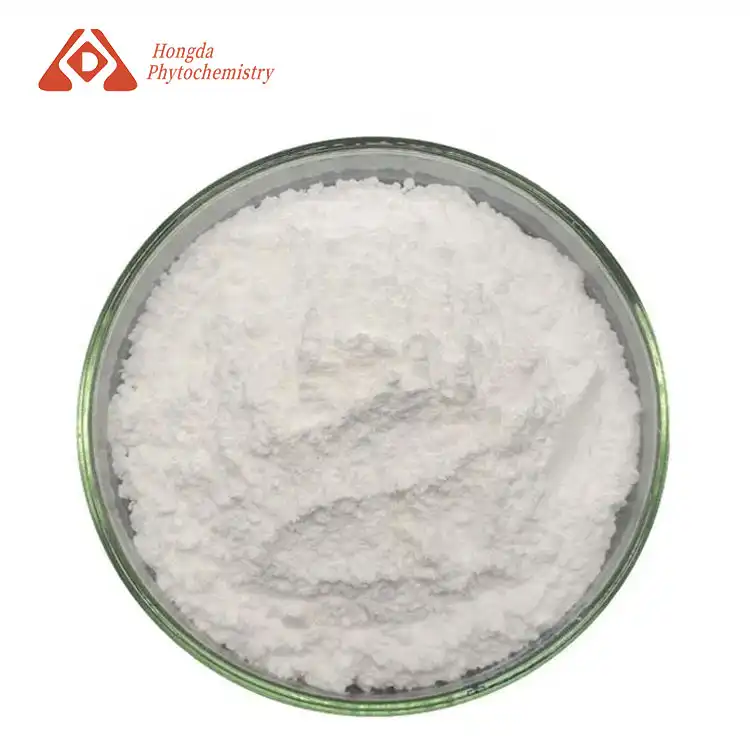
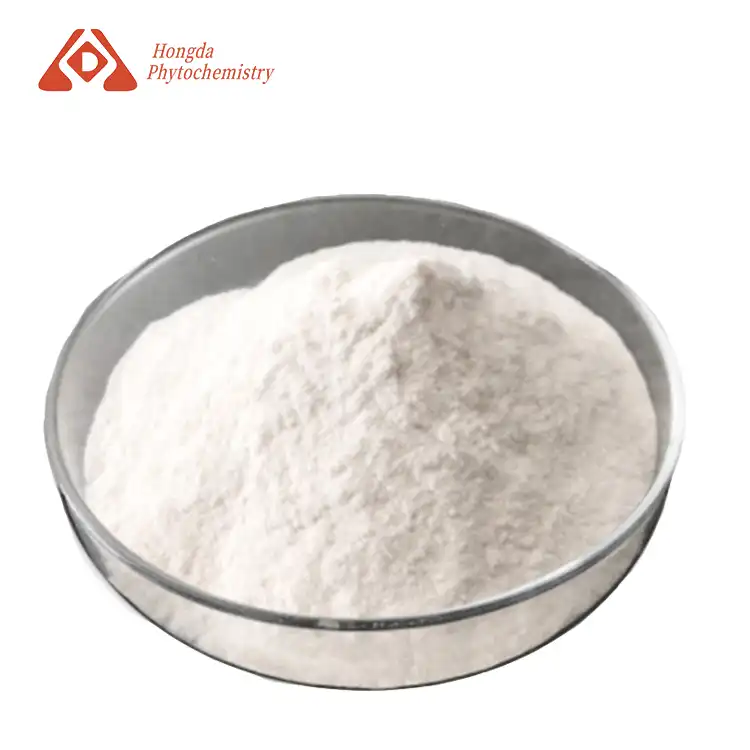
Not every raw material is good for every company, and whether uridine 5' - monophosphate disodium salt powder should be included in your next formulation largely depends on your industry and the issue you are attempting to address. This chemical lies at a strange intersection of culinary science and nutritional biochemistry, which means the purchasers who benefit most from it span from savoury seasoning producers to newborn formula creators to nutraceutical firms delving into cellular health. Shaanxi Hongda Phytochemistry Co., Ltd. The powder of uridine 5'-monophosphate disodium salt is produced to a purity level that fits this broad range of customers from a single source of quality-controlled production. Hongda Phytochemistry has been working on the manufacturing process improvement for more than two decades for food-grade and nutraceutical-grade clients. In this post, we break down which specific sorts of companies and formulators should be looking at this ingredient and what each buyer profile normally needs to verify before sourcing.
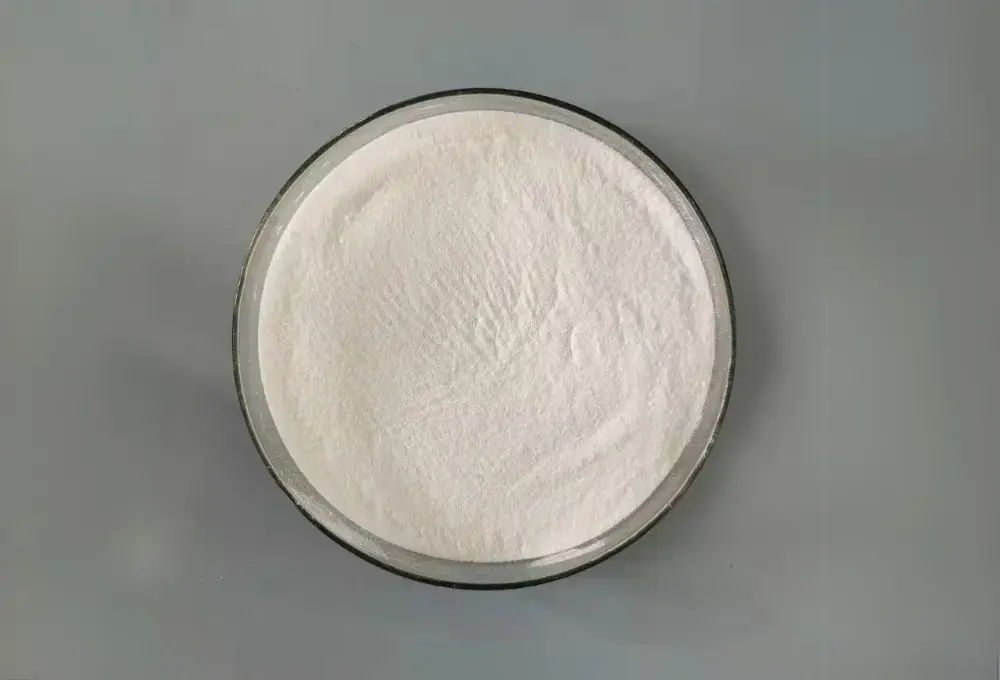
Is Uridine 5'-Monophosphate Disodium Salt Powder Right for Your Product Category?
Matching the Ingredient to Your Formulation Goals
What is uridine 5'-monophosphate disodium salt powder supposed to do in a certain product? This is the first question a formulator has to answer before considering any provider. Flavour-orientated formulators are generally looking to enhance umami depth and mouthfeel in savoury applications, whereas nutrition-orientated formulators are often interested in its function as a dietary supply of nucleotides related to cellular turnover and metabolic support.[1][2] These are quite diverse use cases that need different priorities in testing, dosing methodologies, and accompanying documentation. If the formulator selects the improper rationale for including the ingredient, he or she runs the danger of using too little of the functional advantages of the substance or using an unsuitable dose level, borrowed from an unrelated use.
Food-Grade vs. Nutraceutical-Grade Considerations
Buyers are advised that uridine 5'-monophosphate disodium salt powder is often available in distinct grades for specified end applications, and mixing of grades may provide quality and compliance issues. Food-grade material is often validated for food safety requirements appropriate for flavour-enhancement applications.[2][4] Nutraceutical-grade material is sometimes subject to more rigorous levels of purity and more extensive testing appropriate for dietary supplement or baby nutrition applications.[1][6] Sometimes buyers who do not know about this difference think that one specification sheet is applicable to everyone and may choose the wrong grade for a critical application. A typical sourcing error may be avoided by checking grade-specific paperwork directly from a manufacturer before locking down a formulation.
Questions to Ask Before Adding It to a Formula
When formulators are considering the inclusion of uridine 5'-monophosphate disodium salt powder in a new product, a short list of practical questions should be asked before entering a full development cycle: What grade is appropriate for the intended application? What dosage range has precedence in similar products? And what documentation will be required for the regulatory framework of the target market? Omitting this initial scrutiny might lead to expensive rework later on, especially when a formula is in pilot production before a compliance gap is found. Getting these queries straight to a manufacturer’s technical staff early in development tends to bring concerns to light while they’re still cheap to address. This kind of proactive scope discussion is a normal procedure for experienced formulation teams dealing with speciality compounds.
Why do Purity Requirements Vary by End Use?
The acceptable purity level of uridine 5'-monophosphate disodium salt powder is not a single figure but is dependent on the sensitivity of the final application to trace contaminants or moisture content. For example, a savoury seasoning mix meant for adult use may normally be formulated within a broader specification range than a formula for newborns or a nutraceutical product promoted on the basis of specified dosage claims. Understanding this variability can assist purchasers in avoiding paying for too much purity when they do not need it for a low-sensitivity application or, more critically, underspecifying purity for a use case that does demand tighter control. A practical strategy to get this choice right from the start is to talk with a manufacturer about application-specific purity recommendations.
|
Buyer Profile
|
Primary Reason to Consider This Ingredient
|
|---|---|
|
Food & Seasoning Manufacturers
|
Umami flavor enhancement
|
|
Infant Formula Producers
|
Nucleotide-enriched nutritional positioning
|
|
Nutraceutical Brands
|
Cellular and cognitive health formulas
|
Food and Beverage Manufacturers Building Savory Flavor Systems
Seasoning and Broth Producers Seeking Umami Depth
Given its proven function in boosting umami perception, uridine 5'-monophosphate disodium salt powder is one of the most obvious matches for manufacturers of packaged seasonings, bouillon products, and savoury broths. These companies are often running at scale and require an ingredient that can consistently perform throughout huge production runs without off-flavours or textural concerns. Its synergistic activity with other ribonucleotides and glutamate compounds enables formulators to generate a more complete flavour profile, while possibly lowering the need for any single flavour-enhancing element.[2][4] Brands in this category should focus on providers of china uridine powder that can provide consistent solubility and flavour performance throughout successive commercial-size batches.
Snack and Convenience Food Brands Optimising Cost-to-Flavour Ratio
Another good match is makers of snack foods and convenience meals, especially those struggling with balancing ingredient prices vs customer flavour expectations in competitive retail categories. The ability to provide an intense savoury flavour effect at very low use levels may have major implications for overall formulation cost efficiency across big production quantities. Uridine 5'-monophosphate disodium salt powder enables these brands to do so. This is particularly the case for private-label and value-tier snack manufacturers working on tighter margins than premium-positioned items. For formulators in this area, it is common to test various ratios of ribonucleotide blends to identify the most cost-effective combination while still achieving the flavour intensity that customers demand for a certain product category.
Manufacturers Reformulating Away From MSG-Only Systems
Some food producers are deliberately reformulating goods to lessen their dependence on solo monosodium glutamate, either for label positioning reasons or to diversify their flavour system for regulatory flexibility across multiple export countries. Uridine 5’-monophosphate disodium salt powder provides these makers with an alternative approach to achieve comparable savoury depth via a nucleotide-based mechanism rather than through glutamate alone. This reformulation method may allow a wider flavour label strategy without necessarily compromising the overall taste experience that customers anticipate. If brands want to reformulate in this way, they should work closely with a flavour technologist to correctly rebalance the ratios, rather than just substituting one ingredient for another.
Private Label Food Brands Scaling Production
With private label food firms transitioning from small-batch to bigger contract manufacturing runs, they require raw material suppliers that can expand with them without compromising quality consistency. This kind of scaling is supported by the use of uridine 5'-monophosphate disodium salt powder from a large-scale, purification-grade facility where production capacity and batch consistency are already built into the manufacturing process. Before committing to a formula that requires an on-time, dependable supply of raw materials, private label companies have to particularly validate yearly production capacity and average lead times from a supplier. This way of checking capacity in advance minimises supply problems later on when a private label product line is already driving demand from retailers.
|
Flavor System Consideration
|
Relevant Buyer Type
|
|---|---|
|
High-volume commercial batches
|
Seasoning and broth producers
|
|
Cost-per-serving optimization
|
Snack and convenience food brands
|
|
Label and reformulation strategy
|
MSG-diversifying manufacturers
|
Infant Formula, Clinical Nutrition, and Nutraceutical Brands
Formula Manufacturers Targeting Nucleotide-Enriched Positioning
Infant formula producers, who develop their products around a nucleotide-enriched positioning, are one of the most specialised and consistent customer groups for uridine 5'-monophosphate disodium salt powder. In the disodium 5 uridylate ump market, these producers are trying to make the formula composition more similar to the nucleotide profile contained naturally in human breast milk and are employing this element as part of a larger nucleotide mix. Due to the sensitivity of the end consumer population, these purchasers are often the most demanding in terms of documentation of any sector addressed here, requiring comprehensive microbiological, heavy metal and batch traceability records.[1][5][6] For first-time manufacturers entering this sector, it is recommended to anticipate a more demanding supplier certification procedure than the standard food-grade sourcing approach.
Clinical and Medical Nutrition Companies
Another pertinent customer category for uridine 5'-monophosphate disodium salt powder is companies manufacturing clinical or medical nutrition products, such as formulae developed for patients with certain metabolic or recuperation requirements. These formulae frequently need exact dosages of nucleotides that are backed by clinical or research literature, which makes ingredient purity and batch consistency extremely crucial to preserving formula accuracy throughout manufacturing runs. Buyers in this market usually buy in highly regulated product categories and need supplier verification beyond the conventional food-grade certificates of analysis. This is especially true in the clinical nutrition area, where regulatory scrutiny on products is typically stringent and a long-term supplier relationship with good batch traceability is very beneficial.
Cognitive Health and Cellular Support Supplement Brands
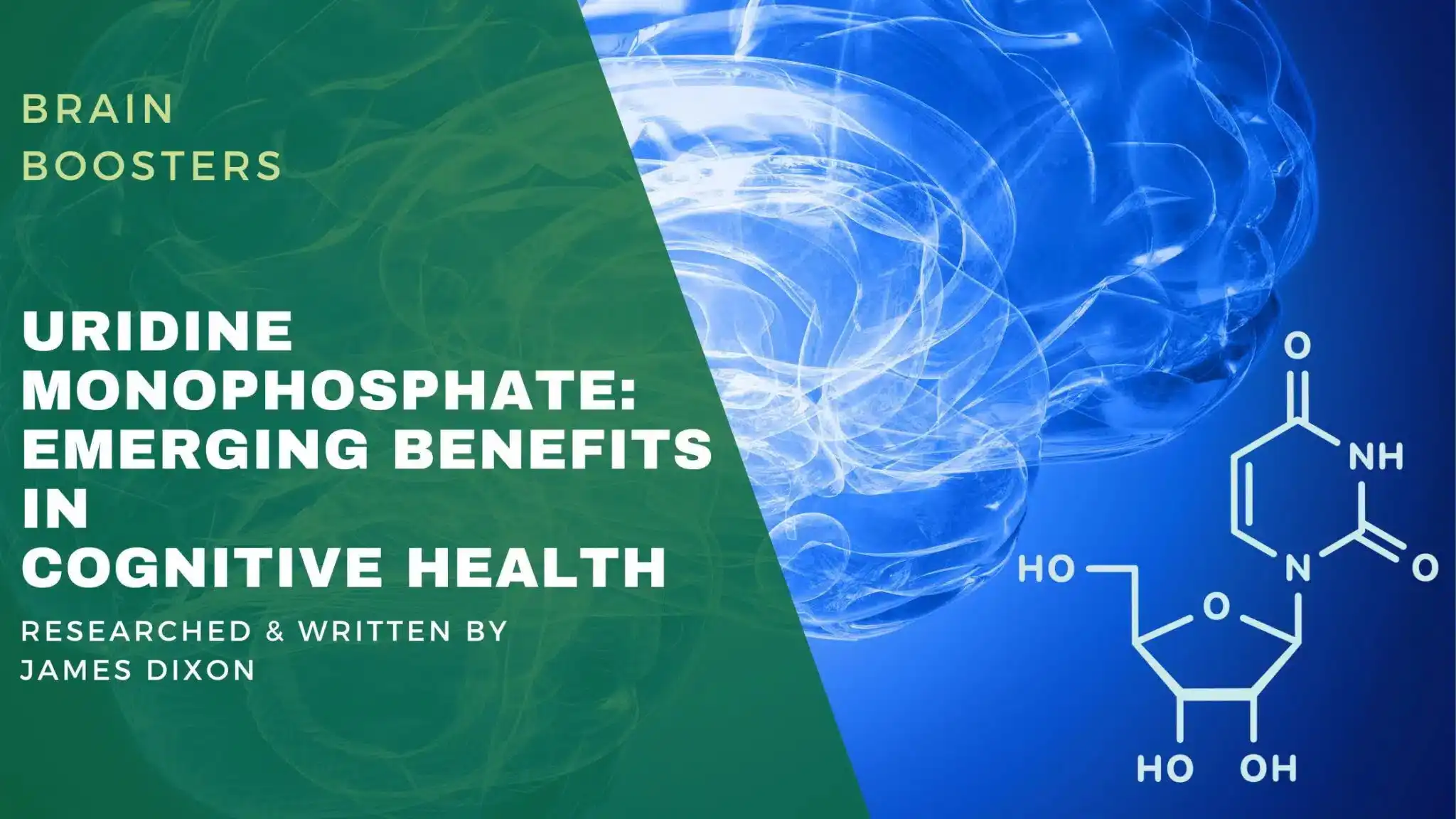
Nutraceutical firms formulating general cell support or cognitive health supplements are a rising buyer category for uridine 5'-monophosphate disodium salt powder, attracted by its function as a source of uridine, which is important to membrane production pathways. Brands usually market the substance as a supplement to a larger composition, rather than as a stand-alone active, sometimes combining it with more known nootropic or cellular-health compounds. Formulators in this field should use the existing, still-emerging research base to inform any marketing claims, rather than over-representing advantages.[3] In this area, there is a tendency to prioritise producers that can offer thorough technical backup with the raw ingredient, given the more innovative nature of this application vs regular food usage.
Why Does This Segment Demand the Highest Documentation Standards?
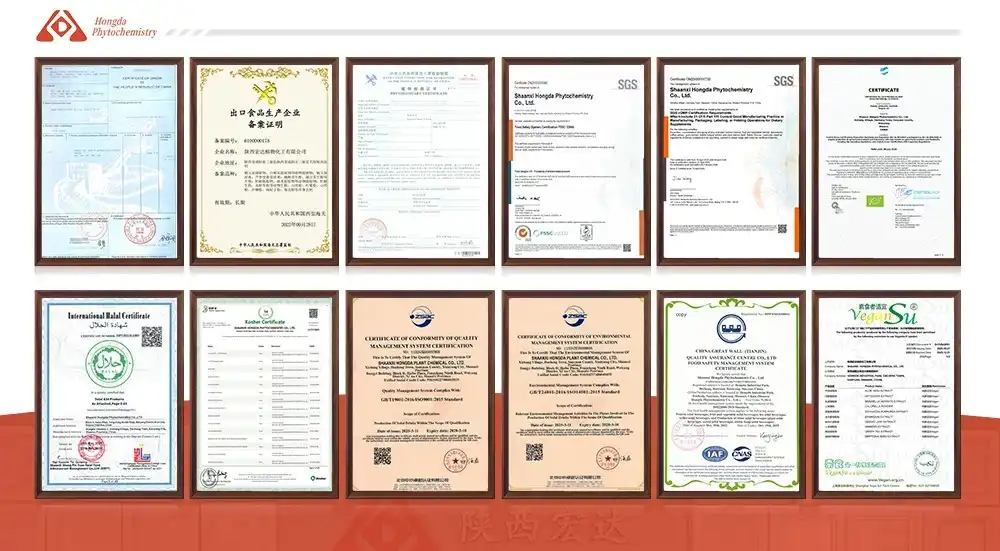
Buyers from baby food to clinical formulae to cognitive-health supplements have one thing in common: they need documentation that goes much beyond a simple specification sheet. This usually comprises comprehensive certificates of analysis, applicable production certifications, and, in some circumstances, access to underlying test results from designated labs. Hongda backs this kind of scrutiny with its SGS-standardised laboratory and growing certification portfolio, and buyers with particular documentation needs or formulation questions about uridine 5'-monophosphate disodium salt powder are encouraged to contact the technical team directly at duke@hongdaherb.com. By establishing this documentation link early, before a formula is put through regulatory review, the potential for last-minute compliance delays is greatly reduced.
Buyers Evaluating a New Uridine Powder Supplier
Import Companies Sourcing Uridine Powder from China at Scale
Import firms and foreign distributors seeking Chinese uridine powder, including uridine-5'-mp disodium for commercial applications, are a separate class of customers, focusing largely on supply dependability, competitive price, and export paperwork preparedness. These purchasers sometimes handle many end-customer connections at one time, so constant batch quality and predictable lead times are extremely critical for their own downstream obligations. The size of Hongda’s manufacturing and its history of export certification make it a good fit for this sort of high-volume import partnership without forcing purchasers to manage quality risk across several smaller suppliers. Importers should also check the export paperwork history of potential manufacturing partners for their destination markets before entering into a long-term arrangement.
Distributors Tracking the Disodium 5 Uridylate UMP Market
Ingredient distributors that watch the larger disodium 5-uridylate ump market tend to benchmark many producers at the same time to develop a varied supply portfolio for their own client base. Manufacturers who can clearly state production capacity, certification status and grade availability across food and nutraceutical applications from a single location help these customers. Distributors prefer manufacturers who have constant and clear price structures, rather than regularly changing terms, since this enables more dependable quoting to their own downstream clients. Often, a distributor’s capacity to handle quality concerns rapidly is enhanced by establishing a direct technical connection with a manufacturer rather than depending primarily on trade middlemen.
Procurement Teams Vetting a Uridine-5'-MP Disodium Supplier
In the event that the corporate procurement team is responsible for officially verifying a uridine-5'-mp disodium supplier, they normally follow a systematic review procedure including manufacturing certifications, financial stability, production capacity, and a recorded quality history. Smaller formulators usually have simpler buyer profiles, while procurement teams at larger formulators frequently have to get clearance from internal supplier approval committees before they can issue a purchase order. Hongda’s certification portfolio includes food safety, organic, and pharmaceutical-adjacent certifications and is intended to enable precisely this sort of formal vendor vetting procedure. Procurement teams should ask for the whole documentation bundle upfront rather than pulling it together from several requests, which usually stretches internal approval deadlines significantly.
When Does It Make Sense to Diversify Your Uridine Powder Sourcing?
Even if you are happy with your existing supplier connection, it might be wise to regularly assess if diversifying your uridine powder sourcing makes strategic sense, especially in the case of enterprises that rely on a single ingredient for a large share of their production volume. But diversification also creates the administrative burden of vetting and maintaining several supplier relationships, while it can guard against unforeseen supply outages, currency changes, or capacity limits at any single location. Reflexive diversification is not recommended; rather, the operational complexity should be weighed against the particular risk to be mitigated when contemplating this step. A manufacturer with a significant manufacturing scale and consistent quality, such as Hongda, may frequently be a trusted main supplier even within a diverse sourcing strategy.
|
Vetting Step
|
What Buyers Should Confirm
|
|---|---|
|
Certification Review
|
Current, relevant certifications on file
|
|
Documentation Package
|
Complete COA, SDS, and traceability records
|
|
Capacity Verification
|
Sufficient scale for recurring orders
|
Conclusion
From flavor system formulators to infant nutrition developers to procurement teams vetting a long-term supply relationship, uridine 5'-monophosphate disodium salt powder and related uridine powder products serve a genuinely wide range of buyers with different priorities. Shaanxi Hongda Phytochemistry Co., Ltd., supported by an SGS-standardized laboratory and an expanding certification portfolio, is equipped to serve each of these segments from one dependable facility. Buyers ready to determine whether this ingredient fits their next project are encouraged to reach out and start that conversation.
FAQ
1. Is this ingredient only relevant to food manufacturers?
No, it also serves infant nutrition, clinical nutrition, and nutraceutical brands, each with different grades and documentation needs.
2. How do I know which grade my product requires?
Grade requirements depend on your end application's sensitivity; reviewing this with a manufacturer's technical team is the most reliable approach.
3. Do infant formula manufacturers need different documentation?
Yes, this segment typically requires the most rigorous documentation, including full microbial and traceability records.
4. Should distributors work directly with manufacturers?
Direct manufacturer relationships often resolve quality and capacity questions faster than relying solely on trading intermediaries.
Partner With HONGDA to Find the Right Fit for Your Business
Whatever segment you represent, from flavor formulation to infant nutrition to procurement vetting, choosing the right raw material partner matters. Shaanxi Hongda Phytochemistry Co., Ltd. supplies uridine 5' - monophosphate disodium salt powder backed by rigorous testing, transparent documentation, and certifications spanning food safety and international organic standards. Whether you need samples, a detailed specification sheet, or guidance on which grade suits your application, the Hongda technical team is ready to help. Reach out directly at duke@hongdaherb.com to discuss your specific needs and find out if this ingredient is the right fit for your next project.
References
1. Carver, J. D., & Walker, W. A. The role of nucleotides in human nutrition. The Journal of Nutritional Biochemistry, 1995.
2. Codex Alimentarius Commission. General standards for food additives, including permitted ribonucleotide flavor enhancers.
3. Cansev, M. Uridine and cytidine in the brain: their transport and utilization. Brain Research Reviews, 2006.
4. European Food Safety Authority. Scientific opinion on the safety of ribonucleotide-based flavor enhancers in food.
5. Wang, L., et al. Effects of dietary nucleotides on immune function in early development. Nutrition Research Reviews.
6. United States Pharmacopeia. General chapters on nucleotide identification and assay testing methods. USP-NF Reference Standards.