


_1745918362135.webp)

How Does Liposomal Coenzyme Q10 Powder Enhance Skin Products?
Liposomal coenzyme Q10 powder changes the way skin care products are made by getting this important antioxidant straight through cells in a way that has never been seen before. More skin care brands are looking for ways to combine new science with good recipe performance. At the same time, more advanced makeup products are needed. The company Shanxi Hongda Phytochemistry Co., Ltd. makes Hongda Phytochemistry, which sells high-quality Liposomal coenzyme Q10 powder that can be used to make new skin and beauty products. This ingredient helps anti-aging creams, face serums, masks, and beauty supplements better spread CoQ10, stay stable in the recipe, and be used in different ways. It does this by using phospholipid-based capsule technology. Hongda helps beauty brands that want to make their own unique skin care products by offering skilled production services, ways to test quality, and experience with supplying goods all over the world.
Why Liposomal CoQ10 Is Becoming a Preferred Ingredient in Skincare Formulations
A lot of people know that coenzyme Q10 (CoQ10) is a strong antioxidant that is found in medicines and food. On the other hand, traditional CoQ10 doesn't mix well with water, which can make it hard to make skin care products that are steady and work well.
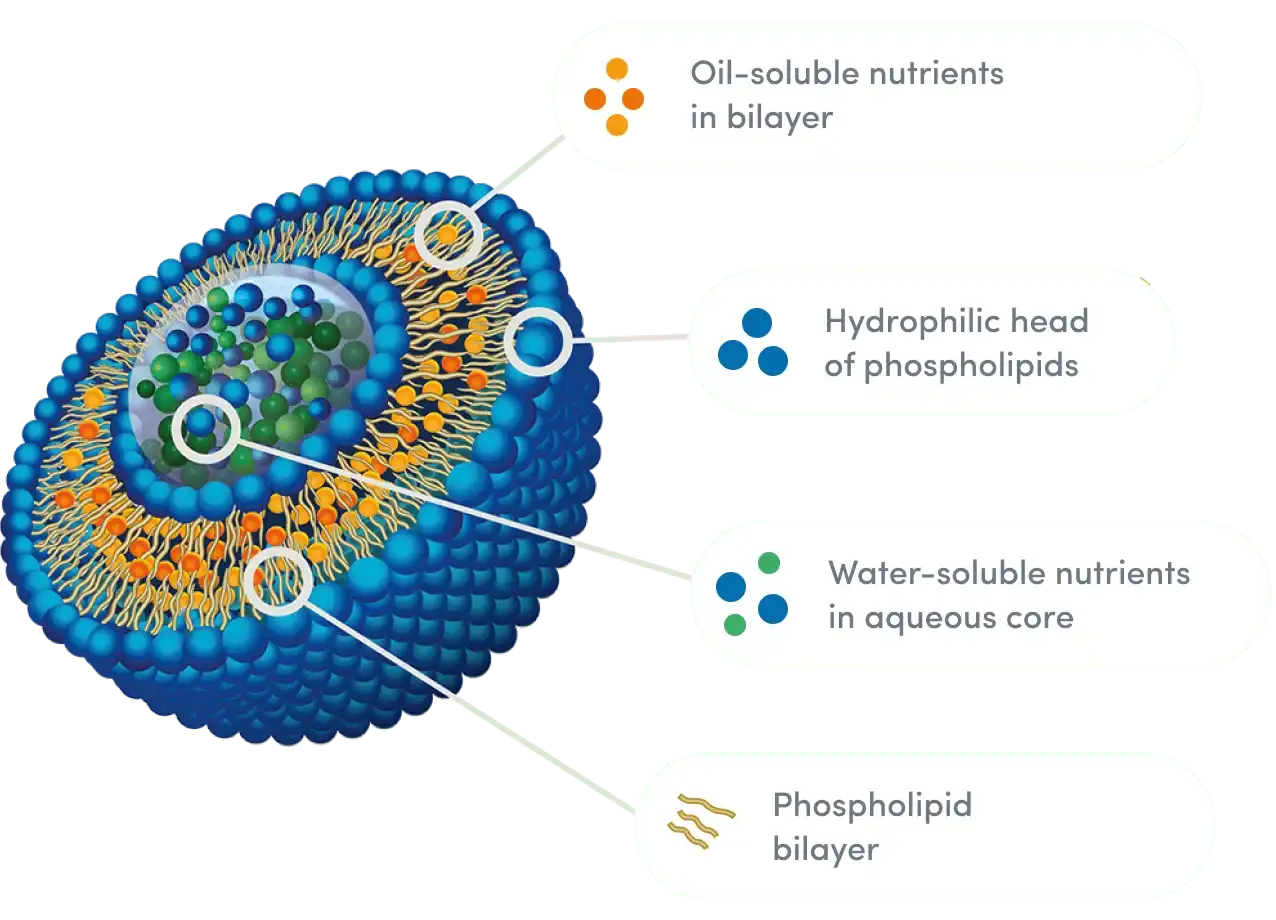
These issues can be solved with liposomal transport technology, which wraps CoQ10 molecules in phospholipid structures. When mixed, these structures help the nutrient spread out better and protect CoQ10 from outside forces that could weaken it.
For cosmetic manufacturers, liposomal CoQ10 offers several formulation advantages:
- Improved ingredient distribution
- Better compatibility with different cosmetic bases
- Enhanced product positioning
- More flexibility for premium skincare development
This makes Liposomal coenzyme Q10 powder a valuable option for brands creating advanced beauty products.
The Science Behind Liposomal Coenzyme Q10 Delivery Technology
Phospholipid Encapsulation Improves Ingredient Stability
The structures that protect active ingredients in liposomes are made of phospholipid bilayers. These shapes are more like natural fatty environments, so the CoQ10 stays spread out more evenly than when it's in powder form.
Lotions, serums, and creams with active ingredients that are spread out evenly can be more consistent if the people who make them have better dispersion.
High-quality liposomal CoQ10 powders are typically evaluated through analytical methods such as:
- Particle size analysis
- Encapsulation efficiency testing
- Active ingredient determination
- Stability evaluation
These quality measurements help manufacturers maintain consistent performance between production batches.
Supporting Better Formulation Performance
CoQ10 naturally dissolves in oil, which can make it hard to add to cosmetics that are made with water. Formulators can make things easier by using liposome technology to make CoQ10 more compatible with different formulation settings.
This allows brands to explore a wider range of applications, including:
- Lightweight facial serums
- Moisturizing creams
- Anti-aging products
- Beauty masks
- Functional skincare products
How Liposomal Coenzyme Q10 Powder Supports Anti-Aging Skincare Development
Antioxidant Protection for Healthy-Looking Skin
Oxidative stress can be brought on by UV light, smog, and the stress of everyday life. This can change the way skin looks over time.
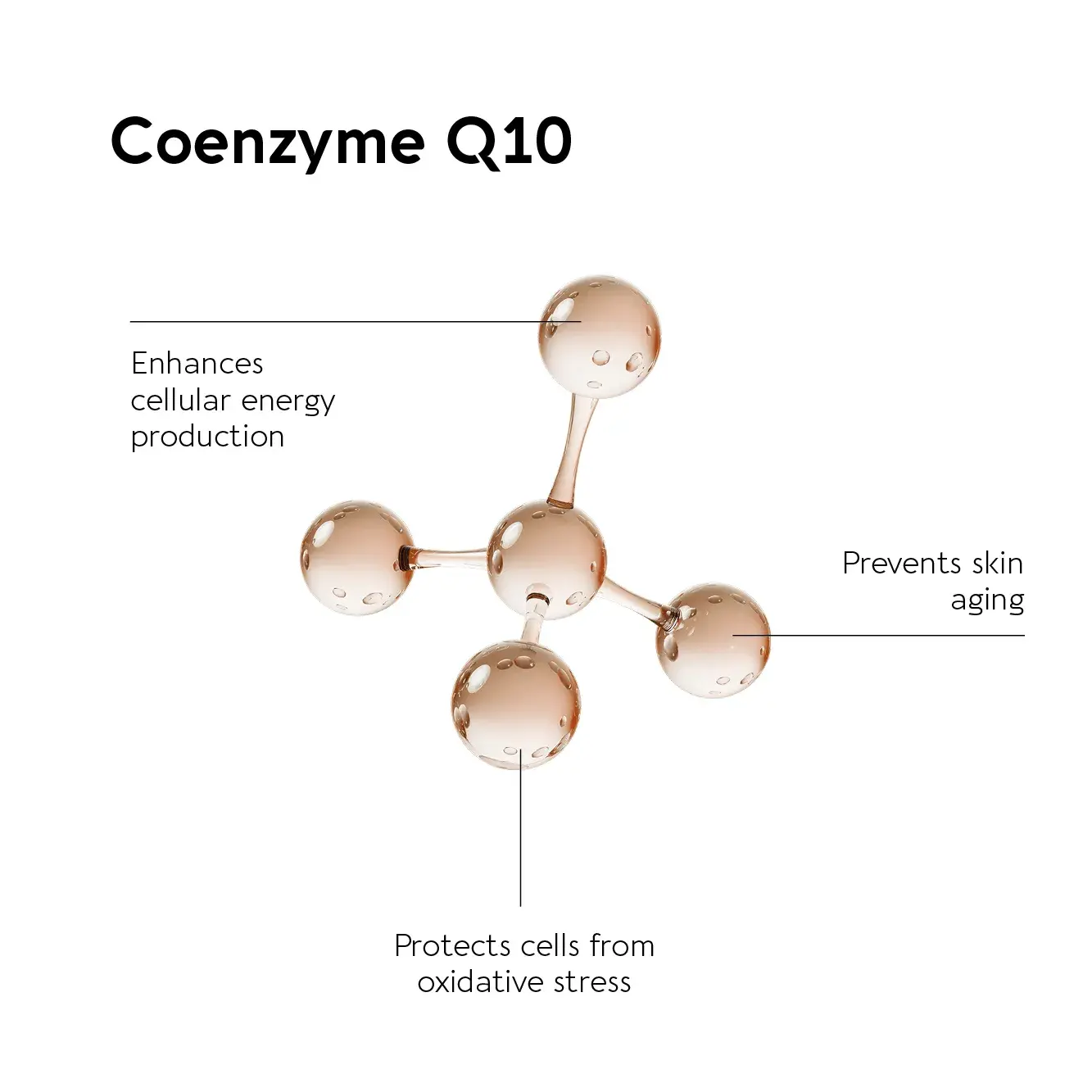
It can be found in skin care items because it is an antioxidant. Products with CoQ10 are often advertised as making skin look better and be stronger because they help protect against reactive stress.
Liposomal delivery can make it easier to add this ingredient to cosmetics, which can help brands make products that:
- Skin vitality
- Visible signs of aging
- Overall skin appearance
- Daily protection routines
Supporting Premium Beauty Product Positioning
Consumers are increasingly interested in skincare products that combine recognizable ingredients with advanced technology.
Adding liposomal CoQ10 allows brands to create stronger product stories around:
- Scientific formulation concepts
- Innovative delivery systems
- Premium ingredient selection
- Advanced skincare solutions
This positioning can help brands differentiate themselves in competitive beauty markets.
Manufacturing Benefits of Using Liposomal Coenzyme Q10 Powder
Easier Integration Into Cosmetic Formulas
Cosmetic companies put a lot of thought into how well their ingredients work together when they are making new products. For better handling and easier mixing into different manufacturing systems, Liposomal coenzyme Q10 powder forms of CoQ10 may be better than standard powder forms.
This can help reduce challenges related to:
- Uneven ingredient distribution
- Formulation adjustment
- Processing complexity
- Product consistency
Improved Storage and Supply Chain Advantages
Powder ingredients provide practical advantages compared with liquid delivery systems.
Liposomal CoQ10 powder can support:
- Easier transportation
- More convenient storage
- Reduced packaging requirements
- Longer supply chain flexibility
For international skincare brands, these advantages can simplify inventory management and reduce operational challenges.
Suitable for Different Skincare Product Categories
One of the strengths of liposomal CoQ10 is its versatility.
Cosmetic companies can use it in:
- Anti-aging creams
- Facial serums
- Eye care products
- Hydrating masks
- Premium skincare collections
This flexibility allows brands to create multiple product lines using the same advanced ingredient platform.
Quality Requirements for Selecting a Liposomal CoQ10 Powder Supplier
Choosing the right supplier directly influences product quality, regulatory compliance, and brand reputation.
Testing Standards and Documentation Support
Professional cosmetic ingredient suppliers should provide comprehensive quality documentation, including:
- Certificate of Analysis (COA)
- Purity testing results
- Stability information
- Microbial testing
- Ingredient specifications
Advanced testing methods such as HPLC analysis can help verify CoQ10 content, while particle size analysis can support consistency evaluation.
Certifications and Manufacturing Reliability
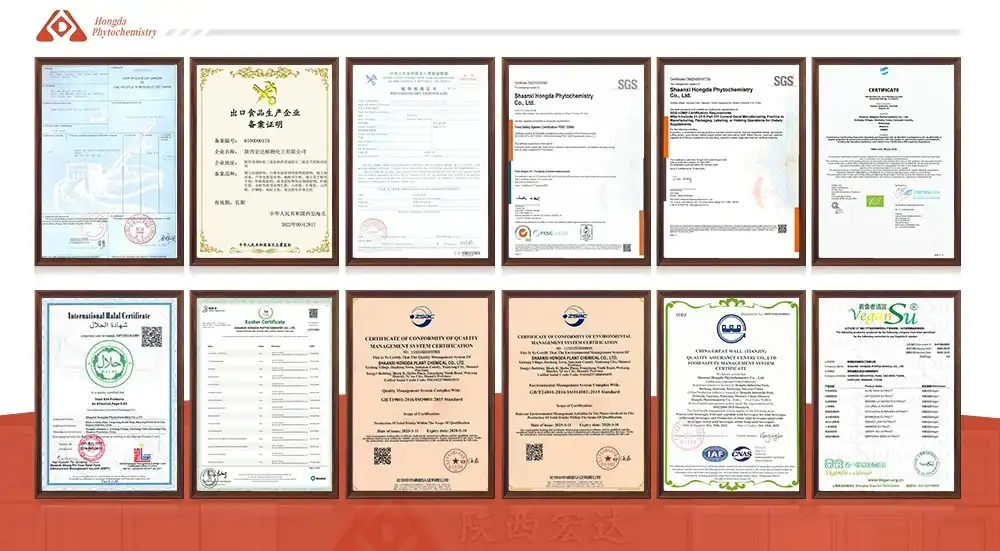
Global skincare brands often require suppliers that follow strict quality management systems for Liposomal coenzyme Q10 powder.
Important certifications may include:
- cGMP
- ISO quality systems
- HALAL
- KOSHER
These certifications demonstrate manufacturing control and help brands evaluate supplier reliability when developing products for international markets.
Technical Support for Product Development
A strong ingredient partner provides more than raw materials.
Professional suppliers can support brands with:
- Formula development suggestions
- Application guidance
- Technical documentation
- Stability testing recommendations
This cooperation helps cosmetic companies shorten development timelines and improve commercialization efficiency.
Applications of Liposomal CoQ10 in Modern Beauty Products
Anti-Aging Skincare Lines
Anti-aging products remain one of the most important applications for CoQ10.
Liposomal CoQ10 can be incorporated into premium formulas designed for consumers seeking:
- Improved skin appearance
- Antioxidant support
- Advanced skincare experiences
Beauty Supplements and Nutricosmetics
The connection between nutrition and beauty continues to influence consumer purchasing decisions.
Liposomal CoQ10 powder can also be used in beauty-from-within products, including:
- Capsules
- Powder supplements
- Functional nutrition products
This creates opportunities for brands to develop combined internal and external beauty solutions.
Combination Formulations With Other Active Ingredients
A lot of modern skin care items have more than one active ingredient.
It is possible to mix liposomal CoQ10 with chemicals like:
- Vitamin C and Vitamin E
- Peptides
- Plant-based extracts
Testing for compatibility helps make sure that formulas that are mixed stay stable and produce high-quality goods.
Best Practices for Developing Products With Liposomal Coenzyme Q10 Powder
Evaluate Compatibility During Product Development
Before putting the product on the market, manufacturers should test the recipe to see if:
- How ingredients work together
- How well textures work
- Stability while being stored
- How the consumer feels
Early testing lowers the risks of development and raises the dependability of the final result.
Choose Appropriate Packaging Solutions
Packaging is a big part of keeping the standard of cosmetics high.
What brands should think about:
- Light defence, oxygen management
- Resistance to moisture
- Conditions of storage
Using the right packaging can help keep the active ingredients safe for the whole life of the product.
Focus on Transparent Product Communication
Successful skin care brands earn customers' trust by sending messages that are truthful and responsible.
Instead of depending on false claims, businesses should stress:
- Quality of ingredients
- Standards for manufacturing
- Background in science
- New product ideas
This method helps build brand credibility over time.
Conclusion
Companies that make cosmetics can use liposomal coenzyme Q10 powder as an improved material to make new skin care products. Liposomal delivery technology helps companies make unique beauty items for today's market by making it easier for CoQ10 to spread, allowing for more manufacturing options, and providing a wide range of application options.
Hongda Phytochemistry helps skincare brands make high-quality products that meet the growing demand for science-based beauty solutions. They do this by providing reliable manufacturing capabilities, quality control systems, and technical support. As the skincare industry moves toward more advanced delivery technologies, liposomal CoQ10 is a useful tool for formulators who want to make the next generation of beauty products.
Partner with HONGDA for Premium Liposomal CoQ10 Solutions
Cosmetic manufacturers seeking a reliable liposomal coenzyme Q10 powder supplier can benefit from HONGDA's advanced nanoscale encapsulation technology and comprehensive quality assurance systems. Our pharmaceutical-grade formulations deliver superior bioavailability with excellent stability profiles, enabling innovative skincare products that meet demanding market requirements. Contact our technical team at duke@hongdaherb.com to discuss customization options and receive detailed specifications for your next formulation project.
References
1. Garrido-Maraver, J., Cordero, M.D., Oropesa-Ávila, M., et al. "Coenzyme Q10 Therapy in Dermatology: From Basic Research to Clinical Application." Journal of Dermatological Science, 2014, 73(2), 89-95.
2. Knott, A., Achterberg, V., Smuda, C., et al. "Topical Treatment with Coenzyme Q10-containing Formulas Improves Skin's Q10 Level and Provides Antioxidative Effects." BioFactors, 2015, 41(6), 383-390.
3. Fernández-García, E., Carvajal-Lérida, I., Pérez-Gálvez, A. "Liposomal Delivery Systems for Bioactive Compounds in Cosmetic Applications: A Comprehensive Review." International Journal of Cosmetic Science, 2019, 41(4), 312-328.
4. Prahl, S., Kueper, T., Biernoth, T., et al. "Aging Skin is Functionally Anaerobic: Importance of Coenzyme Q10 for Anti-Aging Skin Care." BioFactors, 2008, 32(1-4), 245-255.
5. Akbarzadeh, A., Rezaei-Sadabady, R., Davaran, S., et al. "Liposome: Classification, Preparation, and Applications in Cosmetic and Dermatological Products." Nanoscale Research Letters, 2013, 8(1), 102-108.
6. Hoppe, U., Bergemann, J., Diembeck, W., et al. "Coenzyme Q10, a Cutaneous Antioxidant and Energizer for Skin Care Applications." BioFactors, 1999, 9(2-4), 371-378.