


_1745918362135.webp)

How Does Pure Astaxanthin Powder Support the 'Clean-Label' Trend in Functional Foods?
Picture this scenario: you're scanning product labels at your local health food store, searching for supplements that align with your commitment to clean eating. You notice unfamiliar chemical names, synthetic additives, and vague ingredient descriptions. Then you spot a product featuring Pure Astaxanthin Powder from Shaanxi Hongda Phytochemistry Co., Ltd.—a simple, recognizable ingredient derived from natural Haematococcus pluvialis. This is exactly what today's health-conscious consumers demand. As the clean-label movement transforms the functional food industry, Pure Astaxanthin Powder emerges as the perfect solution, offering transparency, natural sourcing, and scientifically-proven benefits that address consumer concerns about artificial additives and synthetic ingredients in their daily nutrition.
What Defines the Clean-Label Movement in Today's Functional Food Industry?
The clean-label revolution represents a fundamental shift in consumer expectations regarding food transparency and ingredient integrity. Modern consumers are no longer satisfied with vague terms or complex chemical names on product labels. They demand clear, simple, and recognizable ingredients that they can understand and trust. This movement has gained tremendous momentum over recent years, driven by increasing health awareness, concerns about synthetic additives, and a desire for products that align with natural wellness philosophies. Research indicates that the clean-label trend influences purchasing decisions across all demographics, with consumers actively seeking products free from artificial colors, synthetic preservatives, and genetically modified organisms. Pure Astaxanthin Powder exemplifies the clean-label ideal because it originates entirely from natural sources, specifically the microalgae Haematococcus pluvialis powder. Unlike synthetic alternatives produced through petrochemical processes, natural astaxanthin powder maintains its structural integrity and biological activity as found in nature. The extraction process utilizes environmentally responsible methods, including carbon dioxide extraction technology, which eliminates solvent residues and chemical contaminants. This approach ensures that the final Pure Astaxanthin Powder product contains no artificial additives, GMOs, or synthetic processing aids, making it perfectly suited for clean-label formulations. Manufacturers utilizing this ingredient can confidently communicate transparency to consumers, knowing that every aspect of production adheres to natural principles.
The clean-label trend extends beyond ingredient sourcing to encompass manufacturing practices, quality control, and supply chain transparency. Consumers increasingly research brands before purchasing, seeking companies that demonstrate commitment to ethical sourcing, sustainable production, and rigorous quality standards. Shaanxi Hongda Phytochemistry Co., Ltd. addresses these expectations through comprehensive certifications including cGMP, FSSC22000, ISO9001, ISO22000, HALAL, KOSHER, and ORGANIC certifications. These credentials provide third-party verification that Pure Astaxanthin Powder meets international standards for safety, purity, and quality. Furthermore, the company's state-of-the-art SGS-standardized laboratory conducts extensive testing for heavy metals, pesticide residues, microbial contamination, and ingredient purity, ensuring that every batch of astaxanthin powder for skin and health applications maintains the highest clean-label standards.
Why Natural Sourcing Matters for Astaxanthin Powder Quality?
The distinction between natural and synthetic Astaxanthin Powder carries significant implications for both efficacy and consumer acceptance. Natural astaxanthin powder extracted from Haematococcus pluvialis contains the 3S,3S stereoisomer, which represents the biologically active form found in nature. This specific molecular configuration exhibits superior antioxidant activity compared to synthetic alternatives, which typically contain a mixture of stereoisomers including forms not found in natural sources. Scientific research demonstrates that natural astaxanthin's antioxidant capacity exceeds vitamin E by 100-fold, making it one of nature's most powerful free radical scavengers. This exceptional potency translates directly into functional benefits for consumers, including support for skin health, cardiovascular function, joint comfort, and immune system resilience. Beyond biochemical differences, natural Haematococcus pluvialis powder astaxanthin aligns perfectly with consumer values regarding sustainability and environmental responsibility. The cultivation of Haematococcus pluvialis occurs in controlled photobioreactor systems utilizing solar energy, creating a renewable production cycle with minimal environmental impact. This sustainable approach contrasts sharply with synthetic astaxanthin manufacturing, which relies on petrochemical feedstocks and generates industrial waste byproducts. Shaanxi Hongda Phytochemistry maintains three dedicated planting bases where professional agronomists oversee cultivation practices ensuring optimal growing conditions and maximum carotenoid content. This vertical integration from algae cultivation through final powder production guarantees complete traceability and quality control, essential elements of authentic clean-label products.
Consumer research consistently shows that natural ingredient claims significantly influence purchasing decisions in the functional food sector. Products featuring Pure Astaxanthin Powder from natural sources command premium positioning and generate stronger brand loyalty compared to synthetic alternatives. This preference reflects deeper consumer concerns about long-term health effects and trust in natural versus artificial substances. When consumers recognize Haematococcus pluvialis as the source material, they immediately understand the product's natural origins without requiring extensive explanation. This transparency builds confidence and supports repeat purchasing behavior, creating sustainable competitive advantages for brands committed to clean-label formulations featuring high-quality Pure Astaxanthin Powder ingredients.
How Does Pure Astaxanthin Powder Meet Specific Clean-Label Requirements?
Modern clean-label standards encompass multiple criteria that products must satisfy to earn consumer trust and regulatory approval. These requirements include minimal processing, absence of synthetic additives, allergen-free formulations, non-GMO verification, and comprehensive quality documentation. Pure Astaxanthin Powder from Shaanxi Hongda Phytochemistry successfully addresses each of these demanding criteria through carefully designed production protocols and quality assurance systems. The manufacturing process employs gentle extraction techniques that preserve the natural molecular structure of astaxanthin while eliminating potential contaminants. Advanced testing protocols verify that every production batch meets stringent specifications for purity, potency, and safety before release for commercial distribution. The absence of common allergens represents a critical clean-label consideration for functional food manufacturers. Pure Astaxanthin Powder contains no dairy, gluten, soy, nuts, or other major allergens, making it suitable for inclusive product formulations that accommodate diverse dietary restrictions. This allergen-free profile expands market opportunities for manufacturers, enabling them to reach consumers with specific dietary needs while maintaining clean-label integrity. Additionally, the vegan-friendly nature of microalgae-derived astaxanthin powder appeals to plant-based consumers who avoid animal-derived ingredients but still seek potent antioxidant support. The VEGAN certification obtained by Shaanxi Hongda Phytochemistry provides independent verification of this claim, offering transparency that resonates with ethically-minded consumers.
Processing transparency forms another essential component of clean-label compliance. Shaanxi Hongda Phytochemistry utilizes supercritical CO2 extraction technology, which represents the gold standard for natural ingredient processing. This method employs carbon dioxide under specific temperature and pressure conditions to selectively extract astaxanthin from algae biomass without using harsh chemical solvents. The process leaves no toxic residues, preserves bioactive compounds, and maintains product purity at levels exceeding 98%. Third-party testing confirms that solvent residues remain below 10 ppm, far beneath regulatory thresholds and well within clean-label expectations. This processing approach demonstrates the feasibility of obtaining highly concentrated Pure Astaxanthin Powder while adhering strictly to natural processing principles valued by health-conscious consumers.
-
Documentation and Traceability in Clean-Label Astaxanthin Production
Complete supply chain transparency has emerged as a non-negotiable requirement for authentic clean-label products. Consumers and regulatory agencies increasingly demand detailed documentation tracking ingredients from raw material sourcing through final product delivery. Shaanxi Hongda Phytochemistry maintains comprehensive traceability systems that monitor every batch of Pure Astaxanthin Powder throughout the production cycle. Each batch receives unique identification codes linked to complete documentation including cultivation records, harvest dates, extraction parameters, testing results, and storage conditions. This meticulous record-keeping enables rapid response to any quality inquiries and provides verifiable evidence of clean-label compliance. The company's ISO22000 and FSSC22000 certifications validate the effectiveness of these food safety management systems. These internationally recognized standards require systematic approaches to identifying and controlling food safety hazards throughout the supply chain. Regular third-party audits verify ongoing compliance with documented procedures, ensuring consistent adherence to clean-label principles. When manufacturers incorporate Pure Astaxanthin Powder into their formulations, they gain access to complete certificates of analysis (COAs) providing detailed specifications for each production lot. These COAs document testing results for heavy metals, microbiological parameters, pesticide residues, and active ingredient content, supplying the transparency that clean-label consumers demand.
Beyond regulatory compliance, Shaanxi Hongda Phytochemistry partners with internationally respected testing agencies including SGS and Eurofins to conduct independent verification of product quality and purity. This third-party validation provides additional assurance that astaxanthin powder for skin and nutritional applications meets global standards for clean-label products. The company's state-of-the-art laboratory employs sophisticated analytical instrumentation including high-performance liquid chromatography (HPLC), gas chromatography (GC), and spectrophotometric analysis to quantify astaxanthin content and detect potential contaminants. This multi-layered testing approach ensures that only Pure Astaxanthin Powder meeting the most stringent quality criteria reaches commercial markets, supporting manufacturers' clean-label commitments and protecting end consumers.
What Role Does Astaxanthin Powder Play in Addressing Consumer Health Concerns?
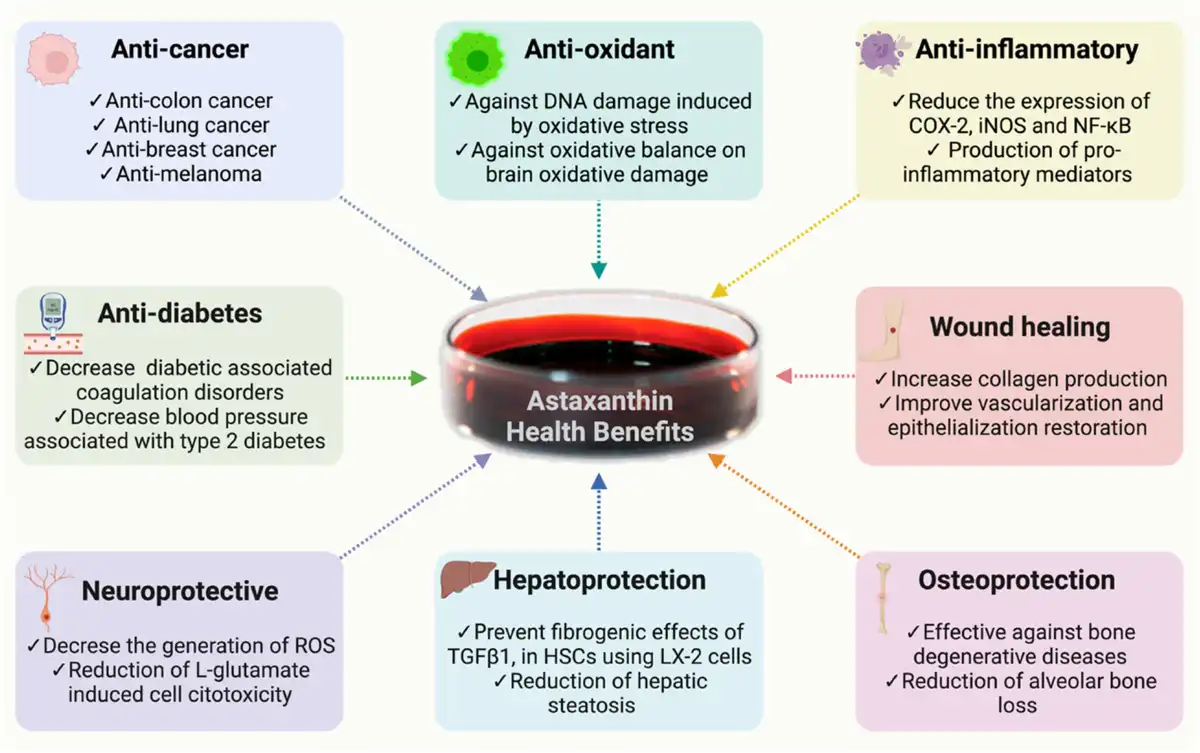
Modern consumers approach functional food purchases with specific health objectives in mind, seeking ingredients backed by scientific research and clinical evidence. Pure Astaxanthin Powder addresses multiple health concerns that drive supplement purchasing behavior, including oxidative stress, inflammation, skin aging, joint discomfort, and cardiovascular health. The compound's unique molecular structure enables it to span cell membranes, positioning antioxidant protection both inside and outside cellular structures. This distinctive characteristic allows astaxanthin to protect cell membranes from free radical damage more effectively than water-soluble or fat-soluble antioxidants that function in only one cellular compartment. Research demonstrates that regular astaxanthin supplementation supports healthy inflammatory responses, promotes skin elasticity and hydration, enhances exercise recovery, and contributes to cardiovascular wellness. The documented benefits of Astaxanthin Powder for skin health align perfectly with consumer interest in beauty-from-within approaches to skincare. Clinical studies indicate that oral astaxanthin supplementation improves skin moisture content, reduces fine lines, enhances skin elasticity, and protects against UV-induced damage. These effects result from astaxanthin's ability to accumulate in skin tissue where it neutralizes free radicals generated by sun exposure, pollution, and metabolic processes. Unlike topical antioxidants that primarily benefit surface layers, orally consumed astaxanthin powder for skin reaches deeper dermal structures, providing comprehensive protection against photoaging and environmental stressors. This systemic approach appeals to consumers seeking holistic beauty solutions that address root causes rather than merely treating surface symptoms.
Joint health represents another significant concern driving functional food purchases, particularly among aging populations and active individuals. Pure Astaxanthin Powder supports joint comfort through multiple mechanisms including reduction of inflammatory mediators, protection of cartilage tissue from oxidative damage, and support for healthy joint fluid production. Athletes and fitness enthusiasts value astaxanthin for its potential to reduce exercise-induced muscle soreness and accelerate recovery following intense training sessions. These functional benefits transform Pure Astaxanthin Powder from a simple antioxidant into a versatile wellness ingredient that addresses diverse consumer needs while maintaining clean-label integrity. Manufacturers incorporating this ingredient gain competitive advantages by offering multifunctional products that deliver comprehensive health support through a single, transparent ingredient.
-
Understanding and Addressing Astaxanthin Dangers Concerns
Transparency regarding safety considerations represents an essential aspect of clean-label marketing. Some consumers encounter information about astaxanthin dangers and potential side effects, creating concerns that manufacturers must address proactively. Comprehensive safety research spanning decades demonstrates that natural Pure Astaxanthin Powder exhibits an excellent safety profile with minimal adverse effects reported even at doses significantly exceeding typical supplementation levels. Regulatory agencies worldwide including the FDA, EFSA, and Health Canada have evaluated astaxanthin safety data and granted approval for its use in dietary supplements and functional foods. These regulatory approvals reflect rigorous evaluation of toxicology studies, clinical trials, and post-market surveillance data confirming astaxanthin's safety for human consumption. The extremely rare reports of mild digestive upset or skin discoloration associated with astaxanthin typically occur only with excessive intake far beyond recommended dosages. Natural Haematococcus pluvialis powder astaxanthin demonstrates superior safety compared to synthetic alternatives because its stereoisomer profile matches forms found naturally in the human diet through seafood consumption. Millions of consumers worldwide supplement with astaxanthin daily without experiencing adverse effects, and no serious safety concerns have emerged despite extensive global use. Shaanxi Hongda Phytochemistry's rigorous quality control procedures ensure that Pure Astaxanthin Powder contains no heavy metal contamination, pesticide residues, or microbial contaminants that could compromise product safety. Every production batch undergoes comprehensive testing verifying compliance with strict safety specifications before receiving approval for distribution.
Manufacturers can confidently address consumer safety questions by highlighting the extensive research supporting astaxanthin's safety profile and emphasizing the importance of choosing high-quality Pure Astaxanthin Powder from reputable suppliers. Product labels should clearly communicate recommended dosages based on clinical research, typically ranging from 4-12 mg daily for general health maintenance. Transparency about sourcing, manufacturing processes, and quality control measures builds consumer confidence and differentiates premium clean-label products from lower-quality alternatives. When consumers understand that Pure Astaxanthin Powder undergoes rigorous testing and meets international safety standards, concerns about astaxanthin dangers diminish, allowing them to focus on the ingredient's substantial health benefits and clean-label attributes.
How Can Manufacturers Successfully Incorporate Pure Astaxanthin Powder into Clean-Label Formulations?
Formulation flexibility represents a critical consideration for manufacturers developing clean-label functional foods containing Pure Astaxanthin Powder. The ingredient's lipophilic nature requires careful attention to delivery formats ensuring optimal bioavailability and consumer acceptance. Shaanxi Hongda Phytochemistry produces Pure Astaxanthin Powder with particle sizes ranging from 20-100 microns, specifically engineered for enhanced dispersion and absorption. This optimized particle size distribution facilitates incorporation into various delivery systems including softgel capsules, oil-based suspensions, powder blends, and emulsified beverage applications. Manufacturers can select formulation approaches matching their target market preferences while maintaining clean-label integrity throughout product development. Softgel encapsulation represents the most popular delivery format for Pure Astaxanthin Powder due to superior bioavailability achieved through oil suspension. The lipophilic nature of astaxanthin ensures efficient absorption when consumed with dietary fats, making oil-filled softgels an ideal vehicle for maximizing nutritional benefits. Manufacturers can combine Astaxanthin Powder with complementary ingredients including omega-3 fatty acids, vitamin E, or CoQ10 to create synergistic formulations addressing multiple health concerns through clean-label ingredient combinations. The dark red appearance of astaxanthin provides natural color to finished products, eliminating need for synthetic colorants while communicating product potency visually. This aesthetic benefit enhances consumer perception of quality and naturalness, supporting premium positioning strategies for clean-label brands.
Powder blend formats offer versatility for manufacturers targeting functional food categories including protein powders, meal replacement shakes, and instant beverage mixes. Incorporating Pure Astaxanthin Powder into these applications requires addressing challenges related to water solubility and stability. Advanced encapsulation technologies including spray-drying and lipid-based microencapsulation enable dispersal of lipophilic astaxanthin in water-based systems while protecting against oxidative degradation. Shaanxi Hongda Phytochemistry provides technical support assisting manufacturers in optimizing formulation parameters including carrier selection, processing conditions, and stabilization strategies. This collaborative approach ensures successful product development while maintaining the clean-label attributes that differentiate premium functional foods in competitive markets.
-
Quality Specifications and Certifications Supporting Clean-Label Claims
Meeting rigorous quality specifications forms the foundation of credible clean-label marketing claims. Pure Astaxanthin Powder from Shaanxi Hongda Phytochemistry maintains minimum purity levels exceeding 98%, with HPLC testing verifying exact astaxanthin content in every production batch. This exceptional purity eliminates concerns about undeclared fillers or adulterants that undermine clean-label integrity. The product specifications restrict heavy metal content to less than 1 ppm, pesticide residues to less than 10 ppm, and microbial loads to less than 1,000 CFU/g, ensuring comprehensive safety and purity. These stringent specifications exceed many industry standards, demonstrating the manufacturer's commitment to producing the highest quality Pure Astaxanthin Powder available globally. The comprehensive certification portfolio obtained by Shaanxi Hongda Phytochemistry provides independent validation of clean-label compliance. The cGMP certification confirms that manufacturing facilities and procedures meet current Good Manufacturing Practice standards for pharmaceutical-grade production quality. ORGANIC certifications from both EU and NOP (USDA) programs verify that production processes comply with organic agriculture and processing requirements, ensuring freedom from synthetic pesticides, genetic modification, and prohibited substances. HALAL and KOSHER certifications accommodate religious dietary requirements, expanding market opportunities for manufacturers serving diverse consumer populations. These certifications require ongoing compliance monitoring through regular third-party audits, ensuring sustained adherence to clean-label principles throughout product lifecycles.
BRC Global Standards certification demonstrates Shaanxi Hongda Phytochemistry's commitment to food safety, quality, and operational excellence. This internationally recognized standard requires comprehensive management systems addressing hazard analysis, quality management, factory environmental standards, and product control procedures. FDA registration provides additional assurance that manufacturing facilities meet United States regulatory requirements for dietary supplement production. When manufacturers source Pure Astaxanthin Powder from certified suppliers like Shaanxi Hongda Phytochemistry, they gain access to complete documentation supporting their own clean-label marketing claims. This documentation proves invaluable during regulatory reviews, customer audits, and third-party certification processes, streamlining compliance efforts while strengthening consumer trust in finished products.
Conclusion
Pure Astaxanthin Powder from Shaanxi Hongda Phytochemistry represents the ideal ingredient solution for manufacturers committed to authentic clean-label functional food development. By combining natural sourcing from Haematococcus pluvialis, gentle processing methods, comprehensive quality testing, and transparent documentation, this ingredient perfectly addresses consumer demands for simple, recognizable, and effective nutritional support. The convergence of scientific validation, regulatory compliance, and clean-label principles positions Pure Astaxanthin Powder as an essential component of next-generation functional foods that deliver measurable health benefits without compromising ingredient integrity or consumer trust.
As the world's leading China Pure Astaxanthin Powder factory, China Pure Astaxanthin Powder supplier, and China Pure Astaxanthin Powder manufacturer, Shaanxi Hongda Phytochemistry brings over 20 years of expertise in botanical extract production to every client relationship. With modern 20,000-square-meter facilities, ISO-certified laboratories, and annual production capacity reaching 3,000 tons, the company delivers reliable supply of High Quality Pure Astaxanthin Powder at competitive Pure Astaxanthin Powder prices for wholesale applications. Whether you're developing dietary supplements, functional beverages, or sports nutrition products, our Pure Astaxanthin Powder for sale provides the clean-label solution your customers demand. Contact us today at duke@hongdaherb.com to discuss custom formulations, bulk pricing, and technical support that transforms your product vision into market-leading reality.
References
1. Ambati, R.R., Phang, S.M., Ravi, S., and Aswathanarayana, R.G. "Astaxanthin: Sources, Extraction, Stability, Biological Activities and Its Commercial Applications—A Review." Marine Drugs, 2014.
2. Capelli, B., Bagchi, D., and Cysewski, G.R. "Synthetic Astaxanthin is Significantly Inferior to Algal-Based Astaxanthin as an Antioxidant and May Not be Suitable as a Human Nutraceutical Supplement." Nutrafoods Research, 2013.
3. Higuera-Ciapara, I., Felix-Valenzuela, L., and Goycoolea, F.M. "Astaxanthin: A Review of its Chemistry and Applications." Critical Reviews in Food Science and Nutrition, 2006.
4. Zhang, Y., Liu, Z., Sun, J., and Xue, C. "Health Benefits of Astaxanthin: Molecular Mechanisms and Clinical Applications." Food & Function, 2021.