


_1745918362135.webp)

How Is Liposomal Vitamin C Powder Bulk Used in Supplements?
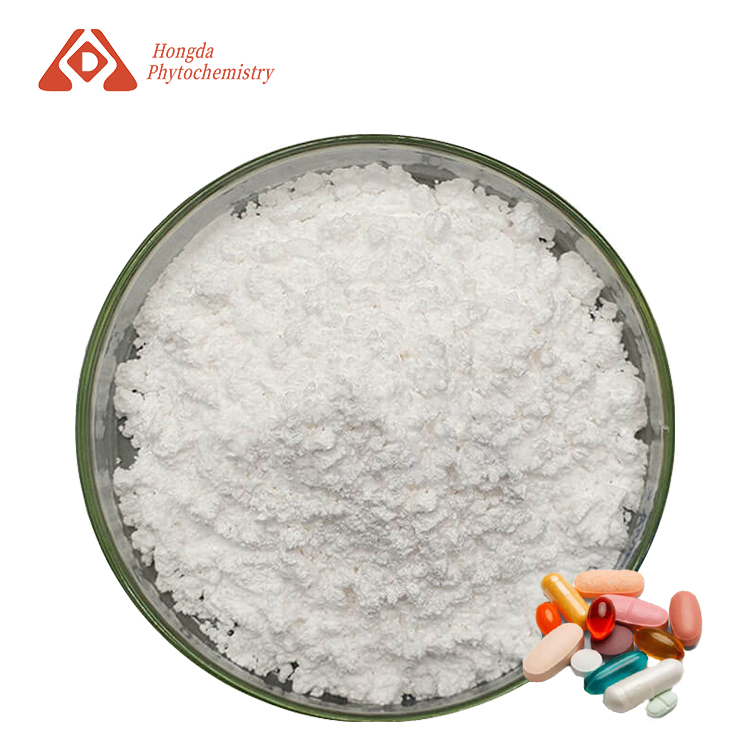
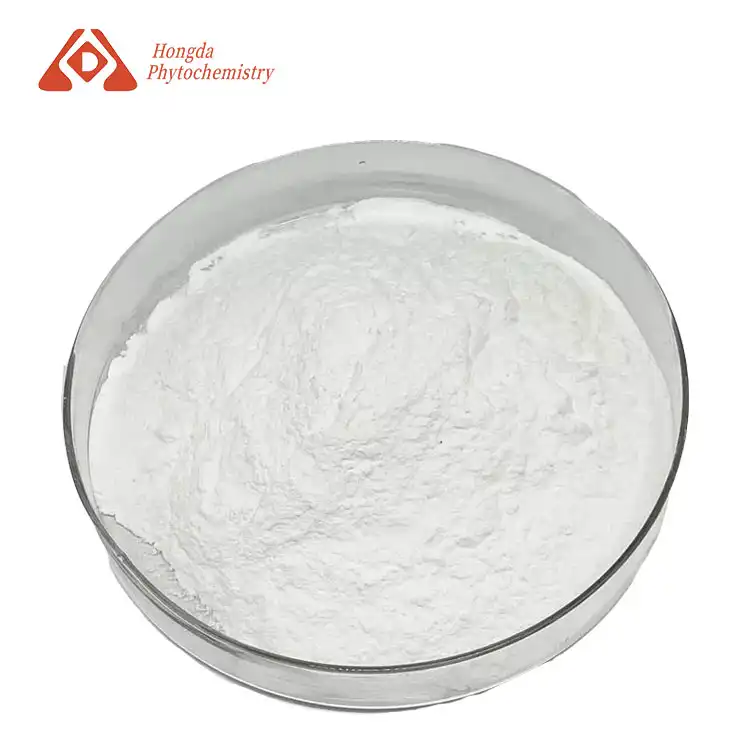
The new Liposomal Vitamin C Powder Bulk is a better way to make supplements. Advanced encapsulation technology was used to make it, which makes nutrition much easier for the body to use. Supplement makers making high-value immune support and antioxidant products use Liposomal Vitamin C Powder Bulk due to rising demand for sophisticated nutritional delivery techniques. For supplement manufacturers, distributors, and private label enterprises seeking stable powder formulations with consistent quality control, Hongda Phytochemistry offers liposomal vitamin C solutions. Liposomal technology protects vitamin C throughout processing and digestion using phospholipid-based carriers, allowing producers to build distinct solutions with more formulation flexibility. Businesses buying vitamin C compounds in bulk must understand technology, quality, and applications. Liposomal vitamin C powder may be used to make quality supplements, including capsules, powder mixes, functional drinks, and customised nutrition formulations.
What Makes Liposomal Vitamin C Powder Bulk Different From Traditional Vitamin C Ingredients?
Phospholipid Encapsulation Technology Improves Ingredient Protection
Phospholipid bilayers preserve vitamin C molecules in liposomal vitamin C. The active substance is more stable throughout production, storage, and digestion since these phospholipids are identical to cell membrane components. Traditional vitamin C formulations use free ascorbic acid, which may have stability and absorption issues at larger doses. Liposomal encapsulation protects vitamin C before it enters the body.
This technique has several benefits for supplement makers:
- Better ingredient protection during manufacture
- Greater compatibility with premium supplements
Applicable to various dose types
For batch-to-batch dependability, liposomal production should concentrate on particle size uniformity, phospholipid quality, and encapsulation efficiency.

Advanced Manufacturing Process Supports Consistent Bulk Supply
Encapsulating high-quality liposomal vitamin C powder demands meticulous management. Manufacturing parameters such as phospholipid selection, homogenisation, drying, and moisture control affect product stability. Hongda Phytochemistry produces bulk liposomal vitamin C powder via controlled processing. Maintaining liposome structures and vitamin C activity throughout manufacture and storage is the goal.
Major technical indications for bulk purchasers are:
| Quality Parameter | Importance |
|---|---|
| Particle size distribution | Helps maintain product consistency and formulation performance |
| Encapsulation efficiency | Indicates how effectively vitamin C is protected within phospholipid carriers |
| Vitamin C content | Confirms active ingredient concentration |
| Microbial testing | Ensures product safety and compliance |
| Stability testing | Evaluates shelf-life performance |
For B2B buyers, these quality measurements provide confidence when selecting ingredients for large-scale supplement production.
Why Do Supplement Manufacturers Choose Liposomal Vitamin C Powder Bulk?
Better Formulation Flexibility Across Different Supplement Formats
The compatibility of Liposomal Vitamin C Powder Bulk with supplements is a big benefit. Powders are simpler to handle, store, and integrate into final goods than liquid liposomal formulations.
Manufacturers often employ liposomal vitamin C powder:
- Hard capsules
- Sachets of powder
- Stickers
- Functional drink mixes
- Blends of antioxidants
- Private label formulations
While keeping liposomal delivery features, powder enables marketers to design products with greater shelf stability.A premium immune-support capsule manufacturer may blend liposomal vitamin C with additional useful substances to distinguish its recipe. Because powder is simpler to carry and prepare than ready-to-drink liquid liposomal solutions, beverage producers may employ it.
Enhanced Bioavailability Potential for Premium Supplement Products
Vitamin C's antioxidant qualities and importance in immune function, collagen production, and nutritional health are well known. The efficacy of a supplement relies on both the substance and how well the body uses it. Liposomal Vitamin C Powder Bulk delivery techniques preserve vitamin C with phospholipids to increase availability. This reduces direct vitamin C stability, affecting environmental exposure.
New delivery technologies may help supplement businesses to differentiate by offering:
- Advanced ingredient placement
- High-quality product
- Dosage choices for consumers
- New supplement ideas
Brands might emphasise delivery technology and formulation quality instead of ingredient amount.

How Should Buyers Evaluate Liposomal Vitamin C Powder Bulk Suppliers?
Check Manufacturing Capability and Quality Documentation
Choosing a dependable provider for bulk liposomal vitamin C powder is crucial for businesses. A certified manufacturer should disclose production capacity, quality management methods, and testing processes.
Before purchasing, buyers should evaluate:
Manufacturing Experience
An experienced nutraceutical ingredient provider will know:
- Large-scale manufacturing needs
- Issues with batch uniformity
- Standards for international compliance
- Custom formulation is needed
Quality Certifications
Professional ingredient makers usually have quality systems like Liposomal Vitamin C Powder Bulk:
- ISO quality management
- The food safety management system
- Manufacturing using GMPs
- Certifications assist in maintaining regulated manufacturing and product quality.
Complete Testing Documentation
Secure providers should supply papers like:
- Certificate of Analysis
- Specifications sheets
- Stability data
- Safety test reports
- Ingredient tracking
Supplement firms creating long-term products need documentation assistance for regulatory assessment and commercial development.
Evaluate Ingredient Quality Beyond Marketing Claims
Not all liposomal vitamin C products provide the same performance. Some products may simply combine vitamin C with phospholipids without achieving effective encapsulation.
Professional buyers should consider:
- Source and purity of phospholipids
- Encapsulation efficiency
- Particle size control
- Stability during storage
- Testing methods used for verification
Non-GMO sunflower-derived phospholipids are often selected by manufacturers looking for clean-label ingredient options and broader consumer acceptance.A supplier that provides detailed technical information allows brands to make better purchasing decisions and avoid inconsistent product performance.
What Should Businesses Consider When Purchasing Liposomal Vitamin C Powder in Bulk?
Supply Stability, Packaging Options, and Logistics Support
For supplement manufacturers and distributors, purchasing Liposomal Vitamin C Powder Bulk requires more than evaluating ingredient quality. Supply reliability, packaging solutions, and logistics capability also influence long-term product development and market availability.
Bulk buyers should consider several important factors:
Production Capacity
Stable suppliers should manufacture enough to support:
- Purchase orders in bulk
- Regular supply needs
- Market demand varies seasonally
- Private label releases
Brands can manage inventory levels and avoid supply disruptions with reliable production planning.
Bulk Packaging Solutions
Liposomal structures are protected during shipping and storage by proper packing. Phospholipid-based systems are susceptible to moisture, oxygen, and temperature, professional packaging should include:
- Containers that prevent moisture
- Lightproofing materials
- Sealed bulk packaging
- Clear storage advice
Powder packing is easier to carry and store than liquid liposomal forms for industrial purposes.
Documentation and Export Support
Foreign supplement brands generally need full paperwork before entering new markets. Customer support from experienced vendors includes:
- Product details
- Document batchwise
- Quality reports
- Paperwork for exports
- Customised formulation data
Services reduce product development time and promote ingredient manufacturer-finished product brand collaboration.
How Is Liposomal Vitamin C Powder Bulk Applied in Supplement Formulation?
Capsule, Powder, and Beverage Product Development
Liposomal vitamin C powder is versatile and suited for several supplement categories. Based on customer preferences, product positioning, and manufacturing needs, manufacturers might choose distribution types.
Capsules
Because of its benefits, capsules are still popular:
- Easy dosage control
- Easy storage
- Simple manufacturing integration
- Combination formula compatibility
Combining liposomal vitamin C with antioxidants, minerals, or plant extracts creates complete, nutritious solutions.
Powder Sachets and Stick Packs
Convenience and portability make single-serving powder versions popular.
Liposomal vitamin C powder may be made:
- Daily immune-boosting beverages
- Travel-friendly supplements
- Sport nutrition mixtures
- Functional health powders
Powder enables firms to make items without chilled supply lines, like certain liquid delivery methods.
Functional Beverage Applications
Liposomal Vitamin C Powder Bulk allows beverage companies to develop premium functional drinks.
Beverage producers should consider:
- Compatible pH
- Ingredient interactions
- Mixing trust
- Need flavour masking
Formulation design preserves product quality.
What Factors Affect the Stability of Liposomal Vitamin C Powder?
Storage Conditions and Formulation Compatibility
Maintaining stability is essential for preserving the performance of liposomal vitamin C products. Several factors may influence liposome integrity, including temperature, humidity, oxygen exposure, and interaction with other ingredients.
Manufacturers should evaluate:
Moisture Control
Excess moisture may affect powder flowability and potentially impact liposomal structures. Therefore, moisture-resistant packaging and controlled storage environments are recommended.
Temperature Management
High temperatures may accelerate degradation processes. During manufacturing and storage, controlled temperature conditions help maintain product consistency.
Ingredient Compatibility
When creating multi-ingredient formulations, producers should consider liposomal vitamin C interactions with:
- Minerals
- Highly reactive substances
- Some oxidation-sensitive compounds
Proper formulation testing ensures product quality and stability.
What Are the Future Opportunities for Liposomal Vitamin C Powder Bulk?
Growing Demand for Advanced Nutritional Delivery Systems
Advanced delivery systems are spreading in the worldwide supplement business. Products with focused nutrition, convenience, and quality ingredients are gaining popularity.
Liposomal delivery system manufacturers benefit from this trend:
- Healthy immune products
- Inner beauty supplements
- Formulas with antioxidants
- Nutrition tailored to you
Delivery technologies may help firms stand out in competitive supplement marketplaces.
Expansion of Private Label and Custom Supplement Solutions
Specialist ingredients are sought by private label supplement firms to develop distinctive products. Bulk liposomal vitamin C powder lets firms create customised mixes without spending on R&D and production.
Professional suppliers aid brands by:
Sourced ingredients
- Formula suggestions
- Bulk supply options
- Technical info
- Support product customisation
This lets new and established businesses adapt more quickly to market expectations.
Why Choose Hongda Phytochemistry for Liposomal Vitamin C Powder Bulk Supply?
Premium supplement manufacturers must choose the best ingredient partner. Hongda Phytochemistry provides regulated manufacturing and technical assistance for standardised nutritional additives.
Advantages include:
- Nutraceutical ingredient manufacturing expertise
- Strict quality controls
- Help with bulk purchases
- Help with technical documentation
- Flexible supplement brand solutions
Working with an experienced provider of Liposomal Vitamin C Powder Bulk for capsules, powders, drinks, or customised formulations ensures quality from raw material selection to final product production.
Conclusion
Liposomal Vitamin C Powder Bulk offers supplement makers phospholipid delivery technology, formulation flexibility, and large-scale manufacturing benefits. Liposomal powder allows marketers to produce premium supplement products with better positioning and more uses than typical vitamin C forms. Business buyers of bulk vitamin C ingredients must consider supplier capabilities, quality testing, manufacturing consistency, and technical assistance. Liposomal vitamin C powder will remain an essential alternative for supplement firms seeking distinctive goods and long-term market prospects as demand for new nutritional delivery technologies grows.
FAQ
1. What makes liposomal vitamin C powder different from regular vitamin C?
Liposomal vitamin C powder uses phospholipid coating to keep vitamin C molecules safe while they are being digested, which makes it 6–10 times more effective at absorption than other types. The liposomal structure gets around the problems with transporting nutrients through the intestines, which makes the vitamin C more bioavailable and stops the stomach problems that come with taking high doses of regular vitamin C pills.
2. How do I verify the quality of bulk liposomal vitamin C powder?
To check the quality, you have to test the phospholipid content, particle size distribution, and how well the particles are enclosed. Reliable providers give out Certificates of Analysis that include Dynamic Light Scattering data, encapsulation efficiency above 90%, and full purity testing for bacterial and heavy metal contaminants.
3. What are typical minimum order quantities for bulk purchases?
Different suppliers have different minimum order numbers, but for first orders, they are usually between 25 kg and 100 kg. Well-known companies like Hongda Phytochemistry let you buy in a variety of ways and offer competitive prices for bigger quantities and long-term supply deals.
4. Can liposomal vitamin C powder be used in different supplement formats?
The powder form can be used in many different ways, such as in hard shell capsules, stick packs for quick drinks, and tablet versions. To keep the liposomes' structure and improve bioavailability, different formulation issues need to be thought through for each shape.
5. What certifications should I look for in a bulk supplier?
cGMP, ISO22000, FSSC22000, and any related organic certificates are all necessary. For some areas, you may need extra certificates like HALAL and KOSHER. These approvals make sure that the quality of the making, safety standards, and adherence to rules are met.
6. How long is the shelf life of bulk liposomal vitamin C powder?
Liposomal vitamin C powder that has been made correctly stays stable for three years when kept at temperatures below 20°C in a packaging that keeps moisture out. This longer shelf life is much longer than that of liquid formulations and makes it easier to handle supplies.
Partner with HONGDA for Premium Liposomal Vitamin C Powder Bulk Supply
HONGDA is a reliable company that makes Liposomal Vitamin C Powder Bulk. They have been extracting vitamins for over 25 years and can give you pharmaceutical-grade quality. Our cutting-edge ultrasonic microencapsulation technology guarantees high bioavailability with 90%+ encapsulation efficiency. It is backed by a number of standards, such as cGMP, ISO22000, and FSSC22000. We offer dependable supply chain solutions for makers and distributors all over the world, with 15 tons of stock always on hand and fast shipping times of 3 to 7 days. Get in touch with our team at duke@hongdaherb.com to talk about your business needs, get full specs, and learn about our custom formulation services that can help your product line with cutting-edge liposomal technology.
References
1. Hickey, Steve, et al. "Pharmacokinetics of oral vitamin C." Journal of Nutritional & Environmental Medicine, vol. 18, no. 3, 2008, pp. 169-177.
2. Davis, Janelle L., et al. "Liposomal-encapsulated Ascorbic Acid: Influence on Vitamin C Bioavailability and Capacity to Protect Against Ischemia-Reperfusion Injury." Nutrition and Metabolic Insights, vol. 9, 2016, pp. 25-30.
3. Łukawski, Maciej, et al. "New oral liposomal vitamin C formulation: properties and bioavailability." Journal of Liposome Research, vol. 30, no. 3, 2020, pp. 227-234.
4. Gopi, Sreeraj, et al. "Comparative oral bioavailability of curcumin in a water-dispersible form versus a crystalline form in healthy human volunteers." Journal of Functional Foods, vol. 25, 2016, pp. 502-511.
5. DeRienzo, Michael A., et al. "Pharmacokinetic assessment of oral lipospheric vitamin C." Advances in Food Technology and Nutritional Sciences, vol. 2, no. 1, 2016, pp. 1-5.
6. Prantl, Lukas, et al. "Encapsulation of vitamin C in liposomal formulations: A comprehensive review of manufacturing techniques and therapeutic applications." International Journal of Pharmaceutics, vol. 578, 2020, pp. 119-130.