




At the end of the day, everyone who buys a premium supplement wants to know how to spot a diluted liposomal glutathione powder before it's even made. Dilution is not often talked about. Even if the powder looks and smells right, it may have a lot less glutathione than what it says on the spec sheet. It can be switched out for fillers, carriers, or a lecithin mix that isn't structured. One name for Hongda Phytochemistry is Shaanxi Hongda Phytochemistry Co., Ltd. In a 20,000-square-meter building with more than 10 production lines, the company makes liposomal glutathione powder. Before sending out packages, the company checks each batch in a lab that meets SGS standards. This book tells you a full method for finding drums, from the first views and paperwork to lab checks to make sure that every drum you get is the one you were given.
Spot the Warning Signs Before You Order
How Dilution Happens in Real Supply Chains
Dilution is seldom a spectacular hoax. It is more typically a subtle slide. A manufacturer may cheap out and use cheap carriers like maltodextrin or starch, use more lecithin than needed for the structure, or just supply a lot with a lower glutathione assay than the sheet states. The reason for this is that sometimes a physical mixture of glutathione and lecithin is never converted into genuine liposomes, which leaves the product appearing identical but performing differently. Knowing these approaches gives you better questions. When evaluating a liposomal components provider, inquire what each ingredient is in the powder, why it is there, and the proportion of each. A clear response differentiates between genuine functional excipients and undeclared filler. And that one difference clears up most of the uncertainty about dilution in liposomal glutathione powder.
Hongda's Open Specifications as a Starting Point
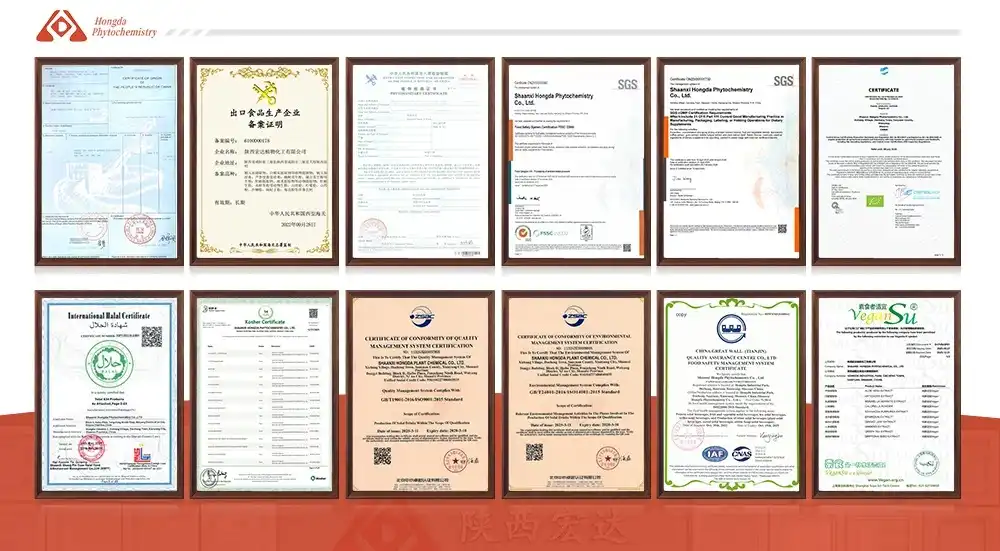
Serious customers are expected to check out the Hongda Phytochemistry Liposomal Glutathione Powder. The plant has more than 10 manufacturing lines, a 100,000-level purification workshop, and an annual capacity of 3,000 tons. Before each lot is sent, it will be examined for components, pesticide residues, moisture, heavy metals, and microbes. The laboratory has more than twenty R&D and testing professionals and high-performance liquid chromatographs, spectrophotometers, and atomic absorption equipment — the same equipment you would use to evaluate content independently. Certifications such as FSSC 22000, ISO 22000, cGMP, FDA, halal, and kosher mean that procedures are compliant with recognized systems. Get the spec and certificate and compare it line by line. A powder supported by open papers is much simpler to trust and verify.
Quick Sensory and Handling Clues
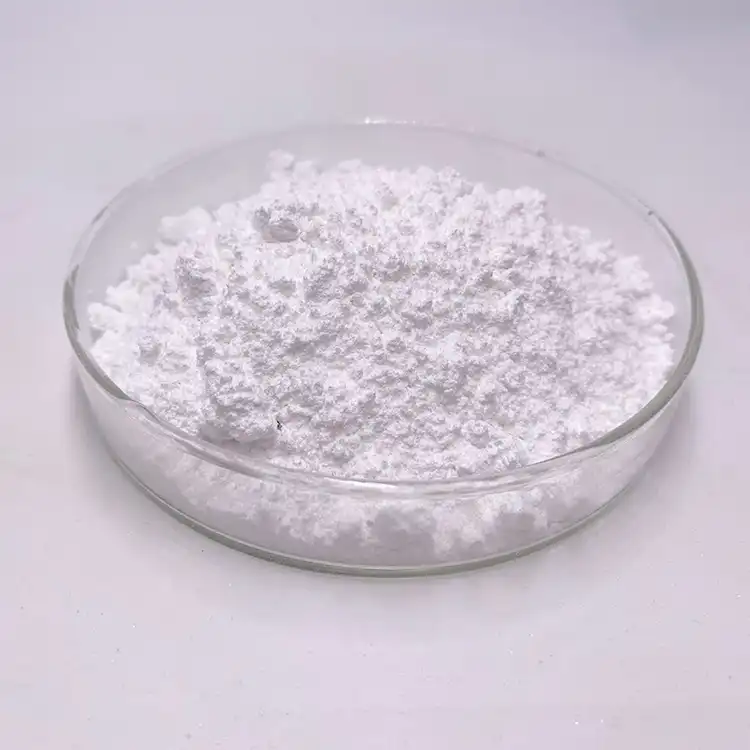
You can’t verify purity with your senses, but you may ask early questions. Glutathione has a slight sulfur taste to it; thus, a powder that is practically odorless may be worth a closer look, although a liposomal coating may reduce the scent. Compare with a retained sample from an authorized batch. Note the color, flow, and bulk density. A powder that suddenly seems whiter, flows much more readily, or is heavier than normal may have a changed carrier ratio. Dissolve a tiny amount in water: a good quality liposomal glutathione powder will distribute to make a reasonably uniform, somewhat opalescent mixture, whereas a low quality blend may leave greasy droplets or sediment. Treat these observations as test prompts, not as evidence, and record them in a basic log for all incoming lots.
Read the Paperwork Like an Auditor
What a Trustworthy Certificate of Analysis Contains
A good certificate is particular. It lists the product name and batch number, the dates of manufacture and testing, the technique used to get each result, and the rationale for reporting. For liposomal ingredients bulk, you will want to test for reduced glutathione content by HPLC on an as-is basis, moisture, heavy metals, microbiological counts, and preferably particle size or encapsulation data. Watch out for certificates that have only a pass or fail without any numbers, or the same results for many distinct lots. When comparing vendors of glutathione powder, ask to see three recent certifications, not just one. What is more informative is that the batches are consistent rather than a single excellent outcome. Hongda Phytochemistry can talk about documentation in depth with technical teams, and a supplier that is eager to explain every line typically has nothing to hide.[1]
|
Item
|
Specification
|
|
Appearance
|
Off-white to light yellow powder
|
|
Loss on Drying
|
≤ 5.0%
|
|
Particle Size
|
≥ 90% through 20mesh
|
|
Bulk Density
|
Measured value
|
|
Tapped Bulk Density
|
Measured value
|
|
Lead
|
≤ 0.5ppm
|
|
Arsenic
|
≤ 2.0ppm
|
|
Cadmium
|
≤ 0.3ppm
|
|
Mercury
|
≤ 0.3ppm
|
|
Total Plate Count
|
≤ 10000cfu/g
|
|
Yeasts&Molds
|
≤ 1000cfu/g
|
|
Coliforms
|
≤ 10MPN/g
|
|
E.Coli
|
Negative/25g
|
|
Salmonella
|
Negative/25g
|
|
Staphylococcus Aureus
|
Negative/25g
|
|
Fatty Acids
|
10.0%-20.0%
|
|
Phospholipids (NON-GMO)
|
10.0%-20.0%
|
|
Glutathione
|
65.0%-75.0%
|
Mass Balance: Do the Declared Ingredients Add Up?
A basic anti-dilution check may be done using a calculator. Ask for the entire composition of the powder: glutathione, phospholipid, any carrier or cryoprotectant, and moisture. Combine the percentages. Well below one hundred percent, something is undeclared. Above one hundred percent, the figures are inaccurate. See whether the measured glutathione content matches the table. If a product claims to have a high amount of glutathione, but also has a big percentage of carrier, it cannot do both. Keep a one-page mass balance for every liposomal glutathione powder you purchase and compare with test findings when available. This procedure takes minutes but may uncover several anomalies before any costly equipment is turned on.
Label Claims, Units, and the Fine Print
Many arguments are not about dishonesty but over units. The provider could report glutathione content per gram of complex, per gram of dry matter, or per serving, and they are not interchangeable. Ask whether the figure relates to reduced glutathione, total glutathione or the oxidized form, and confirm which of them your own label will employ. Make sure the portion sizes in your formula match what you really get. Request the specification sheet and the certificate in the same file format and matching product names and codes, since mismatched documents are a frequent symptom of careless control. Clear liposomal glutathione powder specifications enable your regulatory advisor to approve it swiftly and your clients to get precisely what the front of the carton says they’ll get.
|
Document Item
|
What Good Looks Like
|
Possible Red Flag
|
|---|---|---|
|
Batch number and dates
|
Unique and traceable to production
|
Missing or reused across lots
|
|
Glutathione assay
|
Numeric result with HPLC method named
|
Pass or fail only, no method
|
|
Composition
|
Components sum close to 100%
|
Large unexplained gap
|
|
Moisture
|
Reported with method
|
Absent from the certificate
|
|
Lot-to-lot results
|
Small natural variation
|
Identical numbers every lot
|
Want to see the paperwork first? Email duke@hongdaherb.com to ask the Hongda team for specification and certificate details on glutathione powder suppliers, then compare them with the checks in this guide.
Confirm in the Laboratory: Tests That Expose Dilution
Assay by HPLC: The Direct Content Check
The simplest technique to identify dilution is to find out what is truly there. A validated HPLC technique may be used to measure reduced glutathione and its oxidized companion, providing you not only the content but also an idea of how much has already deteriorated. Samples must be processed rapidly and carefully, since glutathione might oxidize during processing. Compare the outcome with the label and with the supplier's certificate, permitting change of procedure. Freeze-dried items also demand particular attention. A lyophilized glutathione powder will typically include cryoprotectants such as sugars to assist the structure to survive drying, and they are okay if stated. It doesn’t matter what it is as long as the assay fits the requirement. In Hongda Phytochemistry’s laboratory, high-performance liquid chromatography is used on a regular basis so that technical teams may compare techniques on liposomal glutathione powder and publicly resolve disagreements.[1][2][4]
Particle Size and Structure: Is It Truly Liposomal?
One issue is dilution with filler. Another issue is the lack of liposomes. The powder is rehydrated according to a standard process and particle size, and polydispersity is measured by dynamic light scattering. In a real liposomal system, the vesicles are nanometre-sized with a very narrow size distribution, whereas a simple physical mixture often exhibits huge, heterogeneous particles or an observable phase separation. For further evidence, you may use electron microscopy to identify the form of the vesicle. Do the same test in every incoming-lot check so you can monitor changes over time. Structural testing is an important complement to the content assay. A liposomal glutathione powder that appears OK on paper but does not form consistent vesicles will not provide the structure that your marketing promises.[3][5]
Encapsulation Efficiency and Phospholipid Content
The encapsulation efficiency is a measure of the amount of glutathione within the vesicles vs. free in solution. The technique includes separation of free and entrapped glutathione, e.g., by ultrafiltration or centrifugation, and determination of each fraction. A phospholipid test offers another dimension: too little signals poor structure; too much may imply that lecithin is bulking up the powder. The combined findings indicate whether the lipid and active are balanced as per specification. Methods vary; therefore, determine the technique with your provider before the first order and maintain it. These common procedures, including liposomal glutathione powder, avoid further disputes. Instead of fighting over whose laboratory is correct, both parties quietly debate statistics.[5]
| Test | What It Detects | Typical Method |
|---|---|---|
| Reduced glutathione assay | Low active content | HPLC |
| Oxidised glutathione | Degradation | HPLC |
| Particle size and PDI | Missing vesicles or aggregation | Dynamic light scattering |
| Encapsulation efficiency | Free versus entrapped active | Ultrafiltration plus HPLC |
| Phospholipid content | Lipid excess or shortage | Chromatographic or colorimetric assay |
| Moisture | Hidden water weight | Loss on drying or Karl Fischer |
| Heavy metals | Contamination | ICP or atomic absorption |
Build a Buying Routine That Keeps Quality Honest
Sampling, Retained Samples, and Incoming Inspection
It’s ideal to detect as a habit and not as an emergency measure. Sample many places in each delivery, save a sealed retained sample from each batch, and conduct a brief incoming inspection for appearance, moisture, and rehydration behavior. Send a representative sample for the whole panel on the initial order and then at regular intervals, increasing frequency if anything changes. Store liposomal ingredients in firmly packed packaging in a cold, dry environment, since moisture might distort findings and damage the product. Record the date the drum was opened. They are affordable and provide the trail of proof that retailers, auditors, and distributors are increasingly demanding when they assess a brand’s quality system.[4]
Choosing Liposomal Ingredients Bulk Partners Carefully
Buying liposomal materials in bulk increases the advantages and the hazards, since one drum serves multiple manufacturing runs. If feasible, visit or inspect the supplier, or at least verify factory pictures, certificates, and lab capacity. Hongda Phytochemistry has been in operation since 2001 and has been awarded the title of National High-tech Enterprise and is certified by BRC, FDA, organic, cGMP, FSSC 22000, and ISO 9001. Six storage facilities provide enough inventory for on-time order fulfillment, supported by traceability via two R&D institutes and three planting bases. Agree on specs, test techniques, and sample guidelines, and a way to handle out-of-spec findings before the first purchase order. Buying a liposomal ingredients supplier is easier for all parties involved when everyone’s expectations are in writing.
Building a Transparent, Long-Term Partnership
The greatest defense against dilution is to have a connection where information flows freely. Share your arriving test findings with your supplier, encourage them to compare to their own retained samples, and establish a calm, realistic approach for examining variances. Good partners use such comments as an opportunity to develop, not an indictment. The trends in glutathione concentration, particle size, and moisture over time reveal how consistent the liposomal glutathione powder actually is and provide you with ammunition to negotiate price and lead times with confidence. Brands that provide this sort of transparent verification develop better reputations with distributors in the United States and Europe, where documentation and traceability frequently matter as much as pricing.
|
Finding
|
Possible Meaning
|
Suggested Action
|
|---|---|---|
|
Assay below specification
|
Dilution or degradation
|
Retest and share data with supplier
|
|
Components do not sum to 100%
|
Undeclared material
|
Request full composition
|
|
Large, uneven particles on rehydration
|
Weak or absent liposomes
|
Run size and microscopy checks
|
|
Moisture above certificate value
|
Packing or storage issue
|
Inspect seals and retest
|
|
All results within specification
|
Lot conforms
|
Release lot and log results
|
Conclusion
Finding a diluted liposomal glutathione lyophilized powder is a question of layering, not chance. Start with open specs and a mass balance, read certifications carefully, do some basic handling tests, then verify with lab tests for assay, particle size, encapsulation, and moisture. Separate stated functional excipients from undeclared filler and put each outcome into a record to facilitate future orders. Shaanxi Hongda Phytochemistry Co., Ltd. is a factory of 20,000 square meters, with an SGS-standardized laboratory, pre-shipment testing, large inventory, and globally recognized certificates, so brands can check what they purchase with confidence. Make verification a part of every transaction and your consumers will get what your label says, shipment after shipment, in whatever market you service.[1][3][4]
FAQ
1. What is the fastest way to screen for dilution?
Compare the certificate with the specification and check that declared components add up to about 100 percent.
2. Which lab test is most direct?
An HPLC assay of reduced glutathione, compared with the label and certificate.
3. How do I know the powder is truly liposomal?
Measure particle size and polydispersity after rehydration, and consider encapsulation efficiency.
4. Are carriers in a freeze-dried powder always a problem?
No. Declared cryoprotectants are legitimate; undeclared filler is the concern.
5. Where can I request documents from Hongda?
Email duke@hongdaherb.com for specifications and certificates.
Verify Before You Buy | HONGDA
If you want liposomal glutathione powder, you can check line by line and start a conversation with a team that tests before it ships. Shaanxi Hongda Phytochemistry Co., Ltd. offers a modern factory, an SGS-standardized laboratory, ample inventory, and certifications that open doors in the United States and Europe. Tell us your target specification, test methods, and packaging needs, and our specialists will reply with documentation, practical suggestions, and sample options. Whether you are a formulator, an OEM brand, or a distributor, begin today and make verification part of your sourcing. Write to duke@hongdaherb.com and let HONGDA support your next order with transparent, well-documented quality and a team that answers technical questions promptly.
References
1. International Council for Harmonisation. ICH Q2(R2): Validation of Analytical Procedures. 2023.
2. Giustarini D, Dalle-Donne I, Milzani A, Fanti P, Rossi R. Analysis of GSH and GSSG After Derivatization With N-Ethylmaleimide. Nature Protocols. 2013;8(9):1660-1669.
3. Danaei M, Dehghankhold M, Ataei S, et al. Impact of Particle Size and Polydispersity Index on the Clinical Applications of Lipidic Nanocarrier Systems. Pharmaceutics. 2018;10(2):57.
4. Franze S, Selmin F, Samaritani E, Minghetti P, Cilurzo F. Lyophilization of Liposomal Formulations: Still Necessary, Still Challenging. Pharmaceutics. 2018;10(3):139.
5. Bozzuto G, Molinari A. Liposomes as Nanomedical Devices. International Journal of Nanomedicine. 2015;10:975-999.