


_1745918362135.webp)

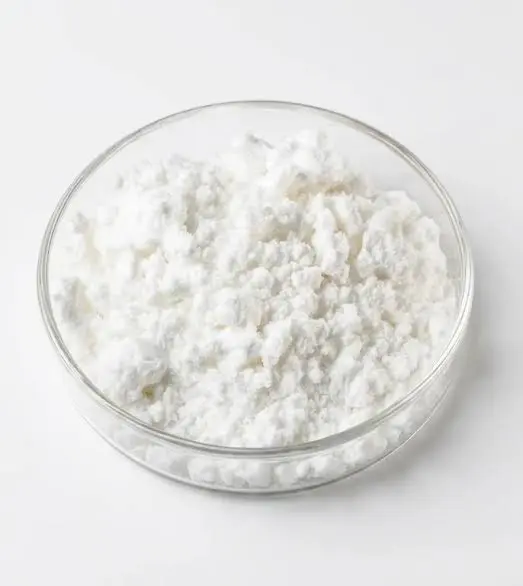
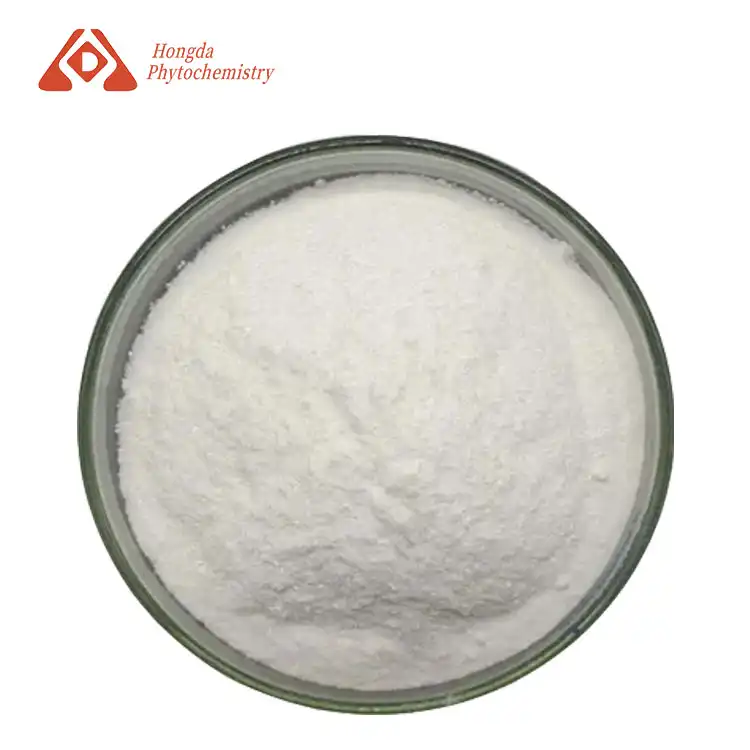
Saw Palmetto Extract Specification
|
ANALYSIS
|
SPECIFICATION
|
RESULTS
|
TEST METHOD
|
|
Assay (Fatty acid)
|
25%~50%
|
25.4%
|
GC
|
|
Description:
|
|||
|
Characters /Appearance
|
White Fine powder
|
Complies
|
Visual
|
|
Odor
|
Characteristic
|
Complies
|
Organoleptic
|
|
SieveAnalysis
|
100% pass 80 mesh
|
Complies
|
80 Mesh Screen
|
|
Physical:
|
|||
|
Extract Solvents
|
Water &Alcohol
|
Complies
|
/
|
|
Loss on drying
|
≤5.0%
|
3.6 %
|
5g/105°C/2hrs
|
|
Ash ( 3hat 600℃)
|
≤5.0%
|
3.4%
|
/
|
|
Chemical:
|
|||
|
Heavy Metals
|
<10pm
|
Complies
|
USP29
|
|
Lead( as pb)
|
<2pm
|
Complies
|
USP29
|
|
Arsenic(asAs2O3)
|
<2ppm
|
Complies
|
ICP-MS
|
|
Residual Solvent
|
<0.05%
|
Complies
|
/
|
|
Total Plate Count
|
<1000cfu/g
|
Complies
|
AOAC
|
Choosing the Right Extract Grade Before You Formulate
Understanding Standardisation: Why Are Total Fatty Acids the Key Metric?
When dealing with saw palmetto extract, the first decision that a formulator must make is the grade to specify. The main active fraction responsible for 5-alpha-reductase (5-AR) inhibition is total fatty acids (TFA), which might vary in concentration in whole berry powder. In contrast, a standardised extract is tested and assured to contain a specific percentage of TFA. The business world has agreed on TFA standardisation as the gold standard, with a weight range of 25% to 45% TFA being the most economically viable. A 45% TFA extract is suitable for clinical-dose prostate formulations and is in accordance with the USP botanical monograph. [6] For maintenance doses or blends with many ingredients, lower standardised grades (25-35% TFA) work well. Saw palmetto extract powder is available from Hongda Phytochemistry spanning this entire spectrum, and prior to release, each lot is tested using gas chromatography and high-performance liquid chromatography.
Particle Size, Flow, and Tableting Behavior
Direct compression into tablets can be challenging with fine-milled saw palmetto powders due to their lipophilic nature, which includes concentrated free fatty acids and phytosterols. This is because the powders can act cohesively under humidity. Before scaling up, formulators aiming for tablet formats should ensure the flow index values are correct and specify a regulated particle size distribution (D90 ≤ 200 µm). It is common practice to manage these qualities using pharmaceutical excipients such as microcrystalline cellulose (MCC) for bulk, silicon dioxide for glidant, and magnesium stearate for lubricant. The most common commercial type of saw palmetto supplement is a hard-shell capsule, which can be made of either gelatin or HPMC vegetarian grade. These capsules are typically more tolerant of other ingredients. If you need granulometric data for each batch or advice on excipient ratios for your particular dosage form, the manufacturing team at Hongda can supply it.
Documentation: What Every Serious Buyer Should Request
When evaluating any saw palmetto fruit powder bulk supplier, the documentation package matters as much as the price per kilogram. A complete specification should include botanical identity verification (macroscopic, TLC, or HPLC), TFA assay results, β-sitosterol content, moisture, ash, heavy metals (lead, mercury, cadmium, arsenic), pesticide residue screening to USP or EU limits, and a full microbial panel. Suppliers who cannot produce this documentation promptly are a red flag for B2B buyers. Hongda's SGS-standardised in-house laboratory — co-established with university professors and staffed by more than 20 R&D scientists — runs all standard assays for every production batch, with COAs available before shipment confirmation.
| Grade (TFA %) | Key Active Content | Typical Daily Dose | Best Application |
|---|---|---|---|
| 25% TFA | Fatty acids, trace β-sitosterol | 320–480 mg | Maintenance blends, entry-level men's formulas |
| 35% TFA | Fatty acids, β-sitosterol ≥ 0.15% | 240–320 mg | Hair & hormonal support products |
| 45% TFA | Fatty acids, β-sitosterol ≥ 0.2% | 160–320 mg | Clinical-dose prostate/DHT SKUs, premium formulas |
| 45% TFA + Organic | As above, EU/NOP-certified | 160–320 mg | Organic-certified finished products, EU/US clean-label brands |
Effective Dosing and Delivery Format Selection
Defining the Effective Dose for Each Application
Clinical research on Saw Palmetto Extract Powder has broadly converged on a reference dose of 320 mg per day of a 45% TFA-standardised extract for prostate health support. 1][3][5] This can be delivered as a single 320 mg capsule or split into two 160 mg capsules with meals — a split-dosing approach that improves tolerability and supports steadier plasma levels of active lipid components. For hair wellness applications, the same 320 mg daily reference dose has been used in recent randomised trials, including a 2023 study in which subjects with androgenetic alopecia saw approximately 29% reduction in hair fall over 16 weeks. [4] In combination formulas where saw palmetto extract powder shares space with stinging nettle root, pumpkin seed oil, or zinc, formulators often work at 160–240 mg of saw palmetto per serving — lower doses enabled by the synergistic contributions of supporting ingredients without sacrificing overall efficacy.
Capsules vs. Softgels: Why Format Affects Bioavailability
Saw palmetto's active fatty acids are fat-soluble, meaning their bioavailability is meaningfully influenced by the delivery format and the consumer's dietary context at the time of ingestion. Softgels — which encapsulate a liquid or semi-liquid oily fill — have a recognised bioavailability advantage, as the lipid matrix promotes emulsification in the gastrointestinal tract, particularly when taken with a fat-containing meal. This is why clinical trials using saw palmetto softgels tend to produce more consistent results than those using dry powder capsules. For brands prioritising clinical positioning and premium price points, the softgel format is generally recommended. For brands focused on clean-label, vegan, or organic positioning, a vegetarian HPMC hard capsule with a small quantity of MCT powder or sunflower lecithin as a dispersibility aid represents an effective and commercially appealing alternative.
Topical and Emerging Functional Formats
Beyond oral supplementation, a growing segment of formulators is exploring topical delivery of saw palmetto extract powder for scalp health. Dissolved in a carrier oil such as jojoba or fractionated coconut oil, saw palmetto fatty acids and β-sitosterol can be delivered directly to the follicular microenvironment – targeting local 5-AR activity without relying on systemic absorption. Shampoos and leave-in scalp treatments typically incorporate saw palmetto at 0.5–2.0% in the final formula. Stick packs and sachets represent another growing format, particularly for Asian functional supplement markets, where Hongda can supply a microencapsulated grade with improved dispersibility in aqueous systems.
Are you developing a prostate blend, a hair care line, and looking for a certified bulk partner for Saw Palmetto Extract Powder? Hongda Phytochemistry offers technical support, full documentation, and flexible MOQs for brands at every stage. Reach out for specifications and samples. Request samples: duke@hongdaherb.com
Ingredient Combinations That Amplify Saw Palmetto's Performance
The Prostate Stack: Nettle Root, Pumpkin Seed, and Zinc
Among formulators, the combination of saw palmetto extract powder with stinging nettle root (Urtica dioica), pumpkin seed extract, and zinc has become an industry standard for prostate and urinary wellness — and with good reason. [1][5] Each ingredient contributes a distinct mechanism. Saw palmetto inhibits 5-AR to limit DHT production. Stinging nettle root modulates sex hormone-binding globulin (SHBG), influencing the balance of free and bound androgens. Pumpkin seed provides beta-sitosterol and delta-7-sterols that support bladder muscle tone and urinary flow via a non-hormonal pathway. Zinc is an essential cofactor for testosterone metabolism, concentrated naturally in healthy prostate tissue. Together, they address hormonal, structural, and nutritional dimensions of prostate wellness simultaneously – a comprehensive approach documented in published research and validated by years of commercial success in this product category.
Hair Wellness Stacks: Biotin, Marine Collagen, and Keratin Peptides
For hair products anchored by Saw Palmetto Extract Powder, the supporting ingredients typically address the structural and nutritional dimensions of hair health that the extract alone does not cover. Biotin (vitamin B7) remains the most consumer-recognised ingredient in this space, adding marketing value alongside saw palmetto's clinical rationale. Marine collagen peptides supply proline, glycine, and hydroxyproline — the amino acid building blocks of keratin. Keratin peptides themselves, delivered orally, have demonstrated measurable improvements in hair strength and flexibility in clinical studies. [2] A formula combining 160–320 mg of Saw Palmetto Extract Powder with 5,000 mcg of biotin, 2.5 g of hydrolysed marine collagen, and a B-vitamin complex addresses both the hormonal driver of hair thinning and the follicle's nutritional needs in a single daily serving.
Women's Hormonal Balance: Saw Palmetto With Adaptogens
The application of saw palmetto extract powder in women's health formulas is a growing area that many brands have underexplored. For perimenopausal and postmenopausal women experiencing androgen-driven hair thinning or hormonal acne, saw palmetto's 5-AR inhibition provides a botanical alternative that fits naturally within a clean-label product story. In this context, it pairs well with ashwagandha (Withania somnifera) — which modulates cortisol and supports the HPA axis — and phytoestrogenic botanicals such as red clover isoflavones, simultaneously addressing the oestrogen-decline dimension of the transition. At 160 mg per serving, saw palmetto leaves ample room for a full panel of supporting ingredients within a standard two-capsule serving size, making it a practical and versatile anchor ingredient for women's hormone balance formulas.
What to Look for in a Saw Palmetto Extract Supplier?
Manufacturing Scale and Supply Reliability
Brands that have experienced supply disruptions know that a supplier's manufacturing infrastructure is ultimately what protects their production schedules. Hongda Phytochemistry operates more than ten production lines across a 20,000 m² facility with 100,000-level purification workshops, delivering an annual output capacity of 3,000 metric tons across its full product range. The 3,000 m² warehouse is divided into six dedicated storage zones for different ingredient categories, staffed by professionals responsible for environmental controls and FIFO inventory management. This infrastructure means that seasonal demand spikes and promotional-driven volume surges can be accommodated without the disruptions that smaller or broker-dependent suppliers routinely create for their customers.
Certifications That Open Premium Market Channels
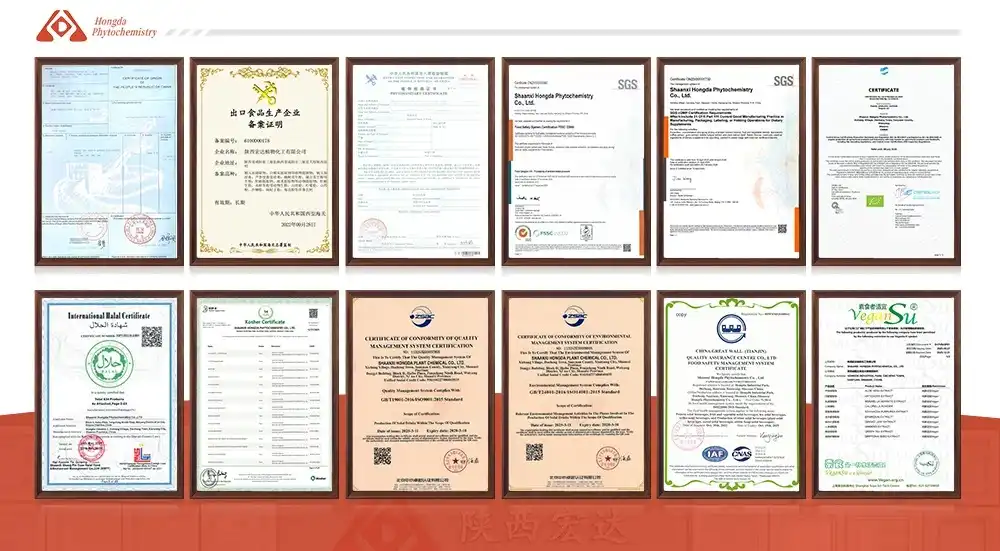
The certifications a supplier holds determine which retail channels and regulatory jurisdictions its customers can access. Hongda Phytochemistry's portfolio — covering cGMP, FSSC22000, ISO9001, ISO22000, FDA registration, BRC, Halal, Kosher, EU Organic, and NOP Organic — spans the full range of requirements for premium North American, European, and Asia-Pacific markets. Recognised as a National High-Tech Enterprise since 2010, the company has maintained a sustained investment in R&D and quality infrastructure for more than two decades. For brands targeting natural retail, pharmacy chains, or e-commerce platforms with ingredient verification requirements, Hongda's certification depth meaningfully simplifies compliance review and shortens time-to-market for new formulas.
| Formula Type | Key Co-Ingredients | SP Dose | Target Consumer |
|---|---|---|---|
| Prostate Wellness | Stinging nettle root, pumpkin seed, zinc, selenium | 320 mg (45% TFA) | Men 40+ |
| Hair Growth (Men) | Biotin (5,000 mcg), marine collagen, keratin peptides | 160–320 mg (45% TFA) | Men 25–55 |
| Hair & Scalp (Women) | Biotin, silica, horsetail extract, collagen peptides | 160 mg (35% TFA) | Women with hormonal hair thinning |
| Women's Hormonal Balance | Ashwagandha, red clover isoflavones, B6 | 160 mg (35% TFA) | Peri/postmenopausal women |
| Men's Vitality Blend | Ashwagandha, maca root, tribulus, zinc | 160–240 mg (45% TFA) | Active men, hormonal optimization |
| Scalp Serum (Topical) | Jojoba carrier oil, rosemary extract, niacinamide | 0.5–2.0% in formula | DTC hair care, both genders |
Building a Long-Term Supply Partnership
The economics of ingredient sourcing reward consistency. Brands that establish long-term supply agreements with a vetted, certified manufacturer benefit from price stability, priority allocation during raw material shortages, and the institutional knowledge that develops over time. Hongda Phytochemistry has built this kind of partnership with international B2B customers since 2001, maintaining two dedicated R&D institutions staffed by more than 20 experienced scientists who continuously develop and optimise product specifications. For formulators who want a supplier that grows alongside their product roadmap rather than simply filling orders, Hongda offers a partnership model that is genuinely different from commodity sourcing — and the documentation, capacity, and certifications to back it up.
Conclusion
Getting the most from Saw Palmetto Extract Powder in supplement formulation comes down to grade selection, appropriate dosing, format-matched delivery, and strategic co-ingredient pairing. Whether the formula targets prostate health, hair vitality, or women's hormonal balance, the ingredient's performance is only as reliable as the supply chain behind it. Shaanxi Hongda Phytochemistry Co., Ltd. brings over two decades of certified manufacturing experience, a fully documented quality system, and the technical depth to support formulators from prototype to commercial scale.
FAQ
Q1. What TFA standardisation should I select for a prostate health capsule?
For a clinical-dose prostate formula, 45% TFA at 320 mg per daily serving is the industry reference. For a multi-ingredient blend, 35% TFA at 160–240 mg is appropriate.
Q2. Why does a softgel format outperform a hard capsule for saw palmetto?
Saw palmetto's active fatty acids are fat-soluble. A softgel's oily fill matrix promotes emulsification in the GI tract, improving bioavailability — especially when taken without a meal.
Q3. Can Hongda supply Saw Palmetto Extract Powder with organic certification?
Yes. Hongda holds both EU organic and NOP (USDA) organic certifications, supporting organic-certified finished products for North American and European markets.
Q4. What documentation should I request when evaluating a bulk saw palmetto supplier?
Request a full COA including botanical identity, TFA assay, β-sitosterol content, moisture, heavy metals, pesticide residues, and microbiology — plus current certification records and lot traceability documentation.
Source-Certified Saw Palmetto Extract Powder|HONGDA
Hongda Phytochemistry has supplied supplement brands, OEM manufacturers, and nutraceutical formulators across North America, Europe, and Asia-Pacific for over two decades. Our Saw Palmetto Extract Powder is cGMP-certified, organically verified, and supported by complete analytical documentation — ready to anchor your next high-performance formula. From sample request to commercial shipment, our team moves with you at every stage. Contact Our Team: duke@hongdaherb.com
References
1. Wilt TJ, Ishani A, Stark G, MacDonald R, Lau J, Mulrow C. Saw palmetto extracts for treatment of benign prostatic hyperplasia: a systematic review. JAMA. 1998;280(18):1604–1609.
2. Prager N, Bickett K, French N, Marcovici G. A randomised, double-blind, placebo-controlled trial to determine the effectiveness of botanically derived inhibitors of 5-alpha-reductase in the treatment of androgenetic alopecia. Journal of Alternative and Complementary Medicine. 2002;8(2):143–152.
3. Bent S, Kane C, Shinohara K, et al. Saw palmetto for benign prostatic hyperplasia. New England Journal of Medicine. 2006;354(6):557–566.
4. Sudeep HV, Rashmi S, Jestin TV, Richards A, Gouthamchandra K, Shyamprasad K. Oral and topical administration of a standardised saw palmetto oil reduces hair fall and improves hair growth in androgenetic alopecia subjects — a 16-week randomised, placebo-controlled study. Clinical, Cosmetic and Investigational Dermatology. 2023;16:3251–3266.
5. Tacklind J, Macdonald R, Rutks I, Stanke JU, Wilt TJ. Serenoa repens for benign prostatic hyperplasia. Cochrane Database of Systematic Reviews. 2012;(12):CD001423.
6. United StatPharmacopoeia.ia. Saw Palmetto Botanical Monograph. In: USP Dietary Supplements Compendium. Rockville, MD: United States Pharmacopeial Convention; 2020.