



_1745918362135.webp)

Is bark extract good for skin?
Hongda Phytochemistry & shaanxi hongda phytochemistry co., Ltd. is a botanical ingredient company that provides plant-based substances such as willow bark extract powder for cosmetics formulation research and skin care uses. But is bark extract really helpful for skin? The answer is based on the botanical source, extraction profile, formulation, and desired cosmetic purpose. Willow bark has a long history of use in personal care formulations, but modern cosmetic development is taking a closer look at its naturally occurring constituents and how the finished formula employs them.
Understanding Willow Bark Extract as a Cosmetic Ingredient
Willow bark comes from the Salix genus of plants, and white willow (Salix alba) is a common botanical source of this bark. The bark has naturally occurring chemicals such as salicin and other phenolic and flavonoid elements. The composition of an extract is not fixed; it is contingent upon the plant material, the extraction procedure, and the specification of the product.
It matters because it is a distinction worth making in comparing Willow Bark Extract Powder with isolated cosmetic chemicals. > > > A botanical extract has a wider spectrum of chemicals (not just one isolated active ingredient). For manufacturers, botanical identity, extraction ratio, specification, and analytical testing might be as significant as the ingredient name itself.
What Can Willow Bark Extract Do in Skincare?
Willow bark is intriguing for cosmetic formulations mainly due to its botanical composition and its possible function in the formulation of products designed for cleansing, skin conditioning, and gentle exfoliating principles.
Exfoliating and Clarifying Formulations
One of the most well-known chemicals connected with willow bark is salicin. But the willow bark extract is not just another kind of pure salicylic acid. The concentration of salicin and other ingredients depends on the raw material and the extraction procedure. The ultimate cosmetic performance depends on the total formulation.
Therefore, willow bark extract powder can be explored for use in botanical exfoliating or clarifying products, but makers should examine the actual specification and completed formula rather than assume that all willow bark extract will function equally.
Skin-Conditioning Applications
One of the reasons why willow bark is an interesting botanical cosmetic ingredient is because of its naturally occurring phenolic chemicals. Manufacturers can use it in products formulated to leave skin feeling clean, smooth, and well-conditioned depending on the extract specification and formulation.
This is especially true for formulations when a plant-derived element has been included in the concept of the product. But its function should be determined according to the features of the finished product, rather than assigning pharmacological or therapeutic effects to the raw ingredient.
Formulas for Oily or Combination Skin
Willow bark is often included in cosmetic formulas for oily and mixed skin. These products can be mixed with cleaning agents, humectants, botanical extracts, or other cosmetic ingredients selected for their complementing purposes.
The consumer experience is determined by the end product. Willow bark on its own does not guarantee a certain pore appearance, oil-control benefit, or exfoliating action. During development, formula concentration, pH, processing conditions, and other constituents must be considered.

Willow Bark Extract vs. Salicylic Acid
Don’t think of willow bark extract and salicylic acid as the same ingredient. Salicylic acid is a chemical compound with a specific composition. Willow bark extract is a botanical material with a mixture of naturally occurring elements.
Such a distinction can be advantageous in the development of cosmetic goods with varied placement. A salicylic acid formulation has a precisely defined dosage of the isolated ingredient, while a botanical product may use willow bark extract as part of a broader idea of plant-based formulation.
Thus the option for producers will depend on the product specification, regulatory requirements, target market, and desired qualities of the formulation, and not only on whether one ingredient is "better."
Where Is Willow Bark Extract Powder Used?
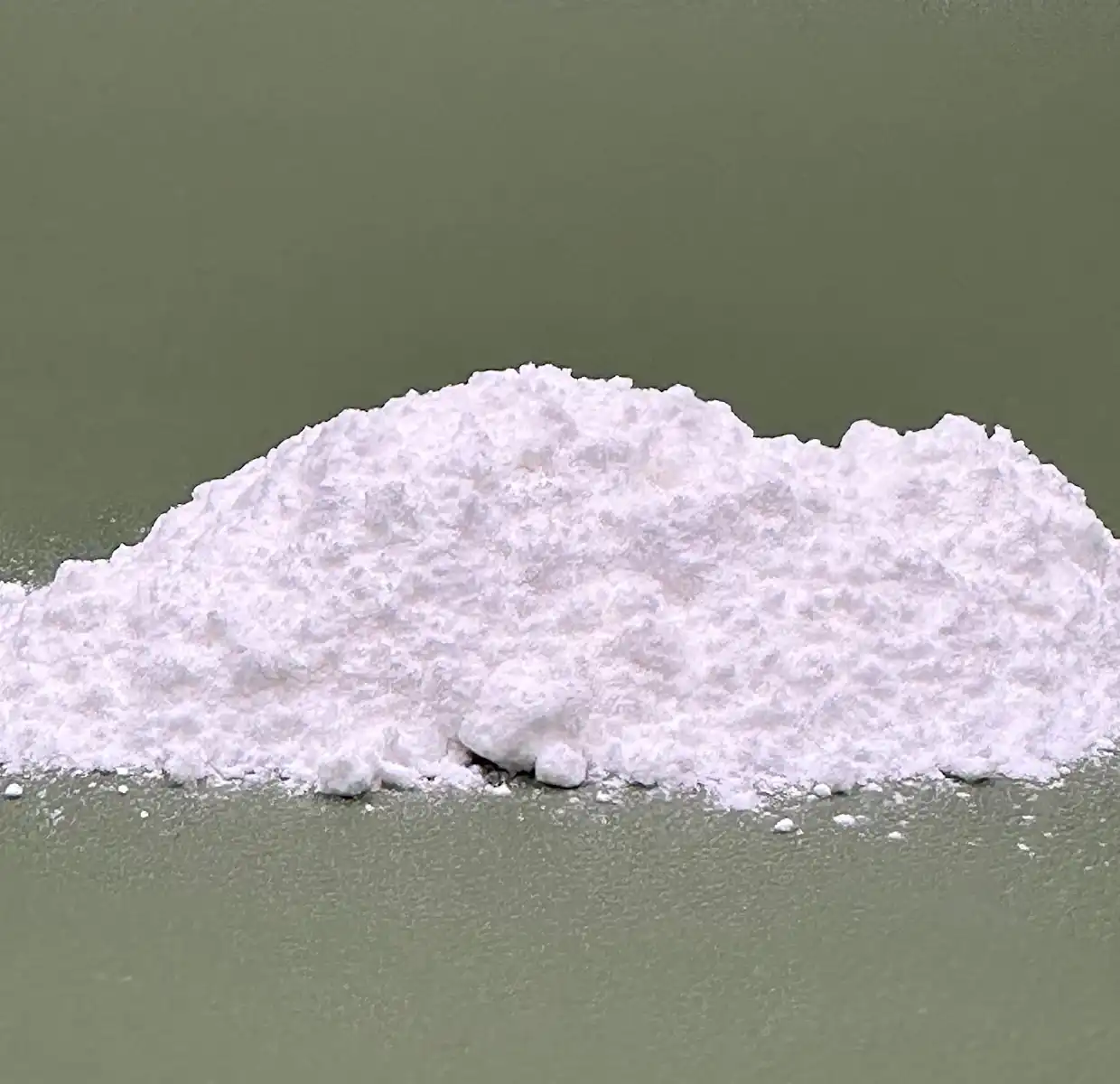
Willow bark extract powder can be utilized in a number of personal care formulations, including facial cleansers, serums, lotions, creams, masks, and other products where botanical extracts fit the formulation concept.
The botanical name is not sufficient to ascertain its fitness. Cosmetic producers need to check the powder's appearance, solubility or dispersibility, extraction procedure, marker compounds if relevant, recommended use level, and compatibility with the other ingredients in the mix.
These data also help formulators achieve more consistency when going from lab samples to bigger production batches for commercial manufacture.
Key Formulation Considerations
The development team should review the raw material specification of willow bark extract and its behavior within the chosen formulation system before putting it into a cosmetic product. pH, solvent system, temperature, processing sequence, and interactions with other botanical or functional constituents can all influence the final product.
Water-based goods may require special attention to dispersion and stability. Formulations with glycols or other solvents may react differently. Manufacturers should also develop enough quality requirements and verify that the extract selected is suitable for its intended use in cosmetics.
Instead of treating all botanical extracts as if they were made of the same ingredients, formulators should start with a stated specification and test representative samples during the product development process.
What Should Buyers Check When Sourcing Willow Bark Extract?
For cosmetic producers buying willow bark extract powder, the supplier information is just as vital as the ingredient description. Buyers might want to look at the botanical source, extraction data, specification sheet, certificate of analysis, microbiological tests, heavy-metal information, and any other documents relevant to their market.
Consistency between batches is also critical. Natural botanical materials can vary based on the origin of raw ingredients or processing circumstances. A supplier with established production and quality-control systems can help firms maintain a consistent formulation specification.
Hongda Phytochemistry may now give its willow bark ingredient as part of this type of technical supply information, letting formulation teams analyze the material against established requirements and not just broad assertions about willow bark.
Why Botanical Quality Matters?
The quality of a botanical extract starts with the raw material. The qualities of the resulting powder can be affected by correct botanical identification, suitable processing, controlled extraction, and suitable storage.
This is why a competent procurement process should not stop at “willow bark extract." Products with identical names may have distinct specifications and differing amounts of naturally occurring ingredients.
When a cosmetic business needs a repeatable ingredient for commercial production, documentation, analytical testing, packaging, and batch consistency become realistic purchasing factors, not tertiary details.
Conclusion
So bark extract is healthy for skin? Willow bark extract is a helpful botanical ingredient in cosmetic formulations, especially when producers are creating products with cleansing, conditioning, clarifying, or light exfoliating ideas. It is not to be confused with refined salicylic acid, however, and its features depend on the botanical source, the extraction procedure, and the specification. Therefore, the Willow Bark Extract Powder should be examined as a specified cosmetic raw material in terms of its composition, quality documentation, formulation compatibility, and batch consistency before being integrated into a completed skincare product.
Reach out to us at duke@hongdaherb.com to discover how our premium willow bark extract powder can elevate your skincare products to new levels of efficacy and market differentiation.
References
1. Shara M, Stohs SJ. Efficacy and Safety of White Willow Bark (Salix alba) Extracts. Phytotherapy Research. An interdisciplinary journal examining plant-based therapeutic agents and their mechanisms of action in human health applications.
2. Mahdi JG, Mahdi AJ, Bowen ID. The Historical Analysis of Aspirin Discovery, Its Relation to the Willow Tree and Antiproliferative and Anticancer Potential. Cell Proliferation. A scholarly examination of salicylate compounds derived from botanical sources and their therapeutic applications throughout medical history.
3. Vlachojannis JE, Cameron M, Chrubasik S. A Systematic Review on the Effectiveness of Willow Bark for Musculoskeletal Pain. Phytotherapy Research. Comprehensive meta-analysis evaluating clinical evidence for anti-inflammatory botanical extracts in pain management applications.
4. Steinberg D, Glazer R, Klinger P. Anti-Inflammatory Effects of Salicin and Related Compounds in Botanical Extracts. Journal of Dermatological Treatment. Clinical dermatology research investigating topical anti-inflammatory agents derived from natural plant sources for skin condition management.