


_1745918362135.webp)

Is Copper Peptide Ghk Cu Powder the Best Ingredient for Wrinkles?
For cosmetic brands and ingredient buyers, choosing an anti-aging active is not simply a question of which ingredient sounds the most powerful. Hongda Phytochemistry, officially Shaanxi Hongda Phytochemistry Co., Ltd., supplies Copper Peptide Ghk Cu Powder for cosmetic formulation and bulk raw-material applications, giving formulators an option that combines a well-studied copper-binding peptide with practical powder handling and batch-based quality control. The GHK-Cu, which plays a role in collagen remodeling and signaling for skin healing and other biological processes that maintain the extracellular matrix, has been of particular interest. But to question if it is the “best” ingredient for wrinkles requires a more balanced analysis of the existing research, formulation requirements, stability, and the demands of the completed product. The data for GHK-Cu is encouraging, but it's not to be trumpeted as a substitute for every recognized anti-aging activity. In human studies, topical application has been associated with improvements in the look of photoaged skin, skin density, thickness, firmness, and wrinkles. Effects on collagen and other extracellular-matrix components have been studied in previous laboratory research. Also, many of the existing studies are either rather tiny or old, so the best way to frame Copper Peptide Ghk Cu Powder is as a research-backed beauty peptide, not as a better wrinkle cure than anything else out there.
What Makes GHK-Cu Relevant to Modern Anti-Aging Formulas?
Understanding the GHK-Cu Structure
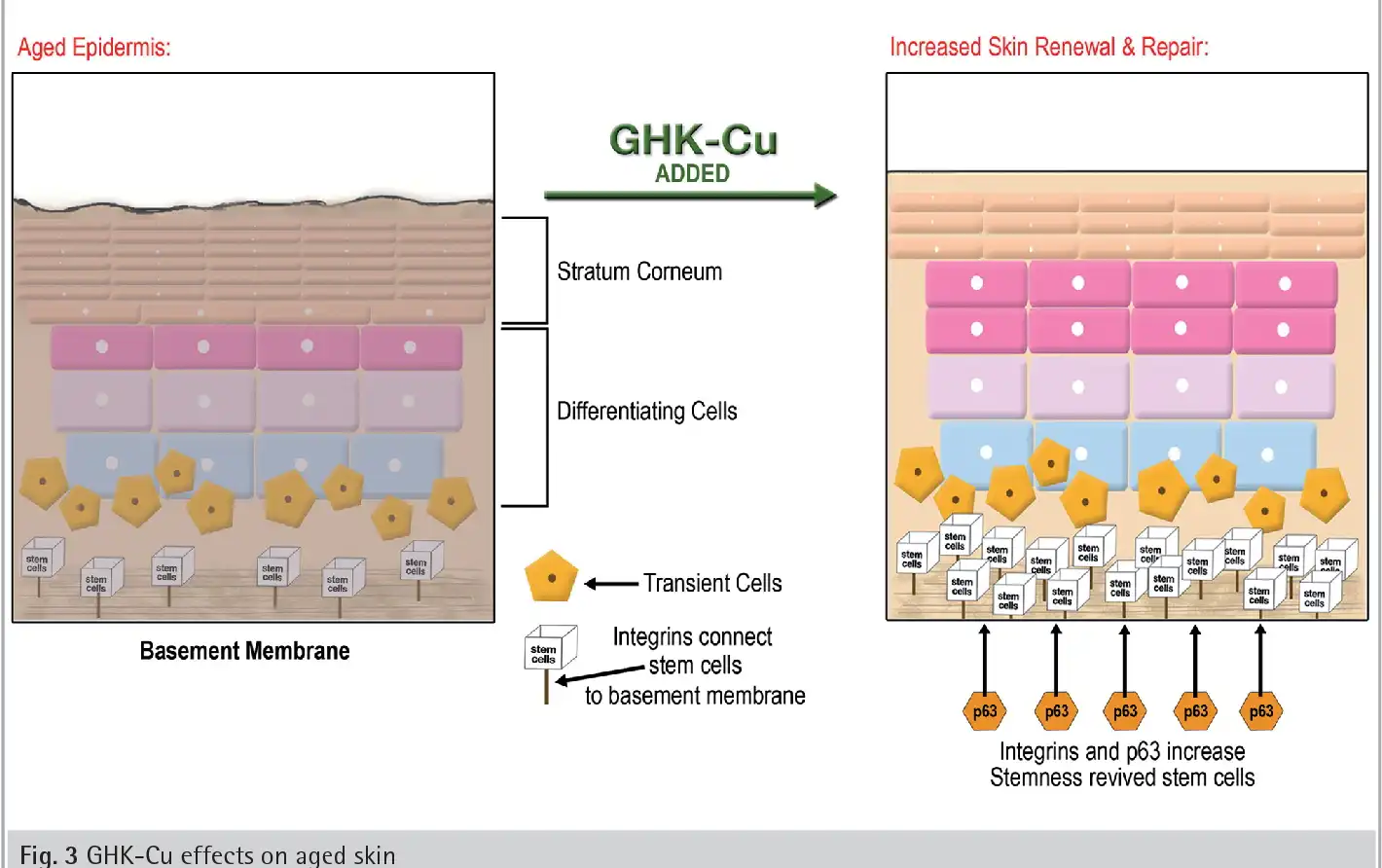
GHK-Cu is the copper complex of the tripeptide glycyl-L-histidyl-L-lysine, which is more often referred to as GHK. The peptide is a normal component of human plasma, and typical GHK concentrations have been reported in the literature to be around 200 ng/mL at age 20 and about 80 ng/mL at age 60. This age-related alteration is intriguing from a biological standpoint but should not be construed to indicate that merely refilling diminishing GHK levels can reverse chronological aging. One of the reasons the substance has continued to garner attention in cosmetic research is because GHK and its copper complex have been postulated to be involved in tissue remodeling and healing.
The copper component is not a mere addition in cosmetic formulas. The GHK peptide complexes with copper to create the GHK-Cu complex, and the preservation of that chemical interaction is vital in the development of a completed product. This is also why the circumstances of formulation are key. A raw powder may have a high test value, but a poorly formulated final formula may have stability or compatibility concerns.
How GHK-Cu May Influence the Appearance of Aging Skin?
A number of biological mechanisms related to skin remodelling have been explored using GHK-Cu. Effects involving collagen formation, glycosaminoglycans, inflammatory signalling, antioxidant defenses, and cellular responses involved in tissue healing are described in laboratory and review literature. These results give a rational scientific foundation for the use of GHK-Cu in products intended for improving the look of fine lines, loss of firmness, and photoaged skin.
What is vital to distinguish is biological activity and a guaranteed cosmetic effect. A laboratory observation does not suggest that a certain amount of copper peptide (Ghk Cu Powder) in each blood would have the same noticeable impact. The delivery mechanism, the integrity of the copper-peptide, the concentration, the pH, the preservation system, the packaging, the skin state, and the length of use may all affect the performance of the end product.
What Does the Human Evidence Actually Show?
Findings From Facial and Eye-Area Studies
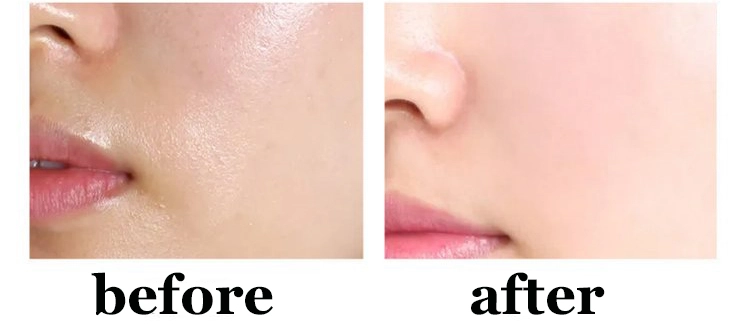
The best argument for using GHK-Cu in anti-aging products is that it has been tested on humans, not on cells. In a 12-week face research in women with photoaged skin, topical administration of a GHK-Cu-containing cream led to improvements in skin laxity, clarity, firmness, look, fine lines, wrinkles, skin density, and thickness. A second trial involving 41 women assessed a GHK-Cu eye cream for 12 weeks and showed improved outcomes compared to the comparative treatments for numerous metrics of lines, wrinkles, look, skin density, and thickness.
A 12-week trial of 67 women with moderate to severe photodamage also revealed improvements in aged skin look, skin thickness, skin density, and wrinkles. The histological study showed enhanced keratinocyte proliferation, giving information beyond the subjective judgments of consumers. These results are important in linking observable skin changes with quantifiable observations at the tissue level but still have to be interpreted according to the research design and sample size.
There was also a pilot trial comparing topical GHK-Cu with vitamin C, melatonin, and tretinoin earlier. The trial had just 20 healthy volunteers and lasted only one month; thus, it should not be taken as definite proof that GHK-Cu is superior to recognized anti-aging compounds. The research evaluation showed that 7 of 10 participants treated with GHK-Cu had higher procollagen synthesis responses, compared with 5 of 10 with vitamin C and 4 of 10 with tretinoin. This is fascinating preliminary data rather than a foundation for announcing a universal winner, given the tiny sample and non-randomized methodology.
Why the Evidence Should Be Presented Carefully?
Some of the web summaries of this research read like “GHK-Cu beats retinoids” or “GHK-Cu is the best anti-wrinkle ingredient." There is not enough data to support such a view. The human trials are promising, but they are particular to certain formulations, demographics, administration schedules, and methods of assessment; therefore, findings cannot be directly translated to all Copper Peptide Ghk Cu Powder formulations.
This is particularly true for B2B buyers. The raw-material provider may give a high-purity active ingredient, but the ultimate cosmetic performance is up to the formulator and how they employ that material. "So a legitimate product claim would mention the scientific background of the substance but not promise that every final serum or cream will repeat the outcomes of a specific clinical trial.
How Does Copper Peptide Compare With Other Wrinkle-Focused Ingredients?
Copper Peptide Versus Retinoids
Retinoids have a considerably longer history in dermatological and cosmetic anti-aging research, and they remain key reference elements when talking about photoaging and wrinkles. Copper peptides are treated differently and studied for their tissue remodeling and extracellular-matrix support and signaling properties rather than just as agents that promote turnover on the surface level.
Brands that market themselves as being for sensitive skin may gravitate toward a copper peptide composition, since GHK-Cu generally has been reported as well tolerated at cosmetic usage levels. The Cosmetic Ingredient Review found Copper Tripeptide-1 to be safe when used in cosmetics when formulated to be non-sensitizing and non-irritating. That result does support cosmetic usage, but it doesn’t guarantee every concentration, delivery mechanism, or end product is going to work for every customer.
Copper Peptide Versus Vitamin C and Other Peptides
Vitamin C is still good for antioxidant-driven skincare, but other peptides may address other elements of skin appearance. It’s about what a brand wants that completed product to say and do. You may place copper peptide solutions around skin conditioning, firmness, and the look of wrinkles. Vitamin C goods can play up antioxidant and brightening activities.
For a lot of product makers, the most pertinent issue is not which active is best on its own, but which combination can be chemically stable and provide a cohesive consumer advantage. This means GHK-Cu may find a specialized niche within a larger anti-aging formulation rather than being sold as a general alternative for retinoids, vitamin C, or other peptide technologies.
What Should Formulators Know Before Using Copper Peptide Ghk Cu Powder?
Start With Identity, Purity, and Batch Documentation
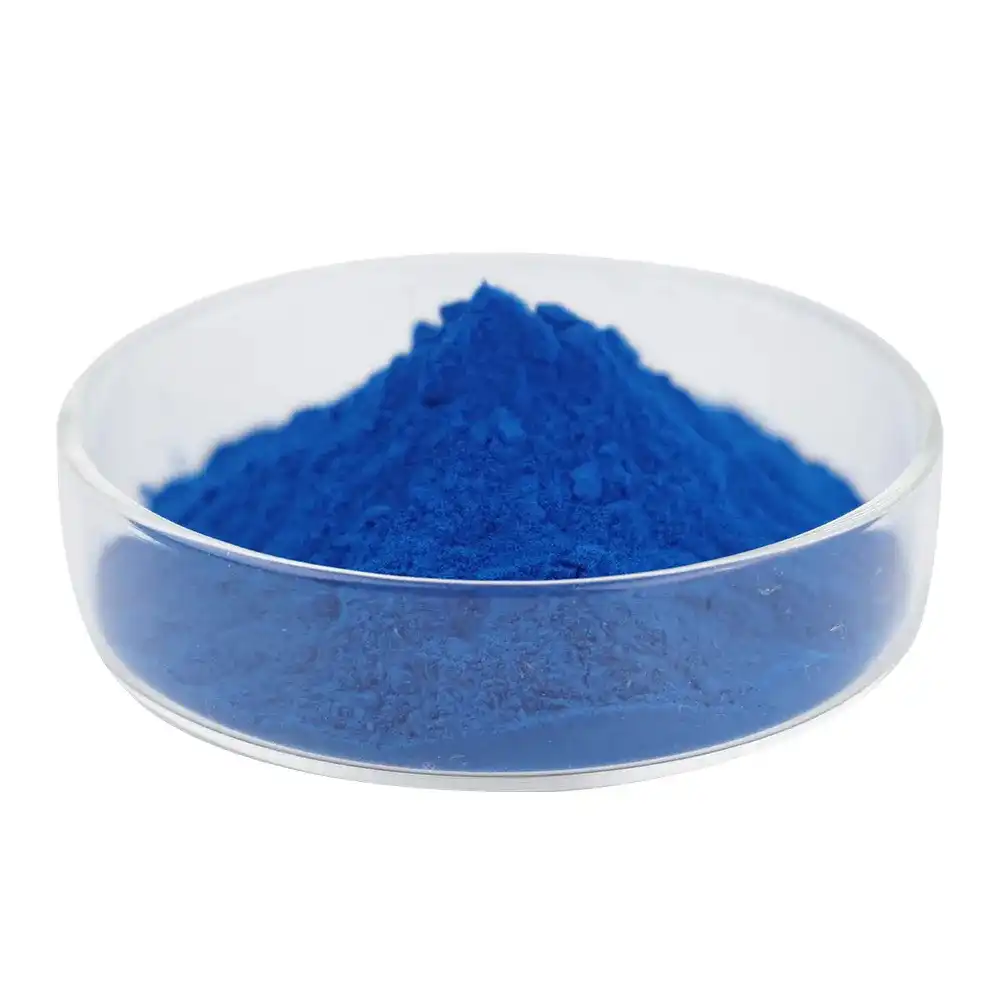
When purchasing Copper Peptide Ghk Cu Powder as a raw material, formulators should begin with identity and analytical documentation rather than relying only on appearance or a headline purity number. Hongda's current product information describes the material as a blue powder with a specification of at least 99% and lists parameters including assay, copper content, moisture, and water solubility. The supplier also states that analytical capabilities include HPLC, LC-MS, GC, and elemental analysis.
One detail deserves particular attention during procurement: buyers should verify the exact identity information against the current technical specification, COA, and regulatory documentation for the lot being purchased. Hongda's online materials use different CAS references in different parts of the product information, so a professional buyer should confirm the applicable CAS and INCI identity before using the material for registration, labeling, or regulatory submissions. This is a much safer procurement practice than copying a CAS number from a marketing page into a finished-product dossier.
Control pH and Chemical Compatibility
GHK-Cu is not an ingredient that should be treated like an ordinary inert powder. Published formulation research indicates that the complex has meaningful stability considerations related to pH, oxidation, and its copper coordination state. Research has also reported good stability under certain mildly acidic to near-neutral aqueous conditions, while oxidative stress can contribute to degradation.
Vitamin C deserves special attention, particularly when the formula contains free L-ascorbic acid. Ascorbic acid is a reducing agent and is normally formulated at a relatively low pH, creating a potential chemical conflict with Copper Peptide Ghk Cu Powder. For that reason, formulators should evaluate the specific vitamin C form, pH, copper-peptide concentration, and finished-product stability rather than applying a blanket rule to every vitamin C derivative. Separating incompatible actives into different products or different stages of a skincare routine can sometimes be more practical than forcing them into a single formula.
Retinoids and chelating agents also deserve formulation review because copper chemistry can influence stability. Instead of assuming that two ingredients are automatically compatible or incompatible, the better approach is to conduct accelerated stability, appearance, assay, and performance testing on the actual finished formulation.
What Quality Indicators Matter When Buying the Raw Powder?
A Blue Powder Is Only the Starting Point
The characteristic blue appearance of GHK-Cu is a useful physical identification feature, but color alone cannot establish purity or confirm the complete chemical quality of a batch. A professional purchasing process should combine appearance with identity testing, assay results, moisture information, copper content where applicable, microbiological controls, heavy-metal testing, and other parameters relevant to the intended cosmetic application.
Hongda's current product page describes a blue crystalline powder, a minimum 99% assay specification, copper content testing, moisture testing, and water-solubility testing. It also states that the standard package is 12 kg per drum with 27 drums per pallet and that the listed delivery time is three to seven working days. These details are useful for preliminary sourcing, but buyers should still request the current batch-specific COA and technical documents before placing a commercial order.
Supplier Documentation Matters as Much as the Product Specification
For an OEM or cosmetic brand, a supplier's ability to provide consistent documentation can have a direct impact on product development. COA, specification sheets, SDS, identity information, test methods, storage requirements, packaging details, and traceability records are more useful than broad claims such as “premium quality” or “pharmaceutical grade.”
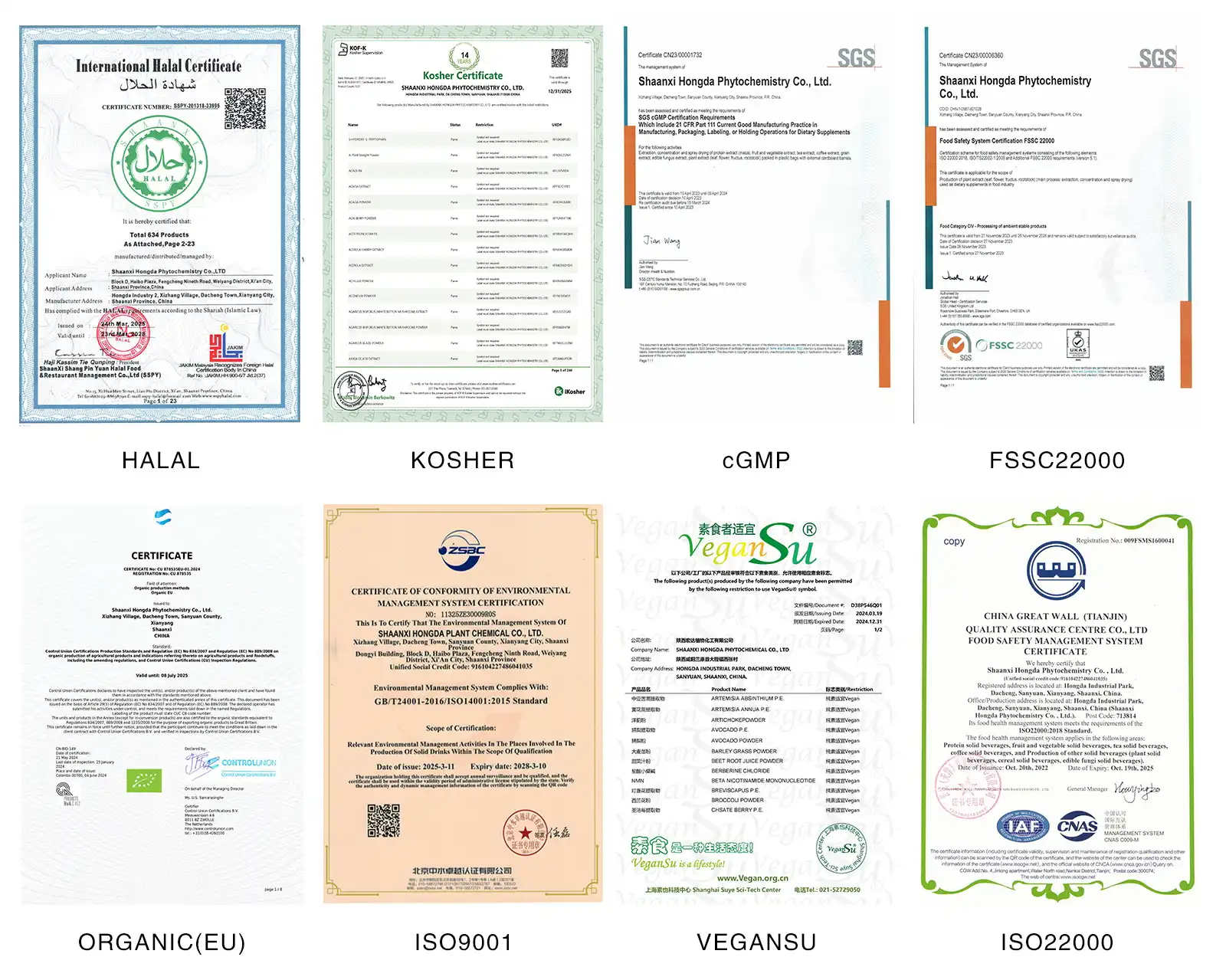
Hongda states that its copper peptide manufacturing and testing system uses analytical equipment including HPLC, LC-MS, GC, and elemental analysis, while its company certification information lists ISO9001, ISO22000, BRC, HALAL, KOSHER, and other certifications, with additional cGMP, FSSC22000, and related certifications obtained in 2025. These credentials can support supplier qualification, although the regulatory requirements for a finished cosmetic product remain dependent on the destination market and the specific product.
Why Supplier Capability Matters for Copper Peptide Formulation?
Manufacturing Capacity and Quality Control
For brands purchasing Copper Peptide Ghk Cu Powder in commercial quantities, supplier capability is not limited to whether the material reaches a nominal purity specification. Batch-to-batch consistency, analytical capacity, storage conditions, packaging integrity, traceability, and response time become increasingly important as production volumes increase.
Shaanxi Hongda Phytochemistry describes a production system supported by dedicated manufacturing facilities, analytical laboratories, and more than 20 professor-level research and testing personnel. The company also states that its annual production capacity exceeds 3,000 tons across its broader manufacturing operation and that its laboratory uses instruments such as high-performance liquid chromatographs, gas chromatographs, and atomic absorption spectrophotometers.
For buyers, these claims should be evaluated through documentation rather than accepted solely on the basis of marketing language. A useful qualification process can include a sample evaluation, review of the matching COA, confirmation of packaging and storage conditions, assessment of technical response, and—when appropriate—independent testing of the supplied batch.
Packaging, Sampling, and Commercial Supply
Powdered cosmetic actives can be easier to manage during formulation development because the buyer controls the final concentration and vehicle system. However, moisture exposure, heat, light, repeated opening, and unsuitable storage can affect raw-material quality, so packaging and handling instructions should be incorporated into the procurement specification.
Hongda currently lists 12 kg/drum packaging and a three-to-seven-working-day delivery time for its copper peptide powder while also offering samples for product development according to its commercial product information. For an OEM buyer, this creates a practical path from laboratory screening to pilot production and then to bulk purchasing, provided that the same identity and quality specifications are maintained across the relevant batches.
How Should Brands Position Copper Peptide in an Anti-Aging Product?
Focus on a Specific Cosmetic Benefit
A strong product position should avoid promising that Copper Peptide Ghk Cu Powder will erase wrinkles or reverse aging. A more defensible approach is to describe GHK-Cu as a cosmetic peptide studied for skin remodeling, firmness, skin density, and the appearance of fine lines and wrinkles.
This positioning also gives brands more room to build complementary formulas. Depending on the product concept, GHK-Cu can be combined with ingredients that support hydration, barrier conditioning, or antioxidant protection, provided the complete system has been evaluated for compatibility and stability. The goal should be a coherent formulation rather than a long ingredient list designed primarily to create a stronger marketing impression.
Set Realistic Expectations for Performance
Visible wrinkle improvement is affected by many variables, including age, photoaging, baseline skin condition, formulation quality, application frequency, concentration, and the length of use. Consequently, a raw-material supplier should avoid guaranteeing a fixed number of days or weeks for wrinkle reduction unless the claim is supported by testing of the specific finished product.
This is also where the difference between a raw material and a finished cosmetic becomes important. Human research on a GHK-Cu cream does not automatically prove that an unrelated serum containing the same peptide at a different concentration will produce identical results. Brands that conduct their own finished-product testing can make much stronger and more credible claims because they can connect the evidence directly to the product consumers actually use.
Is Copper Peptide Ghk Cu Powder Really the Best Ingredient for Wrinkles?
The More Accurate Answer for Formulators
There is no scientifically sound reason to describe one cosmetic ingredient as the universal “best” solution for every type of wrinkle. GHK-Cu has a legitimate place in anti-aging formulation because human studies have reported improvements in several characteristics of photoaged skin, while laboratory and review research provides a biological rationale for its role in skin remodeling.
Its strongest advantage is therefore not that it defeats every competing active, but that it offers a different mechanism and formulation opportunity. For a brand looking for a peptide-based anti-aging ingredient with an established research history and a distinctive positioning around collagen remodeling and skin conditioning, Copper Peptide Ghk Cu Powder can be a compelling option. The final decision should still be based on the intended product, supporting ingredients, stability data, target market, and the quality of the raw-material supplier.
Conclusion
After reviewing the available research and the practical requirements of cosmetic formulation, copper peptide (Ghk Cu Powder) can reasonably be considered a promising and well-established peptide option for anti-aging products, but calling it the single “best” ingredient for wrinkles would overstate the evidence. Human studies have reported improvements in wrinkles, skin thickness, density, firmness, and overall appearance, while laboratory research provides additional support for GHK-Cu's role in collagen-related and tissue-remodeling processes. However, the evidence base includes relatively small and older studies, so claims should remain proportional to the strength of the data.
For cosmetic manufacturers, the quality of the raw material is just as important as the ingredient's scientific reputation. A reliable Copper Peptide Ghk Cu Powder supplier should be able to provide clear identity information, batch-specific COA documentation, appropriate analytical testing, packaging specifications, technical support, and consistent commercial supply. Hongda Phytochemistry and Shaanxi Hongda Phytochemistry Co., Ltd. currently list 99% copper peptide powder, blue crystalline appearance, analytical testing capabilities, 12 kg/drum packaging, and a three-to-seven-working-day stated delivery period, alongside certifications including ISO9001, ISO22000, BRC, HALAL, KOSHER, and other quality credentials.
For brands developing serums, creams, masks, or other cosmetic products, the most effective approach is to treat GHK-Cu as a scientifically interesting formulation component rather than a miracle ingredient. By validating the raw material, controlling formulation conditions, checking compatibility, and testing the finished product, manufacturers can build a more credible anti-aging product around Copper Peptide Ghk Cu Powder while avoiding exaggerated claims that could weaken consumer trust or regulatory positioning.
Contact duke@hongdaherb.com today to request product specifications, quotations, and technical support for incorporating pharmaceutical-grade copper peptide ghk cu powder into your anti-aging skincare formulations, and discover how this remarkable ingredient can differentiate your products in competitive markets worldwide.
References
1. Pickart L, Margolina A. Regenerative and Protective Actions of the GHK-Cu Peptide in the Light of the New Gene Data. International Journal of Molecular Sciences, 2018.
2. Pickart L, Margolina A. GHK Peptide as a Natural Modulator of Multiple Cellular Pathways in Skin Regeneration. BioMed Research International, 2015.
3. Leyden J, Stephens T, Finkey M, Barkovic S, Liu Y. Skin Care Benefits of Copper Peptide-Containing Eye Creams. American Journal of Clinical Dermatology, 2005.
4. Finkley MB, Appa Y, Bhandarkar S. Copper Peptide and Skin. Cosmetic Science and Technology: Theoretical Principles and Applications, 2017.
5. Hostynek JJ, Dreher F, Maibach HI. Human Skin Penetration of a Copper Tripeptide in vitro as a Function of Skin Layer. Inflammation Research, 2011.