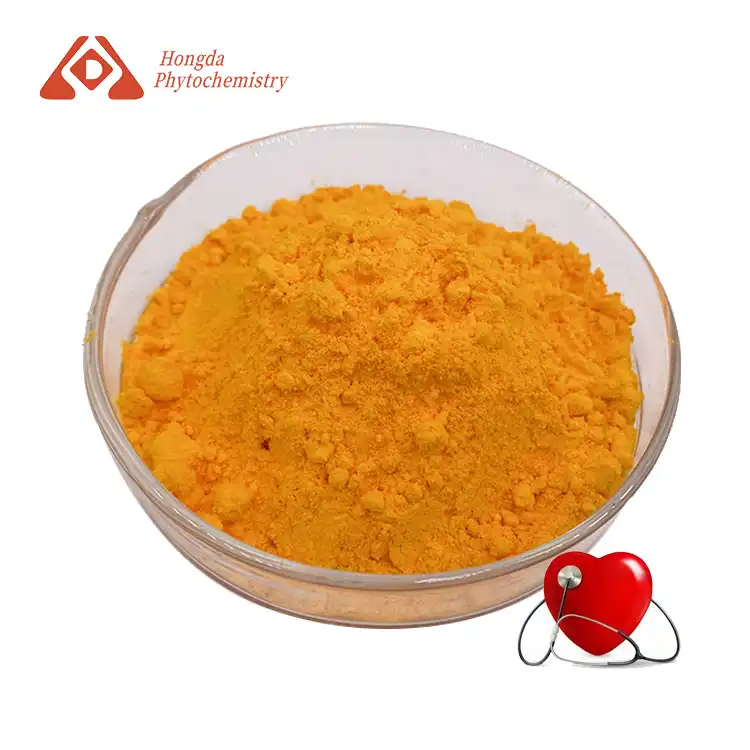




Is D Alpha Tocopheryl Acetate Powder the Key to Youthful Skin?
For cosmetic firms and nutritional supplement producers, finding the correct vitamin E ingredient is more than just the current skincare fad. Hongda Phytochemistry is a supplier of botanical and nutritional ingredients to businesses producing goods for various markets and is managed by Shaanxi Hongda Phytochemistry Co., Ltd. When evaluating D Alpha Tocopheryl Acetate Powder, buyers should consider its chemical form, stability, application requirements, and associated quality documents. Vitamin E, including D Alpha Tocopheryl Acetate Powder, is utilized extensively in both cosmetics and nutritional formulations, but its efficacy is dependent on the completed product, processing circumstances, and intended usage. Knowledge of these aspects enables product makers to make educated choices about ingredient selection and formulation design.
Every Google Review, Answered Instantly
Paige is an AI SEO tool that responds to your Google reviews 24/7. Better reviews = better rankings.

Understanding the Role of D-Alpha-Tocopheryl Acetate in Skin Care
Vitamin E is a fat-soluble vitamin with antioxidant activity. Vitamin E exists as alpha-tocopherol, the form that is known to satisfy human demand, and tocopheryl acetate, an esterified form of vitamin E that is utilized in supplements and cosmetic items. The acetate group is more stable than the unesterified tocopherol form and hence is a helpful ingredient in recipes where storage life and processing conditions are crucial.
How the Natural D-Alpha Form Differs from Synthetic Vitamin E
When you look at the raw ingredients, you will discover that there is a big variation between natural and synthetic Vitamin E. Natural vitamin E is known as d-alpha or RRR-alpha tocopherol. The vitamin E that is generated is often referred to as dl-alpha or all-rac-alpha tocopherol.
The stereochemistry is different. So is the biological function. The natural form is more physiologically active by weight than the synthetic form, says the U.S. National Institutes of Health Office of Dietary Supplements. But not all chemicals branded vitamin E are the same in content or effectiveness, so don’t assume that they are.
The product specification must provide the procurement team with the exact chemical form, test method, potency expression, and the suitable reference standard. These features are especially useful when comparing supplier quotations or calculating the active vitamin E % in a finished product.
What Vitamin E Can Contribute to Skin-Focused Formulations
Vitamin E assists in antioxidant mechanisms that limit lipid oxidation. Tocopherols and derivatives are frequently used in cosmetic compositions as an antioxidant or skin conditioning agent.
These qualities make vitamin E a popular addition to moisturizers, creams, lotions, serums and other personal care products. However, just because a product has vitamin E doesn't mean it can make wrinkles disappear, boost collagen synthesis, or turn back the symptoms of aging.
For firms whose products are marketed for healthy-looking skin, it is better to treat vitamin E as part of the total formulation. The finished product is determined by the carrier system, the concentration, the packaging, the complementary chemicals, and the stability of the end product.
Choosing the Right Application for Your Product
The suitability of vitamin E acetate depends on whether the intended product is designed for topical use or oral consumption. These applications have different formulation requirements and should be evaluated separately.
Cosmetic Formulations and Personal Care Products
Vitamin E derivatives are used in skin care products such as moisturizers, lotions, creams and serums. Formulators normally undertake compatibility testing with oils, emulsifiers, solvents and other active chemicals before the formulation is completed.
Special attention could be necessary for the dispersion and dissolving ability of the D Alpha Tocopheryl Acetate Powder composition. The material should be tested under the circumstances of the proposed processing to see whether it can be evenly incorporated and if the finished product retains its look and stability during storage.
Producers should consider the following while designing a new cosmetic product:
- Compatibility: Check that the ingredient is compatible with the oil phase, the emulsion system, and other ingredients in the formulation.
- Dispersion Confirm powder may be evenly distributed using the existing equipment.
- Stability: To evaluate the stability of critical quality attributes under expected storage and packaging circumstances.
- Performance of final product: Test the whole formulation, not just the qualities of the isolated constituent.
There is neither one concentration nor style of processing that will work for all formulations. Formulation tests, supplier’s suggestions and the cosmetic standards to be satisfied have to define the right level.

Dietary Supplements and Nutritional Products
Vitamin E acetate is used in dietary supplements, especially those designed to provide vitamin E within a broader nutritional formula. In this application, the critical elements are the identification of the chemicals, potency, compatibility of formulation, and consistency of dosage.
Vitamin E is fat-soluble; therefore, absorption depends on digestion and on the amount of fat in the diet. The esterified form may be hydrolyzed during digestion and absorbed by the body as vitamin E. However, the nutritional efficiency of a final supplement depends on its formulation and the serving size it is intended for.
The manufacturer must distinguish between the weight of the ingredient supplied and the amount of vitamin E activity stated on the completed product label. These values are not exchangeable.
For commercial development, check the intended expression of potency, applicable labeling rules, and demands of the target market before finalizing the formulation. Any level of intake that is proposed should be based on appropriate nutritional and regulatory requirements, not just on the concentration of the raw material.
How to Evaluate Raw Material Quality Before Purchasing
A product's suitability cannot be established by its name or marketing description alone. Buyers need verifiable specifications and documentation that match their manufacturing requirements.
Review the Certificate of Analysis and Technical Documentation
Review should be done of the Certificate of Analysis (COA) for the specific batch being provided. Identification, assay, appearance, moisture, and other critical quality requirements based on the product specification.
A Technical Data Sheet (TDS) is offered, which details product characteristics, appropriate handling, packaging, and storage. The procurement and production teams have a Safety Data Sheet (SDS) to know how to deal with the material and its safety regulations.
Before you approve a supplier, gather and assess the following documents, if appropriate:
- COA and Product Specification of each batch.
- TDS with the features of the material and the suitable storage conditions.
- SDS for handling, transport and occupational safety.
- Manufacturing and quality systems certifications;
Information provided on traceability, packaging, shelf life, batch identification”
Testing processes should be appropriate to the parameters being examined. Identification or assay may be carried out using chromatographic processes suitable to the material and confirmed for the intended application. Buyers need to verify the genuine procedure and acceptance criteria, rather than assuming the same testing technique is being used by all providers.
Confirm Purity, Potency, and Contaminant Requirements
A high assay may be an advantage, but there is no guarantee that an ingredient will pass all the criteria for a certain market. “Standards for item approval should relate to the item’s intended use and the laws under which they come.
Depending on the material, manufacturing process, and destination market, customers may have to consider residual solvents, elemental impurities, microbiological purity, or other issues. Not every test is relevant to every product. The method of testing should be selected on the basis of a documented risk assessment and the acceptable specification.
It is also vital to differentiate between the compliance status of an individual product and certification of the supplier’s entire quality system. A certificate attached to a facility does not in itself establish that all products meet a certain pharmacopeial or regulatory norm.
So procurement teams need to analyze the extent, validity, issuing organization and relevance of the certification to the things bought. If a specification claims compliance with an accepted standard, confirm with the supplier before placing the claim on a finished-product label or marketing statement.
Storage, Packaging, and Batch Consistency
Vitamin E acetate is stable; however, it doesn’t mean that any D Alpha Tocopheryl Acetate Powder formulation will not degrade or change while in storage. The quality of materials may be influenced by temperature, moisture, exposure to air, packaging integrity, and the content of the item concerned over time.
The Buyer should follow the storage instructions given by the supplier and confirm that the packaging provided is appropriate for the conditions of transport and storage expected to occur.
In continuous production, the initial test result is as important as the batch consistency. The manufacturer will have inbound inspection procedures, will keep the relevant batch records, and will review out-of-specification results prior to releasing the material to production.
Ask about the supplier’s ability to reliably provide standards and traceability on repeat orders of an often requested product. If appearance, dispersion, or processing behavior are important for the application, a brief production trial might be effective for detection of differences that cannot be determined from a COA alone.
What to Look for in a Vitamin E Ingredient Supplier
“Choosing a supplier is about the ingredient, and the processes that go with the ingredient. A competitive quotation is only significant if the product is up to standard and available reliably.
Manufacturing Controls and Traceability
Ask prospective suppliers how they identify raw materials, manufacturing records, batch release, and revisions to product requirements. Good documentation may help organizations trace quality deviations and maintain dependable production records.
Certifications may assist in appraising suppliers, but should be verified against the specific facility, product type, and intended application. A wide quality certification does not indicate pharma grade or suitability for all markets, and purchasers should not assume it does.
Commercial Terms and Technical Support
Commercial details must be discussed before placing the order. Key aspects to consider are minimum order quantity (MOQ), size of packages supplied, lead time, availability of samples, payment arrangements, and delivery conditions.
If it is an international transaction, mention the basis on which the quote is being given (FOB, CIF, DDP or other specified Incoterm). This eliminates any confusion about freight, insurance, customs clearance and delivery.
Technical aid is crucial to a client when generating a new recipe. A vendor able to give precise specifications, answer queries about documentation, and explain product handling could be able to make qualifying more efficient.
In case you plan on ordering a large amount, please ask for a sample for initial assessment. sample should be compared with the established standard. Test the sample under appropriate processing conditions. Check that the paperwork and commercial conditions are suitable for your buying function.
Conclusion
D-alpha-tocopheryl acetate may be a useful component in skincare and dietary products owing to its association with vitamin E and its stability-related characteristics. But picking the right raw material is more than just reading the anti-aging claims. Chemical identity, potency, formulation compatibility, batch documentation, storage conditions, and supplier reliability all need to be considered.
The next step for manufacturers and procurement teams is to comprehend the required specification and application, and to confirm the supplier is able to provide the right documentation and commercial support.
If you wish to add D Alpha Tocopheryl Acetate Powder to a new product or current production line, please contact Hongda Phytochemistry to discuss your requirements. Shaanxi Hongda Phytochemistry Co., Ltd. can provide you with product specs, available paperwork, packaging options, sample arrangements, MOQ, and lead-time information. Tell us your intended application and destination market so we can help you determine what product characteristics and accompanying documentation should be examined before you buy.
FAQ
1. Is D-alpha-tocopheryl acetate the same as d-alpha-tocopherol?
No. D-alpha-tocopheryl acetate is the esterified form, while d-alpha-tocopherol is the corresponding non-esterified form. They are related vitamin E compounds, but their chemical structures and stability characteristics differ. Buyers should confirm which form is required for their formulation.
2. Is powder automatically better than liquid vitamin E?
Not necessarily. Powder and liquid formats may suit different manufacturing processes, dosage forms, and handling requirements. The better choice depends on the finished product, processing equipment, concentration requirements, and compatibility with other ingredients.
3. Which documents should buyers request before ordering?
Start with a batch-specific COA, TDS, SDS, and relevant quality-system documentation. Depending on the intended use and target market, additional evidence may be required to demonstrate compliance with the agreed product specification.
4. Can vitamin E acetate guarantee youthful-looking skin?
No single ingredient can guarantee a particular cosmetic outcome. Vitamin E is valued for its antioxidant-related functions and its role in cosmetic formulations, but the performance of a finished product depends on the complete formula, product quality, intended use, and supporting evidence.
Looking for a Reliable D Alpha Tocopheryl Acetate Powder Supplier?
Partner with Hongda Phytochemistry to source D Alpha Tocopheryl Acetate Powder for your skincare and dietary supplement formulations. Shaanxi Hongda Phytochemistry Co., Ltd. welcomes inquiries from manufacturers, brand owners, and ingredient distributors seeking product specifications, COA documentation, packaging options, and customized supply solutions.
Contact our team to discuss your target application, required specifications, destination market, MOQ, and delivery schedule. Request a product quotation or sample to evaluate whether our ingredient meets your formulation and procurement requirements. Contact us today at duke@hongdaherb.com to discuss your high-quality D-alpha-tocopheryl acetate powder needs and discover how our premium products can elevate your formulations to new heights of effectiveness and consumer satisfaction.
References
1. Traber, M.G., & Stevens, J.F. (2011). Vitamins C and E: beneficial effects from a mechanistic perspective. Free Radical Biology and Medicine, 51(5), 1000-1013.
2. Thiele, J.J., Hsieh, S.N., & Ekanayake-Mudiyanselage, S. (2005). Vitamin E: critical review of its current use in cosmetic and clinical dermatology. Dermatologic Surgery, 31(7), 805-813.
3. Burke, K.E., Clive, J., Combs, G.F., Commisso, J., Keen, C.L., & Nakamura, R.M. (2000). Effects of topical and oral vitamin E on pigmentation and skin cancer induced by ultraviolet irradiation in Skh:2 hairless mice. Nutrition and Cancer, 38(1), 87-97.
4. Podda, M., Weber, C., Traber, M.G., & Packer, L. (1998). Simultaneous determination of tissue tocopherols, tocotrienols, ubiquinols, and ubiquinones. Journal of Lipid Research, 39(4), 834-844.