
Rosehip Botanical Extract | 5% Ascorbic Acid
Are your skincare formulations falling short on delivering real anti-aging results? Struggling to find a natural vitamin C source that's both potent and stable? Rosehip Botanical Extract with 5% Ascorbic Acid from Hongda Phytochemistry offers a scientifically validated solution for brands seeking clean, effective ingredients. As a leading China Rosehip Fruit Extract supplier, Shaanxi Hongda Phytochemistry Co., Ltd. delivers pharmaceutical-grade rose hip extract that transforms ordinary cosmetic formulations into results-driven products backed by clinical evidence and global certifications.
Understanding Rosehip Fruit Extract: Nature's Vitamin C Powerhouse
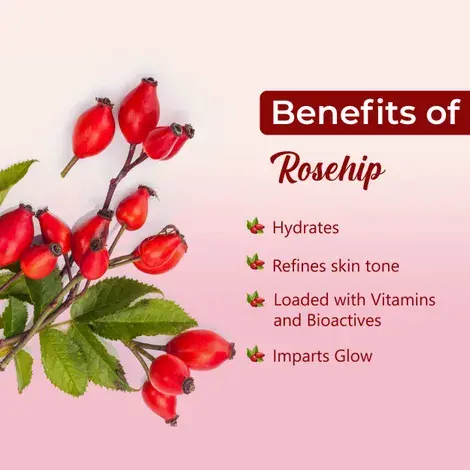
Rosehip Fruit Extract represents one of nature's most concentrated sources of bioavailable vitamin C, containing up to eight times more ascorbic acid than citrus fruits. Derived from the pseudo-fruit of Rosa canina and related species, this botanical extract has been treasured for centuries in traditional medicine and modern nutraceutical applications. The extraction process preserves not only vitamin C but also a comprehensive spectrum of bioactive compounds including polyphenols, carotenoids, essential fatty acids, and flavonoids that work synergistically to deliver superior skincare and health benefits. The superior quality of Rosehip Fruit Extract depends fundamentally on sourcing and processing methodology. Premium-grade rose hip extract originates from organically cultivated plants grown in mineral-rich soils at optimal altitudes, where temperature fluctuations enhance the concentration of protective phytochemicals. Shaanxi Hongda Phytochemistry Co., Ltd. maintains three dedicated planting bases including specialized medicinal plant farms where professional agronomists supervise every stage of cultivation. This farm-to-formula approach ensures complete traceability and guarantees that each batch of Rosehip Fruit Extract meets stringent quality specifications for vitamin C content, polyphenol profiles, and absence of pesticide residues.
The Science Behind Ascorbic Acid Concentration
The 5% ascorbic acid specification represents a carefully calibrated concentration that balances efficacy with stability and safety across diverse formulation types. Clinical dermatology research demonstrates that vitamin C concentrations between 5-20% deliver optimal skin penetration and collagen synthesis stimulation without triggering irritation in sensitive skin types. Rose hip extract naturally contains L-ascorbic acid in its most bioavailable form, enhanced by the presence of bioflavonoids that protect vitamin C from oxidative degradation and improve cellular absorption rates. Manufacturing processes significantly impact the final ascorbic acid content and stability of Rosehip Fruit Extract. Advanced cold-press extraction technology employed by Hongda Phytochemistry preserves over 95% of heat-sensitive bioactive compounds that conventional methods destroy. The production facility utilizes pharmaceutical-grade equipment in 100,000-level purification workshops, where temperature-controlled environments and nitrogen atmosphere processing prevent vitamin C oxidation. Each production batch undergoes high-performance liquid chromatography analysis to verify precise ascorbic acid levels, ensuring consistency that formulators require for predictable product performance.
Comprehensive Phytochemical Profile Beyond Vitamin C
While ascorbic acid dominates discussions of Rosehip Fruit Extract benefits, the complete phytochemical matrix delivers synergistic effects that isolated vitamin C cannot replicate. Premium rose hip extract contains substantial concentrations of vitamin E (tocopherols), vitamin A precursors (beta-carotene and lycopene), and vitamin K, creating a comprehensive antioxidant defense system. The essential fatty acid content, particularly omega-3 and omega-6 polyunsaturated fats, contributes to skin barrier repair and anti-inflammatory activity that complements vitamin C's collagen-boosting effects. Polyphenolic compounds in Rosehip Fruit Extract, including gallic acid, ellagic acid, and various catechins, provide powerful free radical scavenging capabilities that protect cellular structures from oxidative stress. These compounds demonstrate proven efficacy in inhibiting matrix metalloproteinases, the enzymes responsible for collagen breakdown and premature aging. Clinical trials document that the polyphenol-rich fraction of rose hip extract reduces wrinkle depth by approximately 30% over eight-week treatment periods, with improvements in skin elasticity and hydration levels exceeding those achieved with ascorbic acid alone.
Clinical Applications of Rosehip Fruit Extract in Skincare Formulations
The therapeutic versatility of Rosehip Fruit Extract makes it an invaluable ingredient across multiple skincare categories, from premium anti-aging serums to sensitive skin treatments. Dermatological research validates its efficacy in addressing primary concerns including photoaging, hyperpigmentation, inflammatory skin conditions, and impaired barrier function. The 5% ascorbic acid concentration provides sufficient potency for visible results while maintaining excellent tolerability, even in formulations designed for reactive or compromised skin types.
Anti-Aging and Collagen Synthesis Enhancement
Rosehip Fruit Extract's reputation as a potent anti-aging ingredient stems from its multifaceted mechanisms of action on skin structure and function. The ascorbic acid component serves as an essential cofactor for prolyl and lysyl hydroxylase enzymes, which catalyze the hydroxylation reactions necessary for stable collagen triple helix formation. Without adequate vitamin C availability, newly synthesized collagen molecules lack structural integrity and undergo rapid degradation. Rose hip extract delivers vitamin C in combination with supporting nutrients that optimize the entire collagen synthesis pathway, from fibroblast activation to cross-linking and matrix integration. Beyond direct collagen production effects, Rosehip Fruit Extract protects existing structural proteins from degradation through powerful antioxidant activity. The combination of ascorbic acid, tocopherols, and polyphenolic compounds neutralizes reactive oxygen species generated by ultraviolet radiation exposure, pollution, and normal metabolic processes. This protective effect extends to elastin fibers and glycosaminoglycans, preserving the three-dimensional architecture that maintains skin firmness and resilience. Clinical evaluation demonstrates that consistent use of rose hip extract-containing products reduces the appearance of fine lines, improves skin texture, and enhances overall radiance through cumulative benefits on dermal matrix quality.
Brightening Effects and Melanin Regulation
Hyperpigmentation represents one of the most challenging cosmetic concerns, driven by complex interactions between UV exposure, inflammation, hormonal fluctuations, and genetic predisposition. Rosehip Fruit Extract addresses multiple targets in the melanogenesis cascade, offering comprehensive brightening benefits without the safety concerns associated with hydroquinone and other controversial lightening agents. The ascorbic acid component directly inhibits tyrosinase, the rate-limiting enzyme in melanin synthesis, while the polyphenolic fraction provides additional tyrosinase inhibition through different binding mechanisms. The brightening efficacy of rose hip extract extends beyond enzyme inhibition to include anti-inflammatory effects that prevent post-inflammatory hyperpigmentation. Many dark spots develop not from sun exposure but from inflammatory responses to acne, irritation, or trauma. The essential fatty acids and bioactive compounds in Rosehip Fruit Extract modulate inflammatory mediators, reducing the signals that trigger melanocyte activation during healing processes. Long-term use studies document progressive improvement in age spot visibility, melasma severity, and overall skin tone evenness, with optimal results achieved when combined with appropriate sun protection strategies.
Barrier Repair and Hydration Enhancement
The skin barrier function critically determines overall skin health, appearance, and resilience to environmental stressors. Impaired barrier integrity manifests as increased transepidermal water loss, sensitivity, inflammation, and accelerated aging. Rosehip Fruit Extract supports barrier restoration through multiple complementary mechanisms, making it valuable in formulations targeting dry, sensitive, or compromised skin conditions. The essential fatty acid content provides building blocks for lipid bilayer reconstruction, while vitamin C stimulates ceramide synthesis and tight junction protein expression in the epidermis. Research demonstrates that rose hip extract application increases stratum corneum hydration levels and reduces irritant reactivity in individuals with atopic dermatitis and other barrier-deficient conditions. The natural moisturizing factor enhancement occurs through vitamin C-mediated improvement in keratinocyte differentiation and natural exfoliation processes. Rather than simply occluding the skin surface, Rosehip Fruit Extract addresses the underlying biochemical deficiencies that compromise barrier function, delivering sustainable improvements in skin comfort, appearance, and protection capabilities.

Quality Standards and Manufacturing Excellence at Hongda Phytochemistry
The therapeutic efficacy and safety of Rosehip Fruit Extract depend absolutely on manufacturing quality standards that ensure consistent composition, purity, and potency. Shaanxi Hongda Phytochemistry Co., Ltd. operates under pharmaceutical-grade quality management systems that exceed typical cosmetic ingredient requirements. The company's commitment to excellence begins with raw material selection at their dedicated organic planting bases and continues through every processing stage in their 20,000 square meter production facility equipped with over 10 modern extraction lines and specialized purification equipment.
Advanced Extraction and Purification Technology
The cold-press extraction technology employed by Hongda Phytochemistry represents a significant advancement over conventional solvent extraction methods that compromise bioactive compound integrity. This proprietary process utilizes carefully controlled pressure and temperature parameters that rupture plant cell walls while preserving heat-sensitive vitamins, polyphenols, and enzymatic cofactors. The resulting Rosehip Fruit Extract retains the complete phytochemical spectrum in ratios that mirror the natural plant composition, delivering superior therapeutic activity compared to extracts where individual compounds undergo degradation or loss during processing. Following initial extraction, the crude rose hip extract undergoes multi-stage purification to remove undesirable components while concentrating beneficial constituents. Advanced chromatography techniques separate different molecular weight fractions, allowing precise standardization to target specifications such as the 5% ascorbic acid content. The purification process removes potential allergens, tannins that might cause astringency, and any trace pesticide residues from conventional agricultural inputs. The final Rosehip Fruit Extract emerges as a refined brown-yellow powder with consistent particle size distribution optimized for dissolution behavior in various formulation bases.
Comprehensive Testing and Quality Verification
Every production batch of Rosehip Fruit Extract undergoes extensive analytical testing in Shaanxi Hongda's SGS-certified laboratory equipped with high-performance liquid chromatography, gas chromatography, spectrophotometry, and other sophisticated instrumentation. The testing protocol verifies not only the target ascorbic acid concentration but comprehensive phytochemical profiles, ensuring that supporting compounds like polyphenols, carotenoids, and essential fatty acids meet established specifications. Physical parameters including appearance, odor, bulk density, particle size, moisture content, and ash residue receive evaluation against stringent acceptance criteria. Safety testing represents an equally critical component of quality assurance, with each batch screened for heavy metals including lead, arsenic, mercury, and cadmium using atomic absorption spectrophotometry. Microbiological testing confirms absence of pathogenic organisms and acceptable total plate counts for cosmetic and nutraceutical applications. Pesticide residue screening utilizing multi-residue gas chromatography methods verifies that the organic cultivation and processing practices successfully prevent contamination. Shaanxi Hongda Phytochemistry collaborates with independent third-party laboratories including SGS and Eurofins for additional verification testing, providing customers with comprehensive documentation including Certificates of Analysis and Material Safety Data Sheets.
International Certifications and Regulatory Compliance
The global market for natural ingredients demands adherence to diverse regulatory frameworks and voluntary certification standards that verify sustainable practices, ethical sourcing, and manufacturing excellence. Hongda Phytochemistry has invested substantially in obtaining comprehensive certifications that facilitate market access and provide assurance to formulation scientists and brand owners. The facility maintains current Good Manufacturing Practice certification, FSSC22000 food safety management system certification, and ISO9001 quality management certification, demonstrating commitment to systematic quality control and continuous improvement methodologies. Religious and dietary certifications including HALAL, KOSHER, and VEGAN enable Rosehip Fruit Extract utilization in products targeting specific consumer segments with strict ingredient requirements. The COSMOS certification for natural and organic cosmetics verifies sustainable sourcing and processing practices that minimize environmental impact. Organic certifications from both European Union and United States Department of Agriculture programs confirm that raw materials originate from certified organic farms meeting rigorous standards for soil management, pest control, and handling practices. These extensive certifications position Hongda Phytochemistry's rose hip extract as a premium ingredient meeting the most demanding quality and ethical standards in global markets.
Formulation Strategies and Product Development Applications
The versatility of Rosehip Fruit Extract enables incorporation into diverse product formats spanning skincare, nutraceuticals, functional foods, and beverages. Successful formulation requires understanding the ingredient's physicochemical properties, stability considerations, and compatibility with other active ingredients commonly used in modern cosmetic and health products. The 5% ascorbic acid specification provides formulation flexibility, allowing developers to achieve target vitamin C concentrations through straightforward calculations while benefiting from the complete rose hip extract phytochemical profile.
Skincare Product Development Guidelines
In topical skincare applications, Rosehip Fruit Extract functions effectively in both water-based and oil-based formulation architectures. For water-phase incorporation, the extract powder dissolves readily in aqueous vehicles at concentrations typically ranging from 1-5%, delivering between 0.05-0.25% ascorbic acid to the final product. This concentration range provides meaningful therapeutic activity while maintaining formulation stability and avoiding potential vitamin C oxidation that compromises efficacy and causes undesirable color changes. The natural brown-yellow color of rose hip extract can influence final product appearance, requiring consideration during aesthetic development or potential incorporation of natural colorants for desired visual presentation. Oil-based formulations including facial oils, balms, and oil-phase serum components benefit from rosehip extract's essential fatty acid content, which integrates seamlessly with plant oils, butters, and lipophilic active ingredients. The combination of water-soluble vitamin C with oil-soluble compounds creates formulation complexity requiring emulsification technology or biphasic product concepts. Advanced formulation strategies employ liposomal encapsulation, cyclodextrin complexation, or other delivery systems that protect ascorbic acid from oxidation while enhancing skin penetration. Hongda Phytochemistry provides formulation support services to assist customers in optimizing rose hip extract utilization for specific product concepts and performance targets.
Nutraceutical and Dietary Supplement Applications
The internal consumption of Rosehip Fruit Extract as a nutritional supplement represents an important application area capitalizing on the ingredient's vitamin C content and comprehensive antioxidant profile. Oral supplementation provides systemic benefits including immune system support, cardiovascular protection, and skin health enhancement through increased collagen production occurring throughout connective tissues. The bioavailability of vitamin C from rose hip extract surpasses that of synthetic ascorbic acid in some clinical studies, attributed to the presence of bioflavonoids and other compounds that enhance absorption and reduce urinary excretion. Dietary supplement formulations incorporate Rosehip Fruit Extract into capsules, tablets, and powdered drink mixes at dosages typically ranging from 500-2000 milligrams daily, delivering 25-100 milligrams of vitamin C along with supporting phytonutrients. The extract combines synergistically with other botanical ingredients in comprehensive antioxidant formulas, joint health supplements, and beauty-from-within products targeting skin appearance through nutritional intervention. The extensive certifications held by Hongda Phytochemistry including HALAL, KOSHER, and organic credentials enable supplement manufacturers to address diverse consumer preferences while maintaining single-source ingredient procurement simplicity.
Functional Food and Beverage Innovation
The incorporation of botanical extracts into functional foods and beverages represents a rapidly growing segment of the health and wellness market, driven by consumer demand for products delivering nutritional benefits beyond basic sustenance. Rosehip Fruit Extract's pleasant flavor profile, natural color, and potent antioxidant activity make it suitable for various food applications including fortified juices, smoothie mixes, nutrition bars, and wellness shots. The vitamin C content provides a clean-label alternative to synthetic fortification while the polyphenolic compounds contribute to product stability through natural preservation effects. Technical considerations for food and beverage applications include pH stability, heat processing tolerance, and interactions with other formula components. The ascorbic acid in rose hip extract maintains stability in moderately acidic environments but degrades rapidly under alkaline conditions or prolonged heat exposure. Formulation scientists must balance vitamin C preservation with product processing requirements and shelf life expectations. Shaanxi Hongda Phytochemistry provides technical consultation to food and beverage developers, offering insights on optimal usage levels, processing parameters, and complementary ingredients that maximize both nutritional efficacy and sensory acceptance of final products.
Sourcing Rosehip Fruit Extract: Partnership with Hongda Phytochemistry
Selecting a reliable ingredient supplier represents one of the most critical decisions in product development, directly impacting formulation success, regulatory compliance, production consistency, and ultimately brand reputation. Shaanxi Hongda Phytochemistry Co., Ltd. offers comprehensive advantages as a China Rosehip Fruit Extract manufacturer combining vertical integration from cultivation through final processing, extensive quality certifications, robust production capacity, and customer-focused service models that support long-term partnership success. The company's 20-year operational history demonstrates sustained commitment to natural ingredient excellence and continuous investment in technological advancement. The establishment of proprietary planting bases ensures raw material quality control beginning at the agricultural stage, eliminating uncertainties associated with spot market ingredient sourcing. Professional agronomists implement organic cultivation protocols that optimize bioactive compound development while preventing contamination from synthetic pesticides and fertilizers. This upstream integration provides the foundation for consistent Rosehip Fruit Extract quality that downstream processing and testing can verify but not create. Manufacturing capacity represents another critical consideration when evaluating potential suppliers, particularly for brands experiencing growth or planning significant market expansion. Hongda Phytochemistry operates production facilities capable of 3,000 metric tons annual output across multiple product lines, supported by extensive warehousing infrastructure totaling 3,000 square meters of organized storage. The six-zone warehouse system maintains separate areas for different product categories under appropriate environmental controls, ensuring product integrity from manufacturing through customer delivery. This substantial production and storage capacity enables reliable supply even during peak demand periods or unexpected market disruptions. The comprehensive certification portfolio distinguishes Hongda Phytochemistry from competitors offering similar products without equivalent quality verification. The convergence of food safety certifications, religious compliance credentials, organic certifications, and quality management system accreditations provides customers with assurance that extends beyond basic product specifications to encompass ethical sourcing, environmental stewardship, and systematic quality control. These certifications reduce customer due diligence burdens and facilitate product development timelines by providing pre-verified compliance with diverse regulatory requirements across global markets.
Conclusion
Rosehip Botanical Extract with 5% Ascorbic Acid represents a scientifically validated, versatile ingredient addressing critical needs in skincare, nutraceutical, and functional food product development. The comprehensive phytochemical profile delivers synergistic benefits exceeding those of isolated vitamin C, while the carefully standardized ascorbic acid content ensures predictable therapeutic activity and formulation consistency. As consumer demand intensifies for clean-label products backed by clinical evidence and ethical sourcing practices, rose hip extract emerges as an optimal solution combining efficacy, safety, and sustainability attributes.
Shaanxi Hongda Phytochemistry Co., Ltd. stands as your trusted China Rosehip Fruit Extract factory, offering High Quality Rosehip Fruit Extract backed by comprehensive certifications, rigorous testing, and competitive Rosehip Fruit Extract price structures. Whether you require small-scale samples for initial formulation development or bulk wholesale quantities for commercial production, our experienced team provides personalized support throughout your product journey. Contact us today at duke@hongdaherb.com to discuss your specific requirements and discover how our premium China Rosehip Fruit Extract supplier services can elevate your product portfolio with this exceptional botanical ingredient.
References
1. Phetcharat L, Wongsuphasawat K, Winther K. "The effectiveness of a standardized rose hip powder, containing seeds and shells of Rosa canina, on cell longevity, skin wrinkles, moisture, and elasticity." Clinical Interventions in Aging, 2015.
2. Willich SN, Rossnagel K, Roll S, Wagner A, Mune O, Erlendson J, Kharazmi A, Sörensen H, Winther K. "Rose hip herbal remedy in patients with rheumatoid arthritis - a randomised controlled trial." Phytomedicine: International Journal of Phytotherapy and Phytopharmacology, 2010.
3. Telang PS. "Vitamin C in dermatology." Indian Dermatology Online Journal, 2013.
4. Górnaś P, Rudzińska M, Raczyk M, Mišina I, Soliven A, Segliņa D. "Impact of species and variety on concentrations of minor lipophilic bioactive compounds in oils recovered from rose hip seeds." Journal of the Science of Food and Agriculture, 2017.


_1745918362135.webp)