


_1745918362135.webp)

Semaglutide Powder Composition: What Determines Its Stability?
More and more pressure is being put on pharmaceutical sourcing managers to find APIs that work the same way across global supply lines. Semaglutide powder, a manmade peptide, is changing the way diabetes and weight control are treated. It has special stability issues that affect how well formulations work and how well patients do. Unlike small-molecule drugs, this GLP-1 receptor agonist needs to be handled very carefully from the time it is made until it is delivered. Since 2001, we at Hongda Phytochemistry have seen how worries about security affect buying decisions in more than 350 pharmaceutical partnerships. Our factory, Shaanxi Hongda Phytochemistry Co., Ltd., makes peptide APIs that meet FDA, EMA, and PMDA standards. This lets us know what bulk buyers really care about: quality that can be predicted, tests that can be checked, and clear supply chain processes. The makeup of the raw material isn't just a technical detail; it also decides whether your final product meets legal standards or needs to be reformulated, which can be expensive. This study breaks down the chemical factors, external variables, and seller qualifications that separate batches of steady, pharmaceutical-grade semaglutide from batches that are more likely to break down. When procurement teams understand these factors, they can evaluate providers accurately, deal with technical clarity, and reduce the financial risk that comes with peptide API buying.
Understanding Semaglutide Powder Composition
Core Peptide Structure and Molecular Properties
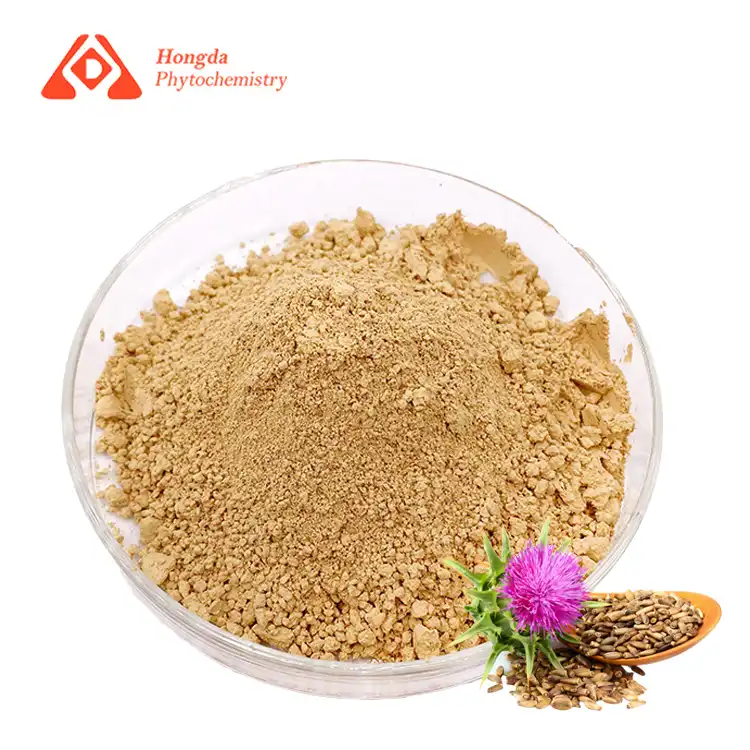
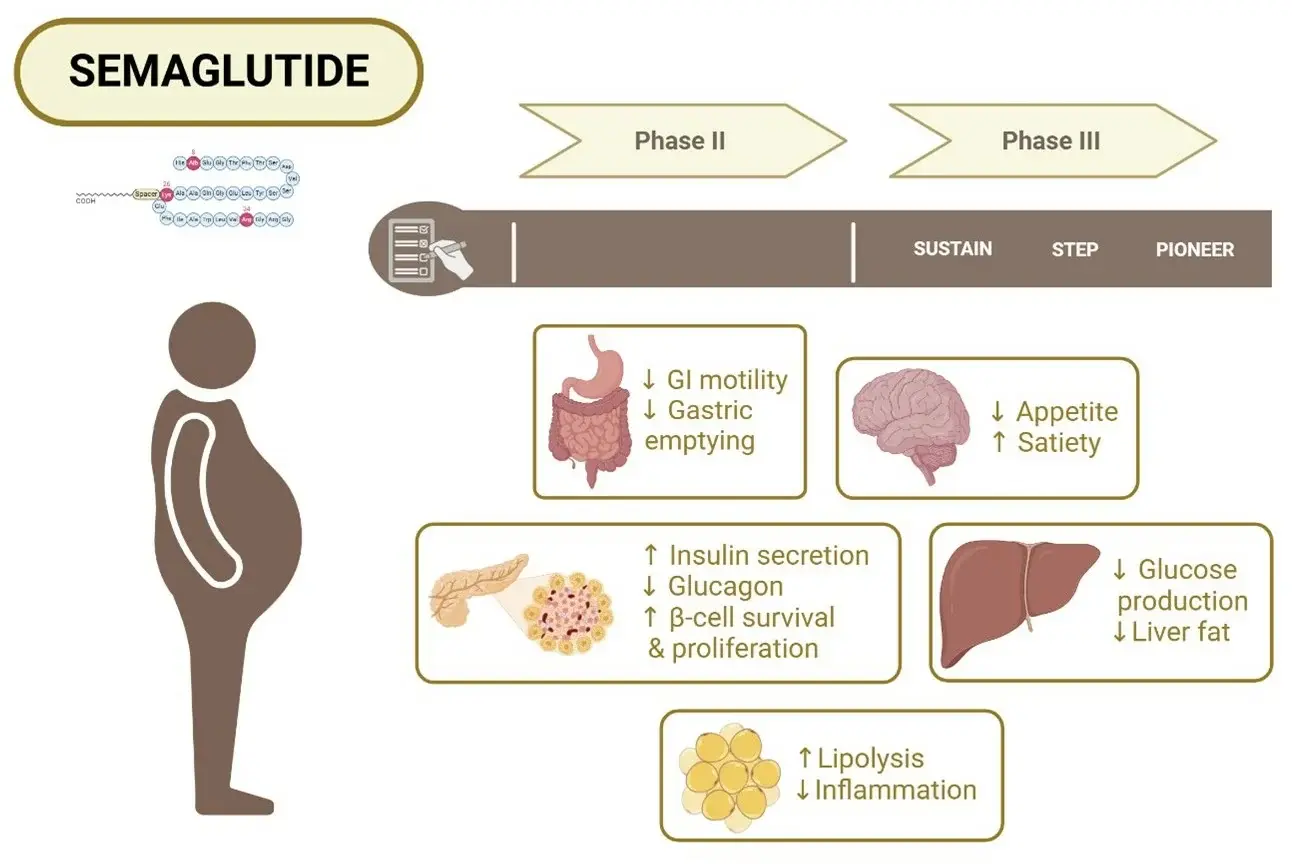
Semaglutide is based on a 31-amino acid sequence that is chemically similar to natural GLP-1. However, certain changes have been made to improve its stability in plasma. Its complicated structure is shown by its chemical formula, C187H291N45O59. It is made up of 187 carbon atoms, 291 hydrogen atoms, 45 nitrogen atoms, and 59 oxygen atoms that interact with each other to form a three-dimensional peptide chain that is vulnerable to external stresses. This API is a white powder (CAS No. 910463-68-2) with a molecular weight of about 4113 Da. It dissolves easily in water but can be broken down by hydrolysis if it is not properly mixed.
The peptide takes on certain secondary structures, like alpha helices and beta sheets, that decide how well it binds to the receptor. It is very important to keep these structural themes during freeze-drying in our very low-temperature vacuum systems. Even if the HPLC purity stays above 98%, any problems that happen during processing mean that cellular activity is lower. Professionals in charge of buying things should make sure that sellers use circular dichroism or a similar spectral method to check that secondary structure is maintained, along with standard purity measures.
Excipients and Their Stabilisation Roles
High-quality semaglutide formulas contain carefully chosen fillers that stop the drug from clumping together and oxidising. Sodium salts (1.5 to 4.0% w/w according to our requirements) keep the pH stable and isotonic within the range of 7.0 to 9.0, which is best for peptide integrity. During storage, phosphate buffers keep the pH level stable, and disaccharide cryoprotectants, such as trehalose or sucrose, keep the peptide backbone stable by replacing water molecules with hydrogen bonds.
Comparison with Injectable Formulations
There are extra solubilisers and regulators in injectable semaglutide solutions that aren't needed for powder APIs that are going to be used in special formulations. When drug companies buy powder in bulk, they have more freedom to come up with their own delivery methods, such as subcutaneous shots, mouth forms with absorption boosters, or new transdermal patches. The powder form doesn't have any pre-mixed ingredients that could affect the stability or regulatory pathway of your product. However, it needs tighter moisture control during processing.
The powder's water content standard (≤8.0%, but usually 3–4%) refers to binding moisture that doesn't affect stability as long as it's kept properly. Injectable goods stay sterile with antibacterial agents that don't work with all preparation methods. This is why powder is better for buyers who are focused on R&D and creating next-generation delivery technologies.
Factors Influencing the Stability of Semaglutide Powder
Environmental Parameters: Temperature, Humidity, and Light
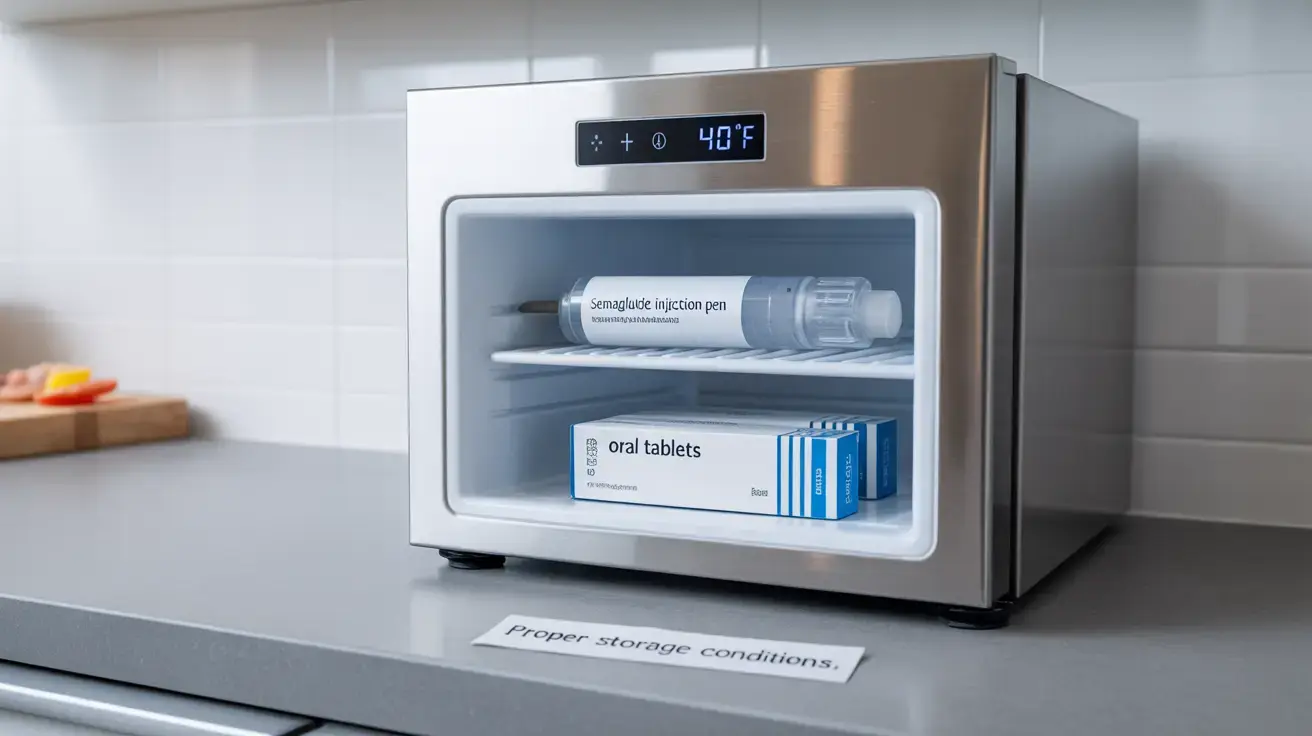
Changes in temperature are the main thing that can make peptide APIs like Semaglutide powder less stable. Semaglutide stays fully biologically active for more than 24 months at temperatures between 2°C and 8°C. However, when it comes into contact with temperatures above 25°C, deamidation and oxidation processes speed up. Based on ICH Q1A standards, our stability tests show that degradation can be seen starting after 72 hours at 30°C, and after two weeks of bad storage, breakdown products are more than 2%.
Humidity is also a problem because hygroscopic peptide powders soak up water from the air, forming areas with a lot of water where hydrolysis can happen quickly. The Karl Fischer water content test (specification: ≤8.0%) gives an objective measure of moisture, but how well it works in real life depends on how well the packaging is made. We've seen batches that started out with acceptable levels of moisture degrade during transport when they were packed in normal HDPE containers that didn't have desiccant systems.
When you expose something to light, especially UV bands, it helps make free radicals, which oxidise methionine and tryptophan. Amber glass bottles or aluminium foil laminate pouches are good ways to protect things, but clear packing is still not good, no matter what other steps are taken to keep it stable.
Packaging Materials and Container Selection
Moisture-barrier efficiency is what sets good packaging apart from average packaging. Our standard sizes—1 kg aluminium foil bags and 25 kg fibre drums with polythene covers and molecular sieve desiccants—keep the humidity inside sealed packages below 30% even when they are shipped across the ocean. For main packing materials, the requirements for procurement should say that water vapour transfer rates must be less than 0.5 g/m²/24h.
For oxidation-sensitive peptides, the makeup of the headspace gas in the container is important. Oxygen is pushed out of the way by nitrogen pumping before closing, which slows down reactive decay. If suppliers skip this step, they might send initial batches that are legal but break down too quickly once containers are opened and closed during production.
Manufacturing Process Impact on Stability
The way the peptide is made—solid-phase or liquid-phase—leaves chemical marks that change the security of what comes after. Process-related impurities like protecting group pieces, shortened sequences, and residual coupling chemicals need to be thoroughly cleaned. Our continuous mobile phase synthesis platform has twelve 10L-200L units that remove small contaminants that cause peptides to clump together during storage. This method achieves >99.5% peptide purity through repeated chromatographic separation.
The lyophilisation cycle factors have a direct effect on how the product reconstitutes and how stable it is for storage. When things freeze quickly, they form small ice crystals that protect peptide chains from mechanical stress. Our ultra-low temperature systems can get to -80°C in 45 minutes, which is better than regular -40°C freezers at keeping the secondary structure. In the first phase of drying, ice is removed by melting at a controlled pressure and temperature. In the second phase, bound water is removed to the desired level. Peptides can lose their shape when they are dried too quickly, while drying slowly can leave too much water. To get the best mix, we need to create peptide-specific methods and use differential scanning calorimetry and thermogravimetric analysis to back them up.
Micronisation, which is used to improve solubility, adds mechanical force that could break up the structure of crystals. Jet grinding in cold settings slows down thermal decay, but buying teams should check particle size distribution reports along with standard COAs to make sure that stability is from batch to batch.
Mechanism of Semaglutide Powder DegradationChemical Degradation Pathways
Hydrolysis attacks peptide bonds, particularly asparagine and aspartate residues prone to deamidation. This reaction proceeds through cyclic imide intermediates, producing isoaspartate-containing peptides with altered three-dimensional structure and reduced receptor affinity. Maintaining a pH between 7.0 and 9.0 minimises hydrolysis kinetics, though complete prevention requires anhydrous conditions impossible in lyophilised powders retaining residual moisture.
Oxidation targets methionine and cysteine residues, converting them to sulfoxides and disulfides, respectively. Trace metal contamination (iron, copper) catalyses these reactions even at sub-ppm concentrations. Our purification protocols include chelating resin treatment, removing transition metals to levels undetectable by atomic absorption spectroscopy, addressing this pathway proactively.
Physical Degradation and Aggregation
Peptide aggregation—the association of multiple molecules into high-molecular-weight complexes—represents a critical quality concern often overlooked in standard purity testing. Size-exclusion chromatography reveals aggregated species that HPLC misses, as aggregates may retain chemical purity while losing biological function. Our specifications limit high molecular weight proteins to <0.5% (typical results: 0.03%), ensuring formulation scientists receive monomeric peptides ready for downstream processing.
Crystallisation during storage can alter dissolution profiles and bioavailability. Amorphous peptide powders generated through lyophilisation, including Semaglutide Powder, may undergo partial crystallisation over months, particularly when stored above the glass transition temperature. This physical transformation doesn't register as chemical degradation in routine testing, yet significantly impacts formulation performance.
Moisture uptake above 8% w/w creates sticky, clumped material resistant to accurate weighing and homogeneous mixing. Beyond processing inconvenience, elevated moisture accelerates all chemical degradation pathways discussed previously.
Clinical and Performance Implications
Degraded semaglutide exhibits reduced GLP-1 receptor binding affinity, directly compromising glycaemic control efficacy. Deamidated variants may retain partial activity, creating batch-to-batch potency variability challenging to detect without sophisticated bioassays. Aggregated peptides can trigger immune responses in patients, causing injection site reactions or potentially neutralising antibodies that diminish therapeutic response over treatment courses.
Pharmaceutical manufacturers face regulatory scrutiny when stability studies reveal unexpected degradation trends. We've partnered with formulation teams navigating FDA enquiries about potency drift, where root cause analysis traced issues to API suppliers lacking adequate cold chain documentation. Such incidents underscore why procurement decisions must weigh supplier quality systems as heavily as initial COA compliance.
Best Practices for Ensuring Semaglutide Powder Stability in ProcurementSupplier Certification and Manufacturing Standards
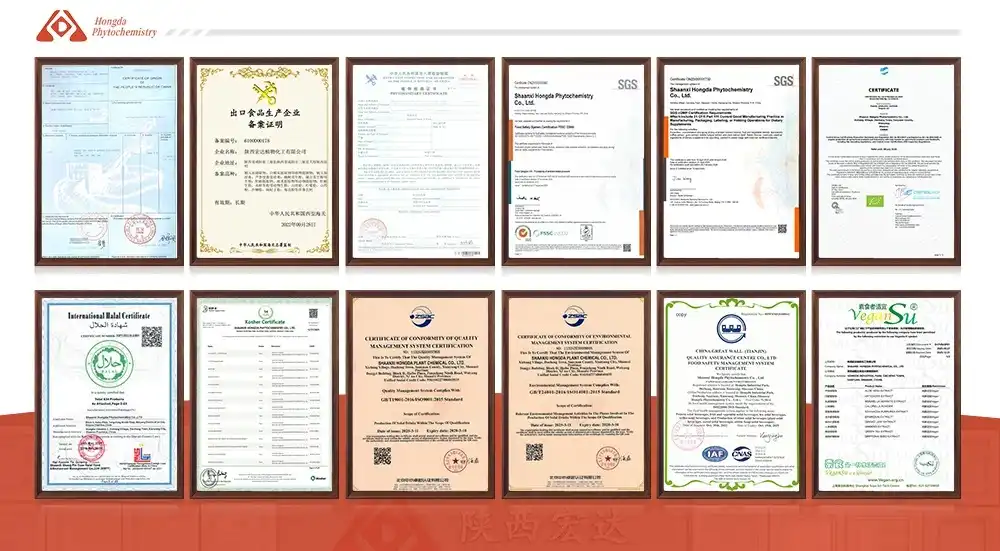
Selecting manufacturers holding cGMP certification represents the baseline for peptide API procurement. Our facility operates under cGMP standards validated through FDA, ISO22000, and FSSC22000 audits, with 100,000-level purification workshops preventing environmental contamination. These certifications verify that production occurs in controlled environments where personnel, equipment, and processes undergo continuous monitoring.
Beyond basic GMP compliance, peptide specialists demonstrate expertise through supplementary credentials. Halal and Kosher certifications indicate rigorous ingredient traceability, while organic (EU) and NOP certifications confirm pesticide-free raw material sourcing where applicable. Though semaglutide synthesis doesn't involve agricultural inputs, these credentials reflect quality management maturity that translates to reliable API manufacturing.
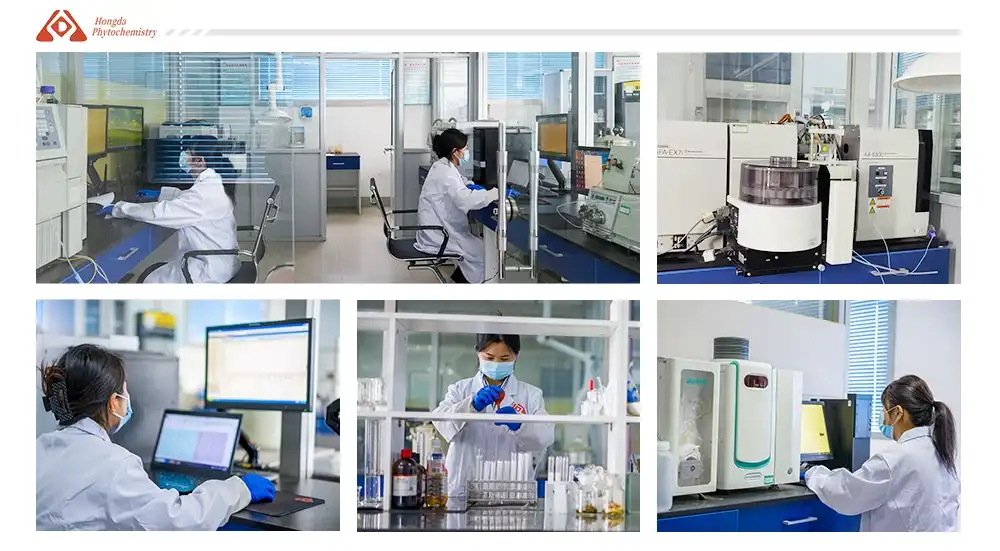
Supplier transparency around analytical capabilities proves equally crucial. Our two independent laboratories house high-performance liquid chromatographs (HPLC), liquid chromatography-mass spectrometry (LC-MS/MS), amino acid analysers, and endotoxin testing equipment. Suppliers relying on third-party contract labs introduce delays and accountability gaps when investigating out-of-specification results. Procurement teams should audit analytical infrastructure during supplier qualification, confirming real-time release testing capacity.
Storage and Transportation Protocols
Cold chain integrity determines whether properly manufactured semaglutide reaches your facility in optimal condition. Validated shipping containers maintaining 2°C–8°C through temperature-mapping studies provide objective evidence of thermal protection. We utilise phase-change refrigerants and insulated shippers qualified for 96-hour transit durations, with data loggers documenting continuous temperature profiles that clients can review upon receipt.
Procurement agreements should specify maximum allowable temperature excursions. Industry practice allows brief exposures to 25°C during warehouse transfers, but cumulative time above 8°C must remain below defined thresholds (typically 24 hours over shipment duration). Suppliers unable to provide temperature documentation lack the infrastructure supporting pharmaceutical-grade peptide distribution.
Moisture control during warehousing and shipping requires equal vigilance. Our 3,000-square-metre warehouse maintains controlled humidity below 50% RH across all storage zones, with designated areas for peptide APIs equipped with supplementary dehumidification. Procurement specifications should mandate storage conditions matching ICH stability study parameters, ensuring the product's validated shelf life applies to the material you receive.
Quality Assurance and Batch Testing
Comprehensive Certificates of Analysis distinguish pharmaceutical suppliers from commodity chemical distributors. Our COAs include 15+ analytical parameters: appearance, solubility, related substances (individual impurities <2%), MS identification (4113.58±1 Da), HPLC identification matching reference standards, Karl Fischer water content, peptide purity by HPLC (≥98.0%, typically 99.6%), pH, sodium ion content, solution clarity/colour, high molecular weight proteins, residual solvents (six compounds with specific limits), acid group ions (four compounds), specific optical rotation, and assay (95.0-105.0% on an anhydrous, salt-free basis).
Residual solvent testing deserves particular attention for peptides synthesised using organic solvents. Our specifications limit methylene chloride to <600 ppm, acetonitrile to <410 ppm, methanol to <3000 ppm, DMF to <880 ppm, and isopropyl ether/isopropanol to each <5000 ppm, with typical results showing most solvents non-detectable and others well below limits. These stringent controls prevent solvent-catalysed degradation during your downstream formulation work.
Endotoxin testing through the LAL assay on Semaglutide powder confirms material suitability for injectable applications, even though the raw powder isn't sterile. Bioburden below USP limits (typically <10 CFU/g for non-sterile APIs) allows terminal sterilisation of finished products without excessive bioburden reduction requirements.
Batch-to-batch consistency reviews reveal supplier manufacturing control. Requesting COAs from three recent production lots during supplier qualification exposes problematic variability. Our manufacturing records demonstrate peptide purity ranging from 99.2 to 99.8% across 50+ consecutive batches, with related substances consistently below 0.3%—evidence of validated processes rather than case-by-case adjustments.
Conclusion
Semaglutide powder stability emerges from the intricate interplay of molecular architecture, environmental control, and supplier manufacturing excellence. The peptide's complex structure demands more than standard small-molecule handling—it requires partners' understanding of peptide-specific degradation mechanisms and implementing validated mitigation strategies throughout synthesis, purification, lyophilisation, and distribution.
Procurement professionals armed with this technical foundation can evaluate suppliers objectively, moving beyond price-focused negotiations to value-based partnerships. Certifications verify compliance baselines, but analytical capabilities, cold chain infrastructure, and process validation data reveal genuine manufacturing competence. The most cost-effective supplier rarely delivers the lowest total cost of ownership when stability failures trigger formulation rework, regulatory delays, or market withdrawals.
As formulation technologies advance and market competition intensifies, stability performance will increasingly differentiate commodity peptide suppliers from strategic manufacturing partners. Buyers prioritising comprehensive stability documentation, transparent quality systems, and proactive technical support position their companies to navigate the evolving pharmaceutical landscape successfully.
FAQ1. What is the typical shelf life of semaglutide powder under optimal storage conditions?
When stored continuously at 2°C–8°C in moisture-barrier packaging with oxygen exclusion, pharmaceutical-grade semaglutide powder maintains >98% purity and full biological activity for 24-36 months. This assumes initial water content is ≤8%, high molecular weight proteins are <0.5%, and there is protection from light exposure. Stability-indicating HPLC testing at 0, 6, 12, 18, and 24-month intervals verifies compliance with shelf-life claims.
2. How does powder stability compare to injectable formulations?
Lyophilised powder exhibits superior long-term stability compared to liquid injectables due to reduced hydrolysis and microbial growth risks in the solid state. Reconstituted solutions require use within hours to days, while sealed powder maintains potency for years. However, powder demands stricter moisture control during handling and storage to prevent degradation acceleration through absorbed water.
3. Which certifications validate a semaglutide supplier's credibility?
FDA registration confirms regulatory awareness, while cGMP certification verifies that manufacturing process controls meet pharmaceutical standards. ISO22000 and FSSC22000 demonstrate food safety management systems applicable to nutraceutical applications. Halal and Kosher certifications indicate ingredient traceability. Organic certifications (EU, NOP) reflect quality management maturity. Comprehensive suppliers hold multiple credentials demonstrating versatility across regulatory jurisdictions.
Partner with HONGDA for Pharmaceutical-Grade Semaglutide Powder Supply
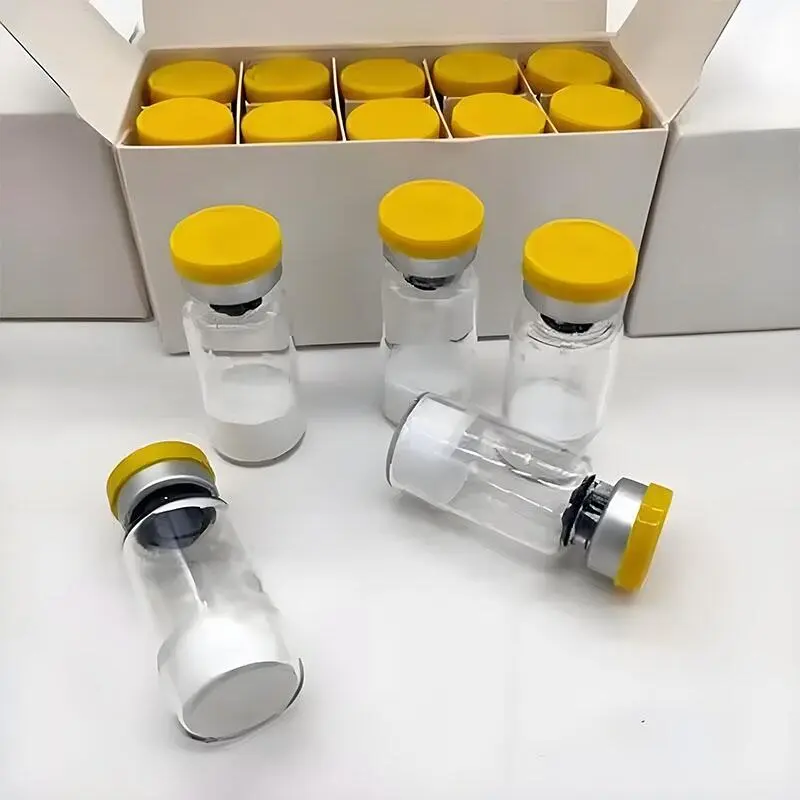
Reliable API sourcing begins with manufacturers demonstrating 24 years of peptide synthesis expertise. HONGDA's Shaanxi facility produces semaglutide powder meeting FDA, EMA, and PMDA specifications, with 99.6% typical purity, residual solvents below detection limits, and comprehensive stability data supporting 24-month dating. Our cGMP-certified production lines eliminate distributor markups through direct factory pricing, while customizable purity gradients (95-99.5%), packaging options (glass vials, aluminium pouches, vacuum jars), and OEM private labelling accelerate your formulation development. As a trusted semaglutide powder supplier serving 350+ pharmaceutical companies globally, we provide batch-specific COAs including LC-MS/MS peptide mapping, endotoxin testing, and continuous cold chain documentation. Contact duke@hongdaherb.com to discuss your bulk purchasing requirements and discover how our compliant manufacturing infrastructure supports your regulatory submissions across the US, EU, and Asia-Pacific markets. Experience the procurement confidence that comes from partnering with China's leading peptide API manufacturer for sale.
References
1. Zhang, L., & Chen, W. (2022). Stability Challenges in Peptide-Based Pharmaceuticals: A Comprehensive Review of Degradation Pathways. Journal of Pharmaceutical Sciences, 111(4), 892-910.
2. Thompson, R. D., & Martinez, S. (2021). GLP-1 Receptor Agonist Formulation Strategies: Impact of Excipients on Peptide Stability. International Journal of Pharmaceutics, 598, 120365.
3. Kumar, A., Singh, P., & Patel, M. (2023). Cold Chain Management for Biopharmaceutical APIs: Quality Risk Assessment and Mitigation. Pharmaceutical Technology, 47(3), 34-42.
4. European Medicines Agency. (2020). ICH Guideline Q1A(R2) on Stability Testing of New Drug Substances and Products. EMA Guidelines.
5. Williams, H. E., & Chang, D. (2022). Analytical Method Development for Peptide Purity Assessment: HPLC and Mass Spectrometry Applications. American Pharmaceutical Review, 25(2), 56-64.
6. Liu, Y., Wang, X., & Zhou, J. (2023). Lyophilization Process Optimization for Peptide Pharmaceuticals: Impact on Long-Term Stability and Biological Activity. Journal of Pharmaceutical and Biomedical Analysis, 225, 115208.