


_1745918362135.webp)

What Are the Top Uses of Liposomal Resveratrol Powder in Supplements?
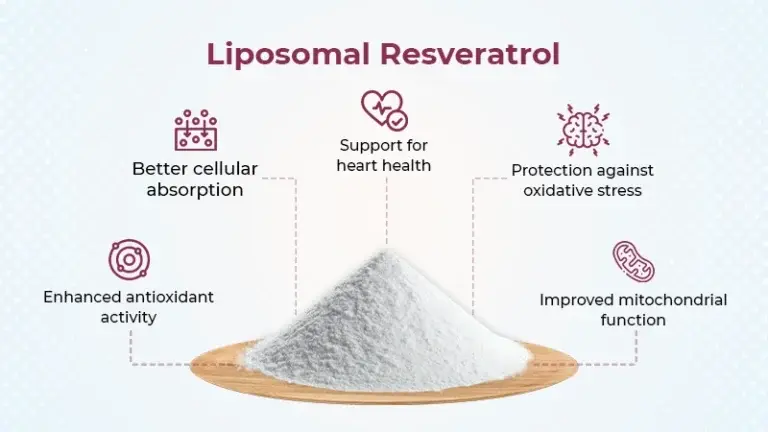
Liposomal resveratrol powder is a big step forward in the delivery of nutrients. It solves the bioavailability problems that have previously limited resveratrol's medicinal potential. This advanced recipe wraps trans-resveratrol in phospholipid bilayers, making nanoparticles that keep the active ingredient from breaking down in the stomach and make it easier for the body to absorb it directly through the lymphatic system. The technology changes a polyphenol that isn't easily taken into an ingredient that is easily absorbed and can be used in high-end vitamins, functional drinks, and oral beauty products. Shaanxi Hongda Phytochemistry Co., Ltd. was the first company to use high-pressure shear-compression embedding technology to make liposome particles that are between 80 and 120 nm in size and work over 10 times better than regular resveratrol powders.
Understanding Liposomal Resveratrol Powder and Its Advantages
The Science Behind Liposomal Encapsulation
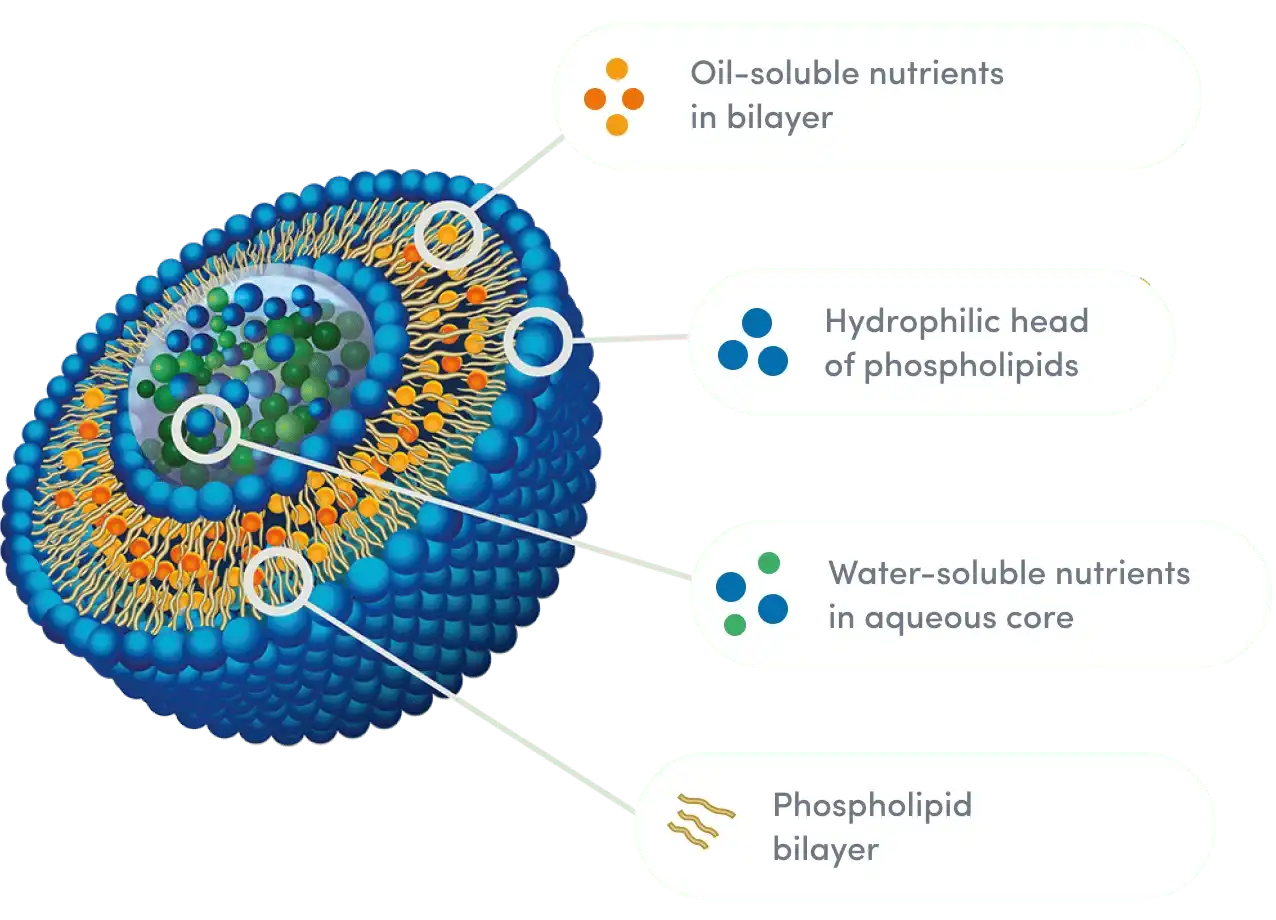
The structure of biological membranes is copied by liposomal transport technology. This creates a cover around active molecules to keep them safe. Hongda Phytochemistry uses cutting-edge engineering to join pure trans-resveratrol to natural phospholipid bilayers in their goods. People who are buying things for formulation projects should know about these encapsulation's important benefits.
The phospholipid structure acts like a shell around the resveratrol molecule, keeping it safe from oxidation and photo-degradation, which are two things that usually break down resveratrol powders. This product stays active at room temperature 45% longer than other forms, according to tests done in the lab. Because of this steadiness, the product lasts longer and works better every time. This reduces waste and makes sure that the quality of each batch stays the same across production runs.
Bioavailability Enhancement Through Lymphatic Absorption
Traditional resveratrol is quickly broken down in the liver by glucuronidation and sulfation, which removes up to 99% of the active molecule before it can reach the rest of the body's bloodstream. Liposomal resveratrol powder gets around this biochemical block in a number of ways. The lipid-based particles make it easier for the drug to be absorbed by M-cells in the walls of the intestine, which lets it go straight into the lymphatic system instead of the liver's portal circulation.
This different way of absorbing trans-resveratrol keeps the molecule's structure and gets much higher amounts to the tissues that need them. The shape of liposomes also makes it easier for cells to take them in through endocytosis. This is when cell walls recognise the phospholipid vesicles and swallow them up, letting the payload go straight into the cytoplasm. This focused delivery method improves the effectiveness of therapy while limiting systemic spread to tissues that aren't the target.
Quality Specifications and Manufacturing Standards
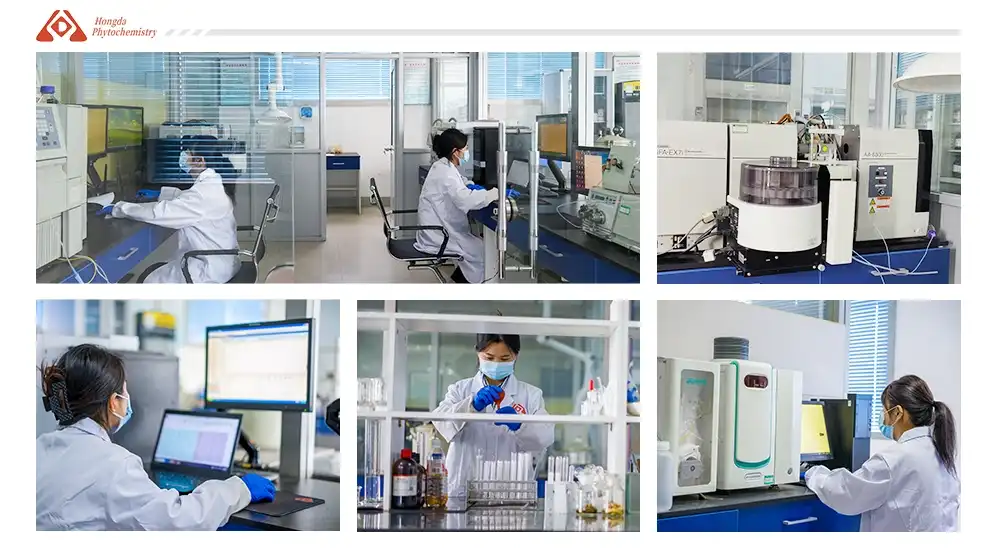
Pharmaceutical-grade production standards are kept at Shaanxi Hongda Phytochemistry, which makes sure that every batch meets strict quality standards. Our liposomal resveratrol powder has 50% trans-resveratrol and 50% phospholipid carriers. This was confirmed by HPLC analysis, which guarantees that the powder has 100% trans-isomer content. The product specs show that it has been thoroughly checked for quality, with arsenic and heavy metal levels below 2 ppm and 5 ppm, respectively, and microbiological tests proving the lack of pathogenic organisms.
Top 5 Uses of Liposomal Resveratrol Powder in Supplement Formulations
Longevity and Anti-Ageing Supplements
Resveratrol capsule technology has become a mainstay in the anti-ageing supplement market as a key ingredient for biologically age-reversing formulas. Liposomal resveratrol powder delivery makes it easier for SIRT1 genes, which control how cells heal themselves and how well the metabolism works, to work. This sirtuin pathway activation has the same positive benefits as limiting calories without food restrictions. This makes it especially appealing for middle-aged and older people who want to stay healthy.
If a company wants to make a product for people who want to live longer, they should think about dosage ranges of 150 mg to 500 mg per serving. This way, they can use the increased bioavailability to get therapeutic benefits at lower doses than with regular resveratrol. When the powder is mixed with other compounds like NMN, pterostilbene, or coenzyme Q10, it works perfectly in capsules, either by itself or with other compounds to make full cellular health recipes. Market studies show that people are becoming more aware of the science behind living longer. In North America and Europe, sales of supplements in this area are growing at double-digit rates every year.
Cardiovascular Health Formulations
A lot of research has been done on the circulatory benefits of resveratrol, and liposomal transport makes these effects even stronger on vascular endothelial cells. Because it is more bioavailable, therapeutic amounts are more likely to reach the walls of arteries, where the substance helps make nitric oxide, lowers oxidative stress, and keeps blood flow healthy. These systems help the heart and blood vessels work well and stay healthy.
Resveratrol is often mixed with other heart-healthy ingredients like omega-3 fatty acids, bergamot extract, or Coenzyme Q10 when it is made into medicines for the heart. Because the liposomal powder dissolves so easily, formulators can make functional drinks or liquid pills that give multiple active ingredients in an easy-to-use form. People who work for businesses that make products for this group should stress the importance of quality standards and third-party testing, since people who buy products for cardiovascular health are usually picky shoppers who value scientific proof and clear making.
Cognitive Function and Neuroprotection Products
One big benefit of liposomal resveratrol powder is that it can cross the blood-brain barrier better than regular resveratrol. This is a problem that has limited the beneficial uses of regular resveratrol. The lipid coating makes it easier for chemicals to cross this selective membrane, which brings antioxidants and anti-inflammatory drugs straight to neural regions. This tailored delivery helps keep neurones healthy and may help keep brain function up.
The market for brain health supplements has a lot of room to grow. This is because older people are worried about their mental health, and younger people want to be smarter than their peers. Product creators can market liposomal resveratrol as a special element in brain health stacks, nootropics, or supplements for stress management. Putting resveratrol together with ingredients that work well together, like phosphatidylserine, lion's mane mushroom, or L-theanine, makes formulations that work better and are liked by health-conscious workers who have to deal with mental stress and cognitive demands.
Oral Beauty and Skin Health Supplements
Liposomal resveratrol has become a key ingredient in many oral beauty products very quickly in the nutricosmetics industry. Better bioavailability makes sure that the right amount of resveratrol gets to the skin's dermal layers, where its antioxidant qualities protect against damage from free radicals and help make collagen. The compound's photoprotective properties help fight ageing caused by UV rays, making it an "inside-out" method to skin care that works well with cosmetic treatments.
Beauty-from-within goods usually have resveratrol mixed with chemicals that work well together, like vitamin C, collagen peptides, hyaluronic acid, and ceramides. As a powder, makers can make handy sachet versions that dissolve in water or juice, which appeals to people who want to enjoy their intake. Asian markets, especially China, Japan, and Korea, have a huge demand for oral beauty vitamins. Rich women aged 25 to 45 are most likely to buy these products because they are seen as high-end and backed by science.
Sports Nutrition and Recovery Supplements
High-intensity training causes a lot of oxidative stress, which is why athletes and fitness fans want effective healing nutrients. Liposomal NMN powder and liposomal resveratrol meet this need by providing concentrated antioxidant support that helps deal with cellular stress caused by exercise while also promoting normal healing processes. Because of better absorption, athletes can get the benefits they want with smaller amounts, which makes taking pills easier and more likely to be followed through.
Formulators of sports nutrition products can add resveratrol to products that help athletes recover after a run, to stamina supplements, or to complete recipes for their health. It works well with water mixes, protein powders, branched-chain amino acids, and tart cherry extract. When marketing a product, it's important to stress that it has clean labels, has been tested by a third party for banned drugs, and has certifications that meet the needs of sports organisations. The global sports nutrition market keeps growing beyond traditional bodybuilders. It's now reaching fitness fans, weekend warriors, and busy older adults who put performance and healing first.
Comparing Liposomal Resveratrol Powder with Other Forms
Bioavailability and Absorption Differences
There are major problems with dissolving standard resveratrol powders because the chemical is hydrophobic, which means it doesn't mix well with water in the digestive system. Crystalline resveratrol has a bioavailability rate of less than 1%, which means that most of the amount that is taken is either quickly broken down or expelled unchanged. For standard resveratrol capsules and tablets to reach measured blood levels, doses of 500 mg or more are needed. This makes the pills more expensive and bigger.
Liposomal resveratrol powder gets around these problems with the help of its phospholipid transport system, which changes the polyphenol that doesn't dissolve well into a structure that does dissolve in water. Nanoparticles' structure makes it easy for them to be absorbed quickly and moved through the lymphatic system, so medicinal amounts as low as 100–150 mg are enough to work. This lower dose saves a lot of money on finished goods and makes it easier for people to take their medicine as prescribed by using smaller capsules or smaller serving sizes for liquids.
Manufacturing and Formulation Considerations
Standard resveratrol is hard to make because it doesn't mix well with other ingredients and doesn't flow well. Because of these qualities, making things is harder, and sometimes extra ingredients or steps in the process are needed, which raises the cost. Because the substance is unstable when it comes in contact with light, heat, or water, it needs to be stored and packaged in a certain way.
Hongda Phytochemistry's liposomal resveratrol powder solves these problems in the manufacturing process by using advanced techniques to make a solid, free-flowing powder that is easy to work with. The range of particle sizes (100% passing 80 mesh) makes sure that pill formulations blend evenly and liquid goods mix smoothly. The encapsulation makes the product more stable, which extends its shelf life and cuts down on the need for extra secure packing. When product makers move from regular resveratrol to liposomal forms, they say it makes manufacturing easier and improves batch stability.
Cost-Efficiency Analysis for Industrial Applications
Liposomal resveratrol powder costs more than regular resveratrol, but the overall cost of the product is usually better when dosage needs and effectiveness are taken into account. A final supplement with 500 mg of normal resveratrol might need three large capsules per dose, which would raise the cost of packing, the weight of shipping, and the number of pills that people have to take. A liposomal formulation, on the other hand, needs only one or two smaller pills to have the same or better benefits as 150 mg.
B2B buyers should do thorough cost modelling that takes into account the prices of raw materials, the amount needed, the size of the finished product, the cost of packing, and where the product fits in the market. Premium supplements can be sold for more money if they have absorption data and quality standards to back them up, like those involving liposomal NMN powder. This could mean higher profits even though the ingredients cost more. The liposomal format also lets you use resveratrol in functional drinks, where regular resveratrol can't work because it doesn't mix well and tastes bitter. This opens up new income streams that balance out the changes in the cost of the materials.
Conclusion
The development of liposomal resveratrol powder is a technical improvement that overcomes the basic bioavailability problems that have limited the popularity of resveratrol in supplement forms. The encapsulation technology turns a substance that isn't easily taken into an extremely useful ingredient that can be used in a wide range of products, such as supplements for longer life, heart health, brain health, oral beauty products, and sports nutrition. Shaanxi Hongda Phytochemistry can make pharmaceutical-grade products and has a lot of certifications and technical support services to help buyers find a reliable supplier that can meet the strict quality standards of global markets while also helping with product innovation and following the rules.
FAQ1. What makes liposomal resveratrol powder more effective than standard resveratrol?
The liposomal transport method wraps resveratrol in phospholipid bilayers, which keeps it from being broken down by stomach acid and lets it be absorbed directly through the lymphatic system. This skips the first step of liver processing, which breaks down up to 99% of regular resveratrol. As a result, it is more than 10 times more bioavailable than regular powders. Because of better absorption, smaller doses are needed to get therapeutic benefits.
2. How should liposomal resveratrol powder be stored?
Keep the liposomal resveratrol powder in containers with lids that are out of direct sunlight, heat, and water. Temperatures below 25°C and a dry setting are the best places to store it. Compared to regular resveratrol, the phospholipid encapsulation makes it more stable, but proper keeping keeps the effectiveness and extends the shelf life. If the right conditions are met, the product will continue to work for 24 months after it was made.
3. What certifications should I look for when sourcing this ingredient?
Some of the most important certificates are cGMP for making medicines, ISO9001 for managing quality, and FSSC22000 for making sure food is safe. HALAL and KOSHER approvals may be necessary depending on the areas you want to reach. Organic approvals from the EU and NOP programmes help products stand out as high-end. An additional quality guarantee comes from third-party testing confirmation from labs like SGS or Eurofins.
4. Can liposomal resveratrol powder be used in liquid supplement formulations?
The liposomal resveratrol powder dissolves easily in water, so it can be used in healthy drinks, liquid pills, and sachets that people mix with water or juice during use. The phospholipid structure makes it easier to dissolve than regular resveratrol, and it hides the bitter taste of the polyphenol molecule. To check the shelf life, stability tests should be done on certain composition materials.
Partner with a Trusted Liposomal Resveratrol Powder Supplier
With 20 years of experience in plant extraction and cutting-edge liposomal capsule technology, Shaanxi Hongda Phytochemistry Co., Ltd. can provide pharmaceutical-grade ingredients that will make your supplement formulations better. Our factories that make liposomal resveratrol powder keep their cGMP, FSSC22000, and organic certifications up to date. This makes sure that every batch meets the strictest quality standards around the world. With the ability to produce 3,000 tons per year, full COA paperwork, and flexible OEM/ODM services, we can give your business the technical support and supply stability it needs. You can email our purchasing agents at duke@hongdaherb.com to talk about your unique recipe needs, ask for product samples, and find out how our advanced resveratrol technology can help your supplement line stand out in the market.
References
1. Walle, T. (2011). "Bioavailability of resveratrol." Annals of the New York Academy of Sciences, examining absorption, metabolism, and bioavailability challenges of resveratrol compounds in human supplementation.
2. Baur, J.A. and Sinclair, D.A. (2006). "Therapeutic potential of resveratrol: the in vivo evidence." Nature Reviews Drug Discovery, reviewing mechanisms of action including SIRT1 activation and longevity pathways.
3. Smoliga, J.M., Baur, J.A., and Hausenblas, H.A. (2011). "Resveratrol and health - a comprehensive review of human clinical trials." Molecular Nutrition & Food Research, analyzing clinical evidence across cardiovascular, metabolic, and neuroprotective applications.
4. Fonseca, J., Moradi, F., Valenti, V.E., Bachi, A.L., Zagatto, A.M., and Tavares de Oliveira, N.R. (2020). "Resveratrol supplementation and its effects on exercise performance: a review." Critical Reviews in Food Science and Nutrition, examining sports nutrition applications and oxidative stress management.
5. Chaplin, A., Carpéné, C., and Mercader, J. (2018). "Resveratrol, Metabolic Syndrome, and Gut Microbiota." Nutrients, exploring interactions between resveratrol supplementation and metabolic health outcomes.
6. Pangeni, R., Sahni, J.K., Ali, J., Sharma, S., and Baboota, S. (2014). "Resveratrol: review on therapeutic potential and recent advances in drug delivery." Expert Opinion on Drug Delivery, discussing liposomal and nanoparticle delivery systems for bioavailability enhancement.