


_1745918362135.webp)

What Are the Key Benefits of Liposomal Coenzyme Q10 Powder?
Liposomal coenzyme Q10 powder is a big step forward in the transport method for nutraceuticals. It has much higher bioavailability than other CoQ10 forms. This pharmaceutical-grade element uses nanoscale liposomal encapsulation—usually with particle sizes below 120nm—to copy the structures of human cell membranes. This lets it go straight into the bloodstream without going through the liver's first-pass processing. This means that B2B buyers in the cosmetics, functional drinks, and dietary supplements industries can get formulations that are absorbed up to 12 times faster than regular crystalline CoQ10. These formulations provide measurable heart health support, energy production in mitochondria, and strong antioxidant defense. This advanced ingredient is made by Shaanxi Hongda Phytochemistry Co., Ltd. (Hongda Phytochemistry) using secondary micro-encapsulation technology and non-GMO sunflower phospholipids to achieve ≥70% purity in a stable, water-dispersible powder form that is perfect for a wide range of product uses in markets around the world.
Introduction
As an important part of both the energy metabolism and antioxidant defense systems in cells, Coenzyme Q10 has become a key ingredient in the health and fitness business. Although CoQ10 is found naturally in mitochondria, it helps make ATP, which is the basic energy currency that all cells in the body use. Traditional CoQ10 formulas, on the other hand, have a major problem: they are not bioavailable when taken by mouth because the molecule is very lipophilic and has a high molecular weight, which means that absorption rates are usually below 5%. The development of liposomal delivery methods has completely changed how CoQ10 is supplemented. By putting pharmaceutical-grade ubiquinone or ubiquinol inside phospholipid bilayers that look like biological walls, companies can now make ingredients that are much easier for the body to absorb. This big step forward in technology has huge effects on business-to-business clients in the nutritional, medicinal, and cosmetics industries. Hongda Phytochemistry was the first company to use its own unique secondary micro-encapsulation methods to make improved liposomal coenzyme Q10 powder. This guide looks at the main benefits that buying professionals need to know about when they are looking at liposomal coenzyme Q10 powder for their manufacturing and product development processes.
Understanding Liposomal Coenzyme Q10 Powder
What Makes Liposomal Encapsulation Technology Superior?
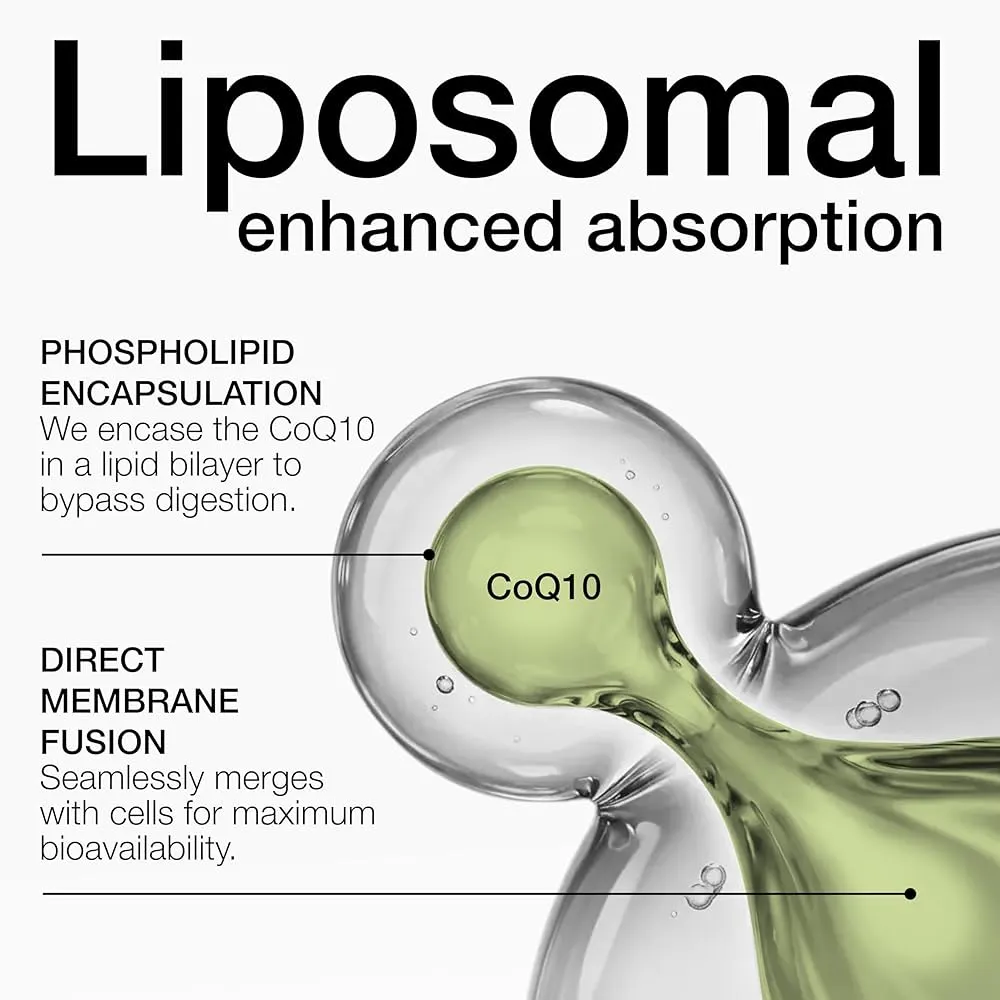
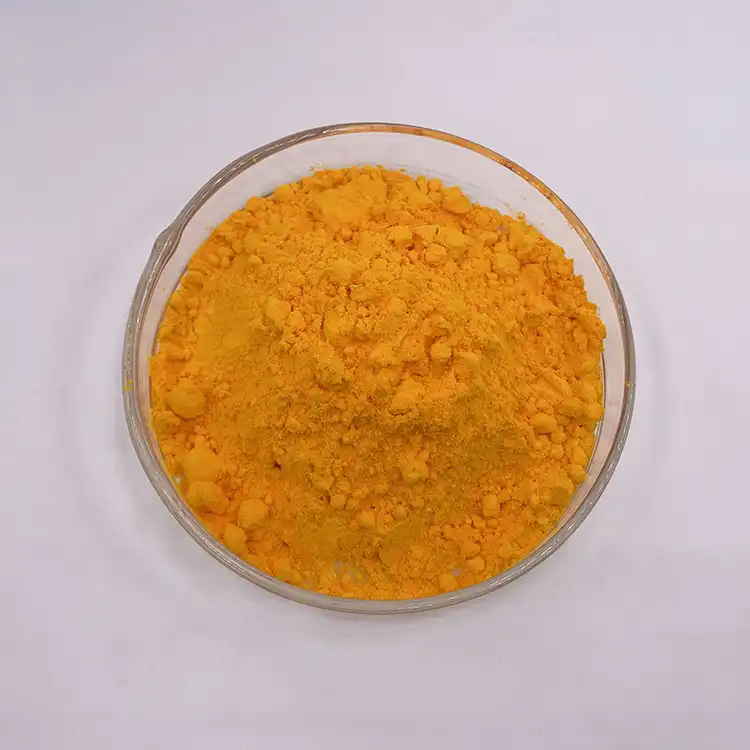
Liposomal encapsulation is a sophisticated way to give nutrients that changes the way the body uses CoQ10 in a basic way. At its core, this technology is about making vesicles that are very small (100 to 400 nanometers across) and made up of two layers of phospholipids. These tiny circles have hydrophilic (loves water) outer surfaces and hydrophobic (loves fat) inner surfaces. This lets them move lipophilic substances like CoQ10 through the digestive system's watery environment. Shaanxi Hongda Phytochemistry Co., Ltd. uses a refined secondary micro-encapsulation method to make particles that are less than 120nm (D50), which is a lot smaller than many other goods on the market. This distribution of very small particles is very important because smaller liposomes have better skin entry and lymphatic uptake. The phospholipid carriers in our recipe come only from non-GMO sunflower lectin. These are better than regular soy-based phospholipids because they are less likely to cause allergies, have more phosphatidylcholine, and are more resistant to oxidation. When mixed with water, good liposomal coenzyme Q10 powder should quickly turn into a uniform, milky-white to light-yellow mixture that doesn't separate the oil or stick to the container.
Health Benefits Backed by Mechanism of Action
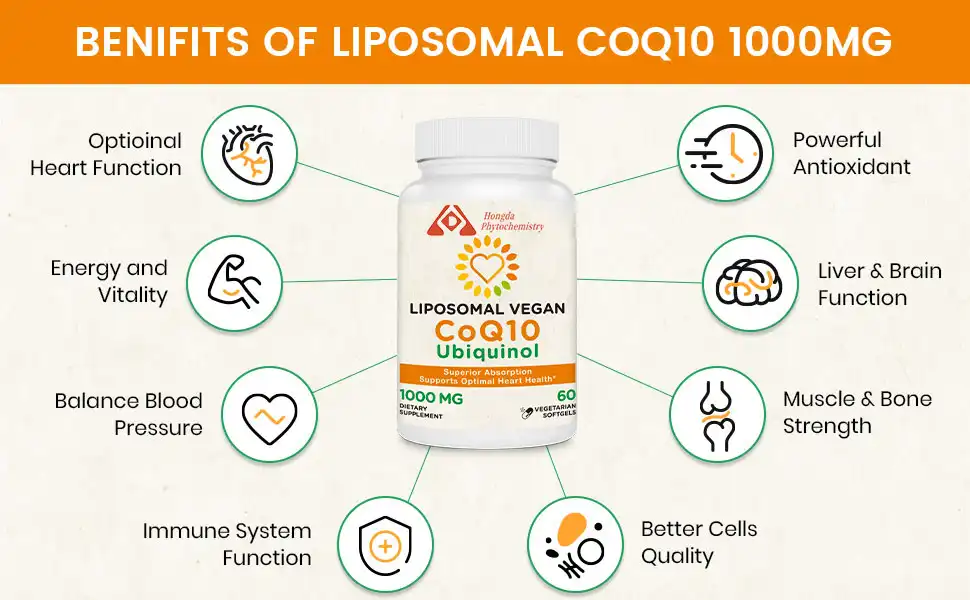
In mitochondria, CoQ10 is an important element in the electron transport chain and directly Liposomal coenzyme q10 powder contributes to oxidative phosphorylation, which makes ATP. In addition to making energy, it is a powerful fat-soluble antioxidant that fights reactive oxygen species that cause cells to age and oxidative stress. The liposomal transport method makes sure that the right amount of CoQ10 gets to the right tissues, like heart muscle, vascular endothelium, skin dermal layers, and brain tissues. For cardiovascular uses, clinical research has shown that CoQ10 helps keep blood pressure normal and capillary function healthy. When used on the skin, both direct and oral CoQ10 has been shown to protect facial collagen from photodamage and help the skin stay elastic. More and more reproductive health professionals suggest taking CoQ10 supplements to help gametes' mitochondria work better. The liposomal structure makes all of these uses better by making sure that the right amounts of drug are in the tissues.
Liposomal Coenzyme Q10 Powder vs Traditional Forms
Comparative Absorption Data and Scientific Evidence
Traditional CoQ10 supplements usually come in the form of crystalline powder enclosed in normal gelatin or veggie pills. To help the powder dissolve better, oils are often added. Even with these formulation techniques, the substance is still hard to absorb because it doesn't dissolve well in water and needs bile salts to break up during digestion. Studies that look at plasma CoQ10 levels after taking regular supplements by mouth show a lot of variation between individuals and only small gains from baseline. Liposomal products get around these problems by using nanostructures that are already made and don't need to be emulsified with bile. Because liposomes are made up of two layers of phospholipids, they can either join directly with the cell membranes of gut cells or get through tight junctions by going across or around cells. Pharmacokinetic studies show that liposomal coenzyme Q10 powder reaches measurable plasma concentrations in 2 to 4 hours, whereas standard forms take 6 to 8 hours, with much higher peak concentrations. There are also clear benefits to using powder instead of liquid liposomal solutions. Liquid liposomes need to be shipped in a cold chain, have shorter shelf lives because vesicles can stick together and phospholipids can break down, and usually need preservatives.
Cost-Benefit Analysis for Bulk Procurement
Not only unit pricing, but also the total value provided must be looked at by procurement managers. Although liposomal coenzyme Q10 powder costs more than regular crystalline material, it has better bioavailability, which means that final product formulations can have the same physiological benefits with smaller amounts. This dose decrease can help cover the costs of raw materials and put the finished product in a competitive situation. Hongda Phytochemistry has a low minimum order quantity of just 1 kg, which means they can meet the needs of both small-scale formulation tests and full-scale production. Our straight factory prices don't include markups for distributors, and we can produce 3,000 tons of goods every year, so growing names can always get what they need. The 24-month shelf life makes it easier to handle supplies and cuts down on waste from going bad, which lowers the total cost of ownership even more when compared to less stable alternatives.
Key Benefits of Liposomal Coenzyme Q10 Powder for B2B Clients
Formulation Versatility and Product Innovation Potential
Product designers are always under pressure to make their supplements stand out in the supplement market, which is already very crowded. Traditional crystallized CoQ10 powder can't support new recipe ideas that liposomal Coenzyme Q10 powder can. Because it mixes well with water, it can be used in high-growth product categories like ready-to-drink drinks, fizzy pills, beauty drinks, and liquid concentrates. When the powder is mixed with water, it quickly turns into a stable colloid without the need for emulsifiers. This makes formulating and clean-label placing easier. The material can stand up to mechanical processing conditions that would break down lower liposomal structures. Hongda Phytochemistry's mixture stays intact at pressures higher than 50,000 psi when tablets are compressed. This means that it can be used in solid dosage forms while still having the absorption benefits. When paired with thermal stability during normal encapsulation and tableting processes, this mechanical tolerance gives formulators a level of freedom that Liposomal Coenzyme Q10 powder has never had before. In multi-ingredient formulas, the powder shape also makes dosing and mixing more accurate.
Sustainable Sourcing and Supply Chain Reliability
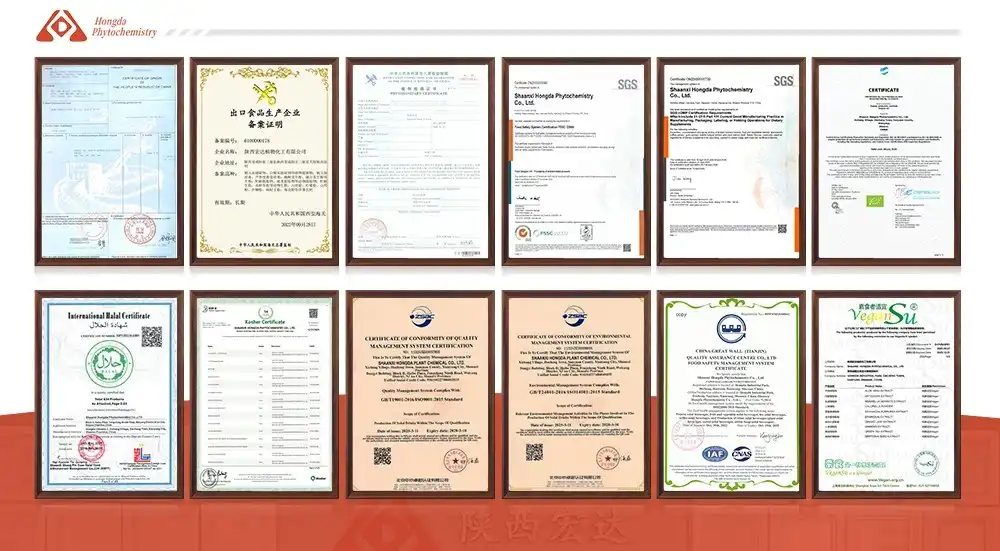
Our HALAL and KOSHER certifications help brands that are trying to reach certain types of customers get into more markets. Brands that want to focus on natural and organic branding can use the organic certification route. This list of certificates shows that we understand the different needs of markets around the world in the nutraceutical business. Supply chain problems have shown how important it is to have reliable suppliers and integrate vertically. Shaanxi Hongda Phytochemistry Co., Ltd. does integrated manufacturing, which means they have direct control over where they get their raw materials, how they are extracted, how they are packaged, and how their quality is checked. Our company has three special places in Shaanxi Province where key plant products are grown. This way, we can track them from the field to the finished product. Our 20,000-square-meter production building has more than 10 modern production lines and 100,000-level cleaning workshops, which gives us a lot of space to make things and a backup plan in case something goes wrong. The 3,000-square-meter building keeps its goods organized across six climate-controlled zones, making sure that different types of ingredients are stored properly.
How to Select and Purchase Liposomal Coenzyme Q10 Powder
Supplier Qualification and Due Diligence Criteria
When looking for liposomal coenzyme Q10 powder, procurement workers should follow strict rules for qualifying suppliers. Manufacturing certificates (cGMP, ISO, FSSC), output capacity verification, and technical knowledge in liposomal technology are all important things to look for in a review. Ask for proof that the liposomal products you're interested in are actually liposomes and not just a physical mix of CoQ10 and phospholipids. Real liposomal products should come with transmission electron microscopy (TEM) images that show spherical vesicle structures and dynamic light scattering data that proves the particle size is less than 400nm. When brands want to grow, production capability is important. Make sure the supplier keeps up a high enough production throughput to support the expected growth in volume without causing risks of dependence. Hongda Phytochemistry can produce up to 3,000 tons of different plant extracts and specialized ingredients every year, which gives growing accounts peace of mind. Our 1 kg minimum order size also works for the early stages of product development. Check out what the supplier's quality lab can do. If suppliers only use third-party tests, they might have to deal with delays and inconsistent quality.
Geographic Sourcing Considerations
Early on in the sourcing process, talk about wait times and how to handle transportation. Coordinating customs paperwork is needed for international shipping, especially when the goods contain ingredients that need import permits in some places. Hongda Phytochemistry has experience exporting and has built relationships with transportation companies that make sure their products get to markets in the US, Europe, and the Asia-Pacific region on time. When needed, we provide all the export paperwork that is needed, such as business bills, packing lists, certificates of origin, and phytosanitary certificates. China has become the leader in extracting plants and making specialized supplement ingredients. They can do this because they have advanced manufacturing facilities and offer low prices. In particular, Shaanxi Province has become a center for biotechnology thanks to its strong farming base, partnerships between universities for research, and well-established supply lines for botanical raw materials. Hongda Phytochemistry is located in Shaanxi, which gives it easy access to a wide range of plant materials and closeness to important export infrastructure. They do this by vetting backup suppliers and keeping their volume promises with chosen partners. Hongda Phytochemistry is a trusted main source for many foreign names because of our consistent quality, reliable capacity, and quick expert support.
Future Trends and Innovations in Liposomal Coenzyme Q10 Powder MarketTechnological Advancements in Encapsulation Science
Liposomal technology keeps getting better than the first wave of formulas. More progress will be made in the bioavailability of Liposomal coenzyme Q10 powder by studying multi-lamellar vesicles, PEGylated liposomes that have a longer circulation time, and mixed nanocarriers that combine liposomes with other delivery methods. Hongda Phytochemistry is always putting money into research and development. They have two separate research centers and work with university research teams to stay on the cutting edge of new transportation technologies. New methods include focused liposomes with ligands that prefer to gather in certain tissues, which could make them more effective for use in cardiovascular or skin conditions. Combining CoQ10 with nutrients that work well together, such as PQQ (pyrroloquinoline quinone), vitamin E, or certain antioxidants, may provide extra benefits for supporting mitochondria. Our custom formulation services can come up with these creative combinations for customers who want to place their products in a way that stands out. Improvements in analytical methods make it possible to characterize liposomal coenzyme Q10 powder products in more complex ways. These analysis tools help with quality control and make it possible to improve products over and over again while formulations are being made.
Sustainability and Ethical Sourcing Imperatives
Trends in preventive health favor ingredients that work well in more than one system and have a lot of scientific support. The well-established cardiovascular study base of CoQ10, along with new information on brain function, metabolic health, and healthy aging, makes it look good to consumers. In this quality-focused market sector, brands that focus on science-based formulations and high-end delivery systems can charge higher prices. Environmental, social, and governance (ESG) factors are becoming more and more important in the nutraceutical business when making purchasing choices. More and more, retailers and customers are putting pressure on brands to show that they use sustainable materials, treat workers fairly, and care for the earth throughout their supply lines. Ingredient providers need to change to meet these new needs. Hongda Phytochemistry's growing base model supports environmentally friendly farming methods and makes sure that raw materials can be tracked. Our relationships with local farming groups give people in rural places the chance to make money and give us stable botanical sources. Hongda Phytochemistry keeps an eye on these changes in technology so that they can offer their clients new choices that are in line with how the market is changing.
Conclusion
Liposomal coenzyme Q10 powder is a great ingredient for many different types of products because it combines cutting-edge delivery technology with well-known nutritional science. The huge increases in bioavailability—often more than a 10-fold increase compared to traditional forms—allow successful formulations at lower amounts and back up strong claims of efficacy. Pharmaceutical-grade liposomal CoQ10 is made by Shaanxi Hongda Phytochemistry Co., Ltd. using their own unique secondary micro-encapsulation technology, non-GMO sunflower phospholipids, and strict quality systems that have been approved by a number of international organizations. The powder form lets you make a lot of different kinds of drinks, pills, tablets, and useful foods, and it's very good at mixing with water and staying stable. Our integrated manufacturing, 3,000-ton annual capacity, flexible MOQ, and 24-month shelf life meet important supply chain priorities for procurement professionals evaluating suppliers. Our technical expertise also helps with product innovation from idea to global market launch.
FAQ1. How does liposomal CoQ10 absorption compare to oil-based softgels?
Pharmacokinetic tests show that liposomal coenzyme Q10 powder products are 3–10 times more bioavailable than softgels made from oil. The pre-formed nanoscale phospholipid spheres allow direct absorption through the mucosa and lymphatic system, skipping the bile-dependent emulsification step that is needed for oil solutions. This makes the effects start more quickly, and the peak plasma concentrations are higher.
2. What is the typical lead time for bulk orders?
Standard wait times are between two and three weeks for items that are already in stock and four to six weeks for custom formulas that need special handling. In order to meet urgent needs, Hongda Phytochemistry keeps a large stock of core goods on hand. International shipping can take an extra one to two weeks, based on where it's going and how long it takes to clear customs.
3. Can liposomal CoQ10 powder be used in hot-fill beverage applications?
The liposomal structure stays stable at temperatures up to 80°C for normal hot-fill times, but continued contact above this point may make encapsulation less effective. For certain mixtures, we suggest checking their thermal stability. A lot of clients are able to successfully add the element to drinks that are heated below 75°C.
4. Does the powder require special storage conditions?
Keep in cool, dry places below 25°C in containers that don't let light in and are tightly sealed. When properly packed, lyophilized powder is much more solid than liquid liposomal solutions and doesn't need to be kept cold. Keep away from wetness and oxygen to keep the 24-month shelf life.
Partner with a Trusted Liposomal Coenzyme Q10 Powder Supplier
Shaanxi Hongda Phytochemistry Co., Ltd. invites purchasing managers, research and development scientists, Liposomal coenzyme q10 powder and quality assurance experts to learn more about how our pharmaceutical-grade liposomal coenzyme Q10 powder can be used in nutritional, skincare, and functional food products. As a cGMP-certified producer with ISO22000, FSSC22000, HALAL, and KOSHER certifications, we give companies that care about compliance the quality assurance paperwork and steady supply capacity they need. Our flexible minimum order number of 1 kg allows for both formulation trials and full-scale production. Our 3,000-ton annual manufacturing capacity guarantees a steady supply for names that are growing. You can ask for a sample with a full COA, talk to our technical team about developing a unique recipe, or ask about OEM/ODM private label services. Get in touch with our export department at duke@hongdaherb.com to get full product information, the best bulk prices on liposomal coenzyme Q10 powder, and expert help with your product development goals. Hongda Phytochemistry uses cutting-edge delivery technology, strict quality control systems, and flexible partnerships to help your brand give your people better bioavailability and measured health benefits.
References
1. Crane, F.L. (2001). Biochemical Functions of Coenzyme Q10. Journal of the American College of Nutrition, 20(6), 591-598.
2. Bhagavan, H.N. & Chopra, R.K. (2006). Coenzyme Q10: Absorption, Tissue Uptake, Metabolism and Pharmacokinetics. Free Radical Research, 40(5), 445-453.
3. Akbarzadeh, A., et al. (2013). Liposome: Classification, Preparation, and Applications. Nanoscale Research Letters, 8(1), 102-111.
4. Díaz-Casado, M.E., et al. (2019). The Paradox of Coenzyme Q10 in Aging. Nutrients, 11(9), 2221-2235.
5. Pravst, I., Zmitek, K., & Zmitek, J. (2010). Coenzyme Q10 Contents in Foods and Fortification Strategies. Critical Reviews in Food Science and Nutrition, 50(4), 269-280.
6. Hosoe, K., et al. (2007). Study on Safety and Bioavailability of Ubiquinol after Single and 4-Week Multiple Oral Administration to Healthy Volunteers. Regulatory Toxicology and Pharmacology, 47(1), 19-28.
_1751535186455.webp)