


_1745918362135.webp)

What Are the Top Applications for Liposomal Vitamin C Powder Bulk?
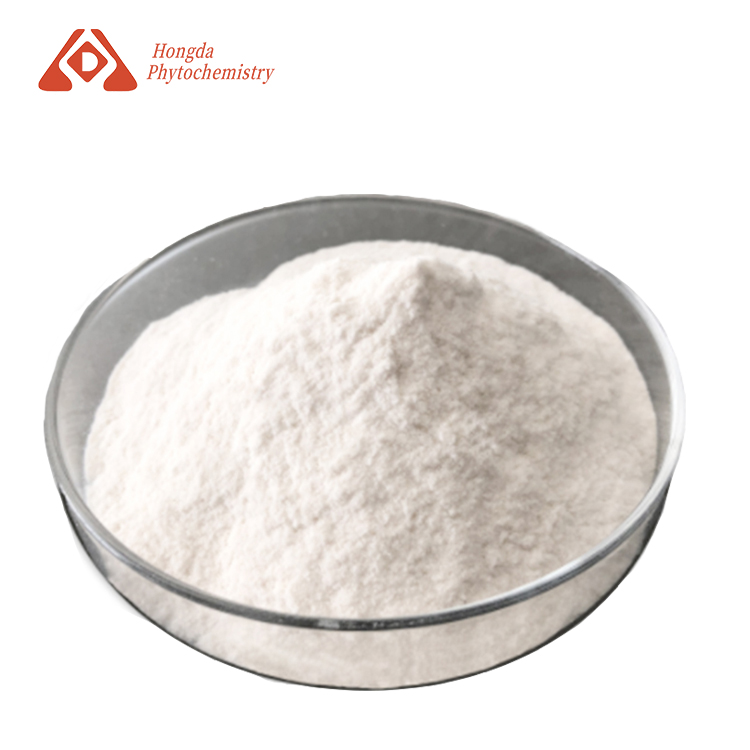
Vitamin C is still one of the most-requested ingredients in cosmetics, functional foods, and supplements. However, because it isn't easily absorbed by the body, formulators are looking for better ways to get it into the bloodstream. This is precisely where Hongda Phytochemistry has become the leader. It was established in 2001 and makes a pharmaceutical-grade liposomal vitamin C bulk ingredient using thin-film hydration and ultrasonic nano-shearing technology. This technology achieves encapsulation efficiencies above 90% and bioavailability up to 6–10 times higher than standard ascorbic acid. [1][3][6] Instead of being limited to just one type of product, Hongda's liposomal vitamin C bulk is made to work in clinical nutrition, beverages, capsules, and topical formulas. This adaptability is what sets a useful bulk ingredient apart from a niche speciality powder, and it's why buying teams in many different industries keep ordering from the same seller. In this guide, the ingredient is broken down into its most useful uses, starting with the ones that procurement teams ask about the most.

Dietary Supplements and Capsule Formulations
The biggest and most well-known way that liposomal vitamin C bulk is still used is in encapsulated supplements. This is because standard ascorbic acid loses most of its effectiveness when daily doses go above 200 mg. At that point, sodium-dependent transporter channels in the small intestine are full, so only 15–20% of a high dose usually gets into the bloodstream. Liposomal delivery gets around this problem completely by letting vitamin C enter cells directly through lipid bilayer fusion. This is why Hongda's liposomal vitamin C bulk is becoming more and more popular among capsule brands when making premium, high-potency immune products. Because the phospholipid shell also keeps the active ingredient from breaking down too quickly in the gut, formulators can make doses that are more uniform across storage conditions. This is a big plus for brands that make a lot of products.[1][2][3][4]
High-Dose Immune Support Capsules
Absorption holds steady even at elevated intake. That means a brand can build an immune-support product with meaningful vitamin C levels — daily wellness, seasonal defense, post-workout recovery — without stuffing a horse pill with 2,000 mg of raw ascorbic acid. The liposomal format keeps plasma levels higher for longer, which is exactly the claim premium capsule lines need to stand on.
Reduced-Dosage Economical Formulations
Flip the logic around. If absorption is 6–10× better, you need less raw material to hit the same blood levels. A brand targeting a mid-tier price point can use a smaller serving size, cut manufacturing costs on the active ingredient, and still position the product as an advanced-delivery formula. For high-volume supplement companies running thin margins, that math is hard to ignore.
Stomach-Friendly Alternative to Standard Ascorbic Acid
Ask anyone who has taken 1,000 mg of cheap ascorbic acid on an empty stomach — it is not pleasant. The acid irritates the gastric lining directly. Liposomal encapsulation puts a phospholipid buffer between the vitamin C and the digestive tract, which makes a real difference for people taking vitamin C daily over months or years. Wellness powders, immune capsules, and sensitive-stomach formulas all benefit here.
Combination Formulas With Other Liposomal Actives
Hongda's liposomal platform is not limited to vitamin C. Their R&D team works with liposomal iron, glutathione, berberine, and curcumin — all using compatible encapsulation technology. For a brand building a multi-ingredient wellness stack, sourcing from one manufacturer means consistent quality standards, matching delivery systems, and a single documentation package. Fewer suppliers, fewer headaches.
Functional Beverages and Ready-to-Mix Powders
Powdered liposomal vitamin C bulk works especially well in drinks because it can be mixed back into a stable, clear liquid without the need for special emulsification tools. It only takes about 30 to 60 seconds for a stable dispersion to form when the powder is added to a cold or room-temperature liquid. Because it is easy to use, can be stored for three years at -20°C, and is cheaper to ship than liquid liposomal alternatives, functional drink companies that want to make a lot of drinks for a lot of different markets prefer bulk powder. The neutral processing profile of the ingredient also helps beverage developers because it doesn't need the pH adjustments or stabilizer systems that some other delivery formats do during production.
Cold-Mix Beverage Compatibility
Liposomal vitamin C bulk is particularly suitable for beverage applications because it can maintain its delivery structure without requiring complex heating or high-pressure processing steps. Cold-mix compatibility helps manufacturers preserve phospholipid integrity while reducing production complexity and energy consumption. This feature makes it easier for beverage brands to develop ready-to-drink products, powder sachets, and wellness shots that deliver consistent quality while maintaining the nutritional value expected from premium vitamin C formulations.
Stable Solutions Within 30–60 Seconds
Thirty to sixty seconds. That is all it takes for the powder to form a uniform dispersion in a cold liquid. For brands selling powder sachets to end consumers, that speed directly so the antioxidant stays active in the bottle and on the skin longer. Brands building brightness, protection, or anti-pollution serums get a more reliable active without the reformulation headaches that plain ascorbic acid causes.

Sports and Recovery Drinks
Liposomal vitamin C bulk is increasingly used in sports nutrition products because athletes require effective antioxidant support during periods of intense physical activity. Improved cellular delivery helps maintain vitamin C availability when oxidative stress increases after exercise. By incorporating this ingredient into recovery drinks, electrolyte formulas, and performance nutrition products, brands can create advanced solutions designed for active consumers seeking convenient ways to support recovery, immune function, and overall physical resilience.
Clear vs. Translucent Formulation Options
Visual appearance varies with concentration and processing parameters. Some brands want crystal-clear products for premium hydration lines — others prefer a slightly translucent look for nutritional shots or functional blends. Formulators can adjust liposomal vitamin C levels and production settings to hit either target without significantly affecting the delivery performance. That flexibility lets manufacturers balance aesthetic requirements, ingredient concentration, and consumer expectations within a single product platform.
Cosmetic and Skincare Applications
More and more skin care products use liposomal vitamin C in bulk. Vitamin C can get into the body from food because of a phospholipid barrier. This barrier also lets vitamin C pass through the skin. The liposomes start to work like biomembrane fusion as soon as they touch the skin. These antioxidants stay on the skin's surface, where air breaks down ascorbic acid that isn't covered, and they also go deep into the dermis, where they work. This type of vitamin C is now found in a lot of anti-ageing serums, skin-lightening treatments, and collagen-boosting creams around the world because it stays stable longer. Formulation chemists like that the fine, light-coloured powder doesn't turn yellow or get rough like ascorbic acid that isn't encapsulated does when it's present in higher amounts. They like that it's simple to mix into emulsions, though.
Topical Antioxidant Serums
Serum formulations demand stability above almost everything else. Traditional vitamin C degrades fast when exposed to oxygen, light, or incompatible formulation conditions — sometimes within days of bottling. The phospholipid delivery system protects the active and controls its release, so the antioxidant stays viable both on the shelf and after application. Serum manufacturers focused on skin protection, brightness, and healthy aging increasingly choose liposomal vitamin C over conventional forms because it removes the reformulation headaches that raw ascorbic acid creates.
Collagen-Support Formulations
Vitamin C is a required cofactor for collagen synthesis — without it, collagen molecules cannot properly form and stabilize. Liposomal delivery gets more of that cofactor to where it needs to work, which gives cosmetic brands a meaningfully better ingredient option for anti-aging creams, serums, and professional skincare solutions compared with conventional vitamin C formulas. The combination of enhanced stability and improved delivery characteristics is exactly what collagen-support products need to perform as advertised. [5]
Brightening and Pigmentation Care
In cosmetic care products, liposomal vitamin C powder manufacturer solutions with deeper release of antioxidants may help deal with the oxidative stress pathways that cause uneven colouring and dull skin appearance.
Anti-Ageing Cream Bases
Stability is the persistent challenge in anti-aging cream and lotion formulations. Oil-water emulsion systems are not always kind to water-soluble actives, and vitamin C breaks down prematurely under the wrong conditions. Liposomal vitamin C bulk helps protect the active from degradation while improving its compatibility with cosmetic emulsion bases. The phospholipid structure bridges the oil-water gap, allowing formulators to build products with longer-lasting antioxidant performance. Premium skincare brands developing daily moisturizers, repair creams, and age-support formulations get an ingredient that holds up — batch after batch.
Pharmaceutical and Clinical Nutrition Uses
In addition to being used in market products, liposomal vitamin C bulk is becoming more important in clinical nutrition and pharmaceutical-related fields, where accurate doses and stomach tolerance are important. Hongda's production process achieves encapsulation efficiencies of 85–90% or higher. This means that therapeutic-level dosing protocols can be made that give more predictable plasma results than standard ascorbic acid. Because of this, the ingredient is becoming more important for doctors and formulators who are making high-dose nutrition programmes. Previously, these programmes relied on intravenous administration to get around the problem of poor absorption through the mouth. More and more clinics and speciality formulators are looking for solid liposomal vitamin C bulk sources that can be taken by mouth instead of IVs so that they don't have to schedule as many appointments.
High-Bioavailability Therapeutic Dosing
When a clinical nutrition product is built around higher vitamin C intake, absorption consistency is non-negotiable. The liposomal format allows more active vitamin C to survive oral consumption and remain available in the bloodstream, supporting dosing performance that clinicians can actually predict. Clinical nutrition developers and specialized supplement brands that require reliable, repeatable results get exactly that — stronger formulation reliability without the absorption ceiling that limits conventional ascorbic acid. [4]
Reduced GI Discomfort at High Doses
Therapeutic doses of conventional vitamin C cause real problems for a significant percentage of users — cramping, acid reflux, and digestive upset that drive people to stop taking the product. The phospholipid layer surrounding liposomal vitamin C reduces direct contact with the digestive system, which lets brands formulate higher-strength nutritional products that are genuinely tolerable for daily use. Consumers get the benefits of advanced delivery technology without the gastrointestinal side effects that typically come with high-dose vitamin C.
Hospital and Clinical Nutrition Formulas
Hospitals, clinics, and professional nutrition brands need ingredients with reliable stability, accurate dosing, and documentation that holds up under regulatory scrutiny. Liposomal vitamin C bulk delivers on all three — a consistent powder format that integrates into specialized nutritional formulas without reformulation surprises. Whether the end product is a targeted nutritional support formula, a recovery program supplement, or an advanced wellness application, the predictable quality and improved delivery characteristics give clinical developers confidence in what they are prescribing.
Regulatory Documentation Support
Brands introducing liposomal vitamin C bulk into regulated international markets need paperwork — and a lot of it. Hongda provides detailed technical materials including certificates of analysis, non-GMO declarations, allergen statements, and stability information to support product registration and quality reviews. That documentation shortens approval timelines and gives procurement teams concrete materials to present during supplier evaluations. When launching products across markets with strict ingredient safety and manufacturing transparency requirements, having the full documentation package ready is not optional — it is the price of entry.
As demand for liposomal vitamin C bulk continues to expand across supplements, beverages, cosmetics, and clinical nutrition markets, choosing a supplier with reliable production capabilities, technical expertise, and responsive support becomes increasingly important. Brands looking for customized specifications, quality documentation, or bulk supply solutions can discuss their requirements directly with Hongda's technical team at duke@hongdaherb.com. With professional guidance from formulation specialists, customers can evaluate suitable ingredient solutions and build products that match their target market requirements.
Choosing the Right Liposomal Vitamin C Powder Bulk Supplier
Selecting a liposomal vitamin c powder manufacturer capable of supporting all of the applications above requires more than a single specification sheet. Buyers should evaluate encapsulation technology depth, batch-to-batch consistency, and whether the company can act as a genuine liposomal ingredients supplier across related actives rather than a single-SKU vendor. Hongda's 20,000-square-meter facility, more than ten production lines, and SGS-standardized laboratory give procurement teams the documentation and scale needed to support multi-application sourcing from one trusted partner. With more than 150 workshop technicians and an annual output capacity of 3,000 tons, the factory is equipped to serve everything from small pilot batches to large recurring contracts without compromising on testing rigor.
Encapsulation Efficiency and Batch Consistency
Two things deserve close attention here. Encapsulation rate tells you how much vitamin C is actually protected inside the phospholipid structure — Hongda holds ≥90%. Particle size distribution tells you whether performance will stay consistent between batches — if it swings unpredictably, your finished product's behavior will too. Suppliers who run dynamic light scattering testing and provide laboratory verification on every batch give buyers stronger quality assurance and help maintain stable product performance across large-scale manufacturing runs.
OEM/ODM Custom Formulation Capability
Some brands buy off-the-shelf specs and that works fine. Others need adjustments — different vitamin C concentration, specific particle size ranges, custom packaging formats, or compatibility testing for a novel application. Hongda's OEM and ODM services cover supplements, beverages, and skincare products, with technical guidance available throughout the development process rather than only at the specification stage. That flexibility lets brands build differentiated products while leaning on professional formulation support from a supplier who understands the delivery technology inside and out.

Certification and Documentation Standards
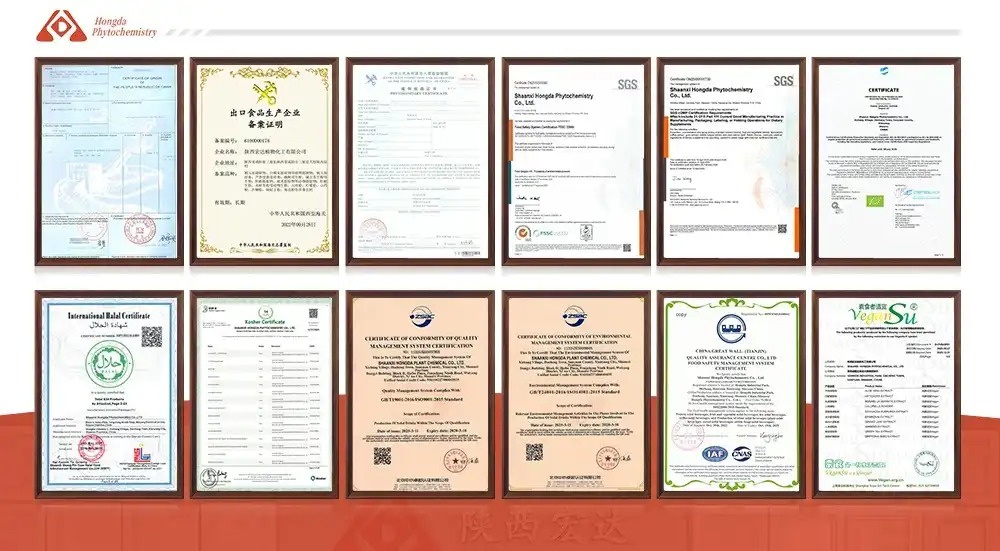
Each certification opens a different market or satisfies a different regulatory requirement. cGMP, ISO22000, FSSC22000, Halal, Kosher, and organic standards collectively demonstrate that manufacturing processes meet recognized quality and safety benchmarks. Complete documentation — COA reports, testing records, compliance certificates — lets buyers move through supplier evaluations efficiently and supports smoother product registration across regions. A supplier who has already done this work saves their customers months of regulatory back-and-forth.
|
Certification
|
Relevance
|
|---|---|
|
cGMP (2025)
|
Validated pharmaceutical-adjacent manufacturing controls
|
|
ISO22000 / FSSC22000
|
Food and nutraceutical safety management systems
|
|
FDA Registration
|
US regulatory recognition for market entry
|
|
Halal / Kosher
|
Broadened accessibility across global markets
|
|
Organic EU / NOP (2025)
|
Verified organic-compliant sourcing
|
Supply Chain Reliability and Delivery Times
Brands that depend on continuous ingredient availability cannot afford supply disruptions. Manufacturers with large production capacity, organized warehouse management, and experienced export operations reduce the risk of delays and inconsistent supply. Hongda's production infrastructure, inventory management system, and international shipping experience — with typical delivery windows of 3–7 days — support stable sourcing plans whether the customer needs a small trial order or a long-term bulk supply agreement.
Conclusion
Liposomal vitamin C bulk has moved well beyond a single supplement niche, now supporting capsules, functional beverages, topical skincare, and clinical nutrition alike. Shaanxi Hongda Phytochemistry Co., Ltd. combines proven encapsulation technology with certified manufacturing to serve each of these categories reliably. Brands searching for a scalable, well-documented liposomal vitamin C source across multiple product lines will find Hongda's capacity and technical support well suited to that goal—reach out today to start the conversation.
FAQ1. Can liposomal vitamin C bulk be used in both capsules and beverages?
Yes, the powder reconstitutes easily in cold liquids and also performs well in standard capsule and tablet formulations.
2. How much more bioavailable is this ingredient than standard vitamin C?
Hongda's liposomal vitamin C bulk delivers roughly 6–10 times higher bioavailability than conventional ascorbic acid.
3. Is the powder suitable for cosmetic formulations?
Yes, its phospholipid bilayer structure supports topical antioxidant delivery in serums and anti-aging cream bases.
4. What shelf life should buyers expect from the bulk powder?
Properly stored at -20°C, the powder maintains stability for approximately three years.
Scale Your Next Product With Liposomal Vitamin C Powder Bulk | HONGDA
From immune-support capsules to functional beverages and skincare, Shaanxi Hongda Phytochemistry Co., Ltd. supplies liposomal vitamin c bulk built for multiple applications and backed by cGMP, ISO, and FDA-recognized manufacturing standards. Our technical team supports OEM formulation, documentation for regulatory filings, and reliable 3–7 day shipping windows for growing brands worldwide. If you are ready to explore samples, pricing, or a customized specification for your next launch, contact us directly at duke@hongdaherb.com and let's discuss how our liposomal technology can strengthen your product line.
References
1. Davis, J. L., Paris, H. L., Beals, J. W., et al. (2016). Liposomal-encapsulated ascorbic acid: influence on vitamin C bioavailability. Nutrition and Metabolic Insights.
2. Hickey, S., & Roberts, H. J. (2004). Ascorbate: The Science of Vitamin C. AuthorHouse.
3. Gopi, S., & Balakrishnan, P. (2021). Evaluation and clinical comparison studies on liposomal and non-liposomal ascorbic acid formulations. Journal of Liposome Research.
4. Padayatty, S. J., Sun, H., Wang, Y., et al. (2004). Vitamin C pharmacokinetics: implications for oral and intravenous use. Annals of Internal Medicine.
5. Wang, K., Jiang, H., Li, W., et al. (2018). Role of vitamin C in skin diseases. Frontiers in Physiology.
6. Zheng, B., & McClements, D. J. (2020). Formulation of more efficacious nutrient delivery systems using colloid science. Molecules.

_1753514769698.webp)