

_1745918362135.webp)

What Are the Versatile Applications of Willow Bark Extract Powder in Cosmetics and Pharmaceuticals?
Hongda Phytochemistry, manufactured by Shaanxi Hongda Phytochemistry Co., Ltd., supplies standardized Willow Bark Extract Powder with a salicin specification of 15% to 50% and HPLC-based quality testing. The botanical part of willow bark remains a focus of interest for cosmetic formulators, nutritional supplement producers, and pharmaceutical companies since it is a mixture of well-known plant origin and a measurable level of active marker. It is used for several product categories. The final product of Willow Bark Extract Powder is used in the manufacture of skincare products, botanical formulations, oral preparations, and other research and development projects depending on the extraction profile, concentration, formulation process, and regulatory requirements. The problem for the manufacturers is to comprehend what the extract can genuinely provide and how the standard should be controlled before it is put into a full product.
What Makes Willow Bark Extract Powder a Useful Botanical Ingredient?
Willow bark has a long history of use primarily in the treatment of pain and inflammation. There are several varieties of Salix that have been used in traditional medicines, and white willow (Salix alba) is one of the better-known botanical sources. Willow bark is a chemical property of salicin. When given orally, salicin may be converted in the body to salicylic acid, which helps to explain the historical usage of willow preparations as a source of salicylate-based medications. Willow bark is a botanical matrix, not a source of pure salicylic acid, and its biological effects should not be considered to be equivalent to those of aspirin or purified salicylic acid. The European Medicines Agency says that the action of willow bark may be due to salicin, but other chemicals may also be involved.
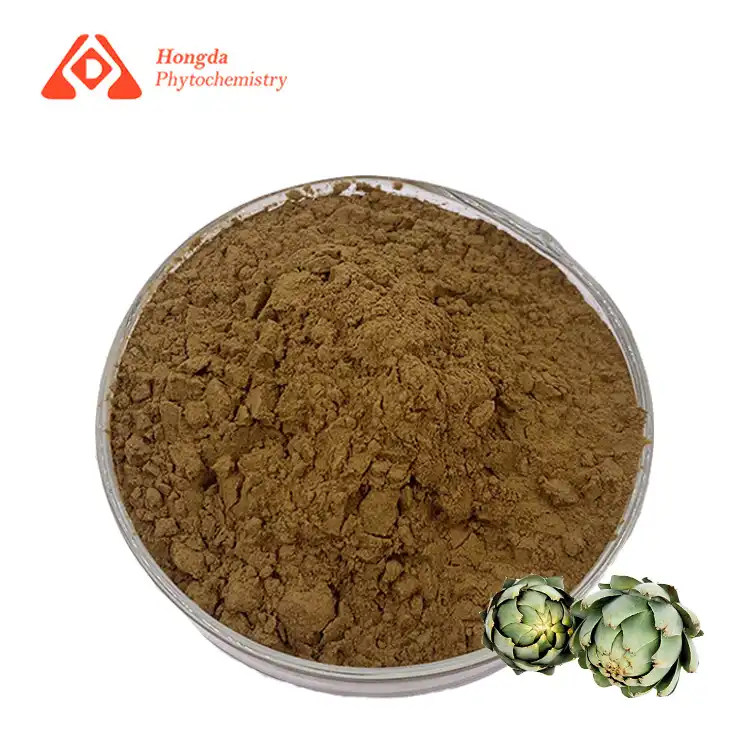
This is a big difference for ingredient buyers. The producer may define the botanical source, extraction specification, marker compound, analytical procedure, appearance, packaging, and storage conditions. For commercial formulation operations, a standardized extract is more acceptable. Test Method: Salicin 15%-50% Willow Bark Extract Powder HPLC Appearance: Brown golden powder CAS 84082-82-6 Hongda Phytochemistry These characteristics provide formulators a more definite starting point than a nebulous “willow bark powder” with no specified active-marker range.
The extract also contains other natural substances such as polyphenols, flavonoids, tannins, and related phenolic compounds. Levels vary by species, growth conditions, harvest, and solvent used for extraction and processing. For this reason, customers should not expect the same performance in a formulation for two willow bark extracts with the same botanical name. Standardization and analytical documentation are particularly important if the ingredient is to be commercially manufactured on a regular basis.
How Can Willow Bark Extract Powder Be Used in Cosmetic Formulation?
Supporting Clarifying and Exfoliating Skincare Concepts
Willow Bark Extract Powder has a very interesting cosmetic use in treatments for oily, congested, or uneven-looking skin. Willow-related chemicals are commonly in clarifying and astringent positions, and salicin and other phenolic elements provide a botanical story that resonates with formulators seeking alternatives to over-manufactured ingredient concepts.
But it is important to not consider Willow Bark Extract Powder as merely another kind of salicylic acid. Salicin and salicylic acid are chemically separate substances; therefore, you would not expect an extract containing salicin to have the same exfoliating activity as a product labelled salicylic acid. Final product performance is dependent on pH, extraction profile, concentration, administration mechanism, and supporting ingredients.
Salicin, topical. Preliminary human evidence for usage in skin-aging formulations: Salicin. A small study over 12 weeks in 30 women looked at a variety of evident signs of skin aging using a serum containing 0.5% salicin. The results are vital to provide supporting facts for the creation of cosmetics. However, the extent and methods of the study suggest that the findings should not be extrapolated to make broad therapeutic claims for all willow bark extracts.
This makes Willow Bark Extract Powder extremely intriguing for manufacturers who are developing ideas for face cleansers, toners, serums, masks, creams, and other products to improve the appearance and feel of the skin. A more palatable approach is to position the raw material as a botanical ingredient with a story of clarifying, calming, and skin-conditioning properties, rather than a definitive cure for acne or a replacement for salicylic acid.
Developing Products for Oily and Blemish-Prone Skin
Willow bark is also well investigated in the use of cosmetics for oily or blemish-prone skin. Its historical association with salicylates and its botanical polyphenol profile make it a desirable ingredient in treatments targeting skin purification, sebum-related concerns, and a cleaner-appearing complexion.
The original article overpromoted this use: Willow Bark Extract Powder might be utilized for broad-range antibacterial preservation and replacement of synthetic preservatives. That is a poor blanket statement for a plant extract. The overall formulation is important for the efficacy of the preservative and should be confirmed by suitable stability and microbiological testing. A chemical that has antibacterial activity in vitro should not be assumed to be a preservative for the finished product.
But for cosmetic companies, the more crucial issue is how the extract fits into the whole combination. If the goal is to develop a solution for oily or acne-prone skin, it may be combined with ingredients such as niacinamide, green tea, zinc compounds, or other botanical extracts. Thus the final formulation should be able to substantiate the final claims, not only assumptions made on the basis of the raw material.
Extending the Ingredient into Skin-Conditioning Formulas
Willow bark is more than just an exfoliant in cosmetics. The extract of Salix alba bark is employed in cosmetic ingredient systems for its functions such as skin conditioning, skin soothing, astringent positioning, and hair conditioning. Its botanical foundation is also extremely congruent with the current formulation trend toward plant-derived components and recognized natural sources.
This gives formulators the opportunity to make products for different consumer needs. A serum might emphasize the texture and glossy appearance of the face, whereas a cleanser can emphasize washing and clarifying properties. You can communicate the same botanical story in a different delivery vehicle, whether it’s a mask or a gel.” Willow bark extract may also be examined in haircare if you are OK with the notion of a botanical conditioning or scalp care approach.
The actual performance of the extract will be related to the grade and formulation conditions. Water solubility, carrier system, advised use level, color, odor, particle size, and compatibility with other substances should be investigated before scaling up. Not all willow bark extracts are the same, and professional formulators should refer to the current technical specification provided by the supplier and conduct their own stability and compatibility testing.

Where Does Willow Bark Extract Powder Fit in Pharmaceutical Development?
Botanical Preparations for Pain and Inflammation
The medicinal importance of willow bark is related to its historic usage in pain and inflammatory diseases. The EMA herbal monograph recognizes specific indications for willow bark preparations (e.g., short-term treatment of low back pain for some dry extracts), but other indications, such as the relief of minor joint pain and headache, are listed as traditional use rather than the same level of clinical evidence.
NCCIH also says there is minimal evidence. A few clinical studies have looked into willow bark extracts for low-back pain and osteoarthritis. A Cochrane review showed intermediate-quality evidence that daily white willow bark was probably more effective than placebo for short-term relief in low-back pain. At the same time, the entire evidence base is still very modest, so producers should not be portraying willow bark as a proven alternative to traditional analgesic drugs.
This evidence profile is very useful for pharmaceutical and nutraceutical makers for standardization. A certain amount of salicin is a quantifiable quality attribute that may be followed from lot to lot. It does not in itself prove clinical equivalence of goods but may assist producers in achieving higher uniformity in qualifying raw materials and developing formulations.
Oral Botanical Formulations and Ingredient Standardization
Willow bark extract powder may be used in capsules, pills, powders & other oral botanical preparations within the relevant regulatory framework. The precise formulation technique will rely on the target market, dosage form, extract ratio, active-marker specification, and local requirements for botanical goods.
It is vital to examine the salicin concentration in relation to the whole extract specification. A 15% salicin extract is not a substitute for a 50% salicin extract, merely because they originate from the same plant. The extraction conditions might modify the whole phytochemical profile, and the final formulation has to be built around the actual material delivered.
Therefore, pharmaceutical purchasers should ask for a current Certificate of Analysis, technical specification, analytical technique, microbiological data, heavy-metal findings, residual-solvent data if relevant, and other paperwork necessary for their market. The more transparent the supplier is about the material, the simpler it is to develop incoming material requirements and keep production consistent.
Topical Pharmaceutical and Therapeutic Research
Other willow bark extracts may also be examined in topical treatments, but the evidence and regulatory stance should be assessed independently from the well-established usage of certain oral willow bark preparations. “Just because a cosmetic contains salicin, an extract from it should not automatically be labelled an active pharmaceutical ingredient.
This difference is even more critical for enterprises producing goods for regulated markets. A topical cream, gel, or ointment that purportedly has a medical claim may be subject to materially different criteria than those applicable to an ordinary cosmetic product. Hence, the necessary grade, paperwork, claims, manufacturing controls, and regulatory approach should be established before commercialization.
For raw-material providers, technical assistance is most valuable when it allows developers to comprehend these limitations, rather than suggesting that one botanical extract is inherently suited for every pharmaceutical application.
What Quality Factors Should Buyers Check Before Ordering?
Salicin Standardization and Analytical Testing
One of the most essential specification elements for Willow Bark Extract Powder is the proportion of salicin. Hongda Phytochemistry now has a test technique of HPLC and a salicin range of 15%-50%. The key for purchasers is not whether the supplier can provide a percentage, but whether that % is backed by a consistent analytical approach and batch-specific documentation.
HPLC is especially attractive since it allows one to quantitatively analyze marker compounds. Buyers may compare COAs between lots and set an internal acceptability range when buying on a regular basis. The active-marker concentration may be different, yet the brown-yellow powder may seem comparable between batches. This is more relevant than depending on appearance alone.
Purity, Microbiology, and Contaminant Control
Quality control of botanical materials cannot be reduced to a single active-marker test. Factors that might impact acceptability for a certain formulation include raw-material origin, extraction conditions, moisture, ash, microbiological quality, heavy metals, pesticide residues, and residual solvents when applicable.
The right boundaries have to be decided upon depending on the intended use and destination market. Different regulatory requirements may exist for cosmetic, food, nutraceutical, and pharmaceutical items, and so the standard specification of the supplier’s product should not be considered to fulfill all jurisdictions automatically.
If you are an overseas buyer, a full paperwork package will greatly minimize the qualifying time. COA and TDS are good beginning papers; however, for certain particular projects, further analytical reports or third-party testing may be needed. The aim is to provide a verifiable link between the raw material, its specification, and the completed product requirements.
Packaging, Supply Stability, and Commercial Support
Quality is not only an analytical matter. Even if a botanical ingredient fits the requirements, if it cannot be delivered regularly, it might still cause complications throughout manufacturing. Therefore, packaging, storage, delivery, lead time, minimum order size, and batch uniformity should be reviewed before entering into a long-term purchase deal.
Hongda Phytochemistry offers Willow Bark Extract Powder in a 25 kg/drum package and states the delivery time is 3-7 working days. This information may be of assistance to purchasers considering pilot production or repeat bulk purchases. The actual delivery timeline should be verified based on order amount, destination, stock availability, and paperwork requirements at time of order.
How Can Hongda Phytochemistry Support Willow Bark Extract Powder Development?
A botanical ingredient supplier should provide more than a product name and a quoted price. For formulators, the value of a supplier lies in its ability to provide a defined specification, repeatable quality, relevant technical documents, and practical communication during product development.
Hongda Phytochemistry positions its Willow Bark Extract Powder around standardized salicin content and HPLC testing, with the product information identifying European, North American, and Asian markets as key destinations. The company also lists certifications and quality-management credentials covering areas such as kosher, halal, BRC, organic certification, FDA registration, ISO 9001, and ISO 22000. These credentials can support supplier qualification, but buyers should still verify which certification applies to the specific product, facility, and intended application before making a regulatory decision.
The company's technical information also identifies a brown-yellow powder form, CAS 84082-82-6, bulk packaging, and HPLC testing. For a development project, buyers can use these specifications as the starting point for sample evaluation, formulation trials, analytical comparison, and commercial-scale planning.
For customers working on cosmetic or pharmaceutical-related formulations, it is also useful to distinguish between what the raw material can demonstrate and what the finished product can claim. A responsible supplier should be able to provide technical information about the ingredient while leaving final efficacy, stability, safety, and regulatory claims to the finished-product development process.
Safety and Regulatory Considerations for Formulators
Willow Bark Extract Powder should not be treated as a risk-free botanical simply because it is plant-derived. Salicin is related to salicylates, and safety considerations become particularly important when the ingredient is used in oral formulations. NCCIH notes that reported adverse effects can include gastrointestinal symptoms and allergic reactions, while salicylate sensitivity and potential interactions with other salicylate-containing medicines are also relevant considerations.
The EMA states that willow bark medicines should not be used by certain groups, including people with hypersensitivity to salicylates or some NSAIDs, and identifies additional contraindications involving conditions such as active stomach ulcers, severe liver or kidney dysfunction, clotting disorders, and other specific risks. These considerations reinforce the need to distinguish an ingredient's traditional or researched use from a blanket safety claim.
For cosmetic manufacturers, the regulatory question is different. The finished product must comply with the cosmetic regulations of its target market, including requirements for ingredient declaration, safety assessment, product claims, and supporting documentation. The fact that Salix alba bark extract is recognized as a cosmetic ingredient does not mean that every concentration or every marketing claim is automatically acceptable in every jurisdiction. Buyers should therefore evaluate the intended use and finished formulation rather than relying only on the botanical identity of the raw material.
Conclusion
The applications of willow bark extract powder extend across cosmetic, nutraceutical, and pharmaceutical-related development, but its value is best understood through realistic formulation and quality-control expectations rather than broad claims about natural alternatives to conventional medicines. Its salicin content, botanical origin, and wider phytochemical profile make it relevant to clarifying skincare, skin-conditioning products, botanical oral formulations, and research into pain and inflammatory applications. At the same time, the available evidence varies considerably between applications, so manufacturers should distinguish traditional use, preliminary cosmetic evidence, and established medicinal indications when developing product claims.
For buyers looking for a standardized raw material, Hongda Phytochemistry provides Willow Bark Extract Powder with a listed salicin specification of 15%–50%, HPLC testing, a brown-yellow powder appearance, 25 kg/drum packaging, and bulk supply support. The supplier also provides quality and certification information that can assist with initial vendor qualification.
If your project requires a defined salicin specification, batch documentation, technical data, or bulk supply, the next step is to match the extract specification with the intended cosmetic or pharmaceutical formulation. Reviewing the COA, TDS, target salicin level, testing requirements, packaging, and regulatory needs before placing a larger order can help reduce formulation risk and make supplier qualification more efficient.
Ready to elevate your formulations with premium Willow Bark Extract Powder? Contact Shaanxi Hongda Phytochemistry today at duke@hongdaherb.com to request samples, discuss customization options, or receive detailed technical specifications. Save this page for future reference as your trusted resource for natural extract solutions.
References
1. Gopaul R, Knaggs HE, Lephart JF, Holley KC, Gibson EM. An evaluation of the effect of a topical product containing salicin on the visible signs of human skin aging. Journal of Cosmetic Dermatology, 2010.
2. Schmid B, Lüdtke R, Selbmann HK, Kötter I, Tschirdewahn B, Schaffner W, Heide L. Efficacy and tolerability of a standardized willow bark extract in patients with osteoarthritis: a randomized placebo-controlled, double-blind clinical trial. Phytotherapy Research, 2001.
3. Vlachojannis JE, Cameron M, Chrubasik S. A systematic review on the effectiveness of willow bark for musculoskeletal pain. Phytotherapy Research, 2009.
4. Shara M, Stohs SJ. Efficacy and safety of white willow bark (Salix alba) extracts. Phytotherapy Research, 2015.