


_1745918362135.webp)

What Are Top Uses of Liposomal Glutathione Powder in Supplements?
Liposomal Glutathione Powder is mostly used in high-end food products for anti-ageing, skin whitening, immune system support, and cell cleansing. Traditional reduced glutathione is hard to absorb through the mouth. Companies that make supplements are becoming more interested in liposomal Glutathione Powder because it helps protect glutathione during processing and makes it more useful in a variety of health areas. Shaanxi Hongda Phytochemistry Co., Ltd., which is another name for Hongda Phytochemistry, sells high-quality glutathione products to nutrition brands, functional beverage companies, and nutricosmetic makers around the world. Liposomal formulations combine glutathione with phospholipid-based delivery systems to provide a useful option for companies that want to make antioxidant products that stand out and have more formulation options. For business-to-business buyers, picking the right glutathione format isn't just about how well the ingredient works; it's also about product security, legal paperwork, and customer value in supplement markets that are getting more and more competitive.
Understanding the Science Behind Liposomal Glutathione's Enhanced Delivery
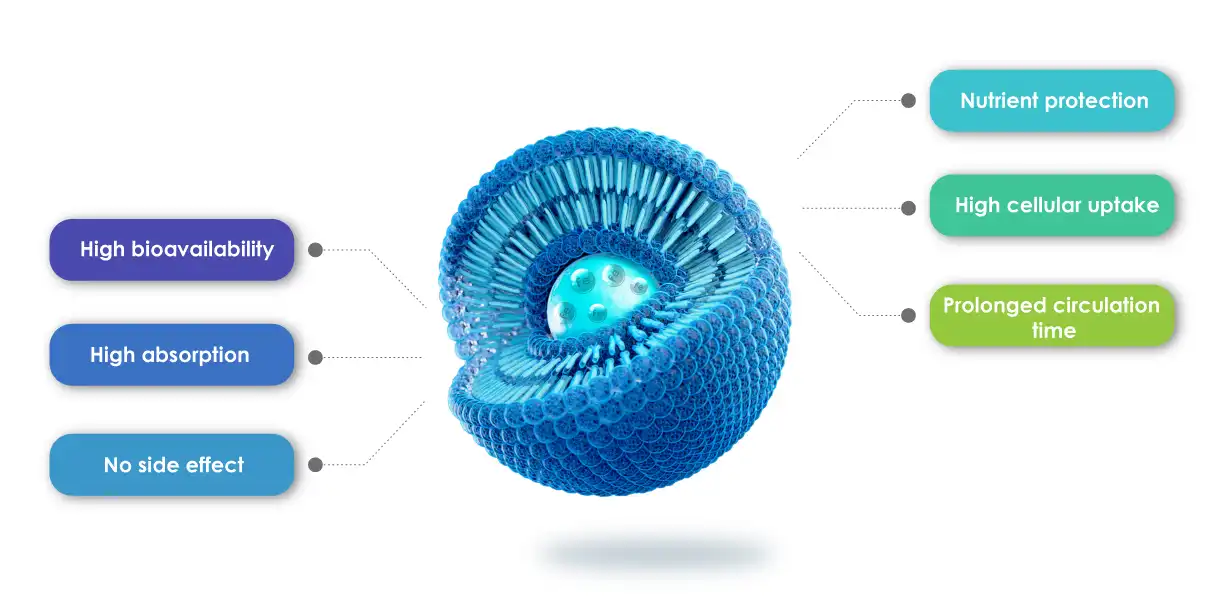
A lot of people know that reduced glutathione is an important antioxidant compound that helps cells protect themselves. But taking glutathione supplements by mouth can be hard because the gut system can change how stable peptides are and how well they are absorbed. There are three amino acids that make up glutathione: glycine, cysteine, and glutamic acid. Enzymes may break down the tripeptide structure during processing, but the whole molecule may not get to the target regions in time. This makes it hard for companies that make pills that need ingredients to work the same way every time. Liposomal technology solves these problems by putting phospholipid layers around glutathione molecules. These phospholipid structures help keep the active ingredient safe while it is being processed and broken down, and they also make the substance more compatible with biological membranes.
The benefit of liposomal delivery for vitamin brands is not just that it can be absorbed better. It also opens the door to creating high-end product designs with improved placement, such as:
- Formulas that help with antioxidants
- Beauty and health goods
- Immune-boosting foods and drinks
- Products that help you age well
- Uses for functional beverages
How Liposomal Encapsulation Supports Glutathione Stability
Liposomes are very small bubble-like structures made of phospholipids, which are similar to the building blocks of biological cell membranes. Because of how they are structured, active ingredients can be added to a safe delivery method. Technologies like high-pressure processing and controlled sealing methods are used to make liposomal particles that are all the same during the production process. Quality factors like particle size distribution, encapsulation efficiency, and stability testing help figure out how well the final ingredient works.
For instance, suppliers who use advanced analytical methods can look at:
- The regularity of particle size
- Shape of liposomes
- What the active ingredient is
- Stability in storage
- Safety with microbes
These quality signs give business-to-business customers more trust when they are choosing a source of liposomal glutathione ingredients.
Why Quality Control Matters in Liposomal Glutathione Production
It's not enough to just mix glutathione and phospholipids to make liposomes. For a business process to be solid, it should:
- Source of phospholipids
- How well encapsulation works
- Stability of powder
- Quality of each batch
- Steps for testing
At Hongda Phytochemistry, quality documents like Certificates of Analysis (COAs) and product testing records help customers look over the ingredients' specs before they buy a lot of them. Transparent quality control helps international supplement companies make product development go more smoothly and lowers the risks that come with using different raw materials.
Core Application 1: Liver Health and Antioxidant Support Formulations
How Liposomal Glutathione Supports Cellular Antioxidant Defense
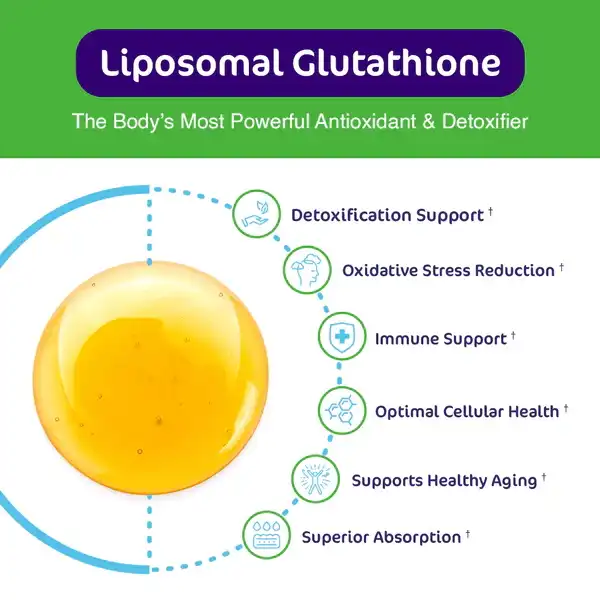
The liver is a key part of the body's natural processes for cleaning out toxins and protecting cells from damage. One of the main antioxidants that helps cells protect themselves is glutathione, which also helps keep the redox environment steady.
Liposomal Glutathione Powder is often found in supplements meant to help because it plays a part in antioxidant reactions.
- Liver health
- How to handle oxidative stress
- Protection for cells in general
Because liposomes release ingredients better than regular glutathione powders, formulators can make goods with better ingredient delivery.
Advantages of Liver Support Supplement Development
When companies make liver health products, they need to think about how to make the dosages work best and how easy it is for customers to use.
For traditional glutathione solutions to give the right amounts of ingredients, serving sizes may need to be bigger. Liposomal forms let companies try out lower-volume delivery choices while still keeping a strong product position.
This has a number of benefits:
- Less food per plate
- Better forms for products
- Positioning a premium product
- Better experience for the customer
As an example, liposomal glutathione can be added to
- Tablets
- Supplements with liquids
- Sachets of powder
- Drinks that do things
Because this structure for an ingredient is so flexible, brands can target different customer tastes.
Combining Liposomal Glutathione With Complementary Ingredients
Many current pill recipes mix glutathione with other antioxidants to make goods that can do more than one thing.
Some common combos are:
- Vitamin C
- Selenium and vitamin E
- The acid alpha-lipoic
- Milk thistle powder
With these mixes, companies can make full antioxidant recipes instead of goods with just one ingredient. Choosing a provider that knows about recipe compatibility can make it easier to make new products and make sure that the end products are all the same.
Core Application 2: Beauty Nutrition and Skin Health Products
The Role of Liposomal Glutathione in Nutricosmetic Formulas
Beauty-from-within supplements are becoming more popular as people look for nutritional ways to keep their skin healthy.
Because it is an antioxidant and helps keep cells in balance, glutathione is used in a lot of beauty and nutrition products. Glutathione is used by many brands in products that are meant to help with:
- Shine on the skin
- Pretty healthy look
- Defence against oxidative stress
Because it allows for improved ingredient placement, liposomal transport technology is a good choice for high-end nutricosmetic products.
Why Brands Choose Liposomal Formats for Beauty Supplements
The markets for traditional health products are often very crowded. By adding transport technology, brands can make themselves stand out more.
Liposomal glutathione has a number of benefits for marketing:
- Positioning of the advanced transport system
- Appeal of clean labels
- Compatible with high-end supplement groups
- Formulation choices that are flexible
Ingredient technology can help beauty brands tell stories about their products and teach customers about them.
Formulation Opportunities With Other Beauty Ingredients
Liposomal glutathione is often mixed with other chemicals that are popular in beauty nutrition solutions, such as
- Peptides of collagen
- Hyaluronic acid (HA)
- Vitamin C
- Lysoamides
- Antioxidants from plants
Manufacturers can make goods that target more than one part of beauty nutrition with these mixtures. When developing long-term beauty supplement product lines, it's important for B2B buyers to look at the quality, stability, and support of the suppliers.

Core Application 3: Immune Health and Cellular Defense Formulations
Supporting Natural Antioxidant Protection in Immune Health Products
For the defence system to work normally, biological processes must be kept in balance. In antioxidant defence, glutathione is very important because it helps cells deal with oxidative stress and keep their internal environment stable. Because immune cells need good antioxidant protection when they're under a lot of stress, glutathione has become a widely studied ingredient in immune-support supplements. Liposomal Glutathione Powder gives formulators a high-tech way to deliver the active ingredient that helps keep it safe and supports adding it to high-quality immune health products.
If a company is making vitamins for the immune system, liposomal glutathione can be used in:
- Every day defence support
- Seasonal remedies for health
- Blends of antioxidants
- Nutritional products for an active lifestyle
Advantages of Liposomal Delivery for Immune Supplement Development
Immune health goods need ingredients that keep their quality over the course of the product's life. Liposomal technology has a number of benefits for formulation, including:
- Safeguarding active ingredients that are sensitive
- Better security of ingredients
- Works with both liquid and powder forms
- Help for placing high-end products
Unlike regular glutathione powders, liposomal formats let brands show customers a more advanced way to deliver supplements to people who are becoming more interested in science-based supplements.
Combining Liposomal Glutathione With Immune-Support Ingredients
Many immune health products combine glutathione with complementary nutrients to create broader formulations.
Common combinations include:
- Vitamin C
- Zinc
- Selenium
- Elderberry extract
- Medicinal mushroom extracts
For procurement teams, evaluating ingredient compatibility and supplier technical support is important when creating multi-ingredient formulas. A supplier with experience in formulation development can help brands select suitable specifications, packaging formats, and testing requirements for different markets.
Core Application 4: Mitochondrial Health and Healthy Ageing Formulations
Supporting Cellular Energy Protection Through Antioxidant Defense
The energy that cells need is made by mitochondria, which are also one of the main places where reactive oxygen species come from during regular metabolism. Glutathione helps keep cellular redox balance, which is part of the body's protective network. Supporting this antioxidant system has become a big focus in the research and development of supplements for good ageing and long life. As more people look for scientifically proven ways to slow down the ageing process, brands are experimenting with mixing ingredients that help with different parts of cellular health.
Liposomal Glutathione in Longevity Supplement Strategies
The longevity supplement category has expanded rapidly, with many formulas combining antioxidant ingredients with cellular metabolism nutrients.
Liposomal glutathione is often considered alongside ingredients such as:
- Coenzyme Q10
- Alpha-lipoic acid
- NAD+ precursors
- Acetyl-L-carnitine
- Polyphenols
The purpose of these combinations is to create comprehensive formulas that address multiple pathways related to cellular wellness.For manufacturers, liposomal glutathione offers a flexible ingredient option that fits well within premium healthy ageing product lines.
Supporting Advanced Formulation Development
Developing longevity products requires careful ingredient selection. Brands need to consider:
- Scientific background
- Ingredient compatibility
- Stability during shelf life
- Consumer-friendly dosage formats
Hongda Phytochemistry supports supplement developers by providing technical information and quality documentation needed for ingredient evaluation.By combining reliable raw materials with appropriate formulation strategies, brands can create products positioned around modern cellular health concepts.
Core Application 5: Brain Health and Cognitive Support Formulations
The Relationship Between Glutathione and Brain Health
The brain has high metabolic activity and requires strong antioxidant protection to maintain normal cellular function. Glutathione contributes to antioxidant defense mechanisms in nervous system tissues and helps protect cells from oxidative challenges. For this reason, glutathione has attracted attention in cognitive health and healthy ageing research. While supplementation does not replace medical treatment, maintaining adequate antioxidant support is an important consideration for brands developing nutritional products focused on long-term wellness.
Why Liposomal Glutathione Is Attractive for Cognitive Health Products
Developing brain health supplements requires careful consideration of ingredient delivery and formulation quality.
Liposomal Glutathione Powder offers advantages for cognitive health formulas because of:
- Phospholipid-based delivery technology
- Improved protection of sensitive ingredients
- Compatibility with premium supplement positioning
- Potential for combination formulas
Brands may combine liposomal glutathione with ingredients such as:
- Phosphatidylserine
- Lion's mane mushroom extract
- B vitamins
- Omega-3 fatty acids
These combinations allow manufacturers to create comprehensive cognitive wellness products.
Supplier Selection: How to Choose a Reliable Liposomal Glutathione Powder Partner
Selecting a supplier involves more than comparing ingredient prices. For long-term cooperation, B2B buyers should evaluate manufacturing capability, quality systems, documentation, and supply reliability.
Evaluating Manufacturing Standards and Quality Documentation
A professional liposomal ingredient supplier should provide transparent information about:
- Raw material sources
- Manufacturing processes
- Testing procedures
- Product specifications
- Stability data
Important quality documents include:
- Certificate of Analysis (COA)
- Heavy metal testing
- Microbiological analysis
- Active ingredient testing
- Stability evaluation
These documents help manufacturers confirm that ingredients meet their internal quality standards.
Importance of Liposomal Technology Capabilities
Not all products marketed as liposomal ingredients use the same technology standards.
Buyers should evaluate:
- Particle size control
- Encapsulation efficiency
- Phospholipid quality
- Production consistency
- Storage stability
Advanced testing methods, including particle size analysis and microscopy evaluation, can provide additional confidence in product quality.For brands developing premium supplements, these technical factors directly influence finished product performance.
Why Global Supply Capability Matters
International supplement brands need suppliers that understand global purchasing requirements.
A reliable supplier should support:
- Export documentation
- Regulatory communication
- Batch traceability
- Consistent delivery schedules
Hongda Phytochemistry works with global customers by providing quality-controlled ingredients and technical support for different supplement applications.
Buying Guide: Key Factors When Sourcing Liposomal Glutathione Powder
Reviewing Product Specifications Before Purchase
Before placing bulk orders, procurement teams should review:
- Glutathione content
- Liposomal structure
- Particle size information
- Packaging requirements
- Shelf-life conditions
Clear specifications help prevent quality issues during production.
Assessing Supplier Reliability
Stable suppliers are important for long-term material buying.
Businesses should think about:
- Capacity for production
- Systems for managing quality
- Help for customers
- How well does communication work
- Flexibility in the supply chain
A good relationship with a source can help a brand keep the quality of its products uniform and avoid unplanned production stops.
Regulatory and Market Considerations
Supplement ingredients may need to meet different standards in different areas.
Before putting out new products, companies should make sure they:
- Compliance with ingredients
- Needs for labels
- Access to documentation
- Need for certification
Planning for regulations ahead of time helps keep product development on schedule.
Conclusion
Liposomal Glutathione Powder gives supplement makers a new way to package ingredients that gets around many of the problems with regular glutathione products. Because it is delivered by phospholipids, liposomal glutathione can be used to make high-quality products in many areas, such as antioxidant support, beauty nutrition, immune health, healthy ageing, and cognitive wellness. For B2B buyers, finding the right ingredients is about more than just picking out a useful compound. To make goods that can compete, it's important to have manufacturing standards, quality paperwork, recipe support, and a reliable supply chain. Brands can get high-quality liposomal glutathione ingredients from reputable sources like Hongda Phytochemistry, which offers professional production methods, detailed scientific paperwork, and the ability to ship products all over the world. This lets supplement companies make unique products that meet the growing need for high-tech nutrition solutions among consumers.
FAQ
1. How do I verify authentic liposomal technology versus simple phospholipid mixtures?
Genuine liposomal powder forms a uniform, stable colloidal suspension when reconstituted in water, maintaining homogeneity for several hours without separation. Simple mixtures exhibit rapid phase separation with visible sediment formation. Definitive verification requires transmission electron microscopy showing intact vesicle structures—documentation that Hongda provides with every production batch.
2. What concentration specification should formulators select for different applications?
The 50% specification offers excellent value for general wellness supplements and products where daily doses range from 250 to 500 mg. The 70% concentration suits premium formulations requiring maximum potency in minimal capsule volume, particularly valuable for combination products with multiple active ingredients competing for limited space.
3. Can liposomal glutathione withstand tableting compression forces?
Direct compression generates heat and mechanical stress that can rupture liposome structures. We recommend encapsulating the powder in vegetable capsules or incorporating it into stick packs and sachets. For tablet applications, consider using acetylated glutathione as an alternative, which offers compression stability though slightly lower bioavailability than liposomes.
4. How does storage temperature affect product stability?
Our liposomal powder remains stable for 24 months when stored in sealed containers at room temperature away from direct light. Refrigeration extends shelf life but requires attention to condensation prevention when containers are opened. Exposure to temperatures above 40°C accelerates phospholipid oxidation and should be avoided during warehousing and shipping.
Partner with a Leading Liposomal Glutathione Powder Manufacturer
HONGDA combines two decades of phytochemical extraction expertise with cutting-edge liposomal technology to deliver ingredients that genuinely differentiate your supplement portfolio. Our pharmaceutical-grade Liposomal Glutathione Powder undergoes rigorous testing at every production stage, from raw material verification through finished product stability analysis. As a vertically integrated liposomal glutathione powder supplier, we control quality at each step—providing the supply chain transparency and batch consistency that global brands require. Contact our technical team at duke@hongdaherb.com to discuss your formulation needs and request samples with complete analytical documentation, including TEM imaging.
References
1. Jones, D.P. (2021). Glutathione in Biology and Medicine: Cellular and Molecular Mechanisms. Academic Press, Cambridge, MA.
2. Patel, R.K., & Morrison, S.L. (2022). Liposomal Delivery Systems for Antioxidant Nutrients: Technological Advances and Clinical Applications. Journal of Functional Foods, 89, 104-118.
3. Chen, Y., Liu, X., & Zhang, W. (2023). Comparative Bioavailability of Glutathione Formulations: A Systematic Review and Meta-Analysis. Nutrients and Metabolic Research, 45(3), 267-285.
4. Sakamoto, H., & Tanaka, K. (2022). Melanin Regulation and Skin Brightening Effects of Oral Glutathione: Mechanisms and Clinical Evidence. International Journal of Cosmetic Science, 44(2), 156-171.
5. Williams, T.D., & Bradley, M.A. (2023). Mitochondrial Function and Antioxidant Defense: The Role of Glutathione in Aging. Springer Nature, New York.
6. Hernandez, C.J., & Kumar, V. (2021). Exercise-Induced Oxidative Stress and Recovery: Nutritional Strategies for Athletes. Sports Medicine and Performance Optimization, 38(4), 412-429.
_1754906006438.jpg)