


_1745918362135.webp)

What do you mix the semaglutide powder with?
Picture this: you've finally received your Semaglutide Powder for your weight management journey, but you're staring at a vial of white powder wondering how to properly prepare it for use. This confusion stops many people from starting their treatment safely and effectively. Understanding the correct reconstitution process is critical to ensuring the medication maintains its potency and delivers the therapeutic benefits you're seeking. In this comprehensive guide, we'll walk you through everything you need to know about mixing semaglutide powder, from selecting the right diluent to ensuring sterile preparation techniques that protect both your health and your investment in this powerful GLP-1 receptor agonist medication. Semaglutide Powder is mixed with bacteriostatic water, which contains preservatives that prevent bacterial growth in the solution. This specific type of sterile water ensures the safety and effectiveness of your medication throughout its usage period. The reconstitution process transforms the lyophilized powder into an injectable solution ready for subcutaneous administration, allowing the active pharmaceutical ingredient to work effectively in regulating blood glucose levels and supporting weight management goals.
Understanding Semaglutide Powder and Its Preparation Requirements
Semaglutide Powder represents a breakthrough in modern metabolic medicine, functioning as a long-acting GLP-1 receptor agonist that mimics natural hormones responsible for blood sugar regulation and appetite control. When pharmaceutical manufacturers produce Semaglutide raw powder, they utilize advanced lyophilization technology to create a stable, shelf-stable product with extended viability. This freeze-drying process removes moisture while preserving the delicate peptide structure, resulting in a white to off-white powder that requires careful reconstitution before use. The molecular structure of Semaglutide Powder makes it particularly sensitive to improper handling and mixing. Professional-grade semaglutide from reputable manufacturers like Shaanxi Hongda Phytochemistry maintains a purity level of ≥98% as verified by LC-MS testing, with residual solvents kept below 5ppm and moisture content under 0.5%. These stringent quality parameters ensure that when you buy semaglutide powder from certified sources, you're receiving a pharmaceutical-grade active ingredient capable of delivering consistent therapeutic outcomes. The peptide chain must remain intact during reconstitution to preserve its biological activity, which is why the selection of the proper diluent and adherence to sterile techniques are absolutely non-negotiable aspects of preparation.
Why Bacteriostatic Water Is the Gold Standard for Reconstitution?
Bacteriostatic water stands out among solvents due to its preservative properties that inhibit bacterial growth, making it the universally recommended choice for reconstituting Semaglutide raw powder. This specialized sterile water contains 0.9% benzyl alcohol, which acts as an antimicrobial preservative that prevents contamination during the multi-dose usage period. Unlike regular sterile water, which must be discarded after a single use, bacteriostatic water allows your reconstituted Semaglutide Powder to remain stable and safe for up to 28 days when properly refrigerated. The chemical composition of bacteriostatic water has been specifically engineered to maintain the stability of peptide medications without interfering with their pharmacological activity. When you buy semaglutide powder for therapeutic use, pairing it with pharmaceutical-grade bacteriostatic water ensures optimal dissolution characteristics and maintains the molecular integrity of the GLP-1 receptor agonist throughout its shelf life. The benzyl alcohol preservative works by disrupting bacterial cell membranes, effectively creating a hostile environment for microbial growth without degrading the active Semaglutide raw powder or reducing its potency. This dual benefit of preservation and compatibility makes bacteriostatic water the undisputed choice among healthcare professionals and informed patients seeking to maximize the effectiveness of their weight management and metabolic health protocols.
Step-by-Step Guide to Mixing Semaglutide Powder
Gathering Essential Supplies and Creating a Sterile Environment
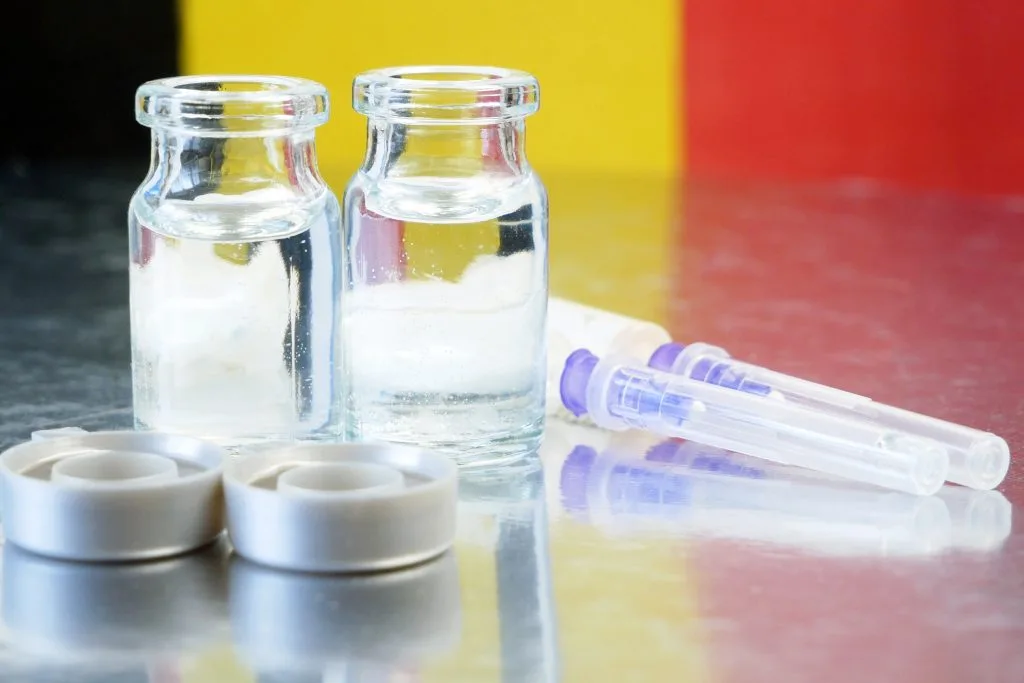
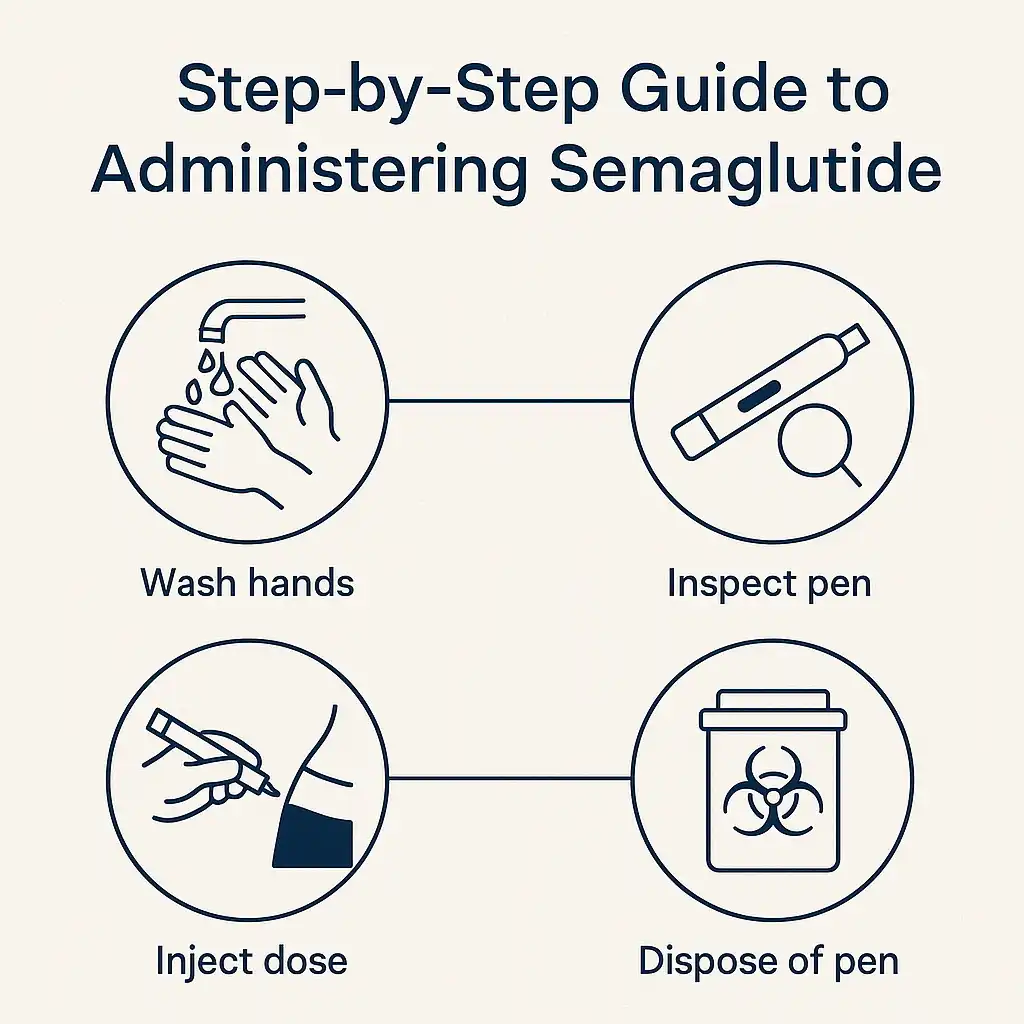
Before beginning the reconstitution process with your Semaglutide Powder, you must assemble all necessary materials and establish a contamination-free workspace. Your supply checklist should include the vial of Semaglutide raw powder, bacteriostatic water, sterile syringes with appropriate needle gauges, alcohol preparation swabs, and a clean working surface away from high-traffic areas. Professional preparation mirrors the standards maintained in pharmaceutical manufacturing facilities like those operated by Shaanxi Hongda Phytochemistry, where cGMP-certified workshops and ISO22000-compliant protocols ensure absolute sterility throughout production. Creating a sterile environment begins with thorough hand hygiene using antibacterial soap and warm water for a minimum of twenty seconds, followed by application of an alcohol-based hand sanitizer. The workspace itself should be cleaned with a disinfectant solution and allowed to air dry completely before placing any materials on its surface. When you buy semaglutide powder from a reputable China Semaglutide Powder manufacturer like Hongda, you're receiving a product that has already undergone rigorous microbiological testing in SGS-standardized laboratories, but maintaining sterility during home reconstitution remains your responsibility. Proper preparation of your environment significantly reduces the risk of introducing contaminants that could compromise the safety of your medication or cause injection site reactions.
The Precise Reconstitution Process
The correct mixing ratio for Semaglutide Powder typically follows a 1:1 relationship, meaning 5ml of bacteriostatic water for every 5mg of semaglutide, though specific concentrations may vary based on your prescribed dosing protocol. Begin by removing the plastic caps from both the Semaglutide raw powder vial and the bacteriostatic water container, then thoroughly clean the rubber stoppers with separate alcohol swabs and allow them to air dry for at least thirty seconds. Using a sterile syringe, draw up the calculated volume of bacteriostatic water, ensuring you've eliminated any air bubbles by gently tapping the syringe barrel and expelling excess air through the needle. When adding bacteriostatic water to the Semaglutide vial, inject slowly and aim the stream against the inner wall of the container to prevent excessive foaming. This gentle introduction technique protects the delicate peptide structure from mechanical stress that could denature the protein and reduce therapeutic efficacy. Once the full volume of diluent has been added to your Semaglutide Powder, resist the temptation to shake the vial vigorously. Instead, employ a gentle swirling motion using circular movements at a moderate pace, allowing the freeze-dried cake to gradually dissolve into a clear, homogeneous solution. High-quality Semaglutide raw powder from certified China Semaglutide Powder suppliers typically dissolves completely within two to five minutes of gentle agitation, producing a transparent solution free from visible particulates or cloudiness. If you observe any undissolved particles after this period, allow the vial to rest for an additional five minutes before attempting further gentle swirling, as forcing dissolution through aggressive shaking may compromise the molecular structure of your medication.
Proper Storage and Handling of Reconstituted Semaglutide
Refrigeration Requirements and Shelf Life Management
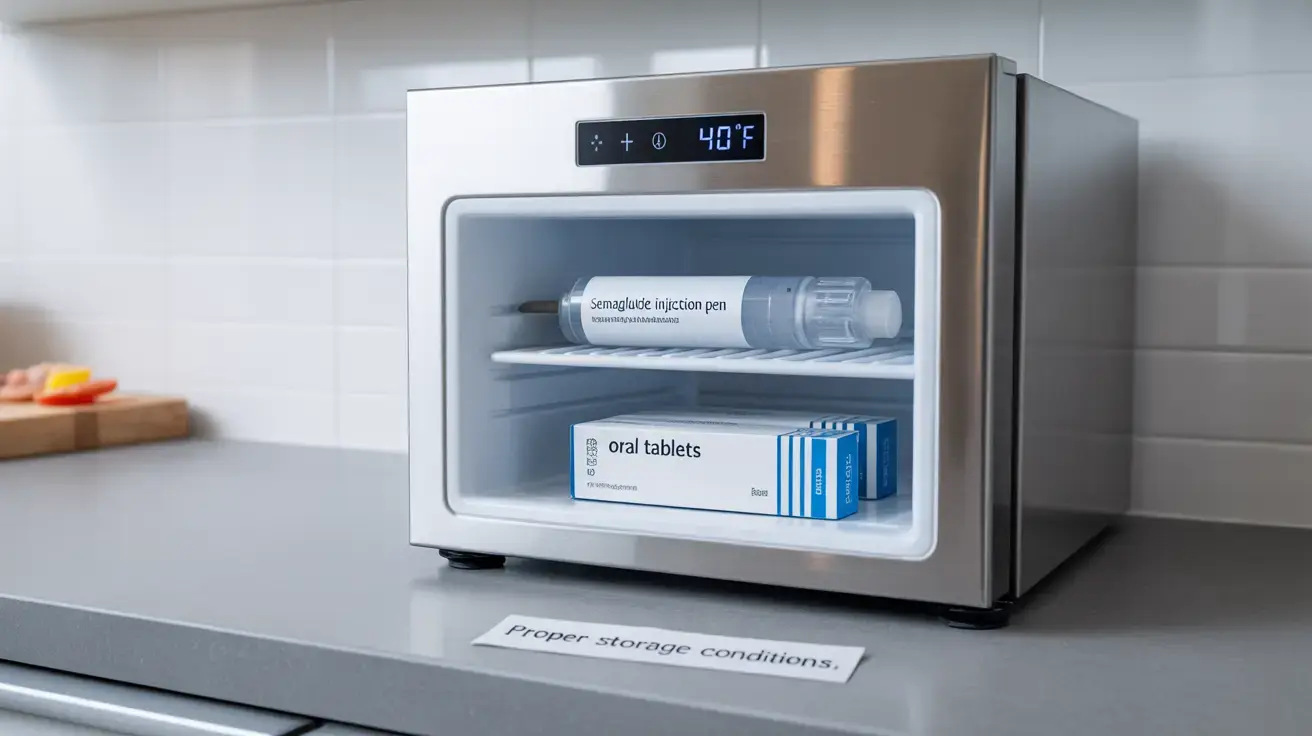
Once you've successfully mixed your Semaglutide Powder with bacteriostatic water, proper storage becomes paramount to maintaining pharmaceutical stability and therapeutic potency throughout the usage period. Reconstituted semaglutide must be stored in a refrigerator at temperatures between 2°C and 8°C, which corresponds to the standard refrigeration range of 36°F to 46°F found in most household appliances. This cold chain storage requirement mirrors the stringent temperature controls maintained in professional pharmaceutical facilities, including the 3,000-square-meter climate-controlled warehouse operated by Shaanxi Hongda Phytochemistry, where raw Semaglutide Powder inventories are preserved under optimal conditions before distribution to global clients. When you buy semaglutide powder from a reputable China Semaglutide Powder factory, the product arrives with stability data demonstrating that properly reconstituted solutions maintain full potency for up to 28 days under refrigeration. To maximize your medication's shelf life and ensure dose consistency throughout treatment, immediately label your reconstituted vial with the mixing date using a permanent marker or adhesive label. This simple tracking method eliminates any confusion about solution age and helps you adhere to the recommended 28-day usage window. Never freeze your reconstituted Semaglutide raw powder, as ice crystal formation can irreversibly damage the peptide structure and render the medication ineffective or potentially harmful.
Quality Indicators and When to Discard
Understanding the visual and physical characteristics of properly prepared Semaglutide Powder helps you identify when your medication has been compromised and should not be used. A correctly reconstituted solution should appear completely clear and colorless, resembling pure water without any visible particles, cloudiness, or color changes. Before each dose administration, hold your vial up to a light source and carefully inspect the contents, rotating it slowly to check for any settling particles or changes in clarity that might indicate contamination or degradation. High Quality Semaglutide Powder from certified China Semaglutide Powder manufacturers undergoes extensive stability testing to establish these quality benchmarks, with each production batch receiving comprehensive documentation through Certificates of Analysis that detail purity levels, amino acid sequencing, and microbiological safety parameters. If you observe any of the following warning signs, immediately discontinue use and contact your healthcare provider: visible particles or sediment that don't dissolve with gentle swirling, cloudiness or haziness in the solution, any pink, yellow, brown or other discoloration, or an unusual odor when opening the vial. Additionally, always discard any reconstituted Semaglutide raw powder that has been stored outside refrigeration for more than a few hours, has exceeded the 28-day post-reconstitution period, or has been accidentally frozen, as these conditions compromise the medication's safety profile and therapeutic effectiveness.
Dosing Considerations and Concentration Calculations
Understanding Concentration and Accurate Dose Measurement
When working with reconstituted Semaglutide Powder, understanding the relationship between concentration and dose volume is essential for accurate medication administration and achieving your therapeutic goals. The concentration of your prepared solution depends on the amount of Semaglutide raw powder in the vial and the volume of bacteriostatic water used for reconstitution. For example, if you mix 5mg of semaglutide with 2ml of bacteriostatic water, you create a concentration of 2.5mg per milliliter, meaning each full milliliter of solution contains 2.5mg of active medication. Professional pharmaceutical manufacturers like Shaanxi Hongda Phytochemistry provide detailed reconstitution instructions with their Semaglutide Powder products, often including dosing charts that correlate prescribed doses with the specific volume you need to draw into your syringe. When you buy semaglutide powder from a China Semaglutide Powder wholesale supplier, requesting these supportive materials ensures you have the calculation tools necessary for safe home administration. Most treatment protocols begin with a low starting dose of 0.25mg weekly, gradually escalating over several months to maintenance doses ranging from 1.0mg to 2.4mg depending on individual response and therapeutic objectives. Precise measurement requires insulin syringes marked in units or tenths of a milliliter, allowing you to accurately draw the small volumes corresponding to therapeutic doses without risking under-dosing or overdosing.
Customization Options for Different Treatment Protocols
The flexibility of working with Semaglutide raw powder allows for customized concentration preparation that aligns with your specific dosing protocol and injection preferences. Patients requiring smaller starting doses or those with difficulty measuring tiny volumes often benefit from more dilute concentrations achieved by adding larger volumes of bacteriostatic water to their Semaglutide Powder vial. Conversely, individuals on higher maintenance doses may prefer more concentrated solutions that reduce injection volume and minimize the frequency of reconstitution preparation. When purchasing from a certified China Semaglutide Powder manufacturer like Hongda, you can discuss your dosing requirements and receive guidance on optimal reconstitution ratios for your situation. The company's team of over 20 professor-level research and development personnel provides technical support to help customers optimize their Semaglutide raw powder formulations for different administration routes and patient populations. This level of customization extends beyond simple concentration adjustments to include specialized preparation for nasal spray delivery systems, oral microencapsulation formulations, and combination therapies pairing semaglutide with complementary metabolic agents. Such flexibility demonstrates the versatility of high-purity Semaglutide Powder as a raw material platform capable of supporting diverse therapeutic applications while maintaining the stringent quality standards required for pharmaceutical development and clinical use.
Safety Precautions and Best Practices
Sterile Technique Fundamentals
Maintaining aseptic conditions throughout the reconstitution and administration process represents the single most important factor in preventing infections and ensuring the safety of your Semaglutide Powder therapy. Every surface that will contact your medication—including vial stoppers, syringe needles, and injection sites—must be thoroughly cleaned with alcohol swabs and allowed to dry completely before proceeding. The evaporation time for isopropyl alcohol is crucial, as residual alcohol can denature proteins in your Semaglutide raw powder and cause painful injection site reactions. Professional facilities like those operated by Shaanxi Hongda Phytochemistry maintain 100,000-level purification workshops for manufacturing operations, but you can achieve adequate sterility for home use through consistent adherence to basic aseptic principles. Never touch sterilized surfaces with your fingers, even after washing your hands, and avoid laying needles or syringes on non-sterile surfaces at any point during preparation. If you accidentally contaminate any component, discard it immediately and begin again with fresh materials rather than attempting to re-sterilize. When you buy semaglutide powder from a reputable China Semaglutide Powder supplier, the product arrives in sealed vials that maintain factory sterility until first opening, but the responsibility for preventing contamination during use falls entirely to you as the end user. Consider wearing disposable nitrile gloves during preparation as an additional protective measure, especially if you have any cuts or abrasions on your hands that could harbor bacteria.
Monitoring for Adverse Reactions and When to Seek Help
While properly prepared and administered Semaglutide Powder demonstrates an excellent safety profile when used under medical supervision, all medications carry potential risks that require vigilant monitoring and appropriate response protocols. Common side effects associated with GLP-1 receptor agonists include gastrointestinal symptoms such as nausea, vomiting, diarrhea, and abdominal discomfort, which typically diminish as your body adapts to the medication over several weeks of continued use. More concerning reactions requiring immediate medical attention include severe persistent abdominal pain potentially indicating pancreatitis, symptoms of allergic reactions including rash, itching, or difficulty breathing, or signs of hypoglycemia such as excessive sweating, confusion, or rapid heartbeat. High Quality Semaglutide Powder from certified manufacturers undergoes extensive safety testing and carries comprehensive documentation of potential adverse events based on clinical trial data and post-marketing surveillance. The FDA, EMA, and PMDA have all evaluated Semaglutide raw powder formulations and established safety guidelines that your healthcare provider should review with you before beginning treatment. Always maintain open communication with your prescribing physician throughout your therapy, reporting any unusual symptoms or concerns even if they seem minor. If you experience injection site reactions beyond mild redness or discomfort lasting more than a few hours, this may indicate improper reconstitution technique, contamination of your Semaglutide Powder, or an allergic response to an inactive ingredient in the formulation. Document all such occurrences and bring them to your provider's attention, as adjustments to your preparation method, injection technique, or even the source of your medication may be necessary to ensure safe continuation of therapy.
Conclusion
Understanding what to mix with semaglutide powder and mastering the proper reconstitution technique empowers you to safely and effectively utilize this powerful therapeutic agent for weight management and metabolic health optimization. Bacteriostatic water serves as the ideal diluent, providing both sterility and preservation properties that maintain medication integrity throughout the usage period. By following the detailed preparation protocols outlined in this guide, maintaining strict sterile technique, and adhering to proper storage requirements, you can maximize the benefits of your Semaglutide Powder therapy while minimizing risks and ensuring consistent therapeutic outcomes.
As a leading China Semaglutide Powder factory, China Semaglutide Powder supplier, and China Semaglutide Powder manufacturer, Shaanxi Hongda Phytochemistry provides High Quality Semaglutide Powder for sale at competitive Semaglutide Powder price points with Semaglutide Powder wholesale options available. With 24 years of API manufacturing excellence, comprehensive certifications including cGMP, ISO9001, ISO22000, HALAL, KOSHER, and FDA approval, plus state-of-the-art production facilities capable of 1.2kt annual peptide output, Hongda delivers pharmaceutical-grade Semaglutide raw powder that meets the strictest international quality standards. Contact duke@hongdaherb.com today for technical specifications, pricing information, and customized formulation support for your Semaglutide Powder requirements.
References
1. Davies M, Færch L, Jeppesen OK, et al. Semaglutide 2·4 mg once a week in adults with overweight or obesity, and type 2 diabetes (STEP 2): a randomised, double-blind, double-dummy, placebo-controlled, phase 3 trial. The Lancet, 2021.
2. Wilding JPH, Batterham RL, Calanna S, et al. Once-Weekly Semaglutide in Adults with Overweight or Obesity. New England Journal of Medicine, 2021.
3. Marso SP, Bain SC, Consoli A, et al. Semaglutide and Cardiovascular Outcomes in Patients with Type 2 Diabetes. New England Journal of Medicine, 2016.
4 .Aroda VR, Rosenstock J, Terauchi Y, et al. PIONEER 1: Randomized Clinical Trial of the Efficacy and Safety of Oral Semaglutide Monotherapy in Comparison With Placebo in Patients With Type 2 Diabetes. Diabetes Care, 2019.
5. Husain M, Birkenfeld AL, Donsmark M, et al. Oral Semaglutide and Cardiovascular Outcomes in Patients with Type 2 Diabetes. New England Journal of Medicine, 2019.