

_1745918362135.webp)

What Is Griffonia Simplicifolia Seed Extract Used for?
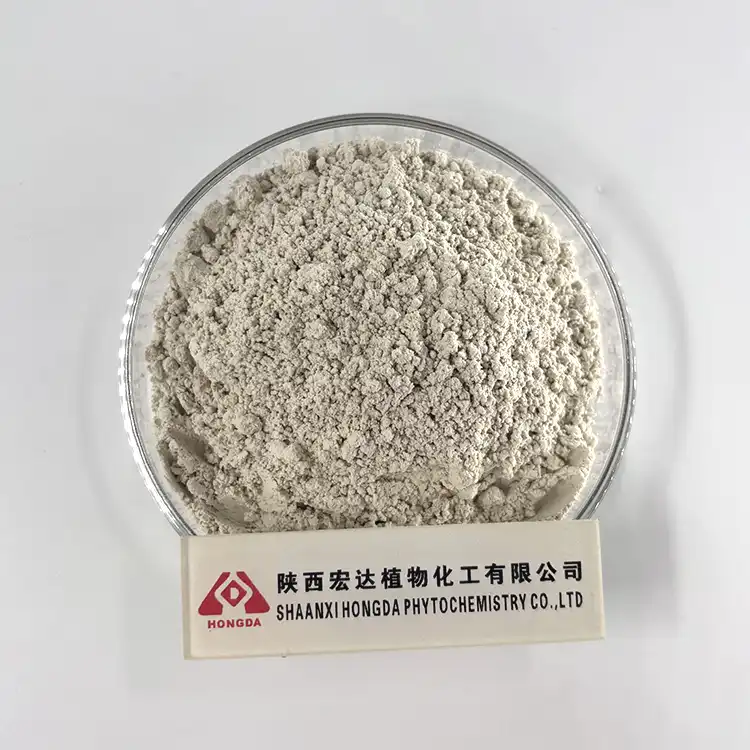
People who buyer and maker often ask what this plant part can be used for in real life. It can help keep the digestive system and brain healthy. 5-HTP (5-Hydroxytryptophan) is the main chemical in Griffonia simplicifolia seed extract. The brain uses 5-HTP to make serotonin. This African plant is used to make mixes that are good for brain health, vitamins that improve happiness, and recipes that stop hunger. Hongda Phytochemistry has been selling this controlled product to 43 different countries that make food. For many people, it has gone from being raw seed to finished foods that are good for their mental and physical health. Shaanxi Hongda Phytochemistry Co., Ltd. continues to supply this ingredient under strict quality standards.
Understanding the Botanical Foundation Behind This Extract
There are parts of West and Central Africa where Griffonia simplicifolia grows naturally. Most of them are in Ghana and Côte d'Ivoire. This bush grows stiff stems and leaves that have a lot of 5-HTP, a chemical that is rarely found in plants in such large amounts. The old ways of removing have changed a lot in the last twenty years. Modern companies, like Shaanxi Hongda Phytochemistry Co., Ltd., use exact ethanol-water extraction methods that get rid of any impurities while keeping the L-isomer structure of 5-HTP.
The molecular uniqueness of these seeds comes from the fact that they can naturally make 5-hydroxytryptophan through certain enzyme pathways. Unlike manufactured options made by fermenting bacteria, 5-HTP that comes from plants has a chirality profile that makes it better compatible with human digestion. Our lab tests regularly show that standardised extracts from simplicifolia seed material are better at crossing the blood-brain barrier than racemic manmade mixes. This means that the formulations work better in clinical settings.
In this production line, agricultural relationships are very important. Sustainable gathering methods make sure that all output runs have the same phytochemical profiles. We keep in touch with groups that grow crops and only collect during the best times of growth, like when the seed's naturally high 5-HTP levels are between 6 and 14 per cent by weight before processing starts.
Core Application 1: Mood Enhancement and Emotional Balance Formulations
These plant-based goods are mostly bought by people who want to improve their mental health. Pills, tablets, and softgels that are meant to help people keep their feelings in check during stressful times are made with standardised 5-HTP. For the method to work, serotonin has to be made. These neurotransmitters are made by our bodies directly from 5-HTP. They don't need any extra enzymes that would slow down the process.
As a general rule, manufacturing teams that make mood-boosting goods ask for 98% pure extract in amounts of 50 mg to 300 mg per serve. That vitamin works really well with plants like ashwagandha and rhodiola rosea that are like it. When they work together, they make mixes that work on more than one route at the same time. High-purity extracts get rid of the need for complicated excipient structures, which is something that quality assurance experts like. This makes preparation science easier and still makes sure that what the sign says is true.
Product makers have to deal with some technological problems when they make drugs that improve happiness. The extract is a little hygroscopic, which means that during the packing process, it needs to be carefully watched for wetness. People who are good at making things keep the humidity in the production room below 40% and use silica flow agents in amounts between 0.5 and 1% to keep things from sticking. Things like these become very important when you go from small test runs to making more than 100,000 units a month for your business.
People use mood boosters for more than just general reasons; they also use them in certain situations, such as with Griffonia Simplicifolia Seed Extract. It has been used to talk about mood changes with the seasons, stress that comes with big life changes, and mental health issues that come up when hormones change. Clinical doctors are recommending more and more products that contain this extract as part of full health plans that also include changes to lifestyle and food intake.
Core Application 2: Sleep Quality Optimisation and Circadian Rhythm Support
Griffinia simplicifolia seed extract can be used to help people sleep because it helps the body make serotonin and melatonin. Melatonin controls the time between sleep and waking and the length of the day. Serotonin is the chemical building block that turns into melatonin. The body can make its own melatonin with the help of 5-HTP pills, which give the body more serotonin. These things don't use any fake melatonin.
This method has clear benefits for formulators who want to reach people who aren't sure about taking direct melatonin supplements. The ingredient helps the body make its own sleep hormones instead of adding fake hormones, which is in line with the growing desire for "clean label" products in North America and Europe. Most sleep aids have between 100 and 200 mg of standardised extract along with other ingredients that work well together, such as magnesium glycinate, Valeriana officinalis, and L-theanine.
When sleep goods are made, the breakdown rates and absorption processes need to be taken into account very carefully. When combined with time-release pill technologies, this extract allows for prolonged 5-HTP delivery during early sleep stages, which helps with both falling asleep and staying asleep. Our expert team helps formulators choose the right covering materials and make dissolving profiles that match the performance features they want the product to have.
More people want sleep solutions that don't turn into habits, which is driving up demand in this application area. Unlike pharmaceutical sleep aids that can make you dependent on them, herbal products that use this ingredient support the body's natural processes. Regulatory teams like this position because it avoids the classification problems that come with stronger sleep aids in places like Australia, Canada, and EU member states.
Core Application 3: Weight Management and Appetite Regulation Products
Serotonin's part in signalling fullness makes it possible to use it to help people lose weight. Research shows that higher amounts of serotonin affect the hypothalamic hunger centres, making people feel fuller and lowering their cravings for carbs. Griffonia simplicifolia seed extract is added to weight management products along with other ingredients that support metabolism and control hunger at the same time.
Meal replacement shakes, satisfaction pills, and metabolism support tablets are all types of products that use this app. To make complete weight loss products, manufacturers usually mix 50 to 100 mg of standardised extract with fibre sources, chromium, and stimulant substances like green tea extract. The plant part works on the mental side of eating, while the other ingredients work on the body's physiological processes.
When this extract is added to food matrix goods, it creates technical manufacturing problems. When making shakes and other useful drinks, it's important to be careful about how you hide the naturally sour taste. Using gum arabic or modified starches in microencapsulation technologies separates the active ingredient from taste receptors while keeping its accessibility. Our applications team regularly talks with drink makers about how to improve visual qualities without lowering the effectiveness of ingredients.
Different places around the world have very different rules about how weight control goods can be sold. Structure-function claim limits in the US, new food rules in the EU, and medicinal goods classifications in Australia are some of the things that compliance teams have to deal with. Extracts like simplicifolia seed that are properly standardised and come with all the necessary paperwork, such as the certificates of analysis and safety data that our lab provides, make the regulatory approval process easier and help businesses enter new markets in a way that is legal.
Core Application 4: Cognitive Function and Nootropic Supplement Blends
Emerging research connecting serotonergic activity with cognitive performance has expanded this extract's application into nootropic formulations. While traditionally associated with mood and sleep, balanced neurotransmitter function influences memory consolidation, mental clarity, and cognitive processing speed. Forward-thinking formulators now incorporate moderate doses (25-100 mg) into cognitive support products alongside established nootropics.
The synergistic potential with cholinergic compounds like alpha-GPC and acetyl-L-carnitine creates formulation opportunities for comprehensive brain health supplements. This botanical component addresses the mood and stress dimensions of cognitive performance, while other ingredients target acetylcholine pathways and mitochondrial energy production. The multi-pathway approach resonates with consumers seeking holistic cognitive enhancement rather than single-mechanism stimulants.
Manufacturing considerations for nootropic blends emphasise ingredient stability during storage. Our stability testing protocols evaluate 5-HTP degradation under various temperature and humidity conditions over 24-month periods. Data consistently shows that properly packaged extract maintains 95%+ potency when stored below 25°C in moisture-barrier packaging. These stability characteristics support the extended shelf lives required for retail distribution channels.
Professional markets, including esports nutrition, executive wellness programmes, and academic performance supplements, represent growth segments. These applications demand rigorous quality documentation and batch-to-batch consistency. The cGMP certifications and comprehensive testing protocols at Shaanxi Hongda Phytochemistry Co., Ltd. address the elevated quality expectations characteristic of these premium market segments.
Core Application 5: Stress Response Modulation and Adaptogenic Formulas
Chronic stress depletes serotonin reserves through sustained cortisol elevation and inflammatory processes. Stress management supplements incorporate this extract to support neurotransmitter replenishment during extended stress exposure. The ingredient fits naturally into adaptogenic formulations alongside Rhodiola, Eleutherococcus, and Schisandra, creating comprehensive stress response support products.
Formulation strategies typically position this botanical as the neurochemical support component within broader stress management matrices. While adaptogenic herbs modulate HPA axis function and cortisol patterns, the 5-HTP component addresses downstream neurotransmitter effects of chronic stress. This complementary approach delivers more complete stress management solutions than single-ingredient products.
Corporate wellness programmes and professional supplement lines targeting high-stress occupations represent primary distribution channels. Product positioning emphasises supporting healthy stress responses rather than making disease claims, aligning with regulatory requirements across major markets. Marketing teams appreciate that the natural botanical origin supports clean label messaging, increasingly important to health-conscious consumers.
Technical production of griffonia simplicifolia seed extract factories requires attention to ingredient ratios when combining multiple botanical extracts. Competitive dissolution rates and potential interactions necessitate careful formulation optimisation. Our technical services team provides compatibility testing and formulation consultation services that help manufacturers avoid common pitfalls like precipitation, discolouration, or stability issues in complex multi-ingredient products.
Conclusion
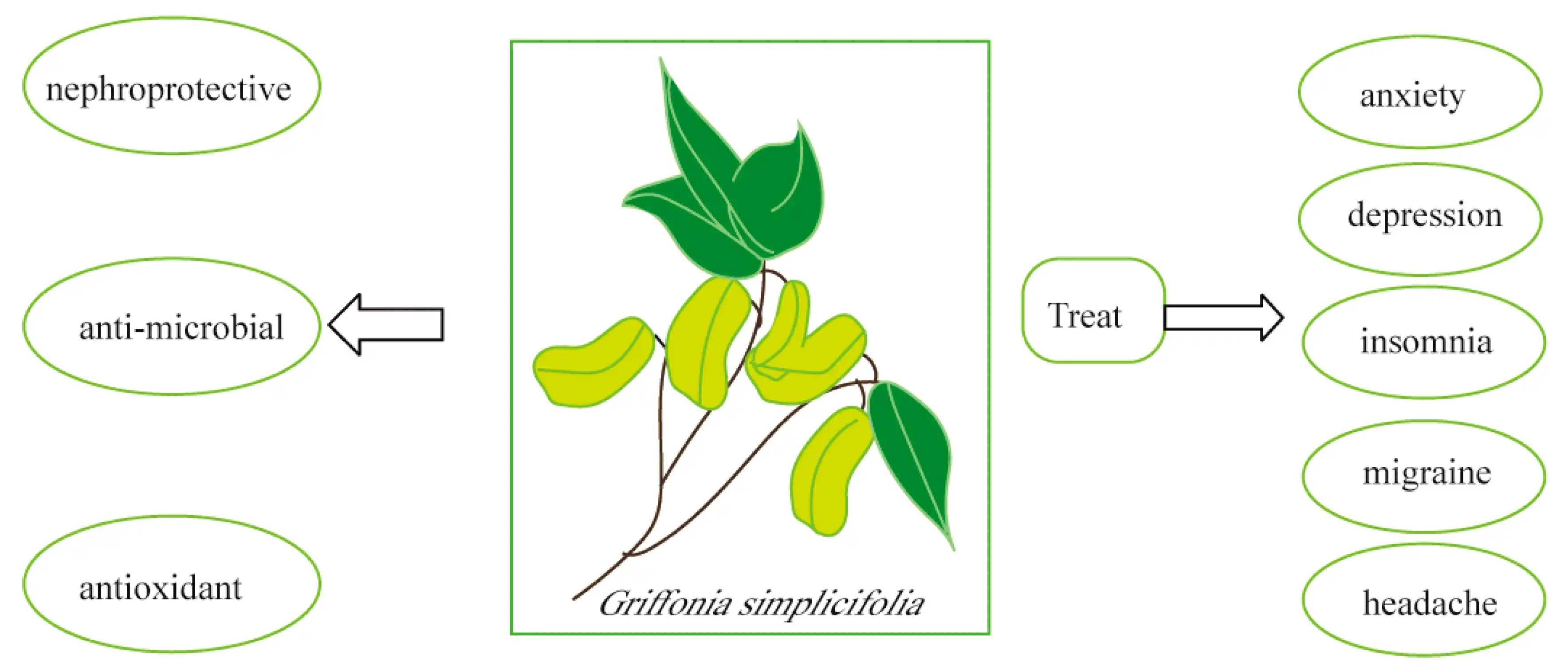
The diverse applications of this African botanical extract reflect its unique neurochemical properties and growing consumer demand for natural wellness solutions. From mood support and sleep optimisation to weight management and cognitive enhancement, Griffonia simplicifolia seed extract delivers versatile formulation possibilities backed by biochemical research and clinical evidence. Procurement decisions should prioritise suppliers demonstrating comprehensive quality systems, regulatory compliance, and technical support capabilities. The combination of standardised potency, documented safety profiles, and broad regulatory acceptance positions this ingredient as a strategic component in next-generation dietary supplement formulations targeting the expanding mental wellness market segment.
FAQ1. What makes naturally extracted 5-HTP different from synthetic versions?
Natural extraction from simplicifolia seed material yields the L-isomer form of 5-HTP, matching human biochemistry precisely. Synthetic production through bacterial fermentation can generate racemic mixtures containing both L and D isomers, with only the L form being biologically active. The natural extraction process avoids contaminants like Peak X that historically caused safety concerns with synthetic tryptophan products during the 1980s. This safety profile difference explains why regulatory bodies and quality-conscious manufacturers preferentially specify naturally sourced material despite slightly higher costs.
2. How should manufacturers handle the hygroscopic nature of this extract during production?
Environmental controls during manufacturing prevent moisture absorption that causes clumping and flowability issues. Maintaining production room humidity below 40% and temperatures between 18 and 22°C creates optimal conditions. Incorporating 0.5-1% silicon dioxide or magnesium stearate as flow agents improves powder characteristics during capsule filling operations. Packaging immediately after production into moisture-barrier materials prevents degradation during storage and transportation. These practical measures ensure consistent production quality across large batch sizes.
3. Can this botanical extract work effectively in vegan and vegetarian formulations?
The plant-based origin makes this ingredient inherently suitable for vegan and vegetarian products. Certification documentation confirming no animal-derived processing aids supports clean label claims and vegan society certifications. The extract works well in vegetable cellulose capsules and, unlike some botanical ingredients, requires no animal-derived excipients for stability or bioavailability enhancement. This compatibility with plant-based formulation requirements aligns with growing consumer demand for vegan-certified supplements across North American and European markets.
4. What combinations should formulators avoid when using this extract?
Conservative formulation practices avoid combining high-dose 5-HTP with pharmaceutical MAO inhibitors or SSRIs without explicit medical supervision and guidance on product labels. While the botanical extract itself demonstrates excellent safety profiles, theoretical concerns about excessive serotonin levels warrant cautious positioning. Most manufacturers include standard advisory language recommending healthcare provider consultation for individuals using mood-related medications. Combination with other serotonergic botanicals like St John's Wort requires careful dose consideration and appropriate product warnings.
Why Partner with a Specialised Griffonia Extract Manufacturer Like HONGDA?
Selecting the right Griffonia Simplicifolia seed extract supplier directly impacts your product quality, regulatory compliance, and market success. Shaanxi Hongda Phytochemistry Co., Ltd. combines twenty-three years of botanical extraction expertise with modern quality systems and responsive technical support. Our 20,000-square-metre manufacturing facility maintains continuous production capacity exceeding 3,000 tonnes annually across our complete botanical portfolio, ensuring reliable supply even during peak demand periods.
Working directly with our team provides access to formulation consultation services, custom standardisation options, and flexible packaging solutions unavailable through trading intermediaries. We offer trial quantities starting at 1kg for product development purposes, scaling seamlessly to pallet and container volumes as your products reach commercial production. Technical documentation supporting regulatory submissions arrives within 48 hours of request, accelerating your time-to-market objectives. Contact our export team at duke@hongdaherb.com to discuss your specific formulation requirements and receive detailed product specifications tailored to your application needs.
References
1. Birdsall, T.C. (1998). 5-Hydroxytryptophan: A Clinically-Effective Serotonin Precursor. Alternative Medicine Review, 3(4), 271-280.
2. Das, Y.T., Bagchi, M., Bagchi, D., & Preuss, H.G. (2004). Safety of 5-hydroxy-L-tryptophan. Toxicology Letters, 150(1), 111-122.
3. Maffei, M.E. (2020). 5-Hydroxytryptophan (5-HTP): Natural Occurrence, Analysis, Biosynthesis, Biotechnology, Physiology and Toxicology. International Journal of Molecular Sciences, 22(1), 181.
4. Rondanelli, M., Opizzi, A., Faliva, M., Bucci, M., & Perna, S. (2012). Relationship between the absorption of 5-hydroxytryptophan from an integrated diet, by means of Griffonia simplicifolia extract, and the effect on satiety in overweight females. Eating and Weight Disorders, 17(3), 169-175.
5. Shaw, K., Turner, J., & Del Mar, C. (2002). Tryptophan and 5-hydroxytryptophan for depression. Cochrane Database of Systematic Reviews, Issue 1, Art. No. CD003198.
6. Turner, E.H., Loftis, J.M., & Blackwell, A.D. (2006). Serotonin a la carte: Supplementation with the serotonin precursor 5-hydroxytryptophan. Pharmacology & Therapeutics, 109(3), 325-338.