


_1745918362135.webp)

What is uridine 5-monophosphate disodium?
Just take a look at the word 'uridine 5-monophosphate disodium'. It is a form of uridine monophosphate that is a disodium salt. It is called UMP-Na₂.. It can be broken down with water. Uridine monophosphate is a regular nucleotide that living things like cells and RNA need to stay healthy. Do not worry about taking this medicine. It is safe and helps brain membranes grow, energy be used, and enzymes that depend on nucleotides work. As shown by HPLC tests, Hongda Phytochemistry is very good at giving out Uridine 5'-Monophosphate Disodium Salt Powder that is more than 99% pure. Without this nucleotide derivative, people who make drugs, brain health goods, baby food, and advanced study tools would not be able to do their jobs. Buying managers and study teams can choose where to get a substance in a way that follows the law and meets recipe performance standards in a number of production situations if they know what the substance is made of, how it works, and the quality standards.
Understanding Uridine 5'-Monophosphate Disodium Salt Powder: Definition and Core Positioning
There has been a problem with nucleotide supplements for a long time. Uridine 5'-monophosphate disodium salt powder is a new, high-tech way to solve it. However, the disodium salt form of uridine doesn't dissolve as easily in water, even when there are more than 50 mg/mL present. This makes solutions that are completely clear. It's important for R&D teams to be able to solve important formulation problems when they're making drinks, medicinal preparations, and liquid vitamins.
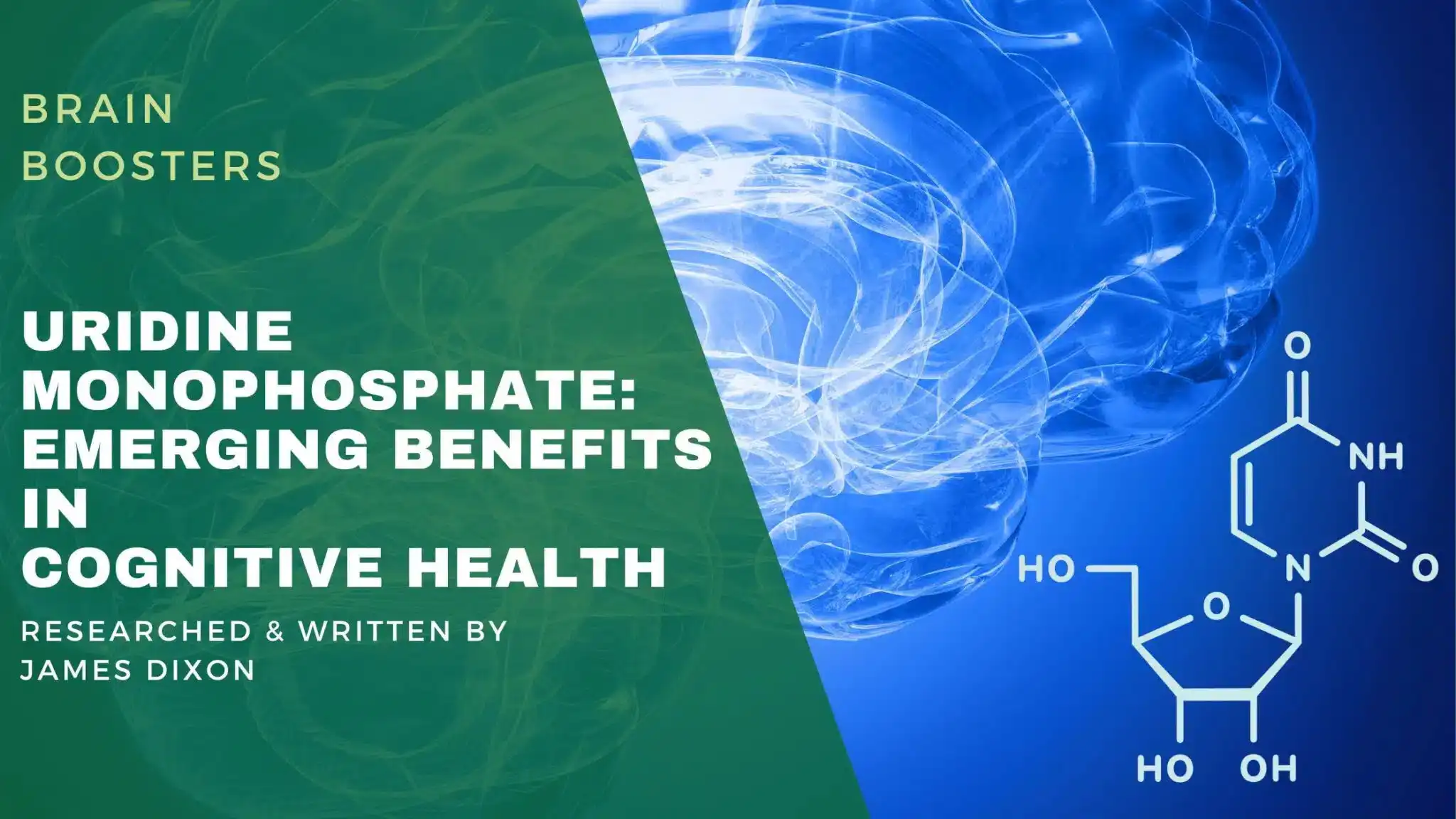
The phosphate group stays steady because of two sodium changes (C9H11N2Na2O9P). This keeps it from breaking down too quickly while it is being kept. This pyrimidine nucleotide has a mass of 368.15 g/mol, and it is the target that slows down the Kennedy pathway. This biological process has to happen in order to make phosphatidylcholine, which is the main protein in cell walls.
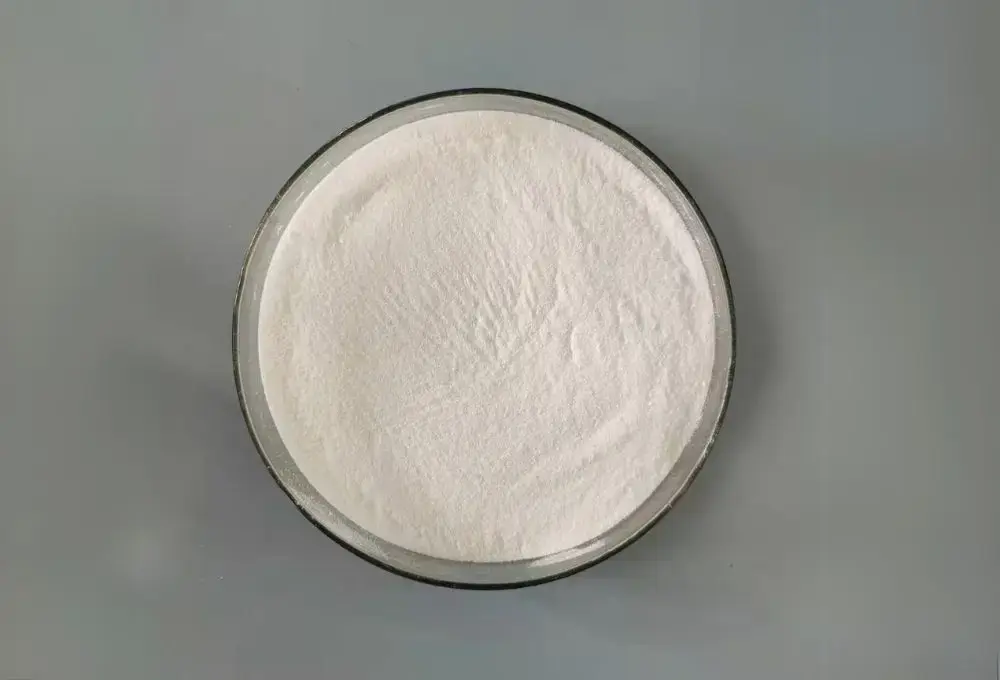
At Shaanxi Hongda Phytochemistry Co., Ltd., we make sure that every batch stays stable between pH 6.0 and 10.0. This makes it easy to add to models that are already balanced. It smells bad and is an off-white powder that looks like crystals. It does, however, taste a little salty because of how its nucleotides are organised. This is a taste that naturally occurring umami compounds also have. It has also been used to make useful foods taste better because of how it tastes. When mixed with inosine monophosphate and guanosine monophosphate, it makes spice mixes and meat replacements taste more delicious.
Quality control starts at the level of the molecules. UV spectroscopy is used to carefully check the identity of our china uridine powder. This material soaks up the most light at 262 nanometres, and its absorbance ratios (A250/A260 = 0.70-0.78 and A280/A260 = 0.34-0.40) can be used to tell fingerprints apart. The fact that the transmittance value is always above 95% shows that the solution is clear enough to meet standards for injection grade. The level of heavy metal pollution stays below 0.002%, and the level of endotoxin is less than 0.05 EU/mg. These are very important rules to follow when using injectables and baby formula.
The Industrial Problem It Solves: Addressing Nucleotide Deficiency in Modern Formulations
In the field of food biology, nucleotides are in a class by themselves. The body makes these chemicals through both new and old routes, but when the body is in certain states, like rapid growth, immune system problems, brain decline, or liver problems, it creates biochemical needs that are too high for the body to fully meet. This causes what experts call "conditionally essential" vitamin status, which is important for newborns and people who are under a lot of stress in their brains.
Uridine 5'-monophosphate disodium salt powder is one such nucleotide that can be found in traditional foods like organ meats, fish, and veggies, but most people don't eat enough of them these days. When it comes to certain diet uses, the problem gets worse. Companies that make infant formula, for instance, have to copy the nucleotide makeup of human breast milk so that the immune system stays strong and the baby's digestive system grows. To improve synapse density, companies that make nootropics need to find soluble precursors that can get into the brain from the blood. Also, people who study metabolic diseases and drugs need steady nucleotide substrates.
It's hard to use free uridine bases because they break down quickly and don't mix well with water. The acid form of uridine monophosphate, on the other hand, is pH-unstable, which makes it harder to make. This is a beautiful way for the 5'-UMP disodium salt to solve these science problems. It doesn't clump or precipitate as easily in liquid mixes because it dissolves better. This is a typical problem with nucleosides that don't dissolve well. The changed structure skips the first molecular steps of conversion and sends uridine directly to nucleotide pools inside cells, where it works better.
When purchasing ingredients for brain health goods, procurement managers face an extra challenge: they have to make sure that the ingredients are clinically pure and consistent from batch to batch in order to back up promises of effectiveness. Both safety ratings and functional results are compromised by contaminants, breakdown products, or phosphorylation patterns that don't match up. Hongda's way of making things gets around these problems by using chemical hydrolysis to make pharmaceutical-grade purity and vacuum drying methods to keep the structure intact and make the product shelf-stable for 24 months at 2°C to 8°C.
Core Features and Functional Mechanisms: How Uridine Monophosphate Drives Biological Outcomes?
Uridine 5'-monophosphate disodium has therapeutic and physiological value because it is involved in several metabolic processes that are all linked to each other. Formulators can find the best dose plans and mix methods that maximise bioactivity by understanding these processes.
- Neuronal Membrane Synthesis: In neural tissue, UMP-Na₂ is the dedicated substrate for the production of cytidine triphosphate (CTP), which is done by CTP synthetase. After that, CTP goes into the CDP-choline pathway and joins with phosphocholine to make CDP-choline, which is the first chemical that phosphatidylcholine is made from. This phospholipid makes up about 30% of the weight of brain tissue and is what holds synapse membranes and myelin sheaths together. A clinical study shows that taking 250–500 mg of a supplement every day raises the amount of phosphatidylcholine in the brain. This may improve the flexibility of synapses and help the density of neurotransmitter receptors, especially dopaminergic systems that are involved in motivation and reward processing.
- As a straight building block for RNA, uridine monophosphate helps maintain the nucleotide stocks needed for the production of messenger RNA, ribosomal RNA, and transfer RNA. Tissues that divide quickly, like intestinal epithelium, immune cells, and hepatocytes, are very sensitive to the supply of nucleotides. Because of this biochemical dependence, UMP is included in specialised medical diets to help the digestive system and immune system. The disodium salt mix makes sure that the nutrients are quickly absorbed by the intestines without making digestion more difficult, like nucleic acid polymers do in food sources of RNA.
- How mitochondria work and how energy is used: A new study shows that uridine nucleotides play controlling roles in the bioenergetics of mitochondria. UMP derivatives help make glycoproteins and act as building blocks for UDP-glucose. This connects the metabolism of nucleotides to the production of glycogen and the use of carbohydrates. This overlap could be used to help manage metabolic disorders by supporting energy pathways in an organised way that may improve liver function and blood sugar control.
- Better taste and palatability: The nucleotide structure naturally turns on umami taste receptors (T1R1/T1R3 heterodimers) on the tongue, in addition to its nutritional roles. UMP-Na₂ makes tastes stronger by activating receptors that work with inosine monophosphate or guanosine monophosphate in amounts that are similar to those found in natural food matrices. This trait is useful for making tasty, nutritional drinks and functional foods, since it makes it easier to hide the bitter taste of plant extracts.
The way we make things at Shaanxi Hongda Phytochemistry Co., Ltd., including 5'-UMP Disodium Salt, keeps these useful properties by using controlled handling conditions. Conditions for temperature-sensitive biochemical steps are carefully watched, and then crystallisation is used to get rid of process flaws without adding liquid leftovers. Stability tests are done on each run to make sure that watery solutions stay effective at room temperature for long periods of time. This means that you don't have to worry about them breaking down during production or storage.
Technical Foundation: The Science Behind Pharmaceutical-Grade Nucleotide Production
Manufacturing high-purity uridine 5'-monophosphate disodium salt powder demands sophisticated biotechnological infrastructure. At our cGMP-certified facilities spanning 20,000 square metres, we employ a multi-stage production sequence integrating fermentation biotechnology with chemical synthesis precision.
The process initiates with controlled fermentation using specifically selected microbial strains optimised for nucleotide overproduction. These microorganisms—cultivated in nutrient-rich media under sterile conditions—accumulate intracellular RNA, which serves as the substrate pool for downstream processing. Following biomass harvesting, enzymatic hydrolysis breaks RNA polymers into constituent nucleotides through the action of nucleases and phosphodiesterases. This biological approach yields a nucleotide mixture requiring further refinement.
Separation science becomes critical at this juncture. Ion-exchange chromatography exploits the phosphate group's negative charge, allowing selective retention and elution of uridine monophosphate while removing contaminating nucleotides (adenosine, cytidine, and guanosine derivatives) and degradation products. Subsequent crystallisation from aqueous solution produces the disodium salt form, with sodium cations replacing acidic protons on the phosphate moiety to generate the final water-soluble product.
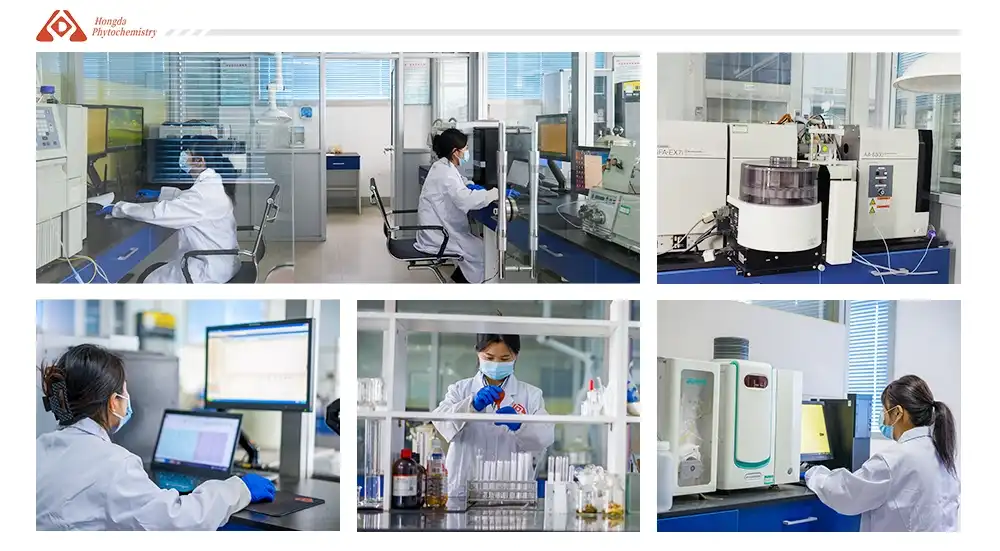
Quality control integration occurs throughout production. In-process testing monitors phosphorylation completeness through thin-layer chromatography, while HPLC analysis quantifies purity against pharmacopeial reference standards. Our SGS-standardised laboratory—staffed by over 20 professor-level analysts—operates instrumentation including high-performance liquid chromatographs, gas chromatographs, atomic absorption spectrophotometers, and biochemical analysers. This analytical arsenal enables comprehensive characterisation: identity confirmation via UV spectroscopy and mass spectrometry, purity quantification through multiple orthogonal methods, residual solvent analysis by gas chromatography, heavy metal screening via atomic absorption, and microbial contamination assessment through culture-based and rapid detection technologies.
The culmination of these efforts appears in our Certificate of Analysis documentation for China uridine powder. Each batch receives unique traceability coding linking finished products to raw material sources, processing parameters, and testing results. This documentation package—including stability data demonstrating 24-month shelf life under recommended storage conditions—provides the evidentiary foundation that quality assurance teams require for regulatory submissions and supplier audits.
Conclusion
Uridine 5'-monophosphate disodium salt powder is more than a speciality biochemical—it is a formulation enabler. From enhancing neuronal membrane synthesis and RNA metabolism to improving solubility and taste in finished products, this nucleotide derivative solves real industrial challenges that free bases and acid forms cannot. For procurement managers and R&D teams, understanding its structure, function, and quality benchmarks ensures compliant sourcing and consistent performance. Backed by cGMP manufacturing and full traceability, China uridine powder from trusted partners like Hongda Phytochemistry delivers the purity, stability, and documentation that regulatory submissions and commercial launches demand.
FAQ1. How does uridine 5-monophosphate disodium differ from regular uridine supplements available in retail markets?
The critical distinction lies in chemical structure and resulting bioavailability. Regular uridine exists as a nucleoside (sugar + base), lacking the phosphate group present in uridine 5-monophosphate. This phosphorylation makes UMP the metabolically active form that cells directly utilise for RNA synthesis and phospholipid production. Free uridine requires enzymatic phosphorylation before entering these pathways, creating a metabolic bottleneck dependent on cellular energy status and cofactor availability. The disodium salt modification further enhances water solubility compared to the acidic UMP form, facilitating formulation into liquid delivery systems and improving intestinal absorption. Clinical research demonstrates that equivalent doses of UMP produce more consistent plasma elevations and tissue uptake compared to unphosphorylated uridine, translating to more predictable functional outcomes at lower doses.
2. What quality certifications should procurement managers prioritise when evaluating uridine monophosphate suppliers?
Comprehensive quality assurance requires multiple certification layers addressing different risk domains. cGMP certification demonstrates manufacturing process controls meeting pharmaceutical standards—critical for supplement applications making structure-function claims or for pharmaceutical development. ISO 9001 confirms quality management system robustness, while FSSC 22000 or ISO 22000 addresses food safety management specific to nutritional ingredient production. Religious certifications (HALAL, KOSHER) expand market access, particularly in global distribution. Beyond facility certifications, demand batch-specific documentation: Certificates of Analysis showing HPLC-verified purity above 98%, heavy metal screening below pharmacopeial limits, microbial testing confirming absence of pathogens, and stability data supporting claimed shelf life. Third-party testing through accredited laboratories (SGS, Eurofins) provides independent verification. Traceability documentation linking finished product to raw material sources enables rapid response if quality issues emerge post-distribution.
3. Can uridine 5'-monophosphate disodium salt powder be combined with other cognitive enhancement ingredients, and what synergies exist?
UMP demonstrates excellent compatibility with complementary nootropic ingredients, creating synergistic effects that exceed individual component benefits. The most researched combination pairs UMP with choline sources (Alpha-GPC or CDP-choline) and DHA omega-3 fatty acids—the trio collectively termed the "neuronal membrane stack". This combination addresses multiple limiting factors in phosphatidylcholine synthesis: UMP provides the pyrimidine nucleotide backbone, choline donors supply the headgroup component, and DHA furnishes membrane fluidity optimisation. Research suggests this combination enhances synaptic density more effectively than isolated ingredients. UMP also combines well with acetylcholinesterase inhibitors like Huperzine A, dopaminergic supporters like Mucuna pruriens, or neuroprotective botanicals like Bacopa monnieri. Formulation considerations include ensuring adequate magnesium and B-vitamin cofactors that support enzymatic steps in nucleotide metabolism. Avoid extreme pH excipients that might destabilise the phosphate group during storage.
Partner With a Trusted Uridine 5'-Monophosphate Disodium Salt Powder Manufacturer for Your Next Formulation
Shaanxi Hongda Phytochemistry Co., Ltd. stands ready to support your product development initiatives with pharmaceutical-grade Uridine 5'-Monophosphate Disodium Salt Powder backed by two decades of manufacturing excellence. Our vertically integrated production—from proprietary raw material cultivation through final packaging—ensures quality consistency that commodity brokers cannot match. The combination of cGMP-certified facilities, university-partnered R&D capabilities, and comprehensive analytical testing positions us as your strategic ingredient supplier rather than a transactional vendor. Whether you're formulating cognitive health supplements, developing specialized medical nutrition, or exploring novel pharmaceutical applications, our technical team provides formulation guidance that accelerates time-to-market while ensuring regulatory compliance across global jurisdictions. Contact our ingredient specialists at duke@hongdaherb.com to request samples, review our complete analytical documentation, or discuss custom specifications tailored to your unique application requirements.
References
1. Richardson, U.I., Watkins, C.J., Pierre, C., Ulus, I.H., Wurtman, R.J. (2003). "Nucleotide precursors in neuronal membrane synthesis: therapeutic implications for neurodegenerative disorders." Journal of Nutritional Biochemistry, 14(6), 293-299.
2. Cansev, M., Wurtman, R.J., Sakamoto, T., Ulus, I.H. (2008). "Oral administration of circulating precursors for membrane phosphatides can promote the synthesis of new brain synapses." Alzheimer's & Dementia, 4(1), S153-S168.
3. Carver, J.D., Walker, W.A. (1995). "The role of nucleotides in human nutrition." Journal of Nutritional Biochemistry, 6(2), 58-72.
4. Holguin, S., Martinez, J., Chow, C., Wurtman, R. (2008). "Dietary uridine enhances the improvement in learning and memory produced by administering DHA to gerbils." The FASEB Journal, 22(11), 3938-3946.
5. Savci, V., Wurtman, R.J. (1995). "Effect of cytidine on membrane phospholipid synthesis in rat striatal slices." Journal of Neurochemistry, 64(1), 378-384.
6. Yu, V.Y. (1998). "The role of dietary nucleotides in neonatal and infant nutrition." Singapore Medical Journal, 39(4), 145-150.