


_1745918362135.webp)

What is undenatured type 2 collagen used for?
Hongda Phytochemistry, also known as shaanxi hongda phytochemistry co., ltd., supplies undenatured type II collagen powder for manufacturers developing nutritional products focused on joint health. Unlike hydrolyzed collagen, undenatured type II collagen powder is processed to retain much of its native triple-helix structure.This structural distinction is important because research on native type II collagen has focused not only on collagen as a protein source, but also on how preserved collagen epitopes may interact with the immune system through oral tolerance pathways. Current research supports continued interest in this ingredient, although clinical evidence varies by population, study design, and intended application.

What Is Undenatured Type II Collagen?
Collagen type II is a significant structural protein in articular cartilage. Undenatured type II collagen is collagen that has been treated under circumstances that are intended to conserve the native molecular framework of the collagen, rather than significantly breaking the protein down into smaller peptides.
This difference sets undenatured type II collagen apart from traditional hydrolyzed collagen. Hydrolyzed collagen is further processed into smaller peptides. Undenatured material is often prepared with more gentle processing settings to preserve structural properties relevant to study on oral tolerance.
For the ingredient makers, the way of processing is not only a matter of producing a powder. Temperature control, raw material choice, purification, drying, and analytical testing can all affect the eventual ingredient specification.
What Is Undenatured Type II Collagen Powder Used For?
The main commercial use of undenatured type II collagen powder is in nutritional products marketed around joint health and mobility. Depending upon the manufacturer’s formulation requirements, it may be included in capsules, tablets, powder blends, and other formed goods.
Native type II collagen has been studied in adults with knee osteoarthritis and healthy people with joint pain due to physical exercise. In a 2026 randomized, double-blind, placebo-controlled trial of 74 healthy volunteers, 180 days of supplementation with 40 mg/day of native type II collagen resulted in improvement in several measures of joint function, but these findings should be interpreted according to the population and study design.
Research on knee osteoarthritis is also developing. A recent systematic assessment of clinical and preclinical investigations on undenatured type II collagen found oral tolerance as a potential mechanism. At the same time, the review also urged for larger and longer investigations.
Thus, for B2B formulators, the ingredient is better interpreted as a specialist collagen material with a research background around joint-health uses, not an alternative to medical treatment.
Research on Osteoarthritis and Joint Function
Undenatured type II collagen has been one of the most widely explored regions in the realm of osteoarthritis. Previous clinical studies suggested improvements in measures such as WOMAC scores in persons with knee osteoarthritis.
But fresh information reveals why product promises must be worded with care. In a randomized, double-blind, placebo-controlled experiment in 2026, 216 persons with mild-to-moderate knee osteoarthritis were compared to UC-II, glucosamine sulfate, diacerein, and placebo. UC-II was not better than placebo for the key WOMAC outcome at 24 weeks.
This does not reduce the commercial or research interest in undenatured type II collagen. Rather, it aims to emphasize the significance of differentiating the research promise of an ingredient from the guarantee of a therapeutic outcome. Claims should be supported by evidence relevant to the individual ingredient, formulation, target population, and jurisdiction for finished product producers.
Understanding the Oral Tolerance Mechanism
One of the most unique areas of research involving undenatured type II collagen is oral tolerance.
The interaction of oral type II collagen with immunological tissues of the gastrointestinal system has been examined, since the native structure may contain some collagen epitopes. Interaction with the gut-related lymphoid tissue, antigen presentation, and regulatory immune responses have been described in preclinical studies.
This mechanism is not only the delivery of amino acids for collagen production. That’s also why the term "undenatured" is important when we’re talking about this particular chemical.
But the mechanism should be described as a research-based explanation, not as a guaranteed biological outcome. Individuals may respond differently to a stimulus, and results obtained from animal models or mechanistic research cannot be directly extrapolated to the clinic.

What About Research on Rheumatoid Arthritis?
Type II collagen has also been studied in rheumatoid arthritis due to its association with cartilage and immune recognition. Some early human studies have been positive. A 1993 randomized trial found that oral chicken type II collagen was associated with reductions in swollen and sensitive joints in a group of patients with active rheumatoid arthritis.
A later study revealed a more mixed picture. However, a randomized experiment in 1996 demonstrated no statistically significant difference between oral type II collagen and placebo in the three treatment groups, while a small fraction had responses. Another multicenter trial likewise showed varied response patterns between collagen-based therapy and methotrexate.
Hence, undenatured type II collagen should not be used as a therapy for rheumatoid arthritis. In terms of the ingredients present, RA is better described as a region that has been studied in clinical and mechanistic studies.
Manufacturing Considerations for Undenatured Type II Collagen Powder
The features of the undenatured collagen should be properly controlled during the processing. Chicken sternum cartilage is a typical source of type II collagen, and the processing procedures are designed to minimize any unneeded disturbance of the natural structure.
For commercial procurement, purchasers should consider source material, protein specification, processing conditions, appearance, moisture, heavy metals, microbiological factors, and identification testing. Certificates of analysis and batch-level documentation are especially useful if the ingredient is going to be included in finished nutrition products.
Shaanxi Hongda Phytochemistry Co., Ltd. has a plant of 20,000 square meters, various production lines, and 100,000-level purification workshops according to the manufacturing information. The company also asserts that its quality system includes standards and certifications, including cGMP, KOSHER, HALAL, ISO9001, and ISO22000.
These specifics are more significant to B2B buyers than generic promises of being a “premium” supplier, as they provide particular areas for technical and procurement evaluation.
Quality Control and Product Specifications
Appropriate analytical tests should be used to support the specification of consistent undenatured type II collagen powder. Quality-control programs can be adapted to customer demands for analysis of protein content, moisture, heavy metals, microbiological parameters, appearance, or other product attributes.
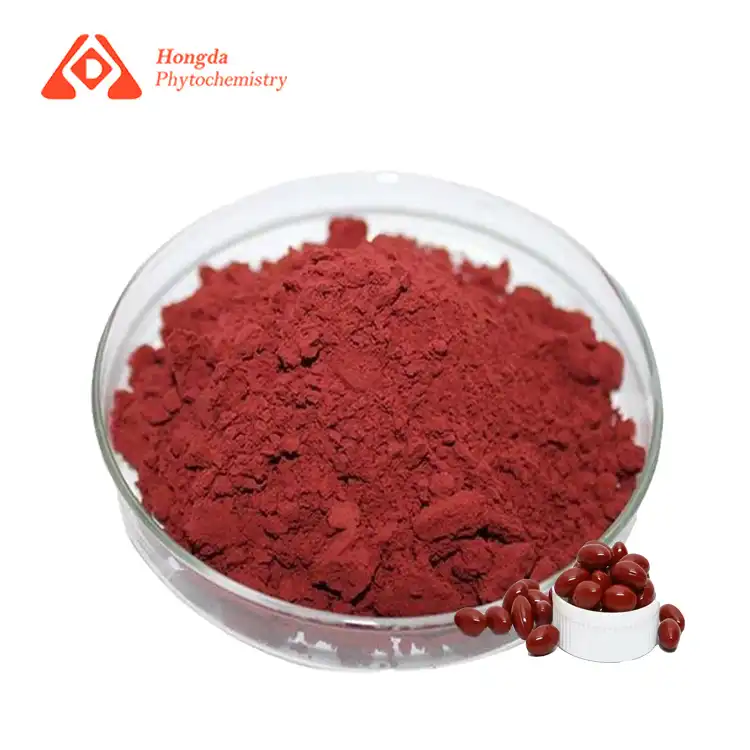
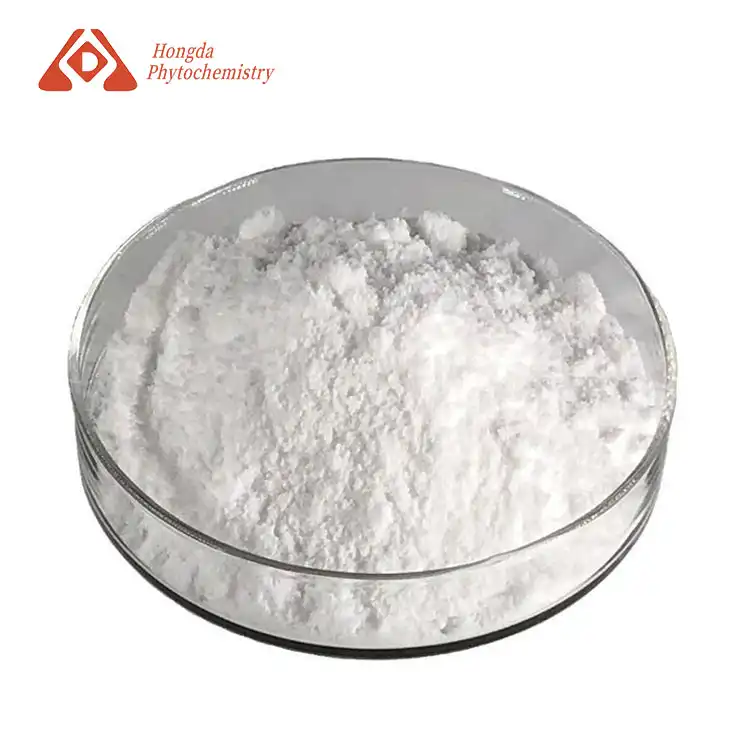
The provided product information states a white powder form, a protein content of ≥ 90%, and CAS No. 9064-67-4. 12 kilograms in a drum, 27 drums on a pallet. Delivery time is around 3-7 working days.
Buyers should contact the supplier to confirm the current specification sheet, certificate of analysis, package configuration, testing procedures, shelf-life requirements, and required export papers before placing a bulk purchase. Specifications are subject to variation due to production lot and intended market requirements.
Formulation and Commercial Applications
Undenatured type II collagen powder can be used in many different types of nutritional compositions. Capsules and tablets are the easy choice for manufacturers when they are manufacturing a single ingredient or multi-ingredient product. Powder blends can be formulated for products that include the collagen constituent in combination with other ingredients.
The retained structure of the ingredient is particularly essential when the product concept is based on the study around native type II collagen and not simply employing collagen as a source of protein.
The formulation decisions should consider serving size, powder qualities, compatibility with other ingredients, packaging, stability, and regulatory requirements of the target market. Finished product claims should also be consistent with the existing evidence for the individual constituent.
Regulatory and Purchasing Considerations
Regulatory restrictions for collagen constituents varied by market. What is recognized in one jurisdiction could require different phrasing or supporting documentation in another. Therefore, prior to commercial introduction, manufacturers will need to study the appropriate food, dietary supplement, novel food, or other ingredient legislation.
When buying undenatured type II collagen powder in bulk, customers can additionally assess the supplier based on production capacity, quality documentation, testing capability, packaging options, lead time, and technical communication.
For international B2B projects, these practical considerations might be as significant as the ingredient’s research profile, because they decide whether a material can be successfully integrated into a finished-product supply chain.
Conclusion
Undenatured type II collagen powder is mostly utilized as a specialty ingredient in nutritional formulations aimed at joint health and mobility. The distinguishing characteristic of it is the retention of the native type II collagen structure, which has been the subject of research into oral tolerance and other biological phenomena. Clinical data is emerging and still mixed across various applications; therefore, appropriate product content should differentiate scientific findings from therapeutic claims. When a bulk ingredient is selected, manufacturers need to pay particular attention to the source material, processing, analytical criteria, paperwork, and regulatory requirements.
Cooperate with Shaanxi Hongda Phytochemistry Co., LTD.
Shaanxi Hongda Phytochemistry Co., LTD. is providing undenatured type II collagen powder to B2B customers producing nutritional and functional formulations. Its offered manufacturing profile includes a 20,000-square-meter production facility, numerous production lines, 100,000-level purification workshops, and quality-control capabilities for bulk ingredient manufacture.
Suppliers of undenatured type II collagen powder can offer product specifications, batch paperwork, packaging information, and technical communication for various purchasing requirements. Buyers can contact the technical sales team for bulk purchases, formulation needs, testing documents, and shipping arrangements.
Manufacturers should check the written specification, quality system, production capability, analytical support, and regulatory documents of a long-term ingredient supplier to their own product requirements. This strategy gives a more concrete rationale for the choice of a suitable source of undenatured type II collagen powder for multinational formulation projects.
Contact us at duke@hongdaherb.com for current undenatured type II collagen powder price quotations and to discover our High Quality Undenatured Type II Collagen Powder solutions tailored to your specific needs.
FAQ
1: What is the recommended daily dosage of undenatured type 2 collagen?
The typical dosage ranges from 20-40 milligrams daily, preferably taken on an empty stomach for optimal absorption and immune system interaction.
2: How long does it take to see results from undenatured type 2 collagen supplementation?
Clinical studies show improvements in joint flexibility and reduced stiffness within 8-12 weeks of consistent daily supplementation.
3: Is undenatured type 2 collagen safe for long-term use?
Yes, clinical trials and safety studies demonstrate that undenatured type 2 collagen is safe for long-term use with no significant adverse effects reported.
4: Can undenatured type 2 collagen be taken with other joint health supplements?
Undenatured type 2 collagen can be safely combined with other joint health supplements like hyaluronic acid or curcumin for enhanced therapeutic benefits.
References
1. Crowley, D. C., Lau, F. C., Sharma, P., et al. "Safety and efficacy of undenatured type II collagen in the treatment of osteoarthritis of the knee: a clinical trial." International Journal of Medical Sciences.
2. Bagi, C. M., Berryman, E. R., Teo, S., et al. "The effect of oral administration of undenatured type II collagen on monosodium iodoacetate-induced osteoarthritis in young and old rats." Scientific Reports.
3. García-Coronado, J. M., Martínez-Olvera, L., Elizondo-Omaña, R. E., et al. "Effect of collagen supplementation on osteoarthritis symptoms: a meta-analysis of randomized placebo-controlled trials." International Orthopaedics.
4. Lugo, J. P., Saiyed, Z. M., Lau, F. C., et al. "Undenatured type II collagen (UC-II®) for joint support: a randomized, double-blind, placebo-controlled study in healthy volunteers." Journal of the International Society of Sports Nutrition.