


_1745918362135.webp)

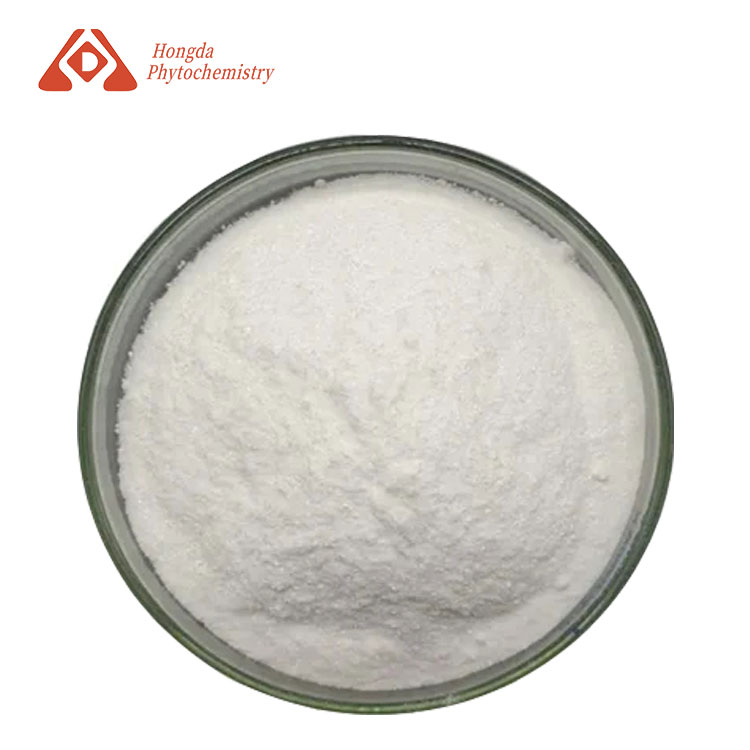
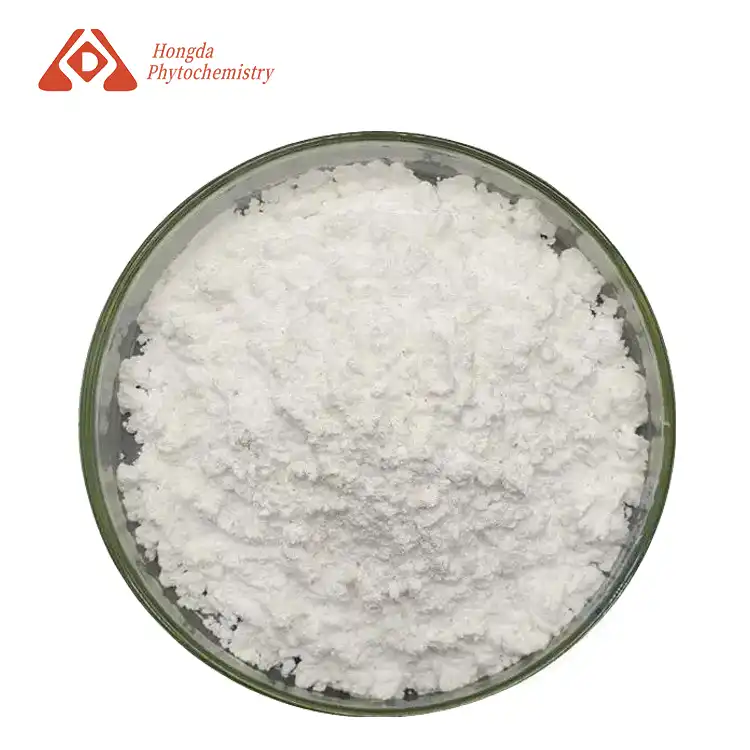
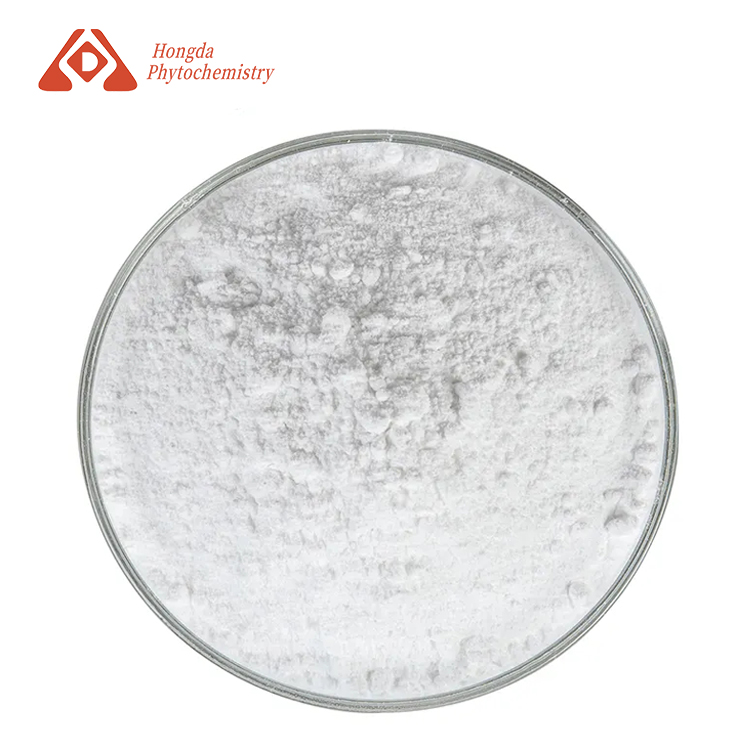
Behind every consistent batch of finished supplement powder is a manufacturing procedure that silently regulates one of the most overlooked elements in the whole supply chain: moisture. For an ingredient like alpha GPC powder, which rapidly absorbs moisture from the surrounding environment, moisture management is not a trivial matter but a key influence on whether a batch will still be within specification months after it leaves the plant. Shaanxi Hongda Phytochemistry Co., Ltd. has improved its manufacturing environment for this task, employing purification-grade workshops and strict drying methods to ensure that alpha-GPC powder stays within a close, reliable moisture range. Hongda Phytochemistry considers it part of the production process, not an afterthought, which is why formulators that buy from the firm find fewer surprises in their own inbound quality inspections. This post will discuss why moisture is so critical for alpha-gPC powder, especially how it's handled during manufacturing, and what customers should be looking for to be sure a supplier is serious about this.
The Science of Why Alpha-GPC Powder Is Moisture-Sensitive?
Understanding Hygroscopic Behavior at the Molecular Level
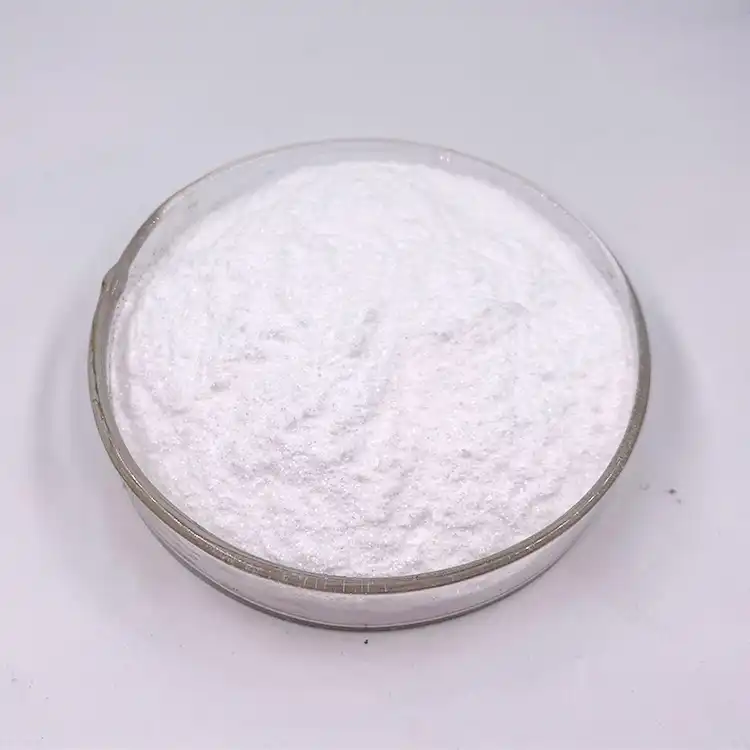
Alpha-GPC powder is a hygroscopic chemical, meaning it possesses a molecular arrangement that naturally attracts water molecules from the surrounding air. This is not a manufacturing fault but a natural chemical property of the molecule due to its polar structure, which interacts weakly and easily with atmospheric moisture whenever the powder is exposed to air, especially in humid conditions. Understanding this baseline behavior is critical for anybody handling the ingredient, as it explains why even short contact during transfer between processing steps may dramatically impact moisture content if not correctly handled. This knowledge of molecular propensity is the first step in creating all the downstream control measures utilized in the manufacture of alpha-GPC powder.
What Happens When Moisture Uptake Goes Unchecked?
If measures are not taken to prevent moisture absorption, alpha-GPC powder may slowly absorb enough ambient humidity to start a slow hydrolysis process. Molecules of water interact with the chemical and begin to break down the structure over time. This is unusual as an acute event, but as a slow fall in test potency, occasionally with a perceptible change in the powder texture (i.e., clumping or a slightly different look). This kind of undiscovered deterioration is very expensive for a completed supplement brand, since it may only be discovered in a stability test performed months after the product was manufactured, far after the problematic batch has been distributed. Which is exactly why such proactive moisture control at the raw material stage is so critical to downstream product quality.
How Loss on Drying Is Measured and Why Does It Matter?
Loss on drying is the standard laboratory test used to assess the amount of moisture contained in a sample of alpha-GPC powder, normally reported as a percentage of the total weight of the sample lost after controlled heating under certain circumstances. A lower loss-on-drying result generally indicates that the starting material is drier and more stable, whereas a higher result suggests that the powder might be more susceptible to rapid degradation during storage and shipping. This test is one of the simplest but also of the most useful quality tests, and that is why it is on almost every reliable certificate of analysis for this substance. Buyers who know how to read this figure will get a meaningful early signal as to how well a given batch will hold up over its intended shelf life.[1]
The Link Between Moisture and Long-Term Assay Stability
Moisture content and assay stability go hand in hand, since the hydrolysis processes caused by excess water are one of the main ways in which alpha-GPC powder is diminished over time. A batch that starts with a tight loss-on-drying result is considerably more likely to retain its labeled assay % during an extended storage window than a batch that starts with high moisture levels, even if both batches technically satisfy their initial release specification. This link is particularly essential for businesses that have extensive lead times in production or that store safety stock inventories for prolonged periods of time before final manufacture. Suppliers that maintain tight control over moisture at the time of manufacture are, in essence, widening the practical usable window for every batch they send.[3]
|
Moisture Indicator
|
Typical Impact
|
|---|---|
|
Low Loss on Drying (≤1.0%)
|
Stronger long-term assay retention
|
|
Elevated Moisture Content
|
Faster potency decline, clumping risk
|
|
Consistent Batch-to-Batch LOD
|
Predictable shelf life across shipments
|
Moisture Control Inside the Production Facility
Purification Workshop Standards That Limit Humidity Exposure
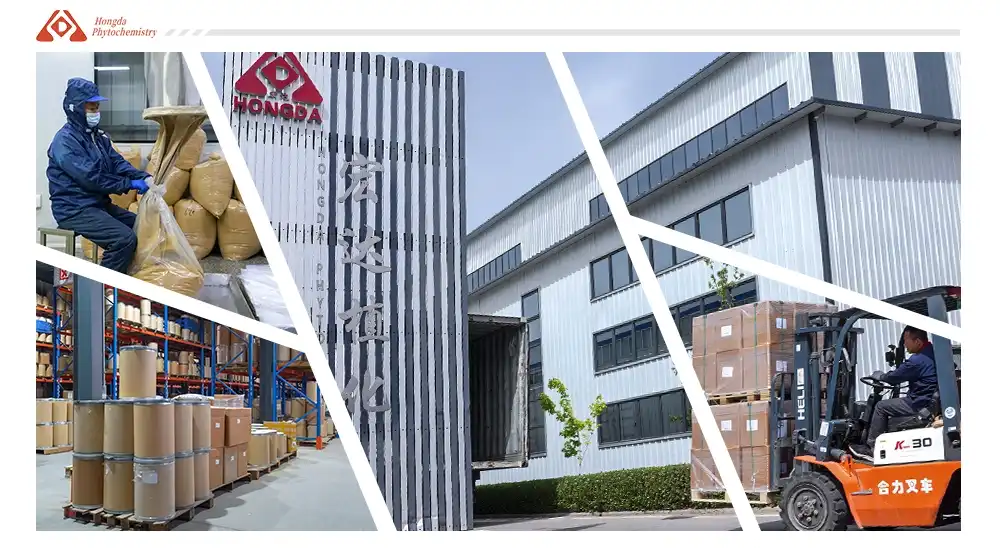
Moisture control starts much before a completed batch of alpha GPC 99 powder reaches its packing stage and, in fact, begins within the purification workshop itself. Hongda’s approximately 20,000-square-meter facility comprises 100,000-level cleanroom workshops, a cleanroom classification standard that also provides better environmental control of the ambient humidity during processing. For buyers sourcing wholesale alpha gpc, this controlled workshop environment is particularly important because it lowers the time the powder is exposed to uncontrolled air conditions while traveling from one processing stage to another. This facility-level environmental discipline is frequently the difference between a consistently dry final product and one that displays unexpected moisture fluctuations from batch to batch, especially for an ingredient as moisture-sensitive as alpha-GPC powder.[4]
Drying Processes Used Before Final Packaging
An alpha-GPC powder batch is dried in a controlled manner prior to the packing stage to reach a stringent target standard for moisture content. This drying stage is tightly controlled, since too much heat or too severe drying conditions may pose their own quality problems, while not enough drying leaves the powder more susceptible to the hygroscopic effects discussed above. Rather than checking for one end-of-line check, Hongda’s production team checks drying parameters against loss-on-drying testing at numerous stages in the process, capturing any variation before it gets into a released batch. That tiered validation method is the kind of process discipline a consumer can expect from any professional alpha-GPC powder producer.
Real-Time Testing During Production Runs
Instead of seeing moisture testing as a one-off final release milestone, well-managed manufacturing plants include testing in several phases of the manufacturing process for alpha-gPC powder. To enable this form of in-process monitoring, Hongda’s in-house laboratory, established along with university researchers under SGS standards, is equipped with instruments such as moisture analyzers and titration equipment, instead of depending on outside laboratories just for verification. If a moisture variation is detected during a run, the production team is able to make process modifications on the fly, rather than finding an out-of-specification result after an entire batch has been packed. This real-time technique drastically minimizes the amount of goods that would have to be revised or destroyed owing to late-stage discovery.
|
Process Stage
|
Moisture Control Measure |
|---|---|
| Purification workshop | Cleanroom-standard humidity control |
| Drying | Calibrated heat and time parameters |
| In-process testing | Loss-on-drying checks at multiple stages |
Equipment and Environmental Controls That Support Consistency
Consistent moisture outcomes across every batch of Glycerophosphoryl Choline powder depend on more than good intentions; they require calibrated equipment and controlled environmental conditions maintained day after day across production runs. Hongda's facility, staffed by more than 150 workshop operation technicians, relies on standardized operating procedures and regularly maintained processing equipment to keep humidity and drying parameters within a narrow, repeatable band. This kind of operational consistency is what allows a buyer purchasing alpha-GPC powder in month one to expect the same moisture profile in a shipment received a year later. Facilities that treat equipment calibration and environmental monitoring as routine, rather than occasional, tend to produce measurably more consistent moisture results over time.[4]
Packaging and Storage Practices That Preserve Quality
Moisture-Barrier Packaging Formats
Once alpha-GPC powder passes its final quality checks, packaging becomes the next critical line of defense against renewed moisture exposure during storage and shipping. Foil-lined drums and heat-sealed, moisture-resistant bags are commonly used to maintain the low moisture content achieved during production, preventing ambient humidity from re-entering the product during warehousing or long-distance freight. Hongda selects packaging specifications based on shipment size and destination climate, applying additional barrier protection for orders headed to particularly humid regions where transit conditions pose a greater risk. Buyers repackaging bulk material into smaller units for co-manufacturing should aim to replicate this same barrier standard at every transfer point, since each opening and resealing creates a fresh opportunity for moisture ingress.
Warehouse Humidity Management Across Storage Zones
Storage conditions after production are just as important as the drying process itself, since even a perfectly dried batch of alpha-GPC powder can pick up moisture again if warehoused improperly. Hongda's 3,000-square-meter warehouse is organized into dedicated storage zones, with professionals responsible for sterilization and environmental oversight across each area, helping maintain consistent conditions for moisture-sensitive ingredients like this one. Proper warehouse humidity management typically involves maintaining relative humidity below a defined threshold and avoiding storage locations prone to temperature swings, which can cause condensation inside sealed packaging. Buyers evaluating an alpha-gpc supplier's fulfillment process should ask specifically about warehouse humidity controls rather than assuming all storage facilities offer the same level of environmental protection.
Handling Practices That Prevent Exposure During Transit
Transit represents one of the highest-risk periods for moisture exposure, since alpha-GPC powder may pass through multiple handling points, temperature zones, and storage conditions between the factory and its final destination. Proper handling practices include minimizing the number of times sealed packaging is opened before final use, avoiding prolonged exposure to open air during transfer, and using climate-appropriate shipping containers for routes passing through especially humid regions. Buyers who want to review specific packaging and handling documentation before committing to a large order, or who need a customized moisture specification for a particular formulation, can reach the Hongda technical team directly at duke@hongdaherb.com to discuss these details ahead of shipment. Addressing transit-related moisture risk proactively avoids costly disputes over batch quality after goods have already changed hands.
Shelf Life Implications of Proper Moisture Control
The cumulative effect of tight moisture control throughout production, packaging, and transit is a meaningfully longer practical shelf life for alpha-GPC powder once it reaches a customer's facility. Batches that begin with low moisture content and remain properly sealed throughout distribution tend to hold their labeled assay far more reliably across an extended storage window than material handled with less discipline at any single stage. This directly benefits brands managing safety stock or working with longer production lead times, since they can rely on a wider usable window before reformulation or retesting becomes necessary. Suppliers who can demonstrate this kind of end-to-end moisture control give buyers a genuine competitive advantage in inventory planning.
What Should Buyers Confirm When Sourcing Alpha-GPC Powder?
Reviewing Loss-on-Drying Data on Certificates of Analysis
The most direct way for a buyer to confirm a supplier's moisture control discipline is by reviewing the loss-on-drying figure listed on every batch's certificate of analysis, rather than assuming all suppliers report this consistently. A reliable alpha-GPC supplier will report this figure for every single lot, not just as a one-time reference value used across multiple shipments, since moisture content can vary meaningfully between production runs even under well-controlled conditions. Buyers should also confirm the testing method used to generate the reported figure, since inconsistent methodology between suppliers can make direct comparisons misleading. Requesting this documentation before finalizing an order is a simple, low-cost step that provides real insight into manufacturing quality.
Asking About Facility-Level Humidity Control
Beyond individual batch documentation, buyers benefit from asking suppliers direct questions about facility-level humidity controls, including workshop cleanroom classification and environmental monitoring practices used during the production of alpha-GPC powder. A supplier confident in its manufacturing discipline should be able to describe these controls specifically, rather than offering only vague assurances about "quality processes" without concrete detail. This kind of facility-level transparency often correlates closely with the consistency a buyer can expect across multiple future orders. Suppliers unwilling or unable to answer these questions in detail may not have the same level of environmental control built into their production process.
Evaluating Packaging Before a Wholesale Commitment
Before committing to a wholesale alpha GPC order, buyers should specifically evaluate the packaging format a supplier intends to use, since this directly determines how well moisture control achieved during production will hold up through shipping and storage. Requesting a sample shipment in the actual packaging format intended for bulk orders, rather than a smaller lab-scale sample packaged differently, gives a more accurate picture of what a full commercial shipment will look like on arrival. Buyers sourcing for humid destination markets should ask specifically whether additional barrier protection is available for their shipping route. This kind of upfront packaging evaluation prevents unpleasant surprises when a large-volume order finally arrives at its destination warehouse.
Why Does Moisture Control Reflect Broader Manufacturing Discipline?
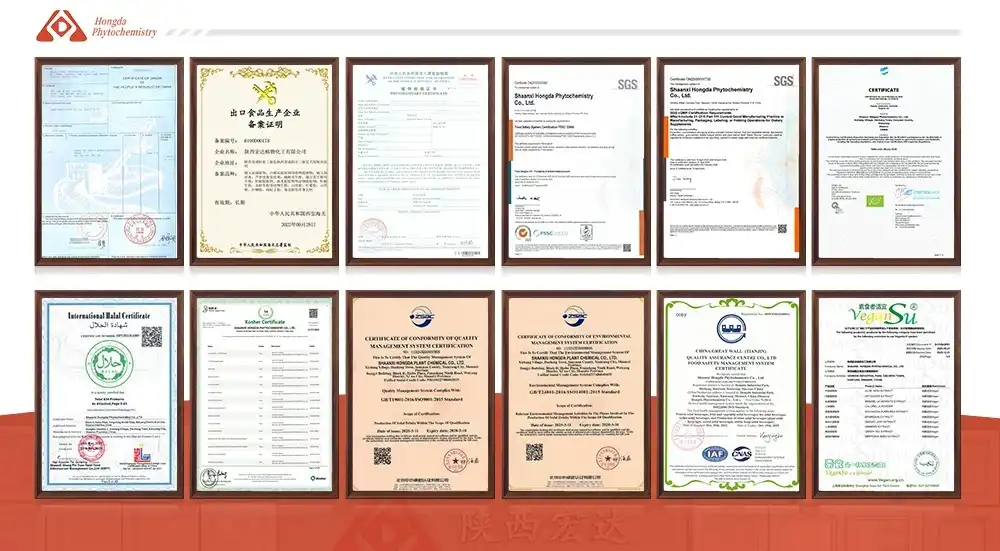
A supplier's approach to moisture control often serves as a useful proxy for its overall manufacturing discipline, since the same attention to detail required to manage humidity consistently tends to show up across other quality dimensions as well. Suppliers holding certifications such as cGMP, ISO 9001, and ISO22000, as Hongda does alongside its 2026 certification additions, have generally demonstrated this kind of systematic process control across their operations through external audits. Buyers evaluating a new alpha-GPC supplier can reasonably use moisture management practices as one practical, easy-to-verify indicator of how seriously that supplier treats quality control more broadly. This makes moisture control a useful diagnostic question even for buyers who are not moisture specialists themselves.
|
Buyer Question
|
What a Strong Answer Looks Like
|
|---|---|
|
Is LOD reported per batch?
|
Yes, listed on every certificate of analysis
|
|
What packaging is used?
|
Moisture-barrier drums or heat-sealed bags
|
|
Is climate-specific packaging available?
|
Yes, adjusted by destination and route
|
Conclusion
Moisture control is a quiet but decisive factor in whether alpha-GPC powder holds its potency from production through final use. Shaanxi Hongda Phytochemistry Co., Ltd., supported by 100,000-level purification workshops, an SGS-standardised laboratory, and certifications including cGMP and ISO9001, builds this discipline into every stage of manufacturing. Brands ready to review documentation or discuss packaging options are encouraged to start that conversation with the Hongda team.
FAQ
1. Why is alpha-GPC powder so sensitive to moisture?
Its molecular structure naturally attracts atmospheric water, which can trigger gradual hydrolysis and potency loss if not controlled.
2. What does loss on drying measure?
It measures the percentage of moisture present in a powder sample, giving an early signal of how stable a batch is likely to be.
3. How is moisture controlled during manufacturing?
Through controlled drying processes, cleanroom-standard purification workshops, and in-process testing at multiple production stages.
4. Does packaging really make a difference after production?
Yes, moisture-barrier packaging prevents re-absorption of humidity during storage and transit, preserving the quality achieved during drying.
Partner With HONGDA for Moisture-Controlled Alpha-GPC Powder
Reliable potency starts with disciplined moisture management at every stage of production. Shaanxi Hongda Phytochemistry Co., Ltd. combines cleanroom-standard purification workshops, in-process moisture testing, and moisture-barrier packaging to deliver alpha-GPC powder that holds up from factory to formulation. Whether you need a sample in your intended packaging format, a detailed certificate of analysis, or guidance on wholesale logistics for a humid destination market, the Hongda technical team is ready to help. Reach out directly at duke@hongdaherb.com to discuss your moisture specification requirements and start sourcing with confidence.
References
1. United States Pharmacopoeia. General chapters on loss on drying and moisture-related stability testing for pharmaceutical excipients. USP-NF Reference Standards.
2. Traini, E., Bramanti, V., & Amenta, F. Choline alphoscerate, an old choline-containing phospholipid with a still interesting profile as a cognition-enhancing agent. Current Alzheimer's Research, 2013.
3. International Council for Harmonisation. Guidelines on stability testing of new drug substances and products under varying humidity conditions.
4. World Health Organisation. Good manufacturing practices guidelines for pharmaceutical products, including environmental and humidity control standards.