


_1745918362135.webp)

Why Is Liposomal Nad Powder Trending in Functional Nutrition?
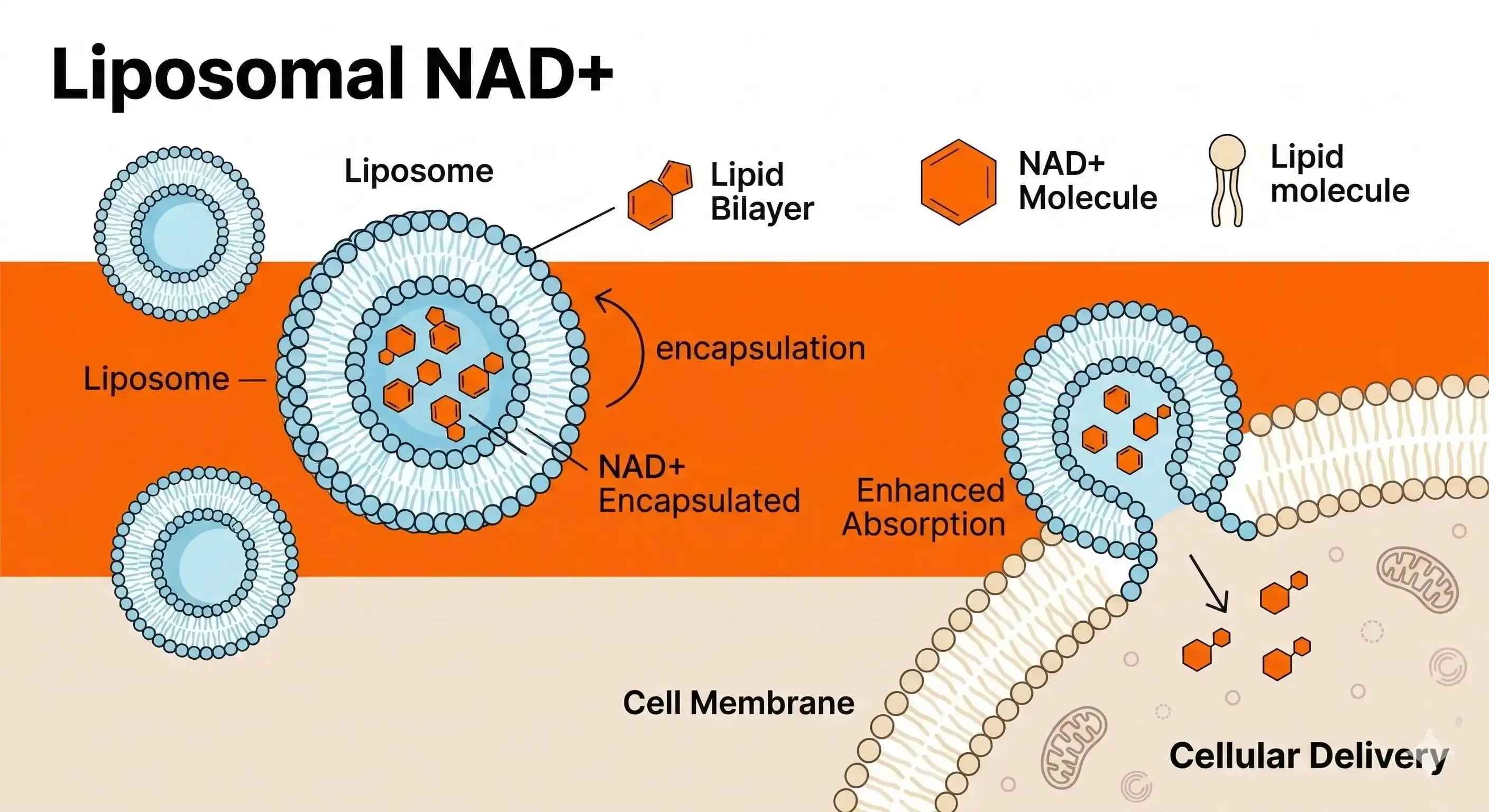
Liposomal NAD powder is experiencing unprecedented momentum in functional nutrition markets because it solves the persistent challenge of low oral bioavailability inherent to standard NAD+ supplements. By encapsulating Nicotinamide Adenine Dinucleotide within phospholipid bilayers—mimicking human cell membranes—this advanced delivery system protects the coenzyme from gastric degradation while facilitating direct cellular uptake. The result is absorption rates 8 to 10 times higher than unencapsulated forms, making it a strategic choice for B2B manufacturers targeting energy metabolism, mitochondrial repair, and longevity-focused formulations. The global nutrition market is still interested in cellular health vitamins, especially those that help with good ageing, energy metabolism, and brain health. Hongda Phytochemistry's liposomal NAD powder is one of these ingredients that is becoming more and more famous because it is more stable and easier to absorb than other NAD+ products. NAD+ is an important part of how cells make energy and keep their metabolism in check. However, regular NAD+ ingredients are often unstable and break down quickly when digested, which makes them less useful. This liposomal NAD powder from Shaanxi Hongda Phytochemistry Co., Ltd. is a popular choice for many supplement brands and formulators because it protects NAD+ and makes it more bioavailable. Hongda Phytochemistry is an experienced ingredient producer that sells high-quality liposomal NAD powder all over the world for use in functional foods, nutraceuticals, and private label products.
How Liposomal NAD Powder Improves NAD+ Delivery
Why Traditional NAD+ Supplements Have Limitations
Standard NAD+ ingredients often face several formulation challenges:
- Poor stability
- Low absorption
- Sensitivity to heat and moisture
- Short shelf life
Because NAD+ can break down in the stomach system, taking standard forms by mouth may not provide full absorption. One reason many companies are moving toward liposomal delivery methods is because of this.
Liposomal Technology and Encapsulation Benefits
Liposomal NAD powder uses phospholipid-based carriers to help protect NAD+ molecules during digestion.
These microscopic liposomes help:
- Improve ingredient stability
- Enhance absorption
- Protect against oxidation
- Support controlled release
The phospholipid structure can also make different vitamin formulas more compatible with each other. Advanced packaging technology is used at Shaanxi Hongda Phytochemistry Co., Ltd. to help keep products stable and consistent while they are being made and while they are being stored.
Potential Benefits of Liposomal NAD Powder
Support for Cellular Energy Production
NAD+ is involved in ATP production inside mitochondria, making it important for cellular energy metabolism. Because of its improved absorption profile, liposomal NAD powder is commonly used in products designed for:
- Energy support
- Healthy aging
- Active lifestyle nutrition
- Daily wellness formulas
Many supplement brands position NAD-related products for consumers seeking metabolic and vitality support.
Healthy Aging and Cellular Wellness
Research into NAD+ has expanded significantly in recent years because of its relationship with:
- Cellular repair
- Oxidative stress response
- Sirtuin activity
- DNA maintenance
Published studies suggest that maintaining healthy NAD+ levels may support healthy aging and overall cellular function. As a result, liposomal NAD powder is widely used in anti-aging and longevity-focused formulations.
Cognitive and Brain Health Applications
Liposomal delivery systems may also improve nutrient transport efficiency.
This has increased interest in liposomal NAD powder for:
- Nootropic supplements
- Cognitive wellness products
- Focus and productivity formulas
Manufacturers often combine NAD+ with ingredients such as:
- CoQ10
- Resveratrol
- Lion’s Mane extract
- Phosphatidylserine
to create advanced brain health formulations.
Liposomal NAD Powder vs Other NAD Ingredients
Compared with Standard NAD+ Powder
Traditional NAD+ powder can be difficult to formulate because of its sensitivity to environmental conditions.
Liposomal NAD powder offers several advantages:
| Feature | Liposomal NAD Powder | Standard NAD+ Powder |
|---|---|---|
| Stability | Higher | Lower |
| Absorption support | Yes | Limited |
| Oxidation resistance | Better | Weak |
| Shelf life | Longer | Shorter |
These advantages make liposomal formulations more suitable for commercial supplement production.
Compared with NMN and NR
NMN and NR are common NAD+ precursors used in the nutrition industry. However, these ingredients require additional metabolic conversion before becoming NAD+ inside the body. Liposomal NAD powder delivers NAD+ directly in a protected phospholipid system, which may help improve ingredient utilisation. Because of this, many brands now explore liposomal NAD products alongside NMN and NR formulations.
Why Supplement Brands Choose Liposomal NAD Powder
Flexible Applications Across Product Categories
Liposomal NAD powder can be used in multiple delivery formats, including:
- Capsules
- Tablets
- Sachets
- Powder blends
- Functional beverages
Its powder form also simplifies transportation and storage compared with liquid liposomal products that require cold-chain logistics.
Suitable for OEM and Private Label Products
For private label brands and contract manufacturers, ingredient stability is extremely important.
Liposomal NAD powder is widely used in OEM and ODM projects because it offers:
- Better processing stability
- Easier formulation compatibility
- Longer shelf life
- Flexible dosage design
Professional suppliers may also provide:
- Customized specifications
- Packaging solutions
- Stability testing
- Technical formulation support
Quality Standards for Liposomal NAD Powder
Manufacturing and Testing Requirements
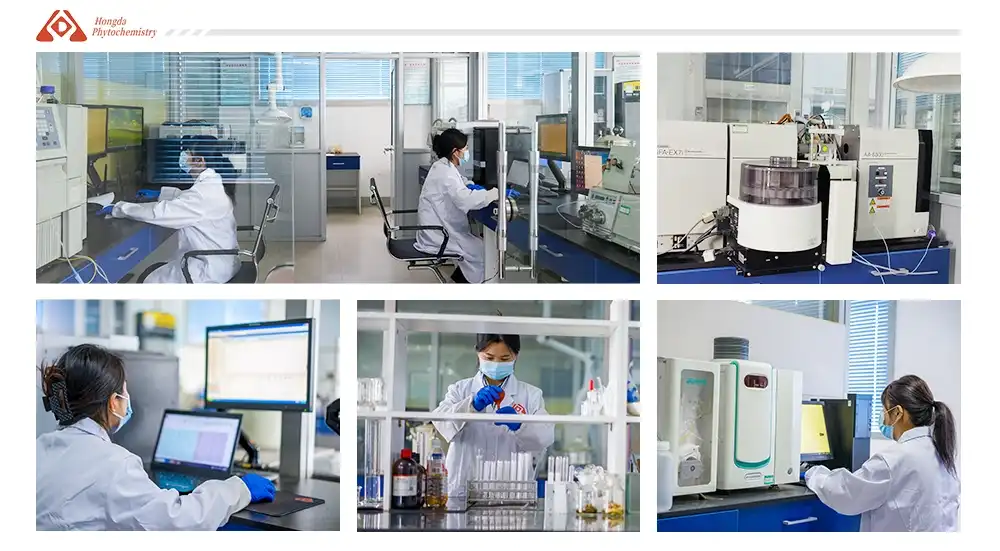
High-quality liposomal NAD powder should undergo strict quality control procedures, including:
- Heavy metal testing
- Microbiological testing
- Particle size analysis
- Stability testing
- Encapsulation efficiency verification
Reliable manufacturers also maintain controlled production environments to ensure batch consistency.
Certifications and Compliance
International buyers often prioritise suppliers with certifications such as:
- GMP
- ISO 22000
- HALAL
- KOSHER
- FSSC 22000
These approvals help make sure that products meet quality standards and legal requirements in all global markets. Shaanxi Hongda Phytochemistry Co., Ltd. has complete quality control systems that help people around the world who buy nutraceuticals and nutrition supplements.
Why Work with a Professional Liposomal NAD Powder Supplier?
Selecting a reliable supplier can improve both product quality and development efficiency.
An experienced manufacturer can help brands with:
- Raw material consistency
- OEM & ODM services
- Custom formulations
- Regulatory documentation
- COA and testing support
- Bulk wholesale supply
Strong technical support for liposomal NAD powder also cuts down on the time it takes to make new products and makes companies more competitive in the market.
Conclusion
Liposomal NAD powder is becoming a more important ingredient in the nutrition business as people become more interested in cellular health and good ageing. It can be used in current food supplements because it is more stable, has a better delivery method, and can be made in a lot of different ways. When compared to regular NAD+ ingredients, liposomal versions are more useful for both makers and customers. In the growing functional nutrition market, working with an expert liposomal NAD powder maker can be worth it in the long run for brands that want a steady supply, technical support, and unique solutions.
FAQ
1. How Much Does Bioability Improve with Liposomal Encapsulation?
Comparative pharmacokinetics studies demonstrate that liposomal NAD powder formulations achieve systemic absorption rates 8 to 10 times higher than non-encapsulated forms. The phospholipid bilayer facilitates membrane fusion, bypassing degradation pathways that limit conventional oral supplements to sub-5% bioavailability.
2. What Certifications Validate Supplier Quality?
Reputable manufacturers maintain current certifications, including cGMP for pharmaceutical-grade production, FSSC 22000 for food safety management, ISO 22000 for quality systems, and HALAL/KOSHER for dietary compliance. Organic certifications (EU and NOP standards) confirm non-GMO, pesticide-free sourcing. Request batch-specific COAs detailing encapsulation efficiency, particle size (DLS analysis), heavy metal testing, and microbial limits.
3. Are There Regulatory Considerations for Import?
NAD+ classification varies by jurisdiction. In the United States, it typically qualifies as a dietary supplement ingredient under DSHEA when properly labelled. European markets require Novel Food authorisation depending on the application claims. Working with suppliers experienced in export documentation—including health certificates, phytosanitary certifications, and customs harmonisation codes—streamlines cross-border compliance.
Partner with HONGDA for Premium Liposomal NAD Powder Supply
Shaanxi Hongda Phytochemistry Co., Ltd. stands as a vertically integrated liposomal and powder manufacturer serving global nutraceutical, pharmaceutical, and functional food sectors. Our 20,000-square-meter cGMP-certified facility combines patented high-pressure liposomal and powder homogenization technology with SGS-standard laboratories staffed by over 20 PhD-level researchers. Every batch undergoes rigorous HPLC verification, ensuring NAD+ purity ≥98% and encapsulation rates consistently exceeding 92%. With MOQs starting at 1kg for formulation trials and annual production capacity reaching 3,000 tons, we deliver the supply security and technical partnership your product development demands. Contact our B2B team at duke@hongdaherb.com to discuss customised specifications, receive detailed COA documentation, and explore OEM/ODM collaboration opportunities that transform innovative liposomal nad powder formulations into market-leading products.
References
1. Rajman, L., Chwalek, K., & Sinclair, D.A. (2018). Therapeutic Potential of NAD-Boosting Molecules: The In Vivo Evidence. Cell Metabolism, 27(3), 529-547.
2. Liu, L., Su, X., Quinn, W.J., Hui, S., Krukenberg, K., Frederick, D.W., & Rabinowitz, J.D. (2018). Quantitative Analysis of NAD Synthesis-Breakdown Fluxes. Cell Metabolism, 27(5), 1067-1080.
3. Akbari, M., Kirkwood, T.B., & Bohr, V.A. (2019). Mitochondria in the Signalling Pathways that Control Longevity and Health Span. Ageing Research Reviews, 54, 100940.
4. Shade, C.W. (2016). Liposomes as Advanced Delivery Systems for Nutraceuticals. Integrative Medicine: A Clinician's Journal, 15(1), 33-36.
5. Cantó, C., Menzies, K.J., & Auwerx, J. (2015). NAD+ Metabolism and the Control of Energy Homeostasis: A Balancing Act between Mitochondria and the Nucleus. Cell Metabolism, 22(1), 31-53.
6. Fang, E.F., Lautrup, S., Hou, Y., Demarest, T.G., Croteau, D.L., Mattson, M.P., & Bohr, V.A. (2017). NAD+ in Aging: Molecular Mechanisms and Translational Implications. Trends in Molecular Medicine, 23(10), 899-916.