



_1745918362135.webp)

For nutraceuticals that need to provide zinc consistently, without significant side effects, formulators are still relying on the same amino acid mineral chelate. For what? Let's look into this propensity. Shaanxi Hongda Phytochemistry Co., Ltd. (the trade name: Hongda Phytochemistry) offers bulk zinc bisglycinate with visual purity, dependable chelation, and verifiable manufacture, which are crucial qualities when a raw ingredient leaves the technical data sheet and enters a consumer product. In this post, we will examine why nutraceutical companies choose this chemical over conventional zinc salts, what manufacturing parameters actually make a clean, pale-colored powder, and how to check a China-based source before making a bulk order.
The Nutraceutical Case for Zinc Bisglycinate Powder
A Pale, Clean Powder Appearance as a Purity Signal
Experienced formulators prefer to evaluate the quality of a raw material by more than just a certificate, and visual appearance is one of the first checks when a new shipment comes. A high-grade zinc glycinate pale powder should be a homogeneous, free-flowing, light-colored substance free from visual discoloration, clumping, or off-odor. All these indicate inadequate reaction, contamination, or poor drying control during the synthesis. Buyers who have compared shipments from multiple suppliers often report that a darker or inconsistent powder color is indicative of looser process control elsewhere in production, and for this reason appearance has become an informal but genuinely useful first screening step before the lab results even come back. Some quality control teams even snap pictures of incoming batches next to a standard reference sample so that tiny variations in shade or texture may be noticed and compared over time, rather than relying on recollection alone.
Amino Acid Chelation Meets Nutraceutical Standards
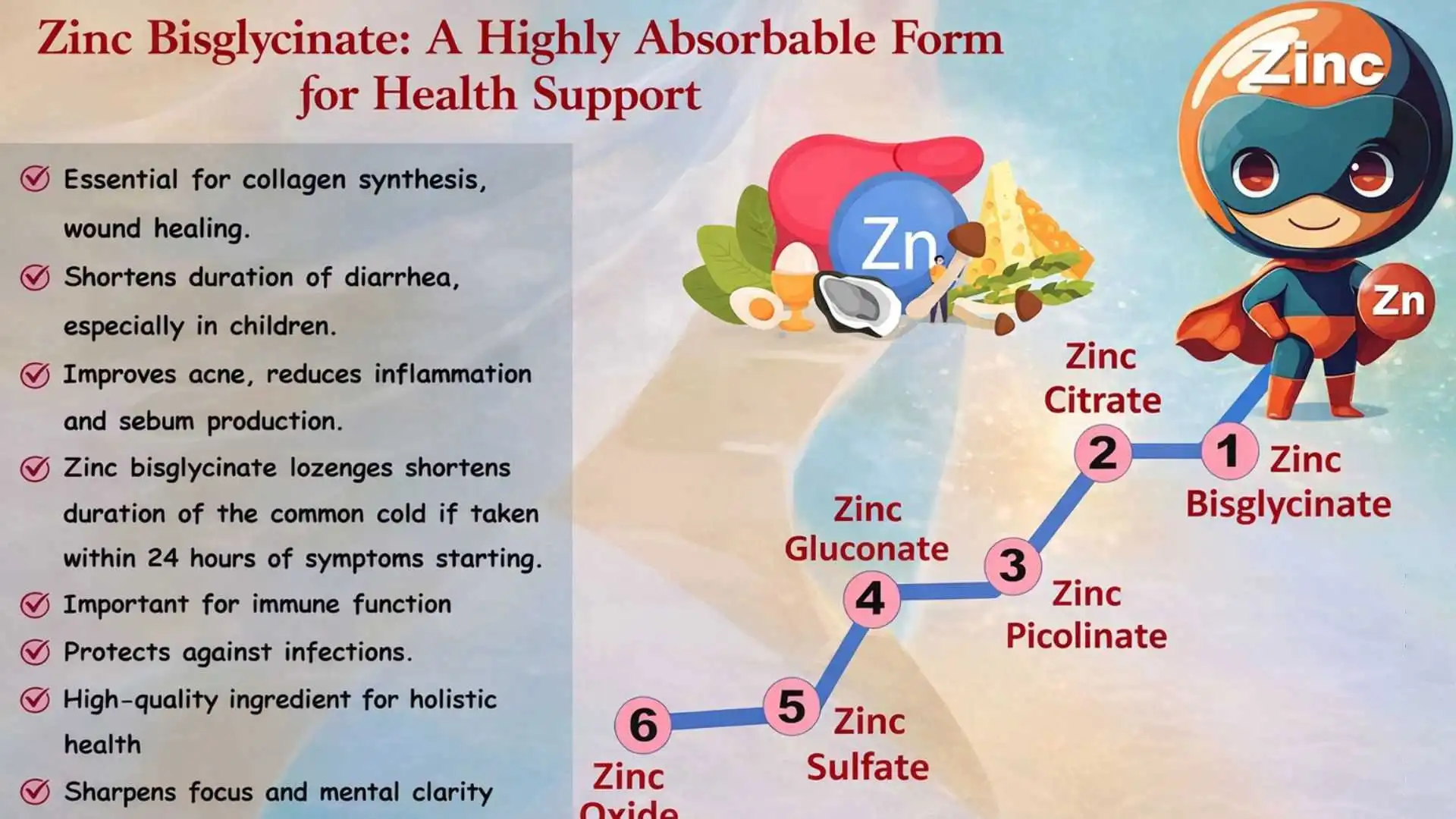
It’s getting more difficult for nutraceutical businesses to provide evidence of effectiveness and safety claims. Amino acid chelates, such as zinc glycinate pale powder, fit well into this regulatory and scientific setting since the chelation process is well defined in the mineral absorption literature. The science team of a brand can describe and justify the passage of zinc attached to glycine through the intestinal wall via peptide transport pathways, rather than just passive ionic diffusion, much more easily than the more variable absorption behavior of inorganic salts. This scientific clarity has made the chelated version a more defensible option for firms establishing marketing claims around bioavailability. Regulatory and scientific affairs teams often have a specific preference for ingredients with this type of well-established mechanism when evaluating new formulations. This reduces the burden of proof a brand needs to meet when it wants to discuss absorption benefits in consumer-facing marketing copy.[1][2]
Consumer Demand for Gentle, Effective Minerals
Today’s web-researching customer is considerably more savvy, and many are now explicitly seeking chelated mineral forms after experiencing stomach discomfort with lower-priced zinc items in the past. This new consumer knowledge has pushed nutraceutical firms to reformulate with products such as zinc glycinate pale powder, since a softer raw material minimizes the return and complaint rate that often occurs with more aggressive inorganic salts. Brands that switch and explain this change clearly on their packaging frequently find their customers stick with them longer since a product that is pleasant to take every day is significantly more likely to be repurchased than one that causes even occasional stomach trouble. This consumer knowledge is increasingly being reflected directly in online evaluations, with buyers singling out particular chelated mineral forms in product comments, rather than merely remarking on general tolerability.[4]
Regulatory and Label-Claim Advantages
Many regulatory systems differentiate between mineral forms in terms of bioavailability-related claims, and having documented elemental content and chelation data for zinc glycinate pale powder puts a brand’s regulatory affairs team in a stronger position when submitting product notifications in markets such as the EU and US. Published research more often describes the behavior of the chelated form in the stomach than some of the newer, less-studied mineral forms; therefore, manufacturers often face fewer substantiation issues when making comparable bioavailability claims. That regulatory certainty is a significant, although unrecognized, reason nutraceutical formulators continue to specify this ingredient over less-documented alternatives. Brands with many export markets at once benefit from a single well-characterized raw material specification rather than having to alter sourcing for each region’s varying documentation demands. Working with a non buffered zinc bisglycinate factory in China can also help formulators obtain clearer technical documentation for this specific mineral form, ensuring that the ingredient specification, production process details, and quality records align with the compliance expectations of different international markets.[2]
Manufacturing Considerations Behind a Clean Zinc Glycinate Pale Powder
Non-Buffered Zinc Bisglycinate Factory in China: What Does It Mean for Purity?
The zinc bisglycinate factory in China that makes the chelate without blending in other mineral salts during synthesis generally produces a cleaner, more consistent zinc glycinate pale powder than pre-blended products that blend chelate with buffering agents at the manufacturing stage. The non-buffered version is commonly bought directly by buyers who want precise control over their own formulation ratios, allowing them to build blends in-house rather than having to work around a predefined ratio determined by the raw material provider. Hongda’s zinc bisglycinate comes in this non-buffered form, since we want formulators to have this option, rather than lock them into one predetermined elemental ratio that may not fit every completed product’s dose needs.
Elemental Zinc in Zinc Bisglycinate Supplier in China Verification
Before agreeing to a bulk purchase, one of the most critical due diligence procedures a nutraceutical brand can do is to verify elemental zinc in the zinc bisglycinate supplier's paperwork in China, since this value directly influences dosing accuracy for the end product. If a provider is reluctant or unable to offer atomic absorption measurements particular to the batch of zinc glycinate pale powder, this should be a major red flag. Generic specification sheets without accompanying lab data are a typical shortcut among less diligent makers. Hongda tests every batch using its own laboratory testing methodology, which is SGS-standardized, and purchasers may ask for the underlying test report, not a simplified summary, if their internal quality team needs that level of information for their own supplier audit file.
Elemental Zinc in Zinc Bisglycinate Manufacturer in China Testing Standards
Seeing how a zinc bisglycinate producer in China tests for elemental zinc tells you a lot about the supplier's overall quality discipline. The equipment and procedure used directly affect the accuracy and repeatability of the results. Brands that use old, poorly calibrated equipment will see variable results, but only if the brand’s own inbound quality control staff checks the item. Hongda’s lab is equipped with atomic absorption spectrophotometers, HPLC, and titration equipment to double-check elemental content in its zinc glycinate pale powder, giving overseas customers a degree of testing redundancy that smaller facilities sometimes cannot provide. When the result is outside the expected parameters, this cross-checking method reduces the time for an investigation dramatically, since many data points are already collected for comparison instead of doing a full retest cycle.
Color, Odor, and Visual Purity Indicators
And like the zinc glycinate pale powder, beyond formal lab testing, skilled quality assurance teams train receiving staff to recognize the tiny visual and smell clues in incoming raw materials. A little ammonia-like odor, yellowing of the material, or visible clumps of moisture may all be signs of a manufacturing or storage fault that is worth investigating before the material goes to a production line. For buyers evaluating an elemental zinc in zinc bisglycinate supplier in China, adding this kind of sensory inspection to a standard incoming-goods checklist costs a receiving team almost nothing in time but often catches problems earlier than waiting for full laboratory confirmation—particularly for brands running high-volume production schedules with tight turnaround windows.
|
Items
|
Specifications
|
Test Results
|
Test Methods
|
||
|
Appearance
|
White crystalline powder
|
Conforms
|
In-house
|
||
|
Zinc Bisglycinate,w/%
|
≥98.0
|
98.7
|
In-house
|
||
|
Zinc(on dried basis),w/%
|
≥30.0
|
30.1
|
In-house
|
||
|
Loss on drying,w/%
|
≤1.0
|
0.49
|
In-house
|
||
|
pH
|
7.5~9.0
|
8.1
|
In-house
|
||
|
Particle size,w/%
|
90% passing 60 mesh
|
Conforms
|
In-house
|
||
|
Additional Guarantees
|
|||||
|
Items
|
Limits
|
Test Methods
|
|||
|
Individual Heavy metals
|
Pb, ppm
|
≤3
|
AAS
|
||
|
As, ppm
|
≤1
|
AAS
|
|||
|
Cd, ppm
|
≤1
|
AAS
|
|||
|
Hg, ppm
|
≤0.1
|
AAS
|
|||
|
Microbiologicals
|
Total plate count, cfu/g
|
≤1000
|
USP
|
||
|
Yeast and Mold, cfu/g
|
≤100
|
USP
|
|||
|
E. Coli, /g
|
Negative
|
USP
|
|||
|
Salmonella, /25g
|
Negative
|
USP
|
|||
Sourcing from a Verified Zinc Bisglycinate Factory in China
Evaluating Production Scale and Standing Inventory
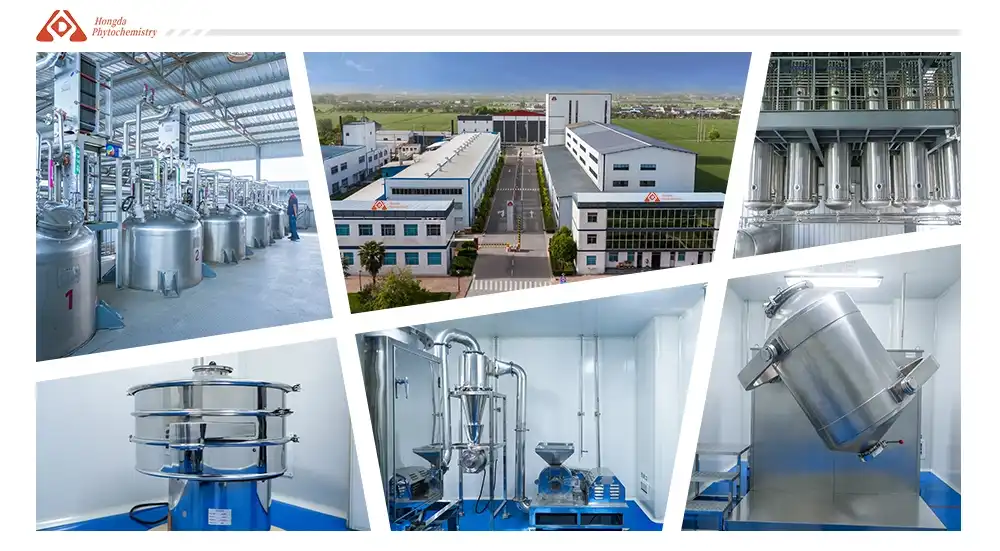
For a zinc bisglycinate factory in China that can support nutraceutical brands at scale, standing inventory of zinc glycinate pale powder is the norm rather than manufacturing strictly against incoming purchase orders, as this dramatically shortens lead times for buyers with tight production schedules. Also, facilities with several active lines of production are better able to absorb sudden increases in order volume without jeopardizing present customer obligations. This is exactly the sort of responsive fulfillment that Hongda’s organized six-zone warehouse system and more than ten modern production lines support, even when overall industry demand for chelated minerals spikes in anticipation of seasonal cold and flu marketing pushes.
Documentation Buyers Should Request Before Ordering
When buying zinc glycinate pale powder, nutraceutical brands should ask for a complete documentation package, including certificates of analysis, heavy metal and microbial testing results, and any halal, kosher, or organic certifications applicable to their target market before finalizing a purchase order. Companies contemplating a new product launch or changing suppliers may request this material directly from Hongda’s technical sales team at duke@hongdaherb.com with current pricing and lead time information according to the required order volume. Before you make a big purchase, consider these papers attentively, the best way to avoid pricey quality surprises later in the supply chain.
Building a Long-Term Nutraceutical Supply Relationship
When formulations need to change or a supplier’s capacity unexpectedly changes, nutraceutical companies that see raw material procurement as a one-off purchase rather than a long-term collaboration tend to scramble. In general, if you have a direct technical relationship with a zinc glycinate pale powder supplier, especially one with expertise in elemental zinc in zinc bisglycinate manufacturer in China, and you are able to communicate regularly about expected order quantities and any planned formulation changes, you will get more consistent pricing and priority service when supply is limited. Rather, this is the kind of long-term planning relationship that Hongda’s technical sales force actively helps its repeat nutraceutical customers with. This often results in a steadier, more dependable sourcing relationship over time for both sides.
Formulating Zinc Glycinate Pale Powder into Finished Nutraceuticals
Capsules and Tablets
Zinc glycinate pale powder is easy to process through standard encapsulation and tableting equipment, and its relatively high elemental zinc content allows formulators to reach target doses without oversized capsules, which is important for consumer-facing multi-vitamin and immune support products that already need to accommodate several other actives. The light color also helps to retain the clean, uniform appearance of transparent capsule shells, an aesthetic that some manufacturers specifically want when promoting a luxury product line. Due to its visual consistency and constant elemental makeup, the material might be used as a viable default for solid dose nutraceutical manufacture.
Powders and Functional Blends
Zinc glycinate pale powder is easy to mix in water and has very little color or aftertaste in the completed blend, a real benefit for flavored immune or wellness drink powders that would otherwise need expensive flavor-masking changes to mask metallic taste. Those who create multi-ingredient functional blends are especially happy with the powder’s compatibility with common excipients and other minerals since it seldom interacts adversely with common co-formulated ingredients such as vitamin C or B-complex vitamins in a shared powder base.[3][5]
|
Format
|
Typical Category
|
Formulation Note
|
|---|---|---|
|
Capsules
|
Daily immune, multivitamin
|
Low fill weight per elemental dose
|
|
Tablets
|
Combination minerals
|
Compresses well with standard excipients
|
|
Powder Sachets
|
Functional wellness drinks
|
Minimal color and aftertaste impact
|
|
Gummies
|
Pediatric, general wellness
|
Fine particle size improves dispersion
|
Custom Grades and Sample Requests
Not all nutraceutical applications need the same particle size, moisture content or packaging design. To this end, Hongda works with formulators directly to fine-tune various product variables for zinc glycinate pale powder to get the required final product. This flexibility is particularly helpful for organisations converting a current formula to a new distribution mechanism when the previous specification may not work well without change. If you are a buyer and want to request a sample, a bespoke spec sheet, or a formulation consultation, we recommend you contact us before you lock in a production timeline to allow for changes to be made without delaying a launch.
Conclusion
Zinc bisglycinate powder is a nutraceutical staple, and its chelation science, appearance, and regulatory clarity all support formulation performance and brand trust. As a reliable zinc bisglycinate factory in China, Shaanxi Hongda Phytochemistry Co., Ltd. provides pale powder zinc glycinate backed by strict SGS standardised testing, clear element verification, and a growing number of international certifications. Brands wishing to improve their nutraceutical formulations should get the papers and samples as soon as possible.
FAQ
1. Why does powder colour matter for zinc glycinate pale powder?
A uniform, pale appearance often signals well-controlled synthesis and drying, making it a useful first quality indicator before lab results arrive.
2. Is zinc glycinate a pale powder buffered with other minerals?
Hongda supplies it in non-buffered form, giving formulators full control over their own blend ratios.
3. How is elemental zinc content verified before shipment?
Hongda confirms elemental zinc using in-house atomic absorption testing alongside HPLC and titration cross-checks on every batch.
4. Does zinc glycinate pale powder work well in flavoured drink powders?
Yes, it disperses cleanly with minimal colour or aftertaste impact, making it suitable for functional beverage formulas.
Partner With HONGDA for Nutraceutical-Grade Zinc Glycinate Pale Powder
If your nutraceutical line depends on a clean, well-documented zinc source, HONGDA's zinc glycinate pale powder delivers the purity, chelation consistency, and regulatory-ready testing formulators need. Backed by SGS-standardised quality control, an expanding international certification portfolio, and dedicated production capacity, Hongda supports both first-time sample requests and long-term wholesale partnerships. Reach out today at duke@hongdaherb.com to request a certificate of analysis, confirm current specifications, or arrange a trial shipment for your next nutraceutical formulation.
References
1. Lönnerdal, B., "Dietary Factors Influencing Zinc Absorption," Journal of Nutrition.
2. Wang, H., et al., "Comparative Bioavailability of Zinc Amino Acid Chelates in Human and Animal Studies," Biological Trace Element Research.
3. Prasad, A.S., "Zinc in Human Health: Effect of Zinc on Immune Cells," Molecular Medicine.
4. Chasapis, C.T., et al., "Zinc and Human Health: An Update," Archives of Toxicology.
5. Gammoh, N.Z. and Rink, L., "Zinc in Infection and Inflammation," Nutrients.