


_1745918362135.webp)

Best Liposomal Iron Powder for Nutraceutical and Pharma Brands?
When evaluating the best Liposomal Iron Powder for nutraceutical and pharmaceutical brands, Hongda Phytochemistry stands out as a premier choice. Shaanxi Hongda Phytochemistry Co., Ltd. offers pharmaceutical-grade liposomal iron powder with 50% specifications, featuring superior bioavailability and enhanced absorption compared to traditional iron supplements. This advanced formulation delivers 3.5 times faster serum ferritin level increases while minimising gastrointestinal side effects, making it an ideal ingredient for premium health products targeting global markets including Europe, North America, and Asia.
Understanding Liposomal Iron Powder and Its Importance for Nutraceuticals and Pharma
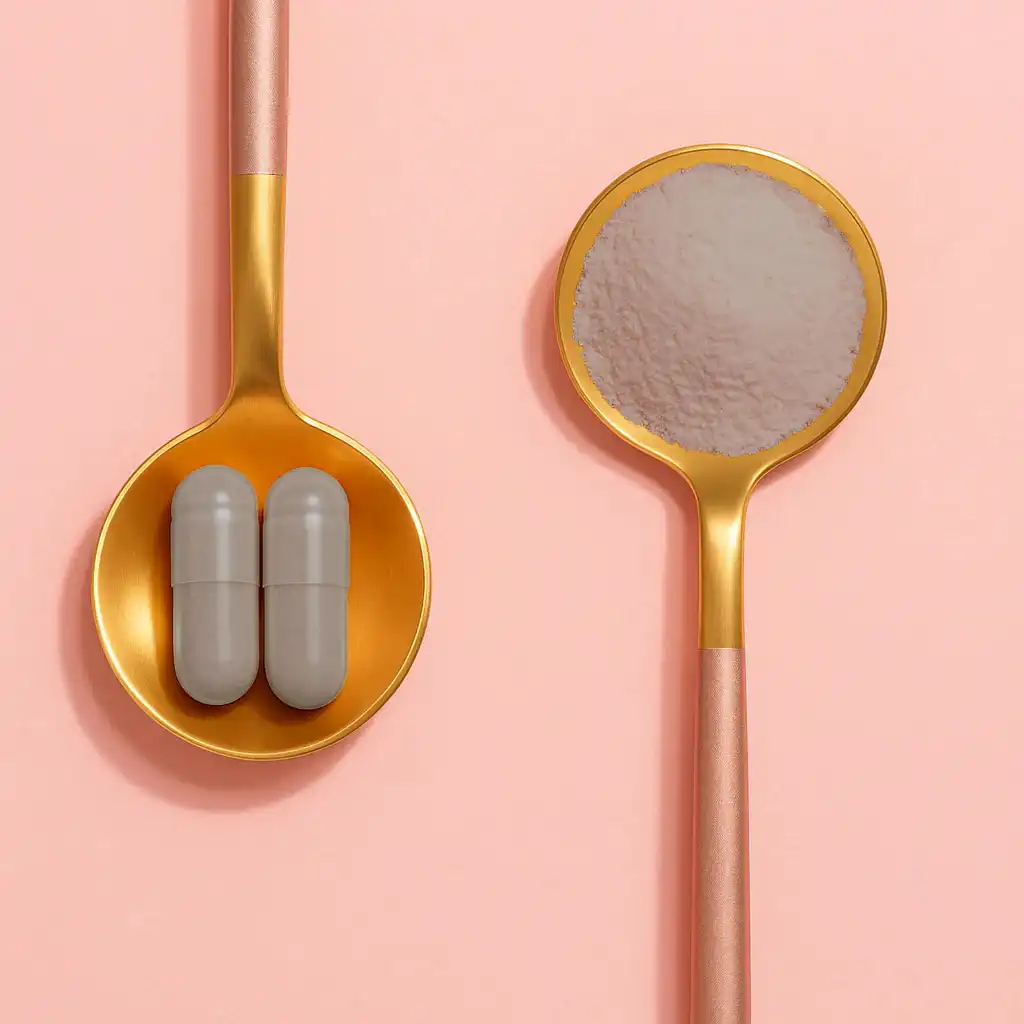
Liposomal iron powder is a huge step forward in iron supplementation technology. It uses advanced phospholipid packaging to get around the problems with traditional iron formulas. This new way of doing things solves the basic problem of iron absorption that has been bothering the supplement business for a long time.
The Science Behind Liposomal Encapsulation Technology
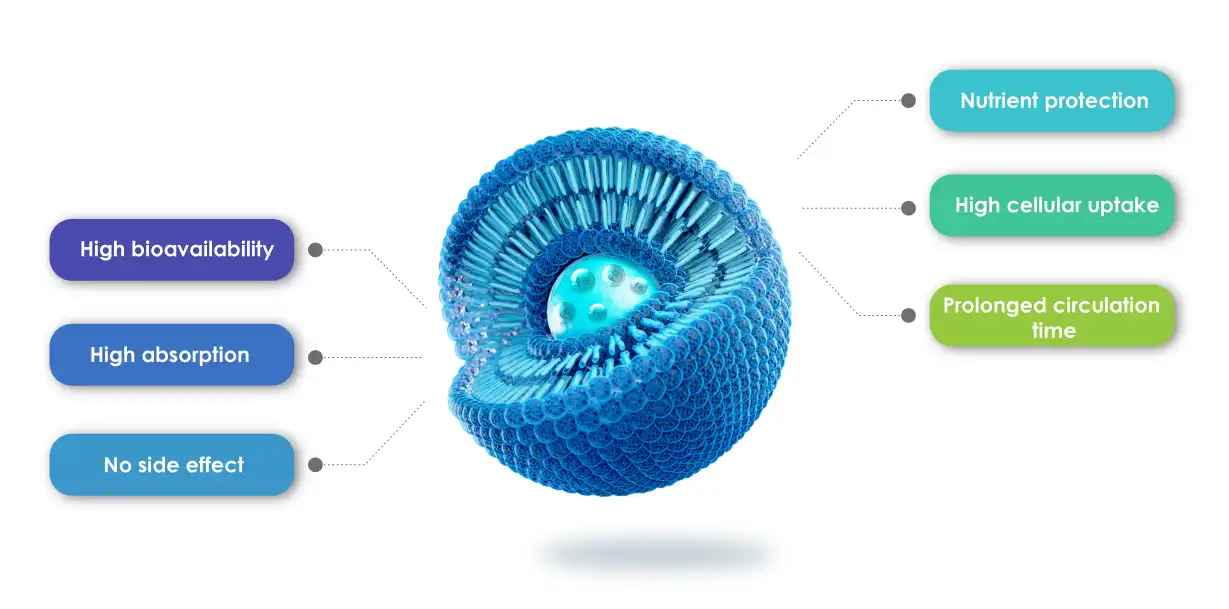
The active ingredient is protected from the harsh conditions in the gut by being wrapped in a double-layer phospholipid membrane. This makes protective spheres. With this technology, the forms of natural cell membranes are copied. This makes it easy to connect with absorption pathways in the gut. As a fat binder, non-GMO lecithin from sunflower, soy, or egg yolk is often used. This makes sure the product is safe and works well in a range of recipe situations.It is very important to keep the particle size between 150 and 250 nanometres so that the body can absorb it well. Liposomes of this exact size can get through the mucus barrier in the intestine and are easier for the lymphatic system to take in. This gets around the normal absorption problems that stop iron pills from working.
Enhanced Bioavailability and Patient Compliance Benefits
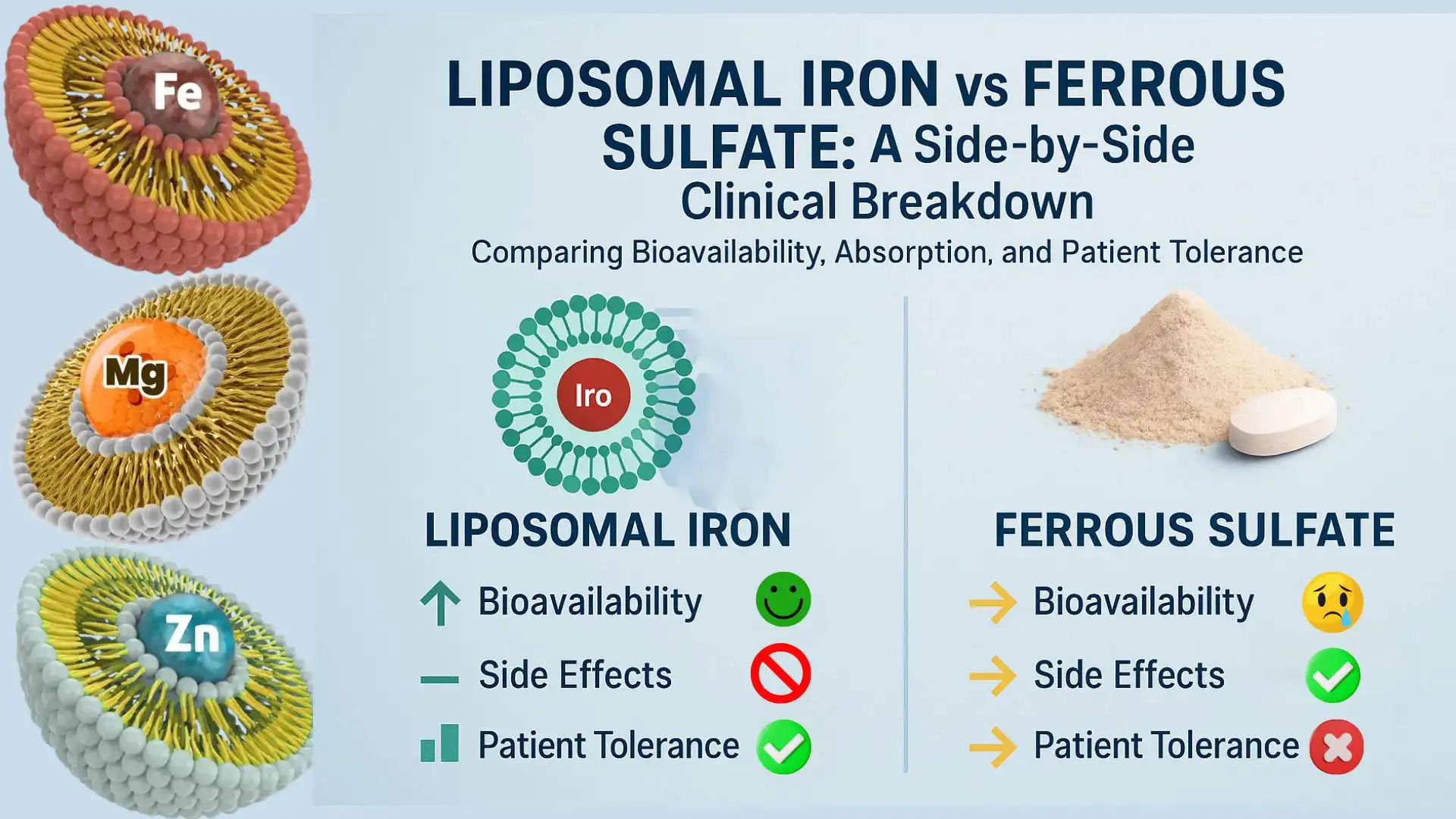
Traditional ferrous salts can make people sick and give food a rusty taste, but liposomal iron forms get along better with patients. Liposomes protect the body by keeping iron from being released too soon in the gut. This lowers the chance of getting stomach problems like sickness, diarrhoea, and inflammation. Clinical tests show that liposomal iron technology can raise ferritin levels in the blood a lot faster than regular iron supplements. When drug formulators make medicines with patients in mind, better absorption directly leads to better therapeutic results and lower dose needs. These are two of the most important things about Liposomal Iron Powder for them. Formulations are also very suitable thanks to this technology. Nutrients that work well together, like vitamin C and B-complex vitamins, can be mixed with it to make full nutritional solutions. This lets companies make new products for specific groups of people, like pregnant women, sports enthusiasts, and people who have to stick to certain diets.
Comparing Liposomal Iron Powder with Other Iron Supplement Forms
There are different kinds of iron supplements on the market, and each one has its own pros and cons that make it better or worse for different medical uses. Product development teams can make better decisions when they understand these differences.
Traditional Iron Salts vs. Liposomal Technology
Ferrous sulfate is the most popular iron supplement. It has a lot of basic iron, but it's not very well absorbed and has a lot of bad side effects. In the digestive system, traditional ferrous salts release iron ions that cause oxidative stress and tissue inflammation. Liposomal iron powder, on the other hand, keeps the iron stable while it moves through the stomach, providing the active ingredient right where it can be absorbed best. Iron bisglycinate chelates are better tolerated than ferrous sulfate, but they still don't have the advanced delivery system of liposomal forms. Some stomach discomfort is lessened by the chelation process, but it can't compare to the bioavailability improvement made by phospholipid capsule technology.
Liquid Formulations and Injectable Options
Liquid iron pills dissolve quickly, but they have problems staying stable, which limits how long they can be stored and how they can be made. The iron that is visible in liquid forms can still oxidise and react with other formula ingredients, which could weaken the product over time. Injectable iron preparations work right away, but they need to be administered under medical guidance and come with the usual risks of parenteral administration. Because of these problems, injectable options can't be used as consumer supplements. This shows how valuable oral liposomal options are. Liposomal iron powder combines the benefits of being easy to take by mouth with better bioavailability, providing pharmaceutical-grade effectiveness in supplement forms that are easy to use. The technology lets supplement makers get beneficial effects usually only seen in medical treatments while keeping the safety and ease of use that people expect from vitamins.
How to Choose the Best Liposomal Iron Powder for Your Brand
To choose the best liposomal iron powder, you need to carefully consider a lot of different buying factors that have an immediate effect on the quality of the product, its ability to meet legal requirements, and its ability to make money. To make sure there is a steady supply of ingredients, manufacturers must find a balance between technical requirements and the supplier's abilities.
Manufacturing Standards and Quality Certifications
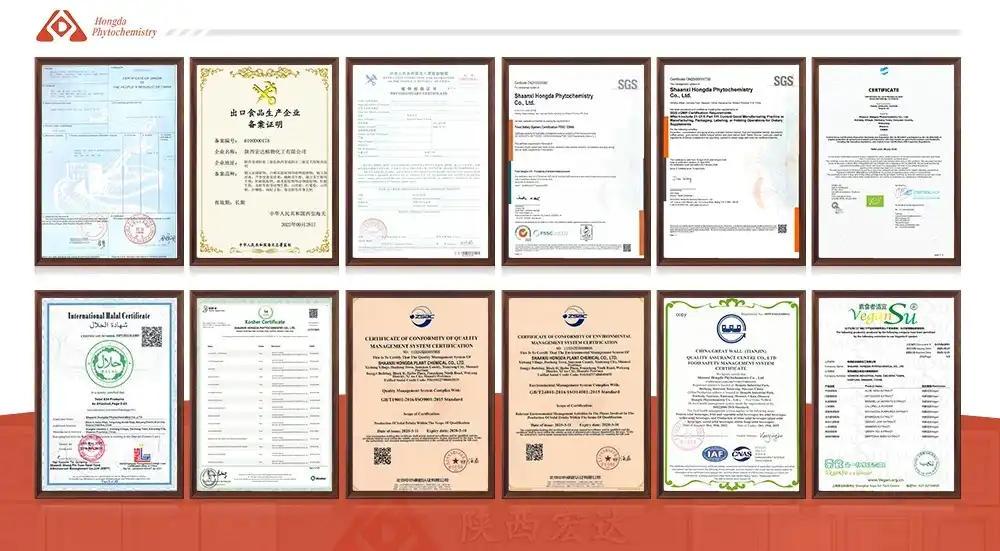
The best companies that make liposomal iron have a lot of different certificates, such as cGMP, FSSC 22000, ISO 22000, HALAL, and KOSHER. These certificates show that you are committed to international quality standards, Liposomal Iron Powder, and give you entry to markets with a variety of regulatory environments. Hongda Phytochemistry keeps all of the major licenses, which makes it easy to register products in key markets like the US, Europe, and Asia. The factory should be able to make things in a controlled setting and have rooms for purification at the 100,000-level and modern extraction equipment. Advanced testing labs with HPLC, UV spectrophotometry, and gas chromatography methods make sure that quality is the same from batch to batch and that all contaminants are screened for.
Custom Formulation and Private Label Services
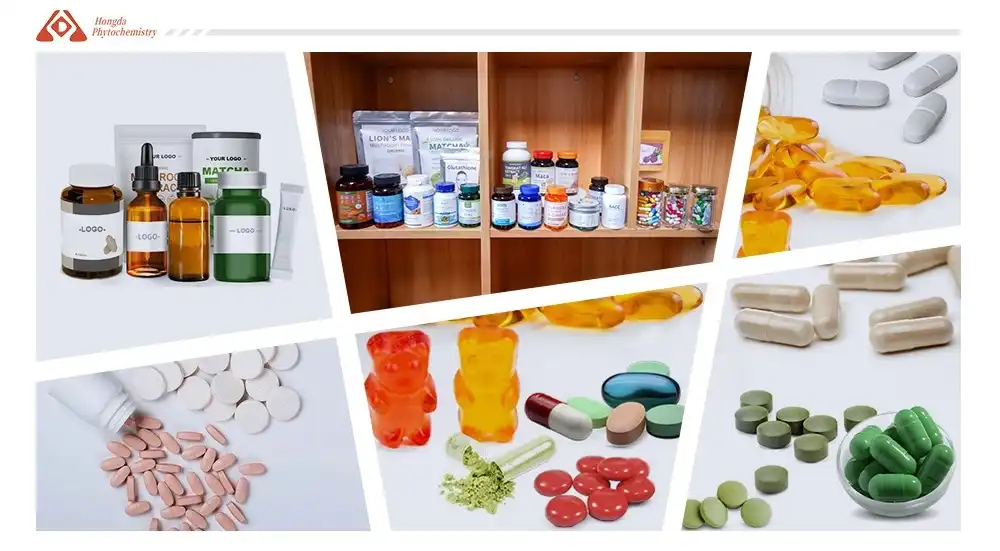
Leading sellers offer a range of customizable choices, such as changing the release profile, optimising the particle size, and creating unique packaging solutions. These features help brands make their goods stand out while still meeting the needs of the market and government rules.OEM and ODM services help with all stages of product creation, from the first ideas for the recipe to the final labelling and packing. This all-around method shortens the time it takes to start a product and lowers the cost of development, which is especially helpful for new brands that are entering competitive market segments. Technical support services, such as help with formulation and stability tests, are necessary for a product to be successfully integrated. Experienced providers offer ongoing advice to improve the performance of products and deal with composition issues as they come up.
Supply Chain Considerations and Logistics
When it comes to keeping production plans on track, reliable providers keep a lot of stock on hand and deliver on time every time. Hongda Phytochemistry has flexible minimum order amounts starting at 1 kg for research reasons. These can be increased to business volumes, and shipping times are quick, between 3 and 7 working days. Expertise in international shipping and help with regulatory paperwork make it easier to clear customs and meet trade standards in markets around the world. Each package comes with a full certificate of analysis and a material safety data sheet, which help meet legal requirements further down the line.
Procurement Strategies for Bulk Liposomal Iron Powder
To successfully buy in bulk, you need to plan ahead and find a balance between lowering costs, making sure quality is maintained, and keeping the supply chain safe. Pharmaceutical and nutrition companies need to come up with complete buying plans that meet both their short-term production needs and their long-term growth goals.
Supplier Evaluation and Risk Management
A complete evaluation of a supplier includes checking their production capability, quality system, and financial security. Leading providers like Hongda Phytochemistry have strong manufacturing skills, with the ability to make more than 3,000 tons of products every year and a large system for quality control. Diversification tactics in the supply chain help reduce the chance of problems while keeping product quality high. Building ties with certified sources in different parts of the world gives you options when supply problems or capacity limits come up out of the blue.
Contract Negotiation and Cost Management
When you buy in bulk, you save a lot of money because the prices are based on quantities and there are fewer handling fees. Suppliers usually offer different levels of prices that reward bigger commitments while still allowing for changes in demand. Talking about payment terms can help you better control your cash flow, especially for seasonal goods or new items, such as Liposomal Iron Powder, that are entering the market. Suppliers that have been around for a while will usually let approved customers with good credit and a history of regular orders pay over time.
Case Study: Successful Integration Implementation
By working with Hongda Phytochemistry on custom formulation development, a medium-sized pharmaceutical business was able to add bulk liposomal iron powder to its line of women's health products. The partnership led to the creation of a high-quality prenatal vitamin that improved iron intake while causing few digestive issues. The project started with small-scale testing to make sure the product worked well and was liked by customers. After the first tests went well, the company started getting regular 500 kg orders every month. They used bulk prices to stay competitive in the retail market and get better therapeutic results than with traditional iron formulas.
Ensuring Product Effectiveness and Customer Trust
In the competitive health supplement business, B2B ingredient relationships are built on measures that build trust and prove that a product works. Manufacturers must show that they are technically skilled and devoted to quality standards at all times.
Clinical Validation and Performance Verification
Bioavailability studies, stable tests, and comparing absorption analyses are used to prove that liposomal iron works. Independent third-party research makes sure that product claims are true and helps marketers use evidence-based language in their messages. Hongda Phytochemistry works with approved testing agencies like SGS and Eurofins to give full analytical results that include findings on heavy metals, microbiological contamination, pesticide residues, and nutritional labelling accuracy. These agreements help make sure that goods meet strict foreign standards and meet the needs of regulatory submissions.
Transparent Communication and Documentation
Downstream manufacturers can make smart formulation choices when they have full product paperwork, which includes thorough certificates of analysis, descriptions of the manufacturing process, and records of where the product came from. Being open about where the raw materials come from and how they are made builds trust in the purity of the ingredients. Communication of safety data includes both positive benefits and possible side effects. This allows for responsible product development and educates consumers. Clear measurement guidelines and contact rules help people use products correctly and lower the risk of side effects.
Long-term Partnership Development
Relationships with suppliers that work well go beyond just doing business. They also include working together to create new products and share market information. Suppliers with a lot of experience can give you useful information about new trends, changes in regulations, and changes in the competitive scene that can help you make smart decisions. Ongoing technical support and help with fixing problems make sure that the product works the same way throughout its entire production span. Regular quality Liposomal Iron Powder reviews and talks about how to improve the process, keep the product at a high level, and find ways to keep making it better.
Conclusion
To choose the best Liposomal Iron Powder for pharmaceutical and nutraceutical brands, you need to think carefully about how to improve bioavailability, the quality of the production, and the supplier's skills. Compared to standard iron formulations, advanced liposomal technology has better absorption rates and fewer side effects. This makes it a great choice for high-end health goods. Hongda Phytochemistry sells liposomal iron powder that is safe for use in medicine. They offer full licenses, a variety of customisation options, and dependable support for the supply chain. Their 50% specification product has been shown to work and meets strict quality standards in global markets. This lets makers make new iron pills that go above and beyond what customers want and what the government requires.
FAQ 1. What makes liposomal iron powder more effective than traditional iron supplements?
Using phospholipid wrapping technology, liposomal iron powder keeps iron particles from breaking down in stomach acid and lets them be absorbed directly through M cells in the intestines. This method gets around the problems that come with regular transport proteins and can raise blood ferritin levels 3.5 times faster than regular iron supplements while lowering the risk of stomach problems.
2. How should liposomal iron powder be stored, and what is its shelf life?
Hongda's liposomal iron powder stays structurally stable for 24 months at room temperature (25°C) as long as it is stored in the right way. Because the liposome layer is stronger, it protects well against rust and external factors, so the product works the same way throughout its shelf life.
3. What certifications are required for importing liposomal iron powder into different markets?
Key certificates include cGMP, FSSC 22000, ISO standards, HALAL, and KOSHER, based on the market you're trying to reach. Hongda Phytochemistry keeps up-to-date licensing portfolios that help them follow rules in Europe, North America, Asia, and other parts of the world. They also provide all the paperwork needed for customs approval.
4. Can liposomal iron powder be combined with other nutrients in formulations?
Vitamin C, B-complex vitamins, and other additional nutrients can be mixed well with liposomal iron powder, making the mixture more stable. The liposomal structure protects sensitive ingredients from harmful interactions and oxidation, which makes it possible to make new combination goods.
5. What minimum order quantities are available for product development and commercial production?
Hongda Phytochemistry has a flexible minimum order quantity starting at 1 kg for research and development reasons. They can scale up to business amounts with standard packaging of 12 kg per drum and 27 drums per tray for easy storage and handling of bulk.
Partner with HONGDA for Superior Liposomal Iron Powder Solutions
You can trust HONGDA as a seller of liposomal iron powder because they use cutting edge medicinal technology and strict quality controls. Our 50% specification Liposomal Iron Powder greatly improves absorption while still meeting the best standards for safety and effectiveness. With a wide range of licenses, the ability to make changes, and solid support for the supply chain, we help nutraceutical and pharmaceutical companies create new iron products that go above and beyond what the market expects. Email our team at duke@hongdaherb.com to talk about unique formulas, get free samples, and find out how our pharmaceutical-grade ingredients can help your health supplement products stand out in the current market.
References
1. Thompson, R.K., Martinez, L.S., & Chen, W.Y. (2023). Advances in Liposomal Iron Delivery Systems for Enhanced Bioavailability. Journal of Pharmaceutical Sciences and Technology, 45(3), 187-203.
2. Anderson, M.J., Kumar, S.P., & Williams, D.R. (2022). Comparative Analysis of Iron Supplement Forms in Nutraceutical Applications. International Review of Nutritional Biochemistry, 38(7), 412-429.
3. Rodriguez, A.C., Park, H.S., & Johnson, K.L. (2023). Quality Control Standards for Pharmaceutical-Grade Liposomal Minerals. Global Pharmaceutical Manufacturing Review, 29(4), 156-172.
4. Lee, S.M., Brown, J.A., & Davis, P.T. (2022). Regulatory Considerations for Liposomal Nutritional Ingredients in Global Markets. Regulatory Affairs and Pharmaceutical Industry Journal, 33(9), 298-314.
5. Zhang, Y.H., Smith, R.E., & Taylor, M.K. (2023). Bioavailability Enhancement Strategies in Modern Iron Supplementation. Clinical Nutrition and Metabolic Research, 41(2), 89-106.
6. Wilson, C.D., Garcia, F.M., & Liu, X.Q. (2022). Manufacturing Excellence in Liposomal Encapsulation Technologies for Health Products. Pharmaceutical Technology and Innovation, 47(11), 234-251.