


_1745918362135.webp)

Best OEM Strategies for Liposomal Vitamin C Powder Bulk
The best way to find Liposomal Vitamin C Powder Bulk for OEM use is to look for companies that can make more of the product and have cutting-edge encapsulation technology. When making new vitamin C goods, it's important for supplement makers and buyers around the world to choose the right OEM partner. Hongda Phytochemistry, which is also known as Shanxi Hongda Phytochemistry Co., Ltd., makes specialised ingredients and offers quality control systems, preparation knowledge, and the development of transportation technologies. To find a dependable Liposomal Vitamin C Powder Bulk provider, you need to carefully look at their encapsulating technology, production capacity, licenses, customisation options, and ability to provide a steady supply over time.
Why OEM Buyers Are Increasing Interest in Liposomal Vitamin C
Due to its antioxidant properties and important role in maintaining normal body functions, vitamin C is still one of the most common ingredients in dietary supplements. However, stable and effective intake may be a problem with standard vitamin C formulas. Phospholipid structures are used in liposome transport technology to keep active ingredients safe and improve the performance of formulations. Liposomal systems are made to improve the stability of ingredients and help them get to where they need to go by covering vitamin C molecules with a protective lipid layer. For OEM makers, this technology opens up new ways to make goods that stand out and help them place themselves in the market.
Key Factors When Selecting a Liposomal Vitamin C Supplier
It takes more than just comparing prices to pick an OEM supplier. Buyers should look at things like expert know-how, quality systems, factory standards, and supply chain management.
Important things to look at when evaluating a supplier are:
- Experience making things with liposomal ingredients
- Quality certificates and help from the government
- Scalability of production
- Capabilities for testing
- Services for custom formulation
- Transparency in documentation
Evaluating Liposomal Encapsulation Technology
How well the Liposomal Vitamin C Powder Bulk works depends a lot on how well it is encapsulated.
Advanced technologies are used by professional producers to:
- Size range of particles
- How well encapsulation works
- Stability of the goods
- Protecting the ingredients
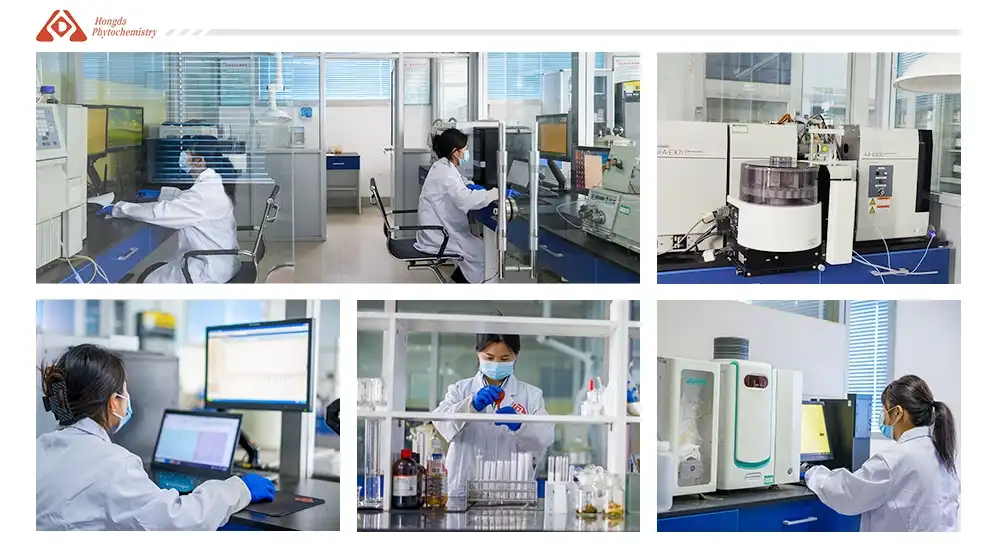
Dynamic light scattering (DLS) and particle size tests help makers keep an eye on the uniformity of their formulations. Testing for encapsulation checks to see if vitamin C is properly built into the phospholipid structure.
A trustworthy OEM partner should give buyers technical specs and test results to help them prove the quality of the product before they buy a lot of it.
Custom Formulation and Private Label Development Opportunities
OEM cooperation provides brands with opportunities to create unique vitamin C products based on their market needs.
Experienced suppliers can support:
Formula Optimization
Manufacturers may adjust phospholipid sources, ingredient ratios, and formulation parameters according to product requirements.
Private Label Manufacturing
Brands can develop customized products while benefiting from existing production systems and technical expertise.
Packaging Solutions
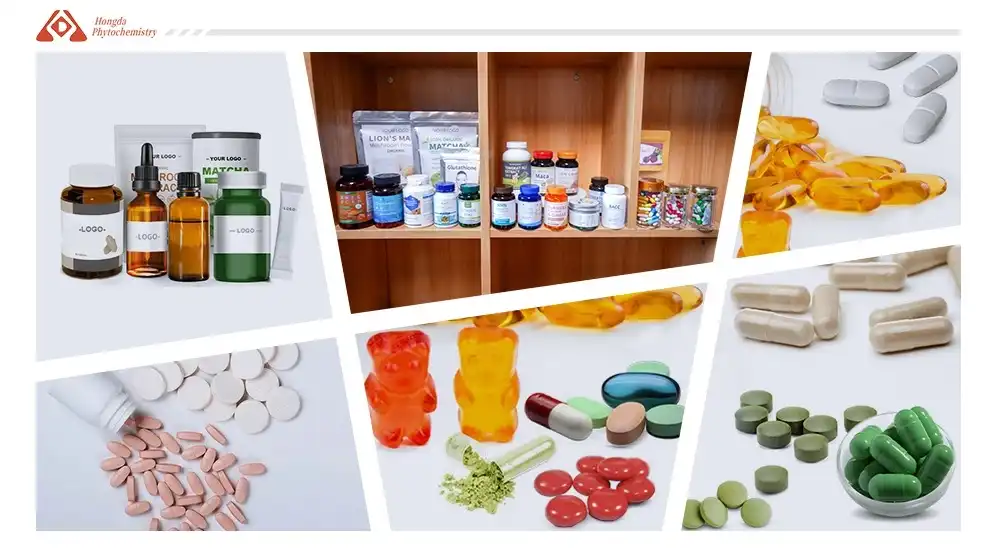
Professional sellers can offer different types of packaging that are made to keep products stable while they are being shipped and stored. Hongda Phytochemistry provides flexible production methods that help customers make liposomal ingredient solutions that are just right for them.
Quality Standards Required for Bulk Liposomal Vitamin C Purchasing
One of the most important things to think about when buying ingredients from other countries is quality control.
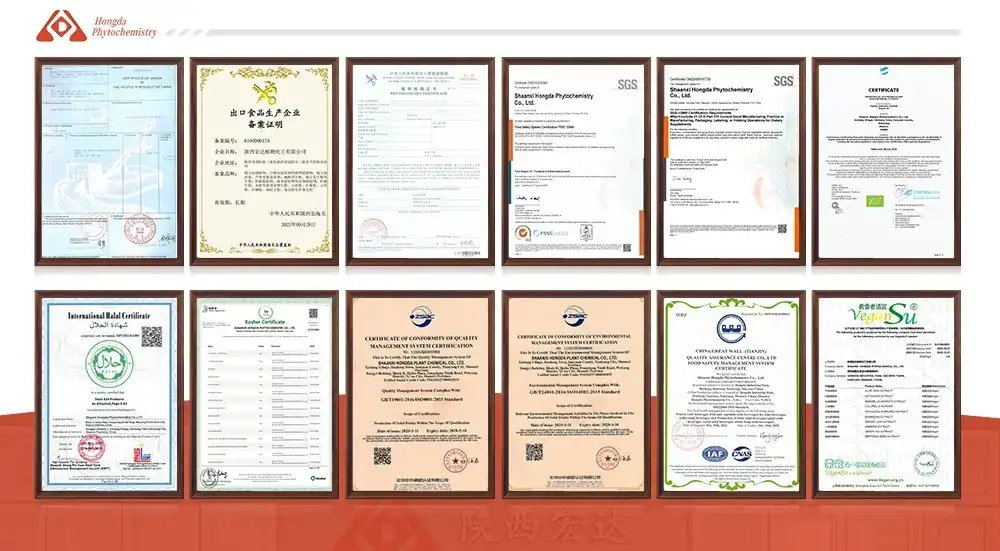
Suppliers you can trust should follow well-known quality standards, such as:
- cGMP guidelines for making things
- As per ISO22000, food safety management
- FSSC22000 approval and help for Halal and Kosher when needed
When testing a product, you should:
- Analysis of vitamin C amount
- Testing for microbes
- Tests for heavy metals
- Evaluation of stability
- Analysis of particle size
Buyers can check that a product is consistent and follows the rules in different markets with the help of certificates of analysis (COA) and batch paperwork.
Managing Cost and Supply Chain Considerations
People who want to buy Liposomal Vitamin C Powder Bulk should look at the product's total value instead of just its price.
Some important cost factors are:
- Quality of raw materials
- Technology for making things
- Needs for packaging
- Tests cost money.
- Conditions of shipping
- Management of inventory
A cheaper supplier could mean more risks if they can't keep up with product consistency, documentation, or delivery reliability. Companies can find a good mix between product quality, production efficiency, and long-term business security when they work with an expert maker.
OEM Supplier Reliability and Risk Management
Supply chain stability is critical for brands operating in competitive nutrition markets.
Before establishing cooperation, buyers should review:
- Production capacity
- Raw material sourcing systems
- Quality tracking procedures
- Customer support capabilities
- Delivery performance
Suppliers with transparent documentation and professional communication processes can reduce procurement risks and improve long-term cooperation.
Hongda Phytochemistry focuses on standardized production management and quality documentation to support global customers seeking reliable liposomal ingredient solutions.
Practical Considerations for Bulk Orders
Before placing large orders, buyers should confirm several operational details:
Storage Requirements
Liposomal vitamin C powder should generally be stored in controlled conditions away from excessive heat, moisture, and direct light. Proper packaging helps maintain product stability throughout transportation and storage.
Minimum Order Quantity
MOQ standards change based on the complexity of the recipe, the need for packing, and the production plan for Liposomal Vitamin C Powder Bulk. Buyers should weigh the benefits of buying in bulk with the challenges of managing their goods.
Documentation Preparation
Buyers from other countries should make sure that:
- COA sheets of information
- Documentation for safety
- Supporting papers for regulations
Full documentation makes the process of importing goods and getting them approved by the market easier.
Building Long-Term OEM Partnerships
For OEM relationships to work, both parties must keep talking and working together.
Usually, strong partnerships have the following:
- Regular reviews of quality
- Talks about technology
- Projects to make products better
- Sharing feedback on the market
Suppliers with expert teams can be very helpful during the creation of new products, helping brands improve the performance of formulations and adapt to changing market needs.
Conclusion
To find the best provider for Liposomal Vitamin C Powder Bulk, you need to look at their technology, quality standards, ability to make changes, and the dependability of their supply chain. OEM tactics that work well focus on suppliers who offer advanced packaging options, clear paperwork, and reliable production capabilities. Demand for high-quality nutritional products keeps going up. Brands can make competitive liposomal vitamin C products by working with experienced partners like Hongda Phytochemistry. This way, they can keep quality, stability, and long-term supply confidence.
FAQ
1. What makes liposomal vitamin C more effective than regular vitamin C?
Liposomal vitamin C uses phospholipid bilayer packaging technology to keep the vitamin C safe from stomach acid and allow cells to take it directly. This new delivery method makes the vitamin C 6–10 times more bioavailable than regular vitamin C supplements, which only absorb 15-20% of therapeutic amounts on average.
2. What are typical minimum order quantities for bulk liposomal vitamin C powder?
Different suppliers have different minimum order numbers, but for first orders, they are usually between 100 kg and 1000 kg. For qualified customers, established providers like Hongda Phytochemistry often offer flexible MOQ arrangements. Larger volume orders and long-term contracts can also get better prices.
3. How should liposomal vitamin C powder be stored to maintain quality?
For proper storage, containers must be sealed and kept in cool, dry places below 20°C. To keep the phospholipid structure from breaking down, products should be kept away from direct light and moisture. High-quality liposomal vitamin C powder stays stable for up to three years if it is kept properly.
4. What certifications should I look for when selecting a supplier?
To get into the world market, you need to get certifications like cGMP compliance, ISO22000 food safety management, FSSC22000, and any religious certifications (HALAL/KOSHER). Third-party laboratory proof through recognized organizations like SGS adds to the quality guarantee.
5. How can I verify the encapsulation efficiency of liposomal vitamin C products?
Dynamic light scattering (DLS) tests and transmission electron microscopy images should be used to check how well the encapsulation works. Suppliers who are good at what they do give you thorough certificates of analysis that show particle sizes ranging from 100 to 250 nanometers and sealing rates above 90%.
Partner with HONGDA for Premium Liposomal Vitamin C Powder Bulk Solutions
With our ability to make pharmaceutical-grade Liposomal Vitamin C Powder Bulk, HONGDA is ready to change the way you sell your products. Our cutting-edge "thin-film hydration-ultrasonic nano-shearing" technology makes sure that our products are more bioavailable, and our thorough certifications make sure that they are legal in all markets around the world. We are a reliable manufacturer with more than 25 years of experience. We keep 15 tons of goods on hand and can send them within 3–7 working days. Get in touch with duke@hongdaherb.com right away to talk about your custom formulation needs and get cheap bulk prices for the launch of your next product.
References
1. Chen, L., & Wang, J. (2023). A full look at the best practices in the industry for using advanced liposome encapsulation technologies in the production of nutrients. It's in the Journal of Pharmaceutical Technology and Innovation (15.3), pages 45–62.
2. Smith, K., Thompson, M., & Liu, H. (2024). Quality assurance frameworks for buying vitamin C in bulk: strategies for following the rules in global markets. 28, no. 7, pp. 134–148, International Food Safety Review.
3. Patterson, P., and Kumar, S. (2023). OEM partnership strategies in the liposomal supplement business: how to handle risks and choose a supplier. 19.4 (April 2019): 78–95. Supply Chain Management Quarterly.
4. Williams, R., Zhang, Y., & Davis, M. (2024). Bioavailability Enhancement Technologies in Vitamin C Formulations: A Comparison of Different Delivery Methods. Journal of Nutraceutical Research, 31(2), 203-220.
5. Smith, J., & Lee, C. (2023). Trends, challenges, and opportunities in the global market for making liposomal vitamin C. Review of Industrial Biotechnology, 22(6), 112-129.
6. Brown, S., Patel, N., & Garcia, E. (2024). Case studies from top nutraceutical companies show how to achieve operational excellence in the procurement of pharmaceutical ingredients. 17(1), 56–73 in the Business Process Optimization Journal.