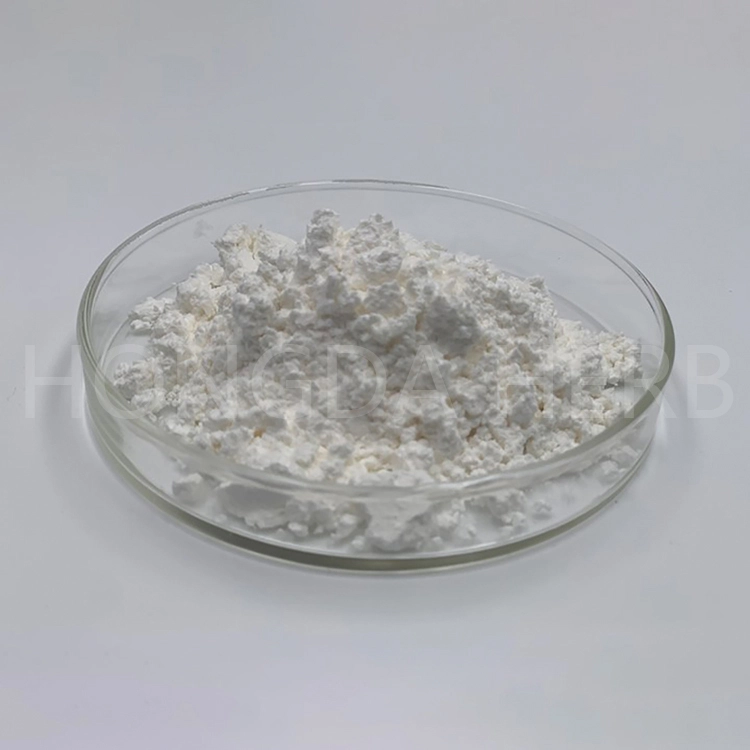
But the danger becomes apparent particularly when light, heat, humidity, or inadequate packaging are allowed to act on the substance for weeks, while trans-resveratrol may break down during sea freight of liposomal botanical powder. The big shift is isomerization, a gradual conversion of the active trans form to the less desired cis form. At Hongda Phytochemistry, the brand of Shaanxi Hongda Phytochemistry Co., Ltd., the liposomal resveratrol powder we offer is prepared and packaged with that trip in mind. Each lot may leave the factory with data that purchasers verify on arrival. This essay looks at what may go wrong, what safeguards the powder, and what questions you should be asking your supplier before a container leaves port.
Why Trans-Resveratrol Is Sensitive in the First Place
Trans, Cis and Why the Difference Matters
Resveratrol has two geometric isomers, trans and cis. The trans form is of interest to most researchers and formulators since it is regarded as more physiologically active and stable than its cis counterpart, and it is the prevalent form in natural sources.[5] The catch is that trans-resveratrol converts to cis when exposed to light or heat.[1] Literature reviews of encapsulation studies indicate that in solution, around 80 to 90 percent of the trans form may isomerize upon exposure to sunshine, strong white light, or UV radiation. This is why a buyer of liposomal resveratrol powder has to look at trans-content and not just total resveratrol when a shipment has a lengthy trip to make.
What Research Says About Powders Versus Solutions
The study on solutions is less comforting than the research on powders, and context is important. A three-month pharmaceutical stability investigation at 25 °C/60 percent relative humidity and 40 °C/75 percent relative humidity demonstrated that the trans-resveratrol powder standard was stable and cis-resveratrol was only detected at under 1 percent by sensitive LC-MS/MS. The same study showed that a methanol solution that was subjected to UV radiation for five days reduced the trans concentration to around 10 percent.[2] The lesson for maritime freight is clear: a dry, well-packed resveratrol powder is a lot more forgiving cargo than a liquid and liposomal resveratrol powder should be kept dry, sealed, and hidden from light all the way.
Why pH, Heat and Humidity Matter Too
Light is not the only stress. It has been shown that trans-resveratrol stability and solubility are greatly influenced by pH and temperature, and the molecule is sensitive under alkaline circumstances. Light, heat in a sun-baked stack of containers and any moisture that softens the powder in a transportation environment may all contribute to the impact. A prudent resveratrol powder maker would therefore manage moisture and formulation pH before filling, and then safeguard the produced liposomal resveratrol powder with moisture barriers and opaque liners. These restrictions are cheap compared to the expense of rejecting a lot of stuff. The table below describes each stress element and its corresponding management for maritime shipping.
Stress factors for trans-resveratrol and matching controls during sea freight
What Actually Happens to Liposomal Powder on a Sea Voyage
Container Conditions From Factory Gate to Port
Picture the travel of a drum from the production floor to a port warehouse, onto a truck, into a steel container, across oceans and via another port to the ultimate delivery. It is subjected to day-night temperature variations, humidity fluctuations as the vessel moves through climatic zones, and moisture that may condense on the walls of the container when circumstances change. Customs inspection at sunlit cargo docks and open drums add brief periods of light exposure. None of them is a big event in itself, but they add up over a period of weeks. For a liposomal resveratrol powder, the practical goal is to maintain the substance sealed in opaque and moisture-proof packaging, so that the environment of the container never reaches the product itself.
Where the Liposome Structure Helps
Encapsulation provides some protection that a simple crystalline powder does not. Studies on encapsulated resveratrol showed increased stability to heat and UV treatment, and a 2025 study on resveratrol microparticles indicated that encapsulation methods aided in retaining the trans isomer under stress conditions.[4] Previous studies using resveratrol loaded in liposomes studied the influence of the preparation method on the carrier.[3] These are system-specific results and not a guarantee for every product, but they do support the rationale behind liposomal resveratrol powder: put the active within a phospholipid structure and then dry it, and it can be protected from various storage pressures. The liposome is a second line of defense. The packaging still handles the heavy job on the way.
Where Real Weak Points Hide
In fact, the majority of cargo difficulties are not due to the molecule, but the supply chain. Torn inner liners, drums not resealed after sampling, pallets left in direct sun, and containers stacked in the warmest position may all expose the powder to greater stress than the formulation was meant to handle. Reliable vendors of resveratrol powder will solve these problems by providing written instructions on packaging, tamper-evident seals, and clear handling labels, with confirmation by pictures and records of all shipments. Buyers may assist by requesting the freight forwarder for dry containers, storage under deck whenever feasible, and a data logger for temperature and humidity. A little effort in these things goes a long way in protecting the value of every kilogram of resveratrol powder.
Planning your first ocean shipment? There is no pressure to decide today. If a packing and stability checklist for liposomal resveratrol powder would help your team, simply write to duke@hongdaherb.com, and we will be glad to share one.
How Hongda Builds Protection Into Every Lot
Factory Process Advantages Behind the Powder
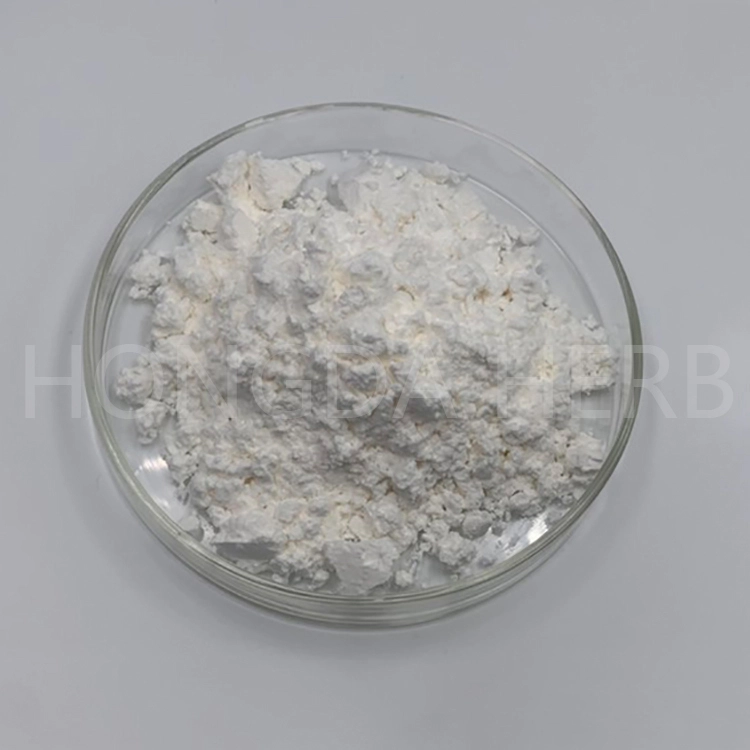
Process control originates at the plant. Shaanxi Hongda Phytochemistry Co., Ltd. was founded in 2001. The plant occupies an area of approximately 20,000 square meters, with more than 10 contemporary production lines and 100,000-level purification workshops. The firm has a number of national patented innovations and was awarded the title of National High-tech Development Enterprise in 2010. The company has more than 150 workshop technicians, and the yearly production is 3,000 tons. There are more than 20 skilled R&D experts and two R&D institutions constantly developing procedures. These statistics outline the volume and technical depth of each batch of liposomal resveratrol powder, and facilitate confident repeat purchases for purchasers comparing resveratrol powder producers.
Batch-Level Quality Control
Batch control is where promises turn into proof. Hongda’s SGS-standardized laboratory is equipped with university professors, employs high-performance liquid chromatographs, gas chromatographs, spectrophotometers, atomic absorption spectrophotometers, and other equipment, and more than 20 professor-level R&D and testing workers support the operation. The firm examines relevant items such as ingredients, pesticide residues, moisture, heavy metals, and microorganisms to fulfill the international requirements before export. For each resveratrol powder producer, a trans-resveratrol HPLC result with an isomer check on every lot of liposomal resveratrol powder sets a baseline that customers may compare after the journey. Many procurement teams desire a batch release panel as seen in the table below.
Batch release panel for liposomal resveratrol powder
Qualifications and Certifications Buyers Can Check
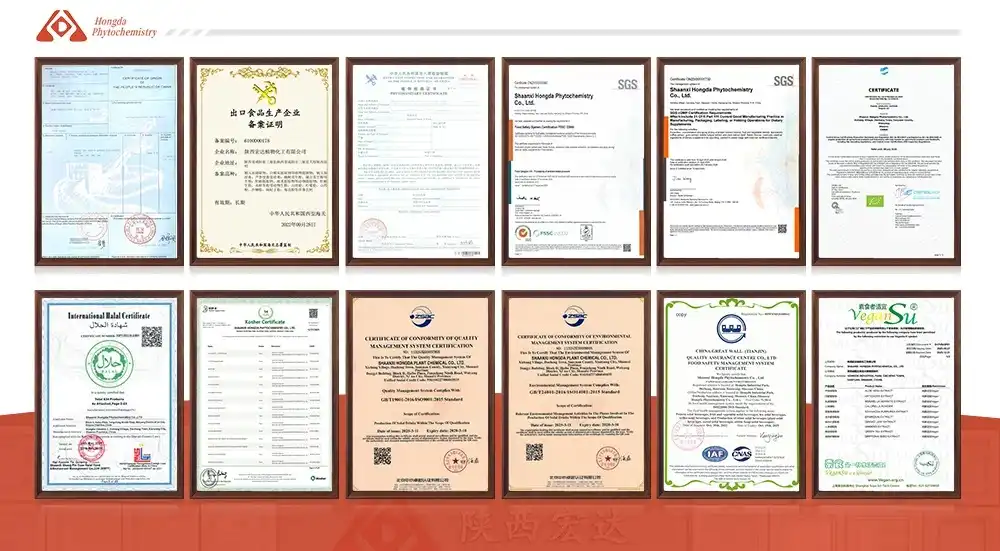
Qualifications offer importers confidence before they get samples. Hongda has achieved national high-tech business status, food production licenses, feed additive production licenses, halal, kosher, BRC, FDA, and organic certifications from 2001 to 2024; and cGMP, FSSC22000, SC, ISO22000, ISO9001, ORGANIC (EU) and ORGANIC (NOP) in 2025. The qualifications assist the firm in establishing the US and European markets and facilitate import paperwork for resveratrol powder manufacturers. Certificates are scope-specific; therefore, purchasers should seek copies and verify that the goods, place, and dates correspond to their order. Suppliers of strong resveratrol powder like that request, since clear documentation speeds up audits and clearances.
Proof Before You Pay: Case File, Packing and Arrival Checks
Case File: Reading a Shipment Like an Inspector
An excellent case file demonstrates, does not tell. As an example: You get a folder for each lot of liposomal resveratrol powder: a picture of the sealed drum with its batch label, a picture of the foil liner and desiccant, a picture of the pallet wrapped and strapped, a shot of the container being loaded, and the certificate of analysis with the HPLC trace. These records allow a quality manager to follow the lot from the plant to the receiving dock and promptly resolve concerns. Buyers should expect to see this kind of folder from any respectable provider and should ask for it when requesting a quote. There are picture spaces below for actual shipping photos.
Packing and Loading Practices That Protect Trans-Content
Packing is where the theory meets cargo. The suggested packaging for liposomal resveratrol powder includes an inside bag that is opaque and foil-lined with desiccant, a securely closed outer drum or carton, and a label to remind handlers to store the contents in a dry environment and away from light. Wrap pallets and keep them off the floor; avoid hot situations like stacks exposed on deck in loading designs. Freight forwarders may include a temperature and humidity recorder that records the journey. Many resveratrol powder providers additionally suggest a few extra days of buffer in the delivery schedule so that stock isn't placed into hot yards or open storage awaiting clearance. The steps are recorded in the checklist below.
Pre-shipment to arrival checklist
Arrival Checks and a Smooth First Order
“Mark the shipment as a mini audit on arrival. Verify the seals, photograph the packing, compare the powder to the retained reference sample, and perform an HPLC test of trans-resveratrol and, if feasible, the cis isomer against the certificate of analysis. If the numbers match, the lot may go to production with confidence, and the same method becomes the norm for subsequent orders. Hongda has a 3,000 square meter warehouse with 6 storage sections, adequate inventory, and a separate sample room, which supports on-time delivery and sample requests. A reliable resveratrol powder producer will embrace your results, talk about any variation freely, and enhance packaging for the following trip of liposomal resveratrol powder.
Conclusion
Trans-resveratrol may decay during sea freight; however, this is mainly due to exposure and not destiny. Light, heat, humidity, and poor packing promote change from the trans to cis form, whereas dry, sealed, opaque packaging and the protection of a liposomal structure limit the danger. Batch data, a clear case file, and inspections on arrival provide for a regulated procedure for lengthy travel. With size, an SGS-regulated laboratory, recognized certificates, and controlled storage, Hongda Phytochemistry provides brands with a reliable partner for resveratrol powder suppliers, whether the destination is a neighboring port or a faraway continent.
FAQ
1. Can trans-resveratrol degrade during sea freight?
Yes, mainly by converting to the cis form when exposed to light or heat, which sealed opaque packaging helps prevent.
2. Is powder safer than liquid on a long voyage?
Dry powder in sealed packaging is generally more forgiving, because studies show solutions degrade faster under UV light.
3. What should I check when a shipment arrives?
Inspect seals and color, then compare an HPLC trans-resveratrol result with the certificate of analysis.
4. Which certifications does Hongda report?
They include halal, kosher, BRC, FDA, organic, cGMP, FSSC22000, ISO22000, and ISO9001.
Ship Liposomal Resveratrol With Confidence | HONGDA
If you want a resveratrol ingredient that arrives as stable as it left the factory, HONGDA is ready to help. Shaanxi Hongda Phytochemistry Co., Ltd. combines more than two decades of manufacturing experience, an SGS-standardized laboratory, a 3,000-square-meter warehouse, and export-focused documentation. Tell us your destination port, order volume, and quality requirements, and we will recommend suitable packaging, share technical documents, and arrange samples of our liposomal resveratrol powder. Write to duke@hongdaherb.com today, and let our team help you plan a shipment that protects your product and your brand. Your next order can begin with one short email.
References
1. Trela BC, Waterhouse AL. Resveratrol: isomeric molar absorptivities and stability. Journal of Agricultural and Food Chemistry. 1996;44(5):1253-1257.
2. Zupančič Š, Lavrič Z, Kristl J. Stability and solubility of trans-resveratrol are strongly influenced by pH and temperature. European Journal of Pharmaceutics and Biopharmaceutics. 2015;93:196-204.
3. Isailović BD, Kostić IT, Zvonar A, Đorđević VB, Gašperlin M, Nedović VA, Bugarski BM. Resveratrol-loaded liposomes produced by different techniques. Innovative Food Science and Emerging Technologies. 2013;19:181-189.
4. Lombardo R, Rizzo S, Rautio J, Pignatello R. Green techniques to develop food-grade resveratrol Eudraguard Biotic/control microparticles as a shield against stress conditions. Journal of Drug Delivery Science and Technology. 2025.
5. Baur JA, Sinclair DA. Therapeutic potential of resveratrol: the in vivo evidence. Nature Reviews Drug Discovery. 2006;5(6):493-506.