


_1745918362135.webp)

Zinc is one of the most often cited minerals that induce stomach distress, and this is why formulators are constantly exploring whether a chelated version may alleviate the issue. Hongda Phytochemistry has been working on the answer to that issue for years with its zinc bisglycinate powder line, and the results are a testament to intentional attention to purity, not just a marketing promise. Shaanxi Hongda Phytochemistry Co., Ltd. is a dedicated manufacturer of this ingredient, providing the consistent look, low free metal content, and tested documentation that formulation scientists require when digestive comfort is an important benefit of the final product.
Why Digestive Tolerance Matters When Choosing a Zinc Supplement
Common Causes of Zinc-Related Stomach Discomfort
Many consumers complain of nausea or a metallic aftertaste while taking zinc supplements. Much of this is due to free zinc ions reacting directly with the stomach lining prior to absorption. Inorganic versions, such as zinc oxide or zinc sulfate, release these ions quickly and may overload the digestive system when taken on an empty stomach. A good zinc glycinate pale powder is intended to control this release since the mineral stays attached to glycine molecules for most of the digestive process rather than quickly dissociating after consumption. People who have changed from an inorganic source usually perceive the difference as one of time more than of severity, any mild feeling seeming to occur later and to dissipate more rapidly than the greater pain of fast-dissolving salts.[1][2][3]
How Chelation Changes the Digestive Experience
Zinc is prevented from coming into contact with receptors and enzymes that would normally cause irritation to the stomach lining by chelating the zinc ion with amino acid molecules. This is the major mechanism formulators use when explaining why zinc glycinate pale powder tends to generate fewer complaints than previous inorganic varieties. The protective structure does not negate the biological action of zinc, but rather delays and smoothes out its release such that absorption occurs farther down the digestive system where tolerance is typically greater. If digestive comfort is part of the value proposition provided to end customers, formulators who develop products for daily long-term use rather than for occasional high-dose supplements tend to incline toward the chelated formulation.[2][5]
What Zinc Glycinate Pale Powder Purity Signals About Tolerability
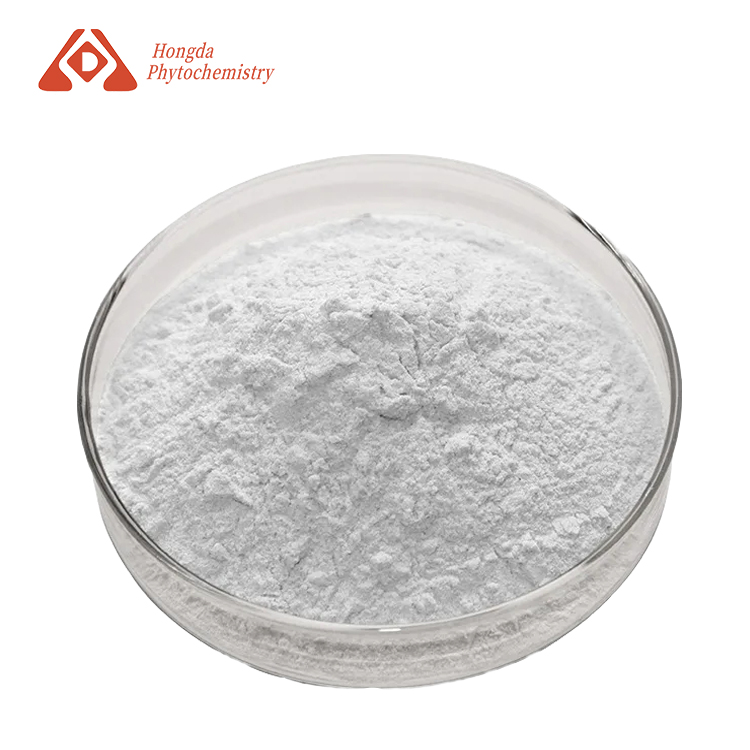
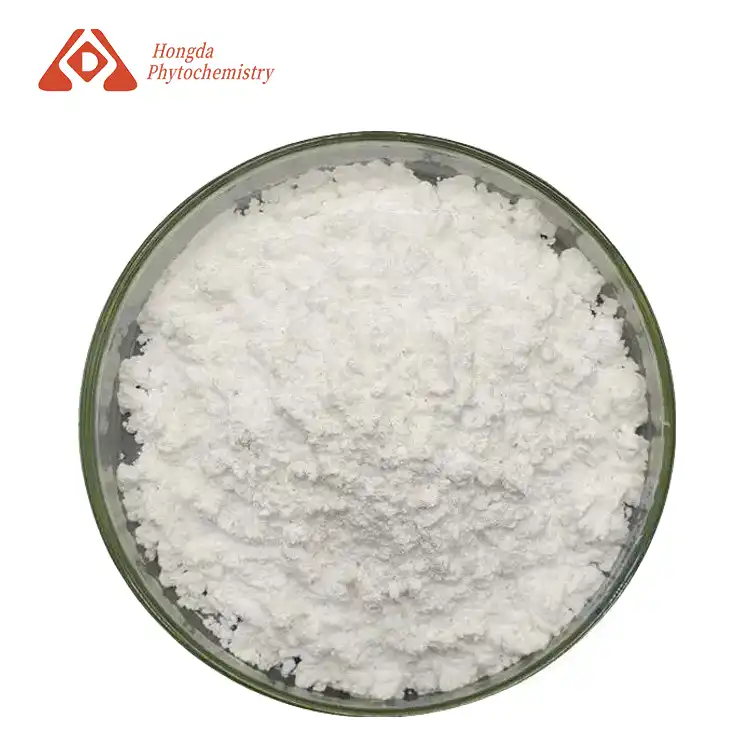
Appearance is a bit of an underrated sign of purity in this area. For example, a light powder with a fine texture, always pale in color, is often a sign of better control of the free zinc content and fewer processing residues than a batch from a natural zinc bisglycinate chelate factory in China with noticeable discoloration or coarse particles. When evaluating tolerability claims, buyers should be asking suppliers for the test method used to determine the extent of chelation, because a product marketed as gentle with high free zinc levels is unlikely to deliver the digestive comfort that formulators are promising to their end customers. An easy technique to verify that the look and particle uniformity remain consistent and do not vary between shipments is to ask for a side-by-side sample comparison of two distinct manufacturing batches.
|
Zinc Form
|
Free Ion Release
|
Reported GI Tolerance
|
Common Use
|
|---|---|---|---|
|
Zinc Oxide
|
Rapid
|
Lower
|
Fortification, topical
|
|
Zinc Sulfate
|
Rapid
|
Lower
|
Clinical dosing
|
|
Zinc Citrate
|
Moderate
|
Moderate
|
General supplementation
|
|
Zinc Bisglycinate (Pale Powder)
|
Gradual
|
Higher
|
Sensitive-stomach formulas
|


The Science Behind Bisglycinate's Gentler Absorption
Amino Acid Chelation and Gut Lining Protection
The zinc bisglycinate supplement in china has glycine molecules bonded to each zinc ion, which are absorbed by amino acid transport channels, rather than the mineral-specific routes used by inorganic zinc. This alternative pathway limits the direct interaction between free zinc and the epithelial lining during the early stages of digestion. This transport mechanism is commonly cited by formulators producing solutions for sensitive populations (e.g., the elderly or those who have experienced stomach distress from mineral supplements) as the major justification for choosing a chelated ingredient over a less expensive inorganic option.[2][4]
Absorption Pathway Differences vs Inorganic Zinc Salts
Inorganic zinc salts require quite a lot of stomach acid to be accessible. So the absorption and the irritation risk are very much tied up in the same chemical process. Pale powder Zinc glycinate avoids most of this dependence since the chelate structure is already in a state that the small intestine may absorb without the same acidic degradation. This difference is notably important for patients who take zinc with proton pump inhibitors or other drugs that lower stomach acid, since chelated forms are usually absorbed more reliably under these circumstances. This is often a decision issue for formulators targeting an older adult audience, where lower stomach acid is typical, when selecting a chelated vs. an inorganic zinc source for a new product line.
Dosage Considerations for Sensitive Users
Even a milder chelate may be unpleasant if dosed wrong; thus, formulators should nevertheless advise the most sensitive users to take zinc bisglycinate wholesale in china zinc glycinate pale powder with a little quantity of food instead of on an empty stomach. Another practical technique is splitting a greater daily dosage into two smaller portions, which are increasingly recommended on product labels. These are formulation and labeling choices, not ingredient flaws, and they show why finding a reliably produced raw material is as important as the chelation chemistry itself. On-pack advice on timing in relation to meals is very clear and helps to create realistic expectations for customers who could otherwise ascribe an unrelated stomach discomfort to the supplement itself.
Sourcing a Reliable Zinc Glycinate Pale Powder Supplier
Why Manufacturing Origin Affects Purity and Tolerability
Not every zinc chelate bisglycinate wholesale in china is made with the same care in completing chelation and managing residual solvents. Why does the manufacturing origin matter? The facilities where the synthesis and purification procedures are integrated may achieve tighter consistency across batches than smaller blending operations that merely mix acquired raw ingredients. Buyers sourcing at scale should question explicitly how the chelation response is checked throughout manufacturing, since inadequate chelation leaves more free zinc in the final powder and thus contradicts the digestive tolerance claim the product is designed to promote.
What to Look for in a Natural Zinc Bisglycinate Chelate Factory in China
When analyzing a natural zinc bisglycinate chelate factory in China, customers should not only look at the pricing but also ensure that the factory has specialized purification lines for their production, not shared equipment for numerous product categories, which decreases the danger of cross-contamination. Practical tips to help distinguish a true manufacturer from a repackaging business that adds little value beyond distribution include reviewing recent third-party test results, inquiring about retention of batch records, and clarifying whether the plant has its own in-house laboratory.
Evaluating a Bisglycinate Chelate Zinc Supplier in China(Zinc chelate bisglycinate wholesaler in china)
A good bisglycinate chelate zinc supplier in China, such as a zinc bisglycinate elemental zinc factory in china, should be willing to provide production capacity numbers, copies of certifications, and a detailed description of the way moisture and heavy metal testing is conducted prior to every cargo leaving the warehouse. But without this procedure, buyers may find that color or texture between shipments is inconsistent, which might indicate varied chelation quality even if the certificate of analysis seems OK on paper. Often, such knowledge will emerge more quickly via direct contact with technical personnel than through a sales intermediary, and it offers purchasers a better feel for how the manufacturer would react if a future batch required debugging.
Confirming Testing Protocols Before Bulk Purchase
Buyers should ask for evidence detailing the specific analytical procedures used to verify elemental zinc content and chelation ratio before committing to a bulk purchase of zinc bisglycinate wholesale, since the statistics directly impact both potency claims and digestive tolerance. Reputable producers use recognized procedures such as atomic absorption spectrophotometry and high-performance liquid chromatography. If a supplier is unable to provide a detailed explanation of its testing protocol, it is generally not qualified to support the tolerability claims that initially make this ingredient attractive, and buyers should interpret vague answers on this point as a signal to continue comparing alternatives rather than proceeding on price alone.
|
Items
|
Specifications
|
Test Results
|
Test Methods
|
||
|
Appearance
|
White crystalline powder
|
Conforms
|
In-house
|
||
|
Zinc Bisglycinate,w/%
|
≥98.0
|
98.7
|
In-house
|
||
|
Zinc(on dried basis),w/%
|
≥30.0
|
30.1
|
In-house
|
||
|
Loss on drying,w/%
|
≤1.0
|
0.49
|
In-house
|
||
|
pH
|
7.5~9.0
|
8.1
|
In-house
|
||
|
Particle size,w/%
|
90% passing 60 mesh
|
Conforms
|
In-house
|
||
|
Additional Guarantees
|
|||||
|
Items
|
Limits
|
Test Methods
|
|||
|
Individual Heavy metals
|
Pb, ppm
|
≤3
|
AAS
|
||
|
As, ppm
|
≤1
|
AAS
|
|||
|
Cd, ppm
|
≤1
|
AAS
|
|||
|
Hg, ppm
|
≤0.1
|
AAS
|
|||
|
Microbiologicals
|
Total plate count, cfu/g
|
≤1000
|
USP
|
||
|
Yeast and Mold, cfu/g
|
≤100
|
USP
|
|||
|
E. Coli, /g
|
Negative
|
USP
|
|||
|
Salmonella, /25g
|
Negative
|
USP
|
|||
Why Shaanxi Hongda Phytochemistry Is Built for Consistent Quality
Facility Scale and Production Infrastructure
Shaanxi Hongda Phytochemistry Co., Ltd. has a plant of around 20,000 square meters, equipped with more than ten contemporary manufacturing lines and purifying workshops of 100,000-level. This infrastructure enables the firm to have strict process control over its zinc glycinate pale powder line and to support an annual production capacity of about 3,000 tons throughout its whole range of amino acid and vitamin products. Daily production is handled by more than 150 workshop operation experts, who assist in maintaining the batch-to-batch uniformity that tolerability-focused consumers depend on, and the facility’s size means seasonal demand surges seldom translate into hurried or under-tested production runs.
In-House SGS-Standardized Testing
The quality verification is carried out by a laboratory jointly set up with university academics and standardized to SGS norms, with more than twenty professor-level researchers and testing workers. Before any batch of bulk zinc bisglycinate is shipped out, equipment like high-performance liquid chromatographs, atomic absorption spectrophotometers, and automatic titrators are used to check ingredient accuracy, pesticide residue limits, moisture content, heavy metals, and microbial counts, giving buyers documented proof rather than a simple assurance.

Certifications Supporting Global Distribution
From 2001 to 2024, Shaanxi Hongda has developed a certification portfolio such as national high-tech business status, food production and feed additive licenses, halal and kosher certification, BRC, FDA registration and organic certification. In 2025, the firm acquired cGMP, FSSC22000, SC certification, ISO22000, ISO9001, and EU and NOP organic certification, with numerous new national patents. Those formulators who want current documentation or wish to negotiate a trial order of bisglycinate chelate zinc wholesale in china with a bisglycinate chelate zinc supplier in china may contact the technical team directly at duke@hongdaherb.com before committing to a full production run.[6]
|
Certification
|
Relevance to Buyers
|
|---|---|
|
ISO 9001 / ISO 22000
|
Documented quality and food safety management systems
|
|
FSSC 22000 / cGMP
|
Production hygiene and process control standards
|
|
FDA Registration
|
Supports import compliance into the United States
|
|
Halal / Kosher
|
Enables distribution across dietary-restricted markets
|

Practical Buying Considerations for Formulators
Requesting Zinc Bisglycinate Wholesale in China Quotations
If you are a formulator looking for zinc bisglycinate wholesale in China, you should ask for quotes that break down the price based on the amount of the order, the packing type, and any testing paperwork that is provided, rather than just taking a single flat figure. When you compare various estimates side by side, it is frequently clear that a slightly higher base price includes more extensive coverage in terms of the certificate, which decreases the possibility of customs delays or quality issues farther down the supply chain. Clarifying payment conditions and sample availability early on also greatly accelerates the total procurement timeframe, especially in the case of buyers arranging shipments of various product lines from the same manufacturer.
Comparing Zinc Bisglycinate Elemental Zinc Factory in China Options
In comparing one China zinc bisglycinate elemental zinc manufacturer to another, purchasers should pay special attention to the % of elemental zinc guaranteed in each batch, as this number is what will decide how accurately the end product is dosed. Usually, a factory that explicitly records this % and its process for chelation ratio testing is more transparent than a manufacturer that merely gives a wide range of specifications. This level of specificity is particularly crucial when the product is promoted primarily for its mild digestive profile, because variable element content between manufacturing runs might subtly undercut the dosage accuracy relied upon for a tolerance claim.
Packaging and Storage for Powder Stability
Zinc glycinate pale powder should be stored in moisture barrier coated bags or fiber drums with desiccant to minimize caking and maintain chelation stability throughout storage and shipping. Buyers should also check the suggested storage temperature and shelf life, as accumulated humidity exposure might deteriorate the look of the powder and its functional tolerability benefit over time. The correct packing will safeguard the investment in acquiring a higher-purity ingredient in the first place. It’s important to clarify these specifics in writing before the first bulk shipment, rather than assuming standard procedure is followed at every plant.

Conclusion
Wholesale zinc bisglycinate gives a real benefit in digestive tolerance – but only when it is prepared with strict chelation control and validated via thorough testing. This is precisely what Shaanxi Hongda Phytochemistry’s pale powder zinc glycinate represents, supported by scalable manufacturing, in-house SGS-level testing and an ever-expanding worldwide certification portfolio. Buyers considering tolerability-focused formulations should ask for updated paperwork and a sample batch before their next sourcing selection and look at appearance, testing records and elemental consistency throughout at least two production runs before scaling up.[2][5][6]
FAQ
Q1: Why does zinc sometimes cause stomach upset?
A: Free zinc ions from inorganic forms can irritate the stomach lining before absorption, which chelated forms are designed to reduce.
Q2: Is zinc glycinate pale powder gentler than zinc oxide?
A: Yes, its chelated structure moderates zinc release, generally resulting in fewer digestive complaints than inorganic oxide forms.
Q3: How can I verify the tolerability claims of a zinc bisglycinate supplier?
A: Request certificates of analysis showing chelation ratio and free zinc content, along with the testing method used.
Q4: What packaging keeps zinc glycinate pale powder stable during shipping?
A: Moisture-barrier bags or fiber drums with desiccant help preserve texture and chelation stability in transit.
Q5: Can Shaanxi Hongda Phytochemistry provide samples before a bulk order?
A: Yes, samples and current testing documentation can be requested directly from the sourcing team.
Source Gentle, Tested Zinc From HONGDA
If digestive tolerance is a priority for your next formulation, Shaanxi Hongda Phytochemistry can provide current specifications, certificates of analysis, and sample batches of zinc bisglycinate powder tailored to your production needs. With scaled manufacturing infrastructure, in-house SGS-standardized testing, and certifications supporting both US and EU distribution, HONGDA is equipped to be a dependable long-term partner. Contact the team today at duke@hongdaherb.com to request documentation and discuss your bulk order requirements.
References
1. National Institutes of Health, Office of Dietary Supplements — Zinc Fact Sheet for Health Professionals
2. Journal of Trace Elements in Medicine and Biology — studies on zinc chelate bioavailability and gastrointestinal tolerance
3. Linus Pauling Institute, Oregon State University — Micronutrient Information Center, Zinc
4. World Health Organization — Trace Elements in Human Nutrition and Health
5. U.S. Pharmacopeia — Dietary Supplement Compendium, Mineral Chelate Monographs
6. International Organization for Standardization — ISO 22000 and ISO 9001 Food Safety Management Standards