


_1745918362135.webp)

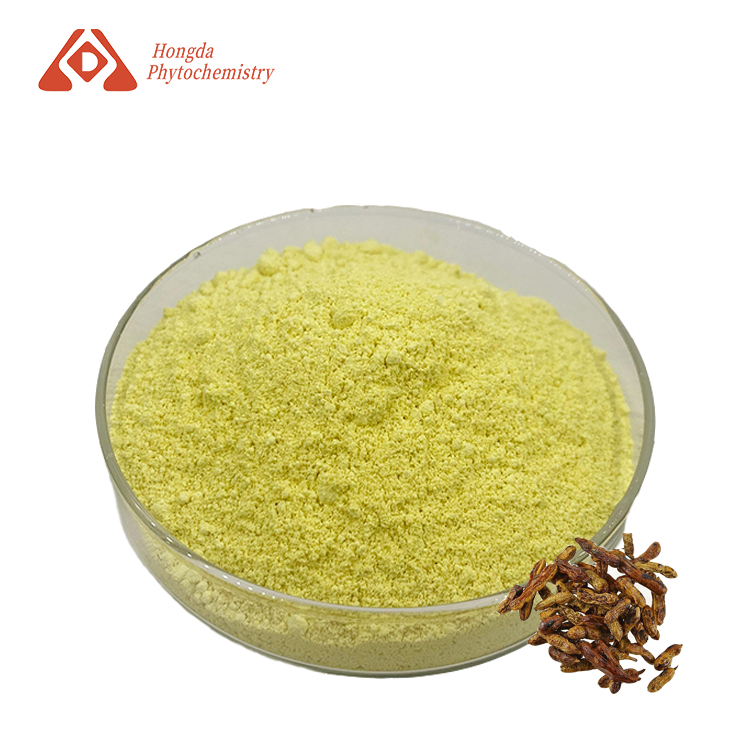
Oxidative stress leads to heart disease and skin that ages too quickly. Lycopene is known to help the body get rid of free radicals, which is why it is used in cooking. Few companies make it clear that a lot of the red colour in lycopene powder is very important. Hongda Phytochemistry is one of them. The business is run by Phytochemistry Co., Ltd. It's been around since 2001. A 20,000-square-metre factory makes lycopene powder that people who make vitamins, makeup, food, and drinks can trust. It has been approved by other countries, and HPLC tests have shown that it is pure. People can stay safe with lycopene powder, which is talked about in this piece. It also talks about what people should look for before buying a lot of it and how it's better than other pigments that are similar in that it has more antioxidant power.
What Makes Lycopene Powder a Powerful Antioxidant?
The Conjugated Double-Bond Structure Behind Its Power
The way lycopene powder's chemicals are organised is what makes them able to fight free radicals. Lycopene is a tetraterpenoid that doesn't repeat itself. There are thirteen conjugated double bonds in it, which is more than almost any other food colour. It is only lycopene powder that can absorb and eliminate unstable oxygen species before they damage DNA, proteins, or lipids. This is possible because the extended conjugation makes it easy for electrons to move around the molecule. Because of its unique structure, lycopene powder is often chosen by formulators who work with volatile and easily oxidised systems. This is because it works well as an antioxidant in finished goods.[3][5] Drone systems often select lycopene powder specifically because this structural feature translates into measurable, repeatable antioxidant performance across finished products.
Singlet Oxygen Quenching and Free Radical Scavenging
Lycopene powder is known in the scientific world as one of the best biological quenchers of singlet oxygen. Singlet oxygen is a highly reactive species that is linked to cells maturing more quickly. Lycopene powder guards against reactive damage in two ways: it stops singlet oxygen and makes peroxyl radicals less reactive. The fact that this recipe protects against more than one route should be emphasised on packages and marketing materials for a healthy brand that wants to be known as an antioxidant star.[3][5]
Lycopene Powder vs Other Carotenoids
There are various types of carotenoids that offer various levels of protection. Different flavonoids, like lutein, beta-carotene, and alpha-carotene, cool down at different speeds. Lycopene powder, on the other hand, always makes it to the top or very close. The numbers in the table below are examples of relative numbers most of the time. This explains why lycopene powder is used when antioxidant activity is more important than vitamin A activity, which lycopene powder does not have.[3]
| Carotenoid | Approx. Quenching Rate Constant (x10^9 M^-1 s^-1) | Primary Dietary Source |
|---|---|---|
| Lycopene | ~31 | Tomato, watermelon, guava |
| Alpha-Carotene | ~19 | Carrot, pumpkin |
| Beta-Carotene | ~14 | Carrot, sweet potato |
| Zeaxanthin | ~10 | Corn, orange pepper |
| Lutein | ~8 | Spinach, kale |
Why Concentration and Purity Matter for Antioxidant Potency?
The antioxidant activity of a finished product depends a lot on how pure and concentrated the raw materials used to make it are. If the input is weak or broken, it takes away from the benefits that the formulator is trying to offer. High-performance liquid chromatography is used to check Hongda's Lycopene Powder to make sure that each batch has the same amount of carotenoids. Here, the antioxidant strength on the specification sheet is matched with the antioxidant strength in the finished pill, drink, or serum. At this level, what makes a Lycopene Powder provider trustworthy is their ability to keep up with orders.[1]
Cardiovascular Protection: How Lycopene Powder Defends Heart Health?
Reducing Oxidative Stress in Blood Vessels
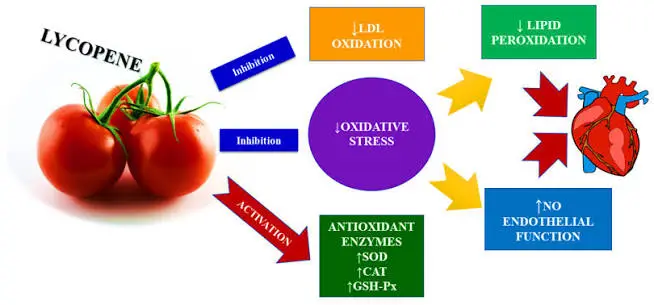
It is especially bad for arterial tissue when LDL particles oxidize without being stopped. This is an early sign of atherosclerosis. Lycopene powder stops this process in its tracks by blocking reactive oxygen species before they can hurt the endothelium of the capillaries and change the way fats flow. To help keep your heart healthy, lycopene powder is often mixed with other heart-healthy herbs. This is because, as an antioxidant, it fights this early, upstream stage of circulation stress, not just the signs that show up later.[2][4][5]
Supporting Healthy Cholesterol and Lipid Balance
When lycopene supplements were given to both people and animals, researchers saw changes in cholesterol markers that were good. Total cholesterol and LDL numbers, for instance, went down, while HDL values, which are good for you, went up. Results vary from person to person and depend on how it is prepared, but Lycopene Powder is being used more and more in heart-healthy mixes where the goal is to balance cholesterol. Thanks to the natural tomato source, it's also appealing to companies that want to use clean labels on heart-healthy products for customers who care about their health.[2][5]
Anti-Inflammatory Pathways Linked to Heart Disease Risk
Cardiovascular disease gets worse over time because of oxidative stress and ongoing low-grade inflammation. Taking lycopene supplements has been linked to lower amounts of interleukin-6 and tumor necrosis factor-alpha, which are signs of inflammation. This means that Lycopene Powder may be good for your heart in two ways: it may fight inflammation and free radicals. Formulators see Lycopene Powder as more than just a colorant because it does two things. This is because it is thought to be good for your heart.
Clinical Interest in Lycopene for Cardiovascular Formulations
Scientists are still interested in how lycopene affects the heart because they are doing more and more clinical and scientific studies on the subject. With more and more evidence like this, supplement makers have a good reason to include Lycopene Powder in heart-healthy recipes. When Lycopene Powder is mentioned as an ingredient on a label for a heart-healthy product, companies can back up their claims by working with a maker that can show reliable proof, like records of analysis.[4][5]
Skin & Cellular Defense: Lycopene Powder Against Oxidative Stress
Photoprotection Against UV-Induced Free Radicals
A lot of free radicals are released into the skin by ultraviolet light. This speeds up the aging process and hurts the top layer of skin. Lycopene powder has been shown to protect against UV rays in tests done on people. When people ate foods that are high in lycopene, their skin had more lycopene and fewer oxidative stress signs. For this reason, Lycopene Powder is useful not only as an antioxidant that you can eat, but also as an active ingredient in supplements that protect your skin and teeth.
Supporting Collagen and Skin Structure
By stopping reactive damage, lycopene powder keeps skin cells healthy. This then helps the proteins that hold skin together and make it strong and flexible. Long-term oxidative stress makes collagen networks break down faster, so anti-aging products with ingredients that lower that oxidative load are very helpful. Cosmetic and vitamin companies are putting Lycopene Powder with antioxidants more and more. These two ingredients work well together to protect the skin's structure and appearance in many ways.
Cellular Protection Beyond the Skin
There are many ways to use lycopene powder besides just taking care of your face. Lycopene powder is being studied in many parts of the body as a general-purpose cell guard. This is because oxidative stress is linked to many aging processes, from the death of neurons to metabolic issues. Because it can be used in many ways, Lycopene Powder is not seen as a special or one-use part but as a basic protective element.
Formulating Lycopene Powder into Skincare and Nutraceuticals
Keep an eye on how well lycopene dissolves, how stable it is, and what carriers work best with it because it is sensitive to light and heat and dissolves in fat. This is something that the expert team at Hongda does all the time to help customers with. They can help with anything from oil-based delivery systems to storage methods that keep the strength. If a brand wants to try a new antioxidant recipe before making a full batch, they can email the product team at duke@hongdaherb.com to get technical data sheets, tips on how to keep the powder stable, and sample amounts of Lycopene Powder.
From Tomato to Powder: How Hongda Manufactures Verified Lycopene Powder?
Sourcing Solanum lycopersicum Raw Material
A plant called Solanum lycopersicum, which naturally has lycopene, is used to make Hongda's Lycopene Powder. In the field, planting sites watched over by agronomists keep an eye on growing conditions that directly affect the end carotenoid yield. This is where the tracking of raw materials starts. This care in finding is important for making a lycopene powder with a high strength that always works. People would always get a product that doesn't work right if the tomatoes used aren't always of good quality.[6]
Extraction, Purification, and Quality Testing (HPLC)
Hongda goes through more than ten modern production lines in 100,000-level cleaning workshops to turn raw materials like tomato biomass into a dark red wholesale lycopene powder that can be ordered in strengths of 5% to 10%. Each batch is checked with high-performance liquid chromatography in a lab that meets SGS standards and has more than twenty researchers at the professor level working there. It takes this much scientific care to make sure that every wholesale Lycopene Powder package meets the requirements before it is sent to a customer.
Facility Standards: From Planting Base to Packaging
Hongda also has a 3,000-square-meter building with six areas that are disinfected and kept clean. There are professionals who keep an eye on how colors like Lycopene Powder are stored to make sure they stay solid, even when they are near heat or light. Up to 3,000 tonnes of lycopene can be made at the plant every year, and more than 150 repair techs work there. It can handle both small test orders and big market contracts for lycopene without slowing down or hurting quality.
Certifications That Validate Antioxidant-Grade Quality
Proof is just as important as the powder itself when antioxidant claims are at stake. Hongda has been a nationwide high-tech company since 2010. It also has a list of certifications for 2025, such as cGMP, FSSC22000, ISO22000, ISO9001, SC, and both EU and NOP organic certifications. Also, it has FDA, BRC, halal, and kosher certifications from earlier in the year. For people who are looking for a lycopene powder maker, this stack of certifications proves that claims of quality are not just empty words.

Lycopene Powder Specification
|
Item
|
Test
|
Results
|
||
|
Appearance
|
Dark red powder
|
Conforms
|
||
|
Odor
|
Characteristic
|
Conforms
|
||
|
Assay by HPLC
|
Lycopene ≥ 10.00%
|
10.35%
|
||
|
Sieve Analysis
|
NLT 100% pass 80 mesh
|
Conforms
|
||
|
Moisture (%)
|
≤3.00%
|
1.95%
|
||
|
Ash
|
≤1.00%
|
0.53%
|
||
|
Heavy Metal
|
||||
|
Heavy Metal
|
≤10.00 ppm
|
Conforms
|
||
|
Arsenic (As)
|
≤2.00 ppm
|
Conforms
|
||
|
Lead(Pb)
|
≤1.00 ppm
|
Conforms
|
||
|
Cadmium (Cd)
|
≤0.05 ppm
|
Conforms
|
||
|
Mercury (Hg)
|
Not Detected
|
Conforms
|
||
|
Microbiology
|
||||
|
Total Plate Count
|
<1000 cfu/g
|
Conforms
|
||
|
Yeast & Mold
|
<100 cfu/g
|
Conforms
|
||
|
E.Coli
|
Negative
|
Conforms
|
||
|
Salmonella
|
Negative
|
Conforms
|
||
|
S.Aureus
|
Negative
|
Conforms
|
||
|
Pesticides
|
Negative
|
Conforms
|
||
Choosing a Reliable Lycopene Powder Manufacturer: Specifications & Sourcing
Key Specifications to Verify Before You Buy
Before choosing a seller, formulators should make sure that any Lycopene Powder they are considering has a known carotene percentage, a consistent look, and proof of analysis. When buyers ask for a current specification sheet and third-party test report, they can avoid the inconsistent work that lower-tier suppliers often do. Hongda gives this information up front, so purchasing teams can match the Lycopene Powder specs to their own internal manufacturing needs before agreeing to a large order.
Why Wholesale Lycopene Buyers Choose Hongda?
When brands buy a lot of lycopene in bulk, they need a partner that can make sure they have a steady supply and the right paperwork for foreign markets. As a well-known lycopene producer that has been in business for almost 25 years, Hongda has the production capacity, lab control, and certification inventory designed to get into the North American and European markets. Because of this mix, people who buy lycopene in bulk more than once keep making orders instead of looking for other sources every time they need to buy.
Application Flexibility Across Industries
Hongda's lycopene powder is made to work with a wide range of products, including food supplement pills and softgels, functional drinks looking for a natural red color, and cosmetics that want to protect the skin from free radicals. Because of this, a single seller can work with more than one product line within the same company. This makes buying easier and makes sure that the quality of the lycopene powder stays the same in all of its uses.
Getting Samples, Pricing, and Technical Support
Tests done by hand, not just looking at standard sheets, are the best way to judge a new lycopene manufacturer and ingredient seller. Hongda gives formulators small amounts of Lycopene Powder so they can test its solubility, color stability, and performance in their own production setting before buying large amounts. If you get in touch with the technical team early on in the development process, they have time to give you advice on dose ranges and delivery methods that will work with your application.
Conclusion
Lycopene powder stands out among carotenoids for its structural antioxidant strength, supporting cardiovascular, skin, and cellular protection through multiple oxidative-defense pathways. Hongda Phytochemistry backs this ingredient with HPLC-verified purity, extensive certifications, and reliable wholesale-scale supply. Formulators ready to strengthen their antioxidant positioning should evaluate Hongda's Lycopene Powder specifications, request a sample, and start building a more resilient, science-backed product today.
FAQ
1. What concentration does Hongda's Lycopene Powder come in?
It is available in 5% to 10% specifications, verified by HPLC testing.
2. Is Lycopene Powder suitable for cosmetic formulations?
Yes, its antioxidant and photoprotective properties make it a common addition to anti-aging skincare formulas.
3. What is the botanical source of Hongda's Lycopene Powder?
It is derived from Solanum lycopersicum, the tomato plant, through controlled extraction and purification.
4. How does lycopene powder compare to beta-carotene as an antioxidant?
Lycopene generally shows a higher singlet oxygen quenching rate than beta-carotene, making it a stronger free-radical scavenger in comparative studies.
Partner with a Trusted Lycopene Manufacturer | HONGDA
Ready to bring a science-backed antioxidant ingredient into your next formulation? Hongda Phytochemistry combines certified manufacturing, HPLC-verified purity, and dependable wholesale lycopene supply to help supplement, food and beverage, and cosmetics brands deliver on their antioxidant claims with confidence. Whether you need a technical data sheet, a certificate of analysis, or a working sample of Lycopene Powder, our team is ready to help you move from evaluation to production. Contact us today at duke@hongdaherb.com for pricing, MOQ details, and technical support, and let's build your next antioxidant-forward product together.
References
1. Arballo, J., Amengual, J., & Erdman, J. W. Lycopene: A Critical Review of Digestion, Absorption, Metabolism, and Excretion. Antioxidants, 2021, 10(3), 342.
2. Przybylska, S. Lycopene – A Bioactive Carotenoid Offering Multiple Health Benefits: A Review. International Journal of Food Science & Technology, 2020, 55(1), 11–32.
3. Rao, A. V., & Rao, L. G. Carotenoids and Human Health. Pharmacological Research, 2007, 55(3), 207–216.
4. Bramley, P. M. Is Lycopene Beneficial to Human Health? Phytochemistry, 2000, 54(3), 233–236.
5. Story, E. N., Kopec, R. E., Schwartz, S. J., & Harris, G. K. An Update on the Health Effects of Tomato Lycopene. Annual Review of Food Science and Technology, 2010, 1, 189–210.
6. Shi, J., & Le Maguer, M. Lycopene in Tomatoes: Chemical and Physical Properties Affected by Food Processing. Critical Reviews in Food Science and Nutrition, 2000, 40(1), 1–42.