


_1745918362135.webp)

How Stable Is Zinc Bisglycinate Powder in Supplement Blends?
Zinc bisglycinate powder demonstrates exceptional stability in supplement blends due to its chelated molecular structure, where zinc binds securely to two glycine molecules. When making capsules, tablets, powders, and functional nutrition products, supplement makers pay a lot of attention to how stable the minerals are. Mineral ingredients can be changed by changes in moisture, temperature, pH, and how they react with other nutrients while they are being processed and stored. Because of this, a lot of formulators look at zinc bisglycinate powder as a chelated zinc source. This is because its amino acid linking structure can make it more stable than some other zinc salts. Zinc chelates with glycine to make a solid chemical structure that helps keep zinc safe while it is being made, mixed, and stored. Because of this, zinc bisglycinate powder can be used in many different supplement products, especially ones that need to have a consistent mineral content, work well with other ingredients, and last a long time. This piece talks about how zinc bisglycinate stays stable, how it works compared to other types of zinc, and some important things makers should think about when they are looking for and using this ingredient.
Understanding Zinc Bisglycinate Powder Stability
How Chelation Structure Supports Ingredient Stability
Zinc bisglycinate powder is stable because zinc ions are linked with glycine molecules in a structure called "chelated." When compared to simple metallic zinc salts, which break down easily into free ions in solution, this makes a more controlled solid form.
This structure has a number of benefits for formulation:
- Better ability to handle changes in the surroundings
- Less interaction with other ingredients in the formulation
- Better stability of minerals during processing
More stable speed while storing
Stability isn't just about chemical integrity for companies that make supplements. Physical properties like how easily powder flows, the size of the particles, and how well they resist moisture all affect how well a product is made and how good it is in the end.A stable zinc ingredient helps avoid problems like uneven distribution during mixing, unwanted reactions with other nutrients, and changes in the strength of the final product.
Chemical Stability Under Temperature and Humidity Conditions
Temperature and humidity are two of the main things that affect how stable natural ingredients are. Some mineral salts may absorb water in places with a lot of wetness, which can change the appearance of powders, make them less fluid, and make the formation harder.
Zinc bisglycinate powder is usually better at handling problems caused by wetness than zinc forms that are very reactive. This is because the zinc-glycine link limits the number of free zinc ions that are available.
When manufacturers test for storage, they usually look at:
- Keeping the zinc content
- Changes in appearance
- Taking in moisture
- How powder moves through space
- Safety with microbes
Accelerated stable testing at controlled temperatures and humidity levels helps find out if the item will stay good for as long as it's supposed to.This stability benefit is especially useful for global supplement brands, since products may go through different storage and shipping conditions before they reach customers.
Processing Performance of Zinc Bisglycinate Powder in Supplement Manufacturing
Compatibility With Different Formulation Systems
Vitamins, minerals, botanical extracts, and functional compounds are just a few of the active ingredients that are often found in modern supplements. Because of this, ingredient consistency is a big deal when making new products.
Zinc bisglycinate powder is often chosen because its chelated structure can make some of the problems that come with free mineral ions less of a problem.
It can be used in the following:
- Tablets with minerals and vitamins
- Powders for sports diet
- Mixtures of functional drinks
- Supplements for pregnancy
- Formulas that help the immune system
But the success of the mixture still depends on the whole system of ingredients. During product development, things like pH, excipients, processing temperature, and packaging conditions should be looked at.
Stability During Mixing, Compression, and Encapsulation
During the manufacturing process, mechanical and heat stress are put on natural ingredients.
When making something, companies need to think about:
- Getting rid of uniformity
- Pressure of compression
- Being in the heat
- Keep the moisture in
- Conditions of storage after production
For pill uses, even particle distribution is important because it affects how well the dose is calculated and how regular the product is. A well-thought-out powder specification can help make production more consistent and increase the speed at which things are made. Good flow properties are also important for pills and powdered vitamins because they affect how accurately they are filled and how fast they are made. Following the right quality control steps, like identity testing and mineral analysis verification, helps make sure that Zinc bisglycinate powder keeps working the way it's supposed to throughout the manufacturing process.
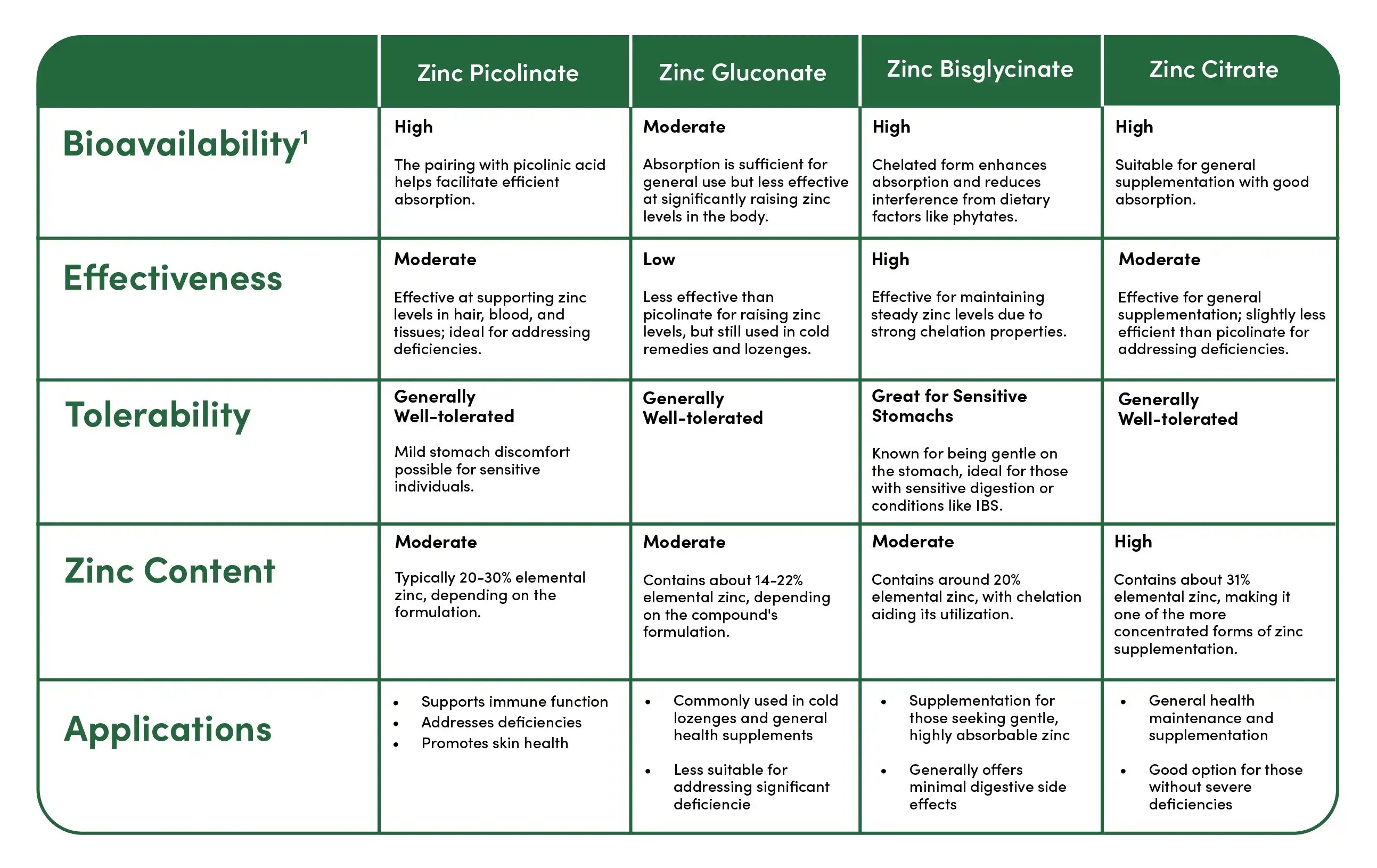
Comparative Stability of Zinc Bisglycinate Powder and Other Zinc Forms
Zinc Gluconate: Common Usage but Moisture Sensitivity
Because it is easy to get and has been used in the past, zinc gluconate is often found in nutritional products. But being exposed to water can change how stable it is physically.
Some possible problems are:
- Greater ability to soak up water
- Powder clumping while being stored
- Less flowability in some situations
For companies that make a lot of supplement products, these physical properties may affect how efficiently they can make the products and how they need to be packaged. Many people think that zinc bisglycinate powder is more stable than zinc gluconate when it comes to formulations that need to be easier to handle.
Zinc Sulfate and Zinc Oxide: Formulation Limitations
Zinc sulfate is another source of zinc that is often used. But since it breaks apart quickly in water, it may combine with other ingredients in the recipe more easily. There are cost benefits and good chemical stability with zinc oxide, but it doesn't dissolve the same way as chelated zinc forms.
When makers choose zinc ingredients, they usually look at:
- Getting the right nutrition
- Placement of the product
- Compatibility of formulations
- Tolerance of consumers
- Needs for production
Chelated minerals like Zinc bisglycinate powder are being looked at more and more for high-end products that care about recipe quality because they offer a good mix between stability and application freedom.
Comparative Stability of Zinc Bisglycinate Powder and Other Zinc Forms
Zinc Picolinate and Zinc Citrate: Balancing Stability and Application Needs
Zinc picolinate and zinc citrate are also commonly found in food supplements because they are nutritionally sound and have been used for a long time. However, their stability may change depending on the environment in which they are made.
Zinc picolinate is made up of zinc that is bound to picolinic acid, which can help it absorb well. However, the mixture pH may affect how well it works, especially in liquids or acidic systems.
Zinc citrate strikes a good mix between being soluble and delivering minerals, but makers may need to think about things like:
- Effects on taste in powder and drink uses
- How well it works with other minerals
- Conditions of storage
- Needs for the product style
Manufacturers often look at Zinc bisglycinate powder when making complicated supplement mixes. This is because the glycine chelation structure provides good stability while still allowing for recipe freedom.
Practical Guidelines for Using Zinc Bisglycinate Powder in Supplement Blends
Managing Moisture and Storage Conditions
Zinc bisglycinate powder is pretty stable, but it's still important to store it correctly to keep the quality of the ingredients.
What manufacturers should do is:
- Temps in the warehouse
- Changes in temperature
- Protecting the packaging
- Time of exposure during production
Some suggested actions are:
- Using containers that are sealed and have moisture barriers
- Putting things away in dry places
- Making sure there isn't long-term exposure during open handling
- Regularly checking the storage conditions
Managing moisture is very important for powdered products because too much moisture can change how the powder flows, how well it blends, and how quickly it can be processed.
When there are international supply chains, the design of the packaging and the conditions of transport should also be thought about to make sure that the quality of the ingredients stays stable from production to final manufacturing.
Optimizing Dosage and Formulation Compatibility
The application level of Zinc bisglycinate powder depends on the target product category and nutritional requirements.
Common application areas include:
- Daily mineral supplements
- Immune support products
- Sports nutrition formulas
- Beauty and wellness supplements
- Prenatal and nutritional products
During formulation development, R&D teams should evaluate:
- Zinc dosage requirements
- Interaction with other minerals
- Compatibility with vitamins and botanical extracts
- Final product stability
Chelated zinc forms are often selected for premium formulations because they can provide a more consumer-friendly mineral option while supporting stable product development. However, the optimal ingredient choice depends on the complete formula, manufacturing process, and intended market positioning.
Procurement Considerations for Zinc Bisglycinate Powder
Evaluating Supplier Quality and Documentation
For supplement manufacturers, supplier qualification is an essential step when sourcing mineral ingredients.
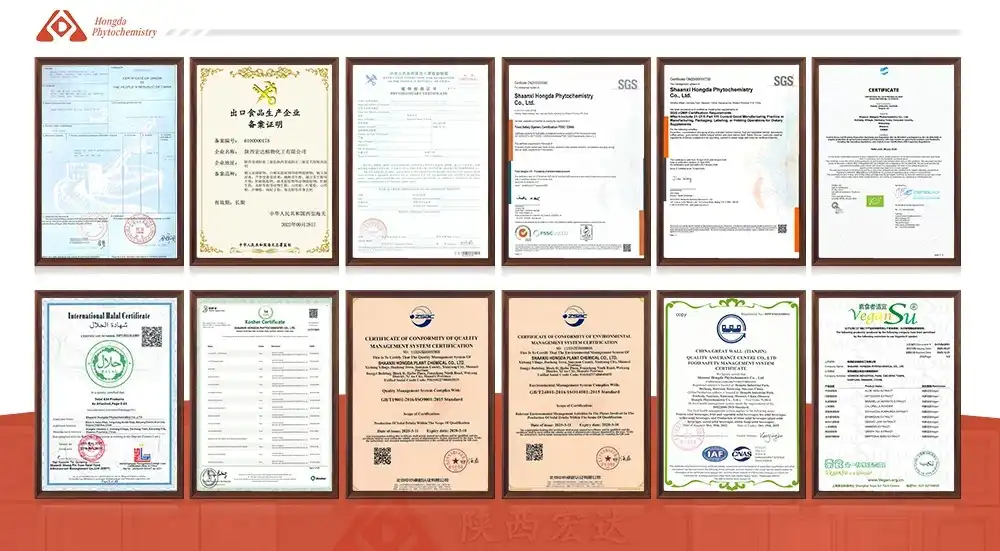
A reliable Zinc bisglycinate powder supplier should provide comprehensive quality documentation, including:
- Certificate of Analysis (COA)
- Heavy metal testing results
- Microbial testing reports
- Mineral content verification
- Product specifications
- Stability information
Quality documentation allows manufacturers to confirm:
- Ingredient identity
- Batch consistency
- Regulatory suitability
- Production reliability
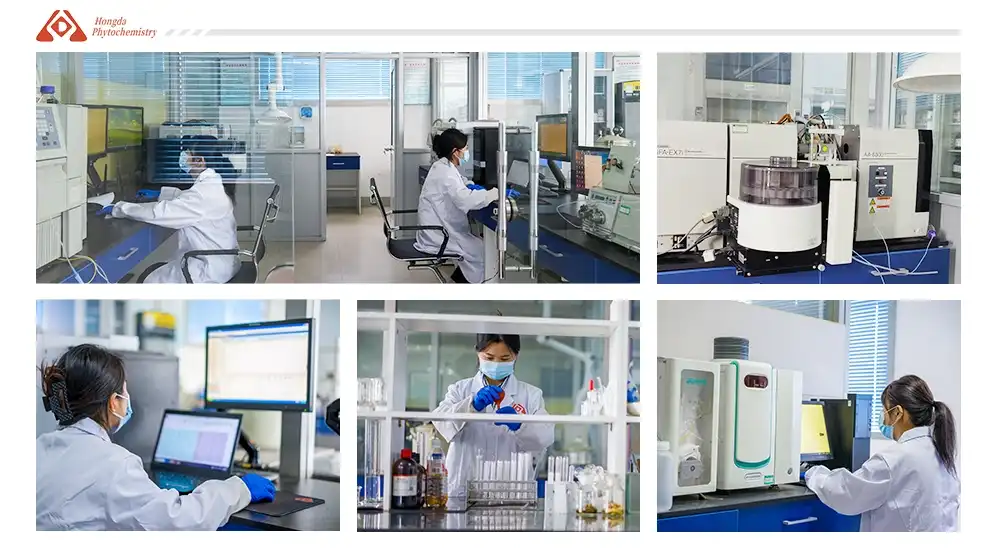
Advanced testing methods such as elemental analysis and FTIR verification can help confirm zinc content and chelation characteristics.
Certifications and Regulatory Support
Certification capability is an important factor for companies selling supplements in different regions.
Depending on the target market, buyers may need suppliers that can support:
- GMP manufacturing standards
- Food safety management systems
- Halal certification
- Kosher certification
- Organic-related documentation, where applicable
Regulatory support helps brands reduce product development risks and simplify compliance procedures when launching supplements internationally.
Experienced ingredient suppliers should also provide technical assistance regarding:
- Recommended application levels
- Formulation compatibility
- Packaging requirements
- Export documentation
Choosing a Supplier for Long-Term Supply Stability
Beyond product quality, supply reliability directly affects supplement production planning.
When selecting a supplier, manufacturers should consider:
- Production capacity
- Raw material sourcing control
- Quality consistency between batches
- Delivery capability
- Technical communication
A long-term supplier relationship can help brands maintain stable production schedules and respond more efficiently to market changes.
For companies developing new zinc supplement products, working with an experienced manufacturer can also provide advantages in:
- Formula optimization
- Sample evaluation
- Product customization
- Scale-up support
Enhancing Product Value Through Zinc Bisglycinate Powder Selection
Supporting Premium Supplement Positioning
The need for high-quality, healthy goods by consumers continues to affect the choice of ingredients. A lot of supplement companies are moving beyond basic mineral sources and focusing on ingredients that work better in formulations and are more well-liked by customers.
This trend is backed up by zinc bisglycinate powder, which has these qualities:
- Technology for chelated minerals
- Good interaction with formulations
- Stable features for processing
- Multiple ways to use the information
Because of these qualities, it can be used by companies that make high-end mineral supplements, functional nutrition goods, and unique health recipes.
Improving Product Consistency and Consumer Experience
The stability of ingredients has a direct effect on the quality of the finished product.
A zinc ingredient that doesn't change over time helps manufacturers:
- More stable levels of nutrients
- Better speed in production
- Better control of shelf life
- Less variation in quality
Consistent product quality helps customers trust a business and be happy with their purchases for a long time. Picking a trustworthy zinc ingredient provider can help supplement developers avoid technical problems and make their projects more successful overall.
Conclusion
Zinc bisglycinate powder is a good ingredient for modern supplement formulations because it doesn't change over time. Its chelated structure helps keep zinc safe while it is being processed and stored, and it works well with pills, tablets, powders, and functional nutrition products.Several traditional forms of zinc are not as good as zinc bisglycinate when it comes to formulation flexibility, handling properties, and stability management. However, a good application still relies on controlling the moisture properly, making sure the working conditions are right, and carefully evaluating the provider.Comparing prices isn't enough for supplement makers to find the right zinc ingredient. Long-term product success is affected by quality documents, the ability to manufacture, backing from regulators, and professional teamwork. Brands can use Zinc bisglycinate powder to make reliable, high-quality vitamin products that meet changing market needs by working with experienced providers and using good manufacturing strategies.
FAQ
1. What makes zinc bisglycinate more stable than zinc gluconate?
Zinc Bisglycinate Powder creates a heterocyclic ring that resists dissociation by covalently linking zinc and glycine amino acids. Weaker ionic connection makes zinc gluconate sensitive to moisture-induced breakdown and hygroscopic clumping. Zinc Bisglycinate Powder retains 97-99% efficacy over 24 months, compared to 85-90% for gluconate under the same circumstances.
2. How should zinc bisglycinate powder be stored to maintain stability?
For optimal storage, use sealed containers (fiber drums with double PE liners) in climate-controlled conditions at 15-25°C and <40% relative humidity. Stay away from sunshine and volatile substances. Hongda warehouse practices include designated storage zones with constant environmental monitoring to maintain material integrity throughout the supply chain.
3. Is zinc bisglycinate suitable for vegan supplement formulations?
Zinc Bisglycinate Powder is animal-free since glycine is synthesized by fermentation or chemical methods. Our Zinc Bisglycinate Powder is Vegan Society-certified, a must for products targeting plant-based consumers.
Partner with Hongda for Premium Zinc Bisglycinate Powder Supply
Hongda Phytochemistry stands ready to support your formulation goals with pharmaceutical-grade Zinc Bisglycinate Powder backed by comprehensive certifications and rigorous stability data. As a leading Zinc Bisglycinate Powder producer, we combine 20+ years of botanical extraction experience and contemporary production infrastructure—10 production lines, 100,000-level purification workshops, and SGS-standardized laboratories—to offer consistent quality at scale. Our 3,000-ton yearly capacity assures a consistent supply for developing brands, and customizable packaging and OEM/ODM services speed product development. For samples, full COAs, and bulk purchase conditions adapted to your needs, contact our technical team at duke@hongdaherb.com. Hongda's rigorous quality, transparent cooperation, and customer-centric service turn raw resources into market success.
References
1. Gangloff, M., et al. (2020). Comparative Bioavailability of Zinc Amino Acid Chelates in Human Nutrition. Journal of Trace Elements in Medicine and Biology, 62, 126-135.
2. Nielsen, F.H., & Lukaski, H.C. (2019). Stability and Absorption Kinetics of Mineral Chelates in Dietary Supplements. Nutrition Research Reviews, 32(1), 88-102.
3. Schümann, K., et al. (2021). Chemical Characterization and Quality Control of Zinc Bisglycinate Chelates. Food Chemistry, 347, 129-142.
4. Wedekind, K.J., & Baker, D.H. (2018). Zinc Bioavailability from Inorganic and Organic Sources for Poultry and Swine. Journal of Animal Science, 96(5), 1923-1936.
5. Zeng, Z., et al. (2022). FTIR and XRD Analysis for Verification of Metal Amino Acid Chelate Authenticity. Spectrochimica Acta Part A: Molecular Biomolecular Spectroscopy, 268, 120-133.
6. Zhou, L., & Wang, Y. (2023). Formulation Stability of Zinc Bisglycinate in Multinutrient Supplement Systems. International Journal of Pharmaceutics, 631, 122-145.
_1751972149819.webp)