


_1745918362135.webp)

How to Identify Authentic Organic Spirulina Powder Bulk Products?
As the need for blue-green superfoods grows in the supplement, functional food, and cosmetics industries, the market for algae powders that aren't as pure, are mislabeled, or aren't certified properly has also grown. It is no longer just a nice-to-have skill for buying teams to know how to spot real organic spirulina powder bulk. Hongda Phytochemistry, which is run by Shaanxi Hongda Phytochemistry Co., Ltd., has built its reputation on being open and honest. Its cultivation can be tracked all the way back to the farm, its lab tests are standardized by SGS, and it has a portfolio of certifications that buyers can use to check every claim on the label. This book explains the tests, lab reports, and certifications that tell the difference between real, high-quality spirulina powder and powders that just look like the real thing on the package.[1][2][3]
Why Authenticity Verification Matters When Buying Organic Spirulina Powder in Bulk?
The market for algae supplements has grown very quickly, and as it has, there is a bigger difference between high-quality brands and sellers who are just looking for a quick buck. If a buyer skips the verification steps, they might get organic spirulina powder bulk that is mixed with fillers, labelled as organic without a valid certification, or comes from dirty water bodies where heavy metal levels are dangerous. These risks are real; over the past ten years, regulatory recalls of algae goods that were tainted have made news in a number of markets. Knowing what real paperwork and product behavior look like will help protect your brand's image, make sure your recipes follow import rules, and make sure the nutrition claims on your packaging can be checked by a third party.[2][3]
The Rising Risk of Adulterated Algae Powders
Some suppliers stretch batches by adding cheaper fillers like maltodextrin or lower-grade algae blends when the prices of raw materials change. This is something that lab testing can quickly spot, but a quick visual inspection can miss.
Common Red Flags Buyers Overlook
When spirulina prices are unusually low, certificate numbers aren't clear or are missing, and sellers won't share batch-specific Certificates of Analysis, these are some of the clearest signs that the shipment might not be what it claims to be.
What Does "Organic" Really Mean on a Spirulina Label?
A real organic product must have a valid certificate from a recognized body, like the USDA NOP or EU Organic, that is given to the production facility and updated every year. The word "organic" should not just be written on the package for marketing purposes.
The Cost of Getting It Wrong
In addition to regulatory fines, getting information that hasn't been checked can lead to expensive product recalls, bad relationships with retailers, and long-term damage to a brand's reputation in a market where customers are doing more research on where ingredients come from.[2][3][4]
Sensory and Physical Checks You Can Perform First
Each sample is checked by a skilled seller several times before it even gets to the lab. These checks can help find issues quickly. Because of how it is grown and dried, authentic organic spirulina powder in bulk has its own unique taste and smell. It's possible that it was mixed with something else or kept wrong if it doesn't smell or taste like this. Even though sense evaluation isn't as good as official lab testing, it's a quick and cheap first step that quality teams always take before they buy something big or ask a new source for official paperwork. Many procurement teams keep a reference sample from a batch that has already been checked on hand so that they can compare small changes in color or smell. When you compare these changes to a known good standard, it is much easier to see them than when you just remember them.
Color Consistency
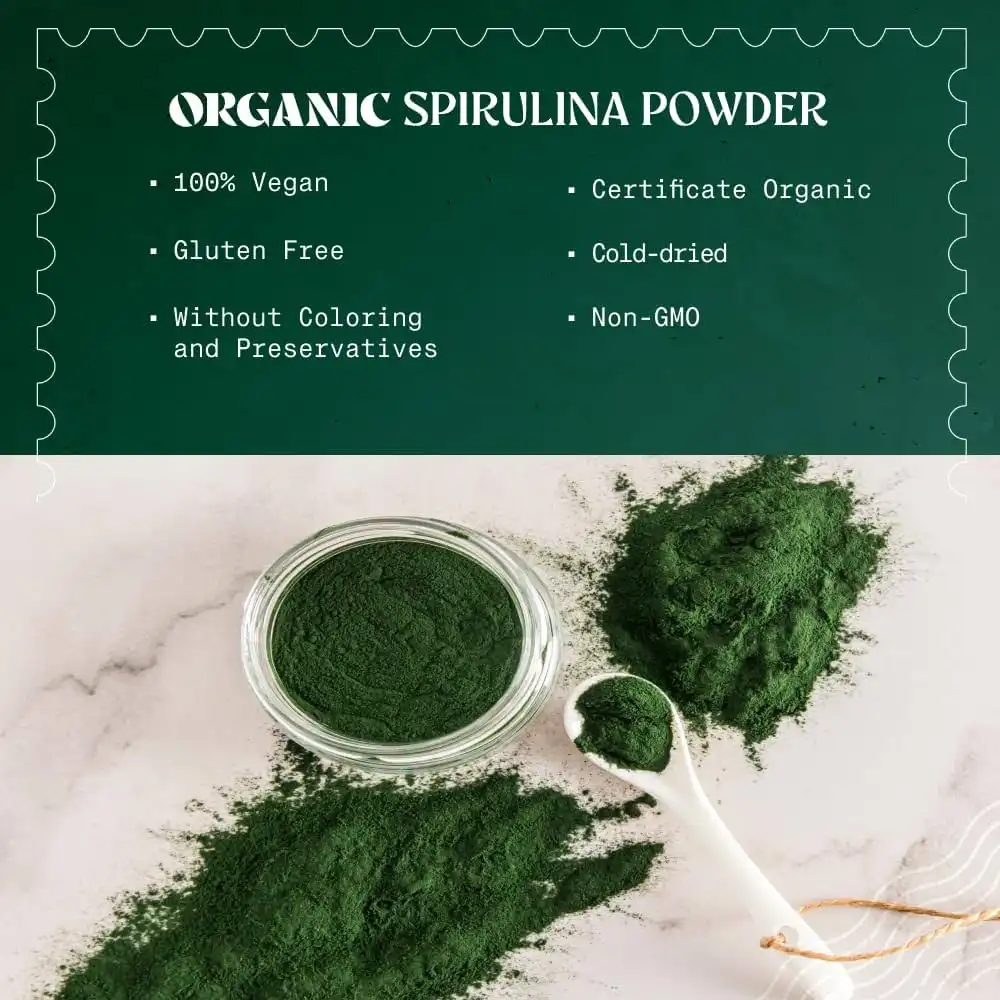
The blue-green colour of real organic spirulina powder bulk comes from a chemical in it. They were grown and dried in just the right way if the colour stays the same from batch to batch.
Aroma and Taste Profile
A lot of the time, spirulina smells mild and like seaweed. It's likely that your food smells sour, musty, or too chemical because it wasn't handled properly after being picked or because bugs broke it down.
Texture and Particle Size
You can grind good organic spirulina powder in bulk into a fine, even powder that is easy to work with. What if you see big chunks or clumps? That could mean the powder is wet or wasn't ground evenly.
Solubility Behaviour
Spirulina that has been grown in water doesn't leave behind much that hasn't been broken down. They use this easy test to look over new batches of raw materials before they are fully analysed in the lab.
Table 1. Sensory Indicators of Authentic Spirulina Powder
|
Characteristic
|
Authentic Organic Spirulina Powder Bulk
|
Possible Red Flag
|
|---|---|---|
|
Color
|
Deep blue-green, uniform
|
Dull green, brownish, or patchy tone
|
|
Aroma
|
Mild, slightly earthy/marine
|
Musty, sour, or chemical odor
|
|
Texture
|
Fine, uniform, free-flowing
|
Clumping, gritty particles
|
|
Solubility
|
Disperses evenly in water
|
Sediment or floating residue
|
|
Taste
|
Mild, slightly savory
|
Overly bitter or artificial aftertaste
|
Laboratory Verification: The Non-Negotiable Step
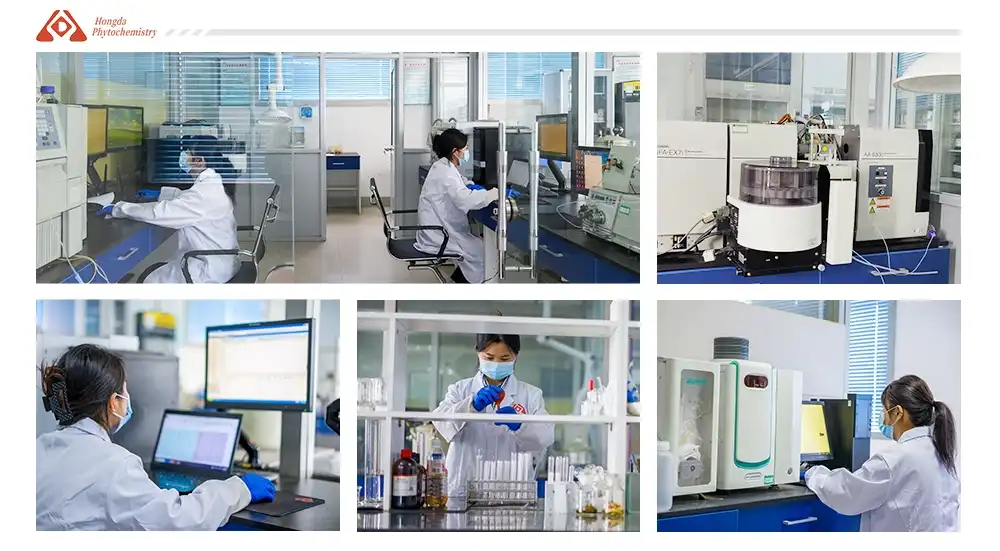
Sensory checks are helpful, but lab tests are the only way to be sure that a batch of organic spirulina powder really does meet the nutritional and safety requirements written on its packaging. Reliable companies have their own labs or work with other companies to do lab work. These labs have high-performance liquid chromatographs, gas chromatographs, and atomic absorption spectrophotometers that can find contamination at very low levels.[1][6]
If your team needs help reviewing test results, verifying batch quality, or understanding supplier documentation before making a bulk purchasing decision, Hongda Phytochemistry can provide technical support and detailed quality information. Contact our team at duke@hongdaherb.com to request a sample Certificate of Analysis and discuss your specific sourcing requirements.
Our technical team is happy to walk you through a sample Certificate of Analysis if you are looking for spirulina for a new product launch and want batch-specific lab data before you place an order.
Certificate of Analysis (COA) Essentials
A reliable COA should have a batch number that is unique to each shipment and not a general number that is used for multiple orders. It should also include the protein percentage, moisture content, heavy metal readings, bacteria counts, and a batch number that matches the shipment.
|
Items
|
Standards
|
Results
|
|
Physical Analysis
|
||
|
Appearance
|
Fine Powder
|
Conforms
|
|
Color
|
Green to Dark Green Powder
|
Conforms
|
|
Odor
|
Fresh sea-algae, without unpleasant smell
|
Conforms
|
|
Mesh Size
|
100% through 80% mesh size
|
Conforms
|
|
General Analysis
|
||
|
Identification
|
Identical to R.S. sample
|
Conforms
|
|
Protein(g/100g)
|
≥60g
|
65.6g
|
|
Phycocyanin(g/100g)
|
≥8g
|
9.5g
|
|
Loss on Drying (g/100g)
|
≤5.0
|
3.24%
|
|
Ash(g/100g)
|
≤5.0
|
2.05%
|
|
Chemical Analysis
|
||
|
Pesticides Residue (mg/kg)
|
0.05
|
Conforms
|
|
Residual Solvent
|
<0.05%
|
Conforms
|
|
Residual Radiation
|
Negative
|
Conforms
|
|
Lead(Pb) (mg/kg)
|
<3.0
|
Conforms
|
|
Arsenic(As) (mg/kg)
|
<2.0
|
Conforms
|
|
Cadmium(Cd) (mg/kg)
|
<1.0
|
Conforms
|
|
Mercury(Hg) (mg/kg)
|
<0.1
|
Conforms
|
|
Microbiological Analysis
|
||
|
Total Plate Count(cfu/g)
|
≤30,000
|
25,000
|
|
Molds and Yeast (cfu/g)
|
≤100
|
45
|
|
Coliforms (cfu/g)
|
Negative
|
Conforms
|
|
Salmonella(/25g)
|
Negative
|
Conforms
|
Heavy Metal and Pesticide Residue Testing
One of the most important steps for anyone buying spirulina is to make sure that the levels of lead, mercury, cadmium, and arsenic are below globally recognised limits. This is because algae are very good at absorbing poisons from their growing surroundings.
Protein Content Verification via the Kjeldahl Method
The Kjeldahl method is still the standard way to check for true protein concentration, and real organic spirulina powder bulk should always test between 60 and 65 per cent if it was grown under controlled conditions.[5]
Microbiological Safety Panels
Pathogens like E. coli, Salmonella, and Staphylococcus aureus are checked for, along with total plate counts and yeast/mould levels, to make sure that a batch from an organic spirulina extract powder supplier is safe to use in making food, drinks, or supplements.[4]
Certification Documents That Prove Authenticity
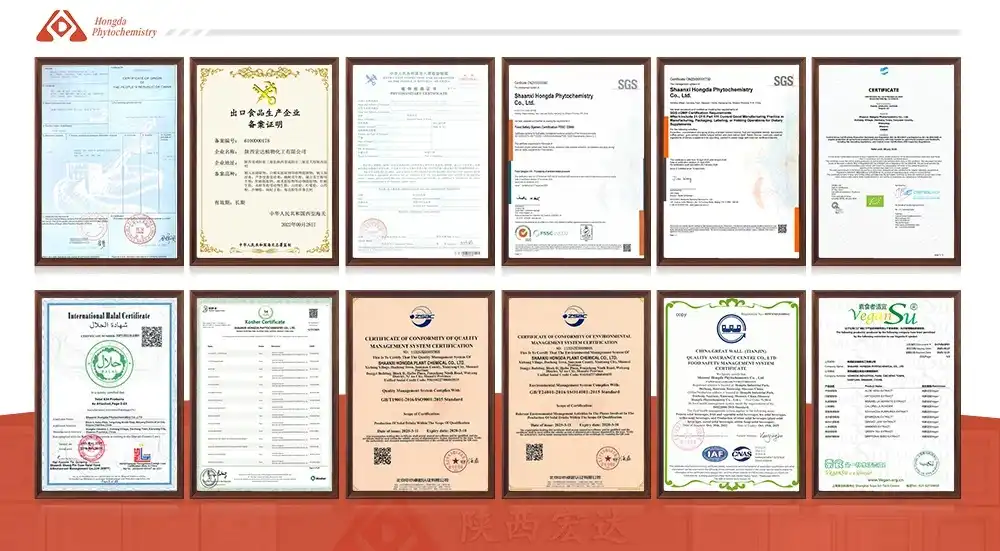
In addition to lab results, official third-party approvals add another level of guarantee that has been checked by a third party. Instead of just printing names on a product page, a real company that sells organic spirulina extract powder will have certificates that can be checked against the granting body's public database. When a buyer is getting ready to enter a regulated market like the US or EU, these papers are especially important because customs officials often ask for proof of certification before letting a shipment go through. Not only do certifications show that a product contains organic spirulina powder bulk, but they also reassure retailers and end users that the product can actually live up to the claims made on its packaging. The following table shows the types of certification that buyers should ask for and check before confirming their bulk spirulina order.
|
Certification
|
What It Confirms
|
|---|---|
|
USDA NOP / EU Organic
|
Cultivation free of synthetic pesticides and GMOs
|
|
cGMP
|
Manufacturing meets current Good Manufacturing Practices
|
|
FSSC22000 / ISO22000
|
Food safety management system compliance
|
|
ISO9001
|
Consistent quality management across production
|
|
Halal / Kosher
|
Compliance with religious dietary requirements
|
|
BRC / FDA
|
Recognized food safety and regulatory registration
|
USDA NOP and EU Organic Certification
In North America and Europe, these two certifications are still the gold standard for organic claims. A trustworthy seller can give you the certificate number so you can check it directly against the agency that issued it.
Food Safety Certifications (FSSC22000, ISO22000, cGMP)
These certificates show that a building follows food safety management systems that are known and respected around the world. These systems cover everything from following cleanliness rules to keeping records of tracking along the production line.
Halal and Kosher Documentation
Halal and kosher certifications give brands that want to appeal to a wide range of customers extra proof that the ways the spirulina is grown and processed meet certain dietary compliance standards.
Traceability Records From Farm to Powder
Genuine sellers can show buyers exactly which cultivation pond, harvest date, and processing batch a shipment came from. This is better than just a label saying "country of origin."
Choosing a Verified Organic Spirulina Powder Bulk Supplier
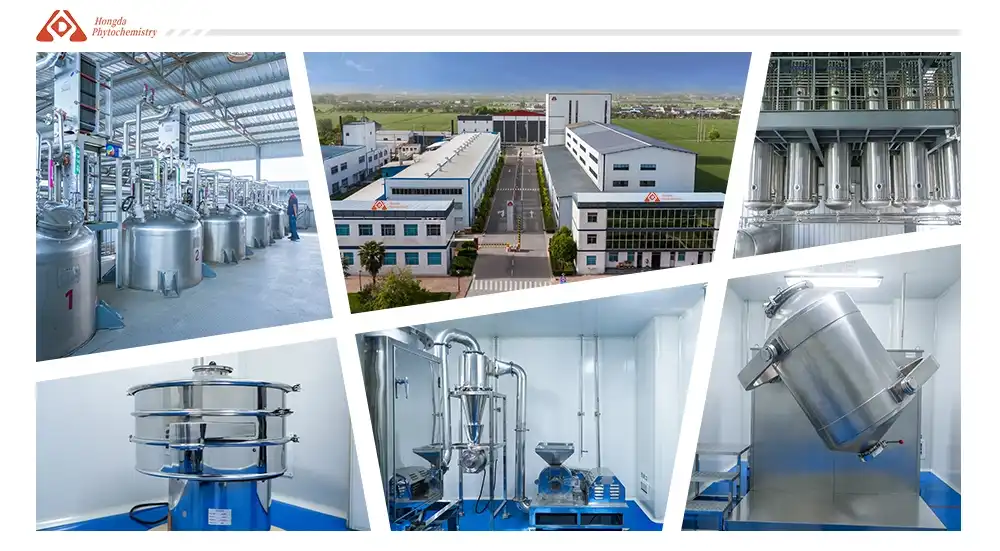
The last step is to evaluate the supplier after you understand the sensory cues, lab benchmarks, and certification documents. It is very important to know that not every company that sells spirulina extract powder in bulk also grows its own plants or does its own tests, as the latter is much more likely to be reliable in the long run. The Shaanxi Hongda Phytochemistry Co., Ltd. company was founded in 2001 and has a 20,000-square-meter plant with more than ten modern production lines and 100,000-level cleaning workshops. It also has an SGS-standard laboratory with more than twenty professor-level researchers working there. Vertical merger and scientific control are what set a reliable long-term partner apart from a dealer who just repackages content from other companies. People who compare these operational details instead of just looking at a well-designed sales page always end up with a more stable supply and fewer quality complaints in the future.
Evaluating Manufacturing Capacity and Infrastructure
With six dedicated warehouse zones and the ability to produce up to 3,000 tonnes per year, the facility shows the level of production stability that large buyers need for regular spirulina extract powder wholesale bulk orders.
Reviewing R&D and Testing Capabilities
Suppliers with their own R&D departments and more than 20 experienced researchers from universities and scientific institutions are more likely to find problems with quality before they are shipped than after a customer has complained.
Requesting Samples and Third-Party Verification
Before placing a large order, ask for a free sample along with a Certificate of Analysis. You might also want to send a portion to a separate lab to check the levels of protein and contaminants.
Why Does Hongda Phytochemistry Pass Every Check?
Hongda got national high-tech enterprise status; food production licenses, halal, kosher, BRC, FDA, cGMP, FSSC22000, ISO9001, and ISO22000 certifications; and EU/NOP organic certification between 2001 and 2025. This gives buyers a paper trail that can pass even the strictest import review process.
Conclusion
Verifying authentic organic spirulina powder in bulk requires more than trusting a label—it means checking sensory characteristics, requesting real lab data, and confirming certifications directly with issuing bodies. Hongda Phytochemistry meets every one of these standards through vertically integrated cultivation, SGS-standardized testing, and a comprehensive certification portfolio spanning organic, food safety, and religious compliance credentials. Reach out today to request your own verified sample and documentation.
FAQ1. What is the fastest way to spot fake spirulina powder?
Check color uniformity, smell, and solubility first, then confirm results with a Certificate of Analysis before placing a large order.
2. Can I trust an "organic" label without a certificate number?
No — always request the specific USDA NOP or EU Organic certificate number and verify it against the issuing agency's database.
3. How often should a supplier test each batch of spirulina?
Every batch should carry its own Certificate of Analysis, not a shared or outdated document reused across multiple shipments.
Verify Before You Buy — Request Your Sample | HONGDA
Don't take authenticity claims at face value. Hongda Phytochemistry, a trusted Organic Spirulina Powder Bulk and organic spirulina extract powder supplier, provides full Certificates of Analysis, verifiable certifications, and free samples so your team can confirm quality before committing to a bulk order. Whether you need spirulina extract powder wholesale for a new product line or a long-term supply partnership, our technical team is ready to help. Contact us today at duke@hongdaherb.com to start your verification process and secure a reliable, certified supply.
References
1. Journal of Applied Phycology — analytical methods for verifying Arthrospira (spirulina) purity and composition.
2. USDA National Organic Program standards for certifying organic algae cultivation facilities.
3. European Commission Organic Regulation documentation on certification requirements for imported algae products.
4. Global Food Safety Initiative (GFSI) benchmarking requirements referenced in FSSC22000 certification.
5. Association of Official Analytical Chemists (AOAC) protocols for protein testing via the Kjeldahl method.
6. World Health Organization guidance on heavy metal contamination thresholds in food-grade algae products.