



_1745918362135.webp)

Why Bitterness Is the Real Formulation Challenge
Where Berberine's Bitterness Comes From
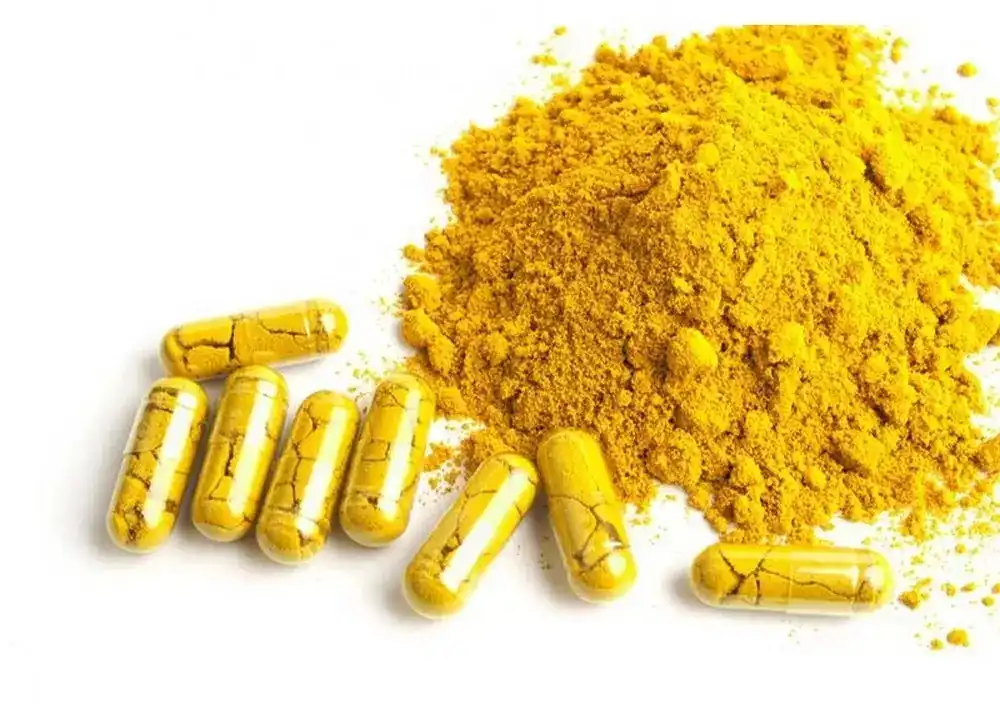
Berberine is an isoquinoline alkaloid derived from several plants, including Coptis chinensis, and has a highly bitter taste that may be detected at very low quantities. When formulators start with normal berberine bulk powder, they typically find the taste takes over everything in the sachet, including sweeteners and flavors that would readily mask milder ingredients. The explanation is simple: bitter taste receptors are highly responsive to alkaloids. And berberine dissolves easily on the tongue, so it rapidly reaches those receptors. Consumers describe the sensation as harsh, dry, and persistent. Taste is a feature of the molecule itself; thus, hiding it is a matter of strategy, not physical force. This is addressed by Hongda’s liposomal berberine powder, which alters how the molecule interacts with the tongue, providing formulators with a better starting point than any taste system added to plain powder alone.[1][4]
Why Sachets Are Unforgiving
You swirl a sachet into water and drink it. That’s the active ingredient spending actual time in your mouth. A drink sachet demands the taste system to perform on every sip, unlike a capsule, which conceals the powder behind a shell. Small serving sizes are particularly important to ready-to-mix formats; thus, there is limited opportunity for excessive sweetener loading. Consumers of metabolic products tend to seek minimal sugar. The outcome is a delicate balance: enough masking to make the drink pleasant, but not so much that the label loses its clear identity. Many formulators react by adding huge quantities of sweeteners, which increases cost, changes mouthfeel, and may leave a chemical aftertaste. The flavor barrier is part of the substance itself, not added on later. A more elegant approach is a liposomal berberine powder for water dispersion.
What Liposomal Encapsulation Does to Taste
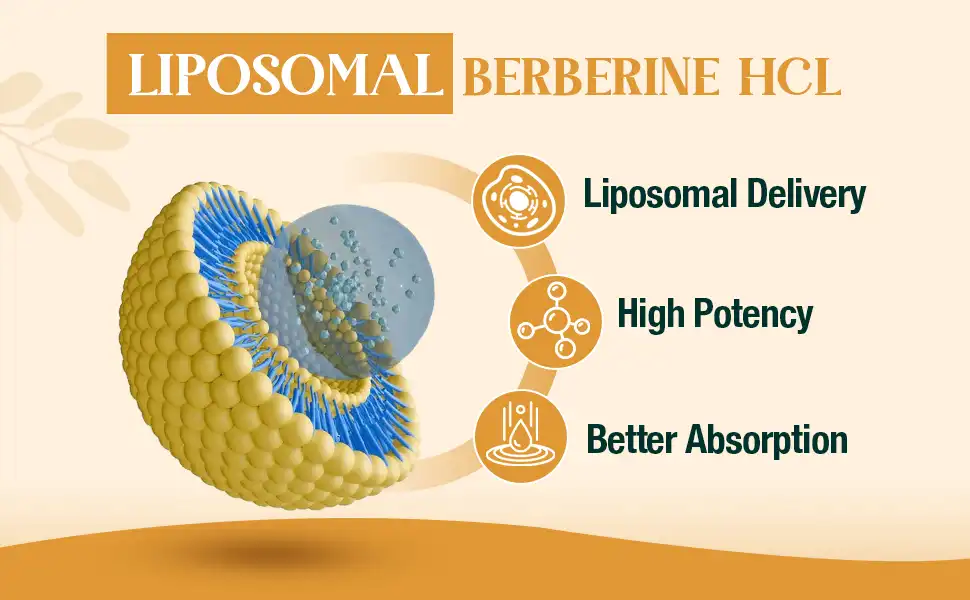
Hongda describes precisely how it works on the product site. Inside the microcapsule is a thick phospholipid bilayer containing berberine molecules, with hydrophilic groups pointing outward. The microcapsule shell functions as a physical barrier limiting direct contact between berberine and the taste receptors in the oral cavity. Then, later (in the small intestine), the microcapsules release their contents under the effect of biofluids and lipid breakdown. The encapsulation rate is more than 85%, and the microcapsule breaking rate is less than 3.5%, so only a small amount of berberine is free to taste. That fraction is the true goal of any flavor work, and this is why the quality of encapsulation is so critical. When evaluating wholesale berberine HCl powder for sachets, consider encapsulation efficiency as a taste standard as well as a bioavailability specification and ask to see supporting HPLC and TEM data.
Build the Flavor Base Around the Encapsulated Powder
Sweeteners Without Overload
A well-judged sweetener scheme is beneficial even in an encapsulated substance. Hongda’s own reference mix is made using erythritol, a bulk sweetener that offers sweetness and volume without the weight of sugar. Often combining a tiny quantity of a high-intensity sweetener like stevia glycosides or monk fruit with a bulking sweetener works better than using a single ingredient, since each sweetener covers distinct regions of the flavor curve. Buyers who had previously obtained berberine hydrochloride powder and are switching to liposomal berberine powder generally discover that they may utilize less sweetener loading. Start with low amounts, taste, then increase in little increments. Keep track of each experiment so the final formula can be duplicated accurately on the manufacturing line and label sweetener claims stay accurate.
Acids, Salt, and Mouthfeel
Sweetness is only one instrument. A modest acidity may balance leftover bitterness and provide freshness. This is why Hongda’s reference mix contains apple cider vinegar powder. It gives a mellow, slightly acidic flavor without any bitterness. Citric or malic acid may also work in a similar manner, but you will need to balance the acid levels with the rest of the drink and the stability of your liposomal berberine powder. Another basic trick is to add a modest quantity of salt. Sodium is typically utilized in food creation to lessen the feeling of bitterness. Mouthfeel matters too: a little soluble fiber or gum may make the drink feel fuller and take the edge off. Change one variable at a time, taste each version blind, and take notes on what each element adds, so the final recipe is evidence-based, not habit-based.[2][3]
Flavor Systems That Cover Earthy Notes
Berberine has a pure bitter taste, but may also have a little medicinal, earthy note; thus, flavor choice is important. Citrus, berry, apple, and tropical flavors tend to perform well, as their fresh acidity and aromatic strength tend to distract attention away from the base taste. Mint and ginger are good for health items, while chocolate tastes are not good for a clean, water-based drink. If you are targeting clean label markets, choose natural tastes and conduct compatibility testing so that flavor oils or emulsifiers do not upset the dispersion of the liposomal berberine powder. Hongda’s technical team may provide formulation knowledge, including its reference mix with apple cider vinegar powder, chromium picolinate, and erythritol. Taste expectations are all over the place between the US, Europe, and Asia. Take that as a base framework and then tweak flavor kind and intensity to your target market's tastes.
|
Tool
|
How It Helps
|
Formulation Note
|
|---|---|---|
|
Encapsulation
|
Physical barrier at taste receptors
|
Above 85%; verify with HPLC and TEM data
|
|
Bulk sweetener
|
Clean sweetness and volume
|
Erythritol in Hongda's reference blend
|
|
High-intensity sweetener
|
Extra sweetness at low dose
|
Use small amounts and taste blind
|
|
Mild acid
|
Rounds bitterness, adds freshness
|
Apple cider vinegar powder in reference blend
|
|
Flavor
|
Diverts attention from earthy notes
|
Citrus, berry, or apple profiles
|
Protect the Vesicle and Preserve the Taste
Hydration, Temperature, and Stirring
Masking works only while the liposomes stay intact, so handling instructions belong on the pouch. Hongda's reference formulation describes a fast-dissolving powder that produces a clear, slightly milky appearance in water, and that visual cue is helpful for consumers and quality teams alike. Recommend cool or room-temperature water, moderate stirring, and prompt drinking. Avoid instructions that call for boiling water or long high-speed blending, because heat and aggressive shear may disturb phospholipid vesicles. Consider how the sachet will really be used: shaken in a bottle, stirred in a glass, or added to a smoothie. Each method exposes the berberine bulk powder to different conditions, so test them all. Clear directions protect the taste experience, and they reduce complaints from customers who expect a clean flavor and are surprised by an unwelcome one.
|
Component
|
Role in the Formula
|
Note
|
|---|---|---|
|
Fast-dissolving liposomal berberine
|
Active, locked in microcapsules
|
Slightly milky solution in water
|
|
Mild acidity
|
Soft, slightly acidic taste
|
|
|
Chromium picolinate
|
Companion functional ingredient
|
Included in Hongda's example
|
|
Erythritol
|
Bulk sweetener
|
Sweetness without a heavy sugar load
|
Excipients, Moisture, and Light in the Pouch
The flavor strategy itself is part of the sachet. Moisture may promote caking and degrade phospholipid structures; therefore, use a barrier film and regulate humidity during filling. Specification for Hongda states loss on drying not more than 5 g per 100 g. The stated result is 3.05. Store in a cool, dry area, away from moisture and light. Opaque, well-sealed pouches contribute to maintaining that atmosphere. Choose excipients with minimal hygroscopicity, and avoid mixing the powder with compounds that actively absorb water. A reputable supplier of liposomal berberine powder should be able to advise you on filling conditions, appropriate carriers, and suggested storage, and Hongda’s technical staff can provide this service, along with samples. Small choices like film, humidity, and carrier may frequently determine whether flavor is as clean at month twelve as it was on packing day.
Running a Blind Taste Panel
Sensory testing converts opinion into data. Recruit a small panel, deliver coded samples in random order, and have the tasters score the bitterness, sweetness, aftertaste, and overall liking on a simple scale. Make a control with plain berberine at the same dosage to make the difference evident. Repeat the test with the completed sachet after storage. Pair the panel with analytical evidence: Hongda provides COAs, TEM pictures, and particle size distribution data with every batch, allowing you to correlate sensory outcomes to encapsulation quality. If one lot is harsher than another, look at encapsulation and size statistics first, since more free berberine often indicates higher bitterness. Taking panel results with lot numbers will provide you with a dependable history that you may refer to for future taste changes and discussions with your supplier on your liposomal berberine powder.
Sourcing Liposomal Berberine for Sachet Projects
Pre-Order Spec Sheets To Check Before Ordering. Bring the spec sheet into your taste conversation. Liposomal Berberine. Hongda offers berberine hydrochloride powder with a berberine concentration over 30% by HPLC. Available from 10% to 90% and customizable. Yellow fine powder; 95% passes 80 mesh. Shelf life: 24 months. The site claims encapsulation of more than 85%, a dynamic light scattering particle size of 80 to 150 nanometers, and residual solvent of roughly 50 ppm, utilizing food-grade ethanol and deionized water. Minimum order is 1 kg, suitable for pilot sachet experiments. Ask how the loading you require will impact the dosage per sachet. The greater the loading, the less powder per serving and the less substance to conceal. Request a sample from the same manufacturing lot that will be used to offer your commercial quantities of berberine hydrochloride powder from the factory and confirm the specification in writing.
Comparing Liposomal Powder With Standard Berberine HCl
Some brands begin with wholesale berberine HCl powder because it is familiar and inexpensive per kilogram, then discover that the masking cost and formulation effort erase much of that advantage. Hongda supplies both: its standard berberine powder is 97% berberine hydrochloride from Coptis chinensis, sold in 25-kilogram drums with delivery in 3 to 7 working days, while its liposomal berberine powder is designed for lower-bitterness sachets. Compare the two on total cost per finished serving, including sweeteners, flavors, and rework, not just raw material price. Also consider consumer experience, since repeat purchase depends on taste. For many sachet projects t, the liposomal option, backed by TEM and particle size reports, gives a smoother path from development to launch, although the right choice depends on your target dose, market, and price point.[5]
Manufacturing Capacity, Certifications, and Stock
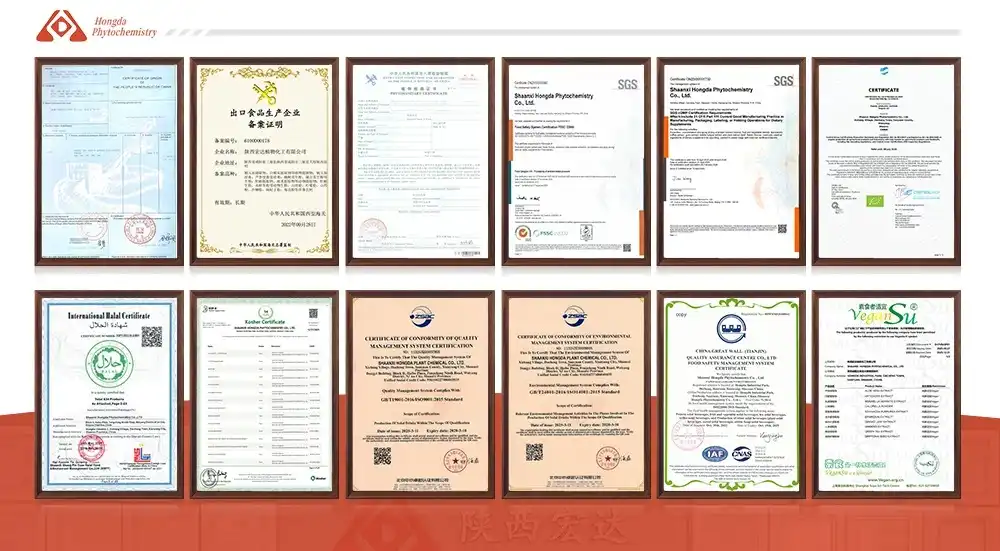
A good formula still needs a reliable supplier. Shaanxi Hongda was established in 2001 and operates a factory of about 20,000 square meters with more than 10 production lines and 100,000-level purification workshops. The factory is registered with the US FDA and holds cGMP, ISO22000, HACCP, Halal, and Kosher certifications, and its SGSGS-standardizedaboratory supports testing. Hongda states that it keeps about 5 tons of dynamic stock in its Xi'an and US warehouses, with orders departing within 48 hours, and it offers factory-direct pricing with priority freight booking. Packaging runs from 1 kilogram to 25 kilograms, and custom coating solutions can combine liposomal berberine powder with ingredients such as NMN or resveratrol. Share your target dose and flavor concept, and the technical team can recommend a practical starting specification for your sachet.
Conclusion
Masking berberine's bitterness is a layered task. Start with an ingredient from a liposomal berberine powder manufacturer that keeps most of the molecule behind a phospholipid barrier, build a balanced base of sweetness, mild acidity, and flavor, protect the vesicles through gentle handling and good packaging, and confirm results with blind tasting and batch data. Shaanxi Hongda Phytochemistry Co., Ltd. supports this approach with liposomal berberine powder that shows encapsulation above 85%, 80 to 150-nanometer particles, sunflower phospholipids, and a reference blend built for a clean taste. Request a sample, run your own panel, and let the results guide your recipe.[1][3][5]
FAQ
Q1. Why does liposomal berberine taste less bitter?
The phospholipid shell limits contact between berberine and taste receptors in the mouth, then releases it later in the intestine.
Q2. Do I still need sweeteners?
Usually a modest amount; Hongda's reference blend uses erythritol and apple cider vinegar powder.
Q3. What are the encapsulation rate and particle size?
Encapsulation is above 85%, with a particle size of 80–150 nm by dynamic light scattering.
Q4. How can I confirm it is a true liposome?
Request the COA, TEM images, and particle size distribution report for each batch.
Q5. What are the MOQ and shelf life?
The MOQ is 1 kg, and the shelf life is 24 months.
Request Sachet Formulation Samples From HONGDA Today
If you are developing a liposomal berberine powder sachet and want a cleaner-tasting ingredient backed by data, HONGDA is ready to help. Our team will send samples with a COA, TEM images, and particle size reports, share a reference blend to start your flavor work, and customize the specification to your target dose. We also quote factory-direct prices with OEM support and priority freight booking. Tell us your market, serving size, and flavor concept, and we will suggest a practical path from bench trial to pilot batch to repeat orders. Write to duke@hongdaherb.com today and taste the difference.
References
1. Drewnowski A, Gomez-Carneros C. Bitter taste, phytonutrients, and the consumer: a review. American Journal of Clinical Nutrition. 2000;72(6):1424–1435.
2. Keast RSJ, Breslin PAS. An overview of binary taste–taste interactions. Food Quality and Preference. 2003;14(2):111–124.
3. Ley JP. Masking bitter taste by molecules. Chemosensory Perception. 2008;1(1):58–77.
4. Meyerhof W, Batram C, Kuhn C, et al. The molecular receptive ranges of human TAS2R bitter taste receptors. Chemical Senses. 2010;35(2):157–170.
5. Liu CS, Zheng YR, Zhang YF, Long XY. Research progress on berberine with a special focus on its oral bioavailability. Fitoterapia. 2016;109:274–282.