




How to minimise oxidation risks when storing ferrous bisglycinate raw powder in bulk
Minimising oxidation risks when storing ferrous bisglycinate powder in bulk is the decisive factor for retaining iron potency, colour and flowability through a 24-month shelf life. Unlike ferrous sulfate, ferrous bisglycinate is a chelated mineral where iron is bound to two glycine molecules, but that chelate can still break and oxidise to ferric iron if moisture, heat, or incompatible nutrients intervene.[1][2] Hongda Phytochemistry, operating as Shaanxi Hongda Phytochemistry Co., Ltd., solves this at the source through nitrogen-protected chelation synthesis, vacuum drying to low moisture, and triple-barrier packaging. Our ferrous bisglycinate powder delivers ≥20% elemental iron with a chelation rate above 90%, ultra-low moisture, and superior stability for bulk encapsulation and premix production.
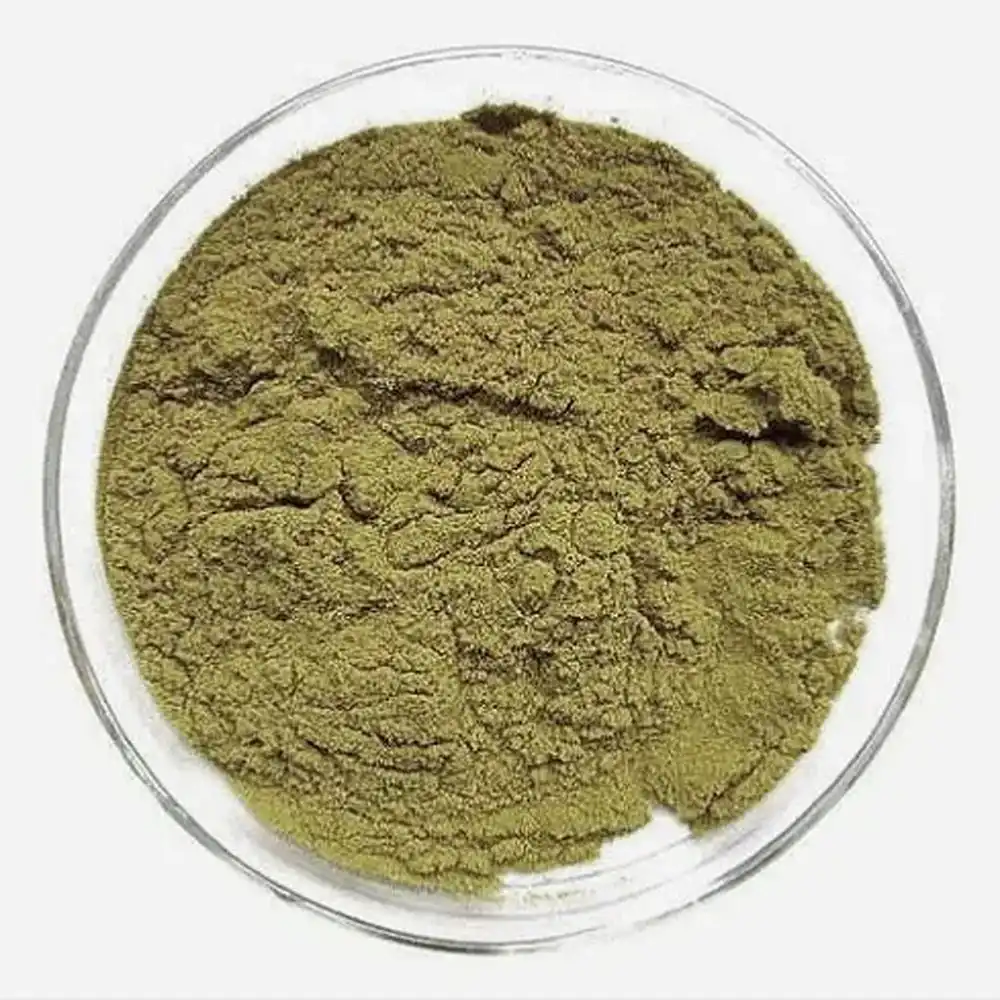
Why Bulk Ferrous Bisglycinate Oxidises Faster Than You Expect
Bulk storage multiplies every small oxidation trigger, which is why even premium chelates can turn dark and clump if warehouse conditions are ignored. Understanding these mechanisms first saves brands from costly rework.
Why Ferrous Iron Is Inherently Prone to Oxidation and Colour Shift
Ferrous iron (Fe2+) naturally wants to become ferric iron (Fe3+) when exposed to oxygen, and that transition is visible as a shift from light tan to dark brown in ferrous bisglycinate powder. In bulk, the large surface area and prolonged air exposure accelerate this reaction, especially if the chelate ring is weak. Low-quality ferrous bisglycinate powder with incomplete chelation leaves free Fe2+ ions unprotected, which oxidise within days and cause metallic taste and reduced bioavailability.[3] Hongda controls this by ensuring a true bisglycinate structure where each iron is fully coordinated by two glycines, forming a stable five-membered ring that shields the iron from oxygen. This high chelation integrity is the fundamental reason our powder retains its light-brown colour and assay far longer in bulk drums than partially chelated alternatives.
High Humidity Bulk Storage: The Hidden Driver of Caking and Ferric Conversion
A real production pitfall we see every rainy season is this: a client stored 500 kg of ferrous bisglycinate powder in a non-climate-controlled warehouse at 78% relative humidity, and within 72 hours the top layer hardened into lumps and darkened by two colour grades. Moisture is a catalyst that breaks the Fe-glycine bond and allows oxygen to convert Fe2+ to Fe3+ while also causing capillary bridging between particles. Many buyers searching for wholesale ferrous bisglycinate focus only on price per kilo, but neglect that bulk ferrous bisglycinate powder with moisture above 5% will absorb ambient water even through a single PE liner. Hongda prevents this by vacuum drying to moisture ≤5.0% and immediately packing under low-humidity conditions (RH <30%), so the powder remains free-flowing and the chelate stays intact even after months of bulk storage and intercontinental shipping.
How Incompatible Vitamins Accelerate Discoloration in Premixes
Storing ferrous bisglycinate powder alone is one challenge; storing it blended with other nutrients is another. In practice, we have documented that premixes containing ferrous bisglycinate powder with ascorbic acid (Vitamin C), cyanocobalamin (B12), or folic acid under heat and humidity can accelerate colour change from beige to grey-brown within weeks. Vitamin C, while enhancing absorption, is acidic and hygroscopic and can donate protons that destabilise the glycine chelate, freeing iron to oxidise and react with B12 to form inactive analogues.[4] This redox interaction is why many ferrous bisglycinate powder premixes fail accelerated stability at 40°C/75% RH. As a factory with premix experience, we advise physical separation, use of coated vitamins, or low-moisture microencapsulated forms, and we provide 4-week binary compatibility testing for any blend to flag these interactions before bulk production.
Table 1: Bulk Oxidation Triggers vs. Hongda Preventive Controls (Ref: Hongda Product & Stability Data)
|
Oxidation Risk Factor
|
What Happens to Ferrous Bisglycinate Powder
|
Hongda Factory Control
|
|---|---|---|
|
High Humidity >65% RH
|
Moisture breaks the chelate, causing caking; Fe2+ → Fe3+
|
Vacuum drying ≤5.0% moisture, desiccant, foil liner
|
|
Air / Oxygen Exposure
|
Surface oxidation, dark brown colour
|
Nitrogen-protected drying & milling, oxygen-barrier drums
|
|
Trace Metal Ions (Fe3+, Cu2+)
|
Catalyses redox, accelerates discolouration
|
Chelation rate ≥90%, AAS/ICP-MS screening
|
|
Incompatible Vitamins (C, B12)
|
Acid-induced chelate break, vitamin degradation
|
Compatibility matrix, coated vitamin recommendation
|
Chelation Integrity Is Your First Defence Against Oxidation
If the chelate is not truly formed, no packaging can save it. True bisglycinate stability begins in the reactor, not the warehouse.
What a 90%+ Chelation Rate Really Means for Bulk Stability
Chelation rate is the most honest indicator of whether your ferrous bisglycinate powder will remain ferrous during storage, yet it is rarely shown on generic COAs. A chelation rate above 90% means more than 90% of iron is covalently bound in the bisglycinate ring, leaving almost no free iron to oxidise. Low-chelation ferrous bisglycinate powder made by simple blending of ferrous sulfate and glycine may assay 20% iron but shows a chelation rate of only 60-70%, and that material will brown quickly in bulk. At Hongda, we quantify chelation rate by HPLC and atomic absorption spectrophotometry alongside FTIR fingerprinting, and every lot of ferrous bisglycinate powder is released only when chelation exceeds 90%. For brands buying wholesale ferrous bisglycinate, requesting this single data point is the fastest way to predict 24-month stability.
Low-Temperature Chelation Synthesis and Nitrogen-Protected Drying at Hongda
How ferrous bisglycinate powder is made determines how it stores. High-temperature reactions create more ferric by-products and darker powder from the start. Hongda Phytochemistry operates a 20,000-square-meter facility with more than 10 modern production lines and 100,000-level purification workshops where ferrous bisglycinate is synthesised under controlled pH and low temperature, then concentrated and vacuum dried at 60°C under nitrogen protection. This gentle process prevents thermal oxidation during the most vulnerable wet stage and locks in the light tan colour and neutral taste that customers expect from premium ferrous bisglycinate powder. Our SGS-standardised laboratory, jointly built with university professors and staffed by over 20 professor-level analysts, monitors the reaction in-process with high-performance liquid chromatographs and spectrophotometers, ensuring each batch of ferrous bisglycinate powder achieves full chelation before it ever reaches packaging.
How to Detect Adulteration: Real Bisglycinate vs. Ferrous Sulfate Blends
A major bulk risk when sourcing wholesale ferrous bisglycinate is adulteration with cheaper ferrous sulfate or ferrous fumarate spray-dried with glycine to mimic assay. This fake ferrous bisglycinate powder may pass a simple iron test but fails chelation and solubility tests and oxidises rapidly, causing black spots in capsules. Authentic ferrous bisglycinate powder has high water solubility, low chloride and sulfate, and a distinct FTIR and HPLC chelate peak that ferrous sulfate blends lack. As a trusted ferrous glycinate supplier, we provide a full adulteration defence package for every lot: HPLC chelation chromatogram, FTIR spectrum, sulfate/chloride limit test, and heavy metal profile. If you want to verify chelation authenticity or compare your current sample with a stability-tested reference, our technical team can arrange a side-by-side analysis — just reach out to us at duke@hongdaherb.com for a free COA review, sample, and packaging recommendation before you commit to bulk.
|
Test Item
|
Practical manufacturing meaning
|
Our Standard Parameter
|
|---|---|---|
|
CAS Number
|
Material identity confirmation
|
20150‑34‑9
|
|
Appearance
|
Powder handling & batch colour consistency
|
Dark brown / grey‑green fine powder
|
|
Elemental Ferrous Iron (Fe²⁺)
|
Key marker for formulation label calculation, control oxidation risk
|
20.0‑23.0 %
|
|
Ferric Iron (Fe³⁺)
|
Limit oxidized inactive iron impurity
|
≤ 2.0 %
|
|
Chelate Ratio
|
Verify 1:2 iron‑glycine reacted chelate structure
|
Approx 1 mole iron : 2 mole glycine
|
|
Loss on Drying
|
Prevent caking and oxidation during ocean transit
|
≤7.0%
|
|
Nitrogen Content
|
Secondary indicator for chelate completeness
|
10.0‑12.0 %
|
|
Mesh / Particle Size
|
Adapt for capsule filling, tableting and premix blending
|
60‑80 mesh, adjustable upon request
|
|
Heavy Metals
|
Comply with nutraceutical ingredient limits
|
Meets JECFA / food‑ingredient thresholds
|
|
Microbiological Indicators
|
Food‑grade safety for supplement production
|
Compliant with food ingredient standards
|
|
Shelf‑life
|
Valid under sealed cool‑dark warehouse storage
|
24 months
|
|
Packing
|
Bulk shipping specification
|
25 kg food‑grade fibre drum, double PE‑aluminum moisture‑proof inner bag
|
|
MOQ
|
Order entry threshold
|
25 kg bulk; small lab trial samples available
|
Bulk Storage SOP: Packaging, Environment and Handling That Actually Works
Once chelation integrity is secured, bulk storage success depends on packaging and warehouse discipline. These are the SOPs we use for 1-ton shipments.
Triple-Layer Barrier Packaging and Desiccant Strategy for Bulk Drums
Single-layer packaging is the most common reason bulk ferrous bisglycinate powder oxidises in transit. For export, we never rely on a kraft paper drum alone. Every bulk order of ferrous bisglycinate powder is packed in a triple-layer system: an inner food-grade PE bag, a middle oxygen-barrier aluminum foil bag with desiccant, and an outer UN-certified fiber drum with silica gel and humidity indicator card. This system, validated through ICH accelerated testing, keeps moisture and oxygen transmission rates extremely low and maintains assay retention above 98% after 6 months at 40°C/75% RH. When clients order ferrous bisglycinate zinc bisglycinate wholesale combinations, we apply the same barrier to both minerals to prevent cross-moisture migration. We also share real packing photos and videos for QA audits, so your incoming QC can verify drum integrity on arrival.
Warehouse Climate Control: Temperature, Humidity and Light Thresholds
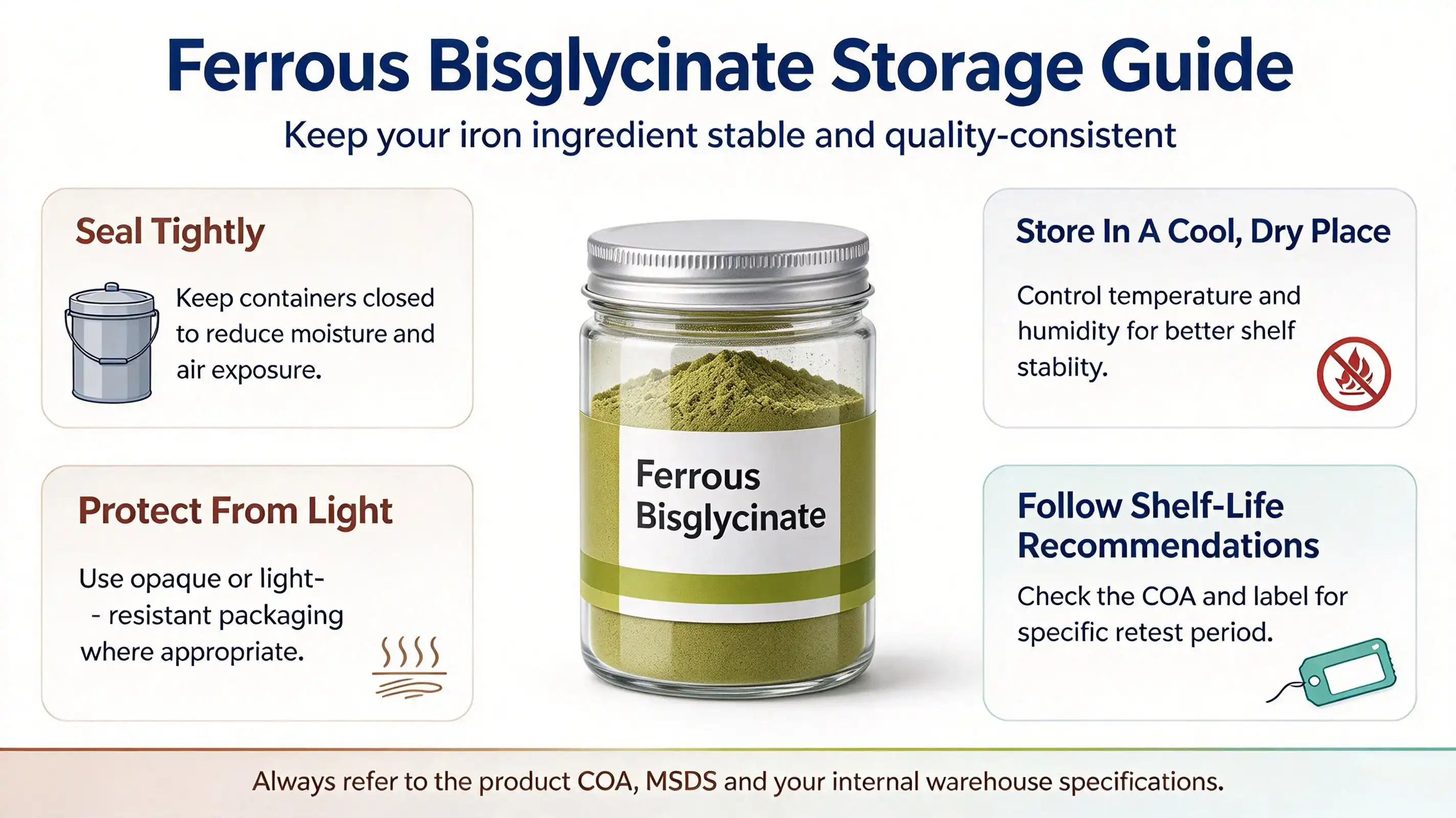
Even perfect packaging fails if the warehouse is hot and humid. For bulk ferrous bisglycinate powder, we recommend storage at 15-25°C and relative humidity below 45%, away from direct sunlight and away from strong oxidisers. Our 3,000-square-meter warehouse is divided into six zones, with Zone E dedicated to vitamins and amino acids, including ferrous bisglycinate powder, where climate is controlled, and professionals handle sterilisation and daily humidity logging. A practical tip we give to ferrous bisglycinate zinc bisglycinate wholesale buyers is to keep drums off the floor on pallets, never open multiple drums at once in a humid blending room, and reseal partially used drums with fresh desiccant within 30 minutes. These simple steps prevent the rapid surface oxidation we see when bulk powder is left exposed during monsoon-season encapsulation.
Real Pitfall Case: A 500 kg Batch That Oxidised in 72 Hours During Monsoon Season
We keep real case records to help clients avoid repeat mistakes. Last year, a Southeast Asian brand stored 500 kg of ferrous bisglycinate powder together with ascorbic acid premix in the same zone without partition, during a week of 85% humidity. The outer drums looked intact, but internal humidity cards had turned pink, and the top 5 cm of ferrous bisglycinate powder had caked and turned dark brown, with assay dropping from 20.3% to 19.1% iron. Our corrective action was to retrain their warehouse team, supply fresh foil liners and desiccants, and reformulate the premix using coated vitamin C with physical separation. As a reliable ferrous glycinate supplier, Hongda switched them to our low-moisture ferrous bisglycinate powder and helped them follow our bulk SOP. Their next shipment passed 6-month accelerated stability with 98.4% iron retention and no colour change. This soft CTA is backed by photos, not just promises.
From Lab to Shipment: Batch QC and EU/US Compliance for Long-Term Stability
Stability must be proven by data and accepted by regulators, especially for brands selling in the US and EU where documentation is as important as the powder.
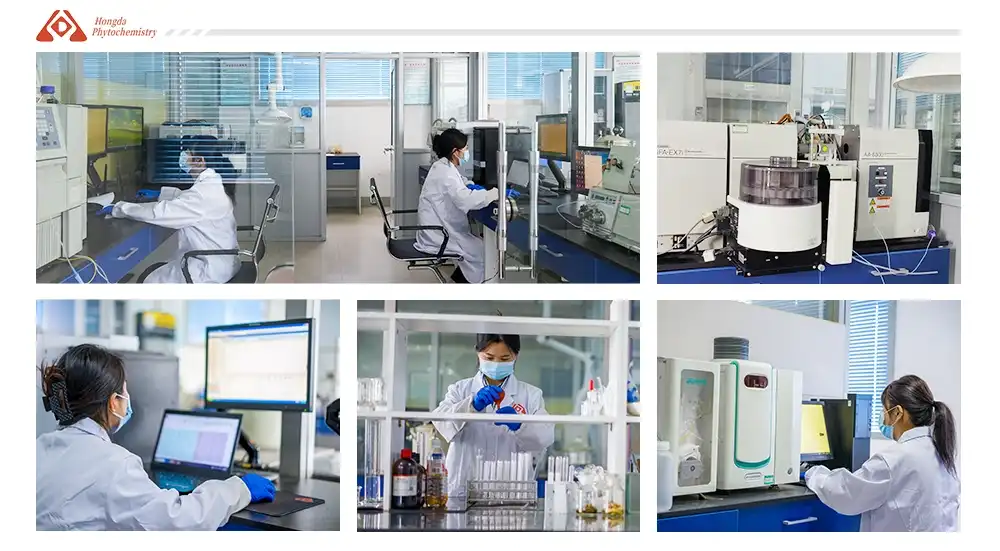
Moisture, Assay, and Microbial Control Before Any Bulk Release
Long bulk stability requires zero variation between batches. At our ferrous bisglycinate powder factory, every lot undergoes a 5-step QC: in-process chelation check, vacuum drying moisture verification, HPLC assay for iron content, heavy metal screening via atomic absorption spectrophotometry, and microbial testing. Only when loss on drying is ≤5.0%, iron is 20-21%, lead ≤1 ppm, and total plate count <1000 cfu/g do we release ferrous bisglycinate powder for bulk packing. As an experienced ferrous glycinate supplier, we know that a single high-moisture lot can compromise an entire 1-ton premix, so we attach the complete COA with HPLC chromatogram and moisture curve to every drum. With an annual output of 3,000 tons and 150+ trained technicians, we guarantee batch-to-batch RSD below 2%, which is critical for brands ordering wholesale ferrous bisglycinate quarterly.
Table 2: Hongda Ferrous Bisglycinate Powder Specification & Batch Release
|
Test Item
|
Specification
|
Test Method / Standard
|
|---|---|---|
|
Elemental Iron (Fe)
|
20.0% - 21.0%
|
Titration / AAS
|
|
Chelation Rate
|
≥90%
|
HPLC / FTIR
|
|
Appearance
|
Light tan to brownish free-flowing powder
|
Visual / Organoleptic
|
|
Loss on Drying
|
≤5.0%
|
USP <731>
|
|
Heavy Metals
|
Pb ≤1 ppm, As ≤1 ppm, Cd ≤0.5 ppm
|
ICP-MS / AAS
|
|
Solubility
|
Freely soluble in water
|
Internal Method
|
Compatibility Testing for Multimineral and Vitamin Premixes
Many brands now buy ferrous bisglycinate zinc bisglycinate wholesale together for women’s health formulas, but zinc and iron can compete for moisture and accelerate each other’s oxidation if both are high-moisture. We run a 4-week binary compatibility protocol for ferrous bisglycinate powder against zinc bisglycinate, vitamin C, B12, folate and calcium salts under 40°C/75% RH, measuring iron assay, colour and caking at weekly intervals. The resulting matrix tells formulators whether to use separate granulation, add silicon dioxide, or adjust the ratio. This pre-testing is a key value-add from a factory-level ferrous glycinate supplier versus a trader, because it prevents the hidden discolouration that only appears after your capsules are already on the shelf, saving recall costs and brand reputation.
Complete Compliance Dossier for US and EU Market Entry
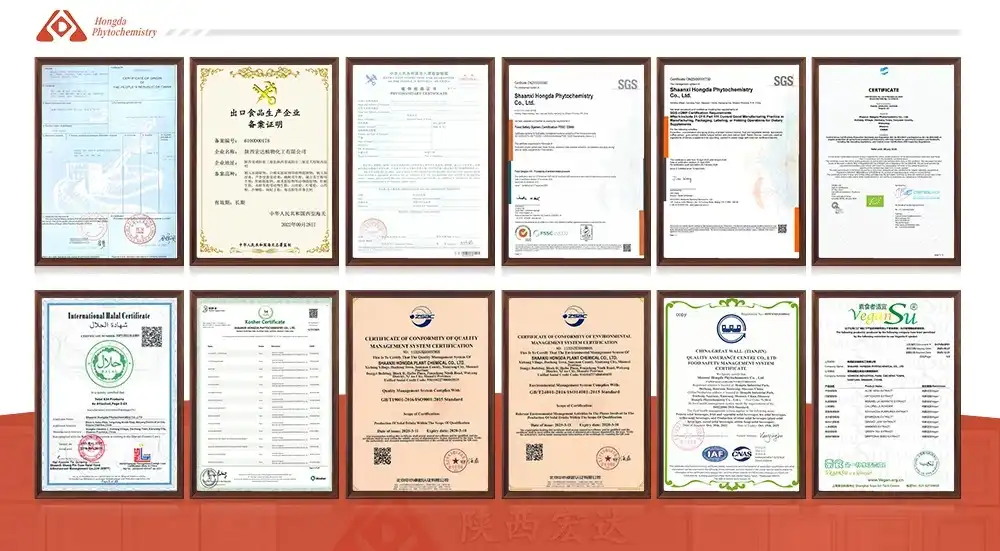
Bulk oxidation control is meaningless if customs rejects your shipment. From 2001 to 2025, Shaanxi Hongda has built a globally recognised certification portfolio including cGMP, FSSC22000, SC, ISO22000, ISO9001, BRC, FDA registration, HALAL, KOSHER and ORGANIC (EU & NOP), plus national high-tech enterprise status and multiple patents. For every bulk lot of ferrous bisglycinate powder, we deliver a ready-to-submit dossier: COA with chelation data, TDS, MSDS, allergen, non-GMO and non-irradiation statements, heavy metal and pesticide reports from accredited labs, and ICH 24-month stability data. This documentation helps brands that source wholesale ferrous bisglycinate clear FDA and EU border inspections quickly and satisfy retailer audits, shortening time-to-market by months.
Conclusion
Minimising oxidation of bulk ferrous bisglycinate powder depends on three factory-controlled pillars: high chelation rate above 90% to lock iron as Fe2+, ultra-low moisture and nitrogen-protected drying, and triple-barrier packaging plus climate-controlled storage. Shaanxi Hongda Phytochemistry Co., Ltd., established in 2001 with a 20,000㎡ GMP factory, SGS lab, and 3,000-ton capacity, integrates these controls with batch-specific chelation testing and full EU/US compliance. For buyers sourcing ferrous bisglycinate zinc bisglycinate wholesale, partnering with a certified factory ensures your bulk powder stays light, free-flowing, and potent for 24 months.
Frequently Asked Questions
1. What moisture level prevents caking of ferrous bisglycinate powder?
A: Keep loss on drying ≤5.0%. Hongda’s ferrous bisglycinate powder is vacuum dried below this limit and packed with desiccant to block humidity.
2. How can I tell if my powder is true bisglycinate?
A: Check chelation rate ≥90% by HPLC/FTIR and low sulfate/chloride. True ferrous bisglycinate powder is not a simple sulfate-glycine blend.
3. Can I store ferrous bisglycinate with Vitamin C in bulk?
A: Avoid direct bulk mixing. Vitamin C can destabilise ferrous bisglycinate powder; use coated C or separate packs and request our compatibility data.
4. What packaging do you use for 25 kg bulk drums?
A: Triple-layer: PE inner bag + aluminum foil barrier with desiccant + fiber drum for ferrous bisglycinate powder to prevent oxidation.
Partner with HONGDA for Oxidation-Proof Ferrous Bisglycinate Supply
Ready to eliminate bulk oxidation, caking, and colour complaints from your iron line? Hongda Phytochemistry offers high-chelation ferrous bisglycinate powder with validated low-moisture engineering, real factory photos, and a complete EU/US compliance package from our 20,000㎡ GMP plant. Whether you need wholesale ferrous bisglycinate or ferrous bisglycinate zinc bisglycinate wholesale premixes, we ensure batch consistency and on-time delivery with climate-controlled warehousing. Contact our team today at duke@hongdaherb.com for a free sample, HPLC chelation report, and bulk storage SOP tailored to your facility.
References
1. Ashmead, H. D. (2001). The chemistry of ferrous bisglycinate chelate. Archives of Latinoamerican Nutrition, 51(1 Suppl 1), 7-12.
2. Allen, L. H. (2002). Advantages and limitations of iron amino acid chelates as iron fortificants. Nutrition Reviews, 60(7), 18-21.
3. Bovell-Benjamin, A. C., Viteri, F. E., & Allen, L. H. (2000). Iron absorption from ferrous bisglycinate and ferric trisglycinate. American Journal of Clinical Nutrition, 71(6), 1563-1569.
4. Olivares, M., Pizarro, F., Pineda, O., Name, J. J., Hertrampf, E., & Walter, T. (1997). Milk inhibits, and ascorbic acid favors ferrous bis-glycine chelate bioavailability in humans. Journal of Nutrition, 127(7), 1407-1411.