




How to prevent ingredient delamination of liposomal silymarin in long-term stored sachets?
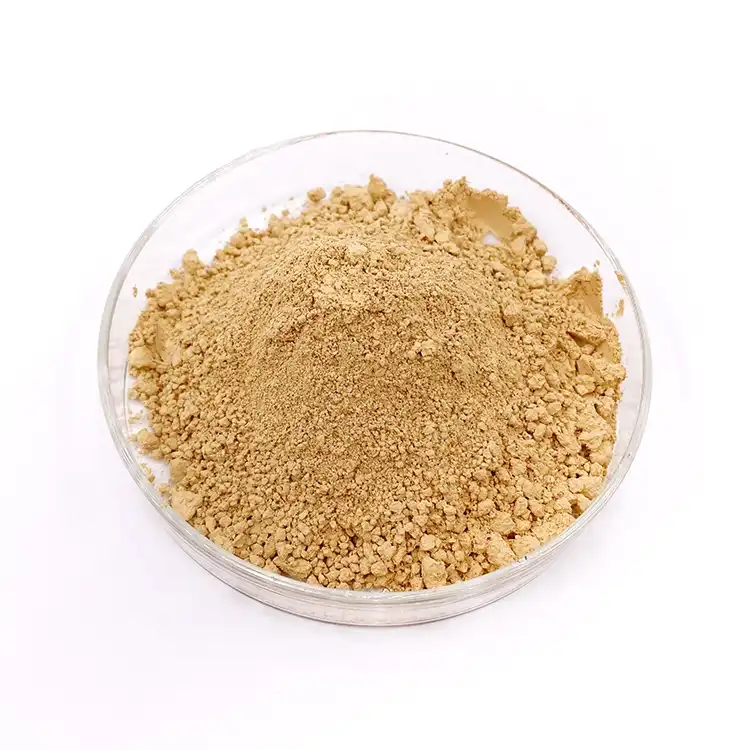
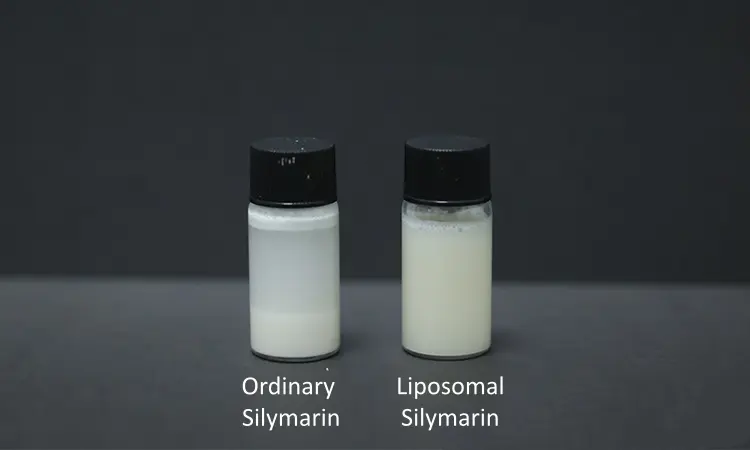
"Ingredient delamination" in sachets may be described by numerous problems. These include the separation of powder components, moisture-induced caking, and the peeling away of layers of the packaging laminate. This does not mean that the liposome structure has necessarily failed. Shaanxi Hongda Phytochemistry Co., Ltd. has developed a powdered version of liposomal silymarin powder that is intended to enhance dispersion compared to standard silymarin extracts. That helps formulators to make easy sachets but long-term stability is also a function of the mix, filling procedure, packaging barrier, and storage conditions. This tutorial describes how to detect the issue and how to avoid it via product-specific documentation, representative testing, and practical controls.
Start by naming the failure
Dry-blend segregation is not the same as liposome damage
Visible separation is more typically a reflection of powder segregation than damage to liposomes in a dry sachet. Separation of components may occur during mixing, filling, vibration, and transport due to variations in particle size, density, shape, or flow. Not all dry blends are going to be precisely consistent. The term “liposomal” has to do with how the ingredient is meant to be delivered and how it acts after rehydration.[1] Although there is no obvious change in the sachet laminate, the powder may cake after contact with moisture. Look to see whether the problem is with the powder, the packaging, or the reconstituted product before trying a new recipe. That difference enables a formulator to explore liposomal silymarin powder in a systematic manner, rather than considering every complaint as a liposome failure.
Read the symptoms and test representative sachets
Appearance may help with debugging, but cannot prove active-content uniformity by itself. Dusty particles at one end of a sachet may be indicative of segregation. Hard lumps may be indicative of moisture absorption or compaction. Peeling layers on the pouch may be indicative of a packaging problem. Check multiple sachets from various cases and places, not just one unit first. Record appearance, lot numbers, and storage history. Compare samples from various places in a sachet as needed. If you are unsure about the consistency of the mix, a validated technique of analysis will tell you more than shaking the bag and interpreting the color. For liposomal silymarin powder, differentiate reversible settling or agglomeration from a detectable change in content, redispersibility, or other product-specific criteria.
Trace the conditions that came before the change
A chronology makes a stability concern clearer and thus simpler to fix. Enter the production date, filling line, storage location, transit circumstances, and the date when the sachet was first detected to be altered. Check the merchandise for damp storage, temperature cycling, lengthy vibration, or damage to the outside carton. Powder flow and storage behavior may be affected by formulation and ambient circumstances; thus, consider applicable technical literature as background rather than assuming one reason.[3] Retain unopened units of the same batch as controls and use as a comparison to the damaged samples. This history may assist in establishing whether silymarin powder was separated during mixing, absorbed moisture via a damaged container, or altered only after opening.
|
What you observe
|
Possible cause to investigate
|
Useful first check
|
|---|---|---|
|
Fine particles concentrated in one area
|
Blend segregation during handling or filling
|
Compare representative samples and, if needed, assay them
|
|
Hard lumps or poor flow
|
Moisture exposure or powder compaction
|
Review moisture data, seals, and storage history
|
|
Pouch layers lifting or peeling
|
Laminate bond or handling problem
|
Check packaging bond and seal records
|
|
Unchanged appearance but different assay results
|
Sampling variation or content-uniformity issue
|
Compare the test method and samples with the batch COA
|
Make the powder blend resist separation before fillingMatch particle size and density where possible
Powder mixes are more prone to separation if the constituents vary greatly in particle size, density, or form. Fine particles may pass through a coarser mix, and vibrations during transmission can aid the particles in order to rearrange themselves.[3] The silymarin powder producer should be able to talk about the physical qualities and suggested management of the particular grade, but the ultimate performance is dependent on the other ingredients in the sachet. Ask for updated product documentation. Evaluate the mix you truly want to make. The small-scale experiments should duplicate the desired ratio of ingredients and order of mixing before a bigger run. This helps to indicate if the silymarin liposomal powder is compatible with the other powders or whether adjustments in formulation are required to increase consistency.
Control moisture without guessing at a universal limit
Water activity and moisture content are related but not the same metrics. Both could assist in explaining the powder's behavior, but acceptable limitations should originate from the product specification and a verified stability strategy – not from a generic figure taken from another ingredient. Use of hygroscopic carriers, humid production rooms, and extended open transfer periods enhance sticking or caking risks. Keep containers tightly closed while not in use. Minimize exposure during dispensing. Monitor the production environment in accordance with the protocols of the facility. Don’t assume that more vigorous drying will automatically increase stability; the handling needs of the substance itself matter. For silymarin powder manufacturers, consult the supplier for recommendations on storage and handling and then ensure that the resulting mix shows satisfactory flow and reconstitution characteristics.
Use a mixing and filling sequence that limits segregation
A homogeneous mixture, if handled aggressively after mixing, may become non-uniform. Determine if a controlled premix or staged addition is appropriate for the recipe and evaluate the effects of transfer points, hopper design, fill speed, and vibration on the completed sachets. Take test samples at the start, middle, and end of a filling run using an approved procedure. Record hold periods between mixing and filling, since a combination that rests too long may perform differently than one packed immediately. Don't change a bunch of process variables at once; otherwise you'll have a hard time telling which change worked. If you are finding assay discrepancies or separation, send the formula context and storage history to duke@hongdaherb.com and ask for a grade-specific discussion before committing to a production change.
Protect the sachet through sealing and storage
Select barrier materials for the product’s actual sensitivity
Just because a substance is regularly used in supplements doesn’t mean it’s right for your formula and shelf life. Moisture, oxygen, light, and the integrity of the completed bag might impact the storage performance. When correctly constructed and intact, foil laminates may provide robust barriers, but their applicability is a function of the whole structure, pouch design, seals, and handling. Ask for appropriate barrier statistics on the proposed packaging and test the final sachet, not just a film sample. ASTM F1249 is a standard technique for evaluating the transfer of water vapor through plastic film and sheeting [4]. Results of a stability study are used to define product-specific criteria. “Do not assume that an ingredient page or a general film value ensures long-term stability for liposomal silymarin powder in each sachet format.
Check the laminate bond and the seals separately
“Packaging delamination is not the same as powder separation; it means layers of a flexible package are losing their adhesion. Study it apart from caking or blending consistency. Request bond or ply-adhesion data for the laminate and seal-strength data applicable to the completed pouch from the packaging provider. ASTM F904 deals with comparison of bond strength or ply adhesion in comparable laminates. ASTM F88/F88M deals with seal strength of flexible barrier materials.[5][6] Review confirmed sealing conditions (temperature, pressure, and dwell time) throughout production, and check for powder contamination that may be interfering with the seal. A pouch that seems to be intact may nonetheless have a poor seal. A sound seal does not ensure that the layers will withstand delamination during handling.
Manage storage and transport as part of the formulation
A sachet’s shelf life encompasses its transit through the warehouse, transportation network, store, and finally, the customer's home. Store in accordance with current product instructions, prevent from unnecessary humidity and temperature extremes and employ stock rotation to ensure older batches are not missed. Transport might include frequent vibration, compression, or bending, thus simulating dispersion on the pouch and carton combined. If you are moving packages from one environment to another, avoid abrupt temperature fluctuations, which might lead to condensation. The ideal storage conditions are those backed by product-specific testing; do not make up a general temperature or humidity restriction. Liposomal silymarin supplier: Clearly document and explain to distributors and end users the storage conditions utilized in the stability program.
|
Sachet risk
|
Evidence to request or test
|
How to use the result
|
|---|---|---|
|
Moisture ingress
|
Water-vapor transmission data for the proposed structure
|
Set requirements through product-specific stability testing
|
|
Weak seals
|
Finished-pouch seal-strength data and process records
|
Confirm the validated sealing window
|
|
Laminate separation
|
Bond or ply-adhesion assessment
|
Check the laminate’s performance before and after handling
|
|
Storage-related change
|
Stability data in the finished sachet
|
Set evidence-based storage and shelf-life guidance
|
Validate shelf life and qualify the supplierBuild a stability plan around the finished sachet
The testing on the product in its real packaging is done using a helpful stability program. Include typical lots, anticipated storage periods, and samples representing the actual filling and distribution procedure. Assess appearance, caking, moisture content, and reconstitution or redispersion behavior, depending on the product specification. Use the same test procedure each time so that you can accurately compare results across time. Accelerated circumstances may be useful in screening formulations but do not, by themselves, replace real-time shelf life data. The grade-specific directions for the component are important, since the physical behavior might be influenced by the liposome formulation and drying [1][2]. Define what “acceptable” means for your goods in advance. This testing of silymarin powder suppliers provides the quality team with data for shelf-life choices, not just a single fresh sample.
Look for process control and batch-level evidence
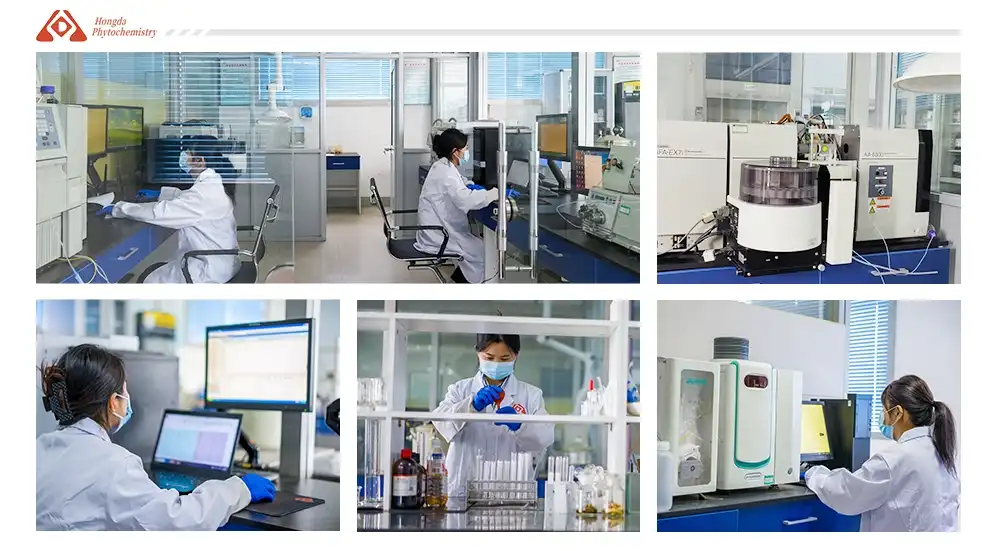
Supplier capacity is important, but a buyer also needs to know how the ingredient is produced and tested. Shaanxi Hongda Phytochemistry Co., Ltd., founded in 2001, has a plant with an area of approximately 20,000 square meters, more than 10 sets of advanced production lines, 100,000-class purification workshops, and more than 150 workshop specialists. The company’s plant produces up to 3,000 tons of all products every year. It also has a laboratory with SGS standards, jointly built with university academics, with more than 20 R&D and testing personnel, and equipment such as HPLC, GC, spectrophotometers, and atomic absorption systems. Hongda claims it checks batches for ingredient composition, pesticide residues, moisture, heavy metals, and microbes before export. Request a current, lot-specific COA, and check whether procedures are relevant to your grade.
Use traceability and real photos to support qualification
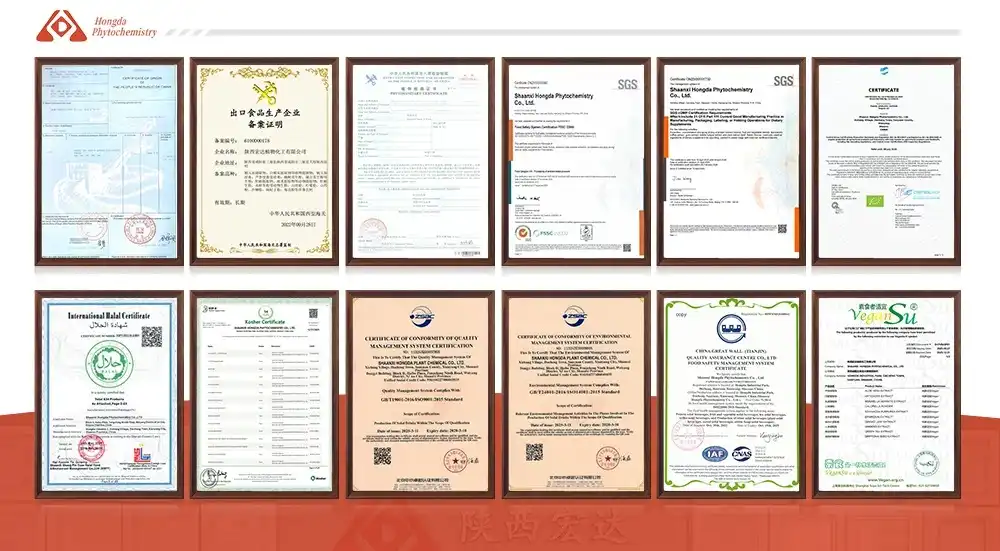
The corporation claims two R&D institutes, three planting bases, and a Chinese medicinal-material base. Ask for the crop-specific traceability documentation relevant to your raw material rather than presuming every crop originates from the same place. Hongda also has a 3,000-square-meter warehouse, separated into six storage sections, with workers allocated to sterilization. The same lot is documented at three time intervals for a real-photo sachet case: unopened sachet, after opening, and after a transit simulation or specified storage interval. Add lot code and date to each picture. Match pictures to test results. If possible, ask your liposomal silymarin vendor for genuine, dated photos of the manufacture or packing. Hongda has cGMP, FSSC 22000, ISO 22000, ISO 9001, EU and NOP organic, kosher, halal and BRC certifications. Verify current scope and validity. When comparing vendors of silymarin powder, use the same inspections of documents.
Conclusion
The first step in preventing sachet delamination is understanding what has really changed. Powder segregation, moisture-induced caking, and separation of packing layers are caused by various mechanisms and necessitate separate testing. Control the mix. Reduce exposure to unwanted moisture. Validate package seals and lamination. Study completed sachet under realistic storage circumstances. Hongda Phytochemistry supplies liposomal silymarin powder and has claimed production capability, laboratory resources, batch testing, and traceability systems. These skills may help with supplier certification, but the final formula and packaging still have to be confirmed for the specified shelf life. Request current product documentation, agree on quantifiable acceptance criteria, and test a lot in your own sachet format before scale-up.
FAQ
Q1: Does separation in a sachet always mean the liposomes are damaged?
A: No. It may be powder segregation, caking, or a packaging issue.
Q2: What should I inspect first?
A: Compare multiple sachets, check lot and storage history, and assess the pouch as well as the powder.
Q3: Can one barrier film guarantee shelf stability?
A: No. Test the finished sachet with the actual formula and storage plan.
Q4: What stability documents should I request?
A: A current TDS, lot-specific COA, storage guidance, and relevant packaging or stability data.
Q5: Can I evaluate a sample before ordering in bulk?
A: Ask Hongda about sample availability and assess it in your planned blend and sachet.
Request a Sachet-Stability Sample from HONGDA
If you are developing a long-term sachet product, begin with a sample and a clear test plan rather than relying on appearance alone. Share your formula type, packaging structure, filling conditions, and intended shelf life with Hongda’s team. Ask for the current technical data sheet, a batch-specific COA, handling guidance, and any available lot-linked production photographs or relevant certificates for liposomal silymarin powder. Your team can then evaluate the ingredient in the actual blend and pouch, document the results, and decide whether further formulation or package testing is needed. Whether you are qualifying a pilot lot or planning commercial volumes, a direct conversation can help make the next step more specific and efficient. Contact duke@hongdaherb.com to request product information or discuss a sample.
References
1. Akbarzadeh A, Rezaei-Sadabady R, Davaran S, et al. Liposome: classification, preparation, and applications. Nanoscale Research Letters. 2013;8:102.
2. Franzé S, Selmin F, Samaritani E, Minghetti P, Cilurzo F. Lyophilization of liposomal formulations: still necessary, still challenging. Pharmaceutics. 2018;10(3):139.
3. Fitzpatrick JJ, Iqbal T, Delaney C, Twomey T, Keogh MK. Effect of powder properties and storage conditions on the flowability of milk powders with different fat contents. Journal of Food Engineering. 2004;64(4):435–444.
4. ASTM International. ASTM F1249. Standard Test Method for Water Vapor Transmission Rate Through Plastic Film and Sheeting Using a Modulated Infrared Sensor.
5. ASTM International. ASTM F88/F88M. Standard Test Method for Seal Strength of Flexible Barrier Materials.
6. ASTM International. ASTM F904. Standard Test Method for Comparison of Bond Strength or Ply Adhesion of Similar Laminates.