

NAD+ product from plants — the same practical problem, time and again. Brand owners desire it. Is liposomal NMN powder good for vegan final product label requirements? Shaanxi Hongda Phytochemistry Co., Ltd. export brand Hongda Phytochemistry has clear responses based on papers. The NMN in its liposomal NMN powder is at least 70% pure. The liposomal NMN powder is manufactured in an ISO9001, ISO22000, cGMP, and BRC-certified facility. Min. Order Quantity: 1 kilogram. It contains NMN in a bilayer of sunflower phospholipids. In this post, we’ll cover label claims, supporting paperwork, quality data, formulation possibilities, and sourcing so your regulatory and purchasing teams can make confident judgments.[1][2]
Why Vegan-Positioned Brands Are Turning to Liposomal NMN Powder
The Vegan Shelf Meets the NAD+ Category
Plant-based diners have outgrown greens powders and pea protein. Now they just as diligently scan the labels of longevity products, looking for the vegan statement somewhere in the Supplement Facts tab. That assumption presents both a challenge and an opportunity for marketers in the NAD+ arena. The problem, of course, is that every bit of it, from active to capsule, has to be able to substantiate the claim. The opening is that a well-documented liposomal NMN powder enables a firm to provide cellular-energy science and plant-based values in one message. Natural channel retail customers tend to laud this transparency, and internet shoppers regularly post screenshots of ingredients when a label seems honest. It saves weeks of rewriting later, and keeps the whole thing grounded, starting with the tangible truths, rather than the marketing jargon.[5]
How Sunflower Phospholipids Shape the Plant-Based Story
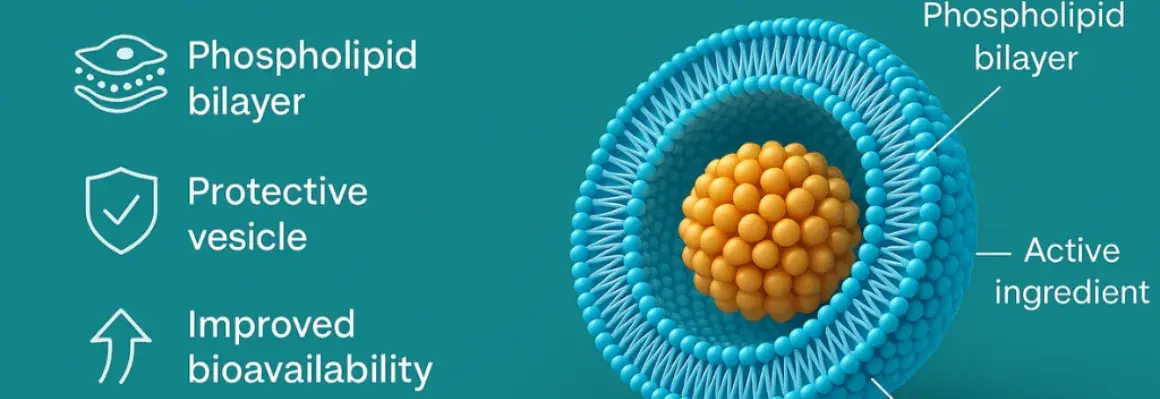
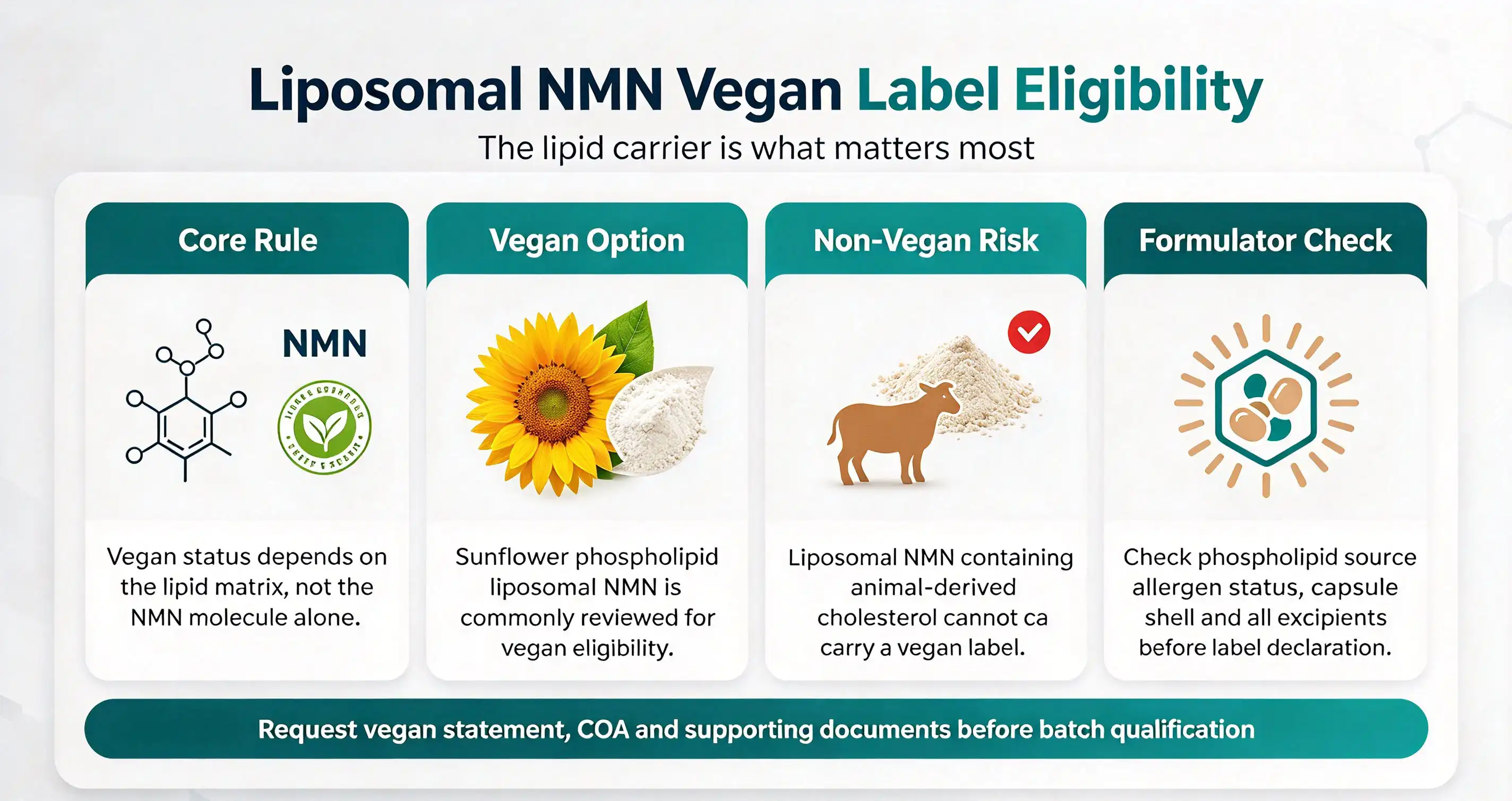
A liposomal component supports or hurts a vegan claim in the carrier. Many liposomal products are made using phospholipids from eggs or soy, which may require allergy disclosures or prevent vegan claims. According to the product page of Hongda, their liposomal NMN powder uses sunflower phospholipids as the carrier, and the raw material is Non-GMO and free of synthetic preservatives. This plant-based foundation gives the formulator a cleaner base, since the lipid layer does not introduce any animal-derived material. This mix is often precisely what a China NMN yellow powder formulation supplier is seeking for: an easy-to-handle NAD+ precursor in a pale powder form, with a carrier story that fits a plant-based brief. The carrier is just half of the charge, remember. The next sections show how the rest of the evidence fits in.[3]
Hongda Liposomal NMN Powder at a Glance
When all of the essential data is in one place, label teams can work faster. Below is a table that explains the most relevant aspects from Hongda’s liposomal NMN powder site and why each attribute is vital when a vegan declaration is being evaluated. Hongda openly lists the carrier, form, purity, shelf life, and minimum purchase quantity so the purchasing manager may instantly compare offers. The firm also states that liposomal NMN powder creates particles between 80 and 120 nanometers, a size range that is associated with sustained, homogeneous dispersion. Use this summary as the first page of your supplier file and request the supporting documents listed in the following sections.
|
Attribute
|
Information on the Hongda product page
|
Why label teams care
|
|---|---|---|
|
Carrier
|
Sunflower phospholipids
|
Plant-sourced lipid layer; no egg or soy carrier named
|
|
Purity
|
NMN ≥70%
|
Supports accurate assay-based labeling
|
|
Appearance
|
White to light-yellow powder
|
Matches the expected raw material look
|
|
Form
|
Powder
|
Suits capsules, tablets, and stick packs
|
|
Shelf life
|
24 months
|
Helps plan best-before dates
|
|
Minimum order
|
1 kg
|
Allows small pilot runs for new vegan SKUs
|
|
Raw material status
|
Non-GMO sunflower lecithin, no synthetic preservatives
|
Supports clean-label wording
|
What a Vegan Claim Actually Requires on the Finished Label
Ingredient-Level Claims Versus Finished-Product Claims
The ultimate goal is a vegan claim on a retail pack, not simply the headline activity. That's a distinction that a lot of first-time launch teams are startled by. It is honest for a supplier to declare Liposomal NMN Manufacturer use, but the capsule shell, flow agents, coatings, colorants, and any co-ingredients in the blend are still the responsibility of the brand. The word vegan has not been defined by regulators in the United States for supplements; thus, the claim just needs to be genuine and not misleading. European Union food disclosure requirements also require that voluntary statements do not mislead consumers, and many producers add a recognized third-party emblem. Use the ingredient-level data from your supplier, then check the finished recipe line-by-line.
Capsule Shells, Excipients, and Process Aids
And then after the active is gone, all the other bits undergo the same treatment. Regular gelatin capsules will fracture the promise fast. Hypromellose and pullulan capsules are common plant-based shells. Magnesium stearate and stearic acid may come from vegetable or animal sources; hence, it is vital to declare the source. Coatings, glazes, and colorants need the same permission. If you are a buyer, contact a China NMN yellow powder formulation manufacturer and ask which carriers and processing aids touch the liposomal NMN powder before it goes into the pack. An unannounced contamination may undo months of branding work. Hongda’s technical team also performs complimentary compatibility testing with liposomal powders in complicated formulas, a practical approach for formulators to evaluate flow, moisture behavior, and mix homogeneity while the vegan bill of materials is still in the planning stage.
Paperwork That Supports the Claim
Powerful assertions make powerful papers. Prior to printing labels, have ready a carrier statement of plant origin, a manufacturing route declaration for the NMN itself, the certificate of analysis, allergy information, and any third-party vegan or non-GMO attestations. But consider Hongda's kosher and halal permits as quality signals, not necessarily confirmation of a vegan recipe per se.
When your regulatory specialist is ready to request this package for liposomal NMN powder, send the list directly to duke@hongdaherb.com and the Hongda team will reply with what can be supplied for your market. The matrix below shows which proof supports which statement on the pack.
|
Label statement
|
Evidence to request
|
Typical source
|
|---|---|---|
|
Vegan
|
Plant-origin statement for the carrier and a manufacturing-route declaration for NMN
|
Supplier technical file
|
|
Non-GMO
|
Non-GMO declaration for the sunflower lecithin
|
Supplier or third-party program
|
|
Soy-free
|
Allergen statement confirming no soy-derived carrier
|
Supplier allergen questionnaire
|
|
Made in a cGMP facility
|
Current cGMP certificate
|
Certification body
|
|
Third-party tested
|
Batch COA plus particle-size and microscopy reports
|
Supplier or independent lab
|
Quality Evidence That Keeps a Vegan Claim Credible
Reading the Certificate of Analysis Line by Line
If the product underlying is patchy, the vegan claim loses its sparkle. That is why careful purchasers look at the certificate of analysis first. The published sample certificate for Hongda indicates an NMN assay of 70.7% vs. a specification of 70% plus or minus 5%, loss on drying of 1.03% versus a limit of 5.0%, and no detected lead, arsenic, mercury, or cadmium. If you are looking for a China nmnh yellow powder formulation provider, you should hold every applicant to this standard: the numbers must be batch-specific, the techniques must be identified, and the restrictions must fit your own specification. Also, the microbiological count is well below its ceiling, which allows a producer comfortable leeway when liposomal NMN powder enters a capsule line. The table pulls out the most relevant label findings from the example certificate.
|
Test item
|
Specification
|
Result
|
|---|---|---|
|
Assay (NMN)
|
70% ± 5%
|
70.7%
|
|
Loss on drying
|
≤5.0%
|
1.03%
|
|
Lead (Pb)
|
≤0.5 ppm
|
Not detected
|
|
Arsenic (As)
|
≤2.0 ppm
|
Not detected
|
|
Mercury (Hg)
|
≤0.3 ppm
|
Not detected
|
|
Cadmium (Cd)
|
≤0.3 ppm
|
Not detected
|
|
Total microbial count
|
≤10,000 cfu/g
|
50 cfu/g
|
Encapsulation Rate, Particle Size, and Stability Data
There’s no shortage of criticism you can level at the liposomal claims, and honest suppliers welcome your questions. The particle size of the Liposomal NMN supplier is 80-120 nanometers, according to Hongda, and the intracellular NAD+ conversion efficiency in its testing is more than 8 times that of regular NMN powder. The firm further asserts that ultracentrifugation is used to evaluate encapsulation, and only rates over 90% are accepted as real liposomes, not dry-mixed look-alikes. 40% improved stability at room temperature compared with conventional NMN. A batch may also contain dynamic light scattering particle-size data and transmission electron microscopy photographs so a brand can see whole nanospheres, rather than simply a paper summary. This is a must for a vegan-positioned launch, since shoppers who invest a premium expect the liposomal delivery promise to be real. Consider this supplier-provided data and check in your own lab if feasible.[3][4]
Formulating Vegan Capsules, Sticks, and Drinks
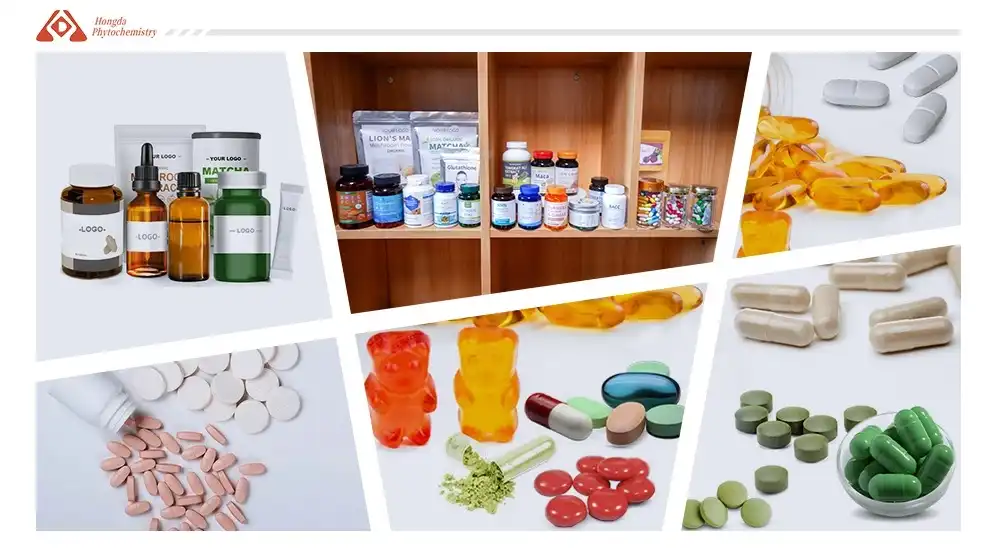
Once the facts and paperwork are in place, the formulation is the creative element. According to Hongda, the encapsulating layer protects the raw material from moisture and decreases the loss rates by about 35% while filling capsules or tablets. The powder is also water-soluble, forming a homogeneous, semi-transparent colloidal solution, permitting beverage sticks and oral liquids. Plant-based stacks typically mix liposomal NMN powder with resveratrol, pterostilbene, quercetin, or trimethylglycine. These need their own source check also. For a client utilizing China nmnh yellow powder for a formulation, request a trial batch and check dissolving, color, and flow in the same vegan capsule or stick pack to be sold.
Sourcing Liposomal NMN Powder From a Verified China Factory
Factory Scale and Laboratory Capability
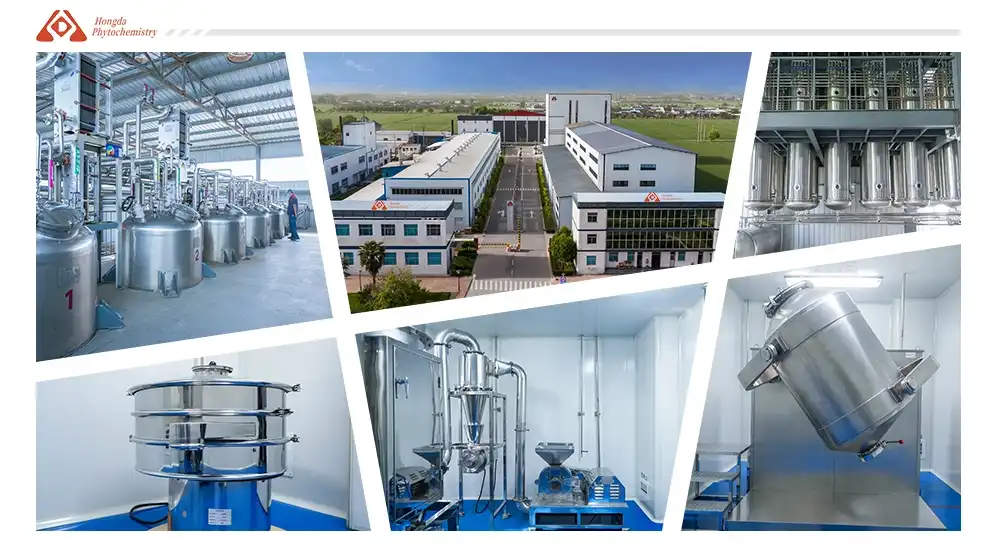
It was started in 2001. Shaanxi Hongda Phytochemistry Co., Ltd. Factory covers an area of more than 20000 square meters and has more than ten modern production lines and purification workshops at the 100,000-level. The company was given the status of National High-tech Development Enterprise in 2010, with more than 150 workshop technicians and yearly output of 3000 tons. A standardized SGS laboratory, jointly built and staffed with university academics, has more than 20 professor-level researchers and testing professionals employing high-performance liquid chromatographs, gas chromatographs, spectrophotometers, and atomic absorption spectrophotometers. The infrastructure means that for a buyer of liposomal NMN powder, testing for identification, heavy metals, and microorganisms is taken care of inside a controlled system rather than as an add-on at the end, supporting the traceability upon which a vegan declaration depends.
Certifications and Global Supply
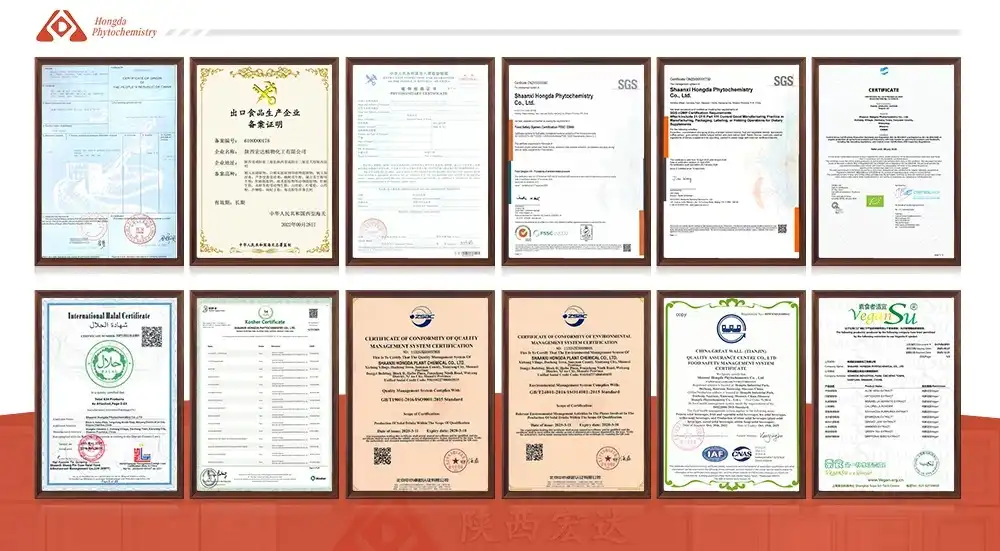
Certifications provide a common language for global buyers. Hongda has been a national high-tech enterprise since 2001 and has food production licenses, halal, kosher, BRC, FDA, and organic certifications. In 2025, it obtained cGMP, FSSC22000, SC, ISO22000, ISO9001, and EU and NOP organic certificates. These certifications allow the firm to support the U.S. and European markets with high documentation needs. The product site states, “Supply capability is as important as paperwork.” The dynamic inventory is five tons in warehouses in the US and Europe, and a mature DDU and DDP delivery system with triple light-proof, nitrogen-filled packaging to safeguard liposomal NMN powder in transit by ocean. These insights help companies reduce lead-time risk for seasonal launches, in concert.[6]
Ordering Steps for a Vegan-Label Project
The purchase is uncomplicated with a clear set of methods. First, let the supplier know what your target markets and label language are so they know what papers to prepare. Secondly, ask for the liposomal NMN powder Certificate of Analysis, particle-size report, and allergy and origin declarations. Third, get a sample or small pilot batch, as the minimum order is only 1 kg, and conduct compatibility testing in your finished format. Fourth, check the specifications and delivery circumstances and set up a repeat program. Hongda also offers formulation assistance, which may spare firms without in-house lipid science knowledge from long development times. “Having a record of every step provides an audit trail that can help defend the brand if a retailer or regulator later questions the vegan claim as to how it was validated.
Conclusion
When the whole chain is documented, liposomal NMN powder may meet vegan finished product label standards: a plant-sourced carrier, a validated manufacturing method for NMN, vegan-friendly capsules and excipients, and batch data that proves quality. Hongda Phytochemistry produces sunflower-phospholipid liposomal NMN powder with purity of not less than 70%, with certificate data, particle size evidence, and a factory with ISO, cGMP, and BRC credentials. Handle the vegan claim like you would a project with real evidence, not a quick marketing slogan, and your label will stand up to merchants, authorities, and curious consumers. Ask for papers and a test batch first, and then create your plant-based NAD+ product on a defensible foundation. Transparent early engagement with suppliers saves time, cost, and rework.
FAQ
Q1: Is liposomal NMN powder automatically vegan?
A: No. The carrier, the NMN manufacturing route, the capsule, and every excipient must be confirmed before a vegan statement is printed.
Q2: Which carrier does Hongda use in its liposomal NMN powder?
A: The product page lists sunflower phospholipids derived from Non-GMO sunflower lecithin.
Q3: What is the minimum order quantity?
A: The minimum order is 1 kg, which suits pilot batches for new products.
Q4: What purity and shelf life are listed?
A: The page lists NMN purity of at least 70% and a shelf life of 24 months.
Q5: Which documents should I request for a vegan label review?
A: Ask for the COA, particle-size and microscopy reports, origin and allergen statements, and current certificates.
Contact HONGDA to Launch Your Vegan-Ready Liposomal NMN Powder Project
Ready to build a plant-based NAD+ product with confidence? The HONGDA team can share product specifications, sample certificates, particle-size reports, and compatibility testing support for liposomal NMN powder, all matched to your target market and label wording. Tell us your capsule type, beverage format, or blend idea, and our technicians will suggest a practical path from pilot batch to full production. With a 1 kg minimum order, a 24-month shelf life, and global delivery options, getting started is simple. Whether you need a single pilot kilogram or a repeating annual contract, we are ready to support your plan. Email duke@hongdaherb.com today with your requirements, and a specialist from Shaanxi Hongda Phytochemistry Co., Ltd. will reply with documents, samples, and pricing details.
References
1. Yoshino J, Baur JA, Imai S. NAD+ Intermediates: The Biology and Therapeutic Potential of NMN and NR. Cell Metabolism. 2018;27(3):513-528.
2. Irie J, Inagaki E, Fujita M, et al. Effect of oral administration of nicotinamide mononucleotide on clinical parameters and nicotinamide metabolite levels in healthy Japanese men. Endocrine Journal. 2020;67(2):153–160. doi:10.1507/endocrj.EJ19-0313.
3. Akbarzadeh A, Rezaei-Sadabady R, Davaran S, et al. Liposome: classification, preparation, and applications. Nanoscale Research Letters. 2013;8:102.
4. Szoka F, Papahadjopoulos D. Comparative properties and methods of preparation of lipid vesicles (liposomes). Annual Review of Biophysics and Bioengineering. 1980;9:467-508.
5. European Parliament and Council. Regulation (EU) No 1169/2011 on the provision of food information to consumers. Official Journal of the European Union. 2011.
6. U.S. Food and Drug Administration. Current Good Manufacturing Practice in Manufacturing, Packaging, Labeling, or Holding Operations for Dietary Supplements. Title 21 Code of Federal Regulations, Part 111.