


_1745918362135.webp)

Liposomal Iron Powder vs Regular Iron: Which Works Better?
When you look at the different iron supplementation choices for your products, the answer becomes clear: liposomal iron powder delivers superior bioavailability and tolerability compared to conventional iron salts. At Hongda Phytochemistry, we've created pharmaceutical-grade liposomal iron that contains micronised ferric pyrophosphate within phospholipid bilayers. This type of iron is absorbed up to 3.5 times faster than ferrous sulfate and doesn't have the metallic taste or digestive problems that are common with traditional iron forms. This new technology solves important manufacturing problems that nutraceutical companies, dietary supplement brands, and functional food makers are facing as they try to make their goods stand out in the competitive markets in North America, Europe, and Asia.
Introduction
Supplemental iron is still an important thing for businesses that make nutraceuticals, make healthcare products, or come up with new, useful foods to think about when they buy things from other businesses. The type of iron you choose has a direct effect on how well your product works, how well customers follow the rules, how well the government approves it, and finally, how your brand is positioned in the market.
Procurement managers and R&D formulators know that standard iron supplements have had major problems for a long time, including poor absorption, bad taste and smell, and tolerance issues that make it hard for users to stick to the supplement. These problems have an impact on every part of your supply chain, from figuring out dosages to making quality claims and measuring customer happiness.
Shaanxi Hongda Phytochemistry Co., Ltd. has dedicated over two decades to solving these exact pain points. Our ISO-certified and cGMP-compliant factory makes liposomal iron powder, which completely changes the way iron is delivered by using cutting-edge capsule technology. This blog post fully explores the differences between liposomal and regular iron formulas, looking at their unique features, how they should be bought, and their strategic value for companies that want to reach quality-conscious customers in Europe, the US, and other places.
Understanding Liposomal Iron Powder and Regular Iron Supplements
What Makes Liposomal Iron Different?
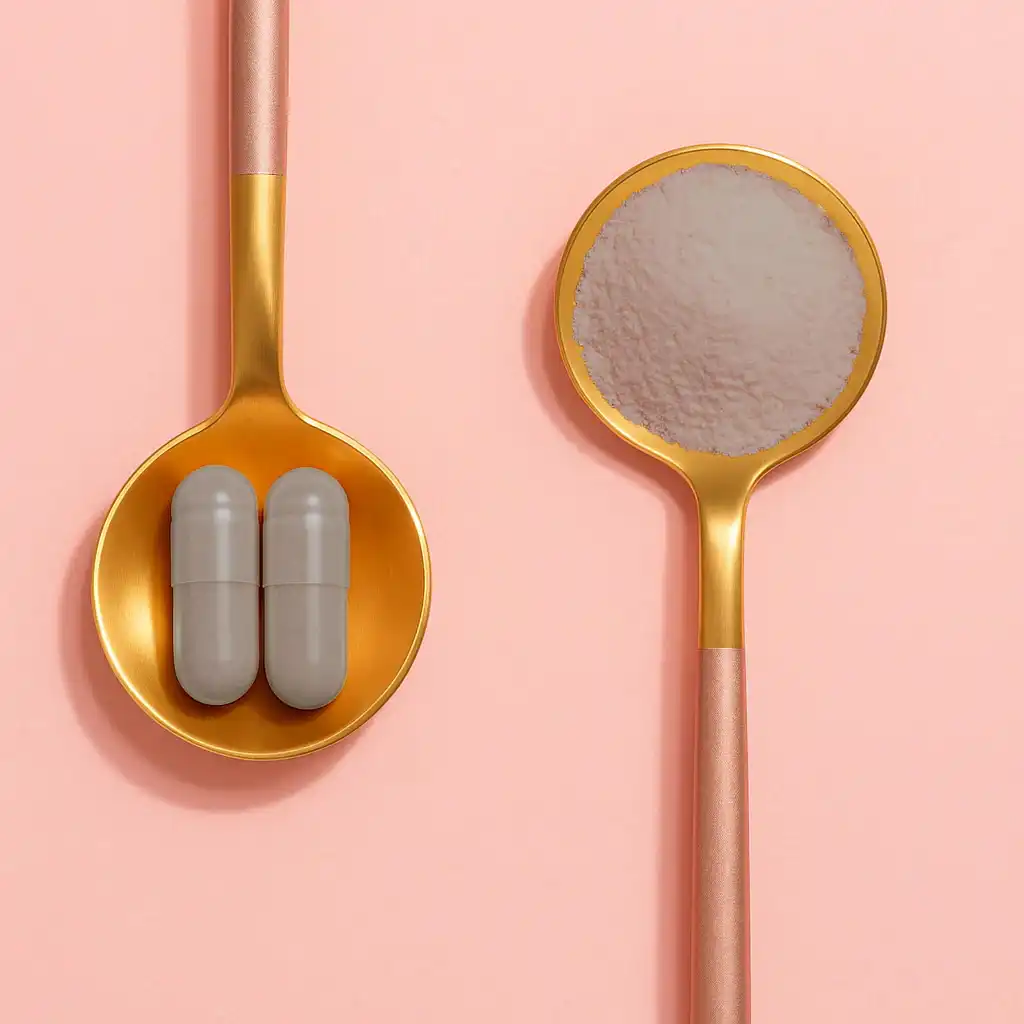
Liposomal iron powder is a new way to make medicines. It has iron cores that are fully surrounded by phospholipid droplets that are 150 to 250 nanometres across. This biomimetic structure looks like the walls of natural cells. This lets the iron payload pass through the digestive system without getting damaged. It is absorbed by M-cells in the small intestine instead of the usual ways of transporting ions.
Hongda Phytochemistry's Liposomal Iron Powder is made with micronised ferric pyrophosphate as the iron source and non-GMO sunflower or soy lecithin bilayers around it. Our products stay structurally sound for 24 months at room temperature thanks to this mix. It also stops oxidative interactions with other active ingredients, such as ascorbic acid or polyphenolic chemicals in complex matrices.
Traditional Iron Supplement Formulations
Iron pills usually have ferrous sulfate, ferrous fumarate, or ferrous gluconate in them. These are ionic iron salts that break apart right away when they come in touch with stomach acid. Even though these types have a lot of basic iron per dose, they cause a number of well-known problems that affect both how well the product works and how well people accept it.
When iron ions are released directly into the digestive system, they often cause localised oxidative stress. This gives food an unpleasant metallic taste and makes digestion worse, which makes people less likely to stick with it over time. When it comes to formulation, these reactive iron species can make other nutrients in multi-ingredient goods less stable. This can limit your formulation options and shelf-life limits.
Critical Differences for B2B Buyers
Knowing these basic changes in structure helps procurement workers choose materials that meet the needs of specific applications. Liposomal iron powder, using liposome encapsulation technology, is used in high-end product lines where better performance supports higher ingredient costs. This is especially true in baby feeding, women's health formulations, sports recovery products, and direct-to-mouth delivery systems. Traditional iron salts are still good for low-cost uses where basic supplementation meets market needs, but they have limits in how they are made and how customers feel about them.
Comparing Absorption and Bioavailability
The Bioavailability Advantage of Liposomal Technology
Clinical studies show over and over that liposome encapsulation greatly increases iron absorption in a number of ways. The phospholipid shell keeps the iron from breaking down too quickly in the gut, and by food inhibitors like phytates and tannins, which usually make it 40–60% harder for the body to absorb regular iron salts.
Our liposomal iron powder protects by carefully controlling the particle size between 150 and 250 nanometres, which makes it perfect for getting through the mucus barrier in the gut. When these particles reach the small intestine, they are taken in by M-cells and enterocytes, going around the hepcidin-controlled iron channels that stop regular ionic iron absorption. People who have high amounts of hepcidin, like those with chronic inflammation or certain genetic variations, will benefit the most from this alternative route.
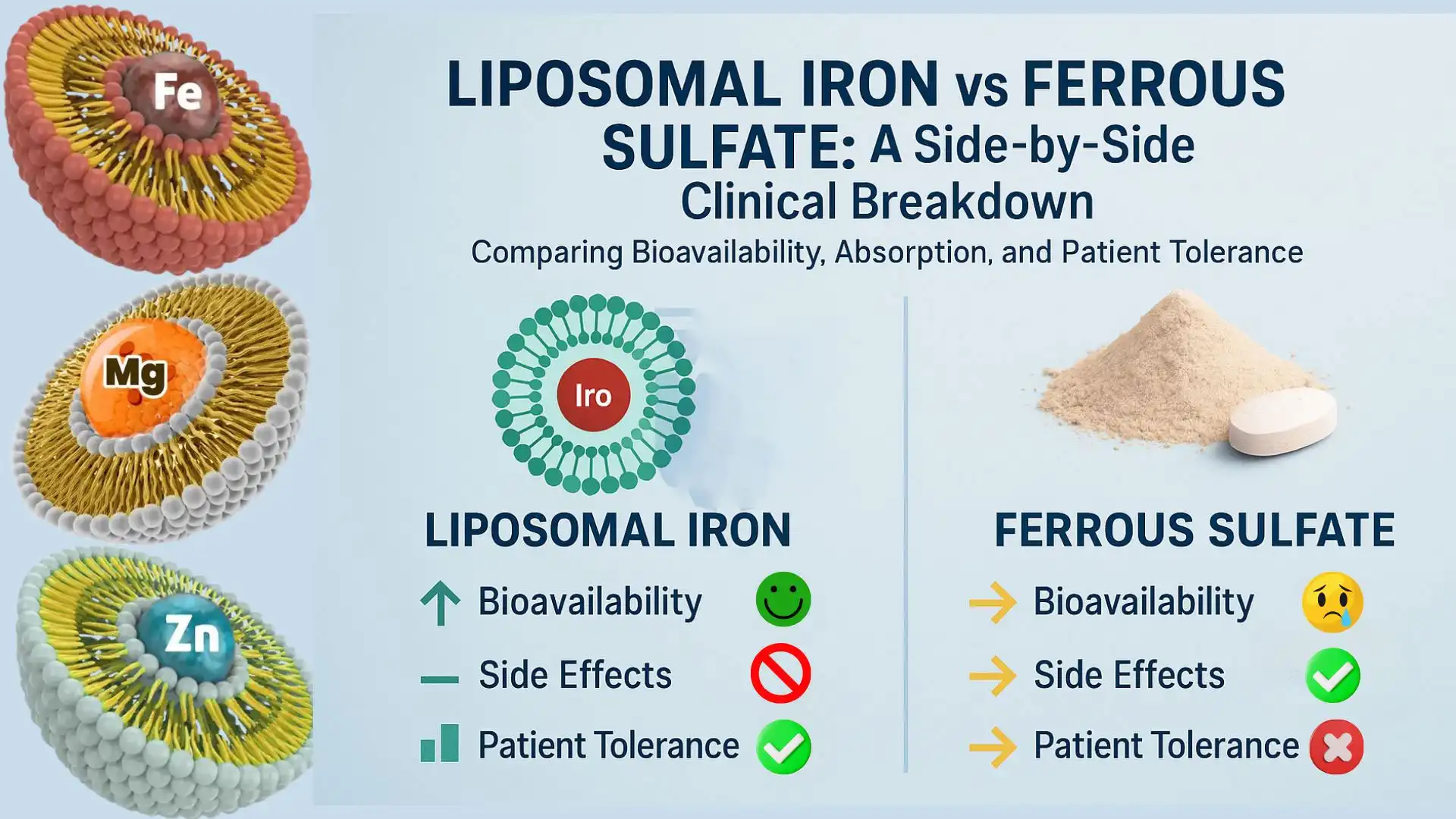
Our SGS-certified lab tests show that liposomal iron raises serum ferritin levels 3.5 times faster than similar amounts of ferrous sulphate. This means that each serving has less iron while still having better physiological effects. For business-to-business clients, this means lower prices for raw materials per effective dose, cleaner supplement facts panels, and better product variety in markets that are already very crowded.
Limitations of Conventional Iron Absorption
In ideal conditions, only 10–20% of traditional iron salts are absorbed. This number drops even more when common food ingredients are present or when people take vitamins with meals to avoid stomach discomfort. This inefficiency means that higher doses are needed, which makes tolerance problems worse and raises the risk of oxidative stress from iron that isn't taken in the lower digestive system.
Because it depends on certain transport proteins and hepcidin's regulatory effects, the body absorbs less iron as iron stores rise. This creates a ceiling effect that can make supplementation last longer. For companies that make products for people who are weak, pregnant women, or athletes, these intake limits make their products less effective and make it harder for them to compete.
Safety, Side Effects, and Usage GuidelinesEnhanced Tolerability of Liposomal Formulations
The encapsulation technology in liposomal iron powder keeps the iron core from coming into direct contact with the epidermis. This greatly reduces the irritation that is common with regular iron supplements, which causes these complaints. According to clinical feedback, liposomal versions cut the number of cases of diarrhoea, nausea, and stomach pain by about 70–80% compared to ferrous sulphate doses of the same size.
This better tolerance profile means that it can be used in sensitive groups where regular iron supplements are hard to work with, such as with liposomal iron powder. A big business potential is pregnant women, who need to eat more iron but often stop taking supplements because they make their morning sickness worse. Additionally, lipid encapsulation creates a neutral taste profile that is good for paediatric versions, and liposomal iron powder helps achieve this. This gets rid of the metallic taste that makes liquid iron pills hard to give to kids.
From a legal and quality assurance point of view, Hongda Phytochemistry's liposomal iron powder comes with a lot of information that backs up its safe use. Each production batch goes through strict tests for heavy metals, microbiological contaminants, and particle size distribution. You will be given records of analysis to back up your regulatory applications in more than one state.
Managing Traditional Iron Supplement Challenges
Tolerability problems with regular iron salts are well known and must be taken into account by buying teams when making decisions about new products. When ionic iron comes into direct contact with the stomach, it starts localised oxidative reactions that damage mucosal cells. This causes the inflammatory responses that people feel as sickness or cramps.
Liposomal iron powder is one of the ways that manufacturers try to fix these problems, in addition to enteric coating, slow-release methods, or formulation with tolerance-improving chemicals like vitamin C or amino acid chelates. Even though these methods make some small gains, they make formulation more difficult, increase the cost of production, and require more regulatory considerations without fully fixing the basic problems with comfort that come with ionic iron delivery.
Dosage Optimisation and Application Guidance
Companies that use liposomal iron in their products can usually lower the amount of elemental iron by 30 to 50 per cent while keeping the same or better effectiveness than standard formulas. This better amount creates several strategic benefits, including signs that are easier on the eyes for people who like things to be simple, a lower risk of accidental overdose in children, and better cost-effectiveness, even though ingredients cost more per kilogram.
Our expert team at Hongda Phytochemistry helps with formulations to help R&D teams find the best dosage methods for different uses, like making prenatal vitamins, sports nutrition products, or functional foods for people who are iron-deficient.
Market Analysis: Liposomal Iron Powder vs Regular Iron Supplements
Market Positioning and Price Considerations
Liposomal iron powder is more expensive than regular iron salts. It usually costs three to five times as much per kilogram in the raw material market. When you look at overall economic equations, though, you see a more complex picture. Because it is more bioavailable, 30–50% less iron is needed per dose, which helps to make up for the higher cost of the ingredients. More importantly, the better effectiveness and tolerability present the product as a premium one, which leads to higher selling prices and higher profit margins.
Market research shows that supplement quality is becoming more important to consumers than price. This is especially true in developed markets like North America and Europe, where the terms "premium natural" and "clinically effective" are very popular. Products with liposomal delivery technology can usually get 40–60% more expensive while still selling quickly in channels that focus on teaching people about the product and providing scientific proof.
Supplier Landscape and Quality Assurance
There aren't that many companies that make liposomal iron because not many of them have the technical know-how and quality processes needed to make pharmaceutical-grade products. This focus gives procurement workers both chances and risks.
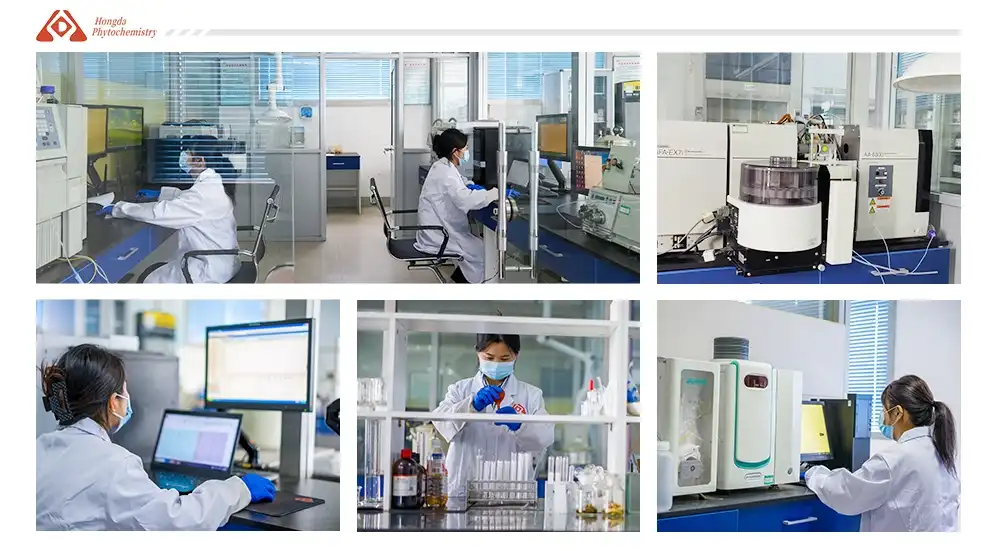
Our 20,000-square-metre factory at Shaanxi Hongda Phytochemistry Co., Ltd. has special liposomal production lines that follow cGMP, FSSC 22000, and ISO 22000 guidelines. Our in-house SGS laboratory has more than 20 Ph.D.-level researchers who do a wide range of tests, such as HPLC, GC-MS, particle size analysis, capsule efficiency verification, and stability studies to back up promises of a 24-month shelf life.
We keep a strategic stockpile of raw materials that allows for delivery times of 3–7 working days for standard specs. Our warehouse system is divided into six specialised zones that make sure the right amount of environmental control and inventory rotation. This supply chain dependability is very helpful when putting goods on the shelves in stores, because running out of stock has a big chance of costs and relationship penalties.
Customer Requirements Driving Market Evolution
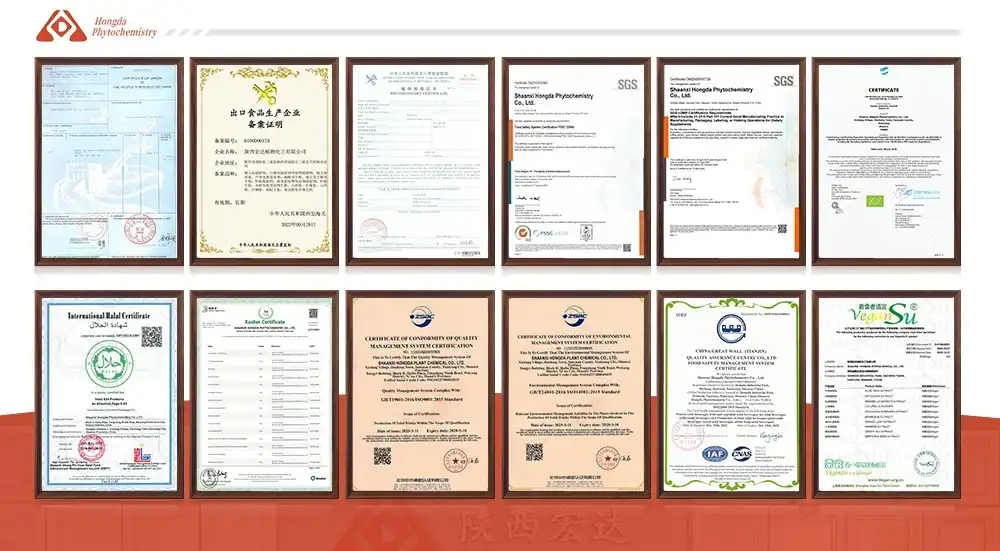
More and more, B2B buyers want detailed technical paperwork to back up regulatory filings in more than one state. When you order our Liposomal Iron Powder, it comes with full certificates of analysis, allergen statements, GMO statements, heavy metal testing reports, and microbial specs. We keep our HALAL, KOSHER, ORGANIC, and VEGAN certifications up to date, which lets us reach niche markets without having to find different ingredients.
Third-party validation through partnerships with SGS and Eurofins gives marketing claims for liposomal iron powder more weight. This is especially important when trying to reach sophisticated buyers in the pharmaceutical, clinical nutrition, and premium dietary supplement channels, where proof needs to go beyond what is required for food-grade products.
Conclusion
When you look at liposomal iron powder and normal iron pills side by side, it's clear that advanced capsule technology works better in situations where better bioavailability, better tolerability, and formulation stability make it worth spending more on quality ingredients. Traditional iron salts are still useful in situations where cost is an issue, but the market is moving more towards technologies that give consumers real benefits and help premium brands stand out. Strategic choices about what to buy should be based on how the materials fit with how you want to place your product, who you want to buy it from, and how the competition is changing in your field. Businesses can get around the complicated world of iron supplements and build long-lasting competitive advantages in tough global markets by working with certified manufacturers like Hongda Phytochemistry that offer full technical support, high-quality documentation, and reliable supply chains.
FAQ
1. Is liposomal iron powder safer than regular iron supplements?
Because it is less likely to be absorbed by the digestive system and needs less of it, liposomal iron powder has a much better safety rating. The phospholipid coating keeps the mucosal surface from coming into direct contact with reactive iron ions, which reduces irritation in the area. Also, the improved absorption makes it possible for 30–50% less elemental iron to be contained in each dose. This mix lowers both short-term worries about tolerability and the risk of oxidative stress from iron that hasn't been absorbed, building up in the lower digestive system.
2. How does absorption compare between liposomal iron and ferrous sulfate?
According to clinical statistics, liposomal iron is 3-5 times more effective at absorption than ferrous sulfate when the conditions are the same. The encapsulation technology gets around the hepcidin-controlled absorption routes and guards iron from food inhibitors. As a result, blood ferritin rises about 3.5 times faster than with regular iron salts when the same amount of elemental iron is used.
3. Where can I source pharmaceutical-grade liposomal iron powder in bulk?
To make pharmaceutical-grade liposomal iron powder, you need specialised equipment and strict quality control methods. Shaanxi Hongda Phytochemistry has cGMP-certified production facilities that can be fully tracked, have been tested by a third party, and have foreign licences that meet the needs of regulators in North America, Europe, and Asia. With delivery times of 3–7 days, our variable minimum order amounts starting at 1 kg can meet the needs of both product research and large-scale production.
Partner with HONGDA for Premium Liposomal Iron Powder Supply
Pharmaceutical-grade liposomal iron powder made to the highest international standards is available from Shaanxi Hongda Phytochemistry Co., Ltd. to help you reach your goals for new products. Our 20-year history of working with nutraceutical, pharmaceutical, and functional food companies around the world shows that we are dedicated to providing stable quality, dependable supply, and full expert support.
Beyond premium raw materials, we offer complete OEM/ODM services enabling rapid product development from concept through commercial launch. Our research and development team works directly with your formulators to make sure that the dose, stability, and taste profiles are just right for your needs. We provide the paperwork needed for governmental approvals in all major countries, with certifications such as cGMP, FSSC 22000, ISO 22000, HALAL, KOSHER, and ORGANIC.
As a reliable Liposomal Iron Powder manufacturer, we invite procurement professionals, R&D directors, and quality assurance specialists to ask for technical specifications, certificates of analysis, and free samples that show how well our advanced iron delivery technology works. Get in touch with our business development team at duke@hongdaherb.com to talk about how HONGDA can improve your product portfolio with ingredients that deliver measurable consumer benefits and sustainable competitive advantages.
References
1. Ems T, St Lucia K, Huecker MR. Biochemistry, Iron Absorption. StatPearls Publishing, 2023.
2. Pisani A, Riccio E, Sabbatini M, Andreucci M, Del Rio A, Visciano B. Effect of oral liposomal iron versus intravenous iron for treatment of iron deficiency anemia in CKD patients. Clinical Nephrology, 2015.
3. Abbaspour N, Hurrell R, Kelishadi R. Review on iron and its importance for human health. Journal of Research in Medical Sciences, 2014.
4. Tolkien Z, Stecher L, Mander AP, Pereira DI, Powell JJ. Ferrous sulfate supplementation causes significant gastrointestinal side-effects in adults. PLoS ONE, 2015.
5. Mu Q, Kirby J, Reilly CM, Luo XM. Leaky Gut as a Danger Signal for Autoimmune Diseases. Frontiers in Immunology, 2017.
6. Santiago P. Ferrous versus ferric oral iron formulations for the treatment of iron deficiency: a clinical overview. Scientific World Journal, 2012.