


_1745918362135.webp)

What Are the Key Benefits of Liposomal Vitamin C Powder Bulk?
In comparison to traditional vitamin C formulations, Liposomal Vitamin C Powder Bulk marks a revolutionary development in nutritional ingredient technology. More and more people want to eat healthy foods that are simple to digest. More and more companies that make drugs, health supplements, and useful foods are starting to use liposomal vitamin C powder in bulk. Shaanxi Hongda Phytochemistry Co., Ltd. makes bulk liposomal vitamin C powder that is safe for use in medicine. They sell it under the brand name Hongda Phytochemistry. Cutting-edge phospholipid tablet technology is used to make the materials more stable, easy to mix, and absorbed. Vitamin C in the form of liposomes can be used in more situations than regular vitamin C ingredients. A lot of high-end B2B nutritional goods all over the world use them. A lot has been learned about how vitamin C can boost the immune system, protect cells, make collagen, and generally make people healthy. It doesn't work well with the body, though, because it doesn't absorb it well and leaves the body quickly after being eaten. By putting vitamin C in phospholipid droplets, liposomal transport technology helps with these problems. These drops get the active ingredient into the body more quickly and protect it while it's being broken down. Liposomal Vitamin C Powder Bulk is good for companies that want to use new products that are based on science in both business and technical ways.
Understanding Liposomal Vitamin C Powder Bulk
What Is Liposomal Vitamin C Powder Bulk?
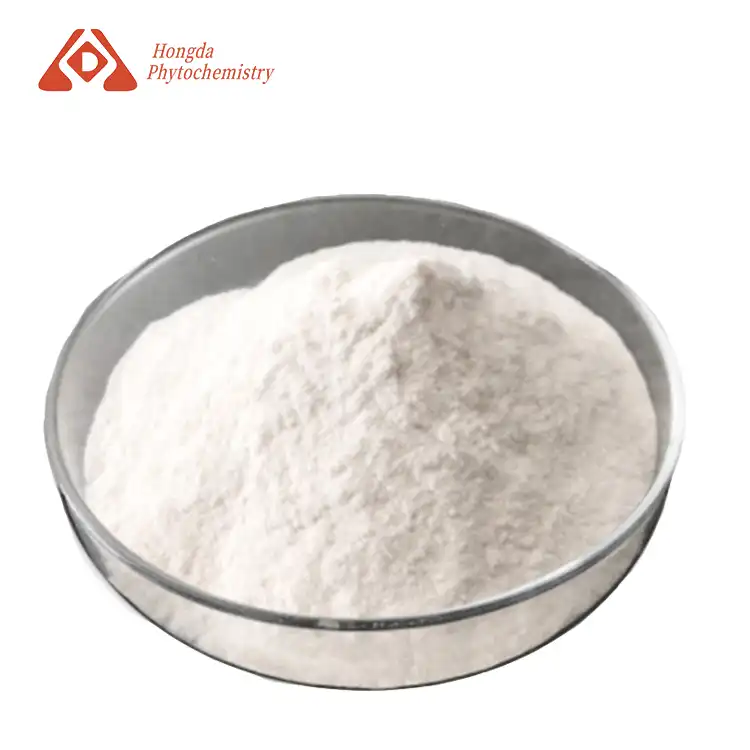
This is a high-tech form of vitamin C called liposomal vitamin C powder bulk. It has ascorbic acid inside very small phospholipid bubbles. The phospholipids' two layers look like the walls of living cells. They keep the ingredients safe and help them stay stable. They also make sure that the nutritional value is still there after being eaten.
Liposomal products are different from regular vitamin C powders because they focus on making better use of ingredients instead of just adding more vitamin C. So nutrients don't get broken down during digestion, and this delivery system makes them work better with a wider range of nutritional mixes.
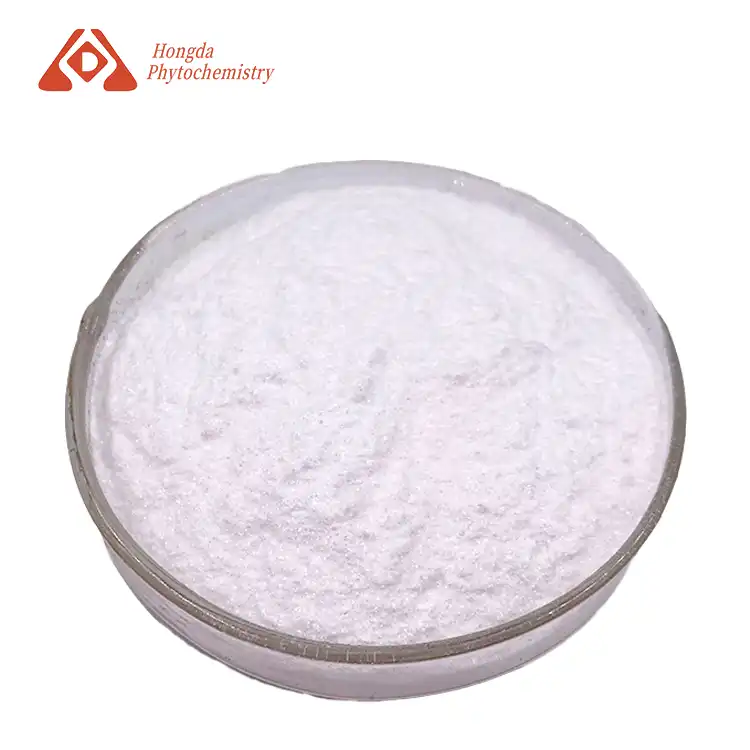
The powdered form gives companies that make food products the benefits of liposomal technology with the ease of making a lot of them. To put it another way, it can be used in functional foods, powdered drinks, capsules, and tablets.

How Does Liposomal Encapsulation Improve Vitamin C Delivery?
Vitamin C carriers that depend on sodium help the body take in vitamin C in the small intestine. Some people may not be able to handle as much vitamin C because their bodies may not be able to handle it as well when they take more of it.
This problem can be fixed by putting liposomes inside them. With this method, phospholipid layers are added to vitamin C to help protect it as it moves through the digestive system. These formulations spread out and absorb better than others because they are made of phospholipids. The body can take this kind of vitamin C better, but the amount that changes varies on the technology and process used to make the vitamin.
Instead of just giving bigger amounts, this way tries to get the most out of each serving. It's a good choice for high-end health things because of this.
Advanced Manufacturing Technology from Hongda Phytochemistry
That's how Hongda Phytochemistry makes liposomal vitamin C powder in bulk: by homogenising under high pressure, precisely encapsulating phospholipids, and spray-drying at low temperatures. Vesicles made from non-GMO sunflower lecithin hold high-purity vitamin C inside them. This makes a stable method for delivering powder that can be used for making a lot of things.
The Dynamic Light Scattering (DLS) test shows that the particles have a controlled size distribution and are generally in the nanoscale range, which is needed for the composition to work reliably. Vitamin C stays safe during production, shipping, and long-term storage when it is encapsulated well. It also helps the product stay stable while it's being stored.
It is easier to move powdered liposomal products around, they don't need as much special store room, and they work better with business production processes than liquid liposomal products.

Key Benefits of Liposomal Vitamin C Powder Bulk
Enhanced Bioavailability
One of the best things about liposomal vitamin C powder bulk is that it works better in the body than regular vitamin C ingredients.
Phospholipid droplets protect vitamin C while it is being processed. This means that more of the active ingredient can still be taken. Several published studies have shown that liposomal formulations can raise plasma vitamin C levels by a lot more than ascorbic acid alone. What the exact effects are, though, depend on how the formula is made and tested.
There are several good things for providers that come from better uptake, such as:
- Less of the recipe is needed.
- Better way to use the ingredients
- More stability between firms that make things
- More chances to make high-end products look high-end
- Better efficiency with recipes
It is being used more and more in high-end dietary supplements around the world because of these benefits.
Supporting Healthy Immune Function
It's very important to get enough vitamin C to keep your immune system strong.
It turns on immune cells like neutrophils, macrophages, lymphocytes, and more. It also helps protect these cells from oxidative stress that happens during regular immune reactions. Liposomal vitamin C powder bulk is being used more and more in immune system-boosting goods all year because it makes vitamin C easier to get.
This type of vitamin C is not used as a medicine. Instead, you can find it in many foods. Eating well and living a healthy life will help keep your immune system healthy.
Powerful Antioxidant Protection
It is very important for the body to have vitamin C, which dissolves in water.
When reactive oxygen species do damage, it stops them. It also helps antioxidants like vitamin E grow back. Because liposomes encapsulate vitamin C, it doesn't oxidize too quickly. This helps it keep its antioxidant activity while it is being broken down, stored, and processed.
Antioxidants work better in places where reactive stress is common when they are more available inside cells. Because of this, liposomal formulas are great for high-end health goods.
Supporting Collagen Formation
The process of making collagen is necessary for the health of skin, blood vessels, cartilage, bones, and connective organs. This process works better with vitamin C.
To keep tissues healthy and repair them, you need to get enough vitamin C. This is because vitamin C works with enzymes to help make collagen. Because it helps the body absorb vitamin C better, liposome transport may help make sure that these processes always have enough of it.
It can be mixed with a lot of different things and works well with collagen peptides and other structural nutrients. It can be used by companies that make supplements for sports nutrition, beauty items that work from the inside out, or healthy recipes for getting older.
Greater Manufacturing Flexibility
Liposomal Vitamin C Powder Bulk is good for you and can also be used in business because it is simple to make.
It can be moved around in a number of ways with its powdered form, such as
- Pills that are round and hard
- Tablets
- Bags to carry
- Powders for instant drinks
- Drinks that do things
- Things that you eat instead of meals
- Bars for good health
- Plans for making functional foods
Storing, moving, and making a lot of powdered liposomal systems are better than liquid liposomal systems. Also, if you store them the right way, they stay very stable.

Technical Specifications and Quality Control
Product Specifications
When manufacturers and purchasing teams choose liposomal vitamin C powder in bulk, it's important for them to look at the technical specs. Products of good quality should have consistent chemical and physical properties that allow for large-scale production and stable performance throughout the product's lifecycle.
Some common requirements are the following:
- The vitamin C amount was optimised based on the needs of the recipe.
- High effectiveness of phospholipid coating
- Controlled distribution of nanoscale particle sizes
- Excellent flowability of powder
- Low amount of water
- Good spreading of water
- Looking stable and keeping the same colour
Dynamic Light Scattering (DLS) is often used to check the size of particles, and encapsulation efficiency is measured to make sure that vitamin C stays safe inside the phospholipid vesicles. These quality markers help makers make sure that all of their production runs have the same performance from their formulations.
Comprehensive Quality Testing
Reliable suppliers don't just test the finished product for quality; they use multiple quality control steps throughout the manufacturing process.
Hongda Phytochemistry does in-depth lab tests that might include the following:
- Checking the amount of vitamin C
- Analysis of particle size distribution
- Testing the usefulness of encapsulation
- A look at heavy metal
- Testing for microbes
- Finding the moisture
- Analysis of the residual solvent
- Checking the phospholipid amount
Technical documents like Certificates of Analysis (COAs), specification sheets, and lab reports are used to back up each production batch. Customers can use these papers to help suppliers get qualified, and they also help with following the rules in foreign markets.
Storage and Shelf-Life Recommendations
Proper storage is essential for maintaining the stability of liposomal formulations.
Liposomal mixtures must be stored correctly in order to stay stable.
Liposomal Vitamin C Powder Bulk should be kept in cases that can't leak or get wet, out of direct sunlight, and away from high temperatures and high humidity. If you store the powder in the way that is suggested, it will stay very stable and keep the vitamin C inside from going bad.
Compared to liquid liposomal versions, the powdered element has a number of useful benefits, such as:
- More time to use
- Better management of warehouses
- Lower the cost of transportation
- Under normal storage conditions, there is no cold chain logistics.
- Less complicated packing
Powdered liposomal products are great for foreign shipping and large-scale industrial production because of these qualities.
How to Choose a Reliable Liposomal Vitamin C Powder Bulk Supplier?
Manufacturing Capacity and Production Expertise
Choosing an expert seller is important to make sure that the quality of the ingredients stays the same and that the supply doesn't stop.
There are modern factories run by Hongda Phytochemistry that have advanced encapsulation systems, automated production lines, and standard quality management procedures. This production capability supports both small-scale development projects and large-scale commercial production, all while keeping the same product specifications.
Manufacturers with a lot of experience can also help customers choose the best ingredients for different dose types and use cases by sharing their knowledge about preparation.
International Certifications and Regulatory Documentation
Global ingredient sourcing requires suppliers to provide comprehensive quality documentation and internationally recognised certifications.
Hongda Phytochemistry supports international customers with certifications that may include the following:
- ISO 22000
- FSSC 22000
- cGMP
- Halal
- Kosher
- Organic certifications (where applicable)
Customers also receive supporting documentation such as:
- Certificate of Analysis (COA)
- Technical Data Sheet (TDS)
- Safety Data Sheet (SDS/MSDS)
- Product specifications
- Heavy metal testing reports
- Microbiological analysis reports
Complete documentation simplifies supplier qualification and helps customers meet regulatory requirements in different export markets.
OEM and ODM Manufacturing Services
Many brands require more than a raw material supplier—they need a development partner capable of supporting customised product manufacturing.
Hongda Phytochemistry provides OEM and ODM services designed to help customers accelerate product development while reducing formulation complexity.
Available services include:
- Customised vitamin C concentrations
- Particle size optimisation
- Formula development support
- Private label manufacturing
- Customised packaging solutions
- Sample preparation
- Technical consultation
- Regulatory documentation support
These services enable customers to shorten development timelines while creating products tailored to specific market requirements.
Technical Support Throughout Product Development
Technical support plays an important role in successful ingredient selection and formulation development.
From initial product design through commercial production, experienced technical teams can assist customers with formulation compatibility, stability evaluation, processing recommendations, and application guidance.
This collaborative approach helps reduce development risks while improving manufacturing efficiency and finished-product consistency.
Commercial Applications of Liposomal Vitamin C Powder Bulk
Dietary Supplements
The largest application for liposomal vitamin C powder bulk is premium dietary supplements.
Manufacturers commonly formulate it into capsules, tablets, stick packs, and powdered sachets intended to support immune health, antioxidant protection, collagen formation, and general wellness. Enhanced bioavailability also provides an attractive selling point for premium supplement brands seeking product differentiation.
Functional Foods and Beverages
Excellent dispersibility allows Liposomal Vitamin C Powder Bulk to be incorporated into numerous functional food products, including the following:
- Nutritional beverage powders
- Functional drinks
- Meal replacement products
- Protein blends
- Nutrition bars
- Healthy snack products
Its stable powdered form integrates efficiently into commercial production while maintaining ingredient performance during processing and storage.
Sports Nutrition
Sports nutrition manufacturers increasingly incorporate liposomal vitamin C into recovery-focused formulations.
Vitamin C is frequently combined with collagen peptides, electrolytes, amino acids, and botanical extracts to develop comprehensive products designed to support post-exercise recovery and overall wellness. Improved ingredient utilisation also makes liposomal formulations attractive for premium sports nutrition brands.
Private Label Products
Growing consumer demand for advanced nutritional ingredients has expanded opportunities for private label supplement brands.
Hongda Phytochemistry supports private label customers with flexible manufacturing capacity, customised packaging, technical documentation, formulation support, and international logistics services. Sample evaluation is also available, allowing customers to assess product quality before placing commercial orders.
Procurement Considerations
Evaluating Supplier Performance
Choosing a supplier involves evaluating more than pricing alone.
Procurement teams typically assess factors such as manufacturing capability, quality consistency, certification status, technical expertise, documentation, production capacity, and delivery reliability. Long-term partnerships with experienced suppliers often reduce sourcing risks while supporting stable production schedules.
Cost-Effectiveness and Long-Term Value
Although liposomal vitamin C powder bulk generally costs more than conventional vitamin C ingredients, its enhanced delivery system provides additional value beyond the initial purchase price.
Improved ingredient utilisation, longer shelf life, simplified logistics, and stronger product differentiation may help manufacturers achieve greater long-term returns on investment. Premium formulations can also support higher market positioning while meeting increasing consumer demand for advanced delivery technologies.
Future Market Opportunities
Interest in liposomal delivery systems continues to grow across the global nutrition industry.
Manufacturers are increasingly developing products that combine liposomal vitamin C with complementary ingredients such as liposomal minerals, botanical extracts, collagen peptides, and other functional nutrients. As formulation technology continues to evolve, liposomal ingredients are expected to remain an important category within premium dietary supplements and functional foods.
Conclusion
Liposomal Vitamin C Powder Bulk represents an important advancement in vitamin C delivery technology by improving ingredient stability, dispersibility, and bioavailability compared with conventional formulations. These characteristics provide manufacturers with greater flexibility when developing premium dietary supplements, functional foods, sports nutrition products, and private label formulations.
For B2B buyers, selecting the right supplier requires evaluating manufacturing expertise, quality management systems, technical documentation, production capacity, and formulation support in addition to product specifications. Working with an experienced manufacturer can help reduce development risks while improving product consistency and supply reliability.
With advanced phospholipid encapsulation technology, comprehensive quality control, international certifications, and flexible OEM and ODM services, Hongda Phytochemistry and Shaanxi Hongda Phytochemistry Co., Ltd provide reliable liposomal vitamin C powder bulk solutions for customers worldwide. By combining scientific formulation expertise with dependable manufacturing support, the company helps brands develop competitive nutritional products that meet the evolving demands of global health and wellness markets.
FAQ
1. What makes liposomal vitamin C powder more effective than regular vitamin C?
Liposomal vitamin C powder uses phospholipid packaging technology to keep vitamin C from breaking down in stomach acid and to help cells take it in better. This high-tech delivery system skips over intestine transport systems that are already full, making the ascorbic acid bioavailable at rates 6–10 times higher than usual. The capsule also gets rid of the stomach pain that comes with taking a lot of vitamin C supplements.
2. What are typical minimum order quantities for bulk purchases?
Liposomal vitamin C powder bulk minimum order amounts are usually between 25 kg and 100 kg, but this can change based on the seller and the product formulation. A lot of companies package their goods in standard 12 kg drums, with 27 drums per tray. This gives you options for orders of different sizes. Larger sales usually qualify for volume savings, and purchases over 500 kg can save you a lot of money.
3. How should liposomal vitamin C powder bulk be stored to maintain quality?
For proper keeping, containers must be tightly closed, able to block light, keep out wetness, and be kept at a temperature below 20°C. The powder should be kept in places with low humidity to keep it from sticking together and to keep the phospholipid coating intact. The product stays stable for up to three years when stored properly, which is a lot longer than liquid liposomal formulas.
4. What quality certifications should I look for in suppliers?
For pharmaceutical-grade quality assurance, cGMP, ISO22000, FSSC22000, and FDA licensing are all necessary. More certifications, like HALAL, KOSHER, and organic approvals, make the market bigger. To make sure of the quality and safety of their products, suppliers should provide full scientific evidence that includes particle size analysis, encapsulation efficiency testing, and heavy metals analysis.
Partner with HONGDA for Premium Liposomal Vitamin C Solutions
Pharmaceutical-grade Liposomal Vitamin C Powder Bulk is made by HONGDA, which has been a leader in the field for over 25 years and uses cutting-edge ultrasonic microencapsulation technology to make their products. Our modern center has many certificates, such as cGMP, ISO22000, FSSC22000, HALAL, and KOSHER, which make sure that the quality meets the highest standards for markets around the world. With sure encapsulation rates above 90% and nanoscale particle control between 100nm and 250nm, HONGDA makes high-quality goods that meet the strict needs of pharmaceutical and nutraceutical companies. Get in touch with duke@hongdaherb.com right away to talk about your bulk buying needs and find out how our technical know-how and dependable supply chain can help you add better liposomal vitamin C solutions to your product line.
References
1. Carr, A.C., & Maggini, S. (2017). Vitamin C and immune function. Nutrients, 9(11), 1211.
2. Lykkesfeldt, J., & Tveden-Nyborg, P. (2019). The pharmacokinetics of vitamin C. Nutrients, 11(10), 2412.
3. Hickey, S., Roberts, H.J., & Miller, N.J. (2008). Pharmacokinetics of oral vitamin C. Journal of Nutritional and Environmental Medicine, 17(3), 169-177.
4. Gopi, S., & Balakrishnan, P. (2021). Evaluation and clinical comparison studies on liposomal and non-liposomal ascorbic acid. European Journal of Nutrition, 60(1), 45-54.
5. Pumera, M., Sánchez, S., Ichinose, I., & Tang, J. (2007). Electrochemical nanobiosensors. Sensors and Actuators B: Chemical, 123(2), 1195-1205.
6. Zhao, L., Temelli, F., & Chen, L. (2017). Encapsulation and delivery of bioactive compounds using liposomal and other lipid-based systems. Food & Function, 8(9), 3110-3123.


_1752212606907.webp)