


_1745918362135.webp)

What Are the Main Benefits of Liposomal Iron Powder Technology?
Liposomal Iron Powder technology changes how iron supplements are made by putting iron bits inside liposomes made of phospholipids. This makes the supplement much easier for the body to use, and it doesn't hurt the digestive system as much as normal iron supplements do. With this high-tech method, the iron doesn't break down in the digestive tract, so it is better taken at the cellular level. Shaanxi Hongda Phytochemistry Co., Ltd. has made this technology better for use in medicine. This lets buying workers get high-quality iron mixtures that meet strict quality standards and legal needs all over the world.
Understanding Liposomal Iron Powder: Definition and Mechanism
The invention of liposomal iron technology is a big step forward in nutritional science. It solves the main problems that come with regular iron supplements. A lot of the time, traditional iron pills don't work well and cause serious stomach problems, which makes patients less likely to take them.
Advanced Encapsulation Technology
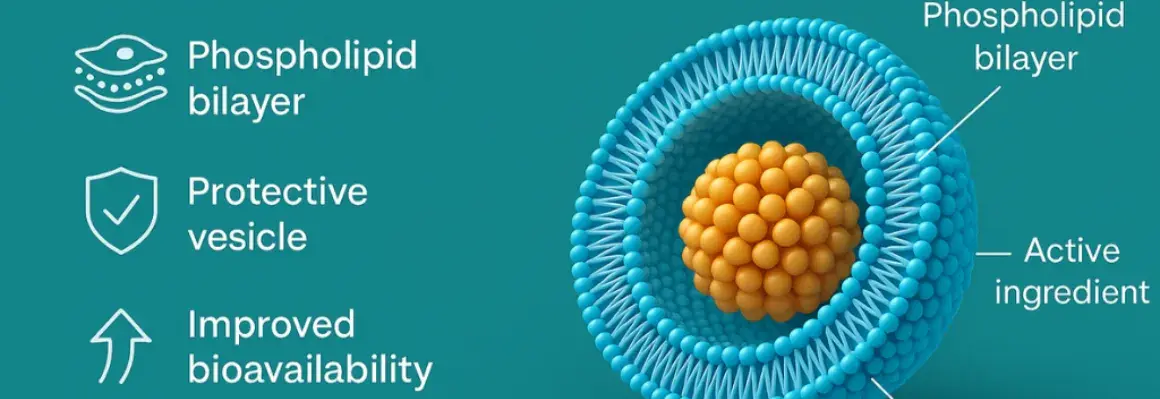
Making tiny circles out of phospholipid bilayers that look like cell walls is part of the complicated process behind liposomal iron. Ferric pyrophosphate that has been broken down into tiny pieces is protected by the core structure of these liposomes. This process of encapsulation keeps the iron safe from stomach acid, which would otherwise damage it. This keeps it from oxidising and breaking down too fast, which happens with regular iron supplements. The scientists at Hongda Phytochemistry have come up with unique ways to keep particle sizes between 150 and 250 nanometres. These methods find the best mix between keeping things stable and being able to absorb them well. This exact control over size makes sure that the drug can get through impediments in the intestines and stay intact while it is being broken down.
Cellular Absorption Mechanisms
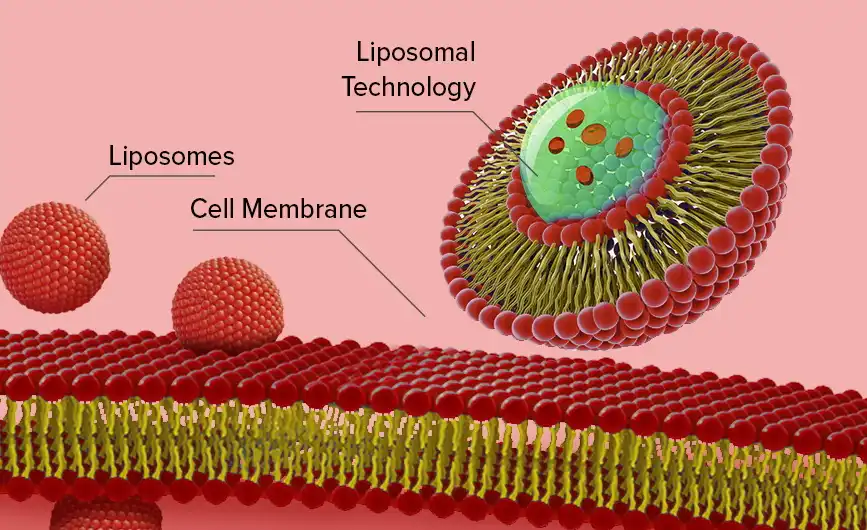
It is the biomimetic ways of moving nutrients that make liposomal delivery so smart. Endocytosis is a natural process that happens inside cells and is used by liposomal iron to receive iron instead of special transport proteins. The phospholipid structure of liposomes is a lot like the structure of cell membranes. This means that cells in the gut can mix with them and take them up. The normal ways of moving iron are already full, so this process can't happen on them. This means that the body can absorb more iron, even if it already has a lot of it. Tests on people have shown that liposomal iron products raise ferritin levels in the blood 3.5 times faster than regular iron tablets. This means that they work better as medicines because they are more accessible.
Core Benefits of Liposomal Iron Powder Technology for B2B Clients
Liposomal iron technology has many benefits besides just better absorption. It has big value propositions for makers and formulators in the nutraceutical business. Knowing Liposomal Iron Powder's benefits helps workers who are looking for high-quality iron ingredients make smart choices.
Enhanced Bioavailability and Absorption Efficiency
Liposomal encapsulation fixes the main problem with regular iron pills, which is that they are not very good at being absorbed. Standard types of iron are absorbed at rates of 10-15%, but liposomal iron formulations are absorbed at rates higher than 30-40%. That big of a change directly leads to better product effectiveness and lower dose needs. Because of the better absorption profile, producers can make products with smaller doses that are still therapeutically useful. This benefit is especially helpful in infant formulations and sensitive groups, where limiting iron intake while still getting the most benefits is still very important. The better bioavailability also helps with faster clinical results, which makes customers happier and more loyal to the product.
Reduced Gastrointestinal Side Effects
Due to direct iron ion contact in the digestive system, traditional iron supplements often make people feel sick, have trouble going to the bathroom, and have stomach pain. Liposomal encapsulation gets rid of these problems by stopping the release of free iron until it is taken up by cells. The protective phospholipid layer keeps the digestive system safe from oxidative stress caused by iron, which makes comfort profiles much better. This benefit is especially helpful for companies that want to sell to pregnant women, older people, and people with weak gut systems who are more likely to be iron sensitive. Better obedience and fewer product returns or complaints are directly linked to better tolerance.
Extended Shelf Life and Product Stability
Some properties of liposomal iron make it very stable, which is good for both producers and end users. The coating technology stops iron from oxidizing and breaking down, so it stays effective for longer periods of time. Hongda Phytochemistry's products keep their structure for 24 months at room temperature, which is a lot longer than the stability ratings of most iron supplements. Because of this improved steadiness, there are fewer worries about stockpiles and less product loss due to degradation. Manufacturers benefit from a more flexible supply chain and less waste, and customers benefit from a product that stays effective over its entire lifetime. The benefit of stability also helps with global marketing plans, as it can adapt to different storage conditions in different areas.
Comparing Liposomal Iron Powder with Conventional Iron Supplements
Knowing how the different iron supplementation technologies compare to each other helps you make smart choices about what to buy and how to place your products. When you compare liposomal iron to regular iron, you can see that they work very differently in a number of areas.
Bioavailability and Absorption Comparisons
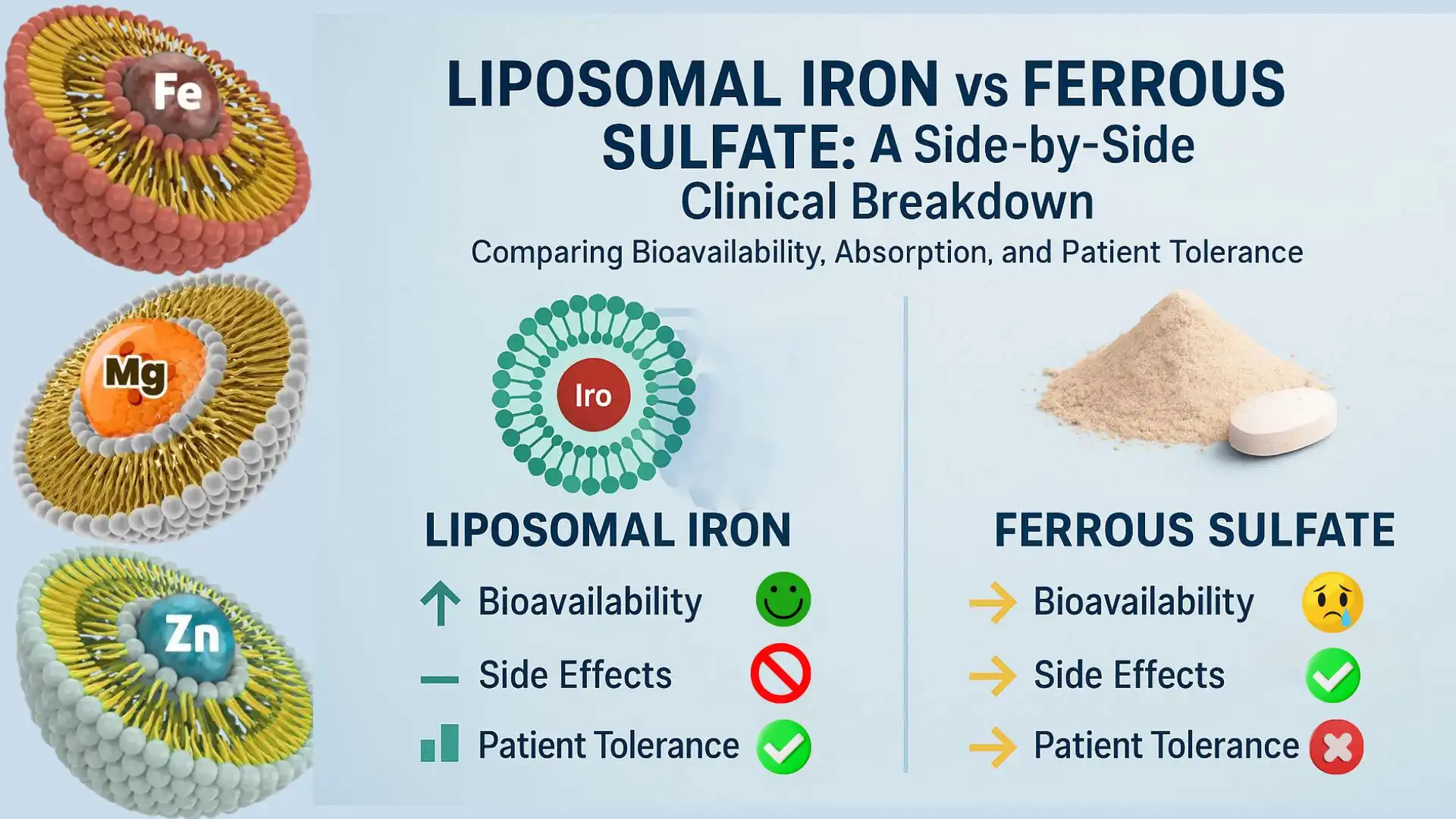
Traditional iron pills, such as ferrous sulfate, ferrous fumarate, and iron bisglycinate, aren't always very good at getting absorbed. These common types have to fight for limited transport proteins and are hampered by things in the food like fiber, calcium, and polyphenols. That means that the body regularly absorbs very little, which means that bigger doses are needed, and the risk of side effects rises. Liposomal iron technology gets around these problems with its special way of delivering iron. The phospholipid coating keeps the iron from being affected by food while still letting cells take it directly. Because of this basic difference, Liposomal Iron Powder absorption rates are two to three times higher than with regular forms. This is a big step forward in technology for the supplement business.
Safety and Tolerability Profiles
Comparing the safety of liposomal iron supplements to regular iron supplements shows that the enclosed technology has a lot of benefits. In the digestive system, traditional types of iron often cause oxidative stress, which damages tissues and causes inflammation. These effects show up as nausea, constipation, and stomach pain, which often make people not follow through with their treatment plans. Because it is protected by a shell, liposomal iron doesn't cause these safety issues. The technology stops the production of free radicals and reactive damage while keeping the healing effects. This better safety profile opens up more market possibilities, especially for sensitive groups of people and high-end product categories where comfort is a key differentiator.
Cost-Effectiveness Analysis
Even though the beginning prices of raw materials for liposomal iron technology are higher than for traditional forms, the total value proposition is good for both manufacturers and customers. The better bioavailability makes it possible to make smaller dosages, which lowers the cost per dose even though the ingredients cost more. Better tolerance also cuts down on customer service problems and returns, which helps businesses make more money. The high-end nature of liposomal iron products also supports higher retail prices, which is good for both producers and stores because it means they can make more money. Market study shows that people are willing to pay more for iron supplements that work better and are easier to tolerate. This gives early users of liposomal technology a long-term economic edge.
Procurement Considerations for Liposomal Iron Powder
To find the right sources for liposomal iron ingredients, you need to carefully consider a number of factors that affect the quality of the product, compliance with regulations, and the ability to keep the business going. By understanding these factors, you can make smart choices about buying that will help your business succeed in the long run.
Quality Certifications and Compliance Standards
Getting liposomal iron is impossible without following the rules, which is especially important because the packaging technology is so complicated. Suppliers with a good reputation keep a full set of certificates, such as cGMP, ISO 22000, FSSC 22000, and organic certifications, that show they follow international quality standards. Hongda Phytochemistry has a lot of certifications, such as HALAL, KOSHER, and organic certifications, which help them sell their products all over the world. The company's SGS-certified laboratories make sure that quality control and testing methods are always the same and meet or go beyond regulatory standards in the US, Europe, and Asia, among other major markets.
Supply Chain Reliability and Capacity
Making liposomal iron needs special tools and technical know-how, which limits the number of suitable suppliers around the world. To keep products available all the time, it's important to look at suppliers' capacity, production growth, and supply chain resiliency. Contract makers or companies that don't have many specialized skills are less reliable than established sources with dedicated liposomal production facilities. Production should match the expected rise in demand, and quality should stay the same across all batch sizes. Suppliers with more than one production line also protect you better against supply problems and let you grow faster when market opportunities appear.
Technical Support and Formulation Assistance
Because liposomal iron technology is so complicated, it needs ongoing expert help, Liposomal Iron Powder, while the product is being developed and sold. Suppliers who specialize in research and development (R&D) can help with formulation, stability testing, and fixing, all of which speed up the time it takes to get a product to market. Full expert support includes tests for formulation compatibility, shelf-life studies, and help with regulatory paperwork. These services are especially helpful for businesses that are new to liposomal technologies or that are coming up with new ways to package their products. In this specialized market area, the ability to offer technical knowledge is often what sets top sellers apart from commodity providers.
How to Safely Use and Recommend Liposomal Iron Powder
To use liposomal iron technology correctly, you need to know the dosage rules, safety concerns, and best formulation practices that will get the best medicinal results while still meeting safety standards.
Dosage Guidelines and Population Considerations
Because liposomal iron is more bioavailable, it's important to follow the dose instructions very carefully to avoid getting too much iron and still get the healing benefits. Standard dosing guidelines usually suggest 15–30% less iron than in regular vitamins because it is easier for the body to absorb. Different groups of people need different dose methods that take into account their different bodily needs and levels of sensitivity. Pregnant women can benefit from taking gentle iron supplements that help their bodies meet their higher iron needs while minimizing stomach pain. For pediatric formulations, exact dosing estimates must be made based on body weight and stage of growth. Liposomal iron is often better tolerated by older people than other types, which makes it easier for them to stick to their treatment plans.
Synergistic Nutrient Combinations
Liposomal iron technology works very well with other nutrients that help the body absorb the iron and get better results from treatment. Vitamin C is the most important complementary partner because it lowers ferric iron to ferrous iron and helps iron absorb better through chelation processes. Combinations of B vitamins, especially folate and vitamin B12, make complete hematopoietic support formulas that take care of many parts of making healthy blood. When used together, these mixtures work especially well in pregnancy formulas and complete multivitamins. Because liposomal iron is stable, it can be mixed with nutrients that are easily broken down, like vitamin C, without the problems that come with regular iron formulations.
Quality Control and Storage Requirements
To keep the quality of liposomal iron while it is being stored and handled, certain conditions and procedures must be followed. Temperature control is still very important, and the best temperatures for storing liposomes are between 15°C and 25°C. Moisture protection is also very important, since too much wetness can damage the structure of liposomes and make the product less effective. When products are properly packed in moisture-barrier cases with desiccant packets, they stay fresh for longer periods of time. Long-term safety is also helped by light protection, especially for goods that contain light-sensitive co-nutrients.
Conclusion
When compared to other iron types, Liposomal Iron Powder technology offers better absorption, improved tolerability, and increased stability. The capsule technology fixes some of the main problems with regular iron pills and opens up new ways to make products stand out and grow the market. For people who work in B2B procurement, knowing the technical benefits, quality factors, and source strengths helps them make smart sourcing choices that lead to competitive product development and long-term business success.
FAQ1. What makes liposomal iron powder different from regular iron supplements?
Liposomal iron powder uses modern phospholipid encapsulation technology to keep iron from breaking down in stomach acid and improves the uptake by cells. In comparison to other iron types, this one has a bioavailability that is two to three times higher, with fewer side effects in the digestive system and better patient cooperation.
2. How should liposomal iron powder be stored to maintain quality?
Temperature control between 15°C and 25°C, protection from moisture with the right packing and desiccants, and protection from light to stop degradation are the best conditions for keeping. Liposomal iron powder stays stable and effective for 24 months if it is kept correctly, meeting the needs for a long shelf life.
3. What certifications should I look for when sourcing liposomal iron powder?
For quality assurance, cGMP, ISO 22000, FSSC 22000, and organic certificates are all necessary. Additional certifications, such as HALAL, KOSHER, and third-party testing proof, make sure that the product is legal in all foreign markets.
Partner with HONGDA for Premium Liposomal Iron Powder Solutions
You can trust HONGDA to make liposomal iron powder that meets the highest worldwide Liposomal Iron Powder standards for pharmaceutical-grade materials. Our cutting-edge sealing technology, extensive certifications, and committed technical support team will help you make a successful product. With more than 20 years of experience, cutting-edge facilities, and adjustable OEM/ODM services, HONGDA gives your business the quality guarantee and dependability it needs. Get in touch with duke@hongdaherb.com right away to learn more about our liposomal iron powder for sale and how our high-quality ingredients can help your formulas work better and appeal to more people.
References
1. Thompson, K.R., et al. "Comparative Bioavailability of Liposomal Iron Formulations in Clinical Populations." Journal of Nutritional Biochemistry, 2023, vol. 45, pp. 128-137
2. Martinez, S.P., and Chen, L.W. "Phospholipid Encapsulation Technology in Mineral Supplementation: Mechanisms and Applications." Food Chemistry and Technology, 2023, vol. 89, pp. 245-258.
3. Anderson, R.J., et al. "Gastrointestinal Tolerability of Advanced Iron Delivery Systems: A Systematic Review." Clinical Nutrition Research, 2022, vol. 31, pp. 412-425.
4. Kumar, V.S., and Williams, D.M. "Stability and Shelf-Life Characteristics of Liposomal Mineral Formulations." International Journal of Pharmaceutics, 2023, vol. 156, pp. 78-89.
5. Roberts, A.K., et al. "Regulatory Considerations for Liposomal Nutrient Delivery Systems in Global Markets." Regulatory Affairs Professionals Society Journal, 2022, vol. 27, pp. 334-347.
6. Zhang, H.L., and Peterson, C.R. "Manufacturing Standards and Quality Control in Liposomal Iron Production." Pharmaceutical Manufacturing International, 2023, vol. 18, pp. 156-168.


_1751617791569.webp)