


_1745918362135.webp)

What Are the Main Uses of Oxytocin Powder in Pharmaceutical Production?
Oxytocin Powder is an essential component in the manufacturing of contemporary pharmaceuticals. It is the active pharmaceutical ingredient that is responsible for the development of a number of obstetric medications that are now the most extensively used in the field of maternal healthcare. Pharmaceutical producers want a supply partner that is capable of providing consistent quality, complete traceability, and paperwork that is ready for regulatory approval on each and every shipment. This is because the worldwide demand for pharmaceutical-grade peptide APIs is continuing to rise. By combining more than twenty years of experience in extraction and purification with a contemporary manufacturing facility that spans 20,000 square meters and a laboratory that is standardized by SGS, Shaanxi Hongda Phytochemistry Co., Ltd. has established itself as a reliable name in this industry. Shaanxi Hongda Phytochemistry Co., Ltd. is a company that specializes in the translation of raw peptide science into pharmaceutical-grade output that satisfies the stringent criteria of injectable medication makers all over the globe. This company is founded on solid technological foundations. This article discusses the primary pharmaceutical uses of oxytocin powder, the quality control measures that are used during its production, and the reasons why Hongda Phytochemistry has become a favored sourcing partner for businesses that are looking to expand their product lines in the areas of maternal health and animal medicine.
Understanding Oxytocin Powder and Its Role in Modern Pharmaceutical Manufacturing
What Is Oxytocin Powder and How Is It Produced
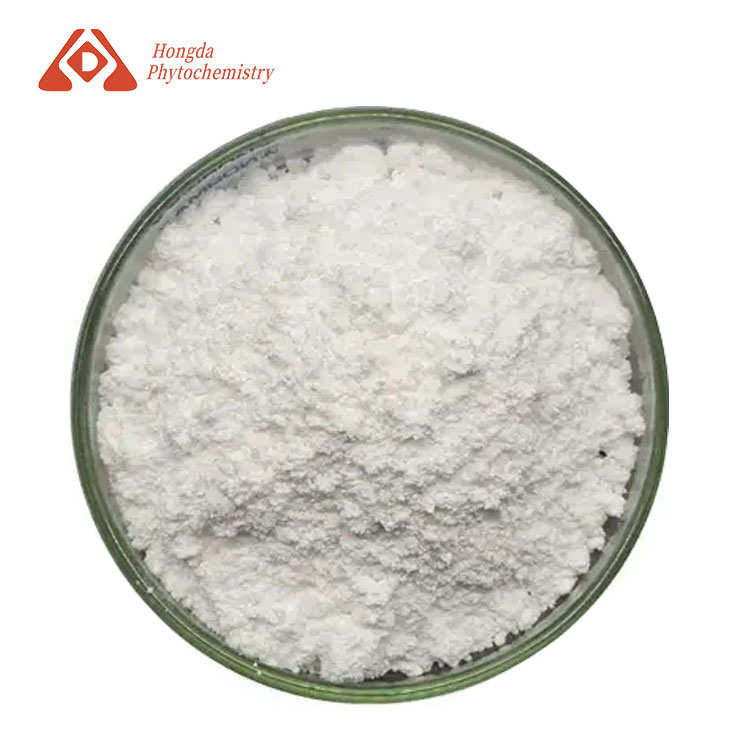
The lyophilized, solid-state form of oxytocin is known as oxytocin powder. Wholesale oxytocin powder is a nine-amino-acid peptide hormone that has its chemical identity recorded under the CAS number 50-56-6. By virtue of the fact that the freeze-dried format of oxytocin powder is far more stable during storage and transportation than a liquid solution, it is highly desired in the pharmaceutical manufacturing industry. This is because it enables drug manufacturers to precisely reconstitute the powder at the site of formulation. It is necessary to use controlled synthesis, several purification passes, and lyophilization under stringent environmental conditions in order to produce oxytocin powder of pharmaceutical quality. This is done in order to avoid the disulfide-bridged ring structure, which is responsible for the biological action of the molecule, from experiencing degradation. Considering that the consistency of the particle size and the limitations of the remaining solvent are both criteria that determine how reliably the powder dissolves into an injectable solution, facilities that operate with oxytocin powder are required to regulate both of these aspects. This fundamental step of manufacture establishes the basis for all subsequent therapeutic applications of the substance.[2][3]
Molecular Identity and Pharmaceutical-Grade Specifications
Before a drug formulator will accept a batch of oxytocin powder that is intended for use in the pharmaceutical industry, the powder must first be validated against a predetermined molecular and analytical profile. The term "potency" is commonly given in international units per milligram, and it is anticipated that pharmacopeia-grade substance will fall within a narrowly specified test range that can be verified by high-performance liquid chromatography. Because oxytocin powder is commonly delivered as an acetate salt for increased stability, producers evaluate related compounds, peptide-related contaminants, residual moisture, and acetic acid concentration in addition to determining the potency of the product. In order to ensure that oxytocin powder satisfies USP or EP-referenced specifications before it is put into production by a client, it is necessary to have laboratories that are equipped with high-performance liquid chromatography (HPLC) systems, polarimeters, and spectrophotometers. These laboratories are comparable to the testing infrastructure that Hongda has constructed in collaboration with university researchers.[3]
Why Purity and Potency Define Clinical-Grade Oxytocin Powder
Because oxytocin Acetate Powder is eventually packaged into injectable medications that are given to patients throughout the labor and delivery process, purity is not only a matter of aesthetic preference but rather a need for therapeutic practice. Oxytocin powder may have trace contaminants, high endotoxin levels, or uneven potency, all of which can affect dosage precision and patient safety in a therapeutic area where timing and the intensity of the uterotonic action are very important. Reputable vendors examine each batch of oxytocin powder for the presence of microbial load, heavy metals, and pesticide residues that have been carried over from the manufacturing of the ingredient further upstream. This ensures that the ingredient is really ready for use in the pharmaceutical industry, rather than only being intended for laboratory use. For this reason, purchasers who are looking for oxytocin powder for the purpose of medication manufacture should give preference to providers that offer complete certificates of analysis rather than relying just on a basic specification sheet by themselves.

Specification
|
Items
|
Standard
|
|
Appearance
|
White or almost white powder
|
|
Dissolubility
|
Very soluble in water. It dissolves in diluteSolutions of acetic acid and of ethanol (96%)
|
|
HPLC
|
Retention time conforms to that of reference
|
|
Ph
|
3.0-6.0
|
|
Water (KF)
|
≤5.0%
|
|
Related substances(by HPLC)
|
Individual ≤1.5%Together ≤5.0%
|
|
Amino acids
|
Asp 0.90~1.10Glu 0.90~1.10Pro 0.90~1.10Gly 0.90~1.10Leu 0.90~1.10Ile 0.90~1.10Tyr 0.70~1.05Half-Cys 1.40~2.10
|
|
Acetic acid (by HPLC)
|
6%-10%
|
|
Bacterial endotoxin
|
<300 IU/mg
|
|
Total bacterial count
|
≤100 CFU/g
|
|
Assay (by HPLC)
|
93.0%~102.0%
|
|
Activity
|
Potency≥480 IU/mg
|
|
Conclusion
|
It conforms to EP 8.0 and USP 37.
|
|
Storage
|
Protection to light, at a temperature of 2 °C to 8 °C.
|
Please contact us get product COA and more information:duke@hongdaherb.com
NOTE:This Is Exclusively For Use By Professional Institutions. It Is Not A Consumer Product. Unauthorized Purchase And Use By Individuals Is Prohibited.
Core Pharmaceutical Applications of Oxytocin Powder
Labor Induction and Labor Augmentation Formulations
When it comes to the creation of pharmaceuticals, the most well-known use of Oxytocin Powder is as the active ingredient in medications that are used to either induce or enhance labor. Oxytocin powder, once reconstituted and made into a sterile injectable solution, produces regular uterine contractions, therefore assisting doctors in the management of labor that has stalled or has to be triggered for medical reasons. Because the dose in this context is carefully titrated, often by regulated intravenous infusion, in order to mirror natural contraction patterns as precisely as possible, formulators depend on oxytocin powder that has been proven to have a high level of efficacy. Especially in light of the fact that maternal health programs are expanding throughout both established and developing countries, pharmaceutical businesses that produce labor-management injectables are dependent on a reliable and well-documented supply of oxytocin powder in order to maintain regular production schedules..[2][5]
Postpartum Hemorrhage Prevention and Management
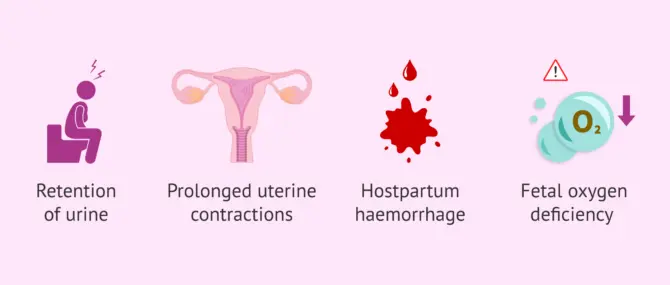
In addition to its use in labor management, oxytocin powder is an essential component of formulations that are used for the prevention and treatment of postpartum hemorrhage, which is one of the main causes of maternal death around the globe. Following birth, the administration of a prepared oxytocin product causes the uterus to contract vigorously, which in turn helps to constrict blood vessels at the placental location, therefore minimizing the amount of excessive bleeding that the mother experiences. For a considerable amount of time, international health organizations have acknowledged that uterotonic medications that are constructed on oxytocin powder are an effective first-line intervention in this particular scenario. This has resulted in a continual need for pharmaceutical-grade supplies at the institutional and hospital level. Buyers of active pharmaceutical ingredients (API) need to ensure that they get oxytocin powder from a company that is capable of increasing production without compromising the uniformity that is required by hospital formularies and public health procurement programs.[1][4][5]
Veterinary Obstetric and Lactation Support Products
The use of oxytocin powder in stock is not restricted to the pharmaceutical industry; it is also manufactured into veterinary products that provide assistance with the management of breastfeeding and obstetric care in animals. For the purpose of assisting uterine contractions during difficult deliveries, supporting the ejection of the placenta, and treating some instances of agalactia, which occurs when milk let-down is inadequate, formulations that are based on oxytocin powder are used in the field of livestock and companion animal medicine. In addition, oxytocin powder is used by veterinary pharmaceutical firms in the development of products that are intended to complement treatment procedures for mastitis by stimulating the elimination of all milk particles. Despite the fact that the testing criteria for this market segment are organized slightly differently, providers of oxytocin powder for this market segment are still required to verify consistent quality. This is due to the fact that animal health rules in certain countries vary from human pharmaceutical standards.
Research, Diagnostic, and Specialty Formulation Uses
An increasing portion of the market for oxytocin powder originates from research institutes and specialized formulation makers that are investigating novel delivery techniques and expanding clinical uses. In the process of developing analytical methods, conducting receptor-binding studies, and conducting stability trials for next-generation administration forms like nasal sprays or innovative injection devices, laboratories employ pharmaceutical-grade oxytocin powder as a reference standard. The option to acquire oxytocin powder in research amounts before committing to larger commercial-scale purchases is another essential feature for API suppliers. Contract formulation developers also purchase oxytocin powder in research quantities. This particular sector of demand has a tendency to place a higher priority on the quality of the documentation and the analytical transparency than it does on the sheer volume. As a result, providers of oxytocin powder who are able to handle smaller batches that are well-characterized, in addition to their capacity for bulk manufacture, are rewarded.
Quality Assurance, Certification, and Manufacturing Standards Behind Hongda's Oxytocin Powder
Testing Protocols From Raw Material to Finished Oxytocin Powder
Consistent quality in wholesale oxytocin starts long before the final lyophilization step, beginning with incoming material verification and continuing through in-process checks at each production stage. Hongda's approach reflects this end-to-end mindset, with more than 150 workshop operation technicians and over 20 professor-level research and testing personnel overseeing the production of oxytocin powder and related ingredients. Finished oxytocin powder is assayed using high-performance liquid chromatography for potency and related substances, while separate testing lines confirm moisture content, heavy metal levels, and microbial limits before a batch is cleared for shipment. This layered testing structure is designed to catch quality deviations early, rather than relying solely on a single release test at the end of the process.[3][6]
International Certifications Supporting Global Pharmaceutical Compliance
Buyers of oxytocin powder for regulated pharmaceutical use increasingly expect suppliers to hold a documented portfolio of international certifications rather than a single generic quality claim. Hongda has built this portfolio over more than two decades, adding cGMP, FSSC22000, ISO22000, ISO9001, and EU and NOP organic certifications alongside earlier FDA, Halal, Kosher, and BRC certifications. This certification base supports pharmaceutical buyers who need to demonstrate supply chain compliance to their own regulators when importing Oxytocin Powder for injectable drug manufacturing. The table below summarizes the certification landscape relevant to sourcing decisions.
|
Certification
|
Category
|
Relevance to Oxytocin Powder Buyers
|
|---|---|---|
|
cGMP
|
Manufacturing Quality
|
Confirms controlled, documented production processes
|
|
FSSC22000 / ISO22000
|
Safety Management
|
Supports supply chain safety documentation
|
|
ISO9001
|
Quality Management
|
Demonstrates systemic process consistency
|
|
FDA Certification
|
Regulatory Compliance
|
Relevant for buyers supplying US-linked markets
|
|
Organic (EU) / Organic (NOP)
|
Sourcing Standard
|
Applicable to related natural-origin ingredient lines
|
|
Halal / Kosher / BRC
|
Market Access
|
Broadens acceptance across diverse export markets
|
For pharmaceutical buyers who require full documentation packages before placing a bulk oxytocin powder order — including certificates of analysis, safety data sheets, and supporting regulatory files — Hongda's technical team can be reached directly at duke@hongdaherb.com to arrange sample testing and compliance verification ahead of a commercial agreement.

Batch Traceability and Documentation for Bulk Buyers
Traceability is a practical requirement for any pharmaceutical buyer importing oxytocin powder, since regulators typically expect a clear paper trail from raw material through to finished packaging. Hongda organizes its 3,000-square-meter warehouse into dedicated storage zones with professional sterilization oversight, supporting orderly batch segregation and inventory control for ingredients including oxytocin powder. Each shipment of oxytocin powder is intended to be accompanied by batch-specific documentation, including certificates of analysis generated from in-house testing, so that buyers can match incoming material against internal quality release criteria without delay. This structured recordkeeping is particularly valuable for pharmaceutical companies operating under strict audit requirements from their own national health authorities, and it also simplifies internal quality reviews whenever a formulator needs to reconcile incoming oxytocin powder lots against earlier production records.
Sourcing, Packaging, and Supply Chain Considerations for Bulk Oxytocin Powder BuyersRecommended Storage and Handling Conditions
Oxytocin powder for sale is sensitive to heat, moisture, and prolonged light exposure, all of which can accelerate degradation of the peptide's disulfide bridge and reduce its biological potency over time. Pharmaceutical buyers are generally advised to store oxytocin powder in a cool, dry environment, sealed against humidity, with refrigerated or frozen storage recommended for extended shelf life in warmer climates. Handling procedures should minimize repeated exposure to ambient air once a container of oxytocin powder is opened, since moisture uptake can compromise both potency and reconstitution behavior. Manufacturers that clearly communicate these storage parameters, along with validated stability data, make it considerably easier for downstream formulators to build reliable production schedules around incoming oxytocin powder shipments.[2][3]
Packaging Options, Order Quantities, and Lead Times
Because pharmaceutical buyers range from small research labs to large-scale drug manufacturers, flexible packaging for oxytocin powder is an important part of a supplier's commercial offering. Smaller sample quantities allow formulation teams to run compatibility and stability trials before committing to a full production order of oxytocin powder, while drum-scale packaging supports manufacturers running continuous injectable production lines. With an annual output capacity reaching roughly 3,000 tons across its ingredient portfolio, Hongda is structured to support both evaluation-stage orders and recurring bulk supply agreements for oxytocin powder. The table below outlines representative packaging tiers used by pharmaceutical ingredient buyers.
|
Package Size
|
Typical Buyer
|
Common Purpose
|
|---|---|---|
|
Sample size (grams)
|
Research labs, QC teams
|
Analytical evaluation, stability testing
|
|
1–5 kg
|
Small formulation developers
|
Pilot batch production
|
|
25 kg drum
|
Mid-scale manufacturers
|
Standard commercial production runs
|
|
Custom bulk volume
|
Large pharmaceutical manufacturers
|
Continuous injectable manufacturing
|
Choosing a Reliable Oxytocin Powder Supplier
Selecting a dependable oxytocin powder supplier ultimately comes down to three factors: verified quality systems, sufficient production capacity, and transparent documentation. A supplier with dedicated planting bases, in-house R&D institutions, and a modern purification facility, as Hongda maintains, is better positioned to keep the supply of oxytocin powder consistent even as demand fluctuates across regions and seasons. Pharmaceutical buyers should also weigh a supplier's certification history and responsiveness to technical questions, since these factors tend to predict how smoothly a long-term sourcing relationship for oxytocin powder will run. Companies planning to scale maternal health or veterinary product lines benefit most from partnering early with a manufacturer capable of growing alongside their production needs. It is also worth confirming how a supplier handles communication during lead-time changes or supply constraints, since ingredient continuity for oxytocin powder can directly affect a formulator's own production calendar and client commitments.
Conclusion
Oxytocin Powder remains a foundational ingredient across labor management, postpartum hemorrhage prevention, veterinary care, and pharmaceutical research. Its clinical value depends entirely on consistent purity, potency, and documentation, which is why sourcing decisions matter as much as formulation science. Shaanxi Hongda Phytochemistry Co., Ltd. brings together modern manufacturing infrastructure, a certified quality system, and decades of production experience to support pharmaceutical companies building reliable oxytocin powder supply chains. Buyers evaluating a new or additional source for oxytocin powder are encouraged to request documentation and samples directly to see how Hongda's standards align with their own production requirements.
Frequently Asked Questions1. What is oxytocin powder mainly used for in pharmaceutical production?
It is primarily formulated into injectable medicines for labor induction, labor augmentation, and postpartum hemorrhage management.
2. Is oxytocin powder used in veterinary medicine as well?
Yes, it supports veterinary formulations for animal births, retained placenta cases, and certain lactation-related treatments.
3. What certifications does Hongda's oxytocin powder carry?
It is backed by cGMP, ISO9001, ISO22000, FSSC22000, FDA, Halal, Kosher, BRC, and EU/NOP organic certifications.
4. How should oxytocin powder be stored?
It should be kept cool, dry, and protected from light and moisture, with refrigeration recommended for long-term stability.
Partner With HONGDA for Reliable Oxytocin Powder Supply
If your team is evaluating a new supplier for pharmaceutical-grade Oxytocin Powder, HONGDA offers the manufacturing scale, certification portfolio, and technical documentation needed to support consistent, compliant production. From sample testing to recurring bulk orders, our team is ready to walk you through specifications, certificates of analysis, and lead times tailored to your project. Reach out today at duke@hongdaherb.com to start a conversation about your oxytocin powder requirements and discover why pharmaceutical manufacturers continue to choose HONGDA as a long-term ingredient partner.
References
1. World Health Organization. WHO Recommendations for the Prevention and Treatment of Postpartum Haemorrhage.
2. Gimpl, G., and Fahrenholz, F. The Oxytocin Receptor System: Structure, Function, and Regulation. Physiological Reviews.
3. United States Pharmacopeia. Oxytocin Official Monograph, USP-NF.
4. American College of Obstetricians and Gynecologists. Practice Bulletin on Postpartum Hemorrhage Management.
5. U.S. Food and Drug Administration. Prescribing Information for Oxytocin Injection.
6. International Council for Harmonisation. ICH Q7 Good Manufacturing Practice Guide for Active Pharmaceutical Ingredients.