


_1745918362135.webp)

What Is the Best Way to Use Berberine Powder Bulk?
Struggling with fluctuating blood sugar levels, stubborn weight management challenges, or elevated cholesterol that won't budge despite your best efforts? You're not alone. Thousands of health-conscious individuals and supplement manufacturers face the critical decision of how to properly utilize Berberine Powder Bulk to unlock its remarkable metabolic benefits. The answer lies in understanding optimal dosing protocols, bioavailability enhancement strategies, and quality sourcing from certified suppliers like Shaanxi Hongda Phytochemistry. This comprehensive guide reveals evidence-based methods for maximizing berberine powder benefits while ensuring safety, efficacy, and measurable health outcomes through pharmaceutical-grade Berberine Powder Bulk applications.
Understanding Berberine Powder Bulk and Its Therapeutic Potential
Berberine Powder Bulk represents a concentrated natural alkaloid extracted primarily from plants including Berberis aristata, Coptis chinensis, and related species. This bioactive compound has earned significant scientific validation for its multifaceted health applications, particularly in metabolic syndrome management. The pharmaceutical-grade berberine powder benefits extend across multiple physiological pathways, making it an invaluable ingredient for supplement manufacturers, healthcare practitioners, and informed consumers seeking natural therapeutic alternatives. The compound works by activating AMPK (adenosine monophosphate-activated protein kinase), often called the body's metabolic master switch. This enzyme activation triggers a cascade of beneficial effects including enhanced glucose uptake, improved insulin sensitivity, and optimized fat metabolism. Clinical research demonstrates that Berberine Powder Bulk, when properly standardized to 97-98% berberine hydrochloride content, delivers consistent therapeutic outcomes comparable to certain pharmaceutical interventions. The standardization is critical because it ensures predictable dosing and reliable efficacy across different formulations. High-quality Berberine Powder Bulk from certified manufacturers like Shaanxi Hongda Phytochemistry undergoes rigorous quality control testing including HPLC analysis for purity verification, heavy metal screening via ICP-MS, pesticide residue testing, and microbial contamination assessment. These quality assurance protocols guarantee that the final product meets international pharmaceutical standards including cGMP, ISO 9001, ISO 22000, and organic certifications. The botanical source matters significantly because different plant species yield varying alkaloid profiles, with Coptis chinensis and Berberis aristata recognized as premium sources for pharmaceutical-grade extraction.

Key Quality Indicators for Premium Berberine Powder Bulk
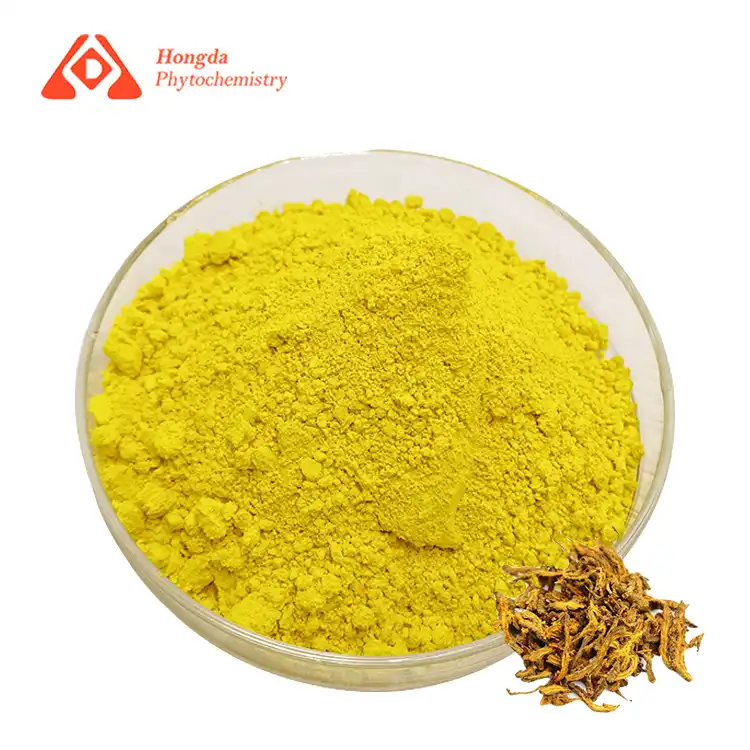
When sourcing Berberine Powder Bulk for commercial or personal applications, specific quality markers distinguish pharmaceutical-grade material from inferior products. The berberine hydrochloride content should measure at minimum 97% purity as verified through High-Performance Liquid Chromatography analysis. Heavy metal contamination must remain below stringent limits with lead under 2 ppm, arsenic below 1 ppm, cadmium under 1 ppm, and mercury below 0.1 ppm. Microbiological safety parameters include total plate count under 1000 CFU per gram, yeast and mold below 100 CFU per gram, and complete absence of pathogenic organisms including Salmonella, E. coli, and Staphylococcus aureus. Particle size distribution significantly impacts bioavailability and formulation versatility. Premium Berberine Powder Bulk typically features particle sizes ranging from 20 to 200 micrometers, with custom milling available for specific applications. The powder should exhibit a characteristic light yellow color, fine texture, and minimal clumping when stored properly. Solubility characteristics matter particularly for beverage applications, with pharmaceutical-grade berberine hydrochloride demonstrating superior water solubility compared to berberine sulfate or crude extracts. Manufacturers like Shaanxi Hongda provide comprehensive Certificates of Analysis documenting all quality parameters, ensuring regulatory compliance and product consistency across batches.
Optimal Dosing Protocols for Berberine Powder Bulk
The scientific literature consistently supports specific dosing regimens to maximize berberine powder benefits while minimizing gastrointestinal side effects. The standard therapeutic dose ranges from 900 to 1500 milligrams daily, divided into two or three separate administrations. This divided dosing strategy accounts for berberine's relatively short half-life of approximately 5 to 6 hours, ensuring sustained blood levels throughout the day. Clinical trials demonstrating significant metabolic improvements typically employed 500 milligrams taken three times daily with meals, totaling 1500 milligrams per day. Timing relative to meals proves crucial for optimizing absorption and therapeutic efficacy. Taking Berberine Powder Bulk 15 to 30 minutes before meals allows the compound to be present in the digestive system when glucose from food enters the bloodstream. This strategic timing enhances berberine's glucose-regulating effects by improving cellular insulin sensitivity at precisely the moment when blood sugar elevation occurs. The meal-timing approach also helps mitigate common gastrointestinal side effects including mild cramping, gas, or loose stools that some individuals experience with berberine supplementation. For individuals new to Berberine Powder Bulk, a gradual introduction strategy minimizes adverse reactions while allowing the body to adapt. Beginning with a low dose of 250 to 500 milligrams once daily for the first week, then progressively increasing to the standard therapeutic dose over two to three weeks provides optimal tolerance development. This titration approach proves particularly important because berberine exerts antimicrobial effects on gut bacteria, and sudden high doses can temporarily disrupt the intestinal microbiome balance. Combining berberine powder benefits with probiotic supplementation supports healthy gut flora maintenance during the adaptation period.
Administration Methods for Different Applications
Berberine Powder Bulk offers remarkable versatility in administration methods, making it suitable for diverse applications from dietary supplements to functional beverages. The most straightforward method involves encapsulation using vegetable cellulose capsules, typically size 0 or 00, allowing precise 500-milligram servings. This method provides convenience, portability, and taste masking since berberine possesses a distinctly bitter flavor profile that many users find unpalatable when taken directly. For those preferring powder administration, mixing Berberine Powder Bulk into smoothies, protein shakes, or juice effectively masks the bitter taste while maintaining bioavailability. Adding the powder to beverages containing healthy fats like coconut oil, avocado, or nut butter may enhance absorption due to berberine's lipophilic properties. Some practitioners recommend combining the powder with apple cider vinegar or lemon juice, creating a therapeutic tonic that capitalizes on the potential synergistic effects between berberine and acetic acid for blood sugar management. Pharmaceutical manufacturers and supplement companies utilize Berberine Powder Bulk in various formulation matrices including tablets, soft gels, and delayed-release preparations. Advanced delivery systems such as liposomal berberine or phytosome technology significantly enhance bioavailability by protecting the compound from degradation in the acidic stomach environment and improving cellular uptake. Shaanxi Hongda Phytochemistry offers Berberine Powder Bulk in customizable particle sizes suitable for direct compression tableting, wet granulation, or encapsulation processes, with technical support for formulation optimization. The company's pharmaceutical-grade material meets specifications for dissolution rates, flow properties, and compressibility essential for large-scale commercial production.
Maximizing Berberine Powder Benefits Through Strategic Combinations
While Berberine Powder Bulk delivers impressive standalone therapeutic effects, strategic combinations with complementary compounds can amplify benefits and address multiple health concerns simultaneously. Pairing berberine with chromium picolinate creates a powerful synergy for blood sugar regulation because chromium enhances insulin receptor sensitivity while berberine improves cellular glucose uptake through AMPK activation. Clinical studies utilizing combination protocols report superior glycemic control compared to either compound alone, with particularly notable improvements in fasting blood glucose and hemoglobin A1c levels. Ceylon cinnamon extract represents another evidence-based combination partner, offering complementary mechanisms for metabolic health support. Cinnamon contains polyphenolic compounds that inhibit enzymes involved in carbohydrate digestion while improving insulin signaling pathways. When combined with Berberine Powder Bulk, this botanical duo addresses blood sugar management from multiple angles including reduced post-meal glucose spikes, enhanced insulin sensitivity, and improved lipid profiles. The recommended ratio typically involves 500 milligrams berberine with 200 to 500 milligrams standardized cinnamon extract per serving. Alpha-lipoic acid (ALA) serves as an excellent complementary antioxidant that enhances berberine powder benefits through protection against oxidative stress commonly associated with metabolic dysfunction. ALA supports mitochondrial function, the cellular powerhouses responsible for energy production, while berberine optimizes how cells utilize that energy. This combination proves particularly valuable for individuals with metabolic syndrome because it addresses both the inflammatory and metabolic components of the condition. Milk thistle extract or N-acetyl cysteine can further support liver health, important considerations given that berberine influences hepatic glucose production and lipid metabolism.
Bioavailability Enhancement Strategies
Berberine's primary therapeutic limitation involves relatively poor oral bioavailability, with only 5 to 10 percent of ingested berberine reaching systemic circulation. This absorption challenge stems from extensive first-pass metabolism in the liver, poor water solubility, and active efflux by intestinal P-glycoprotein transporters. However, several evidence-based strategies can substantially improve berberine absorption and maximize therapeutic benefits from Berberine Powder Bulk. Piperine, the active alkaloid in black pepper extract, functions as a potent bioavailability enhancer through multiple mechanisms including inhibition of glucuronidation enzymes and P-glycoprotein transporters that would otherwise rapidly eliminate berberine. Studies demonstrate that co-administration of 5 to 20 milligrams piperine with berberine can increase berberine blood levels by 100 to 300 percent. This enhancement occurs without requiring increased berberine doses, effectively improving the therapeutic impact while maintaining safety margins. Consuming Berberine Powder Bulk with healthy dietary fats represents another practical bioavailability optimization strategy. The lipophilic nature of berberine means it exhibits improved absorption when taken alongside fat-containing foods or supplements. Incorporating berberine into formulations containing medium-chain triglyceride oil, phosphatidylcholine, or other lipid carriers can significantly enhance absorption. Advanced pharmaceutical delivery systems including liposomal encapsulation, phytosome complexation with phosphatidylserine, or solid lipid nanoparticles represent cutting-edge approaches for maximizing berberine bioavailability in commercial supplement formulations.
Manufacturing and Quality Considerations for Berberine Powder Bulk
Professional supplement manufacturers and health practitioners must prioritize sourcing Berberine Powder Bulk from certified suppliers with documented quality assurance systems. Shaanxi Hongda Phytochemistry exemplifies industry-leading standards with comprehensive certifications including cGMP, FSSC22000, ISO 9001, ISO 22000, HALAL, KOSHER, ORGANIC (EU and NOP), BRC, and VEGAN certifications. These credentials provide assurance that the manufacturing facility maintains pharmaceutical-grade cleanliness, employs validated extraction processes, and implements rigorous quality control at every production stage. The extraction methodology significantly influences final product quality and purity. Ethical manufacturers utilize environmentally responsible extraction techniques employing food-grade ethanol or water as solvents rather than harsh chemical extractants. The multi-stage purification process should include chromatographic separation, crystallization, and controlled drying in temperature-regulated environments to produce fine, uniform powder meeting pharmaceutical specifications. Shaanxi Hongda maintains dedicated planting bases for key botanical sources including Coptis chinensis, ensuring raw material traceability, pesticide-free cultivation, and optimal harvesting timing when alkaloid concentrations peak. Third-party testing verification provides independent validation of product quality claims beyond manufacturer certificates. Reputable suppliers willingly provide access to recent Certificates of Analysis from accredited laboratories conducting comprehensive safety and purity testing. These analyses should document berberine content via HPLC, heavy metal levels through ICP-MS, pesticide residue screening covering hundreds of compounds, microbiological safety testing, and allergen verification. The testing frequency should occur for every production batch, with documentation maintained for regulatory compliance and customer transparency.
Storage and Stability Requirements
Proper storage of Berberine Powder Bulk proves essential for maintaining potency, purity, and therapeutic efficacy throughout the product shelf life. The compound exhibits good stability under appropriate conditions but can degrade when exposed to excessive heat, light, moisture, or oxygen. Pharmaceutical-grade berberine powder should be stored in sealed, moisture-barrier containers protected from direct sunlight and maintained at temperatures below 25 degrees Celsius with relative humidity under 60 percent. These conditions ensure 36-month stability as documented through accelerated aging studies conducted by quality manufacturers. For supplement manufacturers purchasing Berberine Powder Bulk in large quantities, proper warehouse management becomes crucial. The powder should arrive in HDPE barrels or nitrogen-flushed aluminum foil bags providing robust protection against environmental degradation. Upon receipt, materials should be transferred to climate-controlled storage areas with monitored temperature and humidity levels. Implementing first-in-first-out inventory rotation prevents prolonged storage that might compromise product quality even when conditions remain optimal. Finished supplement products containing berberine require similar protective packaging considerations. Light-resistant bottles, blister packaging with aluminum backing, or individual serving packets help preserve potency through the consumer usage period. Adding desiccant packets to bulk powder containers or bottled supplements controls moisture exposure that could trigger degradation or clumping. Quality manufacturers like Shaanxi Hongda Phytochemistry provide stability data and storage recommendations specifically tailored to their Berberine Powder Bulk formulations, ensuring customers can confidently guarantee product quality throughout distribution and consumer usage phases.
Clinical Applications and Evidence-Based Uses
The robust scientific literature supporting Berberine Powder Bulk applications spans multiple therapeutic areas with particularly strong evidence for metabolic health conditions. For Type 2 diabetes management, multiple systematic reviews and meta-analyses demonstrate that berberine supplementation significantly reduces fasting blood glucose, post-meal blood sugar elevations, and hemoglobin A1c levels. The glucose-lowering effects compare favorably to metformin monotherapy, with some studies showing equivalent efficacy when berberine is used at therapeutic doses. The compound works through multiple complementary mechanisms including enhanced insulin secretion, improved insulin receptor sensitivity, reduced hepatic glucose production, and slowed carbohydrate absorption in the intestines. Cardiovascular health represents another well-documented application for berberine powder benefits. Clinical trials consistently show that berberine supplementation reduces total cholesterol, LDL cholesterol, and triglyceride levels while modestly increasing HDL cholesterol. The lipid-lowering effects stem from berberine's ability to upregulate hepatic LDL receptors, reduce PCSK9 protein that degrades LDL receptors, and inhibit cholesterol synthesis pathways. Studies combining berberine with conventional statin therapy report additive cholesterol-lowering effects without increasing adverse event rates, suggesting potential utility for individuals with statin intolerance or those requiring additional lipid management beyond standard therapy.
Weight management and body composition improvement constitute increasingly recognized applications for Berberine Powder Bulk. Research indicates that berberine supplementation promotes modest but clinically meaningful weight loss averaging 2 to 5 kilograms over 12-week intervention periods. The weight loss mechanisms involve multiple pathways including reduced fat cell formation (adipogenesis), enhanced fat cell breakdown (lipolysis), improved insulin sensitivity that reduces fat storage signals, and possible effects on satiety hormones. For individuals with metabolic syndrome or polycystic ovary syndrome, berberine addresses multiple syndrome components simultaneously including insulin resistance, dyslipidemia, elevated blood pressure, and central adiposity.
Safety Profile and Contraindications
Berberine Powder Bulk demonstrates an excellent safety profile when used at recommended therapeutic doses by appropriate populations. Clinical trials involving thousands of participants report that berberine is well-tolerated with adverse events typically limited to mild, transient gastrointestinal symptoms. The most common side effects include loose stools, constipation, abdominal cramping, or gas, typically occurring during the initial supplementation period and resolving as the body adapts. These gastrointestinal effects likely reflect berberine's antimicrobial activity temporarily altering gut microbiome composition, emphasizing the value of gradual dose escalation protocols. Several important contraindications and precautions warrant consideration. Pregnant and breastfeeding women should avoid berberine supplementation due to potential risks including uterine stimulation and passage into breast milk with possible effects on infant health. Individuals taking medications metabolized through cytochrome P450 enzymes, particularly CYP3A4 and CYP2D6, should consult healthcare providers because berberine can inhibit these enzymes and potentially alter medication blood levels. Drugs with known interactions include cyclosporine, tacrolimus, certain antidepressants, and some cardiovascular medications. Berberine also exhibits additive effects with diabetes medications, necessitating careful blood sugar monitoring and possible medication dose adjustments under medical supervision. Individuals with Gilbert's syndrome or elevated bilirubin levels should exercise caution because berberine may further increase bilirubin concentrations. Those with existing liver or kidney disease require medical oversight when considering berberine supplementation despite evidence suggesting potential hepatoprotective and nephroprotective effects in certain contexts. The compound's blood pressure-lowering properties mean individuals taking antihypertensive medications should monitor blood pressure closely to avoid excessive reductions. Quality manufacturers like Shaanxi Hongda Phytochemistry provide comprehensive product documentation including safety data sheets and appropriate usage guidelines to support informed decision-making by healthcare practitioners and supplement manufacturers.
Conclusion
Optimizing Berberine Powder Bulk utilization demands understanding of proper dosing protocols, strategic combinations, bioavailability enhancement techniques, and rigorous quality standards. The scientific evidence overwhelmingly supports berberine's therapeutic potential for metabolic health, cardiovascular support, and weight management when sourced from pharmaceutical-grade suppliers. Successfully harnessing berberine powder benefits requires divided daily dosing of 900 to 1500 milligrams taken with meals, gradual introduction to minimize gastrointestinal adaptation, and consideration of complementary compounds like chromium or cinnamon for synergistic effects.
For supplement manufacturers, healthcare practitioners, and health-conscious consumers seeking High Quality Berberine Powder Bulk, partnering with certified China Berberine Powder Bulk suppliers like Shaanxi Hongda Phytochemistry ensures access to pharmaceutical-grade material meeting international standards. As a trusted China Berberine Powder Bulk manufacturer with over 20 years of expertise, Shaanxi Hongda maintains comprehensive certifications including cGMP, FSSC22000, ISO 9001, ISO 22000, HALAL, KOSHER, and ORGANIC credentials, guaranteeing product excellence from botanical source to finished powder. Whether you need China Berberine Powder Bulk wholesale quantities for commercial production or seeking Berberine Powder Bulk for sale with competitive Berberine Powder Bulk price points, direct factory sourcing provides optimal value without quality compromise. Contact duke@hongdaherb.com for detailed specifications, COA documentation, and customized solutions from China's premier Berberine Powder Bulk factory, backed by technical support and regulatory expertise to bring your formulations successfully to market.
References
1. Yin J, Xing H, Ye J. Efficacy of Berberine in Patients with Type 2 Diabetes Mellitus. Metabolism: Clinical and Experimental, 2008.
2. Zhang Y, Li X, Zou D, Liu W, Yang J, Zhu N, Huo L, Wang M, Hong J, Wu P, Ren G, Ning G. Treatment of Type 2 Diabetes and Dyslipidemia with the Natural Plant Alkaloid Berberine. Journal of Clinical Endocrinology & Metabolism, 2008.
3. Dong H, Wang N, Zhao L, Lu F. Berberine in the Treatment of Type 2 Diabetes Mellitus: A Systemic Review and Meta-Analysis. Evidence-Based Complementary and Alternative Medicine, 2012.
4. Cicero AFG, Colletti A, Bajraktari G, Descamps O, Djuric DM, Ezhov M, Fras Z, Katsiki N, Langlois M, Latkovskis G, Panagiotakos DB, Paragh G, Mikhailidis DP, Mitchenko O, Paulweber B, Pella D, Pitsavos C, Reiner Ž, Ray KK, Rizzo M, Sahebkar A, Serban MC, Sperling LS, Toth PP, Vinereanu D, Vrablík M, Wong ND, Banach M. Lipid-Lowering Nutraceuticals in Clinical Practice: Position Paper from an International Lipid Expert Panel. Nutrition Reviews, 2017.
5. Wei W, Zhao H, Wang A, Sui M, Liang K, Deng H, Ma Y, Zhang Y, Zhang H, Guan Y. A Clinical Study on the Short-Term Effect of Berberine in Comparison to Metformin on the Metabolic Characteristics of Women with Polycystic Ovary Syndrome. European Journal of Endocrinology, 2012.