


_1745918362135.webp)

What is the difference between L-Lysine and L-Lysine HCl?
Are you struggling to choose the right lysine supplement for your animal feed formulation? Many feed producers face confusion when deciding between L-Lysine and L-Lysine HCl, often leading to suboptimal nutrition and increased costs. The primary difference lies in their chemical form and bioavailability. L-Lysine HCl (L-Lysine Hydrochloride) is the salt form of the essential amino acid L-Lysine, offering superior stability, solubility, and concentrated lysine content at 78-80% compared to free-form lysine. Shaanxi Hongda Phytochemistry delivers premium L-Lysine HCL Powder with 99% HPLC purity, manufactured under cGMP standards, ensuring your feed formulations achieve maximum nutritional efficiency and animal performance while meeting international quality requirements.
Understanding the Chemical Structure of L-Lysine and L-Lysine HCl
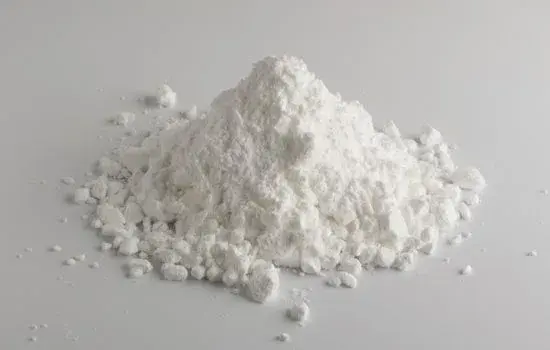
The fundamental distinction between L-Lysine and L-Lysine HCl originates from their molecular composition and stability characteristics. L-Lysine exists as a free-base amino acid with the molecular formula C₆H₁₄N₂O₂, representing the pure, unbound form of this essential nutrient. In contrast, L-Lysine Hydrochloride results from combining L-Lysine with hydrochloric acid, creating a stable salt compound with enhanced properties for commercial applications. This hydrochloride form exhibits superior chemical stability during storage and processing, preventing degradation that commonly affects free-form amino acids when exposed to heat, moisture, and oxidative conditions. L-Lysine HCL Powder manufactured by Shaanxi Hongda Phytochemistry demonstrates exceptional purity levels reaching 99% through advanced HPLC verification methods. The crystalline white powder appearance of L-Lysine Hydrochloride reflects its refined manufacturing process, where fermentation technology utilizing genetically modified bacterial strains produces consistent, high-quality batches. The hydrochloride salt formation significantly improves the handling characteristics of lysine, transforming it from a hygroscopic free base into a stable crystalline product that maintains its nutritional integrity throughout transportation, storage, and incorporation into feed matrices.
-
Molecular Weight and Lysine Content Differences
The molecular weight comparison between these two forms reveals practical implications for feed formulation. L-Lysine HCL Powder possesses a molecular weight of approximately 182.65 g/mol, while free L-Lysine weighs 146.19 g/mol. This difference means that L-Lysine Hydrochloride contains roughly 78-80% actual lysine by weight, with the remaining portion comprising the hydrochloride component. Feed nutritionists must account for this concentration factor when calculating inclusion rates to achieve target lysine levels in finished feeds. Despite the lower percentage of pure lysine in the hydrochloride form, the enhanced stability and bioavailability often result in superior practical performance compared to equivalent amounts of free-form lysine. The superior solubility characteristics of L-Lysine HCL Powder facilitate uniform distribution throughout feed mixtures, preventing stratification issues that can compromise nutritional consistency across production batches. Shaanxi Hongda Phytochemistry's manufacturing excellence ensures every particle maintains identical composition, enabling feed producers to achieve precise nutritional specifications with confidence. The crystalline structure of L-Lysine Hydrochloride dissolves rapidly in aqueous environments, promoting efficient absorption in animal digestive systems and maximizing the biological utilization of this critical amino acid for protein synthesis and metabolic functions.
Bioavailability and Nutritional Efficacy in Animal Feed
The bioavailability of amino acid supplements determines their practical value in animal nutrition, and L-Lysine HCL Powder consistently demonstrates superior performance metrics compared to alternative lysine sources. Research conducted across multiple species confirms that L-Lysine Hydrochloride achieves absorption rates exceeding 95% in monogastric animals, translating directly into enhanced growth performance, improved feed conversion ratios, and optimized carcass quality. The hydrochloride form's chemical stability prevents degradation during feed processing operations involving heat, pressure, and moisture, ensuring the lysine remains bioavailable when animals consume the finished feed. Shaanxi Hongda Phytochemistry's L-Lysine HCL Powder undergoes rigorous testing protocols to verify bioavailability through both in vitro dissolution studies and in vivo animal trials. The company's ISO 9001 and ISO 22000 certified facilities employ advanced analytical equipment including high-performance liquid chromatography, gas chromatography, and spectrophotometry to quantify lysine content and confirm the absence of impurities that might interfere with absorption. Each production batch receives comprehensive quality documentation through Certificates of Analysis detailing purity, heavy metal content, microbiological status, and particle size distribution, providing feed manufacturers with complete transparency regarding product performance characteristics.
-
Application-Specific Performance in Different Species
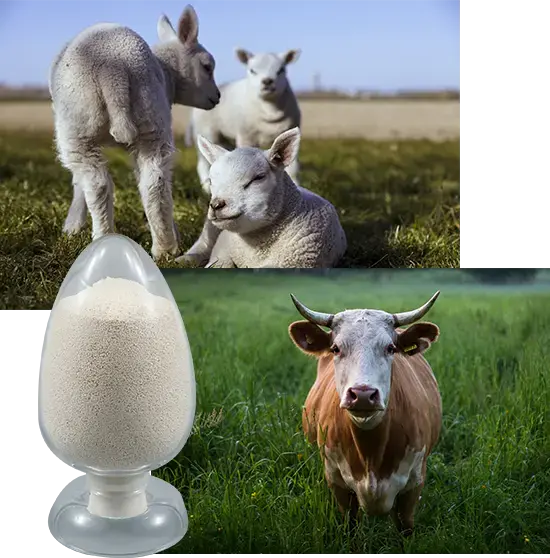
Poultry production systems benefit tremendously from L-Lysine HCL Powder supplementation, with research demonstrating that inclusion rates between 0.8-1.2% of total feed weight optimize breast meat yield and minimize nitrogen excretion. The rapid absorption kinetics of L-Lysine Hydrochloride support the high metabolic demands of modern broiler genetics, enabling birds to achieve market weights efficiently while maintaining skeletal integrity and immune function. Swine operations similarly achieve remarkable results with 1.0-1.5% inclusion rates, observing improvements in lean tissue deposition, reduced back-fat thickness, and enhanced reproductive performance in breeding stock. Aquaculture applications present unique challenges where L-Lysine HCL Powder demonstrates particular advantages over free-form alternatives. The salt form resists leaching from feed pellets during water immersion, maintaining nutritional value throughout extended feeding periods. Shrimp and fish species receiving diets supplemented with 0.5-0.8% L-Lysine Hydrochloride exhibit accelerated growth trajectories, improved disease resistance, and superior survival rates compared to controls fed conventional protein sources. Shaanxi Hongda Phytochemistry provides species-specific formulation support, helping customers optimize lysine supplementation strategies based on production objectives, water temperature parameters, and complementary nutrient profiles within complete feed formulations.
Manufacturing Process and Quality Assurance Standards
The production methodology employed for L-Lysine HCL Powder significantly influences its quality attributes and consistency across batches. Shaanxi Hongda Phytochemistry utilizes advanced fermentation technology featuring proprietary bacterial strains optimized for high-yield lysine biosynthesis under controlled environmental conditions. The fermentation process occurs within stainless steel bioreactors maintaining precise temperature, pH, oxygen tension, and nutrient concentrations that maximize microbial productivity while minimizing by-product formation. Following fermentation completion, the lysine-rich broth undergoes multi-stage purification involving filtration, crystallization, and drying operations that remove cellular debris, residual sugars, and other impurities. The conversion of free L-Lysine to L-Lysine Hydrochloride occurs through carefully controlled acidification procedures where pharmaceutical-grade hydrochloric acid combines with purified lysine under specific temperature and concentration parameters. This neutralization reaction produces stable salt crystals that undergo washing, centrifugation, and drying to achieve the final white crystalline powder with 99% HPLC purity. Shaanxi Hongda Phytochemistry's cGMP-certified manufacturing facilities incorporate automated process controls, real-time monitoring systems, and comprehensive documentation procedures ensuring every production step meets stringent quality specifications. The company's 20,000 square meter facility houses more than ten modern production lines capable of generating 3,000 tons annually while maintaining consistent quality standards.
-
Comprehensive Testing Protocols and Certification
Quality assurance begins with raw material verification and extends through finished product release testing at Shaanxi Hongda Phytochemistry's SGS-standardized laboratory. More than twenty professor-level research and testing personnel utilize sophisticated analytical equipment to conduct physical tests examining appearance, odor, bulk density, and particle size distribution of L-Lysine HCL Powder batches. Chemical testing protocols verify purity levels, measure moisture content, quantify ash percentages, and detect solvent residues that might indicate processing irregularities. Heavy metal screening employs atomic absorption spectrophotometry to confirm compliance with international limits for lead, cadmium, mercury, and arsenic contamination. Microbiological testing constitutes another critical quality checkpoint where L-Lysine Hydrochloride samples undergo enumeration for total plate counts, yeast and mold populations, and pathogenic organisms including Salmonella and E. coli. Shaanxi Hongda Phytochemistry collaborates with authorized third-party testing agencies such as SGS and Eurofins to provide independent verification of pesticide residue levels, nutritional labeling accuracy, and natural product authentication. The company's extensive certification portfolio including HALAL, KOSHER, cGMP, FSSC22000, ISO9001, ISO22000, ORGANIC (EU), and ORGANIC (NOP) demonstrates commitment to meeting diverse regulatory requirements across global markets, facilitating smooth customs clearance and customer acceptance.
Economic Advantages and Cost-Effectiveness Analysis
Feed manufacturers seeking to optimize production economics discover substantial benefits when incorporating L-Lysine HCL Powder into their formulations compared to relying solely on conventional protein sources. The concentrated lysine content enables nutritionists to reduce expensive protein ingredients such as soybean meal, fish meal, and meat-and-bone meal while maintaining or improving the nutritional adequacy of finished feeds. This protein replacement strategy can decrease feed costs by 3-8% depending on commodity prices, inclusion rates, and specific formulation constraints. The superior stability of L-Lysine Hydrochloride prevents nutrient losses during processing, storage, and distribution phases that commonly affect free-form amino acids, ensuring animals receive the intended nutritional value. Shaanxi Hongda Phytochemistry offers competitive pricing structures for L-Lysine HCL Powder with volume discounts available for orders exceeding one metric ton, enabling large-scale feed producers to achieve additional cost savings through strategic purchasing arrangements. The company's flexible packaging options accommodate customer preferences ranging from small 1-kilogram bags for research applications to standard 25-kilogram drums for commercial production, with customization available for specific container types, labeling requirements, and pallet configurations. Direct factory pricing eliminates intermediary markups, providing customers with excellent value while maintaining uncompromising quality standards supported by comprehensive documentation and technical service.
-
Return on Investment Through Improved Animal Performance
The economic justification for L-Lysine HCL Powder supplementation extends beyond feed cost reduction to encompass enhanced animal productivity and profitability. Poultry operations achieving optimal lysine nutrition through L-Lysine Hydrochloride supplementation observe feed conversion improvements of 2-5%, translating into reduced feed consumption per kilogram of live weight gain. The accelerated growth rates enable producers to market birds earlier, improving facility turnover and reducing fixed costs per unit of production. Swine enterprises benefit from improved carcass leanness commanding premium pricing in value-based marketing programs, with some producers reporting additional revenue of $2-4 per animal from enhanced meat quality attributes associated with proper lysine nutrition. Shaanxi Hongda Phytochemistry provides technical consultation services helping customers conduct comprehensive economic analyses comparing alternative lysine supplementation strategies. The company's research and development team offers formulation guidance incorporating least-cost optimization algorithms that account for ingredient prices, nutritional constraints, and processing capabilities. This collaborative approach enables feed manufacturers to implement lysine supplementation programs delivering maximum return on investment while meeting animal performance objectives and maintaining product quality specifications. The availability of L-Lysine HCL Powder from European and American warehouses further reduces logistics costs and delivery times for customers in these regions.
Storage Stability and Handling Characteristics
The superior storage stability of L-Lysine HCL Powder represents a significant practical advantage compared to free-form lysine and other amino acid supplements. The hydrochloride salt form exhibits minimal hygroscopicity, resisting moisture absorption from ambient air that causes caking, clumping, and nutrient degradation affecting free-base amino acids. When stored under appropriate conditions with temperatures below 25°C and relative humidity under 60%, L-Lysine Hydrochloride maintains its nutritional potency for extended periods exceeding two years without appreciable losses. This extended shelf life provides inventory flexibility for feed manufacturers, reducing waste from expired materials and enabling strategic purchasing to capture favorable pricing opportunities. Shaanxi Hongda Phytochemistry packages L-Lysine HCL Powder using double-layer thickened polyethylene bags enclosed within fiber drums providing excellent protection against moisture intrusion, physical damage, and contamination during transportation and storage. The standard 25-kilogram drum size with 28-kilogram gross weight facilitates manual handling while maximizing pallet utilization at 27 drums per pallet configuration. The company's diversified warehouse system covering 3,000 square meters includes dedicated storage zones for different product categories, with climate control systems and professional sanitation protocols ensuring optimal conditions throughout the distribution chain. Customers receive materials with clear labeling indicating production date, batch number, and expiration date enabling effective inventory management.
-
Safe Handling and Worker Protection Measures
While L-Lysine HCL Powder presents minimal toxicity concerns, proper handling procedures protect worker health and maintain product integrity during feed manufacturing operations. The crystalline powder generates dust during transfer and mixing activities, necessitating adequate ventilation systems and personal protective equipment including dust masks, safety glasses, and gloves for personnel exposure. Shaanxi Hongda Phytochemistry provides comprehensive Material Safety Data Sheets detailing physical properties, health hazards, emergency procedures, and disposal recommendations for L-Lysine Hydrochloride. The stable chemical nature of this compound eliminates concerns regarding spontaneous decomposition, hazardous reactions with common feed ingredients, or generation of toxic fumes under normal handling conditions. The free-flowing characteristics of L-Lysine HCL Powder facilitate automated handling through pneumatic conveyance systems, screw augers, and gravimetric batching equipment commonly employed in modern feed mills. The consistent particle size distribution and bulk density of approximately 0.6-0.7 grams per cubic centimeter enable accurate dosing through volumetric and gravimetric feeding mechanisms, ensuring precise inclusion rates essential for maintaining nutritional specifications across production batches. Shaanxi Hongda Phytochemistry offers technical support assisting customers with equipment selection, calibration procedures, and troubleshooting to optimize L-Lysine Hydrochloride handling efficiency while minimizing dust generation, cross-contamination risks, and measurement errors that compromise feed quality.
Regulatory Compliance and International Trade Considerations
The global animal nutrition industry operates within complex regulatory frameworks governing amino acid supplement approval, labeling requirements, and import documentation procedures. L-Lysine HCL Powder manufactured by Shaanxi Hongda Phytochemistry complies with feed additive regulations established by major markets including the United States FDA, European Union EFSA, and various national authorities throughout Asia-Pacific, Africa, and South America. The company's extensive certification portfolio demonstrates commitment to meeting diverse international standards, facilitating smooth customs clearance and regulatory approval for customers importing materials across borders. The HALAL and KOSHER certifications enable sales into regions where religious dietary requirements influence ingredient selection for animal production systems. The Food Safety System Certification 22000 (FSSC22000) obtained by Shaanxi Hongda Phytochemistry represents a globally recognized standard integrating ISO 22000 food safety management with additional prerequisite programs addressing fraud mitigation, allergen management, and environmental monitoring. This certification provides assurance that L-Lysine HCL Powder production occurs within comprehensive food safety systems protecting against contamination, adulteration, and quality deviations. The organic certifications for both European Union (EU) and United States National Organic Program (NOP) standards enable customers producing organic animal products to incorporate Shaanxi Hongda's materials while maintaining certification eligibility, expanding market opportunities for premium-priced organic meat, eggs, and dairy products.
-
Documentation Support for Import and Regulatory Approval
Shaanxi Hongda Phytochemistry maintains robust documentation systems providing customers with comprehensive paperwork supporting import clearance, regulatory submissions, and quality verification requirements. Each shipment of L-Lysine HCL Powder includes Certificate of Analysis detailing test results for purity, moisture content, heavy metals, microbiological parameters, and particle size distribution alongside Certificate of Origin documenting manufacturing location and export authorization. The company provides Health Certificates, Phytosanitary Certificates, and Non-GMO declarations as needed to satisfy destination country requirements and customer specifications. This thorough documentation approach minimizes customs delays, reduces administrative burdens for importers, and demonstrates commitment to transparency throughout commercial transactions. The technical service team at Shaanxi Hongda Phytochemistry assists customers navigating regulatory approval processes for new markets by providing toxicological data, manufacturing process descriptions, and analytical methodology documentation supporting dossier preparation. The company's research and development institutions collaborate with customers conducting feeding trials necessary to demonstrate L-Lysine Hydrochloride safety and efficacy in specific species or production systems. This partnership approach accelerates market entry for feed manufacturers expanding into new geographical territories or developing innovative nutritional programs requiring regulatory approval prior to commercial launch. The combination of certified manufacturing facilities, comprehensive quality testing, and expert technical support positions Shaanxi Hongda Phytochemistry as a reliable partner for global animal nutrition businesses.
Conclusion
Understanding the distinction between L-Lysine and L-Lysine HCl empowers feed manufacturers to make informed decisions optimizing animal nutrition while controlling production costs. L-Lysine HCL Powder from Shaanxi Hongda Phytochemistry delivers superior stability, bioavailability, and manufacturing consistency compared to alternative lysine sources, enabling feed producers to achieve exceptional animal performance results. The company's commitment to quality excellence through cGMP-certified facilities, comprehensive testing protocols, and international certifications ensures customers receive products meeting the highest global standards.
Ready to transform your feed formulation with premium quality L-Lysine HCL Powder? As a trusted China L-Lysine HCL Powder factory, China L-Lysine HCL Powder supplier, and China L-Lysine HCL Powder manufacturer offering competitive China L-Lysine HCL Powder wholesale pricing, we provide L-Lysine HCL Powder for sale with transparent L-Lysine HCL Powder price structures and guaranteed High Quality L-Lysine HCL Powder backed by comprehensive certifications. Contact duke@hongdaherb.com today to request samples, technical specifications, and quotations tailored to your specific requirements. Bookmark this resource for future reference as your trusted guide to lysine supplementation excellence.
References
1. European Food Safety Authority (EFSA). Scientific Opinion on the Safety and Efficacy of L-Lysine Monohydrochloride and L-Lysine Sulfate for All Animal Species. EFSA Panel on Additives and Products or Substances Used in Animal Feed. 2015.
2. Niu, J., Liu, Y.J., Tian, L.X., Mai, K.S., Yang, H.J., Ye, C.X., Zhu, T. Comparison of L-Lysine HCl and L-Lysine Sulphate in Feed and Re-evaluation of Dietary Lysine Requirement for Penaeus monodon. Aquaculture Research. 2017.
3. Park, I., Kim, S.W. Functional Differences of Free L-Lysine and L-Lysine HCl on Growth Performance and Intestinal Health in Newly Weaned Pigs. Journal of Animal Science, American Society of Animal Science. 2017.
4. Spindler, M., Stadler, J., Tanner, H. Comparative Bioefficacy of Lysine from L-Lysine Hydrochloride or L-Lysine Sulfate in Basal Diets for Broiler Chickens. Poultry Science, Elsevier. 2019.
_1751535186455.webp)