


_1745918362135.webp)

What Makes Liposomal Coenzyme Q10 Powder Better Than Regular CoQ10?
Liposomal coenzyme Q10 powder is better because of its novel transport system. Crystalline CoQ10 doesn't dissolve well in water and is only bioavailable in small amounts (less than 5%). Liposomal encapsulation, on the other hand, surrounds the active ingredient in phospholipid bilayers that look like the membranes of human cells. Hongda Phytochemistry is run by the company Shanxi Hongda Phytochemistry Co., Ltd. They make high-tech food ingredients by putting together plant-based raw materials with smart packaging technology and strict quality control systems. Because regular CoQ10 doesn't mix well with water and doesn't absorb much, this Liposomal Coenzyme Q10 powder is made to get around those problems. It gives people who make beauty products, dietary supplements, functional drinks, and sports nutrition more choices because it uses phospholipid-based liposomal delivery technology.CoQ10 is a chemical that is found naturally. It helps mitochondria make energy and keeps cells from getting damaged by free radicals. CoQ10 doesn't dissolve well in water, but it sticks to fats very well, so traditional forms of the supplement often don't work well. It helps spread out chemicals better and keeps CoQ10 safe while it's being digested. This lets formulators make better products that work better and give buyers a better experience.
Understanding Liposomal Coenzyme Q10 Powder and Conventional CoQ10
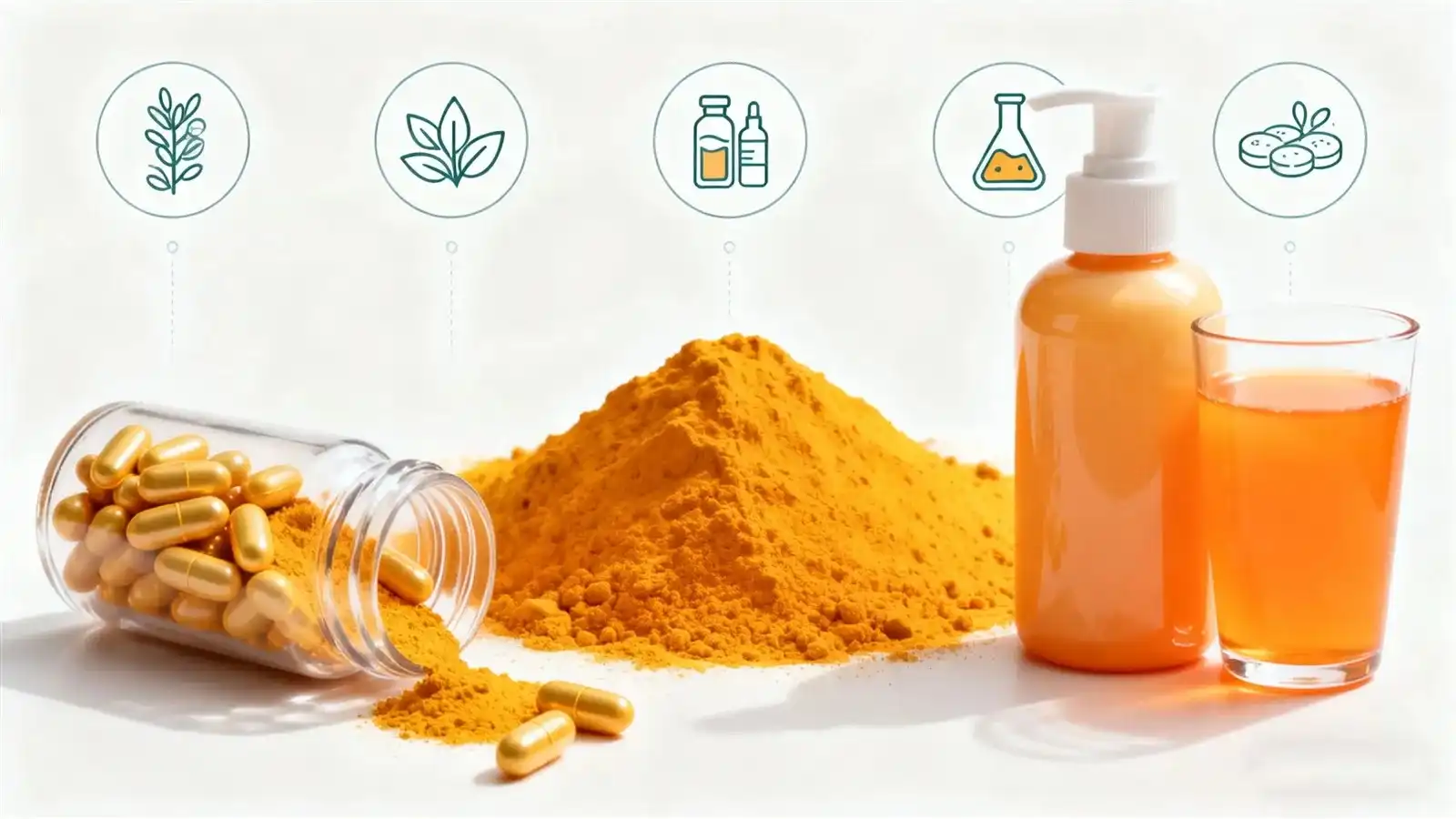
There are different kinds of CoQ10 ingredients, such as normal solid ubiquinone, ubiquinol, oil-based softgels, and liposomal versions. Even though all of them contain CoQ10, the way they work and how easily they can be mixed can be very different.
Why Traditional CoQ10 Has Absorption Challenges
Plain CoQ10 doesn't dissolve easily in water because of the way its molecules are set up. Acids and bases that are hard to dissolve may not be able to be spread and taken in as well because the digestive system is mostly water.
Problems that often come up with traditional CoQ10 are:
- Low ability to spread water
- Formulation freedom is limited
- Problems with using it for drinks
- Using transport devices that run on oil
Manufacturers of supplements may find it hard to make goods other than softgels or pills because of these problems.
How Liposomal Technology Changes CoQ10 Delivery
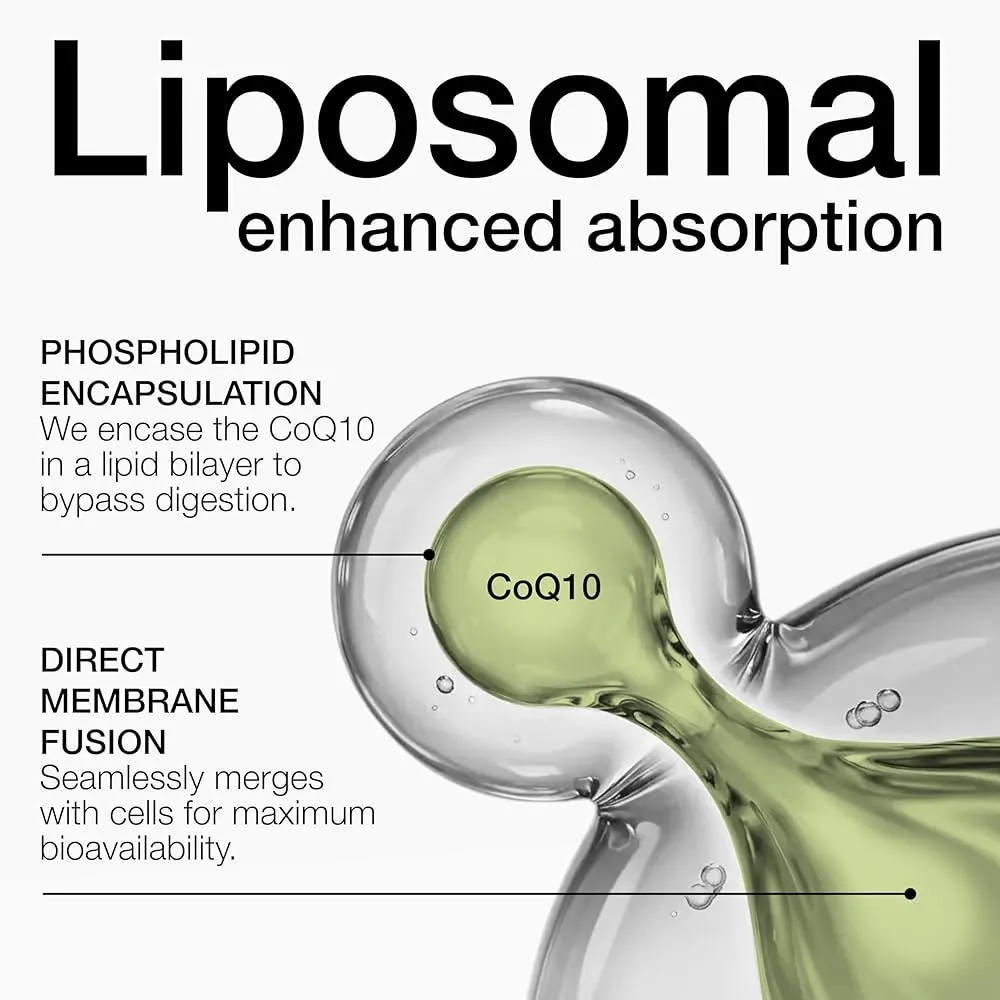
Phospholipid molecules are used in liposome technology to make tiny sacs that hold and protect active ingredients.
These phospholipid structures have the following:
- Heads that are hydrophilic and connect with water
- hydrophobic ends that interact with chemicals that dissolve in fat
CoQ10 naturally mixes with fat, so it can be added to the liposome structure's fatty layer. This form keeps the active ingredient from breaking down and makes it easier for it to spread in wet places.
There are a few important things that a good Liposomal coenzyme Q10 powder generally looks out for, like:
- Size range of particles
- How well encapsulation works
- Concentration of active ingredient
- Stability in storage
- Performance in dispersion
Key Differences Between Liposomal Coenzyme Q10 Powder and Regular CoQ10
The main difference between liposomal and conventional CoQ10 is not the active compound itself, but the delivery system surrounding it.
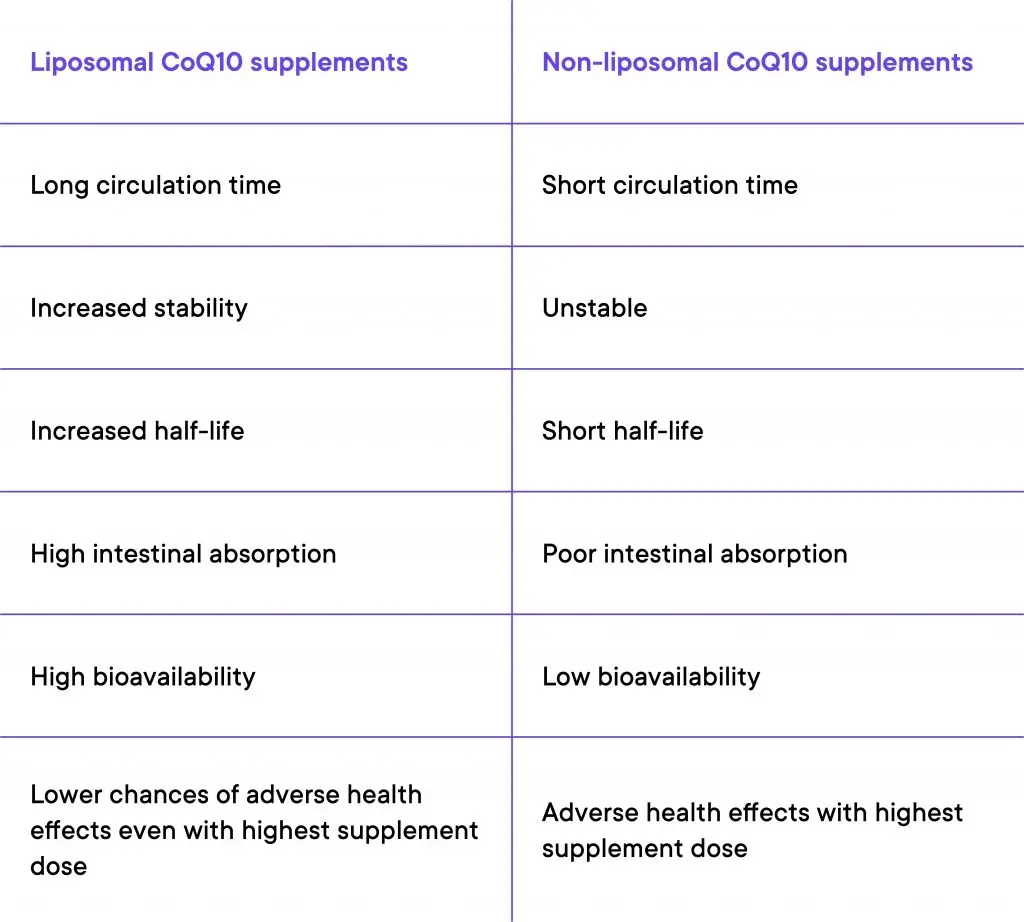
Improved Bioavailability Through Liposomal Encapsulation
Liposomal encapsulation surrounds CoQ10 with a safe structure that makes it more stable during digestion and better able to interact with cellular membranes.
In comparison to regular solid CoQ10, liposomal forms can offer:
- Better spreading in liquid systems
- Better defence against stress from the environment
- Potential for more efficient delivery
- Greater formulation freedom
Researchers looking into better ways to give drugs say that liposomal forms of CoQ10 may help the body absorb it much better than regular products. But the result depends on how the idea is made, how much is given, and how well it is made.
Better Water Compatibility for Modern Product Development
One of the best things about liposomal CoQ10 is that it can be used in situations where regular CoQ10 could not.
This type of CoQ10 is mostly used for:
- Tablets
- pills made of oil
- Powder mixes that need special handling
Liposomal CoQ10 powder gives you more choices for:
- Drinks that are ready to drink
- Nutritional items in powder form
- Foods that are useful
- Supplements for beauty
- Formulations in liquids
This gives brands the freedom to make goods that meet the changing needs of customers who want easy and new Liposomal coenzyme Q10 powder supplement forms.
How Liposomal Encapsulation Improves CoQ10 Stability and Performance
The performance of a liposomal ingredient depends not only on absorption but also on structural stability during storage, transportation, and processing.
Phospholipid-Based Protection Mechanism
The phospholipid membrane works as a wall to protect CoQ10. This building helps protect against:
- Oxygen
- Light
- Stress in the environment
- Changes in chemicals
For producers, better steadiness can help with:
- More time to use
- More steady performance of the product
- Formulation management is easier
For medicinal purposes, Hongda Phytochemistry makes liposomal structures from phospholipids that come from non-GMO sunflower sources.
Particle Size and Encapsulation Efficiency
Liposomal ingredients' particle size is a good way to tell how good they are.
Particles that are smaller and more uniform usually give:
- Better security of spread
- More steady results from the mix
- Better alignment with processes
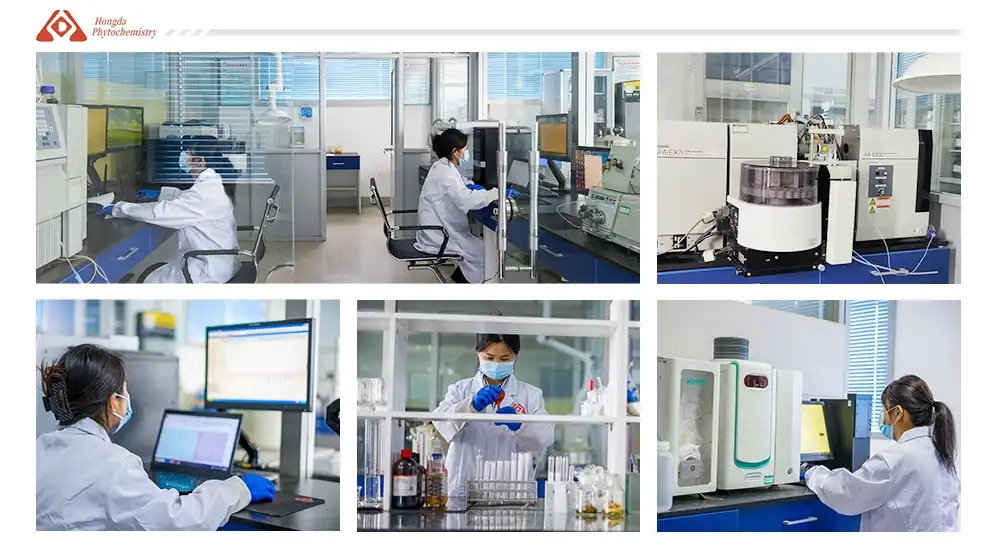
Most of the time, manufacturers test liposomal systems using scientific methods like:
- DLS stands for dynamic light scattering.
- TEM stands for transmission electron microscopy.
The HPLC test
These tests help make sure that the product is consistent and that the particles are the right size and shape.
Advantages of Liposomal Coenzyme Q10 Powder for B2B Product Development
For supplement companies, how well an ingredient works directly impacts the quality, placement, and acceptance of their products by customers.Liposomal CoQ10 is useful for more than just providing ingredients; it also lets companies make goods that stand out.
Supporting Premium Supplement Formulations
Consumers are increasingly looking for supplements with:
- Better absorption potential
- Clean-label ingredients
- Advanced delivery technologies
- Scientific support
By using Liposomal coenzyme Q10 powder in liposomal delivery systems, brands can develop premium products positioned around improved formulation technology rather than competing only on price.
Potential applications include:
- Healthy aging products
- Sports nutrition formulas
- Energy support supplements
- Beauty-from-within products
Greater Formulation Flexibility Across Product Categories
Compared with traditional CoQ10 formats, liposomal powder can be incorporated into a wider range of products.
Examples include:
Functional Beverages
The improved dispersibility of liposomal CoQ10 makes it suitable for liquid nutrition products.
Powder Supplements
It can be blended into powdered formulas while maintaining ingredient stability.
Beauty Nutrition Products
CoQ10 is often included in beauty-oriented formulations targeting antioxidant support.
Quality Standards and Regulatory Considerations for Liposomal CoQ10 Ingredients
For B2B buyers, selecting a liposomal ingredient supplier requires more than evaluating product specifications. Manufacturing consistency, documentation support, and quality management systems are equally important factors that influence long-term cooperation.
A reliable supplier should provide clear information about:
- Raw material sources
- Manufacturing processes
- Testing procedures
- Batch consistency
- Regulatory documentation
These factors help brands maintain product quality while preparing for different market requirements.
Manufacturing Quality Control and Product Verification
The production of liposomal ingredients requires strict control over raw materials, encapsulation conditions, and finished product testing.
Important quality checks include:
- Active ingredient assay
- Particle size analysis
- Encapsulation efficiency testing
- Microbiological examination
- Heavy metal testing
- Stability evaluation
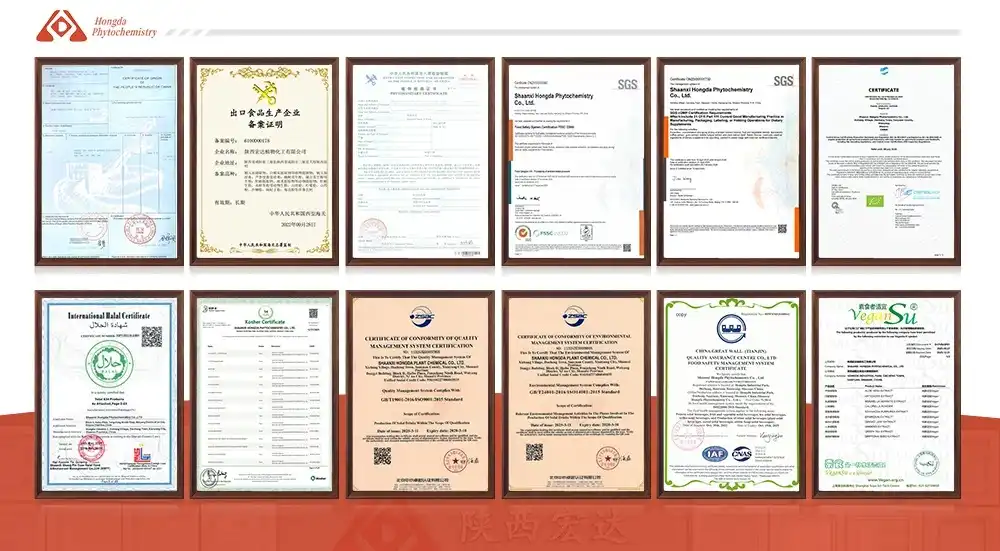
Hongda Phytochemistry applies quality management systems, including cGMP, FSSC 22000, ISO 9001, ISO 22000, HALAL, KOSHER, and organic-related standards to support consistent ingredient production.
For each production batch, quality documentation such as certificates of analysis (COA) can help customers verify:
- CoQ10 content
- Microbial safety
- Contaminant control
- Product specifications
Analytical Methods Used for Liposomal Ingredient Testing
Advanced testing methods are essential for confirming liposomal quality.
Common analytical techniques include:
Dynamic Light Scattering (DLS)
DLS is used to evaluate particle size distribution and identify whether liposomal particles remain consistent during production and storage.
Transmission Electron Microscopy (TEM)
TEM provides visual confirmation of liposomal structures and helps evaluate particle morphology.
High-Performance Liquid Chromatography (HPLC)
HPLC is commonly used to verify CoQ10 concentration and ensure accurate active ingredient content. Together, these methods provide manufacturers with confidence in product consistency and formulation performance.
Comparing Liposomal Coenzyme Q10 Powder With Other CoQ10 Forms
Different CoQ10 formats provide different advantages depending on the intended application, manufacturing process, and target market. Understanding these differences helps buyers select the most suitable ingredient format.
Liposomal Powder vs Standard Crystalline CoQ10
Standard crystalline CoQ10 remains popular because it is widely available and cost-effective. However, its poor water compatibility can limit certain applications.
| Feature | Standard Crystalline CoQ10 | Liposomal CoQ10 Powder |
|---|---|---|
| Water dispersibility | Limited | Improved |
| Formulation flexibility | Mainly capsules and softgels | Suitable for liquids and powders |
| Delivery technology | Conventional | Phospholipid-based encapsulation |
| Product positioning | Basic supplementation | Premium nutrition applications |
For brands developing advanced supplement products, liposomal powder provides additional formulation opportunities.
Liposomal Powder vs Oil-Based Softgels
Oil-based softgels improve CoQ10 dissolution by placing it in a lipid carrier. However, they may require:
- Specialized filling equipment
- Additional manufacturing steps
- More complicated storage management
Liposomal powder offers advantages such as:
- Easier transportation
- Room-temperature storage capability
- Compatibility with multiple dosage formats
- Greater formulation flexibility
The preferred choice of Liposomal coenzyme Q10 powder depends on the final product design, manufacturing capabilities, and target consumer needs.
How to Evaluate a Reliable Liposomal CoQ10 Powder Supplier
Choosing the right supplier is one of the most important decisions for brands developing CoQ10 products.
A qualified supplier should demonstrate:
- Stable manufacturing capability
- Transparent quality documentation
- Consistent product specifications
- Technical support
- Customization options
Key Supplier Evaluation Criteria
Before cooperation, buyers should review:
Production Capability
A professional manufacturer should have:
- Dedicated production facilities
- Controlled manufacturing environments
- Experienced technical teams
- Stable raw material sourcing
Quality Documentation
Important documents include:
- Certificate of Analysis
- Specification sheets
- Testing reports
- Regulatory certificates
Technical Support
Experienced suppliers can assist with:
- Dosage recommendations
- Product formulation
- Stability testing
- Application development
This type of support is especially valuable for brands entering new supplement categories.
Bulk Procurement Guide for Liposomal Coenzyme Q10 Powder
Successful sourcing requires balancing product quality, cost efficiency, and supply reliability.
Request Samples Before Large-Scale Purchasing
Before placing bulk orders, buyers should evaluate samples through practical testing.
Recommended evaluation steps include:
- Checking powder appearance
- Testing water dispersion
- Reviewing particle size data
- Confirming active ingredient content
- Evaluating compatibility with final formulations
For beverage, capsule, or cosmetic applications, compatibility testing helps identify potential production challenges before commercialization.
Confirm Packaging, MOQ, and Supply Requirements
Before purchasing, companies should confirm:
- Minimum order quantity
- Packaging options
- Lead time
- Storage requirements
- Shipping conditions
Flexible MOQ options allow brands to test new products before moving into large-scale manufacturing. Hongda Phytochemistry provides customized ingredient solutions for different business needs, including research projects, product development, and commercial production.
Future Opportunities for Liposomal CoQ10 Applications
The demand for advanced delivery systems continues to increase as consumers become more interested in effective and convenient nutritional products.
Several market trends are supporting the growth of liposomal ingredients:
- Increasing interest in healthy aging
- Growth of functional nutrition
- Demand for clean-label products
- Expansion of personalized supplementation
Growing Demand for Advanced Delivery Technologies
Consumers are becoming more aware that ingredient quality is influenced not only by the active compound but also by delivery technology.
Liposomal systems provide brands with opportunities to create differentiated products by focusing on:
- Improved formulation technology
- Enhanced product experience
- Scientific ingredient positioning
OEM and Private Label Product Development Advantages
Working with an experienced ingredient manufacturer speeds up the process of coming up with new products.
Suppliers who are professionals can help with:
- Customising the ingredients
- Consultation on the formulation
- How to package things
- Getting documentation ready
- Help with regulations
This partnership-based approach helps businesses move from buying ingredients to getting full help with product development.
Why Choose Hongda Phytochemistry for Liposomal CoQ10 Supply?
A trustworthy partner for ingredients should offer more than just raw materials. Manufacturers need quality that is always the same, professional know-how, and a reliable supply system.
Hongda Phytochemistry helps its clients by:
- New method for encapsulating liposomes
- phospholipid sources from plants
- Quality-controlled ways of making things
- Help for OEM and ODM
- Supply options that are flexible
The business helps brands make competitive goods for global markets by using its knowledge of plant extracts, healthy ingredients, and high-tech delivery methods.
Conclusion
It is possible to mix CoQ10 in ways that work better with liposomal transfer technology than with other types. Liposomal coenzyme Q10 powder is better at spreading out, staying stable, and making current additives because it has phospholipid-based structures around the CoQ10 molecules.
Because it can be absorbed better, liposomal CoQ10 is valuable to manufacturers in more ways than one. When looking for an ingredient provider, it's important to make sure they offer consistent output quality, the ability to test, help with regulations, and ways to make the product your own.
People are always on the lookout for new nutritional products that use cutting-edge ways to deliver them. Companies can now make vitamins, useful foods, and health items that stand out in new ways with liposomal coenzyme Q10. By working with a professional producer like Hongda Phytochemistry, a business can get high-quality materials on a regular basis and technical help to help the market grow over the long term.
FAQ
1. How much better is the absorption compared to regular CoQ10?
Pharmacokinetic tests in humans show that liposomal administration raises peak plasma concentrations by 300–1200% compared to regular crystalline CoQ10. The exact change relies on things like the size of the vesicles, the make-up of the phospholipids, and the person's digestive system. When compared to regular ubiquinone powder, Hongda's nanoscale version (D50 < 120nm) improves absorption in the intestines by 8–12 times.
2. How can I verify the product is truly liposomal and not just mixed powder?
To be sure that a liposomal powder is real, it needs to be checked using transmission electron microscopy to see circular vesicle structures and dynamic light scattering to see that the particles are between 100 and 400 nm in size and have a polydispersity index below 0.3. Ask your providers for these analytical studies. If you mix lecithin and CoQ10 physically, they won't make uniform nanospheres when the water is added back in. This is a simple test that you can do yourself.
3. What certifications should I look for when sourcing bulk quantities?
For quality control, give priority to providers who have up-to-date cGMP, FSSC 22000, ISO 9001, and ISO 22000 certifications. Some of the market-specific standards could be HALAL, KOSHER, organic approvals (USDA NOP, EU), and proof that the product does not contain GMOs. Hongda keeps all of these licenses up to date with annual checks that make sure they are always following the rules. Always check the scope and length of a certificate's validity before signing a contract.
Partner with a Leading Liposomal Coenzyme Q10 Powder Manufacturer
Shaanxi Hongda Phytochemistry Co., Ltd. has the best liposomal coenzyme Q10 powder on hand to help you come up with new products. Our pharmaceutical-grade recipe, which is based on more than 20 years of experience extracting botanicals and cutting-edge micro-encapsulation technology, gives your customers real performance benefits they will notice. We offer flexible 1 kg MOQs, detailed COAs, specs that can be changed, and dedicated expert help to procurement professionals and R&D teams. Email our team at duke@hongdaherb.com to get samples, talk about bulk prices, or look into OEM/ODM options for working together. Find out why companies that make nutraceuticals trust Hongda as a source for liposomal coenzyme Q10 powder.
References
1. Bhagavan, H.N., & Chopra, R.K. (2006). Coenzyme Q10: Absorption, tissue uptake, metabolism, and pharmacokinetics. Free Radical Research, 40(5), 445-453.
2. Langsjoen, P.H., & Langsjoen, A.M. (2014). Comparison study of plasma coenzyme Q10 levels in healthy subjects supplemented with ubiquinol versus ubiquinone. Clinical Pharmacology in Drug Development, 3(1), 13-17.
3. Akbari, A., Mobini, G.R., Agah, S., et al. (2020). Coenzyme Q10 supplementation and oxidative stress parameters: a systematic review and meta-analysis of clinical trials. European Journal of Clinical Pharmacology, 76(11), 1483-1499.
4. Pravst, I., Zmitek, K., & Zmitek, J. (2010). Coenzyme Q10 contents in foods and fortification strategies. Critical Reviews in Food Science and Nutrition, 50(4), 269-280.
5. Hosoe, K., Kitano, M., Kishida, H., et al. (2007). Study on safety and bioavailability of ubiquinol (Kaneka QH™) after single and 4-week multiple oral administration to healthy volunteers. Regulatory Toxicology and Pharmacology, 47(1), 19-28.
6. Crane, F.L. (2001). Biochemical functions of coenzyme Q10. Journal of the American College of Nutrition, 20(6), 591-598.
_1753514769698.webp)