


_1745918362135.webp)

What Quality Standards Govern Liposomal Iron Powder Manufacturing?
If your buying team is looking for a new source of ingredients, you should know the quality standards that are used to make liposomal iron powder. The Hongda Phytochemistry is a good example of a production system that is well run. Shaanxi Hongda Phytochemistry Co., Ltd. is top rated liposomal iron producers for bulk orders which has been improving its manufacturing system for more than 20 years. Part of this process is making sure the raw materials are of good quality, processing them in a cleanroom, getting independent lab tests, and getting certification that is recognized around the world. This structure is used to create its liposomal iron powder, which is safe for use in medicine. Hongda uses standards at every step of the production process, from the ferric pyrophosphate base material to the wrapping, drying, packing, and storing. They don't just check for quality before sending. These standards are broken down into different groups in this piece. This makes it easy for buyers to tell if any liposomal iron maker, even Hongda, lives up to the standards set by their brand. Iron-rich supplements, medicines, and functional foods are becoming more popular around the world. To get long-term deals with international brands, manufacturers who can prove each step of their quality process are more likely to succeed. In other words, anyone who is currently comparing suppliers should really learn about these standards, not just for school.[1][5]
Raw Material and Ingredient Quality Standards for Liposomal Iron Powder
Sourcing and Verification of Ferric Pyrophosphate
The first thing that goes into every batch of liposomal iron powder is micronized ferric pyrophosphate. This iron salt was picked because it is more chemically stable and less likely to react with other chemicals than ferrous sulfate or other common iron salts. Before this raw material is used in production, Hongda checks it against internal standards that are similar to international pharmacopoeia standards to make sure it is clean, has regular particles, and doesn't have any contaminants. It's important to do these first tests because if there are any problems with the raw iron source, they will show up in the packaging process and make the finished liposomal iron powder less stable and less bioavailable. If the sellers don't do this, they might not find a problem with the raw materials until after the finished product fails the test for release. Otherwise, the whole batch might have to be redone or thrown away, which takes time and costs money that could have been saved with a higher standard at the start.[1][2]
Lecithin Carrier Selection Standards
The phospholipid that holds the iron is treated with the same level of care as the iron source. Hongda gets non-GMO lecithin from egg yolk, sunflower seeds, or soybeans, based on what the customer wants to eat. Each batch of carriers is checked for purity and stability before it is added to the process of making liposomal iron powder. At this point, strict rules make sure that the phospholipid membrane forms correctly around the iron core. What if the carrier doesn't stay the same? The iron core might not be fully encased, and the end powder won't be as safe from stomach breakdown when it gets to the customer.[3][6]
Pesticide, Heavy Metal, and Microbial Screening
Before they are used, Hongda checks all of their raw materials for heavy metals, chemical leftovers, wetness levels, and microbe contamination. This includes the materials they use to make liposomal iron powder. This screening is done on top of the testing that is done on the finished item before it is sent out. This way, there are two different checks at the end of the queue instead of just one. This two-step process gives buyers from other countries more faith that a shipment will pass import testing without any contamination flags that were not expected. Also, brands don't have to take a supplier's word that a batch meets standards; they have a written record they can use to defend their choice of raw material to their own quality assurance department.[2][4]
Traceability from Planting Base to Powder
Hongda has three specific places where high-mountain green tea, Sophora japonica beans, and Chinese medicines can be grown. Agronomists are in charge of each one and keep an eye on how the plants are grown from the ground up. Liposomal Iron Powder is made from a mineral instead of a plant, but all of the company's other elements can be tracked in the same way. This is part of the company's attitude of keeping records, which gives buyers peace of mind that sourcing records can be used for legal or audit reasons if needed.
Manufacturing Process Standards Inside Hongda's FacilityPurification Workshop Classification
The cleanrooms used to make liposomal iron powder are at the 100,000-level, which keeps small particles from getting into the sensitive packaging steps. The 20,000-square-meter building that Hongda is in was made to handle this level of environmental control on a large scale. It has more than ten modern production lines. By controlling the particle environment during encapsulating, the finished liposomal structure is less likely to become contaminated, which could weaken it before it even dries and is packed. This standard for cleanliness is regularly used on all production lines in the building, not just one specialist unit. This helps make sure the quality stays the same even when many batches of liposomal iron powder are being worked on at once.[4]
Encapsulation Process Controls
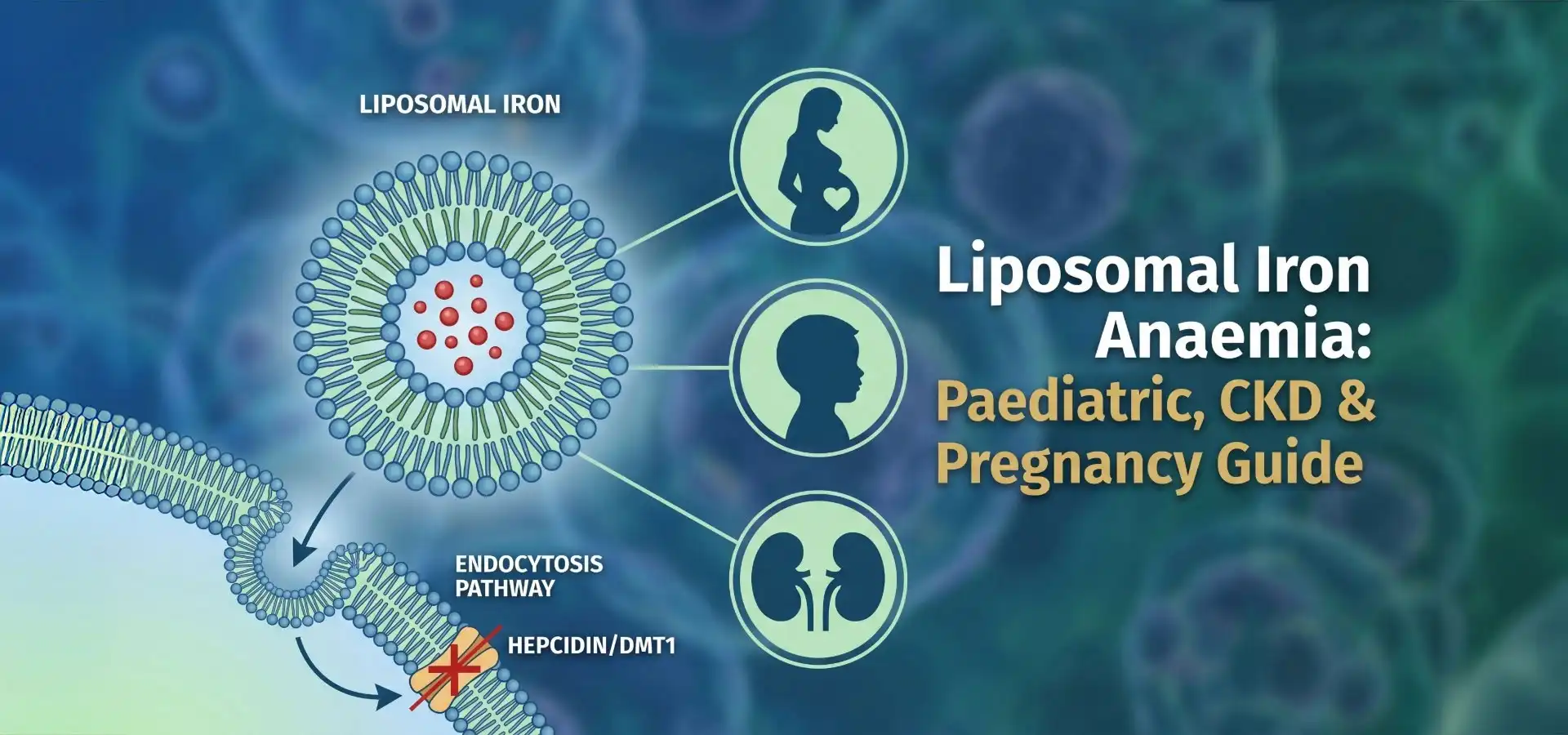
To make uniform circles around the iron core, thin-film hydration and ultrasonic processing are used in a controlled way. This is how ferric pyrophosphate is enclosed in a phospholipid membrane. The steps used to make liposomal iron powder are always the same. Temperature, mixing speed, and hydration time are some of these parameters. So, particle generation stays the same whether a batch is made for a small test order or a big shipment to a customer. Because Hongda follows this process discipline so well, brands see them as a trusted liposomal iron maker and not a provider whose quality changes from batch to batch.
Particle Size and Encapsulation Rate Standards
Particles in the finished liposomal iron powder should be 150 to 250 nanometers across, and the D90 value should stay below 30 microns to make sure the powder flows easily and evenly. These specs are checked more than once while the product is being made, not just before it comes out. Workers can then find and fix process drift before it spreads to the whole batch. For the liposomal transport method to work as planned once it is added to a finished food or supplement, the particles must be spread out evenly in size. People who want to buy liposomal ferric pyrophosphate should ask how often these readings are taken during a production run. A company is more likely to miss drift that happens in the middle of encapsulation if they only test at the beginning and end of the process.
Batch Record and Production Line Standards
There is a full batch record made every time liposomal iron powder is made. This record has the lots of raw materials that were used, the process settings, and the results of any tests that were done during the production process. This makes a record that the quality team for a client can check if they want to. Hongda has more than 150 workshop operation experts who help make things on all of the factory's lines. This gives them the staffing depth they need to make sure these documentation standards are always followed, instead of just making batch records when a customer asks for them.[5]
Liposomal Iron Powder Specification
|
Terms
|
Standard
|
Terms
|
Standard
|
|
Product Name
|
Liposomal Iron Powder
|
Appearance
|
white powder
|
|
Specification
|
NLT 70% Ferric pyrophosphate
|
|
|
|
Total Heavy Metals
|
≤10 ppm
|
Ash
|
≤2%
|
|
As
|
≤0.5ppm
|
Total Plate Count
|
≤750 cfu/g
|
|
Pb
|
≤0.5ppm
|
Yeast and Mold
|
≤100 cfu/g
|
|
Cd
|
≤0.5ppm
|
Coliforms
|
Negative
|
|
Hg
|
≤0.1ppm
|
E.Coli
|
Negative
|
|
Packing
|
Pack in 25kgs paper-drums, inner by double plastic bag
|
Shelf life
|
24 months under the above condition, and in its original package
|
Laboratory Testing and Certification StandardsSGS-Standardized Laboratory Testing Protocols
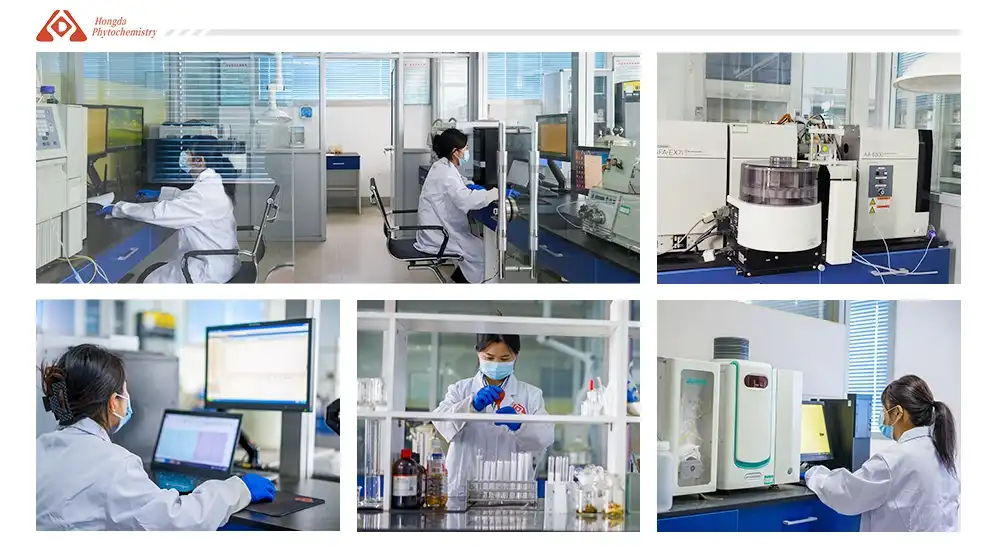
Hongda's testing is done in an SGS-certified lab that was set up with the help of university professors and is staffed by more than twenty researchers and testers at the professor level. This lab follows written procedures for each batch of liposomal iron powder, checking the iron content, particle characteristics, and contaminant levels before letting a shipment go. When testing is based on a publicly recognised standard instead of an internal-only method, buyers have a point of reference they can check on their own to see if a liposomal ferric pyrophosphate provider meets the strict paperwork standards their own compliance teams need. This external alignment also makes it easier for a brand's inspectors to compare results to a known method instead of having to figure out how to use a testing system that is only used by one plant.
International Certifications Governing Production
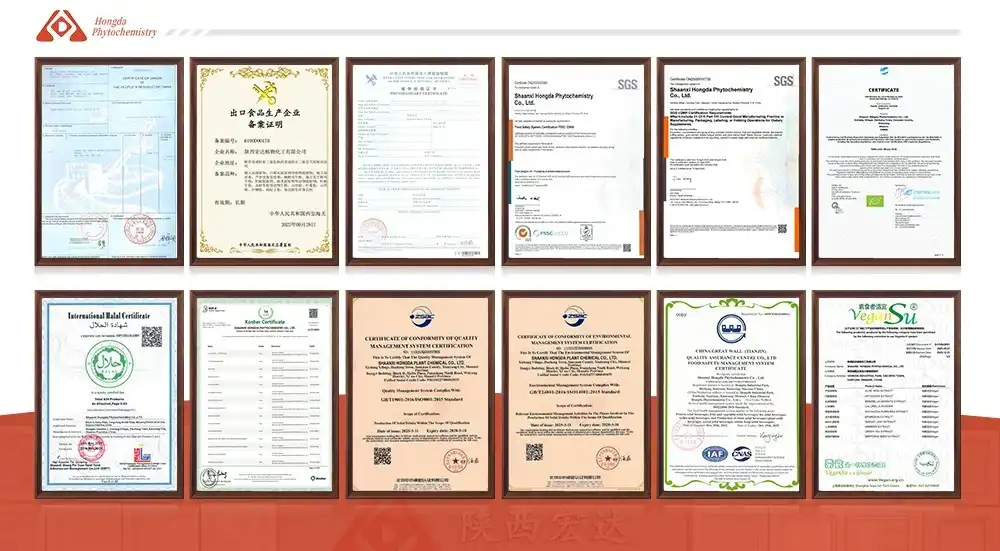
Liposomal ferrous glycinate powder is made under a set of certifications that includes cGMP, FSSC22000, ISO9001, and ISO22000. It is also safe, kosher, registered with the FDA, and certified organically by the EU and NOP. Some of these certifications, like cGMP and FSSC22000, were earned for the first time in 2025. This shows that the company is still working hard to meet the standards that regulators in Europe and North America expect from an overseas ingredient manufacturer. This level of approval is exactly what sets a liposomal iron producer that competes on a global scale apart from a regional provider that doesn't have third-party control.
|
Certification
|
Scope
|
|---|---|
|
cGMP
|
Current Good Manufacturing Practice
|
|
FSSC22000
|
Food Safety System Certification
|
|
ISO9001
|
Quality Management System
|
|
ISO22000
|
Food Safety Management System
|
|
Organic (EU / NOP)
|
European Union and USDA Organic Standards
|
|
Halal / Kosher
|
Religious Dietary Compliance
|
|
BRC
|
British Retail Consortium Global Standard
|
|
FDA
|
U.S. Food and Drug Administration Registration
|
Analytical Equipment and Verification Methods
As a liposomal iron manufacturer, Hongda's in-house laboratory has high-performance liquid chromatographs, gas chromatographs, spectrophotometers, atomic absorption spectrophotometers, polarimeters, and automatic titrators that are used to check the liposomal iron powder. With this equipment, the testing team can confirm the amount of iron in the sample, find small amounts of contaminants, and confirm the name of the chemicals without having to send each batch for critical analysis to a different lab. This means that buyers will get certificates of analysis faster and have fewer delays when they need paperwork before a shipment.
Documentation Buyers Can Request
Before placing an order, brands that want to get liposomal iron powder can ask Hongda's expert sales team for certificates of analysis, stable data, and batch records. Buyers who need specific paperwork for a retailer audit, a regulatory filing, or an internal quality review should email duke@hongdaherb.com. The team can prepare the necessary paperwork along with sample shipments so that due diligence can go forward without having to go back and forth too much.
Packaging, Storage, and Delivery StandardsPackaging Specifications for Liposomal Iron Powder
Finished liposomal iron powder is packed according to standardised specifications designed to protect the liposomal structure during international transit, with moisture-resistant packaging suited to the powder's sensitivity to humidity and temperature fluctuation. Consistent packaging practices reduce the risk of degradation between the point of manufacture and a brand's own receiving facility, which matters especially for a nanoscale delivery system where physical damage to the liposome structure can meaningfully reduce the ingredient's functional performance.[3][6]
Warehouse Storage Zoning Standards
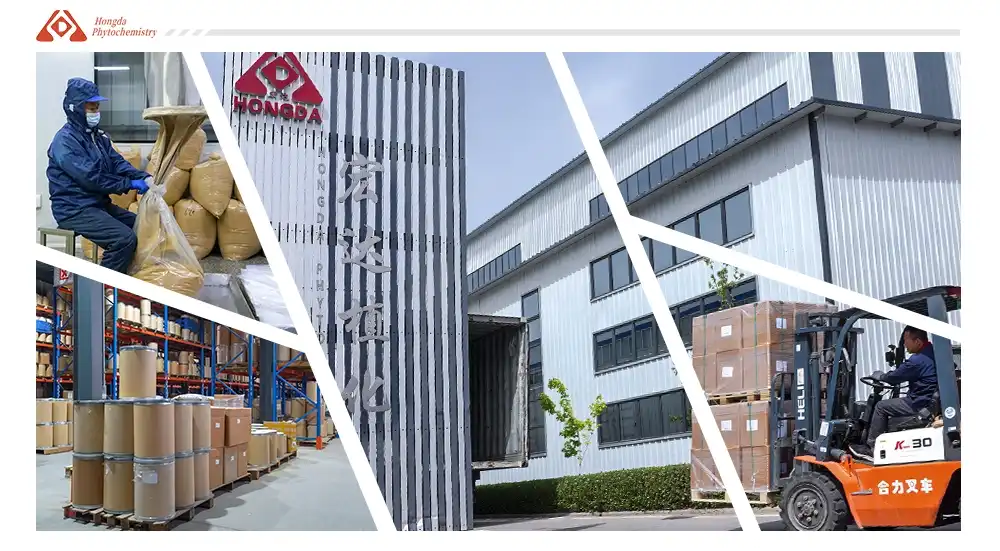
Hongda's 3,000 square metre warehouse is divided into six dedicated storage zones, with vitamins, minerals, and speciality actives such as liposomal iron powder held in a designated area separate from botanical extracts and fruit or vegetable powders. Professionals assigned to each zone are responsible for sterilisation and environmental monitoring, a zoning discipline that limits cross-contamination risk and keeps sensitive mineral ingredients away from materials that could otherwise compromise their stability during storage.
Shelf Life and Stability Standards
Stability testing establishes the shelf-life claims attached to every batch of liposomal iron powder, with storage condition recommendations designed to preserve encapsulation integrity over time. These standards are informed by the same in-house laboratory that handles release testing, allowing the technical team to update guidance if new stability data becomes available, rather than relying on generic shelf-life assumptions carried over from unrelated product categories.
On-Time Delivery Assurance
Sufficient warehouse inventory and a factory capable of producing up to 3,000 tonnes annually allow Hongda to maintain on-time delivery performance even during periods of elevated global demand for liposomal iron powder. This capacity buffer is a quality standard in its own right, since a manufacturer that cannot reliably deliver on schedule introduces supply chain risk regardless of how well its finished product tests in the laboratory.
How These Standards Translate into Buyer Confidence?
Consistency Across Batches
When raw material verification, process controls, and finished-product testing are all standardized, the result is a liposomal iron powder that performs consistently whether a brand orders a small trial batch or scales to a multi-ton annual contract. This consistency is what allows a formulation validated once in a lab setting to translate reliably into full commercial production without unexpected reformulation work later on.
Regulatory Readiness for Global Markets
Because Hongda's quality standards are built around certifications recognized in Europe, North America, and Asia, brands sourcing liposomal iron powder from this liposomal ferric pyrophosphate supplier face fewer customs and registration obstacles than they would with an uncertified regional supplier. This regulatory readiness shortens the time between signing a supply agreement and actually bringing a finished product to market.
Long-Term Quality Assurance Partnership
Beyond any single shipment, these standards support an ongoing quality assurance relationship in which Hongda's technical and laboratory teams can respond to a brand's evolving documentation needs as regulations shift or as a product expands into new markets, making the manufacturer a durable long-term partner rather than a one-time vendor.
Conclusion
The quality standards governing liposomal iron powder manufacturing span raw material verification, cleanroom processing, independent laboratory testing, and full international certification. Hongda Phytochemistry applies each of these controls consistently, backed by more than two decades of manufacturing experience and a certification portfolio built for global markets. Brands seeking a dependable, well-documented iron ingredient gain both technical assurance and regulatory readiness through this standardized approach.
FAQ1. What certifications apply to Hongda's liposomal iron powder production?
Production is covered by cGMP, FSSC22000, ISO9001, ISO22000, EU and NOP organic certification, halal, kosher, BRC, and FDA registration.
2. What cleanroom classification is used during manufacturing?
Liposomal Iron Powder is produced inside 100,000-level purification workshops to limit particulate contamination during encapsulation.
3. How is particle size controlled during production?
Finished powder is held to a 150–250 nanometer range with D90 values kept below 30 microns, verified at multiple production checkpoints.
Request Your Liposomal Iron Powder Documentation | liposomal ferrous glycinate manufacturer/liposomal ferrous glycinate supplier
If your team needs a liposomal iron powder supplier that can prove its quality standards with real documentation, Shaanxi Hongda Phytochemistry Co., Ltd. offers certified manufacturing, in-house laboratory testing, and a batch-level traceability system built for international buyers. From raw material screening to final packaging, every stage of production follows standards recognized across Europe, North America, and Asia. Contact duke@hongdaherb.com today to request certificates of analysis, stability data, or a sample shipment, and confirm for yourself why brands trust this liposomal iron manufacturer with their most quality-sensitive formulations.
References
1. Journal of Pharmaceutical Sciences – Studies on quality control standards for liposomal mineral encapsulation systems.
2. Food Control – Research on contaminant screening protocols in mineral nutrient manufacturing.
3. International Journal of Pharmaceutics – Analyses of particle size standards in nanoscale phospholipid delivery systems.
4. Journal of Food Science and Technology – Reviews of cleanroom classification requirements in nutraceutical ingredient production.
5. Regulatory Affairs Professionals Society (RAPS) publications—Guidance on international certification frameworks for dietary ingredient manufacturers.
6. American Journal of Clinical Nutrition – Research on stability and bioavailability standards for encapsulated iron supplements.
_1772591348576.webp)