


_1745918362135.webp)

Who Benefits Most from Liposomal Iron Powder Supplementation?
Brand formulators can make products that meet people's nutritional needs that aren't being met when they know who gets the most out of liposomal iron powder vitamins. A lot of companies, like Hongda Phytochemistry, want to make goods that appeal to certain groups of people. Shaanxi Hongda Phytochemistry Co., Ltd. uses ferric pyrophosphate that has been broken down into small pieces to make liposomal iron powder that can be used in medicine. Most iron salts don't work as well or are as hard on the stomach as this type of iron powder. If you need a lot of iron or have an upset stomach, this is very important. This article talks about the kinds of people who might gain the most from a liposomal iron supplement. It also talks about why this way of delivering works better for these people than others and what brands can do to make products that work for these groups. The lack of iron is being heard about more and more around the world. There are a lot of iron supplements on the market. To stand out and earn customers' trust, brands should make it clear which customers their product is best for and how liposomal delivery helps those customers.[1][3]

Population Groups Most Likely to Benefit from Liposomal Iron Powder
Women of Reproductive Age and Prenatal Nutrition
Goods with extra iron are mostly made for women who can have children. During their periods, while they are pregnant, and while they are healing after giving birth, women need a lot more iron. That's because pregnant women often need to take supplements often and for a long time. Liposomal Iron Powder works great for this group. A daily delivery method that is easier to handle helps people keep up with it for longer. It is often found in health mixes for women and pregnant women because it helps the body make red blood cells and move oxygen around. For this reason, the body needs more food at this time. A lot of women keep getting iron after giving birth, while they're nursing, and while they're getting better. That way, an easy-to-use vitamin that is well-tolerated can make a bigger difference in how often eating is kept up.

Athletes and Physically Active Individuals
People who play sports or work out a lot lose iron because they sweat a lot. Also, their red blood cells die faster. That is, they need more nutrients than most people, which most meals can't give them. It's good for sports nutrition companies because athletes take vitamins every day while they work hard for a long time. To be more consistent, it's better to stick to training plans when the recipe isn't too hard to digest. The food this group of people eats is also very important to them. Because of this, approved and well-studied liposomal iron powder is a great choice for high-end sports nutrition products. This type of iron is interesting to a lot of people who train for long-distance events like runs, triathlons, and riding. They try a lot of different stacks, so they know right away if a pill makes their stomach hurt during hard training blocks.[4]
Vegetarians and Vegans
People who eat mostly plant-based foods are more likely to not get enough iron over time because the iron they eat is generally in a form that is harder to absorb called non-heme. Liposomal iron powder can be used as a mineral source by plant-based brands. It can be mixed with lecithin carriers that are non-GMO and vegan-friendly. This is good for this group of people because it fits with their food preferences and still works much better than regular iron salts for absorption. Brands that want to reach people who are interested in plant-based nutrition are using it more and more because it comes from a clean source and works well. Formulators are finding that a bioavailable, allergen-flexible iron source fills in one of the biggest nutritional gaps in vegetarian and vegan diets without making people give up the reasons they choose these foods in the first place. This is because the global market for plant-based supplements is growing..[2]
Seniors with Reduced Dietary Iron Intake
Some foods are harder for older people to swallow, which can change how much iron they take in and how well it is absorbed. That makes this group of people another important group to target with liposomal iron powder. It's getting more and more important for senior nutrition items to be easy to tolerate. Traditional iron pills are more likely to make people who are already sensitive sick, so a softer way of delivering iron is more likely to be taken for a long time. Brands that make lines for senior health often put this item at the top of their lists for this reason. Formulators are focusing more on ingredients that are both easy to use and good for you as the world's population ages and multivitamin companies make more products for seniors. This is because a vitamin that hurts an older person and they stop taking has no nutritional value, even if it is better at solubility in theory.[5]
Why Liposomal Iron Powder Suits Sensitive Populations Better than Conventional Iron?Gentler Absorption Pathway
There is a phospholipid layer around the iron core of liposomal iron powder. This lets it be taken in a different way than most iron salts, which go straight through the gut walls. This ingredient is good for sensitive groups because it lowers the risk of stomach problems. Stomach problems are a big reason why people stop taking iron supplements before they finish the recommended course. It's better for brands if their products are made in a way that makes them easier to use. People are more likely to use a product regularly, which is more important for real nutritional results than bioavailability numbers alone.
Better Tolerability for Regular, Long-Term Use
Iron pills that people can take regularly for a long time without getting sick are best for people who need them, like pregnant women or people who have trouble eating enough. Liposomal iron powder is often used for these long-term purposes because it is well accepted and encourages daily use, which isn't as important for shorter-term supplementation.
Suitability for Pediatric and Elderly Formulations
The harsh effects of daily iron pills are felt more by people of all ages. Like this, liposomal iron powder is a natural part that can be found in multivitamins for kids and teens that come in edible pills, drops, and gentle forms. For products that people of all ages use, this iron source is often chosen because it is less likely to cause problems over time than other iron sources that are more reactive.[3][5]
Compatibility with Clean-Label and Allergen-Free Products
Non-GMO lecithin from soy, egg yolk, or sunflower seeds can be used to make liposomal iron powder. This ingredient can help brands say that their products are clean-labeled, allergen-free, or vegan, depending on the carrier they choose. A single main item can meet the wants of many people with different food needs because of this. Because of this, companies that have more than one product line can better handle their supply chains.

Liposomal Iron Specification
|
Terms
|
Standard
|
Terms
|
Standard
|
|
Product Name
|
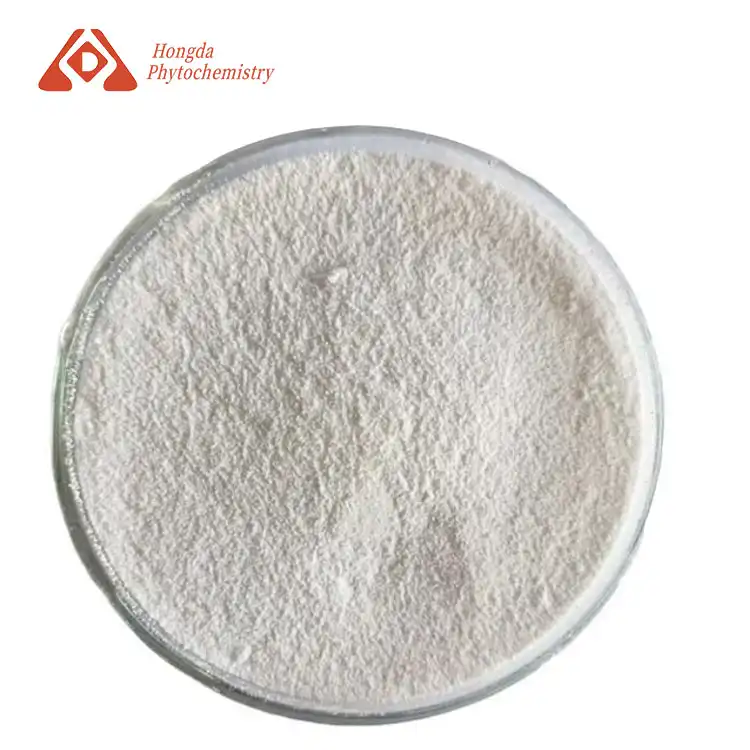
Liposomal Iron Powder
|
Appearance
|
white powder
|
|
Specification
|
NLT 70% Ferric pyrophosphate
|
|
|
|
Total Heavy Metals
|
≤10 ppm
|
Ash
|
≤2%
|
|
As
|
≤0.5ppm
|
Total Plate Count
|
≤750 cfu/g
|
|
Pb
|
≤0.5ppm
|
Yeast and Mold
|
≤100 cfu/g
|
|
Cd
|
≤0.5ppm
|
Coliforms
|
Negative
|
|
Hg
|
≤0.1ppm
|
E.Coli
|
Negative
|
|
Packing
|
Pack in 25kgs paper-drums, inner by double plastic bag
|
Shelf life
|
24 months under the above condition, and in its original package
|
Formulation Opportunities Across These Target DemographicsPrenatal Multivitamins and Women's Health Blends
Liposomal iron powder can be mixed with folate, vitamin D, and other essential micronutrients by formulators making prenatal or women's health products. This creates a well-rounded formula that is good for a time when nutrition is especially important. The ingredient mixes easily with other actives and spreads out smoothly, so it can be added to prenatal solutions that are in pill, tablet, or powder form without having to change the base of the product too much.[1]
Sports Nutrition and Recovery Products
Liposomal Iron Powder can be mixed with ingredients that help the body heal in post-workout mixes, pills, or ready-to-mix powders made for endurance athletes. Because it works with busy lives and daily use patterns, it's a good addition to product lines that are already based on the long-term nutrition habits of active customers.[4]
Plant-Based and Vegan Supplement Lines
When made with sunflower or soybean lecithin instead of egg-derived carriers, brands aimed at vegetarian and vegan customers can market liposomal iron powder as an accessible mineral source that fits with plant-based values. When ingredient sourcing and consumer values are in line with each other, plant-based brands can tell a real story about how their products were made instead of just making a generic claim that has nothing to do with how they position their products overall. If a brand is thinking about going in this way with their recipe or needs help choosing the right carrier lecithin for a certain dietary claim, they can email duke@hongdaherb.com for technical help. Smaller plant-based brands can avoid the trial-and-error that bigger, more established supplement companies might be able to handle more easily during product development if they get this kind of straight advice.
Functional Beverages for Everyday Iron Support
Because liposomal iron powder dissolves in water and doesn't have the metallic taste that comes with unencapsulated iron, beverage companies can add it to ready-to-drink drinks or powdered drink mixes for people who want everyday iron support but don't want to take pills or capsules. With this use, the ingredient can be used in functional drinks, which is a fast-growing market that is different from supplement categories. As people look for regular health solutions that can be easily incorporated into their daily routines, like a morning drink or a flavored water product, a taste-neutral iron ingredient opens up new recipe options that weren't possible with older, more reactive iron supplements.[6]
Why Hongda Phytochemistry Is a Trusted Liposomal Iron Manufacturer for These Applications?Certified Manufacturing for Sensitive Consumer Groups
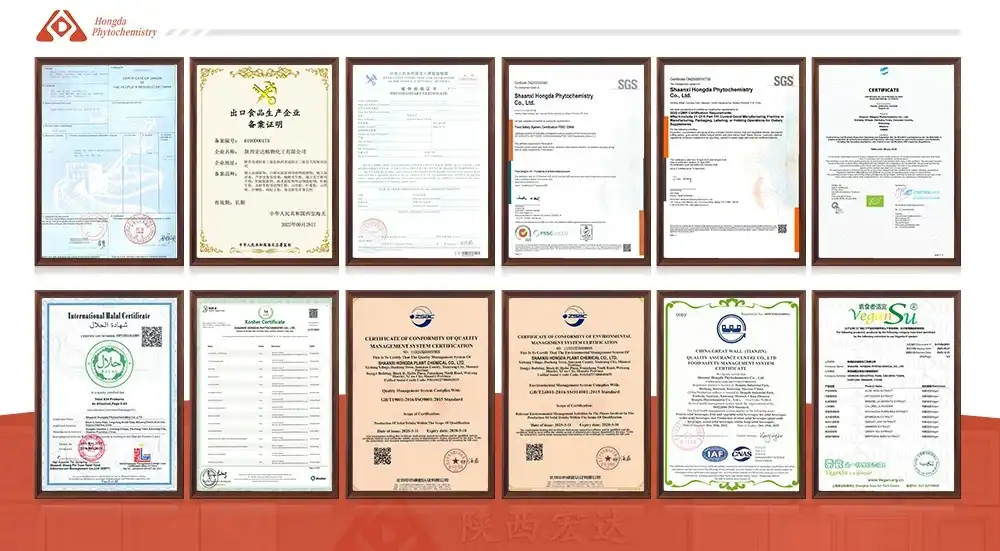
Certification is more important for liposomal iron powder than for many other types of ingredients because it is often made for sensitive groups like pregnant women, babies, and older people. The cGMP, FSSC22000, ISO22000, and FDA-registered center at Hongda, a trusted liposomal iron manufacturer, gives brands the recorded quality guarantee they need to make goods for these more fragile customer groups without putting extra safety or legal risk on the products.[1][5] For brands that sell products to pregnant women or young children, this level of approval is especially helpful because regulatory or legal teams need to be able to back up an ingredient choice. This is because gaps in paperwork are seen as much less acceptable in these categories than in general health recipes.
|
Certification
|
Scope
|
|---|---|
|
cGMP
|
Current Good Manufacturing Practice
|
|
FSSC22000
|
Food Safety System Certification
|
|
ISO9001
|
Quality Management System
|
|
ISO22000
|
Food Safety Management System
|
|
Organic (EU / NOP)
|
European Union and USDA Organic Standards
|
|
Halal / Kosher
|
Religious Dietary Compliance
|
|
BRC
|
British Retail Consortium Global Standard
|
|
FDA
|
U.S. Food and Drug Administration Registration
|
In-House R&D Supporting Demographic-Specific Formulations
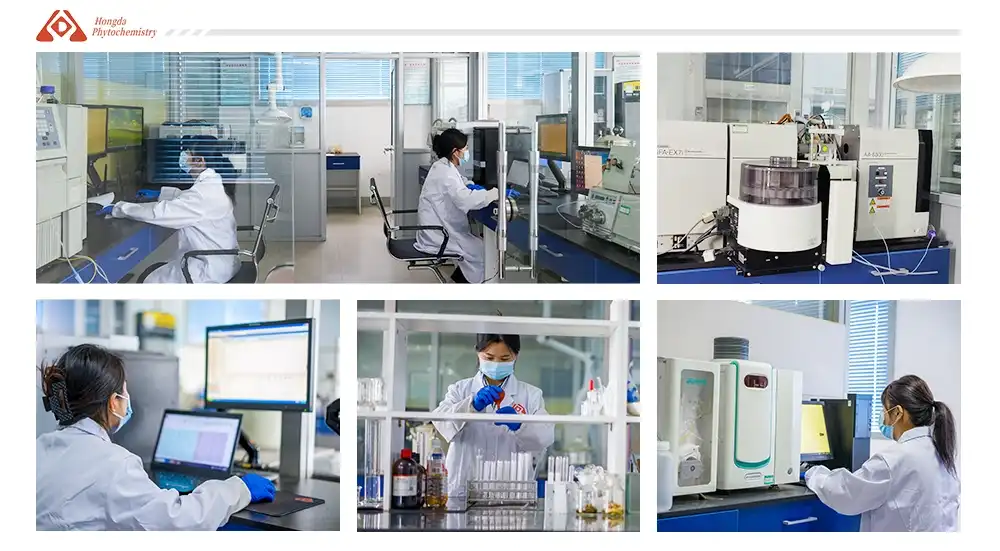
With the help of more than twenty professorial scientists working in an SGS-certified lab, Hongda's research team can help brands choose the right carrier lecithin, change the particle size, and make sure the mixture works well with the target audience. With this technical support, brands don't have to make costly mistakes when making liposomal iron powder products for specific groups of people, like pregnant women or kids.[3]
Consistent Quality Across Large-Scale Production
Hongda has more than ten production lines and can produce up to 3,000 tonnes of liposomal iron powder every year. This means that they can supply liposomal iron powder consistently as a brand's products go from a small regional launch to a full international rollout, without the batch-to-batch variations that smaller manufacturers often have trouble avoiding when order volumes rise significantly. This ability to grow is especially important for brands that are entering quickly-growing areas like healthy drinks or plant-based nutrition. If a maker can't quickly change their production plans to meet demand, they could miss the mark.
Global Export Experience Serving Diverse Markets
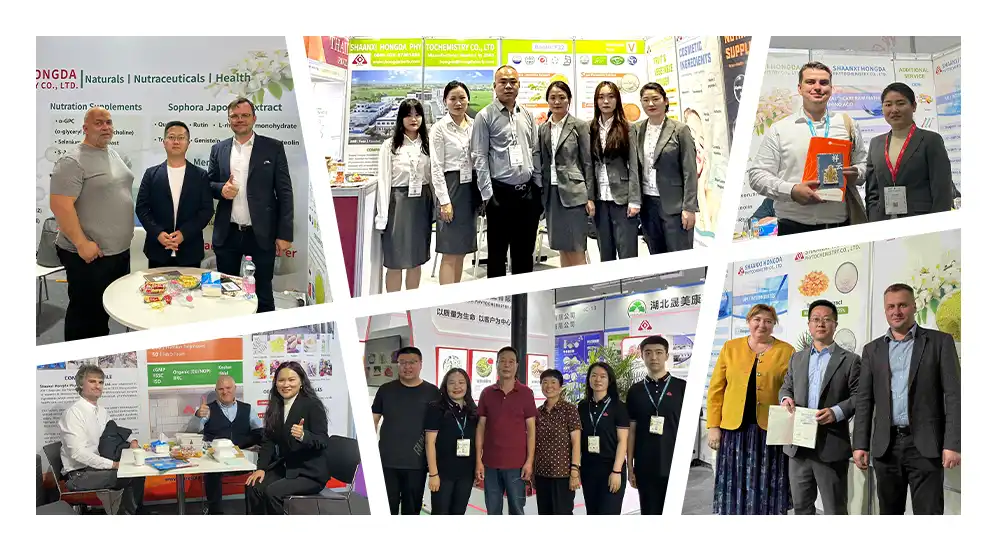
Different areas have different demographic priorities, such as a focus on prenatal nutrition in some markets and a rise in sports nutrition in others. Hongda's export experience across Europe, North America, and Asia as a liposomal iron manufacturer gives brands confidence that their certifications and paperwork will be compatible with the consumers in any area they are trying to reach.
Choosing the Right Liposomal Ferric Pyrophosphate Supplier for Your Target Market
Aligning Ingredient Specifications with Consumer Needs
Brands should work closely with their liposomal ferric pyrophosphate supplier to confirm that particle size, carrier lipid, and iron content align with the specific demographic and dosage format they are targeting, since a formulation suited to a prenatal capsule may need adjustment for a pediatric chewable or a sports recovery beverage.
Ensuring Supply Reliability for Growing Demographics
As demand grows within categories like prenatal nutrition or plant-based supplementation, brands need a supplier capable of scaling liposomal iron powder production without sacrificing consistency, making annual capacity and warehouse organization important factors when selecting a long-term ingredient partner.
Building Long-Term Formulation Partnerships
The strongest outcomes tend to come from ongoing collaboration between a brand's formulation team and a liposomal ferric pyrophosphate supplier's R&D group, allowing product lines targeting specific demographics to evolve as consumer preferences and clinical understanding of iron supplementation continue to develop over time.
Conclusion
Liposomal Iron Powder benefits a wide range of consumer groups, from pregnant women and athletes to vegetarians and seniors, largely because its gentler absorption profile supports the long-term, consistent use these populations often require. Hongda Phytochemistry supports brands targeting these demographics with certified manufacturing, dedicated R&D, and export-ready documentation built over more than two decades of experience, giving formulators a dependable technical partner as they build products for each of these distinct consumer segments.
FAQ1. Why is liposomal iron powder often recommended for pregnant women?
Its gentler absorption profile supports the consistent, long-term supplementation often needed throughout pregnancy and the postpartum period.
2. Is liposomal iron powder suitable for vegan formulations?
Yes, it can be formulated with non-GMO sunflower or soybean lecithin to align with plant-based, cruelty-free dietary requirements and labeling claims.
3. Can liposomal iron powder be used in beverage products?
Its water dispersibility and reduced metallic taste make it suitable for fortified beverages and powdered drink mixes.
4. What makes this ingredient suitable for senior nutrition products?
Its gentler tolerability profile supports better long-term compliance among consumers with sensitive digestive systems.
Formulate for Your Target Audience with Confidence | HONGDA
If you are developing a product for prenatal nutrition, sports recovery, plant-based supplementation, or senior wellness, Shaanxi Hongda Phytochemistry Co., Ltd. offers certified, pharmaceutical-grade liposomal iron powder backed by in-house R&D and a full international certification portfolio. As an experienced liposomal iron manufacturer, Hongda can help tailor carrier composition and specifications to your specific consumer segment. Contact duke@hongdaherb.com today to request samples, technical data sheets, or formulation guidance, and build a product that truly meets the needs of the audience you are trying to reach.
References
1. American Journal of Clinical Nutrition – Research on iron requirements across different life stages and population groups.
2. Nutrients (MDPI) – Reviews of iron bioavailability in plant-based and vegetarian diets.
3. Journal of Pharmaceutical Sciences – Studies on liposomal encapsulation for improved mineral tolerability.
4. Sports Medicine journal – Research on iron status and supplementation needs in endurance athletes.
5. Journal of Nutrition, Health and Aging—Studies on iron intake and absorption in older adults.
6. Food Chemistry – Analyses of taste-masking and fortification strategies for iron in beverage products.